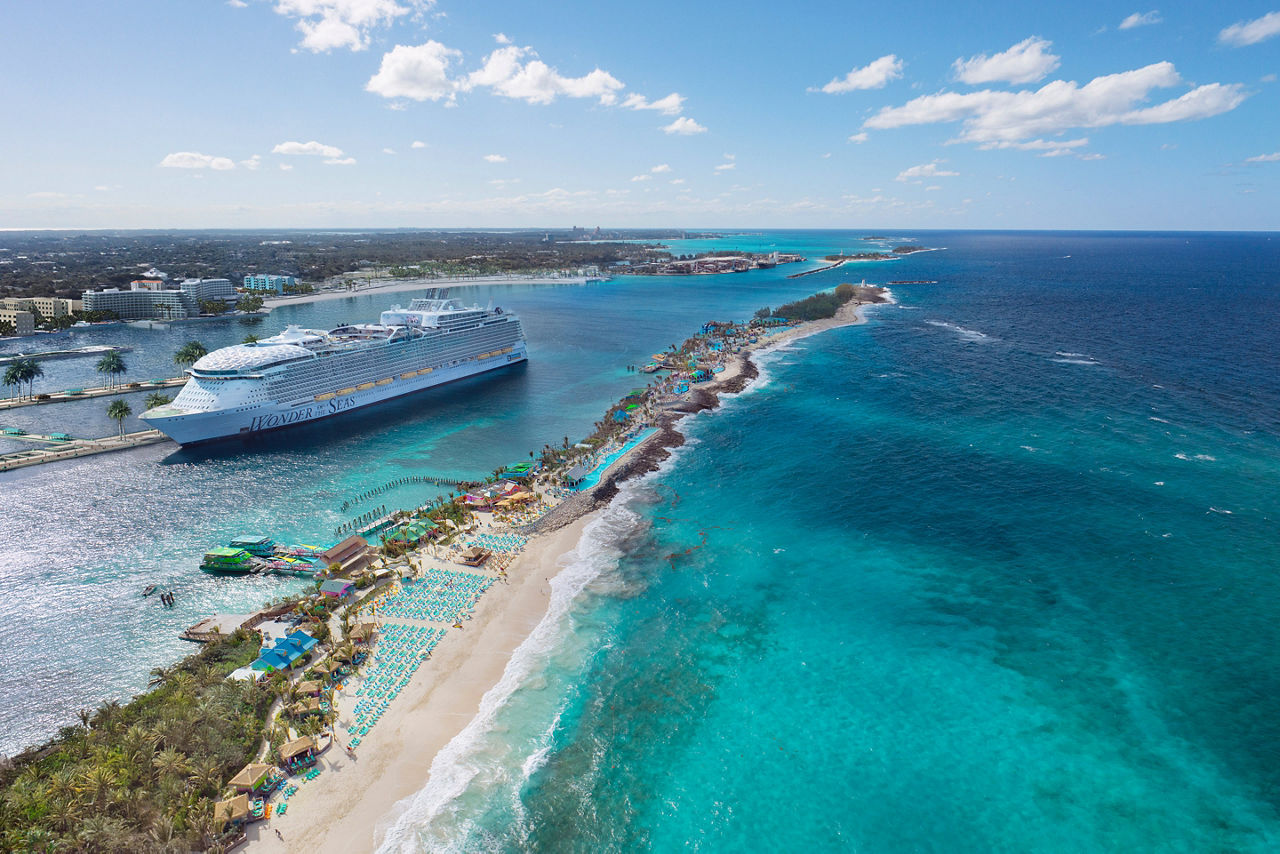
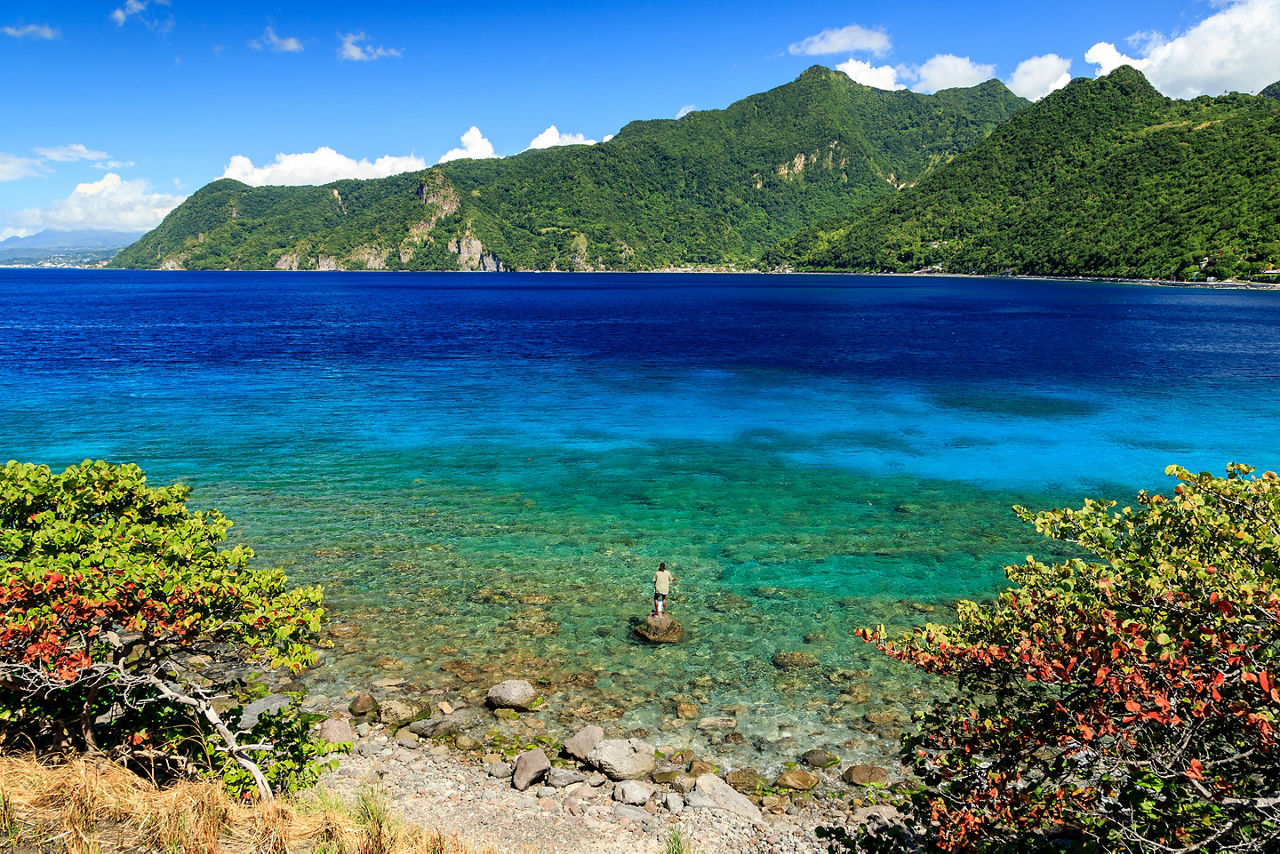
St. Maarten is known for its unique Dutch-French identity, famous plane landings over Maho Beach, beautiful Caribbean coastline, duty-free shopping and multicultural atmosphere. The island combines the energy of Philipsburg on the Dutch side with the French-Caribbean character of northern Saint-Martin, giving travelers two distinct cultural experiences in one destination.
Here are 10 highlights that help explain why St. Maarten is one of the Caribbean’s most recognizable islands.
1. Two Nations on One Caribbean Island
St. Maarten is best known for sharing one island between two nations. The southern Dutch side is officially Sint Maarten, a constituent country within the Kingdom of the Netherlands. The northern French side, Saint-Martin, is a French overseas collectivity.
Travelers can move between the two sides without encountering a physical border checkpoint. Instead, monuments and signs mark the boundary as the scenery shifts between lively resort areas, colorful towns, quiet coves and French-Caribbean communities.
The island’s dual identity influences its languages, architecture, cuisine and overall atmosphere. Philipsburg serves as the capital of the Dutch side, while Marigot is the main town on the French side.
2. Maho Beach and Its Low-Flying Airplanes
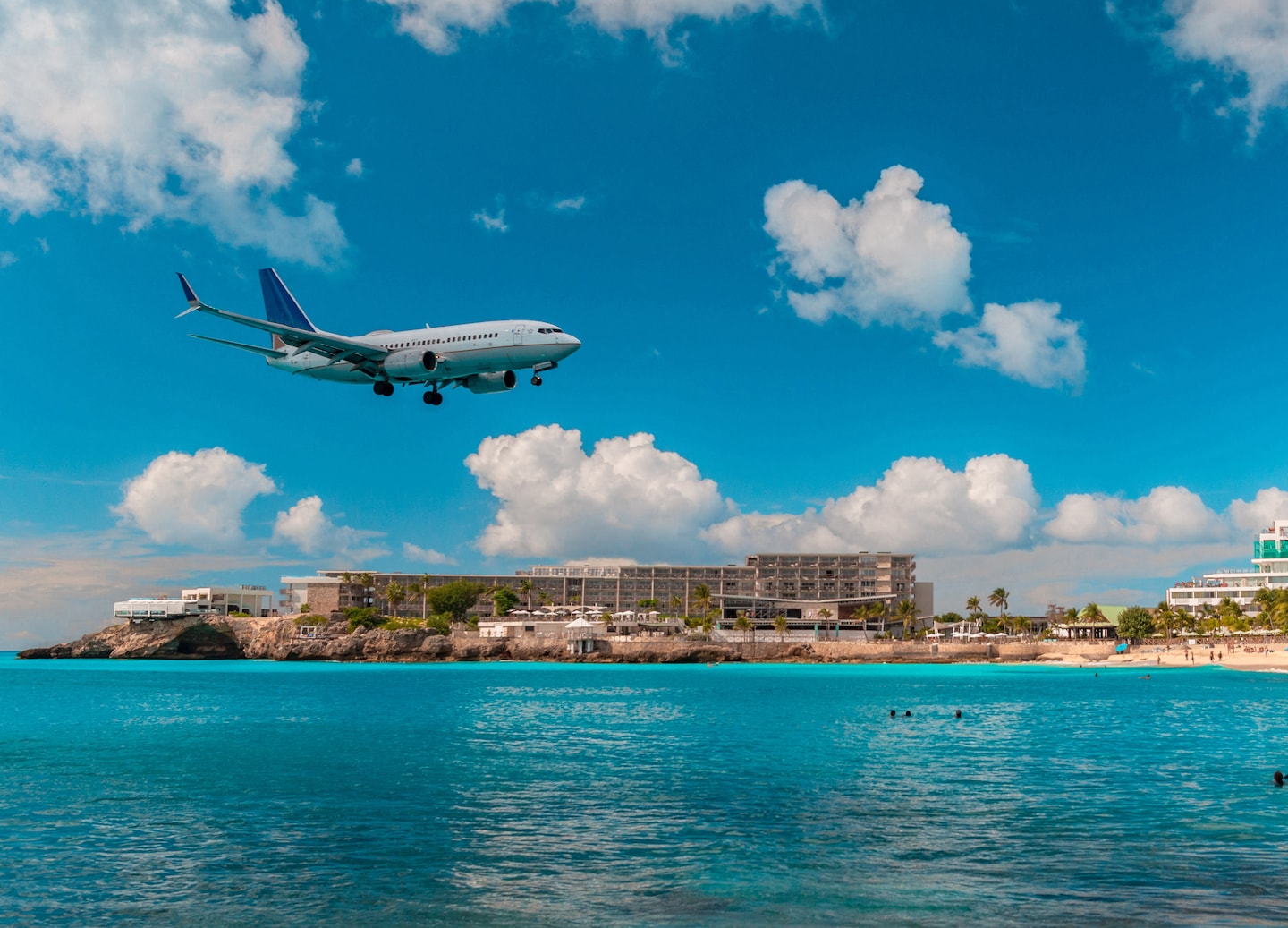
Maho Beach is one of the most famous places in St. Maarten because arriving airplanes pass remarkably close overhead before landing at Princess Juliana International Airport. The sight of a passenger jet descending against a backdrop of turquoise water has become one of the island’s defining images.
Visitors gather along the beach and surrounding viewing areas to watch the arrivals. Posted guidance and designated viewing spaces help guests enjoy the experience while staying a comfortable distance from the airport fence and powerful jet blast.
While plane spotting is the main attraction, Maho Beach also offers a lively setting with nearby restaurants, music and Caribbean views.
3. Philipsburg’s Colorful Waterfront
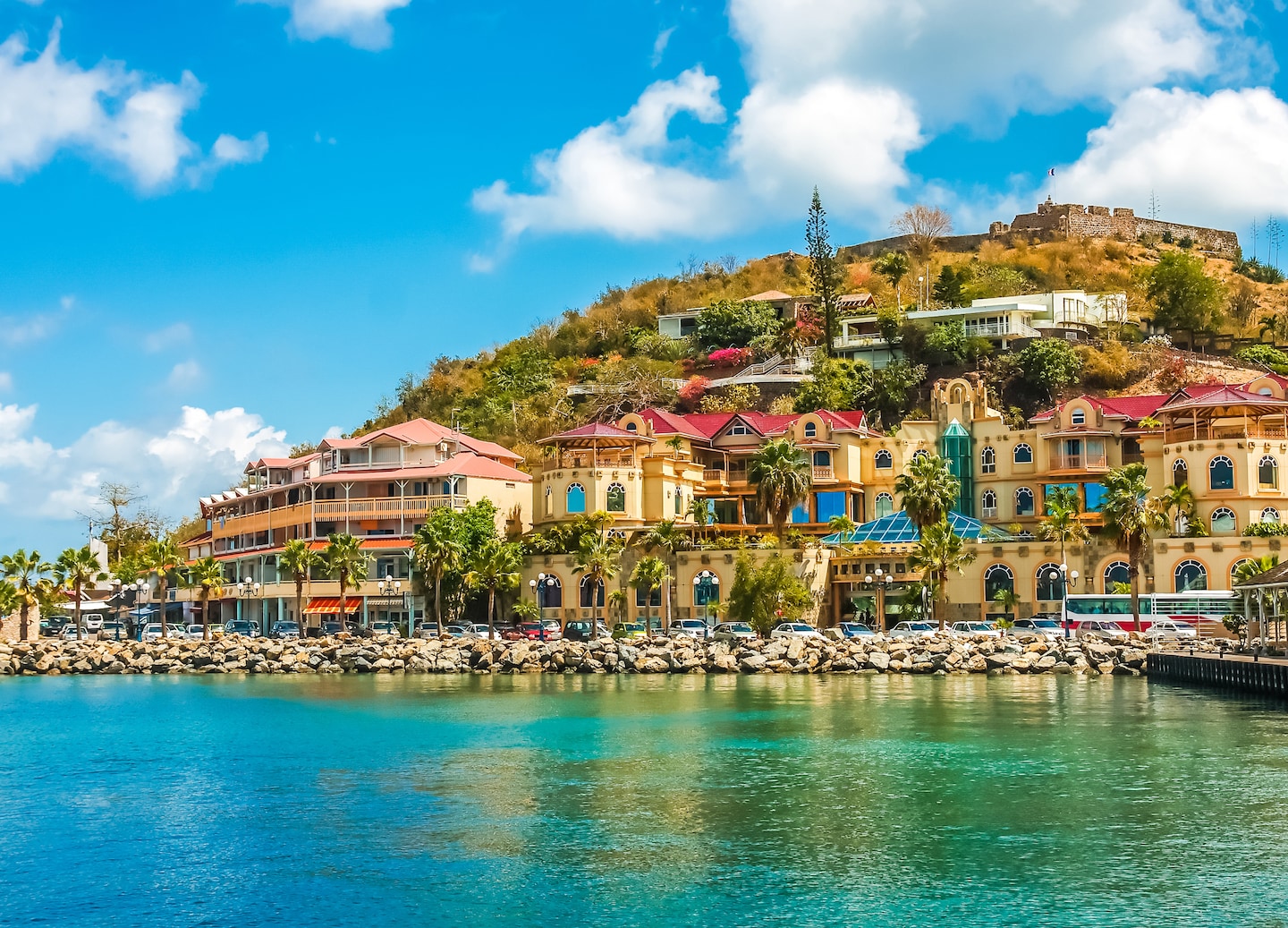
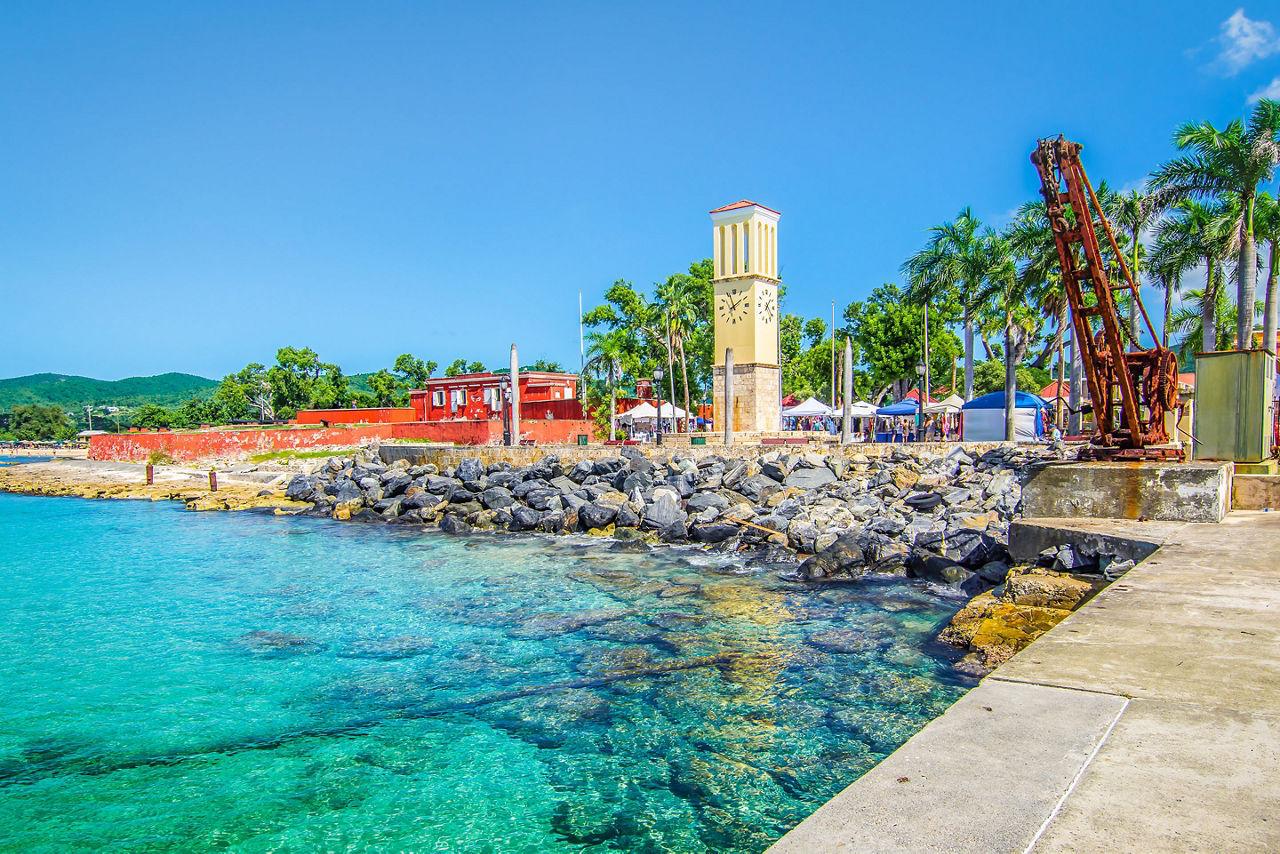
Philipsburg is known for its combination of Caribbean scenery, colonial influences and waterfront energy. The Dutch-side capital sits between Great Bay and the Great Salt Pond, within easy reach of the cruise port.
Front Street runs through the heart of the town, where pastel-colored buildings contain boutiques, jewelry stores and souvenir shops. Nearby, the Boardwalk follows the shoreline of Great Bay and connects beachfront restaurants, cafés and places to relax beside the water.
This compact setting makes Philipsburg an inviting introduction to St. Maarten’s history, culture and modern island personality.
4. Duty-Free Shopping

St. Maarten has a long-standing reputation as one of the Caribbean’s leading duty-free shopping destinations. Philipsburg’s Front Street is lined with stores selling jewelry, watches, fragrances, electronics, spirits, clothing and locally inspired gifts.
The island became a duty-free port in the 20th century, helping Philipsburg develop into an international shopping center. Today, shopping remains an important part of the city’s identity and a popular addition to a day spent exploring the Dutch side.
Travelers interested in locally connected souvenirs can look for Caribbean artwork, guavaberry products, island spices and handcrafted accessories.
5. Beaches With Distinct Personalities

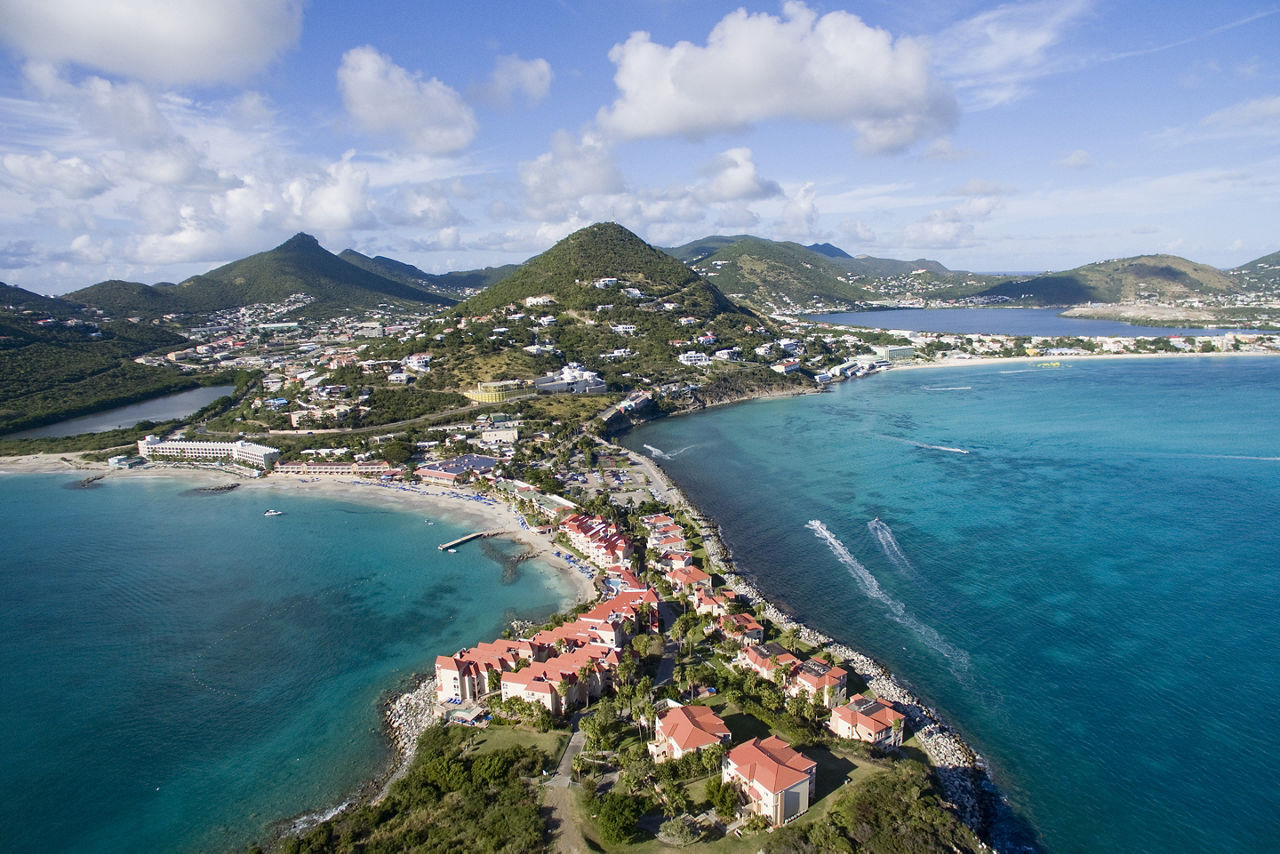
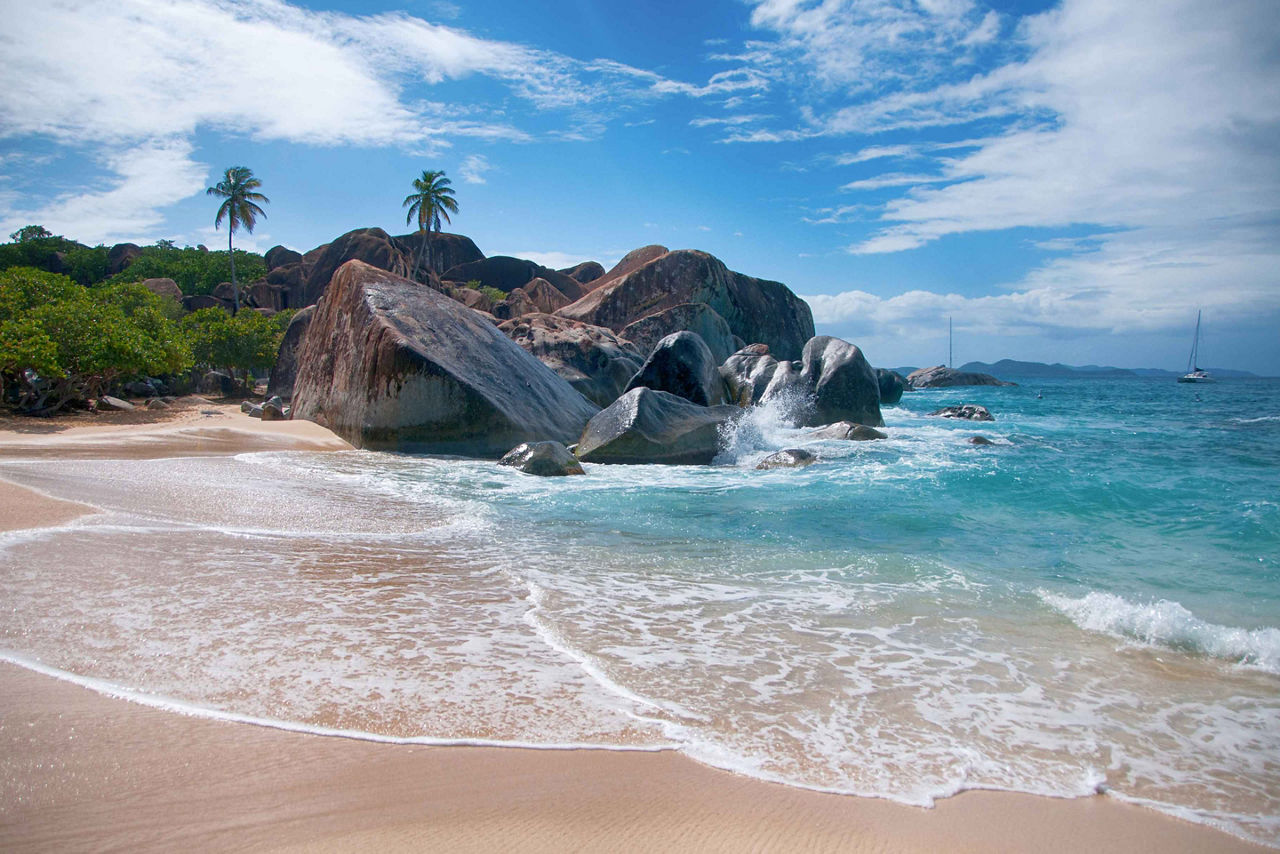
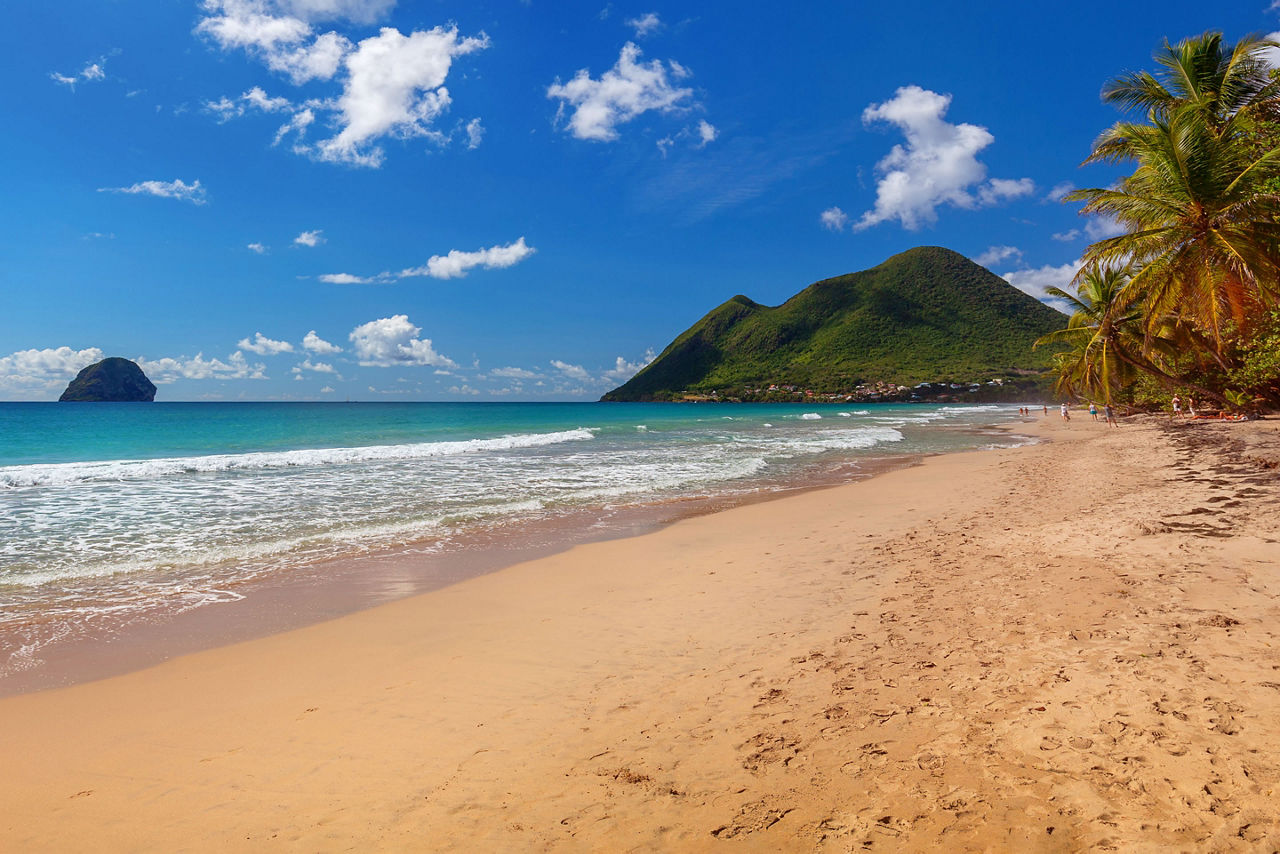
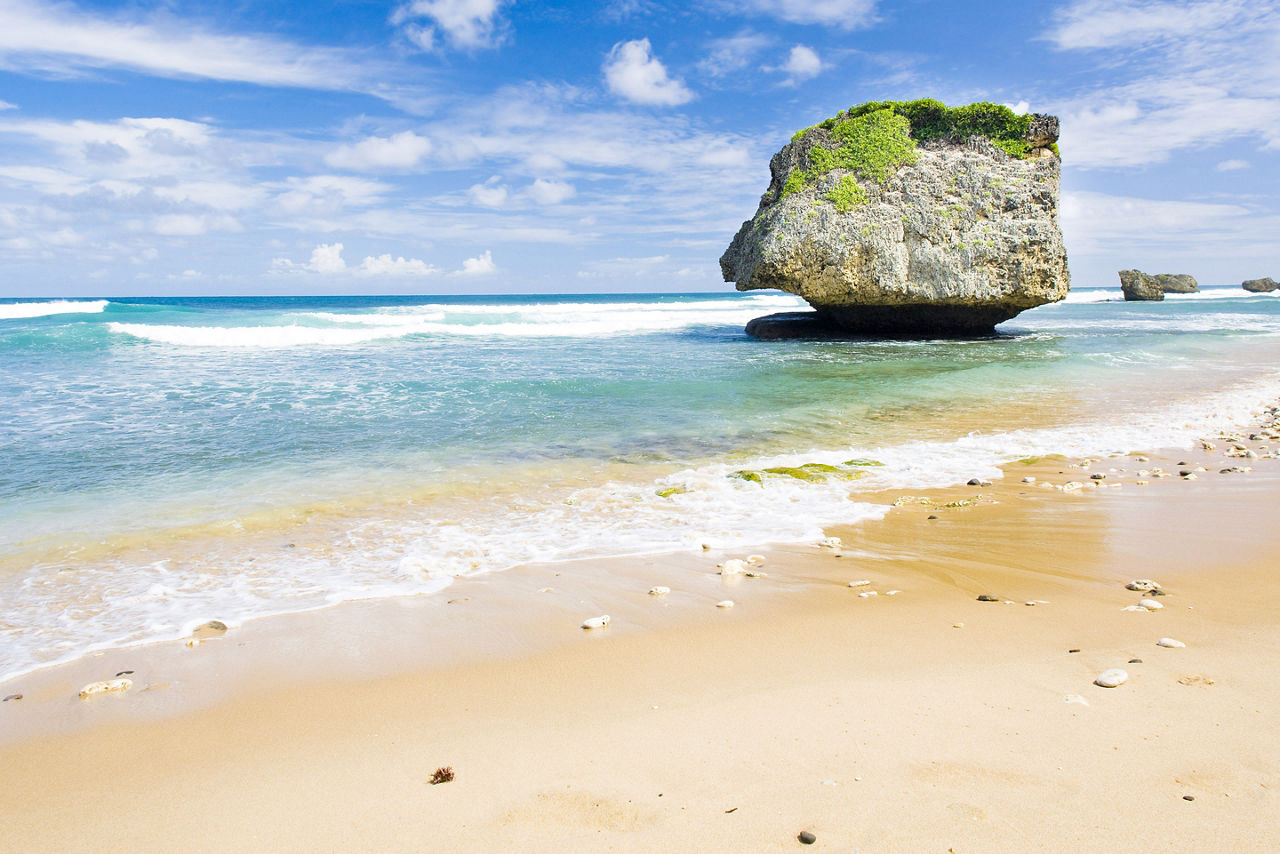
St. Maarten and Saint-Martin are known for a varied coastline where each beach offers a slightly different experience. Great Bay Beach places visitors near Philipsburg’s restaurants and shops, while Mullet Bay is admired for its clear water and broad stretch of sand.
Maho Beach delivers the island’s famous airplane views. On the French side, Orient Bay is known for its active waterfront atmosphere, and Grand Case combines a relaxed shoreline with restaurants and village character.
This variety makes the island appealing to families, couples, swimmers, water sports enthusiasts and travelers looking for a peaceful place beside the Caribbean.
6. Sailing and Caribbean Regattas
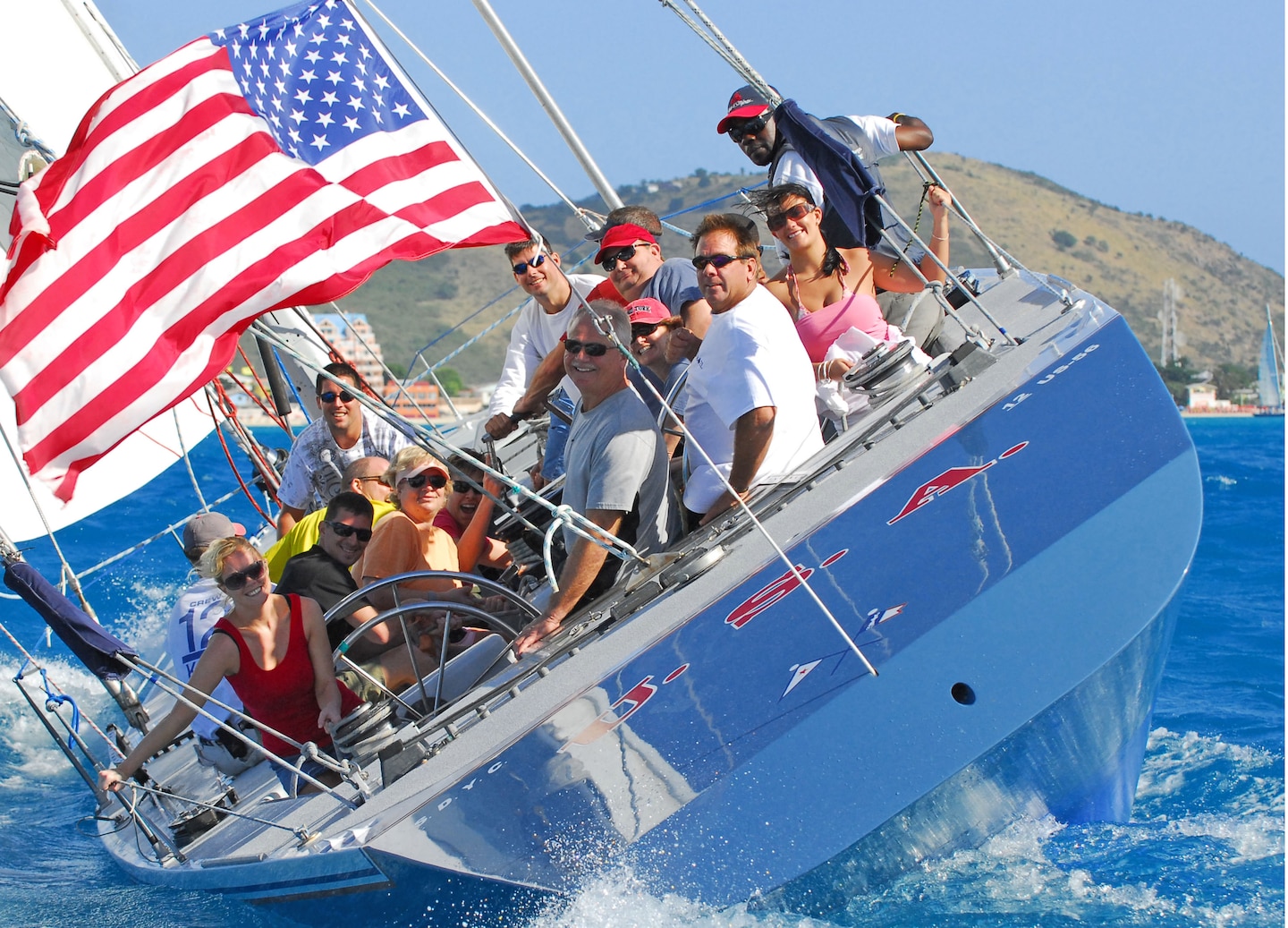
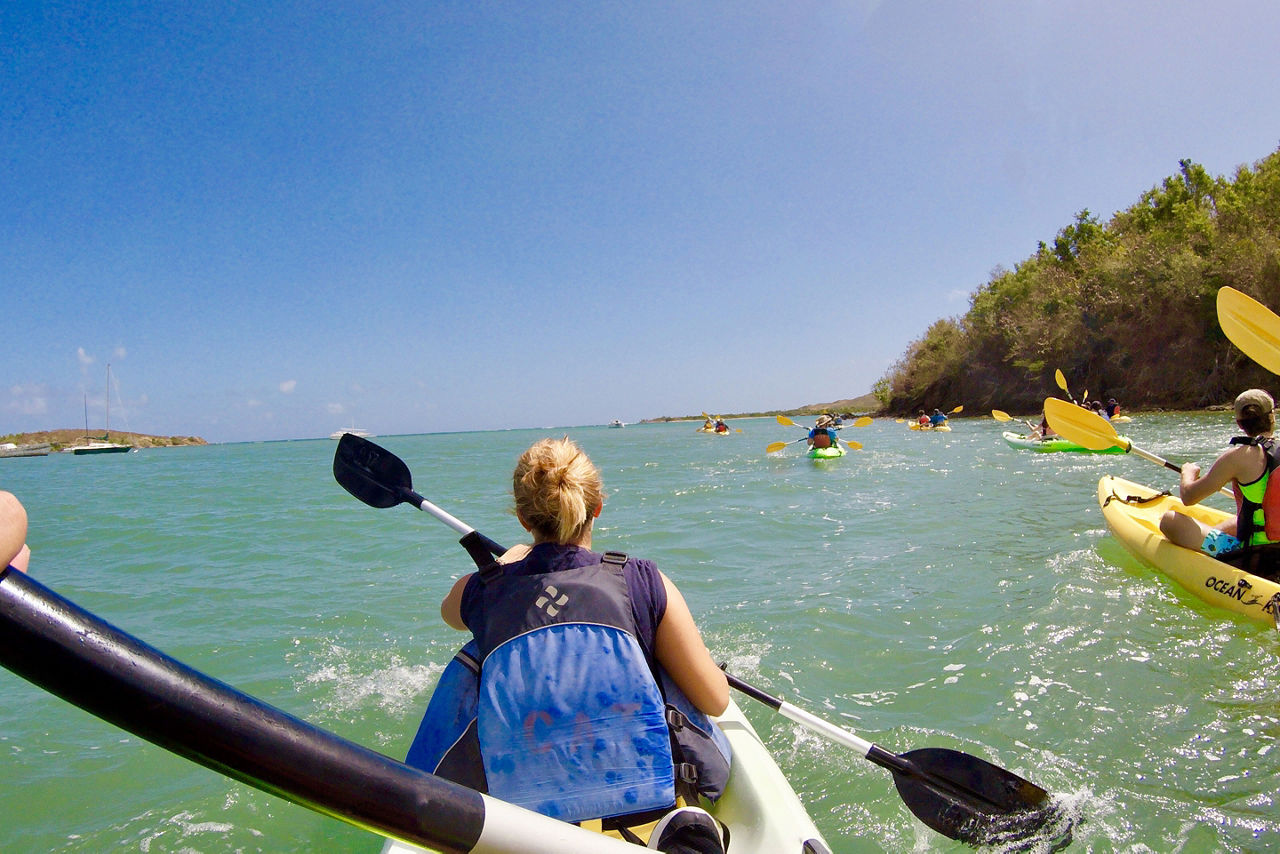
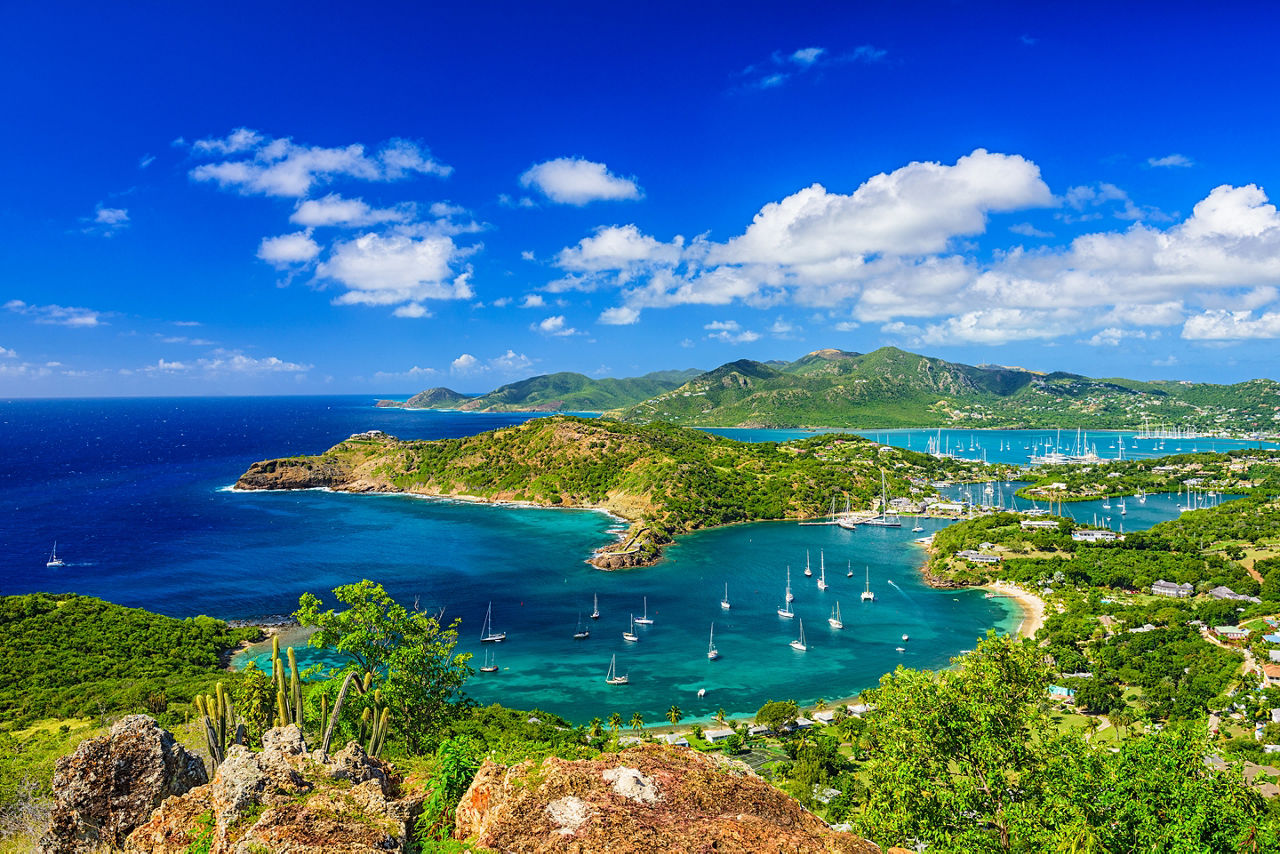
Sailing is central to St. Maarten’s identity. Sheltered bays, steady trade winds and easy access to neighboring islands make the destination a natural setting for catamaran cruises, yacht trips and coastal adventures.
The island is also associated with the annual St. Maarten Heineken Regatta, which brings competitive sailing and shoreside celebrations to the destination. Beyond organized events, visitors can experience the coastline on scenic sails that may include swimming or snorkeling stops.
From the water, travelers can see the island’s green hills, waterfront communities and beaches from a fresh perspective.
7. Snorkeling, Diving and Marine Life

Clear Caribbean water and offshore reefs make St. Maarten a popular destination for snorkeling and scuba diving. Depending on the location and conditions, swimmers may encounter tropical fish, coral formations, rays or sea turtles.
Boat excursions can reach reefs and coves away from the busier beaches, while some coastal areas offer snorkeling closer to shore. Certified divers can explore sites around Man of War Shoal Marine Park, which protects marine habitat and several underwater attractions.
These experiences showcase another side of St. Maarten beyond its towns, resorts and famous airport views.
8. A Multicultural Culinary Identity
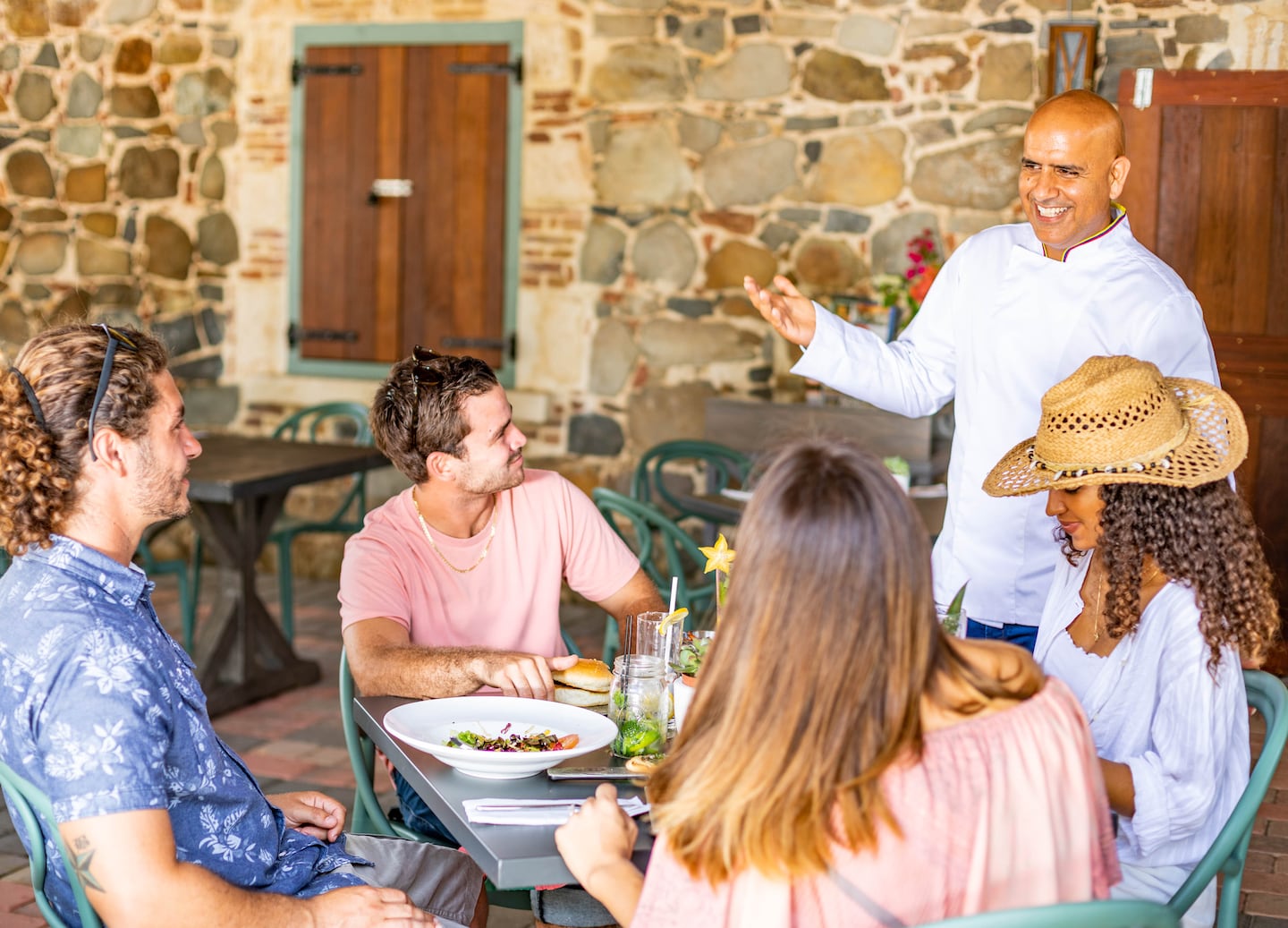
St. Maarten is known for a culinary scene shaped by Caribbean, French, Dutch and international influences. The island’s multicultural population has created a dining landscape that ranges from casual beachside cooking to refined restaurants.
Grand Case on the French side is especially associated with dining. Visitors can find French-Caribbean restaurants alongside local “lolos,” where open-air grills serve island favorites in an easygoing setting.
Rather than reflecting one culinary tradition, St. Maarten’s food tells the story of the many cultures and communities that have shaped the island.
9. Green Hills and Island Views

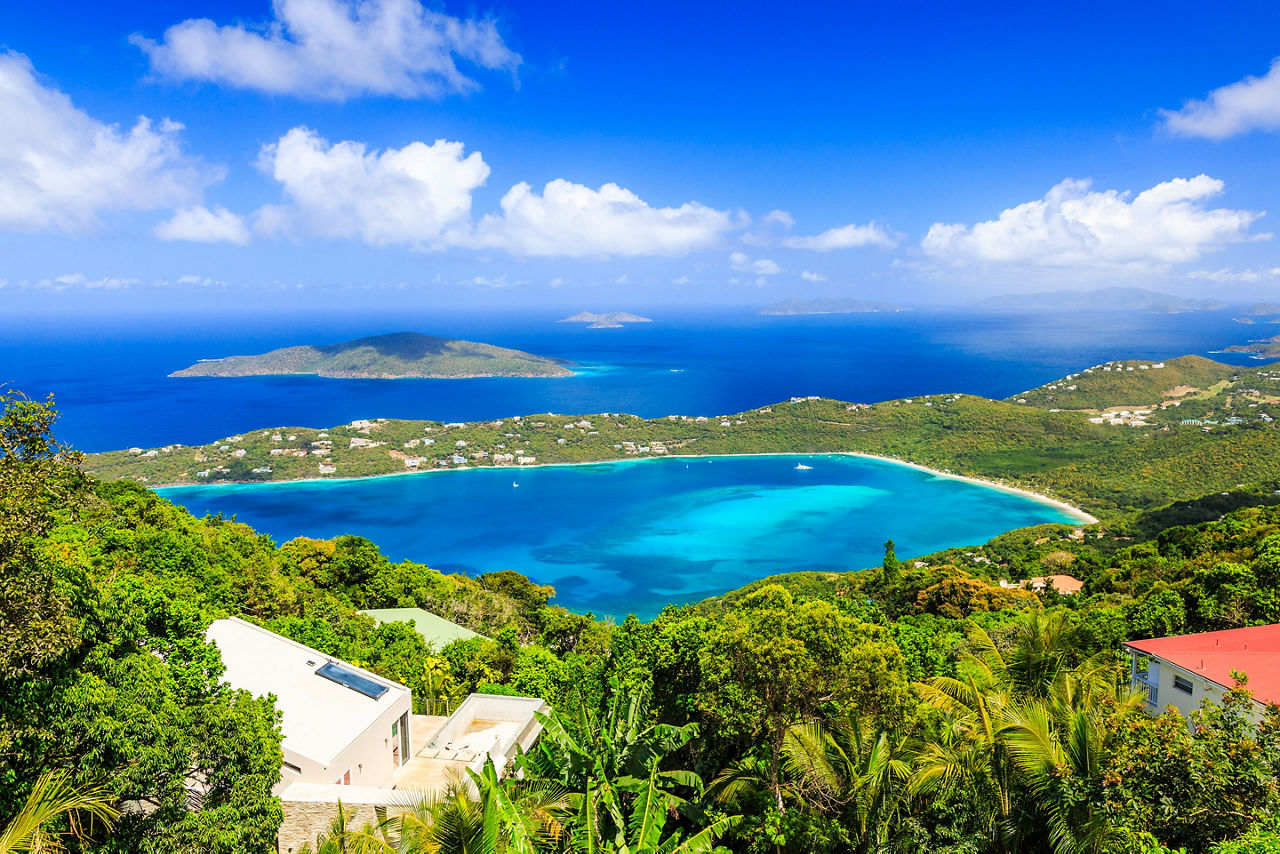
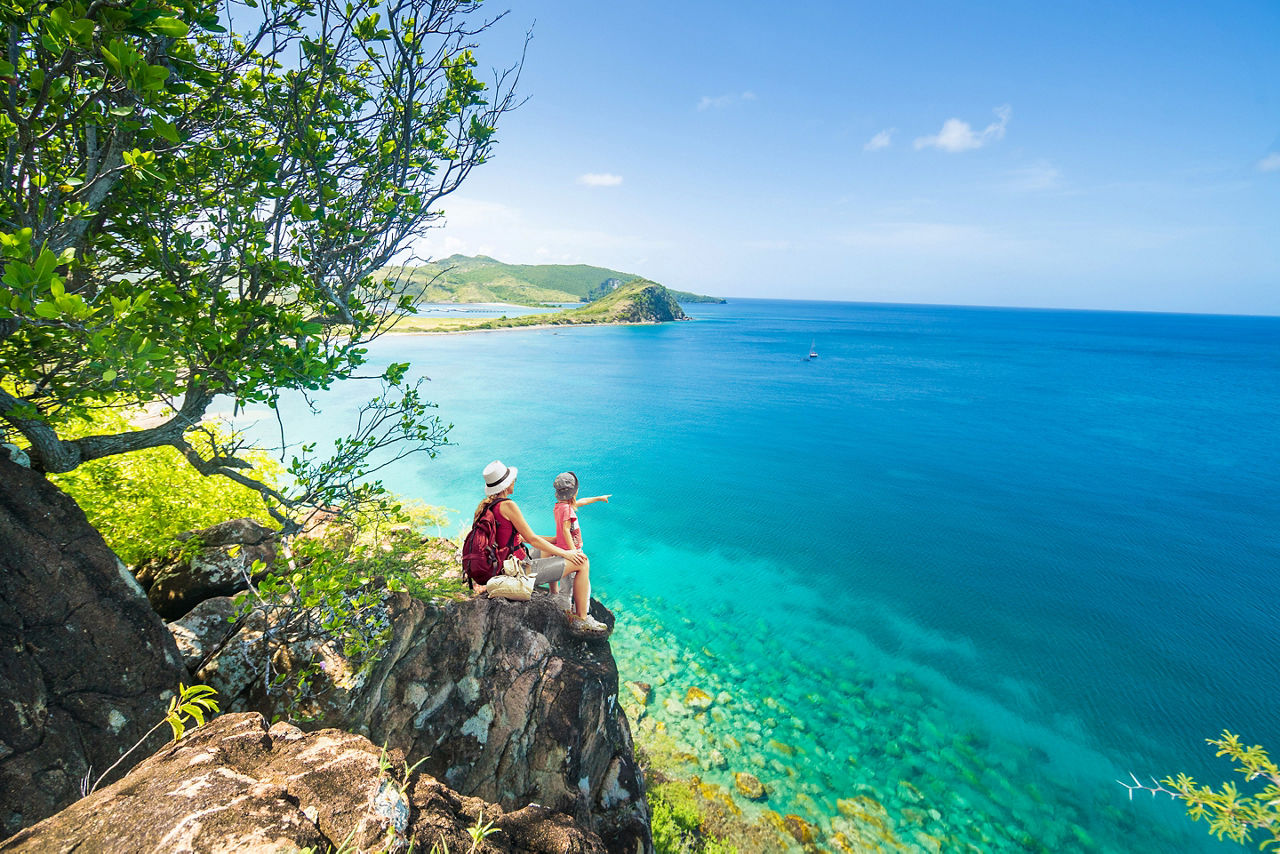
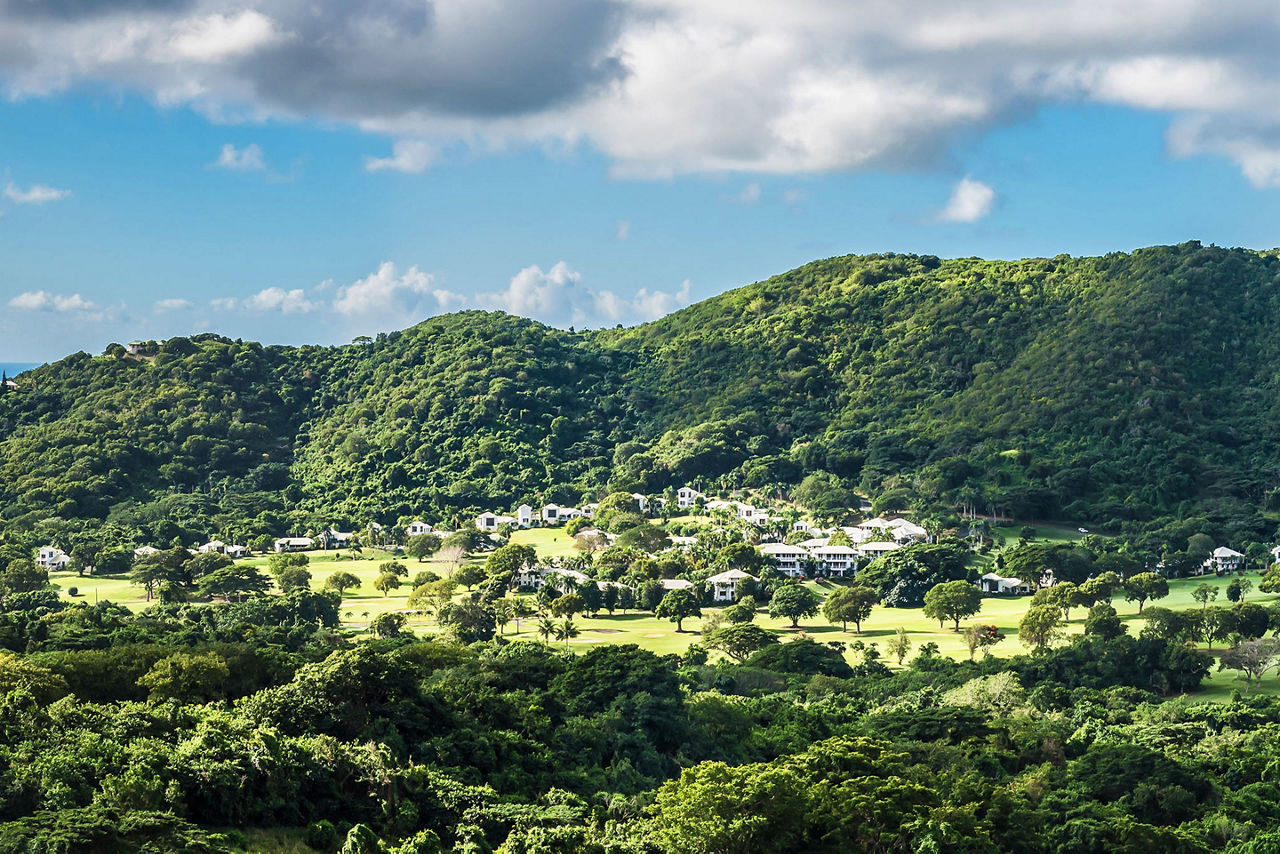
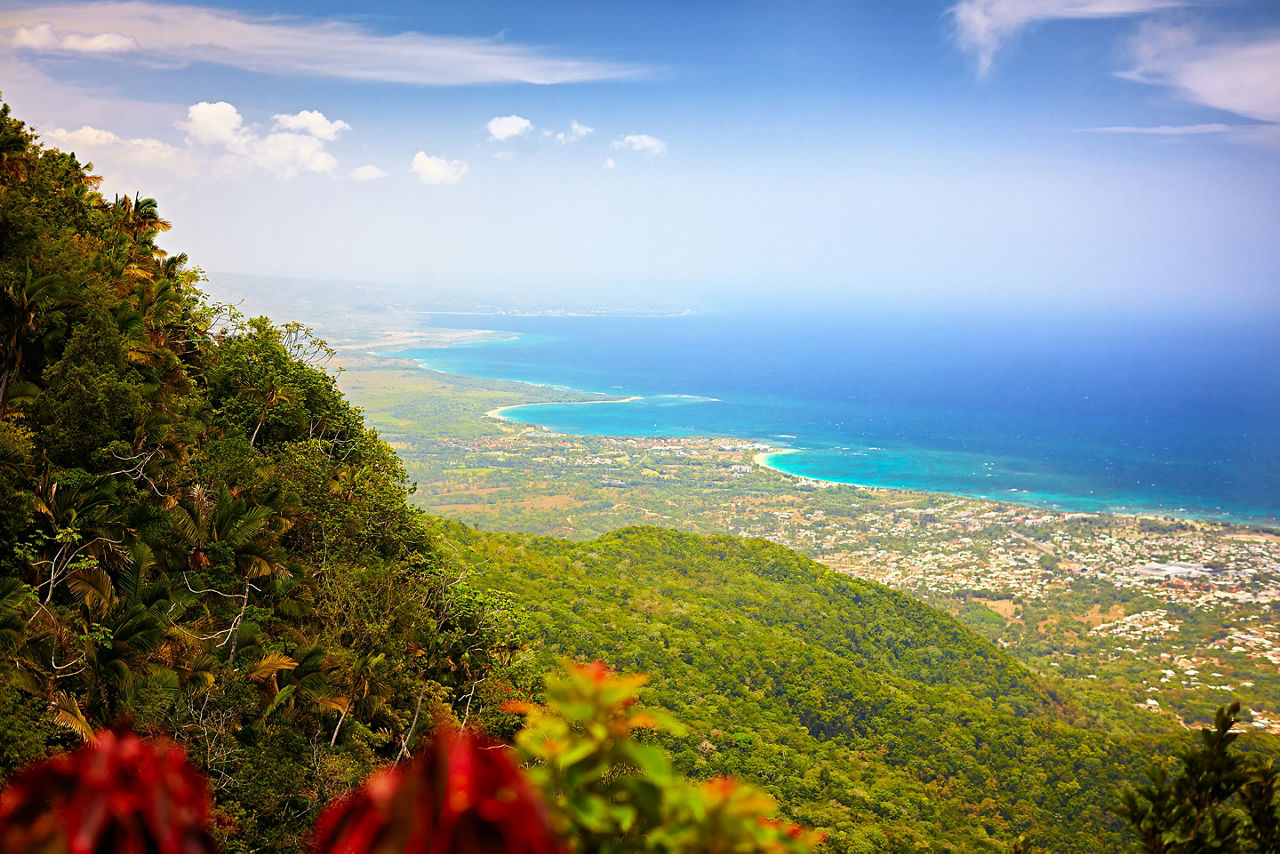
Although its beaches receive much of the attention, St. Maarten also has a green, hilly interior. Elevated roads and lookout points provide views across bays, lagoons and neighboring islands.
Pic Paradis, located on the French side, is the island’s highest point. The surrounding area offers tropical vegetation and hiking opportunities for travelers who want to experience the landscape beyond the coast.
Other elevated attractions and scenic drives reveal how compact the island is, with the Caribbean Sea often visible from multiple directions.
10. A Welcoming, Energetic Island Culture
St. Maarten is often called “The Friendly Island,” a reflection of the welcoming spirit associated with its communities. English is widely spoken, alongside Dutch, French and other languages that represent the island’s international population.
Music, Carnival celebrations and community events bring together Caribbean traditions and global influences. On the Dutch side, Philipsburg and Simpson Bay offer an upbeat atmosphere, while smaller communities provide quieter glimpses of everyday island life.
This combination of cultural variety, warmth and easygoing energy is one reason travelers remember St. Maarten long after leaving its shores.
Why Is St. Maarten Famous?
St. Maarten is famous for being shared by the Netherlands and France, creating two cultural experiences on one small Caribbean island. It is also recognized worldwide for the low-flying airplanes at Maho Beach, the waterfront capital of Philipsburg, duty-free shopping and a coastline filled with distinctive beaches.
Frequently Asked Questions About St. Maarten
What makes St. Maarten unique?
St. Maarten is unique because the island is divided between Dutch Sint Maarten in the south and French Saint-Martin in the north. Travelers can experience both sides without passing through a traditional border checkpoint, making it easy to encounter two languages, cultures and architectural styles during one visit.
Are St. Maarten and St. Martin the same island?
Yes. St. Maarten and Saint-Martin occupy the same Caribbean island. St. Maarten generally refers to the Dutch southern side, while Saint-Martin refers to the French northern side. The spellings help distinguish the two territories.
Is St. Maarten Dutch or French?
The island is both Dutch and French. Sint Maarten on the southern side is a constituent country within the Kingdom of the Netherlands. Saint-Martin on the northern side is a French overseas collectivity.
Why is St. Maarten called “The Friendly Island”?
St. Maarten is called “The Friendly Island” because of its welcoming communities and multicultural character. The name also reflects the spirit of cooperation associated with two different nations sharing one compact island.
What is the Dutch side of St. Maarten known for?
The Dutch side is known for Philipsburg, the cruise port, Front Street shopping, the Great Bay waterfront, Maho Beach and an energetic resort and entertainment scene. It serves as the arrival point for many cruise guests exploring the island.
Keep Exploring St. Maarten
Want to learn more about this dual-nation Caribbean destination? Check out these guides to plan your next trip:
- Philipsburg, St. Maarten Shore Excursions - Compare island tours, sailing trips, beach breaks and other adventures departing from Philipsburg.
- Best Things To Do in St. Maarten - Discover memorable ways to experience the island, from plane spotting and snorkeling to cultural exploration.
- When Is the Best Time To Visit St. Maarten? - Choose the season that best fits your ideal Caribbean getaway.
- The Best Foods To Eat in St. Maarten - Taste the French, Dutch and Caribbean flavors that define the island’s culinary scene.
- What To Buy When Shopping in St. Maarten - Find memorable souvenirs, locally inspired products and duty-free favorites.
- Best Beaches in St. Maarten Near the Cruise Port - Compare popular beaches for swimming, plane spotting, water sports and relaxing by the Caribbean.