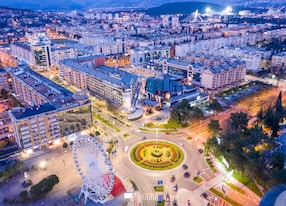
Montenegro is a small country with a remarkably diverse food culture. Shaped by its geography, the cuisine divides naturally into three distinct regions: the coast, where Mediterranean seafood and olive oil define the table; the central heartland, home to smoked prosciutto and aged cheeses; and the mountains, where slow-cooked meat and hearty grain dishes fuel life at altitude. Across all three, the food is fresh, generous and deeply satisfying. Here are the top dishes to try when visiting Montenegro.
1. Njeguški Pršut & Cheese
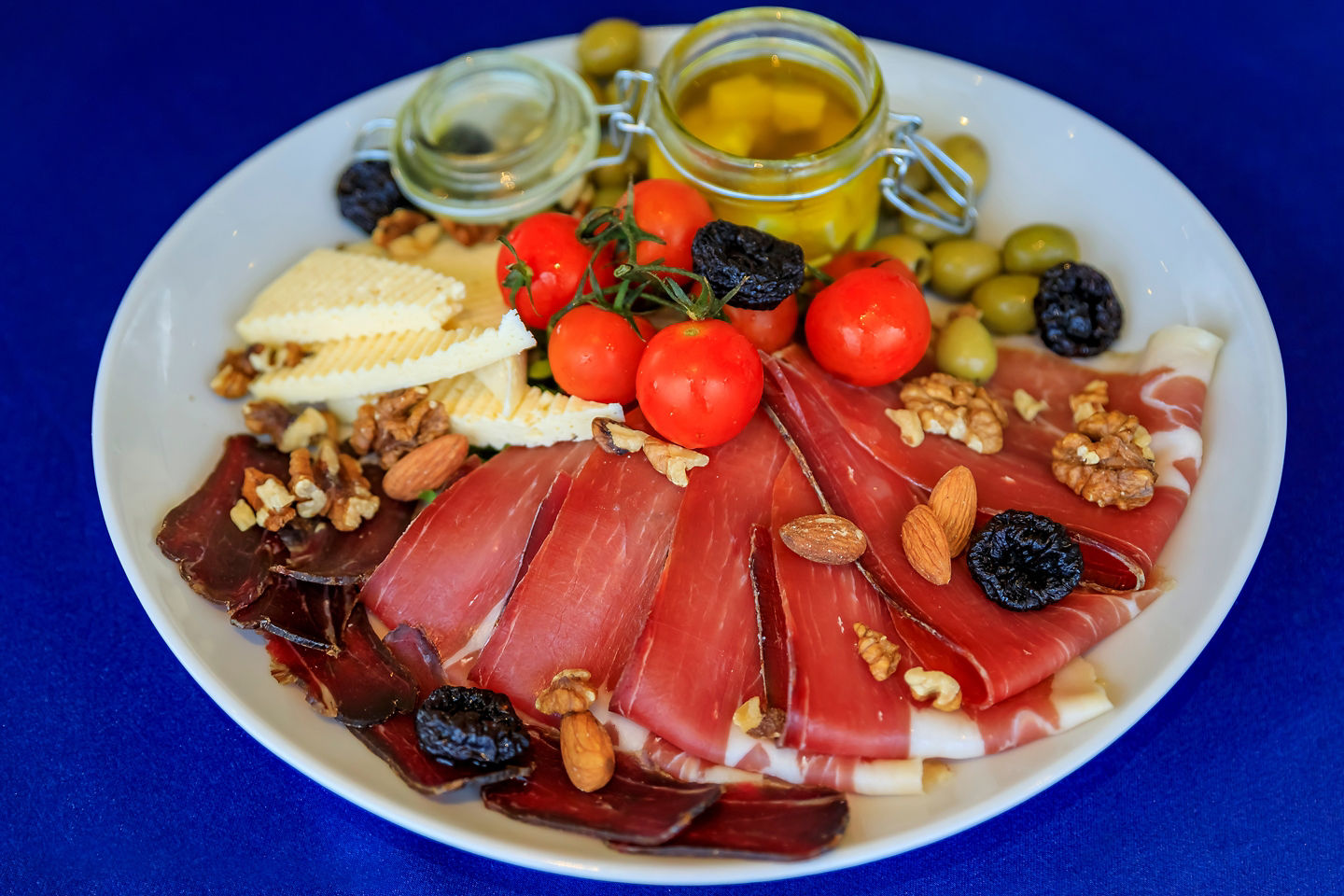
Njeguški pršut is Montenegro’s most celebrated cured product. This dry-cured smoked ham comes from the village of Njeguši in the highlands above Kotor Bay and is air-dried in the mountain winds before being cold-smoked over beechwood. The result is deeply flavorful, with a firm texture and intense savory character. It's almost always served alongside Njeguški sir, a hard, aged cheese from the same village. Together they form the classic Montenegrin appetizer platter found on tables across the country.
2. Kačamak
Kačamak is Montenegro’s national dish, and one of the most comforting foods in the Balkans. It's a thick, creamy porridge made from corn flour and potatoes, enriched with kajmak (a rich clotted cream cheese) and crumbled local cheese. The texture is dense and velvety, and the flavor is deeply savory. It's a staple of mountain cooking, eaten for breakfast or as a warming main dish in colder months. In the highlands, it's considered the ultimate comfort food, and no visit to traditional Montenegro is complete without trying it.
3. Buzara
Buzara is one of the signature seafood dishes of the Adriatic coast and a must-try in Montenegro. Prawns, shrimp, mussels, clams or squid are gently cooked in either a white or red wine sauce with garlic, olive oil, parsley and breadcrumbs. The result is a fragrant, deeply flavorful broth that demands crusty bread for soaking. It's found at konobas and seafood restaurants all along the Montenegrin coast, from Kotor and Budva down to Ulcinj.
4. Ispod Sača
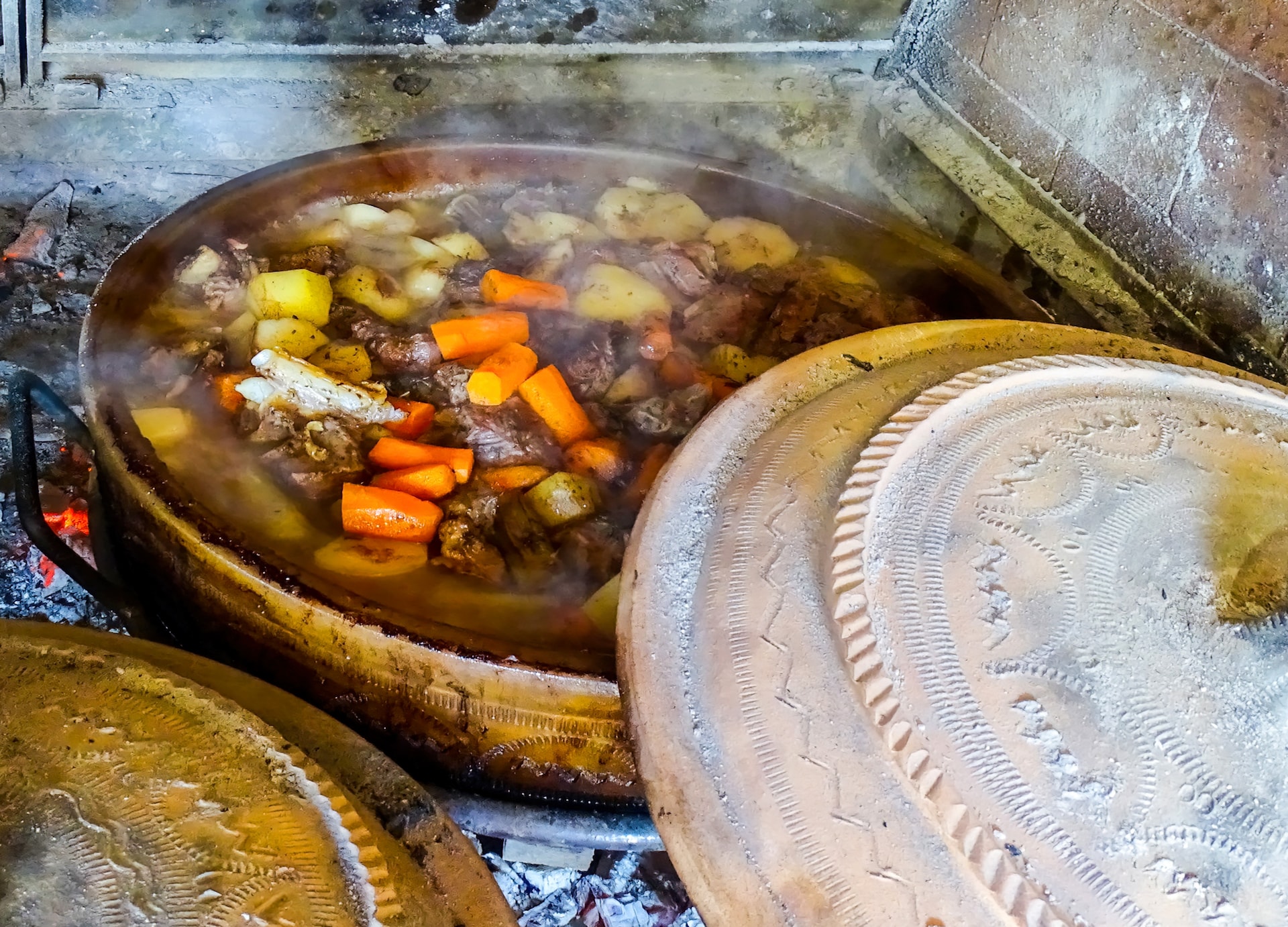
Ispod sača is Montenegro’s equivalent of a slow-roasted Sunday dinner, and one of the most iconic cooking methods in the Balkans. Meat (typically veal, lamb or goat) is placed in a pan with potatoes, carrots, onions and paprika, then covered with a metal bell-shaped lid (the sača) and buried under hot coals for several hours. The result is fall-off-the-bone tender meat and deeply caramelized vegetables infused with smoke and fat. It's found at traditional restaurants throughout the country.
5. Black Risotto
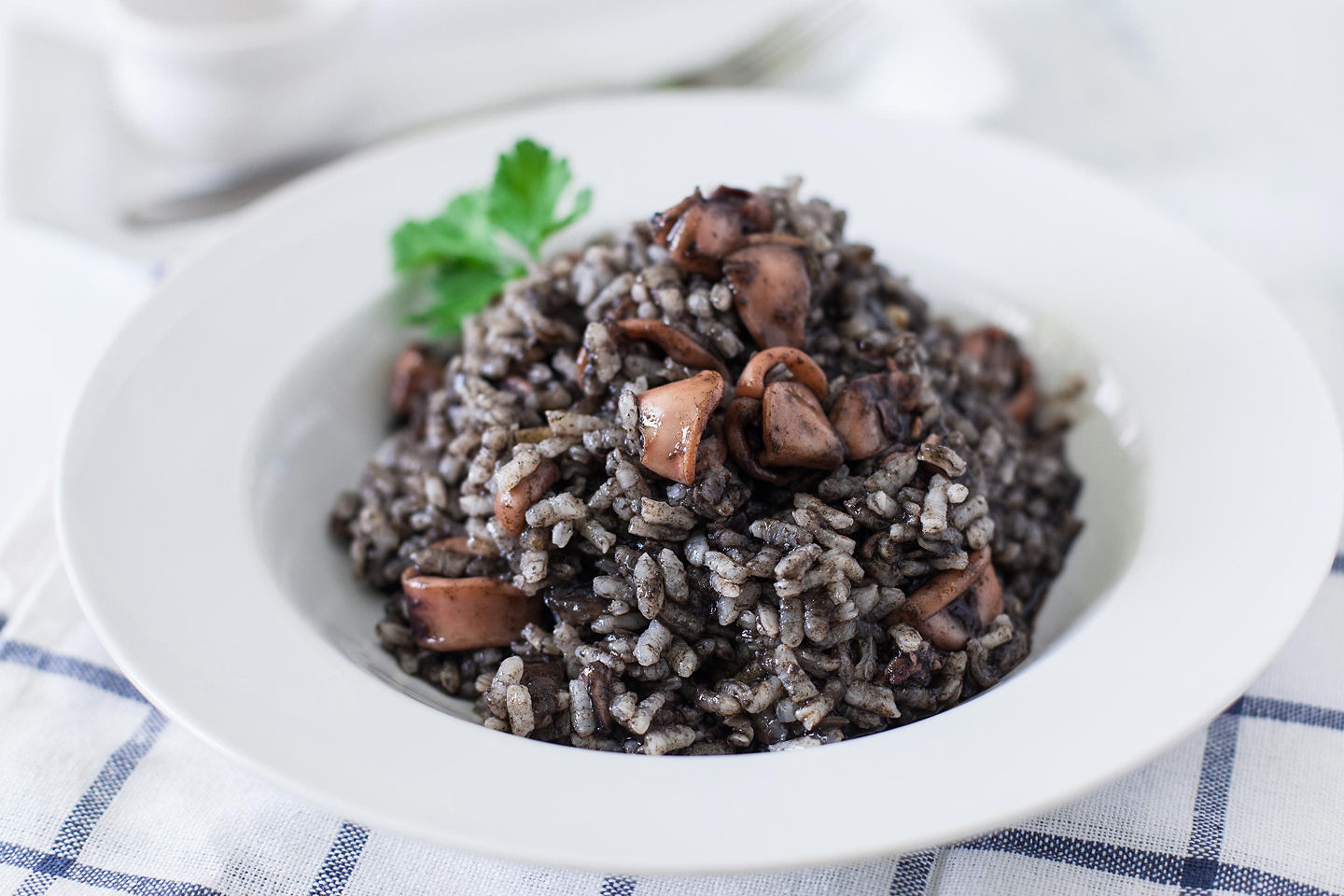
Black risotto is a coastal specialty, and one of the most visually striking dishes in Montenegrin cuisine. The rice is cooked with cuttlefish ink, which turns it a deep, glossy black and imparts a briny, oceanic flavor. White wine, garlic, bay leaf and nutmeg round out the dish. It's a must-try while visiting the Montenegrin coast, though the ink will temporarily stain your teeth — a small price for one of the most memorable dishes in the region.
6. Fresh Adriatic Seafood
The Montenegrin coastline is short but exceptionally productive. Sea bass, bream, squid, octopus and mussels are pulled fresh from the Adriatic daily and served simply grilled with olive oil, garlic and lemon. Fish soup is also a staple at coastal restaurants, and one of the best ways to experience the flavors of the sea in a single bowl. In Kotor and Budva, grilled squid and seafood stews are particularly popular. Further south in Ulcinj, fresh seafood lunches along the Bojana River are a local tradition.
7. Njeguški Steak
The Njeguški steak is Montenegro’s answer to French cordon bleu. A pork or veal schnitzel is layered with Njeguški pršut and kajmak cheese, rolled up, breaded and fried until golden. The result is a rich, satisfying dish that combines the smokiness of the prosciutto with the creaminess of the cheese inside a crispy shell. It's typically served with fresh vegetables and fries, and is one of the most popular dishes at restaurants throughout the country.
8. Burek
Burek is the ultimate Balkan breakfast food. Flaky phyllo pastry is filled with cheese, minced meat, spinach or potato, then baked until golden and crisp on the outside with a rich, yielding filling within. In Montenegro, it's sold at bakeries from early morning and eaten warm, often paired with a cold bottle of plain yogurt. It's inexpensive, filling and universally loved. Stopping at a local bakery for burek and yogurt is one of the most authentic ways to start a morning in Montenegro.
9. Skadar Lake Carp
Skadar Lake, the largest lake in the Balkans and one of the most important wetlands in Europe, has its own distinct food culture. The local specialty is carp, harvested from the lake and served fried, smoked or marinated in oil. Eel from the lake is also a regional delicacy. Eating smoked carp beside the still waters of Skadar is a uniquely Montenegrin experience and a world away from the coastal seafood restaurants of Kotor and Budva.
10. Montenegrin Wine & Rakija
Montenegro produces wine from the Vranac grape, a bold, deeply colored red native to the country that pairs well with grilled meats and aged cheeses. The Plantaze winery near Podgorica is one of the largest single-vineyard wine estates in Europe, and a popular stop for visitors. Rakija, a fruit brandy distilled from grapes, plums or other fruits, is the national spirit, and is offered as a welcome drink at traditional restaurants and family tables across the country. No meal in Montenegro is truly complete without a small glass.
Discover Food Excursions in MontenegroRoyal Caribbean shore excursions offer hands-on ways to explore the flavors of Montenegro alongside its stunning landscapes and history.
- Adventure Day in Bar Hinterland: Hike through the pristine hinterlands near Bar, swim in the natural pools of Vrtiljak Waterfall and savor local Montenegrin delicacies at an Ethno Village on this eco-cultural journey.
- Discover Montenegro: Explore the capital city of Podgorica before visiting a local vineyard, where you can taste the complex flavors of Montenegro’s renowned Vranac wines accompanied by a traditional lunch.
- Royal Capital Cetinje & Njeguši Village: Visit the historic royal capital of Cetinje and travel to the legendary village of Njeguši, the source of Montenegro’s most celebrated prosciutto and cheese, for a tasting of authentic local culinary delights.
- Sights and Tastes of Montenegro: Combine a tour of the ancient city of Budva with an exploration of contemporary Montenegrin gastronomy on this excursion that blends history and food culture in one memorable day.
- Ulcinj Riviera & Bojana River Cruise: Discover the charming town of Ulcinj and enjoy a serene boat ride along the Bojana River, culminating in a delicious, fresh seafood lunch served on the riverbanks.
From family-run konobas in Kotor’s old town to seafood restaurants overlooking Budva’s Adriatic fortifications, Montenegro’s dining scene rewards those who seek it out. Here are some of the top restaurants to visit.
1. Konoba Scala Santa – Kotor
One of the most beloved restaurants in Kotor, Konoba Scala Santa has been serving locals and visitors since 1931. Located in the heart of the old town, this family-owned taverna is famous for its fish soup and a menu of seafood and traditional Montenegrin dishes prepared with genuine care. The interior evokes the atmosphere of an old sailing vessel, and the quality of the food has kept it a local institution for nearly a century.
2. Restaurant PRŽUN – Kotor
Tucked away on a side street in Kotor’s old town, PRŽUN offers an intimate setting and carefully executed traditional cuisine. The menu focuses on seasonal ingredients and time-honored recipes, with standouts including Njeguški pršut with cheese, roasted veal shank and seafood brodet (stew). It's consistently cited as one of the best restaurants in Kotor for traditional food and elegant ambiance.
3. Konoba Bonaca – Kotor
A cozy, family-run tavern beloved by locals, Konoba Bonaca serves hearty traditional fare according to age-old recipes. It's a reliable and authentic choice for anyone wanting to experience the true flavors of Montenegrin home cooking in a welcoming, unpretentious setting.
4. Citadela Restaurant – Budva
Set in a stone house in Budva’s old town with a terrace overlooking the Adriatic, Citadela is one of the most atmospheric restaurants in Montenegro. The menu leans toward fresh seafood and Mediterranean dishes, and the setting — next to the old city walls with the sound of waves below — makes it a memorable dining experience for any visitor.
5. Konoba Roma – Kotor
Konoba Roma is a local favorite in Kotor praised for its fish soup and considered by many visitors to be the best on the bay. At very affordable prices, it's a great lunch stop while exploring the old town. The relaxed atmosphere and quality cooking make it a standout among Kotor’s many dining options.
What Are the Most Popular Foods in Montenegro?The most popular foods in Montenegro include Njeguški pršut, kačamak, buzara, ispod sača, black risotto and fresh Adriatic seafood. Montenegrin cuisine reflects the country’s three distinct regions, blending the flavors of the Mediterranean coast, the smoked meats and cheeses of the central highlands and the hearty mountain cooking of the north. Whether you're eating grilled fish beside the Bay of Kotor, tasting smoked prosciutto in Njeguši or sipping Vranac wine in the Plantaze vineyards, food in Montenegro is one of the most rewarding parts of visiting this extraordinary yet small country.
/overview/scenic-panorama-view-historic-town-perast-famous-bay-kotor.jpg?$800x450$)