In March, Australia transitions from summer to autumn, with warm, pleasant weather in the south and hot, humid, often wet conditions in the tropical north. Southern cities like Sydney and Melbourne average highs in the mid‑70s°F (24–26°C), while tropical destinations such as Cairns stay hot at 85–90°F (29–32°C) with a higher chance of rainfall. Because Australia spans multiple climate zones, the weather in March varies significantly by region, making it one of the most versatile months to visit.
Australia Weather in March (By Region)
Sydney Weather
Average high: 77°F (25°C)
Average low: 65°F (18°C)
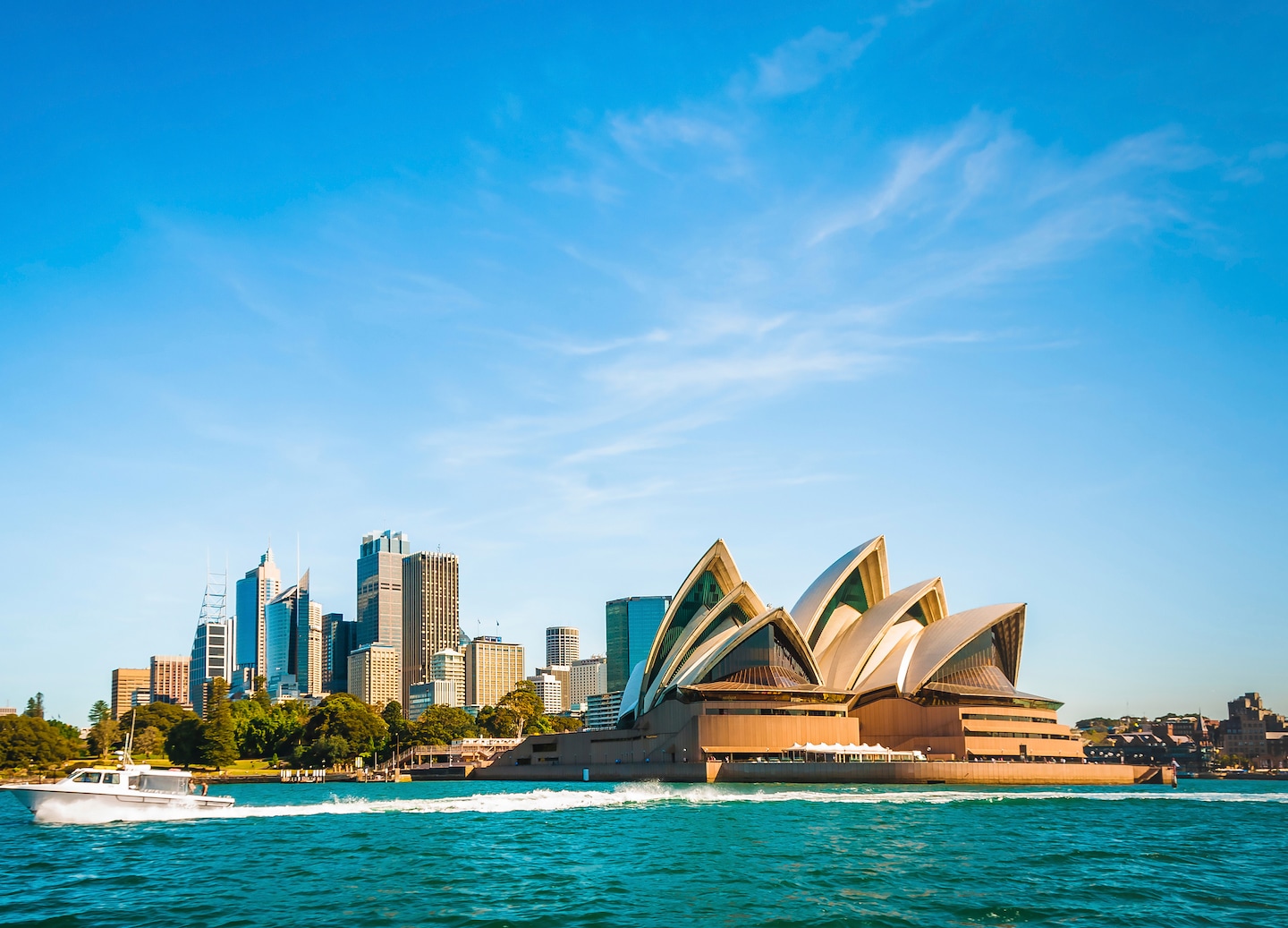
In Sydney, March feels like extended summer. The ocean remains warm from the hotter months, making beaches like Bondi and Manly perfect for swimming. Humidity drops compared to January and February and rainfall is moderate. This is an excellent time to walk the coastal trails, explore the harbor or dine outdoors without the intensity of peak summer heat.
Best for:
- Beach days at Bondi and Manly
- Harbour cruises
- Coastal walks
Melbourne Weather
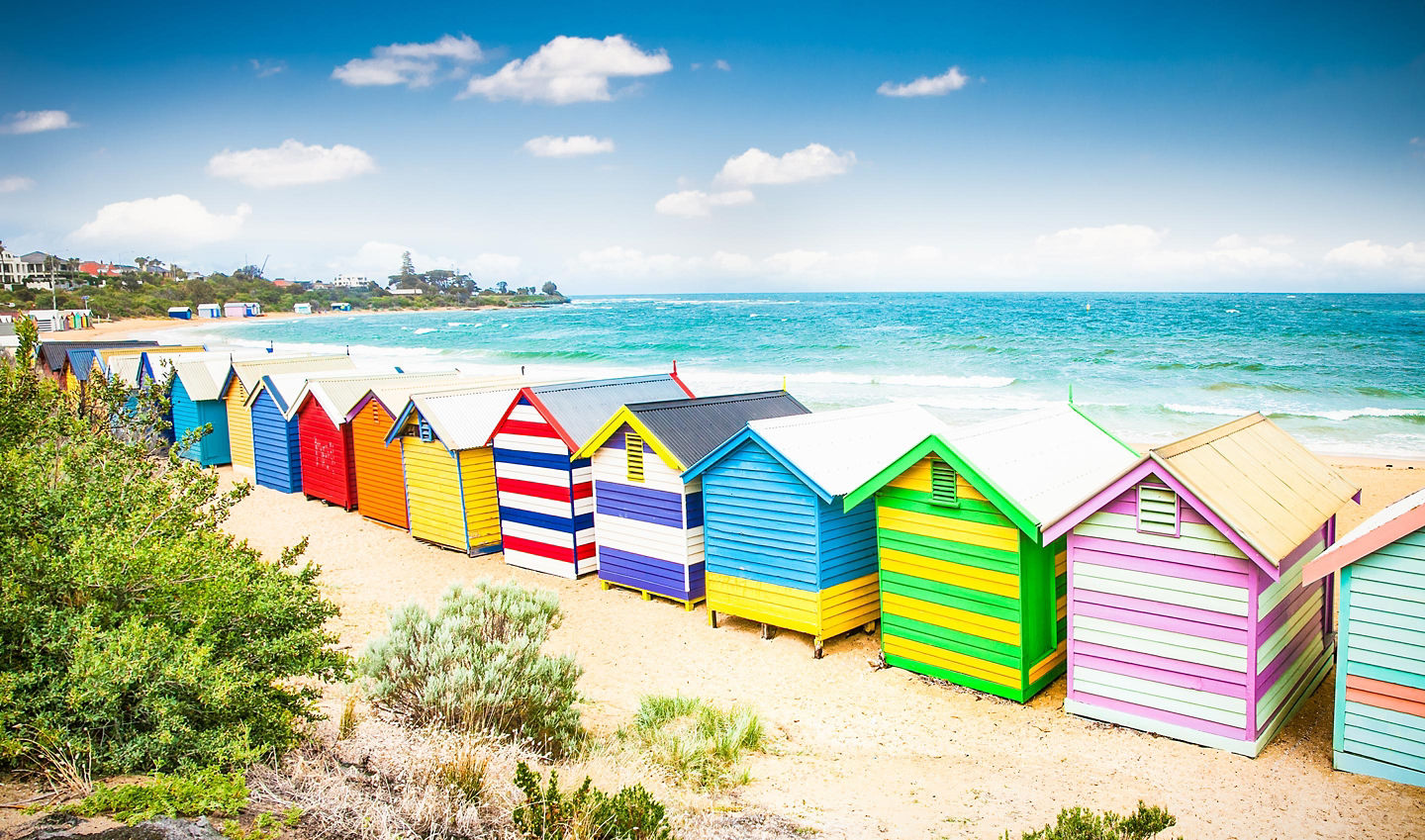
Average high: 75°F (24°C)
Average low: 57°F (14°C)
Melbourne enters early autumn in March, with comfortable daytime temperatures and crisp evenings. The city’s café culture and outdoor dining scene thrive in this mild weather, with occasional rain and plenty of long sunny stretches.
Best for:
- Great Ocean Road road trips
- Yarra Valley wine tasting
- Exploring laneways and markets
Brisbane Weather

Average high: 82°F (28°C)
Average low: 68°F (20°C)
Brisbane remains warm and subtropical in March. Humidity gradually drops compared to peak summer, though brief afternoon storms are still possible and water temperatures are ideal along the Gold Coast and Sunshine Coast.
Best for:
- Beach trips
- Outdoor dining along the river
- Wildlife parks and coastal day trips
Cairns & Tropical North Queensland Weather
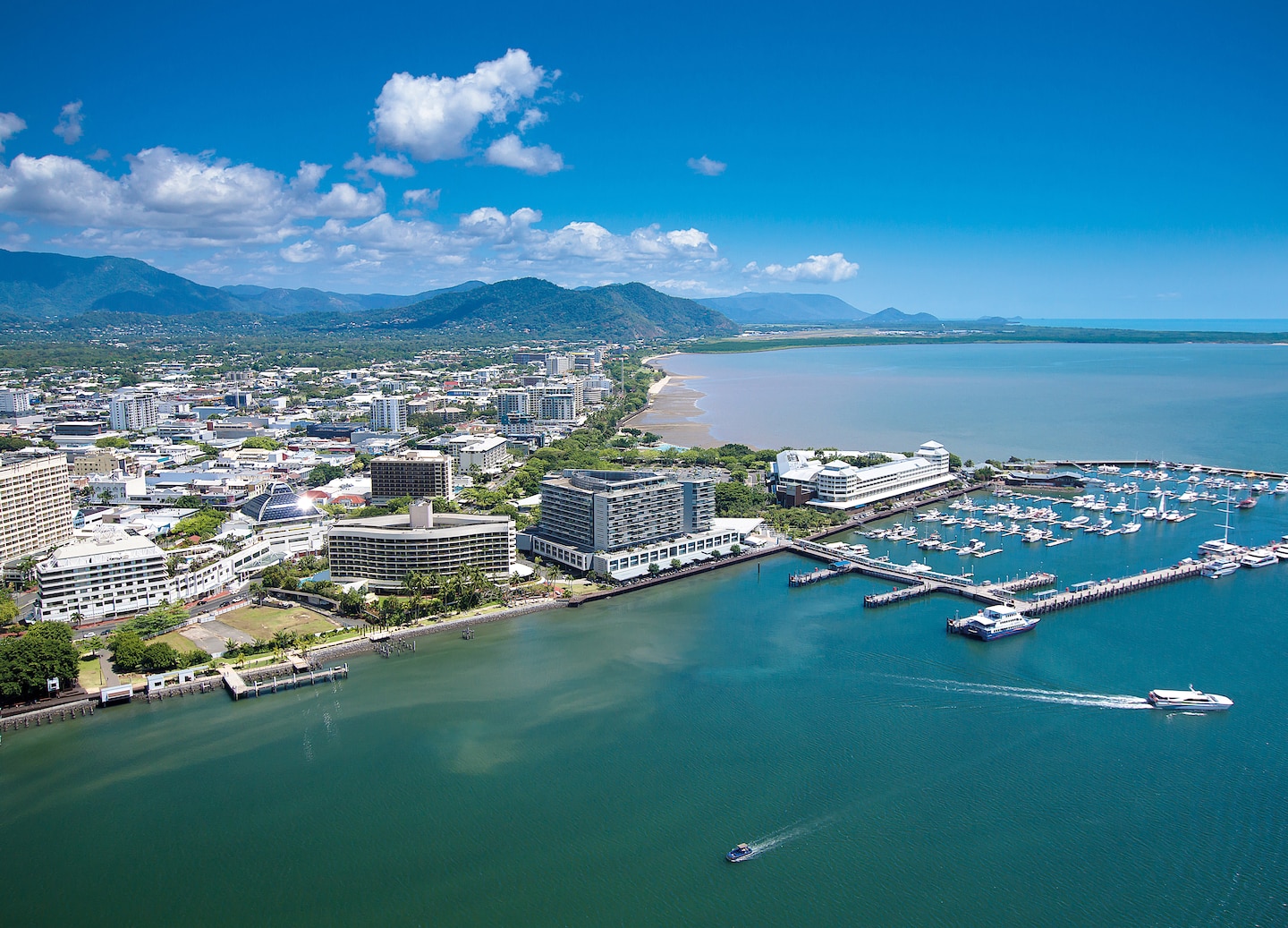
Average high: 87°F (31°C)
Average low: 74°F (23°C)
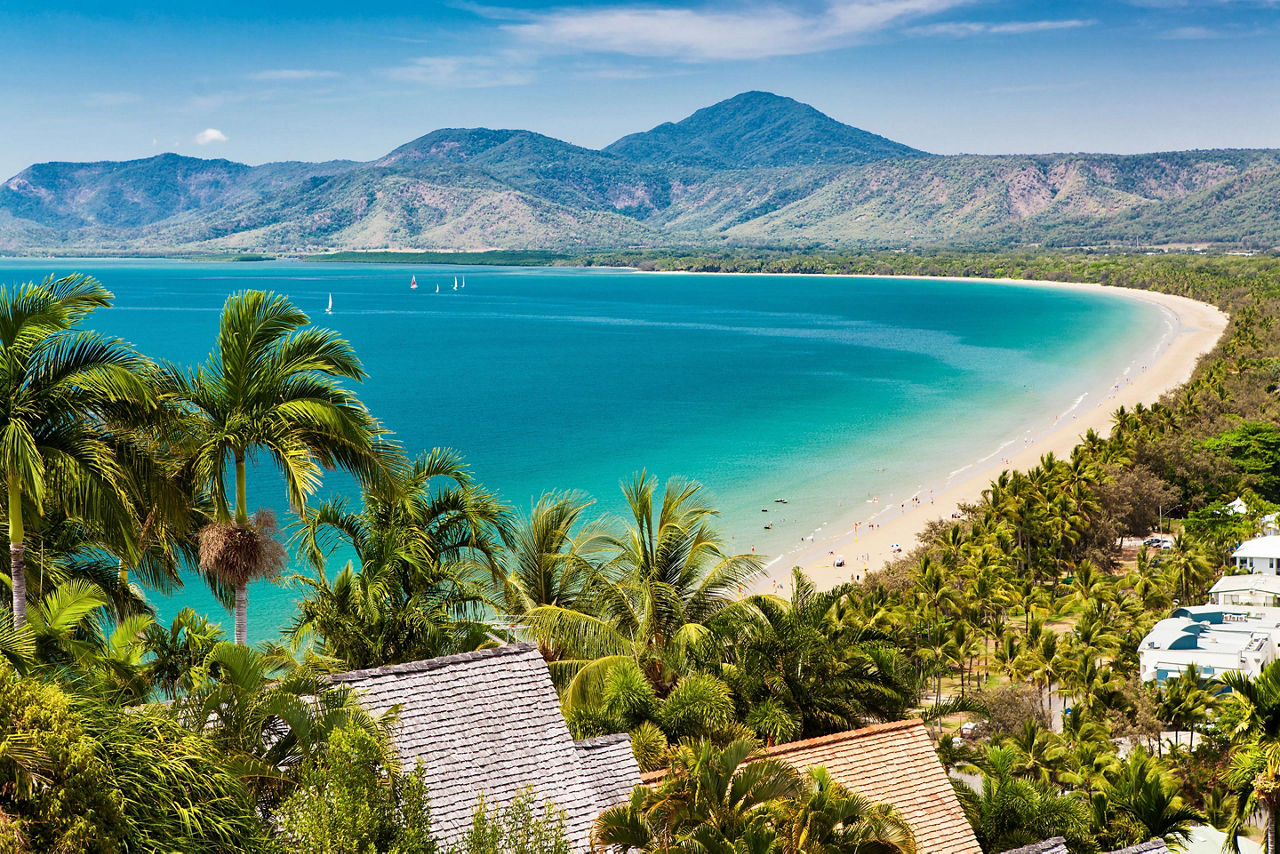
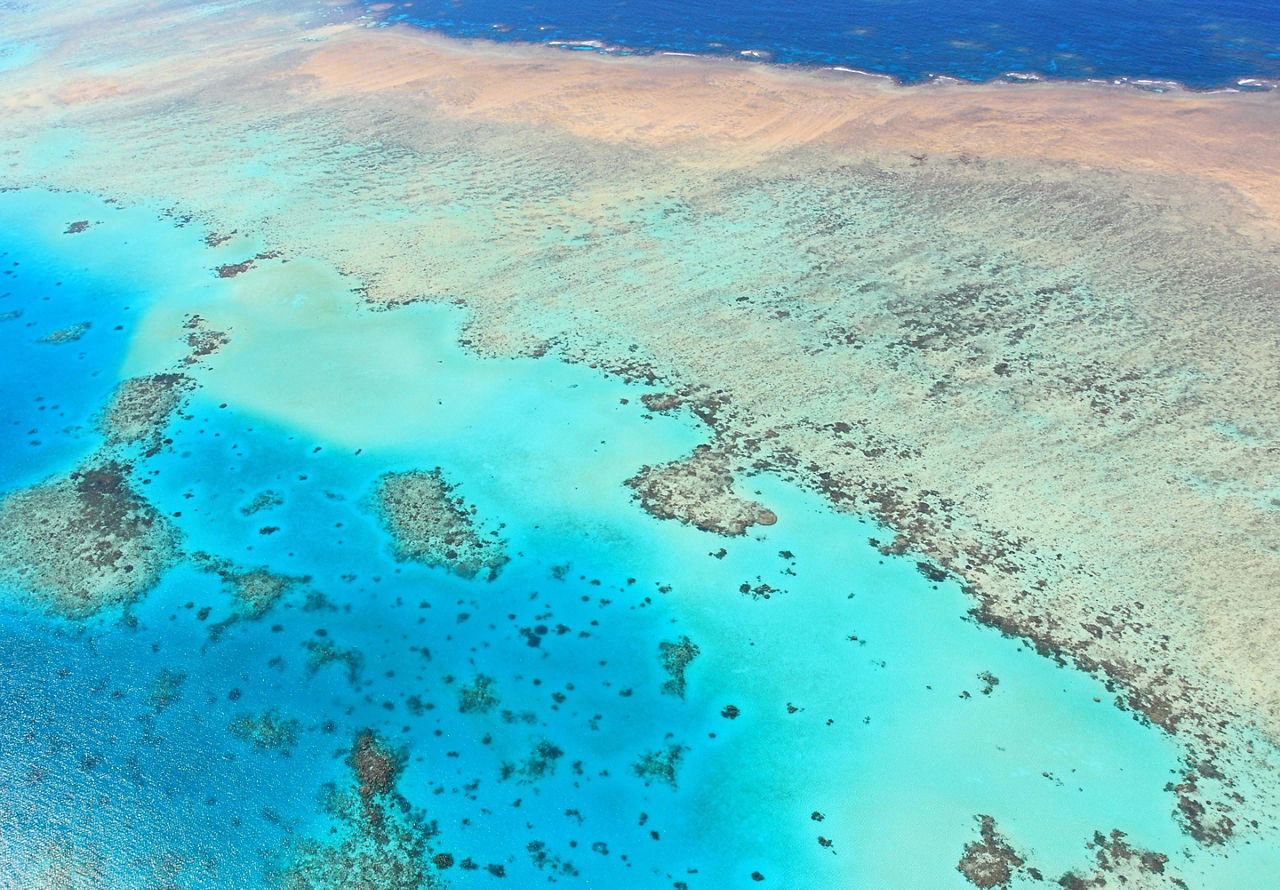
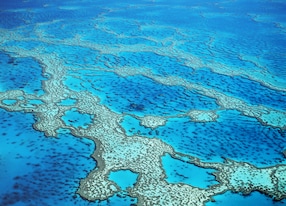
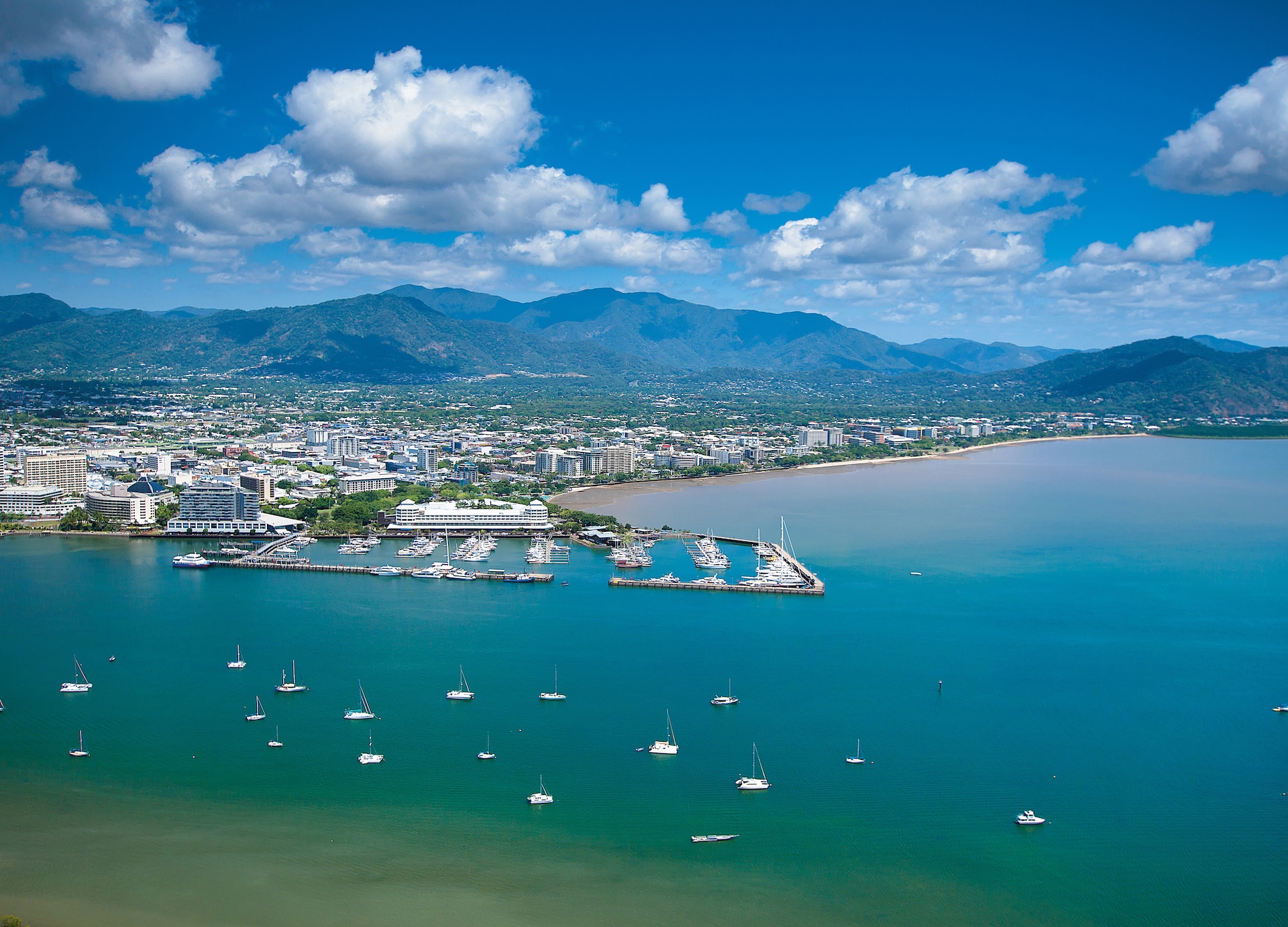
March is the tail end of the wet season in northern Australia, with heat, humidity and intermittent tropical showers. The upside is lush rainforests, powerful waterfalls and year‑round access to the Great Barrier Reef.
Best for:
- Snorkeling and diving
- Daintree Rainforest exploration
- Waterfall swimming
Perth Weather
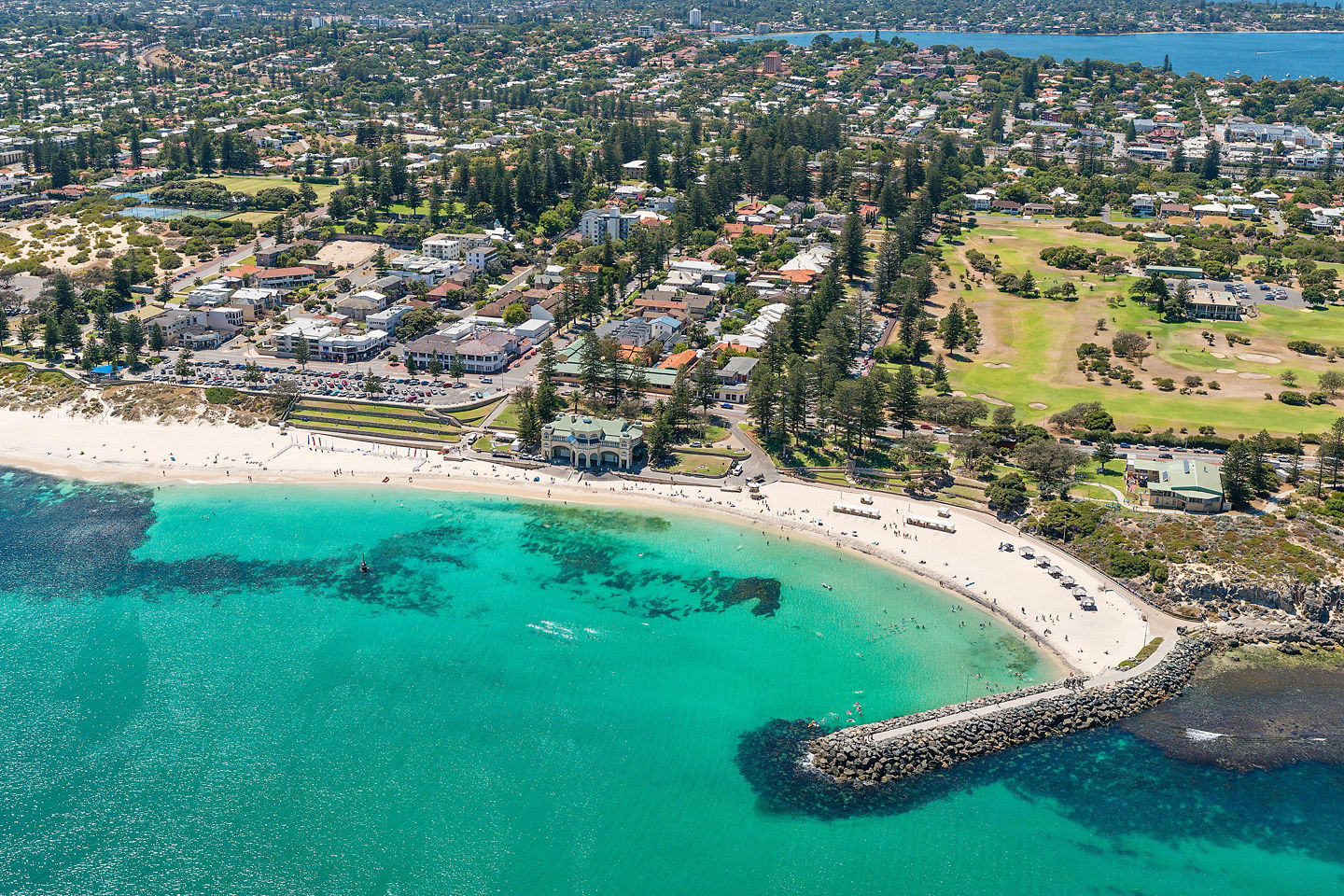
Average high: 84°F (29°C)
Average low: 62°F (17°C)
Perth enjoys warm, dry and sunny conditions in March, making it one of the most reliably pleasant regions this time of year. Nearby Margaret River enters harvest season, which is ideal for wine enthusiasts.
Best for:
- Beach sunsets
- Rottnest Island cycling
- Wine tasting
Australia Events in March
March is also packed with annual cultural and sporting events. If you’re visiting Australia in March, consider timing your trip around one of these recurring highlights:
- Sydney Gay and Lesbian Mardi Gras (Sydney) – Internationally recognized LGBTQIA+ celebration with a huge parade, performances and city‑wide events.
- Adelaide Festival (Adelaide) – One of Australia’s biggest arts festivals, showcasing theater, music, dance and visual arts throughout March.
- WOMADelaide (Adelaide) – A global music and arts festival held in Botanic Park, attracting international performers and audiences.
- Melbourne Food & Wine Festival (Melbourne) – Celebrates Victoria’s culinary scene with tastings, vineyard events and chef‑led experiences.
If you’re traveling during these dates, book accommodation early in host cities, as demand and prices can spike locally.
Best Places to Visit in Australia in March
March is classic shoulder season in many regions: strong weather, slightly lighter crowds and plenty of outdoor time.
Great Ocean Road (Victoria)
Comfortable driving weather and fewer peak‑summer crowds make March ideal for this coastal route. Expect dramatic sea cliffs, the Twelve Apostles and good conditions for short walks and lookouts.
Top experiences: coastal viewpoints, short hikes, wildlife spotting, seaside towns.
Tasmania
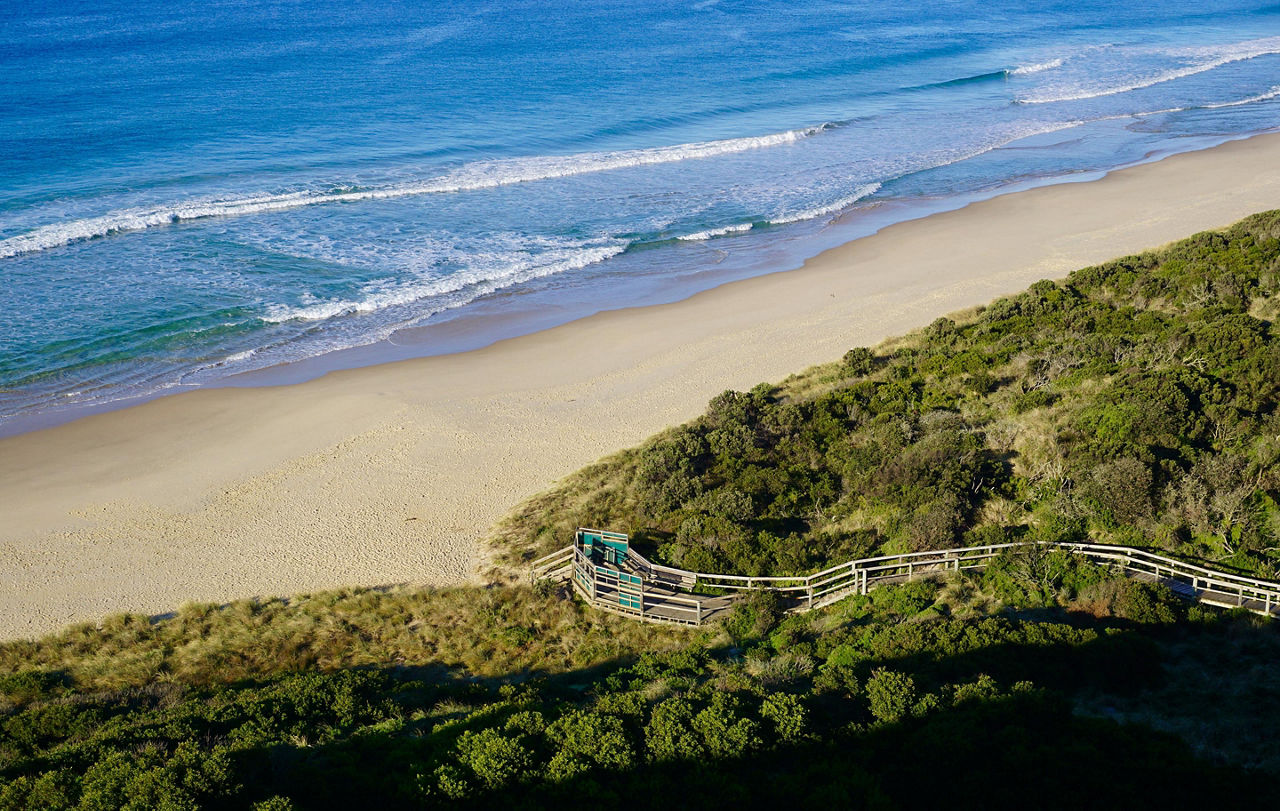
Cooler temperatures and stable conditions make March excellent for hiking in national parks like Cradle Mountain–Lake St Clair and Freycinet. Summer crowds ease, but trails and scenic drives are still very accessible.
Top experiences: hiking, coastal walks, food and whisky trails, wilderness lodges.
Uluru & the Red Centre
By March, desert heat is more manageable than in January and February, especially for early‑morning and late‑afternoon activities. Clear skies are common, and it’s still warm enough for outdoor dining under the stars.
Top experiences: sunrise and sunset at Uluru, Kata Tjuta walks, stargazing, Indigenous cultural tours.
The Whitsundays & Reef Regions
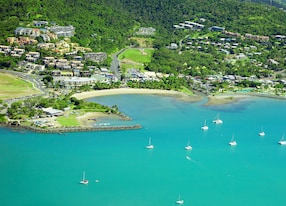
Warm ocean temperatures and slightly fewer visitors than peak summer make March appealing for island‑hopping and reef trips. Weather can still be changeable in the tropics, but visibility and water temps are generally good.
Top experiences: sailing, snorkeling and diving, island stays, scenic flights over the reef.
Shore Excursions in Australia in March
For travelers arriving by sea, March offers excellent conditions for guided shore experiences across Australia’s major cruise ports. The mild autumn air in southern cities and warm, swimmable waters in Queensland make this one of the most comfortable months for outdoor exploration.
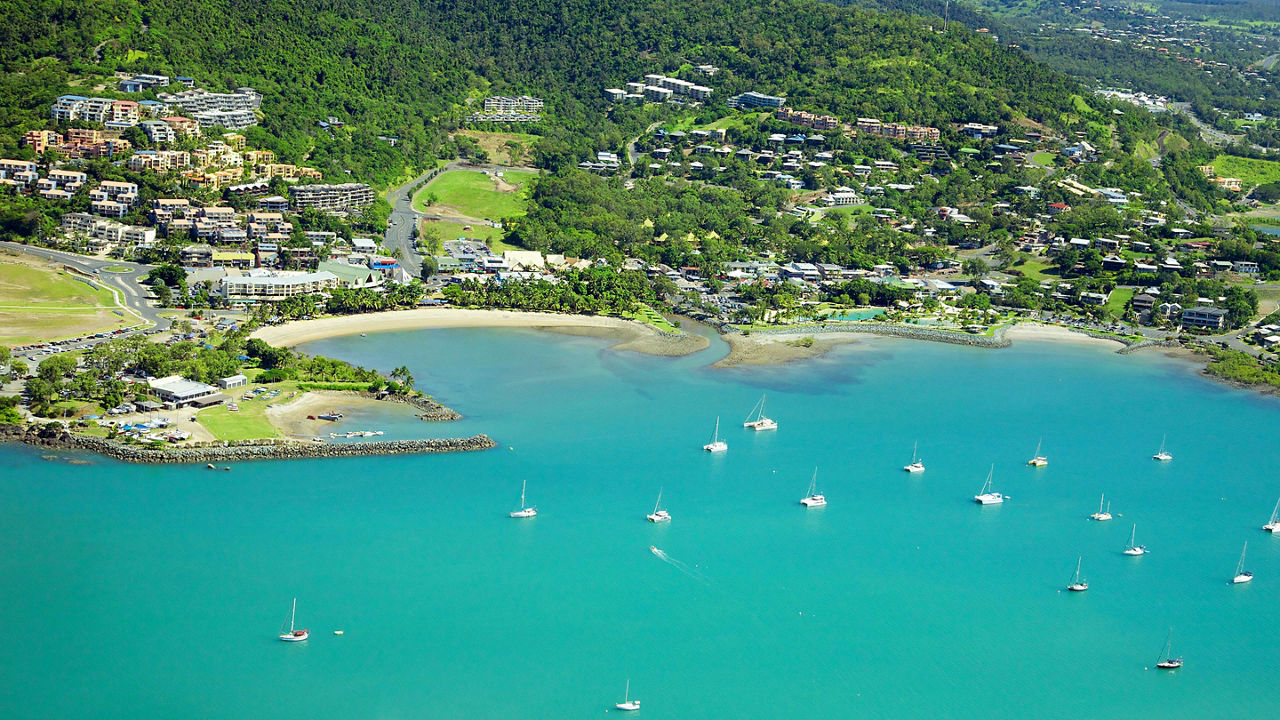
- Airlie Beach – Snorkeling the Great Barrier Reef
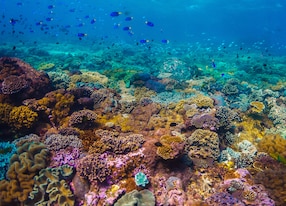
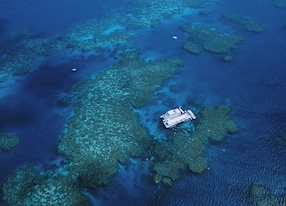
With ocean temperatures still warm, March is excellent for reef experiences. Sail into the Great Barrier Reef Marine Park by catamaran and snorkel calm inner reef waters among colorful coral, tropical fish, sea turtles and rays. It’s a full-day immersion in one of the world’s most spectacular marine environments.
- Sydney – Manly Beach & Northern Suburbs
March brings warm but manageable temperatures to Sydney’s coastline. A scenic drive through exclusive northern suburbs leads to Manly Beach, where you can stroll the waterfront, browse shops or relax with a seaside meal before heading onward.
- Brisbane – Lone Pine Koala Sanctuary
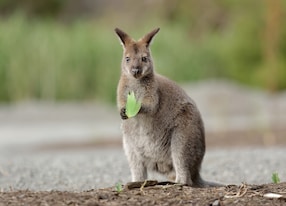
As humidity begins to ease, March is ideal for outdoor wildlife encounters. Visit Lone Pine Koala Sanctuary to see koalas and kangaroos up close, then enjoy Brisbane’s riverfront atmosphere at Howard Smith Wharf.
- Eden – Kayaking the Sapphire Coast
Mild early-autumn weather makes paddling Eden’s calm coastal waterways especially enjoyable. Glide past native vegetation and quiet estuaries, then pause for morning tea along a sandy riverbank.
FAQs: Australia in March
1. Is March a Good Time to Visit Australia?
Yes, March is one of the best times to visit Australia. It marks the start of autumn in the south, with warm days, lower humidity and fewer peak-season crowds after the summer holidays. Travelers can enjoy beach weather, outdoor sightseeing and major cultural festivals without the extreme heat of January and February.
2. What is the weather like in Australia in March?
The weather in Australia in March varies by region. Southern cities like Sydney and Melbourne are warm and comfortable, with daytime highs around 75–77°F (24–26°C) and cooler evenings. In tropical North Queensland, including Cairns, temperatures remain hot at 85–90°F (29–32°C), with higher humidity and occasional wet-season showers.
3. What is the average temperature in Australia in March?
The average temperature in Australia in March depends on location. Southern coastal cities average mid-70s°F (24–26°C) during the day and mid-50s to mid-60s°F (14–18°C) at night. Subtropical areas like Brisbane reach the low-80s°F (27–28°C), while tropical regions stay in the high-80s°F (29–32°C).
4. Is March still beach season in Australia?
Yes, March is still beach season in Australia. Ocean temperatures remain warm across most coasts, especially in New South Wales and Queensland, making it an excellent month for swimming, snorkeling and coastal activities before cooler autumn weather arrives.
5. Does it rain a lot in Australia in March?
Rainfall in Australia in March depends on the region. The tropical north may still experience wet-season showers and humidity, while southern cities like Sydney, Melbourne and Perth generally see moderate rainfall with plenty of sunny days.
6. Is March peak season in Australia?
March is considered shoulder season in Australia. It follows the busy summer holiday period, so crowds are lighter in many destinations, though major festivals and events can temporarily increase demand in specific cities.