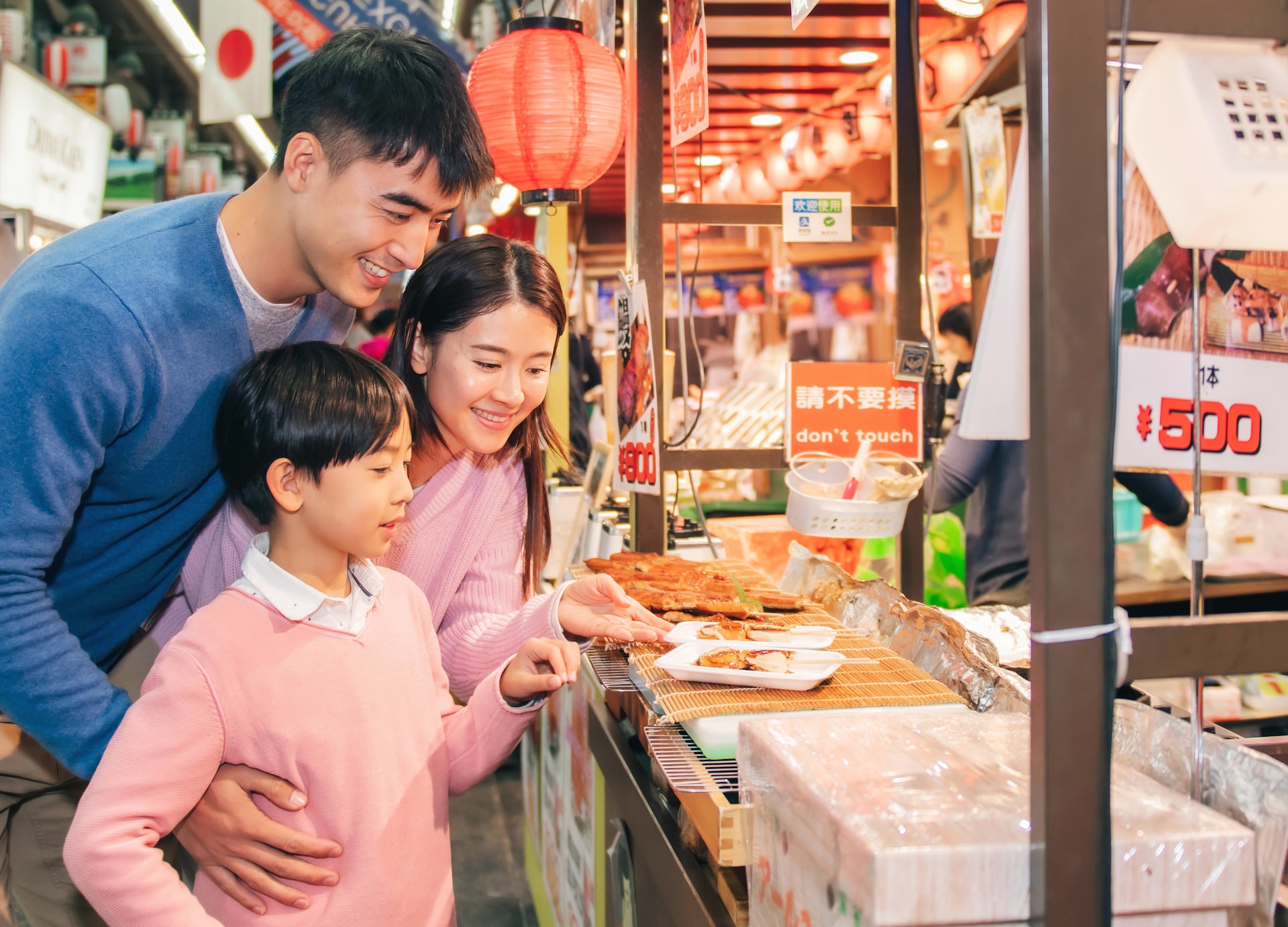
The best time to visit Japan is from March to May or October to November, when mild weather, cherry blossoms or autumn foliage create ideal conditions for sightseeing. Spring is the most celebrated season, while fall offers similar comfort with rich seasonal color and slightly more predictable weather.
Japan stretches from snowy Hokkaido to subtropical Okinawa, so conditions vary considerably by region. The best time for your trip ultimately depends on whether you want to see cherry blossoms, attend a festival, cruise between coastal cities or explore Japan with fewer crowds.
Best Time To Visit Japan by Season
Spring: March to May
Best for: Cherry blossoms, gardens, temple visits and comfortable sightseeing
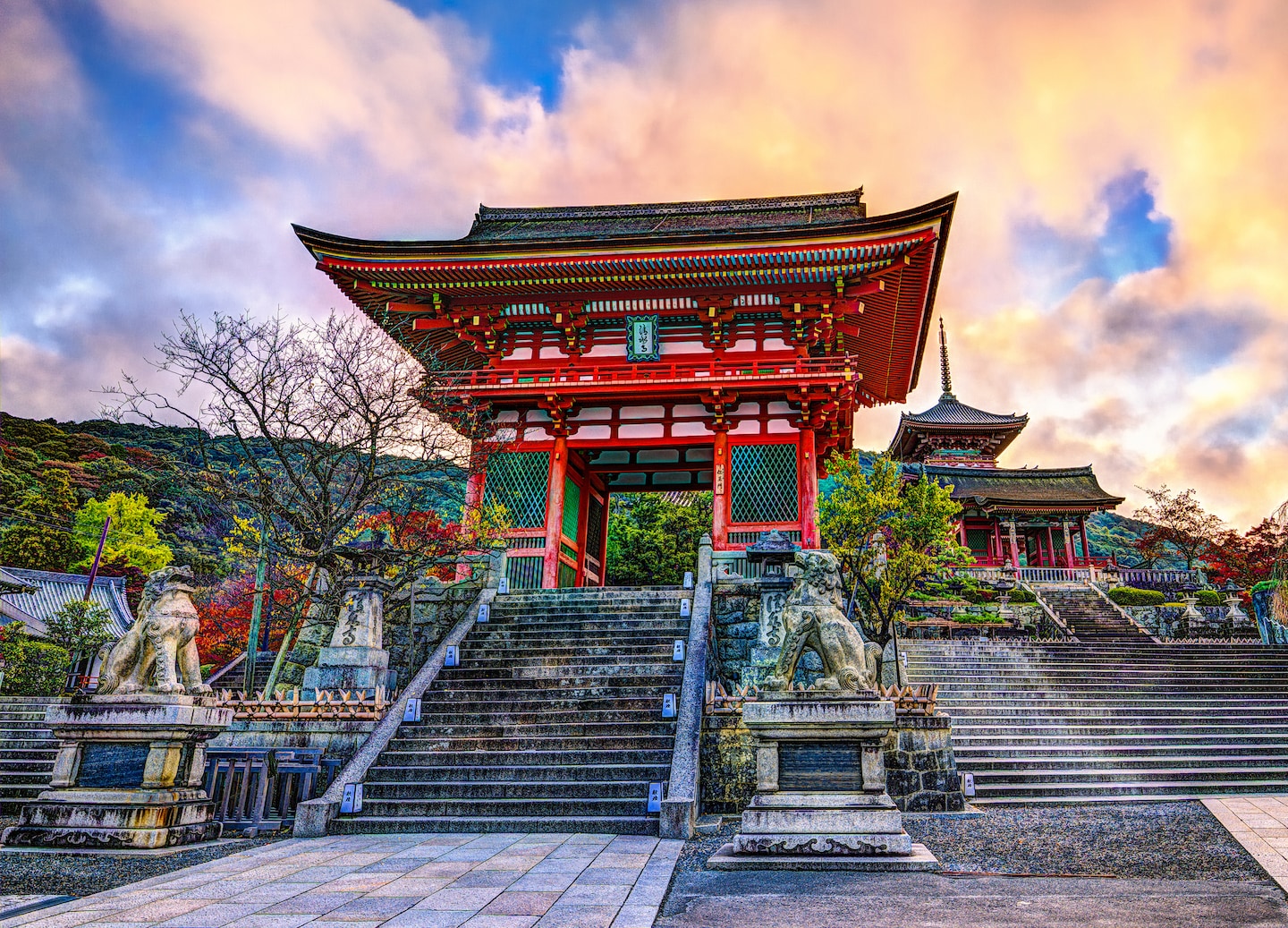
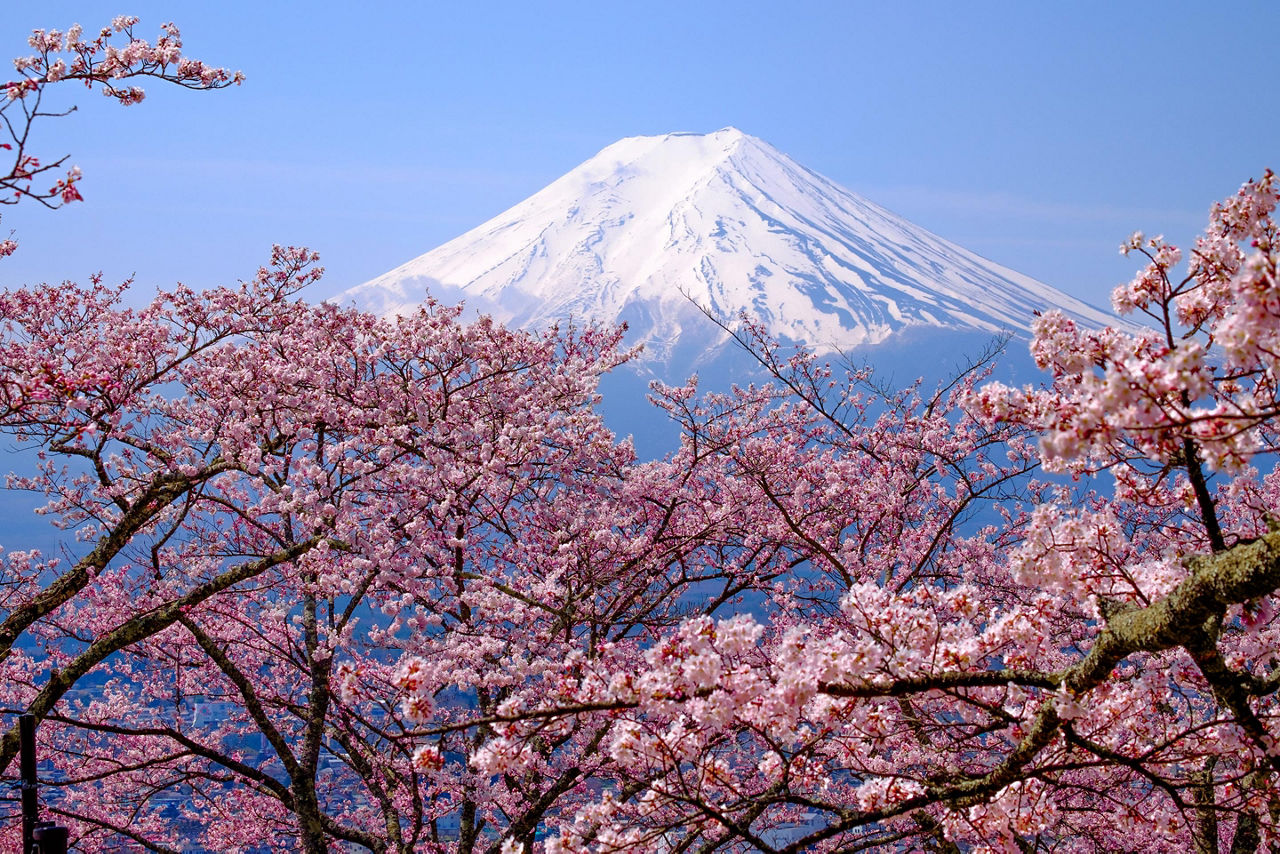
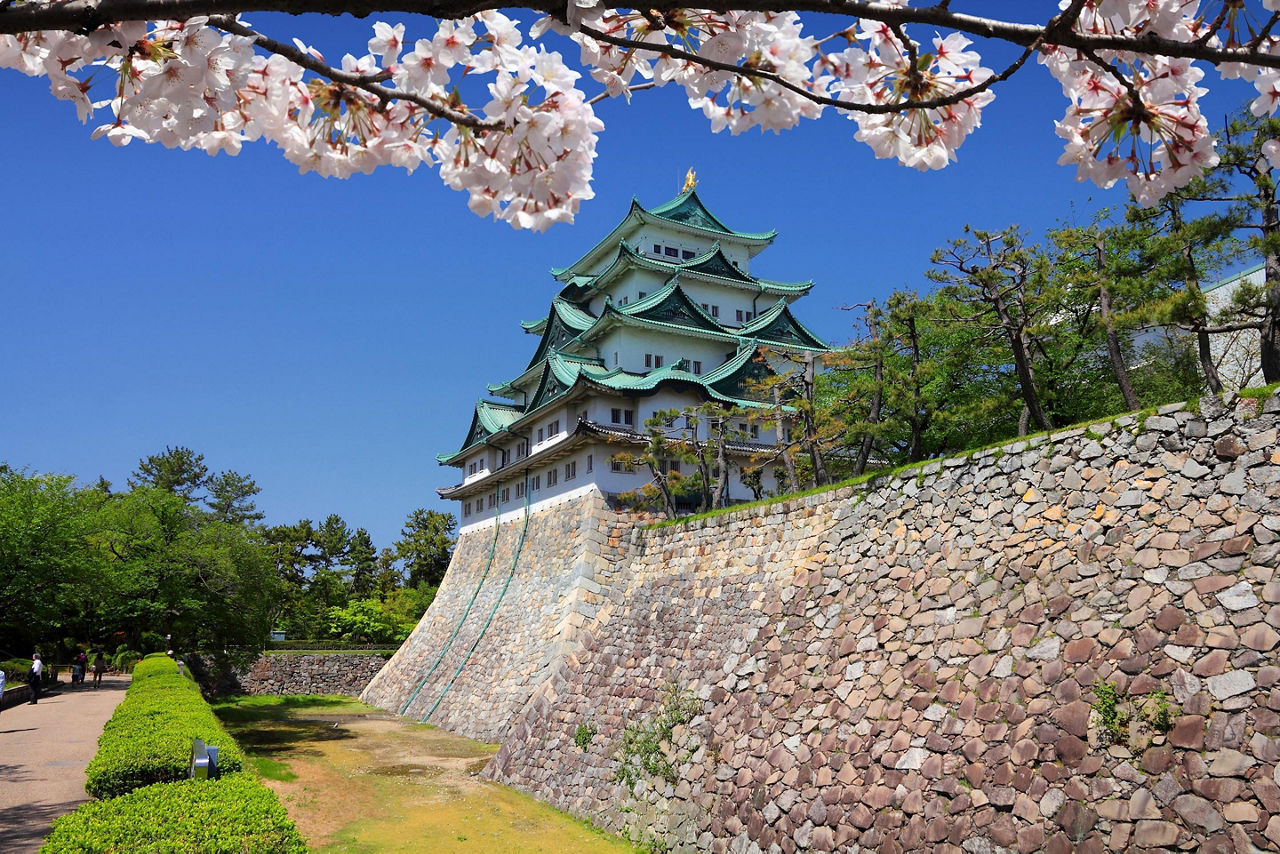
Spring is one of the most popular times to visit Japan. Cherry blossoms typically begin appearing in warmer southern regions before moving north, reaching Tokyo, Kyoto and Osaka around late March or early April. Blooming dates vary, so travelers should consult the latest forecasts before booking.
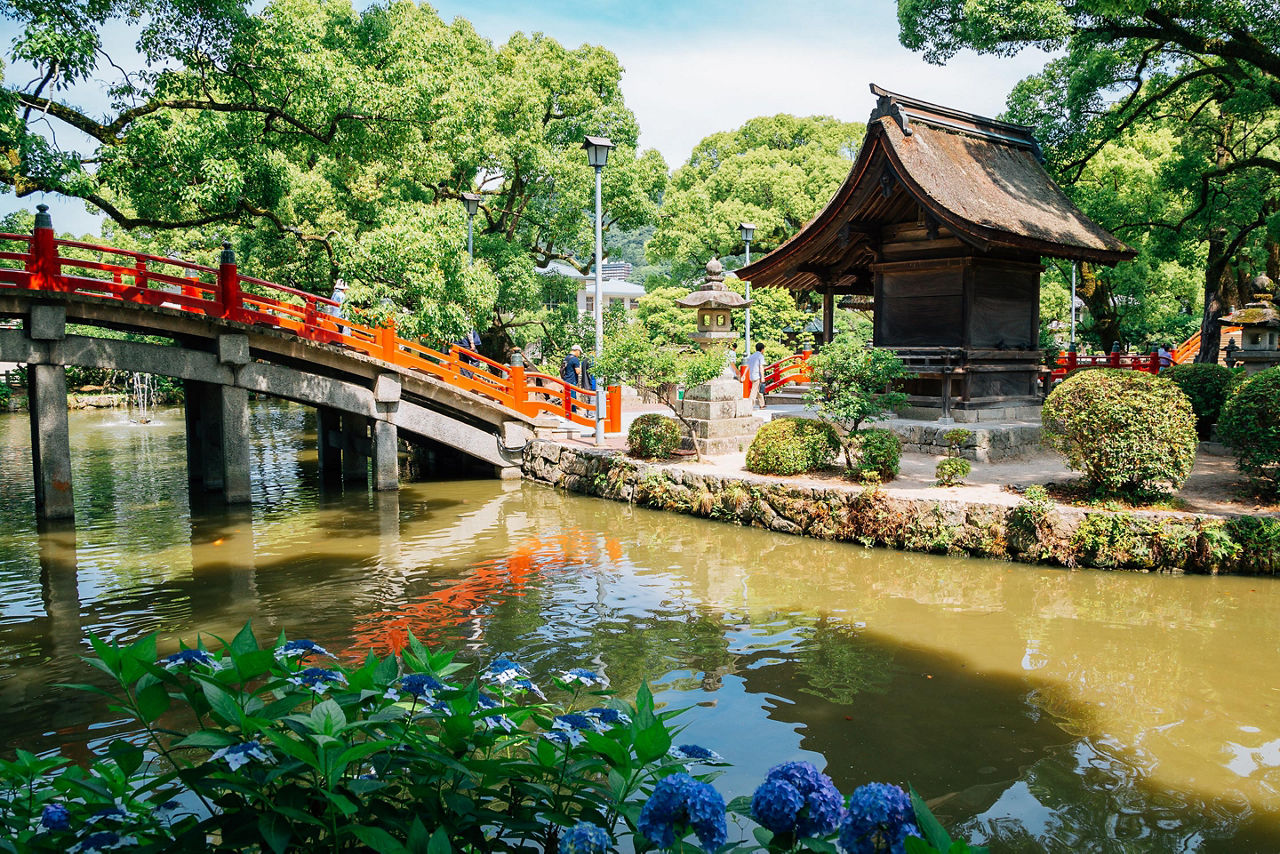
Temperatures become increasingly comfortable through April and May. This makes spring ideal for walking through Tokyo neighborhoods, touring Kyoto temples and visiting famous landmarks in Japan.
Late April through early May brings Golden Week, one of Japan’s busiest domestic travel periods. Transportation, hotels and attractions may be crowded, so the second half of May can be a calmer alternative.
Key events and activities:
- Cherry blossom viewing and hanami picnics
- Spring illuminations at temples and gardens
- Sanja Matsuri in Tokyo
- Children’s Day celebrations and koinobori displays
- The Grand Sumo Tournament in Osaka during March
Explore the seasonal highlights in this guide to Japan in March.
Summer: June to August
Best for: Festivals, hiking, fireworks and beach vacations
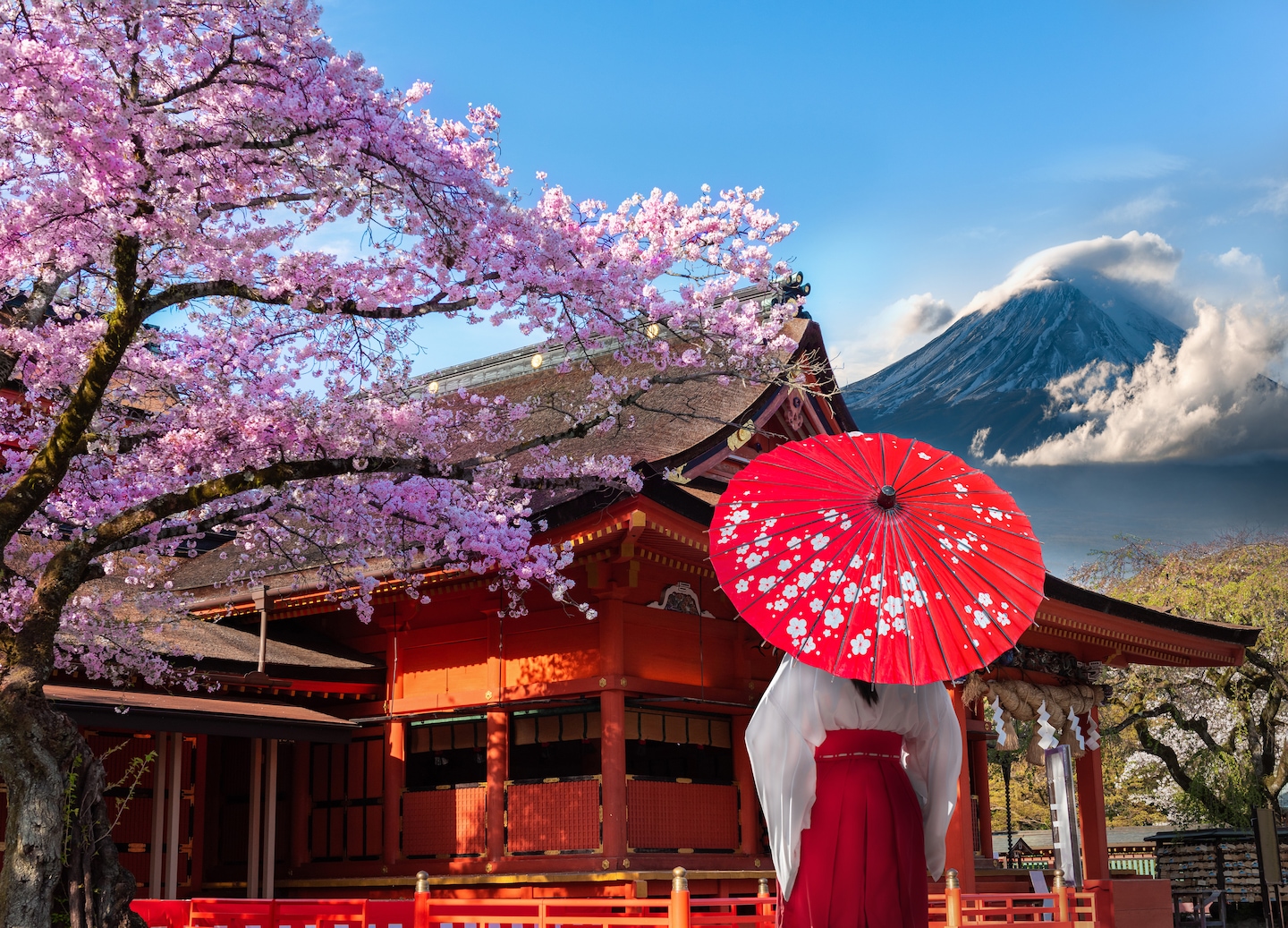
Early summer brings Japan’s rainy season to much of the country, generally beginning in June and continuing into July. Hokkaido is less affected, while Okinawa usually experiences the rainy season earlier.
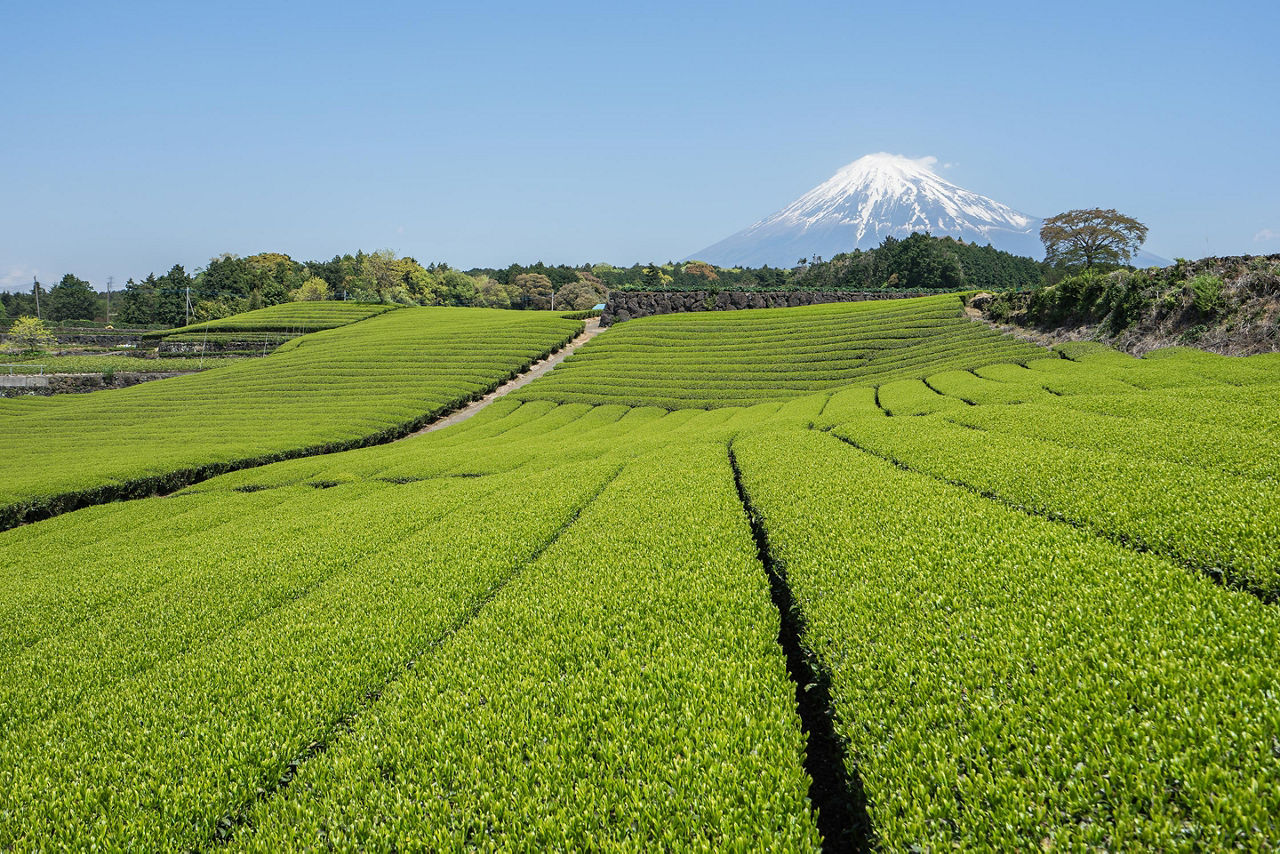
July and August are hot and humid in Tokyo, Kyoto and Osaka. They're also packed with energetic festivals, evening fireworks and outdoor celebrations. Summer is the primary climbing season for Mount Fuji, though clouds may make distant views less reliable. Travelers can review this Mount Fuji visitor guide when planning their experience.
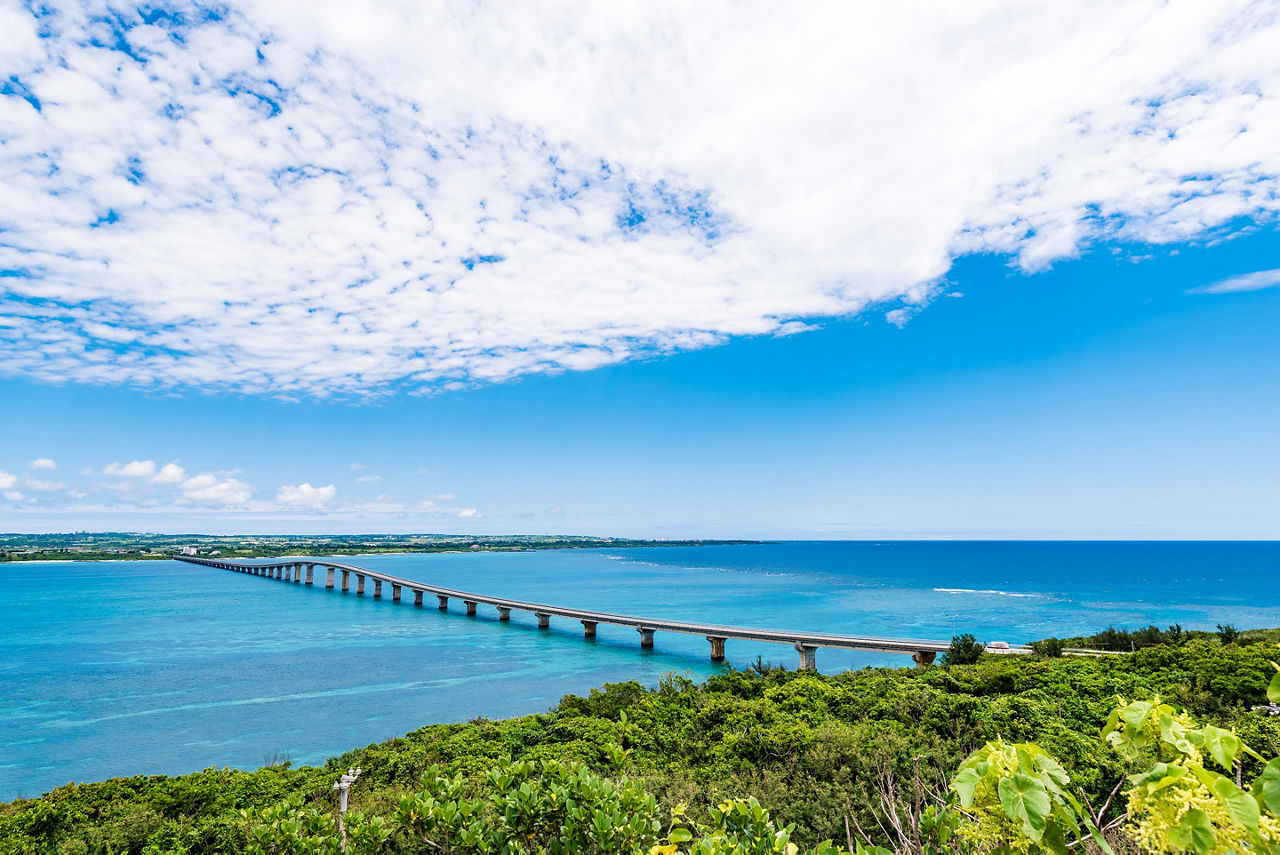
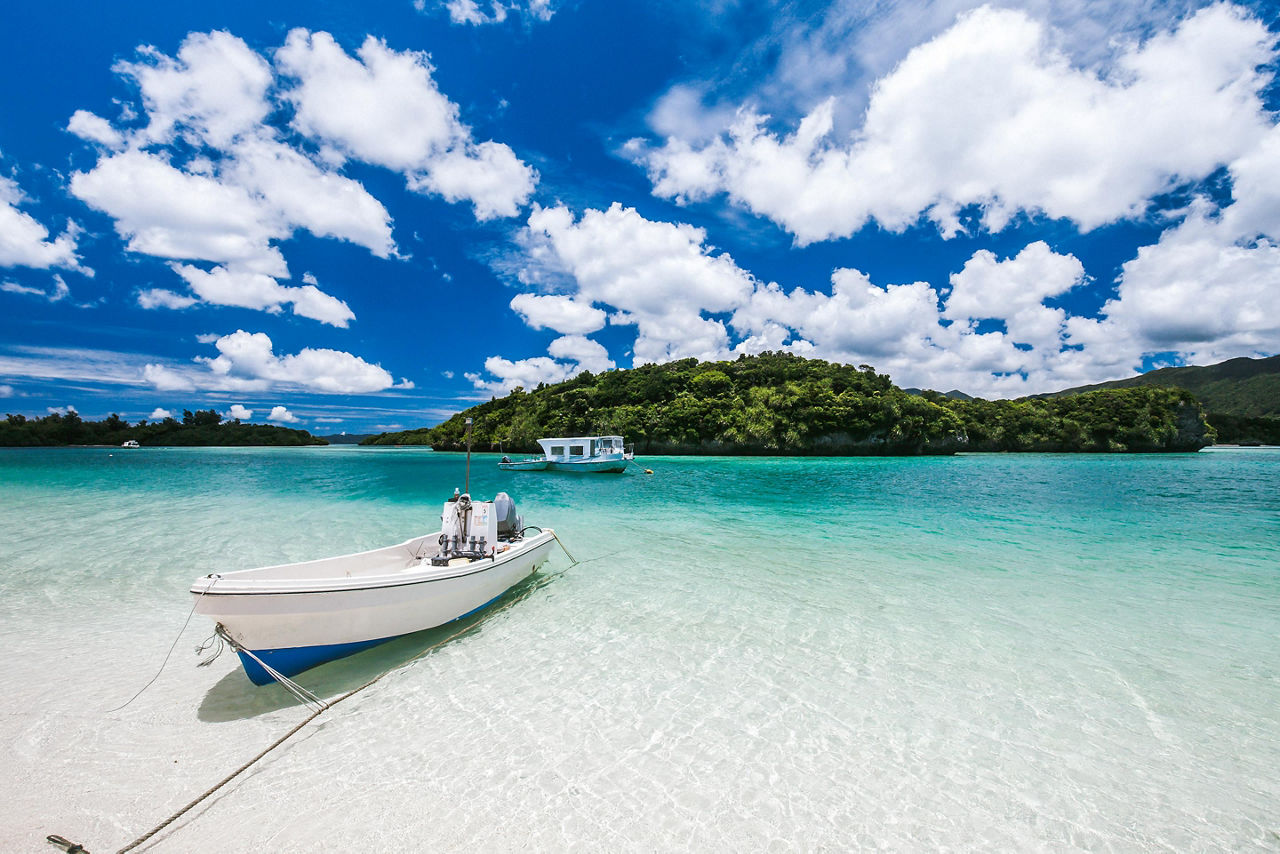
Okinawa is a strong choice for beaches, snorkeling and subtropical scenery. However, tropical storms can affect southern Japan, particularly later in the summer.
Key events and activities:
- Gion Matsuri in Kyoto
- Nebuta Matsuri in Aomori
- Obon celebrations across Japan
- Summer fireworks festivals
- Mount Fuji climbing
- Swimming and snorkeling in Okinawa
Fall: September to November
Best for: Autumn foliage, food, hiking and cruises

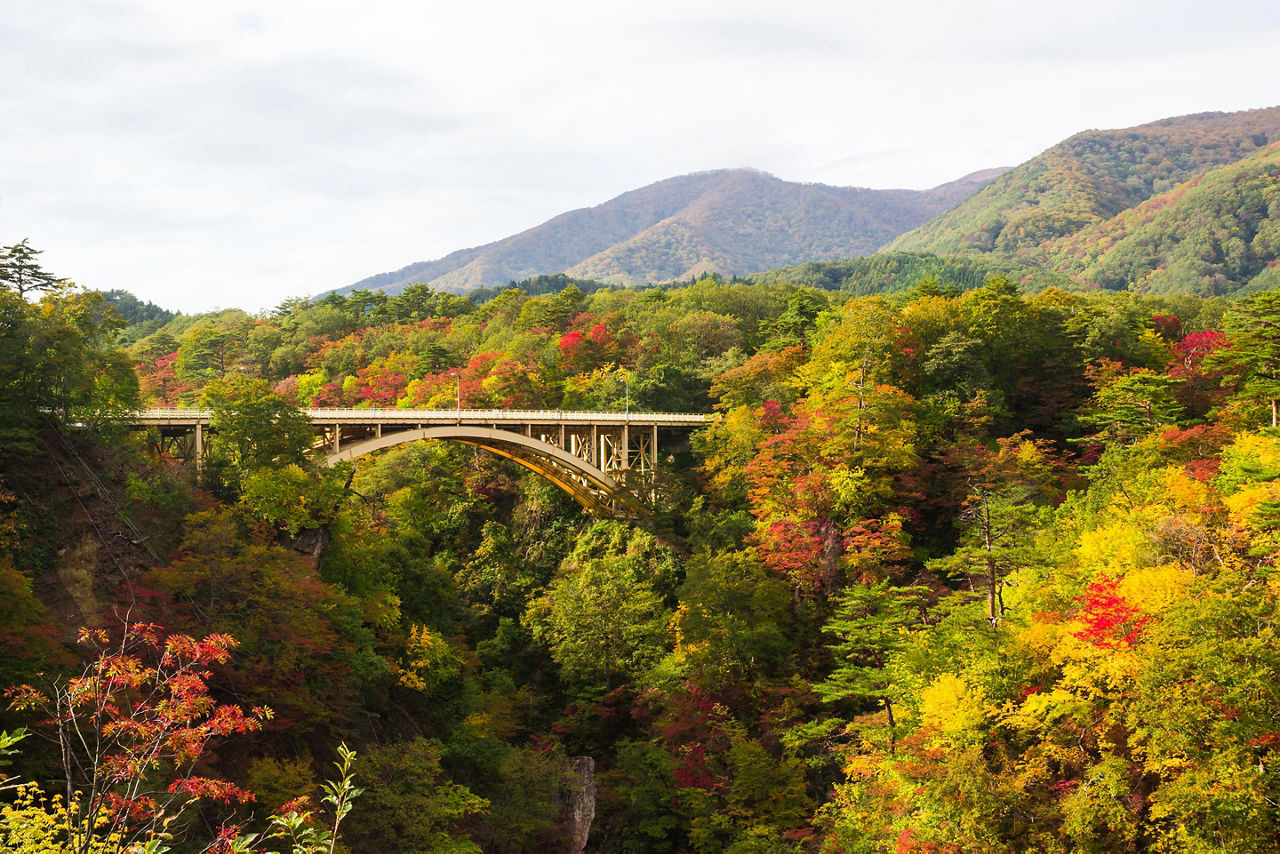
October and November are among the best months to visit Japan. Humidity drops, temperatures become comfortable and seasonal color spreads from northern and mountainous areas toward central and southern Japan.
Hokkaido can begin seeing fall foliage in September, while Tokyo, Kyoto and Osaka often experience their most colorful displays in November. Travelers can pair temple visits with illuminated gardens, scenic train rides and seasonal meals built around mushrooms, chestnuts and freshly harvested rice.
September can remain warm and carries a greater possibility of typhoons. October and November generally provide a better balance of comfortable weather and reliable sightseeing conditions. Learn more about the season in this guide to Japan in November.
Key events and activities:
- Autumn leaf viewing in parks and temple gardens
- Takayama Autumn Festival
- Jidai Matsuri in Kyoto
- Seasonal food and harvest festivals
- Mountain hikes and scenic rail journeys
- Evening foliage illuminations
Winter: December to February
Best for: Skiing, snow festivals, hot springs and fewer crowds

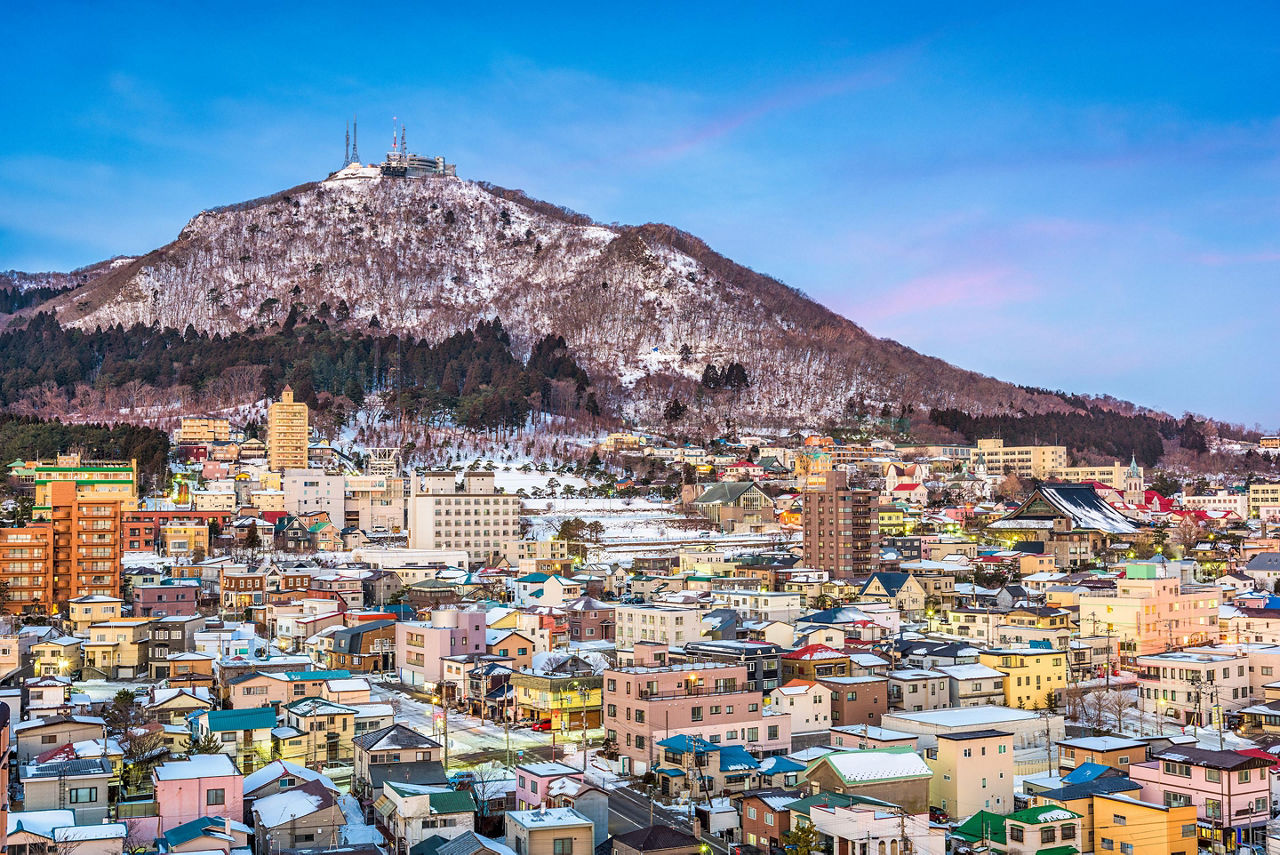
Winter transforms northern Japan and the Japanese Alps into major skiing and snowboarding destinations. Hokkaido, Nagano and Niigata are known for deep snow, while Tokyo and other Pacific Coast cities often experience colder but relatively dry conditions.
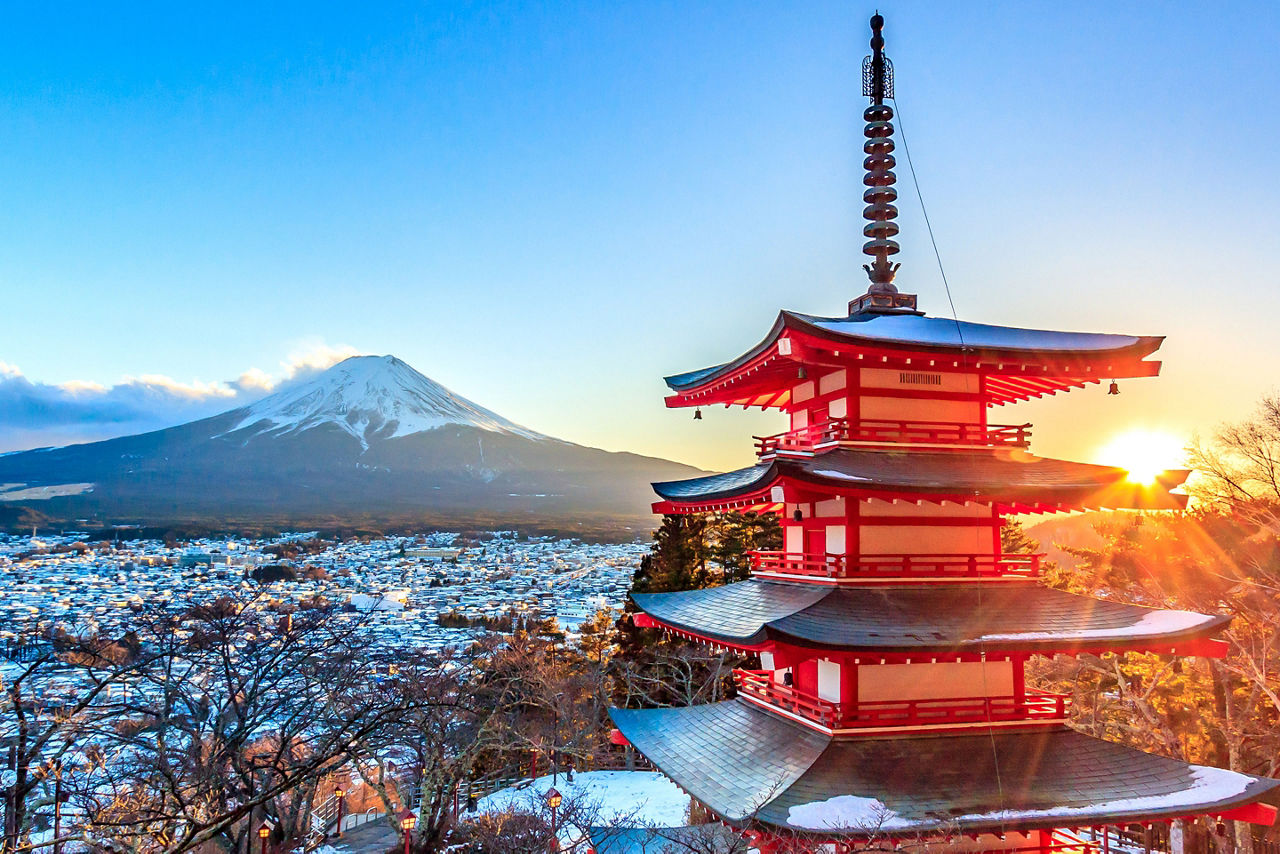
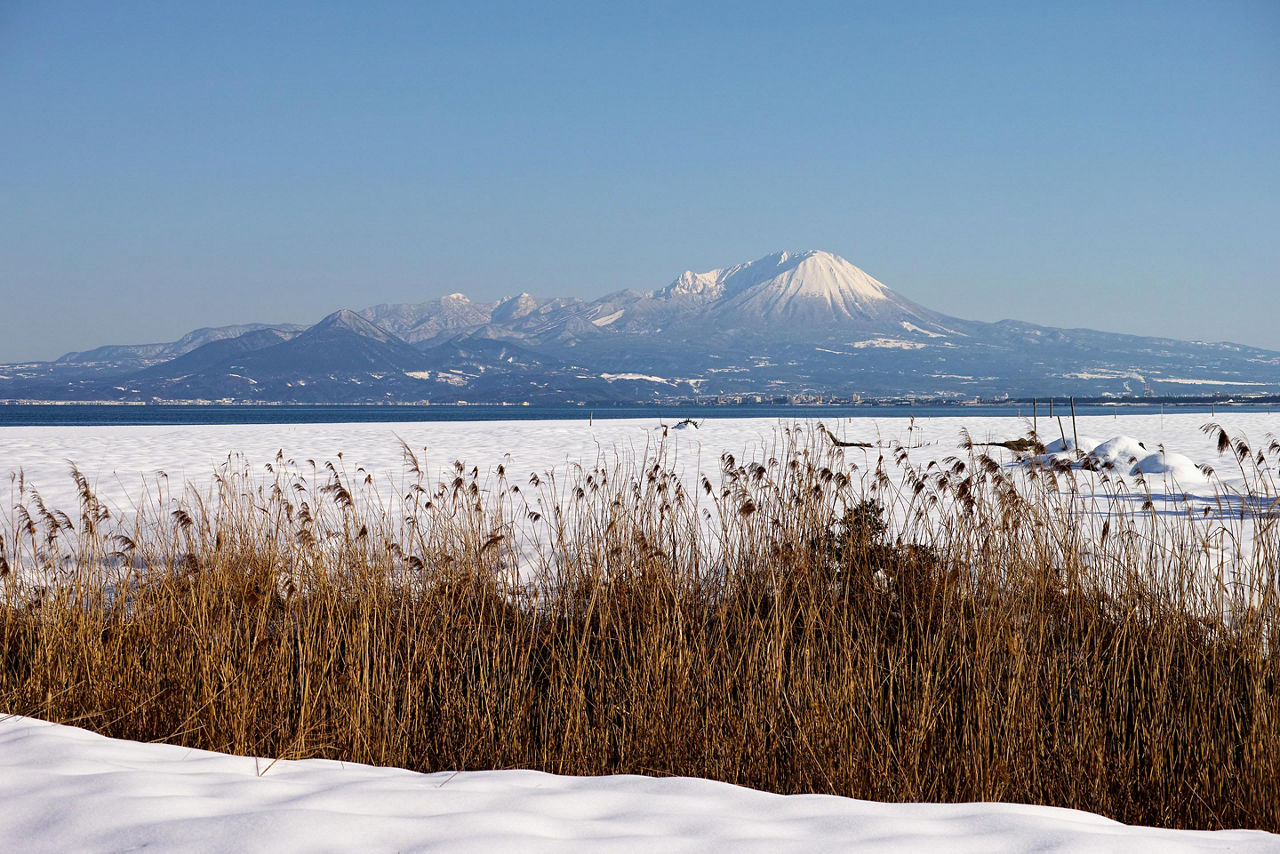
Clear winter air can also improve the chance of seeing Mount Fuji. After sightseeing, travelers can warm up in an onsen or try seasonal dishes such as hot pot, ramen and winter seafood.
Tokyo, Kyoto and Osaka are generally less crowded after the New Year holiday. Okinawa remains much warmer than the rest of Japan, although winter may be too cool for a traditional beach vacation.
Key events and activities:
- Sapporo Snow Festival
- Skiing and snowboarding in Hokkaido or Nagano
- Winter illuminations
- Onsen visits
- New Year traditions
- Clear views of snow-covered Mount Fuji
Read the guide to Japan in February for more winter travel ideas.
Best Time To Visit Japan for Cherry Blossoms
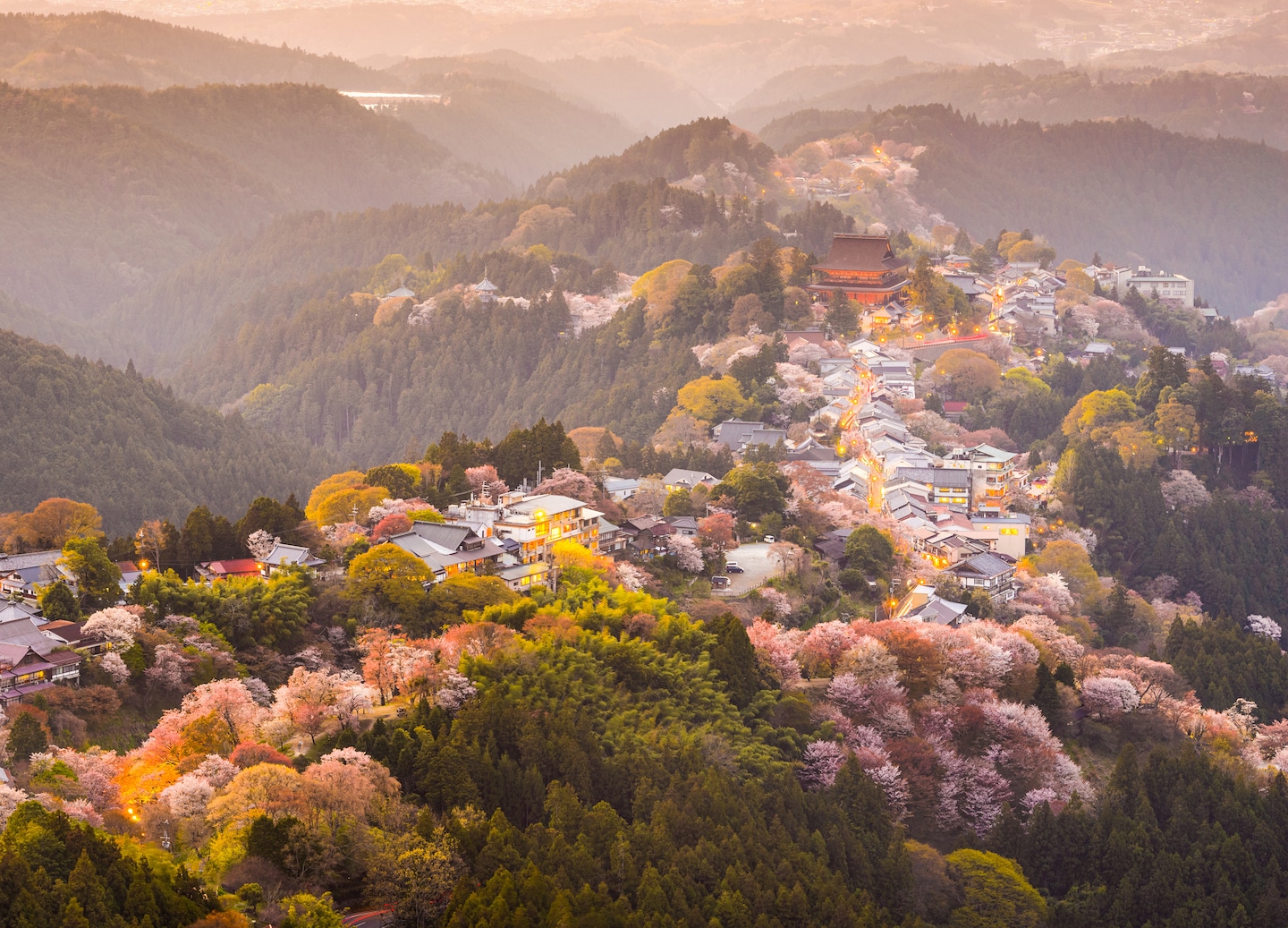
Late March through early April is often the best time to see cherry blossoms in Tokyo, Kyoto, Osaka and Hiroshima. The exact timing changes each year based on weather conditions.
Travelers with flexible schedules can follow the blossoms north. Northern regions such as Tohoku and Hokkaido may bloom from mid-April into early May. Since the peak can last only several days, build some flexibility into your itinerary and consult current blossom forecasts.
Best Time To Visit Japan on a Cruise
Spring and fall are the best times to visit Japan on a cruise. March through May and October through November offer comfortable conditions for walking tours, shrine visits and waterfront sightseeing.
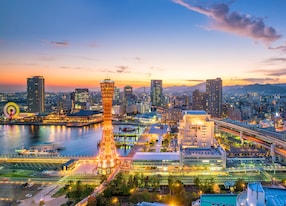
Cruises can connect several distinct destinations, including Tokyo, Osaka, Kobe, Nagasaki and Okinawa. Spring provides blossoms and garden scenery, while fall brings colorful foliage and lower humidity. Compare the seasonal experience in Royal Caribbean’s guides to the best time to visit Tokyo and the best time to visit Osaka.
Best Time To Visit Japan for Food
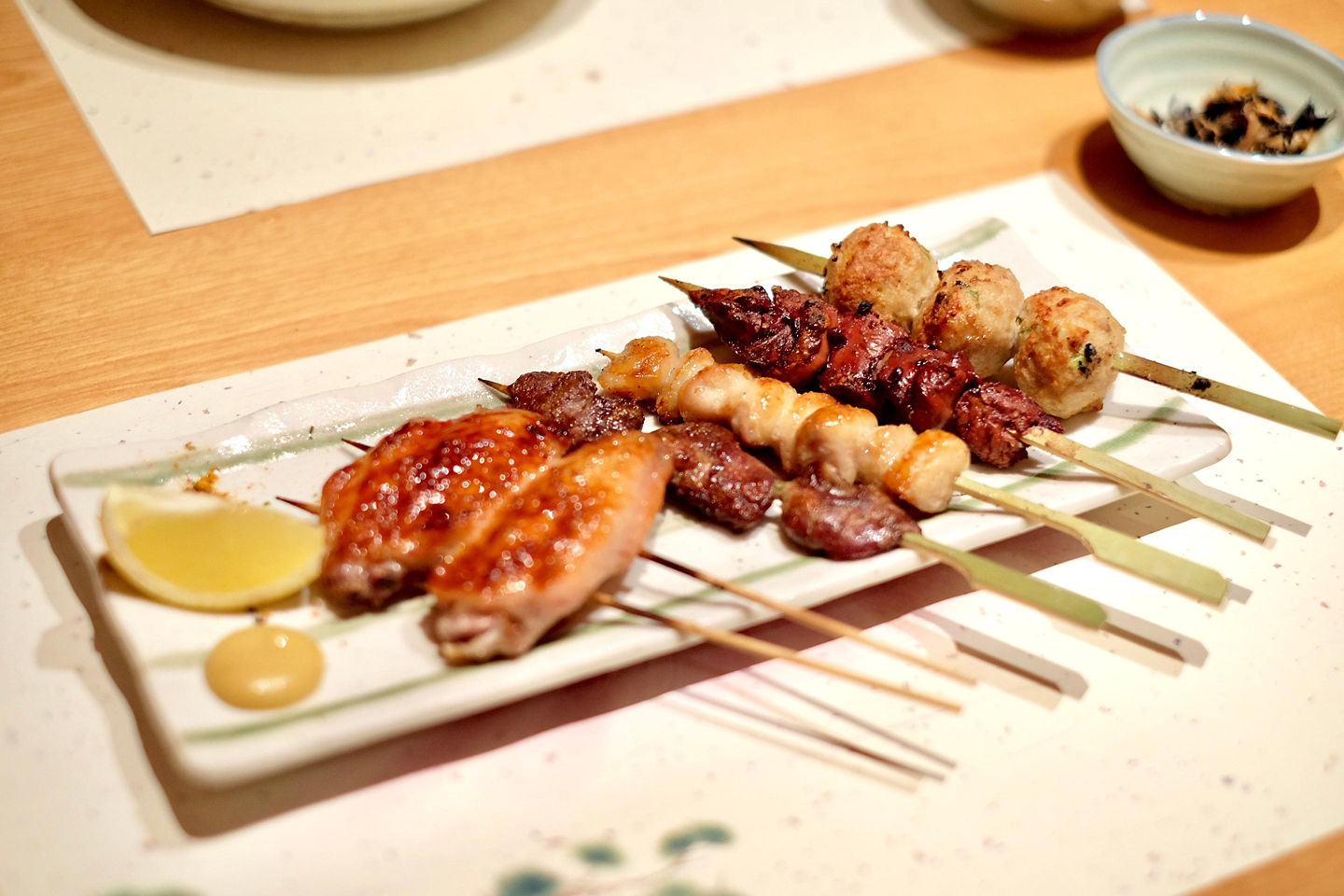
Fall is an excellent season for food-focused travel because menus feature harvest ingredients such as chestnuts, sweet potatoes, mushrooms and new-season rice.
Winter is another strong choice for fresh seafood, warming noodle dishes and regional hot pots. Tokyo offers everything from sushi and tempura to monjayaki and yakitori. Start planning with this guide to what to eat in Tokyo.
Best Time To Visit Japan for Fewer Crowds
January and February generally bring fewer visitors to major cultural cities, excluding the New Year period and popular ski destinations. Early December and the second half of May can also be quieter than the peak cherry blossom and autumn foliage periods.
For a spring trip with fewer crowds, consider traveling after Golden Week. In fall, visiting during the first half of October may provide comfortable weather before peak foliage crowds arrive in Tokyo and Kyoto.
Best Time To Visit Japan on a Budget
January, February and June can offer better value on accommodations and transportation. Avoid New Year celebrations, major ski resorts and national holiday periods if price is the priority.
June’s rainy season may bring lower demand, but travelers should expect humidity and occasional heavy showers. January and February are better suited to budget-conscious sightseeing in cities such as Tokyo, Kyoto and Osaka.
When Is the Best Time To Visit Japan?
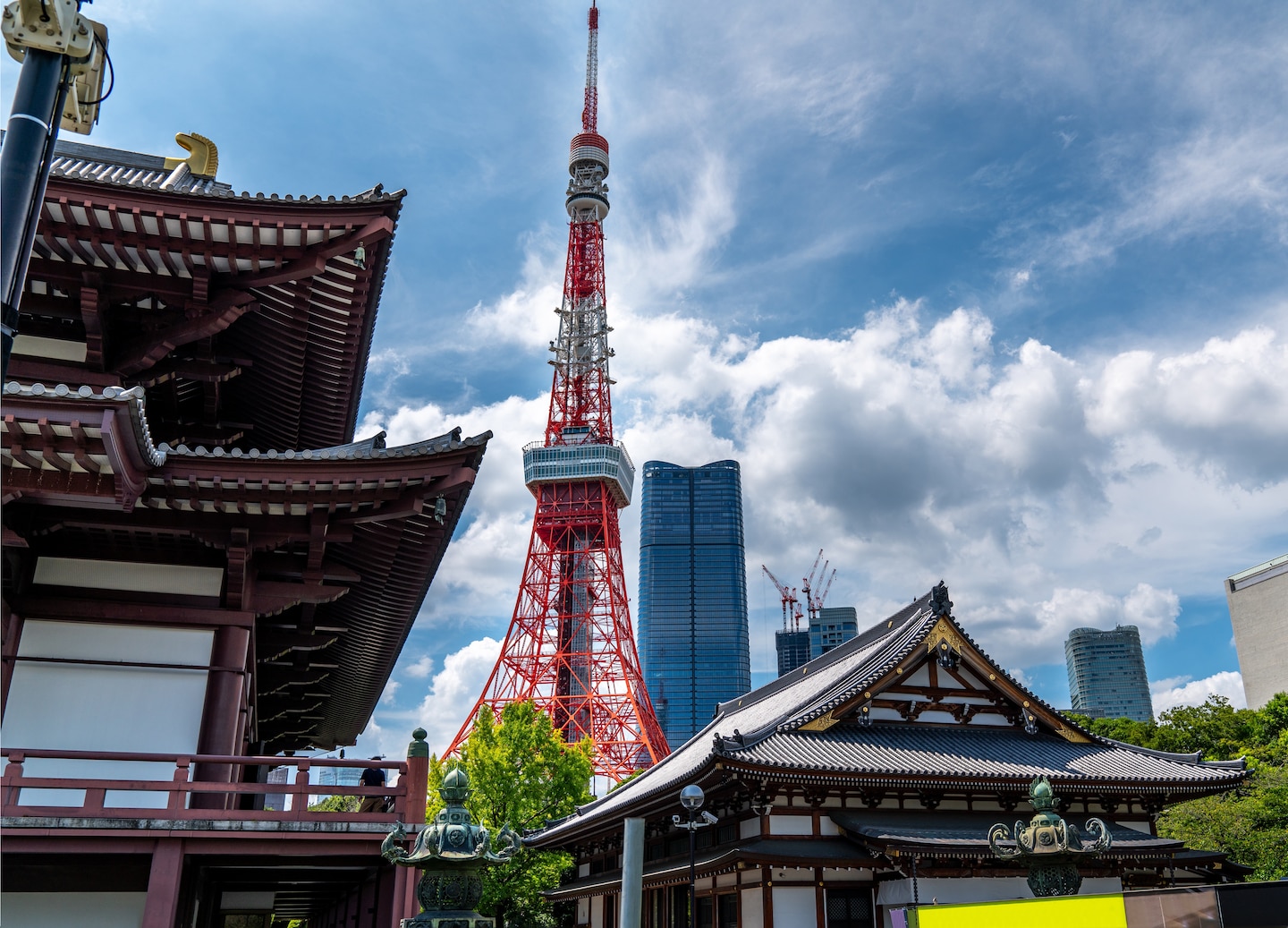
The best time to visit Japan is from March to May or October to November. Choose spring for cherry blossoms and flower-filled gardens. Choose fall for colorful foliage, seasonal cuisine and comfortable sightseeing weather.
Summer is best for festivals, Mount Fuji climbing and Okinawa beaches, while winter is ideal for skiing, hot springs, clear mountain views and lower crowds in major cities. Every season offers a distinct version of Japan.
Frequently Asked Questions
When is cherry blossom season in Japan?
Cherry blossoms usually appear from late March through early April in Tokyo, Kyoto and Osaka. Blooms arrive later in northern Japan, sometimes extending into May in Hokkaido.
When is the rainy season in Japan?
The rainy season generally occurs from June into July across much of Japan. Okinawa experiences it earlier, while Hokkaido is less affected.
When is typhoon season in Japan?
Typhoons can affect Japan from summer into fall, with the greatest possibility often occurring from August through September. Conditions vary by year and region.
Is summer a good time to visit Japan?
Summer is a good time for festivals, fireworks, hiking and beach trips. Travelers should prepare for heat, humidity and periods of rain.
What is the cheapest time to visit Japan?
January, February and June can be more affordable, excluding New Year, ski destinations and major events.
When is the best time to visit Okinawa?
Late spring and early fall can balance warm weather with fewer peak-summer crowds. Okinawa is known for beaches, reefs and Ryukyuan culture, all explored in this guide to what Okinawa is known for.