The best time to visit Mallorca is during the spring (April to June) and early fall (September to October), when the Balearic Island blooms with sunny skies, warm seas and lively cultural festivals—all without the intensity of peak summer crowds. From dramatic cliffs and serene coves to charming hill towns and historic streets in Palma, Mallorca shines in every season, but the shoulder months offer the most balanced experience for weather, exploration and value.
Still, depending on what kind of vacation you're planning—whether it’s a beach holiday, a hiking retreat or a culinary tour—each season in Mallorca has something special to offer. Here’s your full guide to the weather in Mallorca and what to expect throughout the year.
Spring in Mallorca (March–May)

Best for: Outdoor adventures, almond blossoms and peaceful beaches
Average temperatures: 64°F (18°C) in March to 75°F (24°C) in May
Spring marks Mallorca’s transition into travel season, but without the frenzy of summer crowds. It’s when the island comes alive in color—meadows are blanketed in wildflowers and groves of almond trees bloom in a soft haze of pink and white. Nature lovers and outdoor enthusiasts will find this time of year perfect for walking, cycling and exploring.
The weather in Mallorca is crisp and sunny with just the right amount of warmth for sightseeing and open-air dining. You can hike through the UNESCO-listed Tramuntana Mountains, visit sleepy stone villages like Deià and Fornalutx and take in panoramic views of the coast without jostling for a photo. In Palma, outdoor cafés reopen, harborfront restaurants start serving seafood on the terrace again and the island’s weekly markets buzz with locals.
And if you’re a photographer, this is prime time—sunsets are softer, the air is clear and the island’s landscapes are at their greenest. While the sea can still be cool in March, by late April and May, you’ll find it inviting enough for early swimming and kayaking in calm coves.
Key Events and Activities:
- Almond Blossom Season (February–March) in inland villages
- Holy Week processions in Palma (April)
- Outdoor markets in Sóller, Alcúdia and Santanyí
- Hiking the Dry Stone Route (GR221) in the Tramuntana mountains
- Touring wineries in Binissalem during spring bloom
Summer in Mallorca (June–August)

Best for: Beach days, nightlife and island hopping
Average temperatures: 82°F (28°C) in June to 91°F (33°C) in August
For beach lovers and sun seekers, summer is the best time to visit Mallorca. The island’s coastline is the star of the show, with golden stretches like Playa de Muro and family-friendly coves such as Cala Agulla filling up with towel-toting travelers and locals. In the water, you'll find people snorkeling, paddle-boarding or sailing from cove to cove on traditional llaüts or modern catamarans.
The weather in Mallorca during summer is reliably sunny and hot, especially in July and August, so it's wise to plan sightseeing for the mornings and save beach time or siestas for the afternoon. With up to 14 hours of daylight, there’s no need to rush—everything slows down and the day naturally shifts into evenings filled with seafood dinners, late-night markets and live music.
Summer in Mallorca is also festival season. In addition to local fiestas in nearly every village, you’ll find larger-scale events in Palma, like Sant Joan in June, which features bonfires, fireworks and mystical traditions like walking across fire pits. In the evenings, Palma’s historic center glows and beachfront venues host DJs, jazz nights and full-moon parties.
Key Events and Activities:
- Sant Joan Festival (late June) with bonfires and fireworks
- Night markets in Artà and Inca
- Boat trips to Sa Calobra, Cabrera and the Calas de Mallorca
- Clubbing in Magaluf or sophisticated lounges in Palma
- Sea kayaking, paddle-boarding and diving
Fall in Mallorca (September–November)
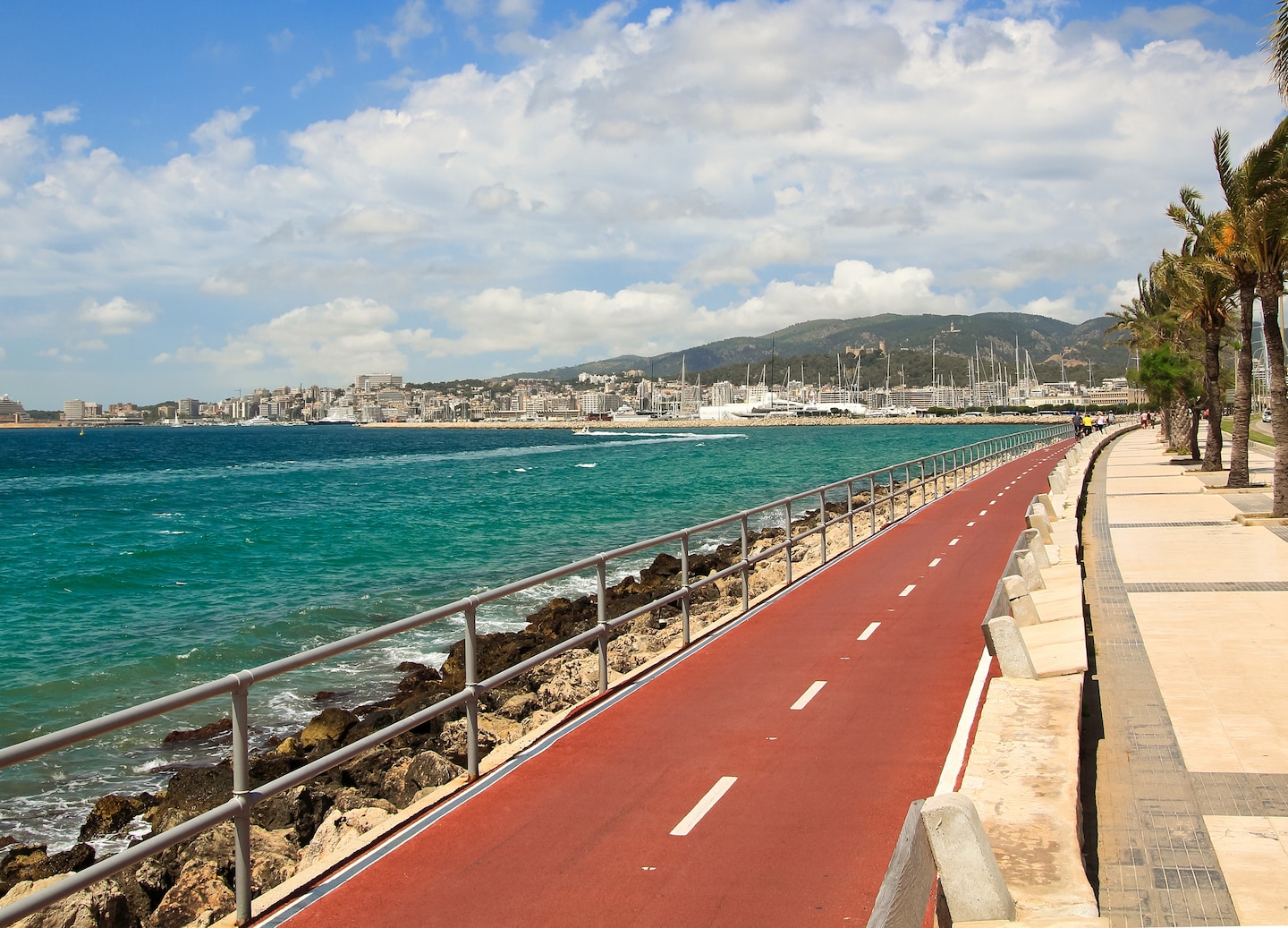
Best for: Wine harvests, hiking and fewer crowds
Average temperatures: 85°F (29°C) in September to 66°F (19°C) in November
If you prefer a slower pace and local flavor, fall is Mallorca’s best-kept secret. The beaches are still warm and swimmable in September, the sun is gentler and by mid-October, you’ll notice a peaceful rhythm returning to even the most popular towns. It’s a wonderful time to relax, hike, eat well and discover the heart of the island beyond the coastline.
The weather in Mallorca during fall remains pleasantly warm through late October, though occasional rain showers begin in November. The sea retains its summer warmth, making beach days totally possible well into autumn. Harvest season is in full swing, and you’ll find local food festivals featuring sobrasada, olives and island-grown grapes turned into wine at family-run vineyards in Binissalem and Santa Maria.
Key Events and Activities:
- Grape Harvest Festival in Binissalem (September)
- Fira de Sóller and artisan craft fairs
- Swimming and sailing well into October
- Olive oil tastings and seasonal dishes in rural restaurants
- Scenic drives through Fornalutx and Puigpunyent
Winter in Mallorca (December–February)

Best for: Peaceful escapes, cultural experiences and holiday charm
Average temperatures: 60°F (16°C) in December to 57°F (14°C) in February
Though most think of Mallorca as a summer destination, winter is ideal for travelers seeking a more authentic, slower-paced island experience. The beaches are quiet, the streets of Palma sparkle with lights and the mountain villages become the backdrop for traditional fire festivals and warming meals.
The weather in Mallorca is surprisingly mild—days are crisp but rarely cold and snow only touches the peaks of the Serra de Tramuntana on rare occasions. You’ll want a light jacket for early mornings and evenings, but midday sun often makes it warm enough for café lunches outdoors. Hotels offer winter rates and you’ll often have popular sites and museums all to yourself.
This is also the time to immerse in local tradition. Christmas markets, the Three Kings parade and Saint Antoni’s fire festivals turn even the smallest villages into places of celebration. It’s a season of quiet charm, roasted chestnuts and rich, hearty stews in rural tavernas.
Key Events and Activities:
- Christmas Market in Palma (December)
- Sant Antoni and Sant Sebastià Fire Festivals (January)
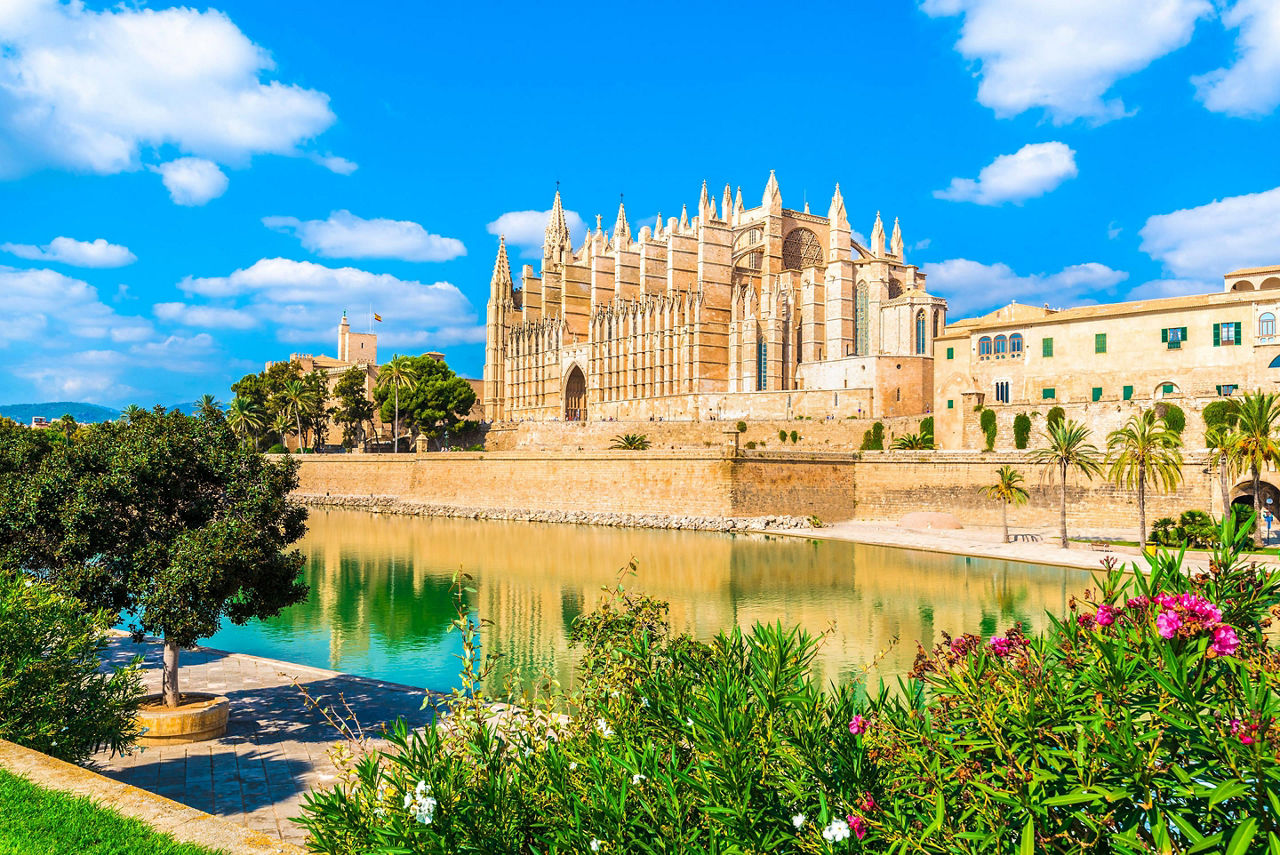
- Touring Palma Cathedral without the crowds
- Almond blossom season begins late February
- Off-season deals at rural fincas and boutique hotels
Ready to Explore More of Mallorca?Dive deeper into the island’s unique character by exploring what to buy in Mallorca to bring a piece of the Balearics home.
Frequently Asked Questions
When is the best time to visit Mallorca?
The best time to visit Mallorca is April to June and September to October, when the weather is warm, the crowds are lighter and the sea is ideal for swimming. These seasons allow for a full range of activities—swimming, hiking, dining and exploring—without the intensity and price hikes of peak summer.
What is the weather like in Mallorca year-round?
The weather in Mallorca is Mediterranean, with hot summers, mild winters and pleasant shoulder seasons perfect for beach outings and outdoor adventures.
What is the hottest month in Mallorca?
August is usually the hottest month in Mallorca, with average highs reaching around 91°F (33°C) and abundant sunshine across the island.
What months can you swim in Mallorca?
You can swim in Mallorca from May through October, when the Mediterranean Sea is warm and the weather is ideal for beach days.
What is the rainy season in Mallorca?
October and November are the rainiest months in Mallorca, although showers are usually brief and followed by sunny skies.
Keep Exploring Mallorca
Want to learn more about the adventures that await you? Check out these guides: