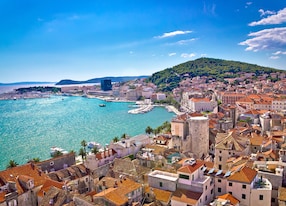
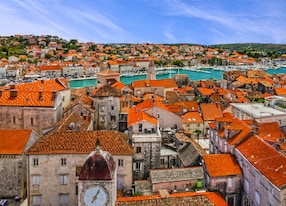
The best time to visit Split, Croatia, is during spring (April to June) and early fall (September to October), when the weather is perfect for sightseeing and the city’s outdoor life is in full swing. With its ancient Roman ruins, beautiful beaches and stunning Adriatic views, Split offers something for everyone—from historical wonders to modern-day relaxation.
But depending on your ideal vacation—beach days, cultural exploration or festive celebrations—some seasons may suit you better than others. Here’s your guide to the weather in Split and what to expect throughout the year.
Spring in Split (April–June)
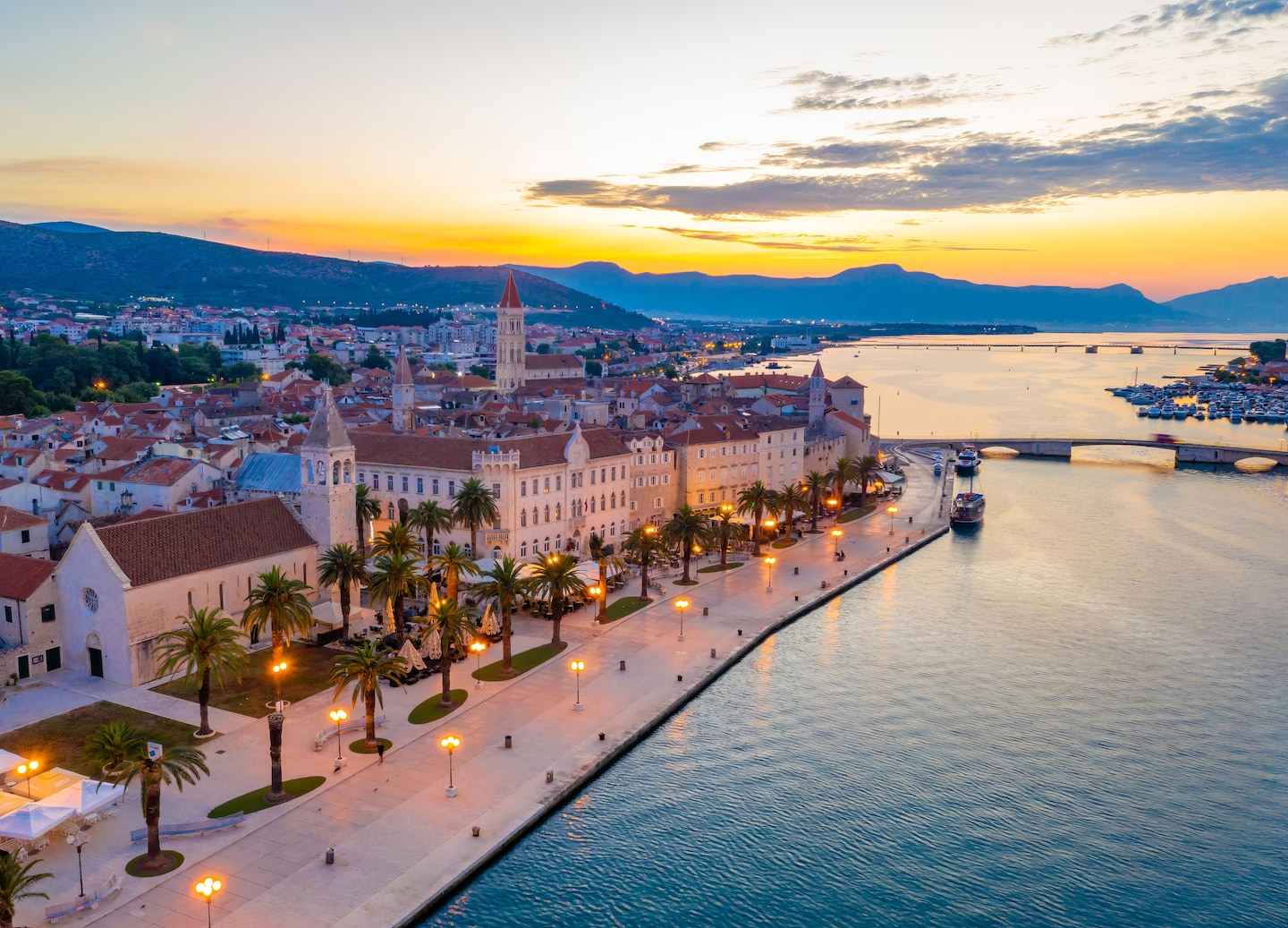
Best for: Sightseeing, festivals and mild temperatures
Average temperatures: 59°F (15°C) in April to 77°F (25°C) in June
Spring is an enchanting time to visit Split. The weather is mild and comfortable, perfect for exploring the city's UNESCO World Heritage sites like Diocletian's Palace or climbing Marjan Hill for panoramic views of the Adriatic. The flowers begin to bloom and the city’s outdoor cafés come alive with locals and tourists enjoying the fresh air and mild temperatures.
The spring months also bring exciting festivals to Split. The Split Spring Festival is a must-see, with local music, food and cultural performances filling the streets. Spring is ideal for walking around the Old Town or taking boat tours to nearby islands like Brač or Hvar, which start to become more accessible as the weather warms.
Key Events and Activities:
- Split Spring Festival (April–May): Local music, food and cultural events filling the streets.
- Exploring Diocletian’s Palace: Wander through the maze of ancient Roman architecture.
- Day Trips to Nearby Islands: A visit to Hvar or Brač during the off-peak season ensures fewer crowds.
Summer in Split (July–August)

Best for: Beach escapes, lively atmosphere and local festivals
Average temperatures: 77°F (25°C) in July to 86°F (30°C) in August
Summer in Split is synonymous with sunny beach days, bustling crowds and a vibrant atmosphere. Split’s beaches, such as Bacvice Beach, are packed with sunbathers, swimmers and those enjoying a game of picigin. The Adriatic Sea is warm and inviting, perfect for a day of swimming or water sports.
This is also the time when Split's festivals and nightlife come to life. The Split Summer Festival (July–August) features a fantastic program of opera, theater and classical music performances. The lively atmosphere extends to Split’s streets, with outdoor bars, nightclubs and beach parties adding to the city’s excitement.
Key Events and Activities:
- Split Summer Festival (July–August): Opera, classical music and theater performances.
- Beach Days: Spend time on Bacvice Beach or visit quieter spots like Kasjuni Beach.
- Vibrant Nightlife: Enjoy the nightlife in Split, from rooftop bars to beach clubs.
Fall in Split (September–October)

Best for: Fewer crowds, harvest season and mild temperatures
Average temperatures: 73°F (23°C) in September to 61°F (16°C) in October
Fall is one of the best times to visit Split, especially in September and October when the weather is still warm but the crowds have started to thin. The sea remains warm enough for swimming and the temperatures are perfect for exploring the city or hiking around the surrounding hills.
The fall season is also harvest time in Croatia and Split offers some of the best food festivals. Local markets overflow with fresh produce and nearby vineyards celebrate the grape harvest with wine festivals and tastings. It’s a time of abundance for food lovers and a peaceful escape for those who prefer quieter, off-season travel.
Key Events and Activities:
- Split Film Festival (September): A renowned international film festival showcasing global cinema.
- Harvest and Wine Festivals: Taste Croatia’s local wines and fresh produce at food festivals in the region.
- Hiking and Outdoor Activities: Explore Marjan Hill or take a walk along Split’s scenic coastline.
Winter in Split (November–March)

Best for: Peaceful atmosphere, cultural exploration and off-season deals
Average temperatures: 50°F (10°C) in November to 58°F (14°C) in March
Winter in Split is mild compared to most of Europe. With average temperatures ranging from 50°F (10°C) to 58°F (14°C), it’s too cool for swimming but perfect for exploring Split's historic sites and enjoying local cuisine. The city is much quieter in winter, making it an ideal time to visit for those seeking a peaceful, off-season experience.
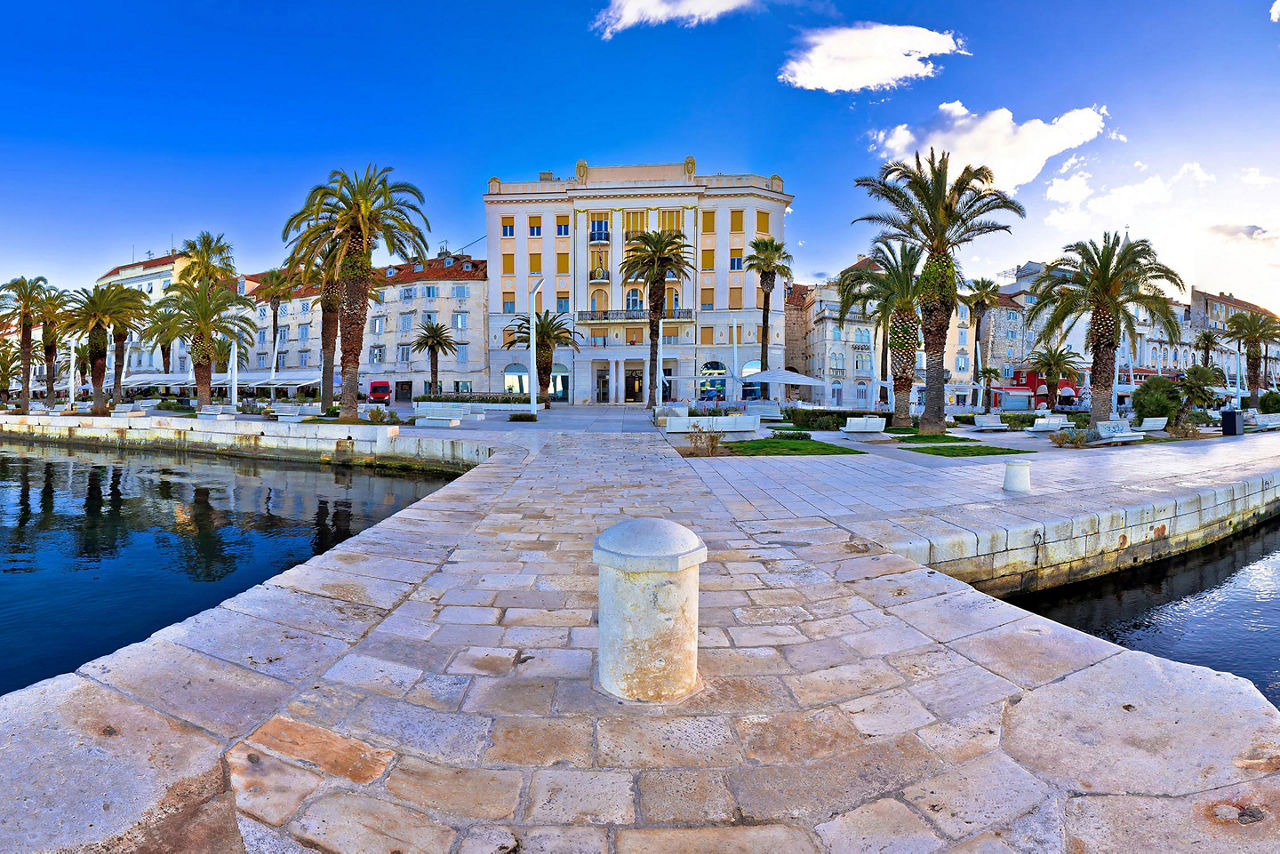
Split’s Christmas markets and festive lights bring a cozy charm to the city and the cooler temperatures make it a perfect time for sightseeing. You’ll find fewer tourists, making it easier to explore popular landmarks like Diocletian’s Palace, the Riva Promenade and Marjan Hill.
Key Events and Activities:
- Split Christmas Market (December): A festive market with local crafts, food and holiday treats.
- Exploring Museums and Galleries: Take time to visit Split’s museums like the Archaeological Museum and the Gallery of Fine Arts.
- Winter Walks: Enjoy peaceful walks through the Old Town and along the Riva, without the summer crowds.
When is the Best Time to Visit Split, Croatia?
The best time to visit Split is during late spring (May and June) and early fall (September and October). These months offer the ideal combination of good weather, fewer crowds and a variety of cultural activities. If you’re looking for beach days and vibrant nightlife, summer (July and August) is perfect, though expect higher prices and larger crowds. For those looking to enjoy Split without the crowds and at a more relaxed pace, winter (November–March) offers great deals and a more peaceful atmosphere.
FAQs: The Best Time to Visit Split, Croatia
1. What is the best month to visit Split?
The best months to visit Split are May and June or September and October, when the weather is warm and pleasant and the crowds are manageable.
2. What is the weather like in Split throughout the year?
Split experiences Mediterranean weather, with hot, dry summers and mild winters. Spring and fall offer the best weather for sightseeing, while summer is ideal for beachgoers and winter is perfect for cultural exploration.
3. How crowded is Split in summer?
Split is busiest in July and August, with high tourist numbers. For fewer crowds, it’s best to visit in spring (April–June) or fall (September–October).
4. Is Split a good winter destination?
Yes, Split is a great winter destination with mild temperatures and fewer tourists. It’s perfect for cultural exploration, museum visits and enjoying local cuisine.
5. When are the beaches in Split busiest?
The beaches in Split are busiest during July and August. If you prefer quieter beach days, May–June and September–October are ideal for enjoying the sun without the crowds.
6. What is the hottest month in Split?
The hottest month in Split is August, with average highs reaching around 86°F (30°C). This is the peak of the summer heat, perfect for beach days but expect high temperatures and large crowds.
Keep Exploring Split
Want to learn more about this gem? Check out these guides to plan your next trip:
- Split, Croatia Shore Excursions - Uncover the best of Split with shore excursions that take you on unforgettable adventures.
- What is Split, Croatia Known For? - Learn more about the city's history, culture, food and sea views.
- What to Eat in Split - Savor the flavors as you taste your way through your latest adventure.
- What to Buy in Split - Discover the best souvenirs to enjoy after returning home.
/overview/scenic-panorama-view-historic-town-perast-famous-bay-kotor.jpg?$800x450$)