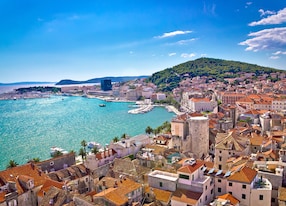
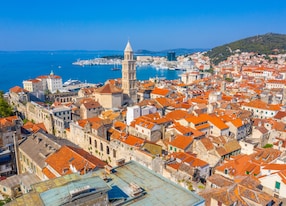
Split is known for Diocletian’s Palace, its lively Adriatic waterfront and the remarkable way ancient Roman architecture remains part of everyday city life. Croatia’s largest coastal city is also famous for its stone Old Town, Dalmatian food, inviting beaches, Marjan Hill and connections to nearby islands such as Brač, Hvar and Vis.
Located on Croatia’s central Dalmatian Coast, Split brings together nearly 2,000 years of history and an easygoing Mediterranean atmosphere. Roman ruins contain shops and cafes, residents gather along the waterfront and boats depart for some of the Adriatic’s most celebrated islands. Here are 10 defining features Split, Croatia is famous for.
1. Diocletian’s Palace
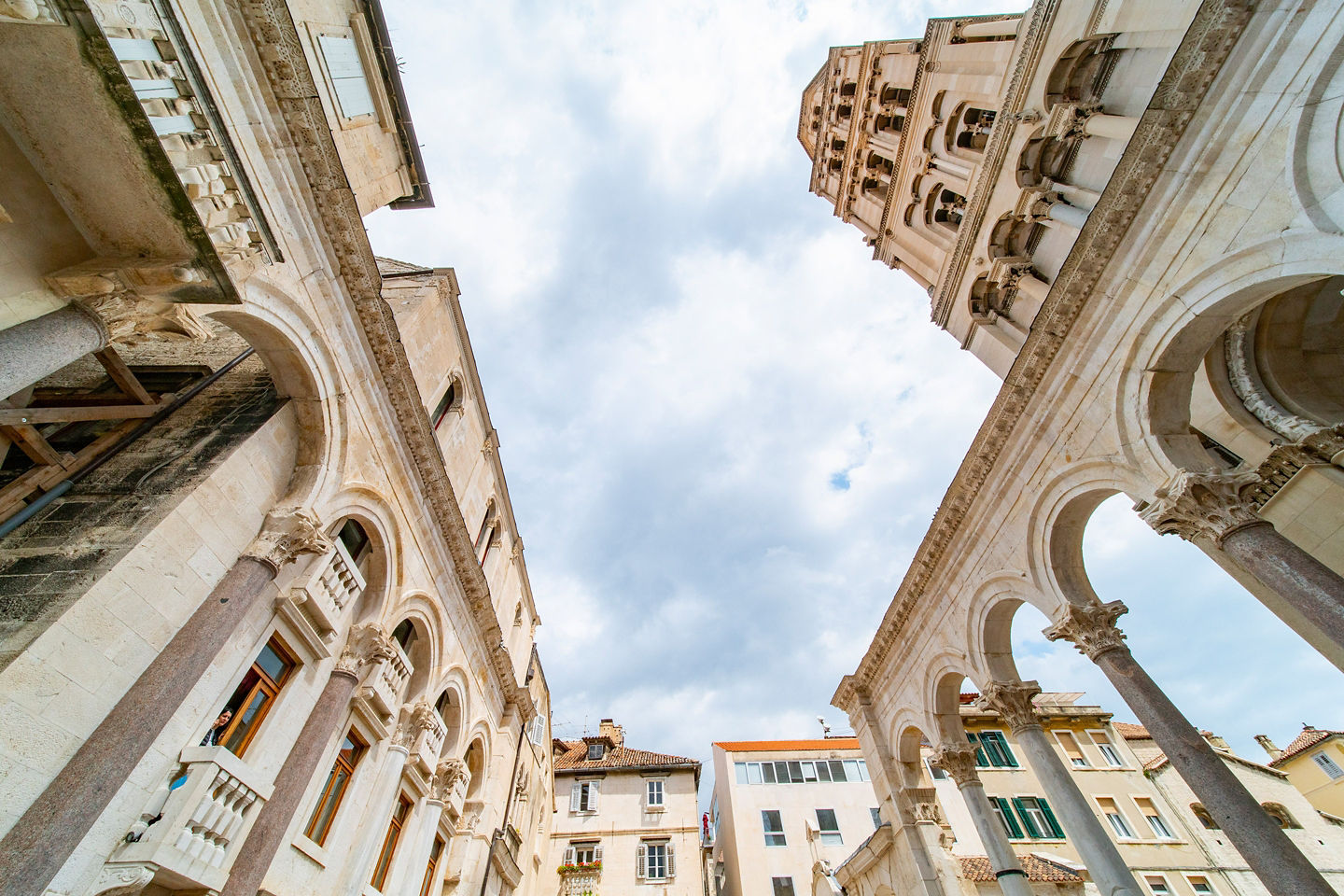
Split is best known for Diocletian’s Palace, a vast complex built around the beginning of the fourth century for the Roman emperor, Diocletian. Rather than standing apart as a conventional palace or museum, its ancient walls and passageways form the heart of Split’s Old Town.
Shops, restaurants, homes and public squares now occupy spaces within and around the original complex. Roman columns stand beside medieval buildings, while narrow stone streets follow routes shaped by centuries of development.
The palace and surrounding historic center form part of a UNESCO World Heritage Site, recognized for the extraordinary layers of Roman, medieval and later architecture found throughout the area.
2. The Peristyle

The Peristyle is the ceremonial central square of Diocletian’s Palace and one of the most recognizable places in Split. Tall columns and stone arches surround the open courtyard, which once provided access to the emperor’s private quarters.
Today, the Peristyle serves as an atmospheric gathering place and an occasional setting for music and cultural performances. Steps around the square offer a place to pause and admire the architecture while experiencing the energy of the Old Town.
The combination of ancient stonework and modern public life captures what makes Split distinctive: Its historic spaces remain active parts of the city.
3. Saint Domnius Cathedral
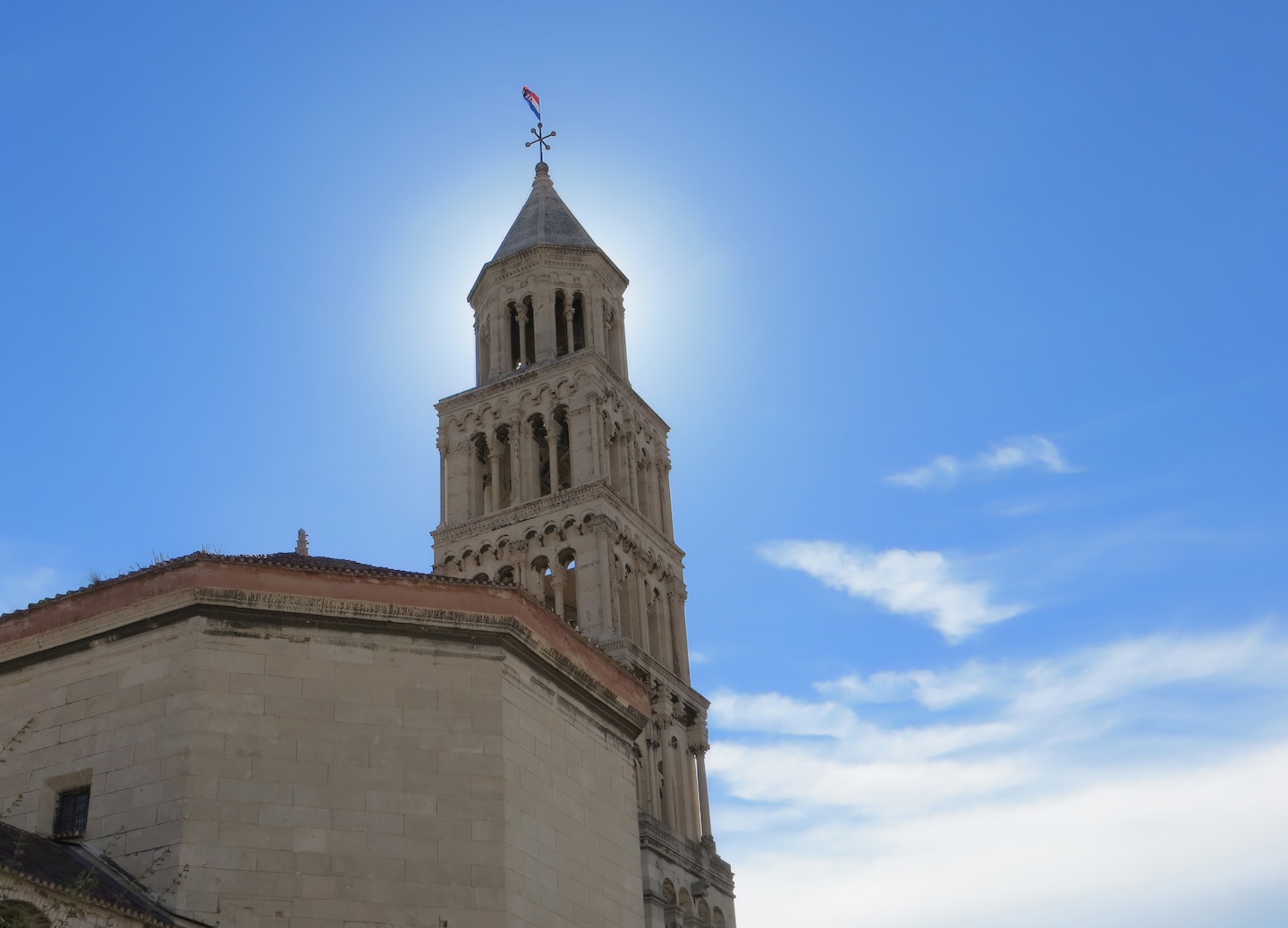
The Cathedral of Saint Domnius is another landmark closely associated with Split. Its central structure was originally built as Diocletian’s mausoleum before being converted into a Christian cathedral centuries later.
The cathedral brings together Roman architecture, medieval religious art and later additions. Its bell tower rises above the palace complex and has become one of the defining features of Split’s skyline.
From around the cathedral and its tower, visitors can appreciate how the Old Town, waterfront and surrounding mountains fit together within a relatively compact coastal city.
4. A Living Roman City
Split is famous because its Roman ruins have been incorporated into the modern city. Ancient cellars, gates, walls and temples exist alongside apartments, cafes and local businesses.
The palace’s four principal gates once connected different sections of the Roman complex. The Golden Gate is now one of its most prominent entrances, while the Bronze Gate opens toward the waterfront.
Beneath parts of the palace, the substructures known as the cellars preserve the layout of the imperial apartments that once stood above them. These atmospheric underground spaces help reveal the original scale and organization of the complex.
5. The Riva Waterfront
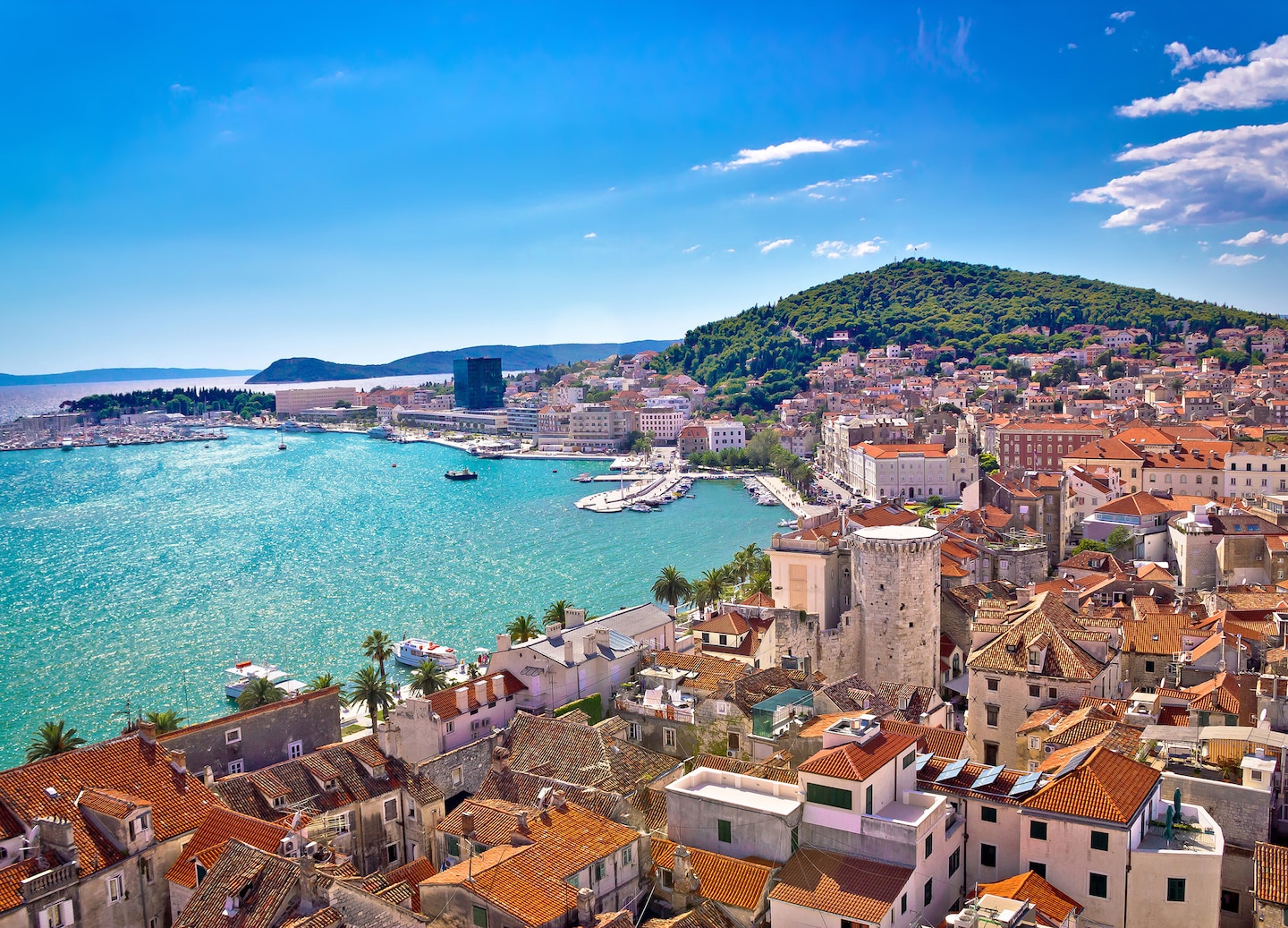
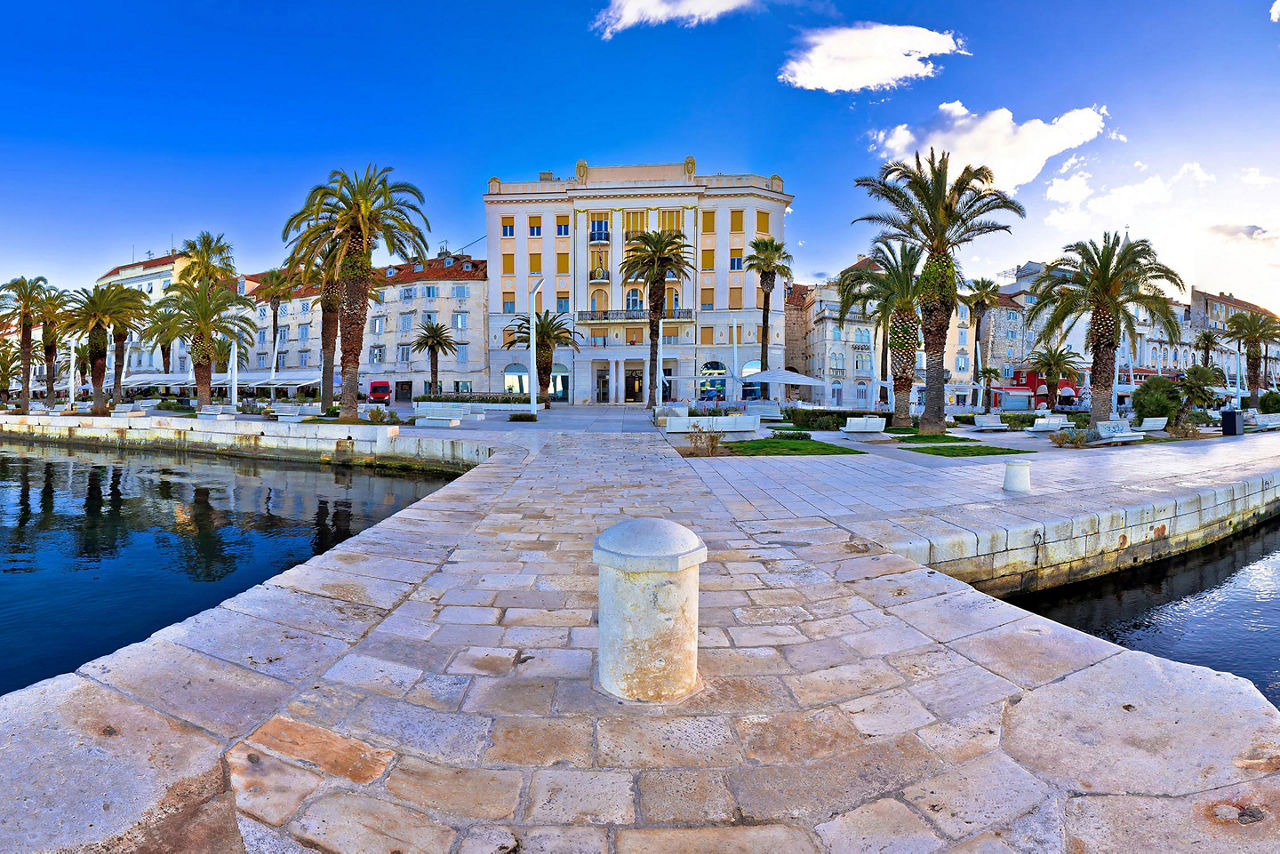
The Riva is Split’s palm-lined waterfront promenade and one of the city’s most popular gathering places. Positioned between Diocletian’s Palace and the Adriatic, it offers views of the harbor, ferries and surrounding coastline.
Cafes and outdoor seating line the promenade, creating a lively setting throughout the day. Residents and visitors gather here for coffee, evening walks and public celebrations.
The Riva reflects Split’s relaxed social rhythm. Historic stone façades provide the backdrop while boats and ferries connect the city with communities across the Dalmatian Coast.
6. Marjan Hill
Marjan Hill is a forested peninsula rising beside central Split. Its walking routes, overlooks, chapels and pine-covered slopes provide a refreshing natural escape near the Old Town.
Paths lead to viewpoints across Split, the Adriatic Sea and nearby islands. The surrounding area also includes beaches and rocky coves where visitors can enjoy the coast away from the busiest city streets.
Marjan’s combination of nature, recreation and panoramic scenery has made it an enduring symbol of Split and an important part of local outdoor life.
7. Adriatic Beaches & Picigin
Split is known for beaches that are easily accessible from the city. Bačvice Beach, located near the historic center and ferry port, is especially associated with picigin , a traditional local ball game played in shallow water.
Players work together to keep a small ball from touching the sea, often leaping or diving across the water in the process. The game’s playful, social character reflects Split’s close relationship with the Adriatic.
Other coastal areas, including Kašjuni Beach near Marjan Hill, offer views of the surrounding landscape and opportunities to swim when conditions are suitable.
8. Dalmatian Food & Markets
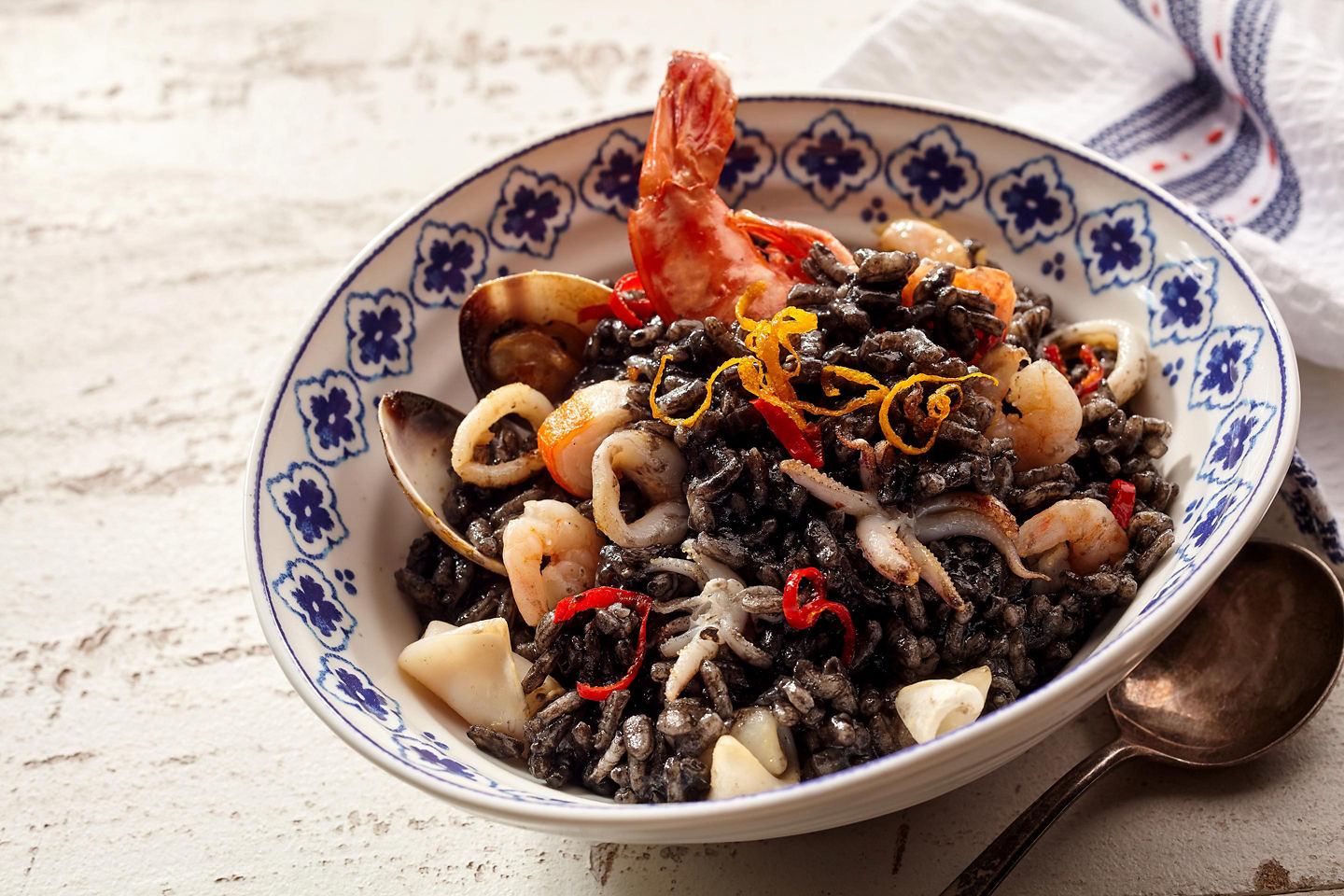
Split’s food culture draws from the Adriatic Sea, nearby islands and the agricultural traditions of inland Dalmatia. Fresh fish, octopus, shellfish, olive oil, herbs and seasonal vegetables appear throughout local cooking.
Traditional dishes include pašticada , slow-cooked beef commonly served with gnocchi, and peka , a preparation in which meat or seafood and vegetables cook slowly beneath a covered metal dome. Other regional favorites include black risotto, grilled seafood and soparnik , a savory filled bread associated with the area around Split.
The Green Market near Diocletian’s Palace and the city’s fish market provides a colorful look at local ingredients and daily routines.
9. Dalmatian Music & Cultural Traditions
Split is closely associated with klapa , a traditional style of multipart singing from Dalmatia. The music is generally performed by a small vocal group, and is known for its rich harmonies and themes of love, community, home and the sea.
Klapa singing is recognized by UNESCO as intangible cultural heritage. Performances can sometimes be heard in cultural venues, public squares and the resonant spaces around Diocletian’s Palace.
Split also hosts seasonal celebrations, theatrical performances and music events that use the city’s historic architecture as a dramatic setting.
10. A Gateway to Croatia’s Islands
Split is an important transportation hub for reaching the islands of central Dalmatia. Ferries and excursion boats depart for destinations including Brač, Hvar, Šolta and Vis.
Each island offers a different experience. Brač is known for its beaches and stoneworking traditions, Hvar for its historic town and lavender-covered landscapes, and Vis for its relaxed communities and surrounding coves.
The islands are separate destinations rather than part of Split itself, but the city’s harbor and coastal location make island travel an important part of its identity.
Why Is Split So Famous?
Split is famous for Diocletian’s Palace, a Roman imperial complex that forms the center of the modern Old Town. Its ancient walls, courtyards and cellars have been incorporated into an active neighborhood filled with homes, restaurants and shops.
The city is also recognized for the Riva waterfront, Saint Domnius Cathedral, Marjan Hill, Dalmatian cuisine and convenient connections to Croatia’s Adriatic islands.
What Is Diocletian’s Palace Known For?
Diocletian’s Palace is known for its remarkably preserved Roman architecture and its unusual role as the living center of Split. Built for Roman emperor Diocletian, the complex later developed into a neighborhood containing medieval buildings, homes, churches and public spaces.
Notable areas include the Peristyle, palace cellars, Golden Gate and the former imperial mausoleum that became Saint Domnius Cathedral.
Is Split Known for Beaches?
Yes. Split is known for several beaches located close to the city, including Bačvice Beach and beaches around the Marjan peninsula. Bačvice is particularly famous as the traditional home of picigin , a local ball game played in shallow water.
Split’s beaches are generally appreciated for swimming, socializing and enjoying views of the Adriatic.
What Food Is Split Known For?
Split is known for Dalmatian dishes featuring seafood, olive oil, herbs and seasonal ingredients. Popular regional foods include pašticada with gnocchi, black risotto, grilled fish, peka and soparnik .
The city’s markets, restaurants and traditional taverns offer different ways to experience the culinary relationship between Split, the Adriatic and the surrounding Dalmatian countryside.
Is Split Worth Visiting?
Split is worth visiting for travelers interested in Roman history, coastal scenery, local food and walkable historic neighborhoods. Diocletian’s Palace, the Riva and much of the Old Town can be explored within a compact central area.
The city also works well for visitors who want to combine cultural sightseeing with beaches, outdoor spaces or an excursion to another part of the Dalmatian Coast.
Keep Exploring Split
Want to learn more about this Croatian gem? Check out these guides to plan your next trip:
- Split, Croatia Shore Excursions - Explore Roman landmarks, Adriatic islands, historic coastal towns and natural scenery on excursions from Split.
- When Is the Best Time To Visit Split? - Compare Split’s seasons, weather and cultural experiences to find the right time for your visit.
- What To Eat in Split - Taste seafood, traditional Dalmatian dishes and local specialties that reflect the flavors of Croatia’s coast.
- What To Buy in Split - Discover Croatian crafts, local foods and meaningful souvenirs inspired by Split and the Dalmatian region.
/overview/scenic-panorama-view-historic-town-perast-famous-bay-kotor.jpg?$800x450$)