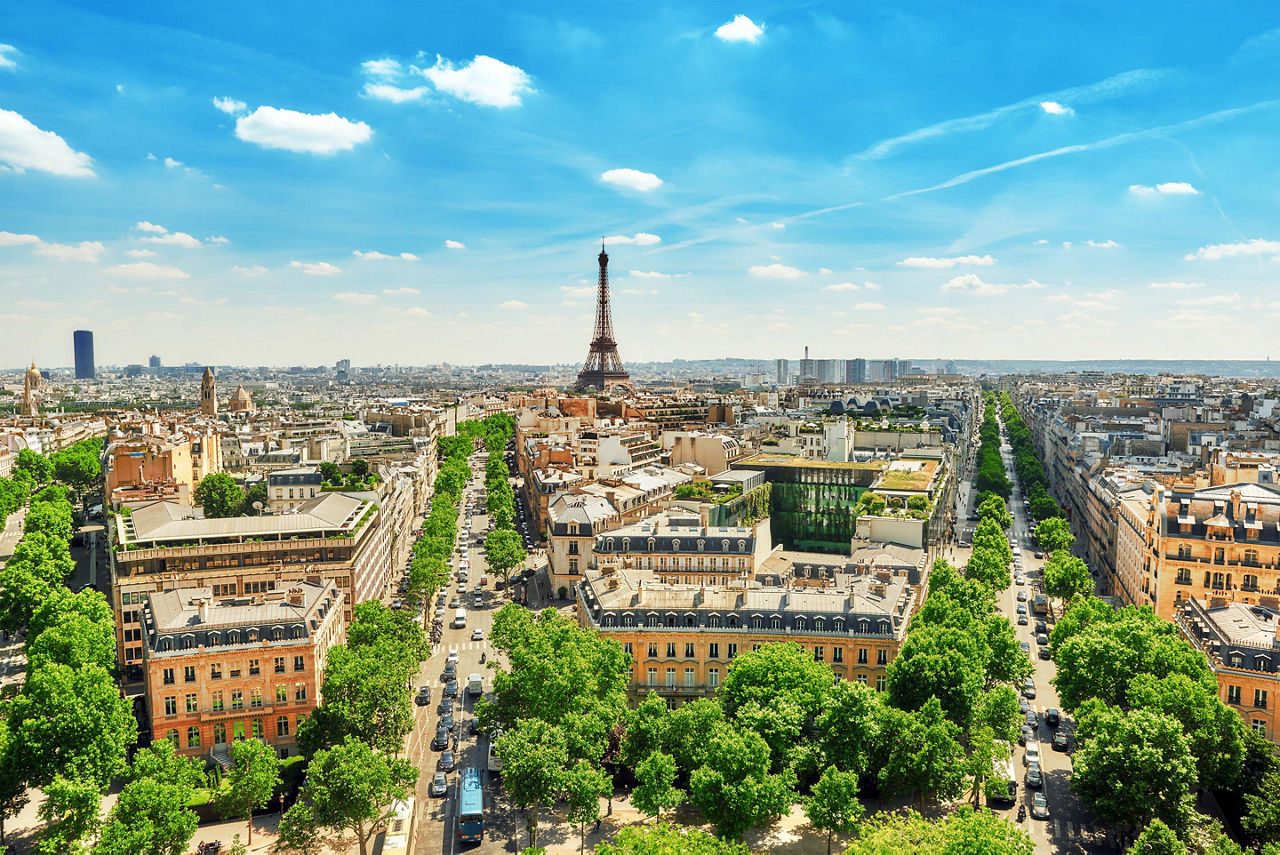
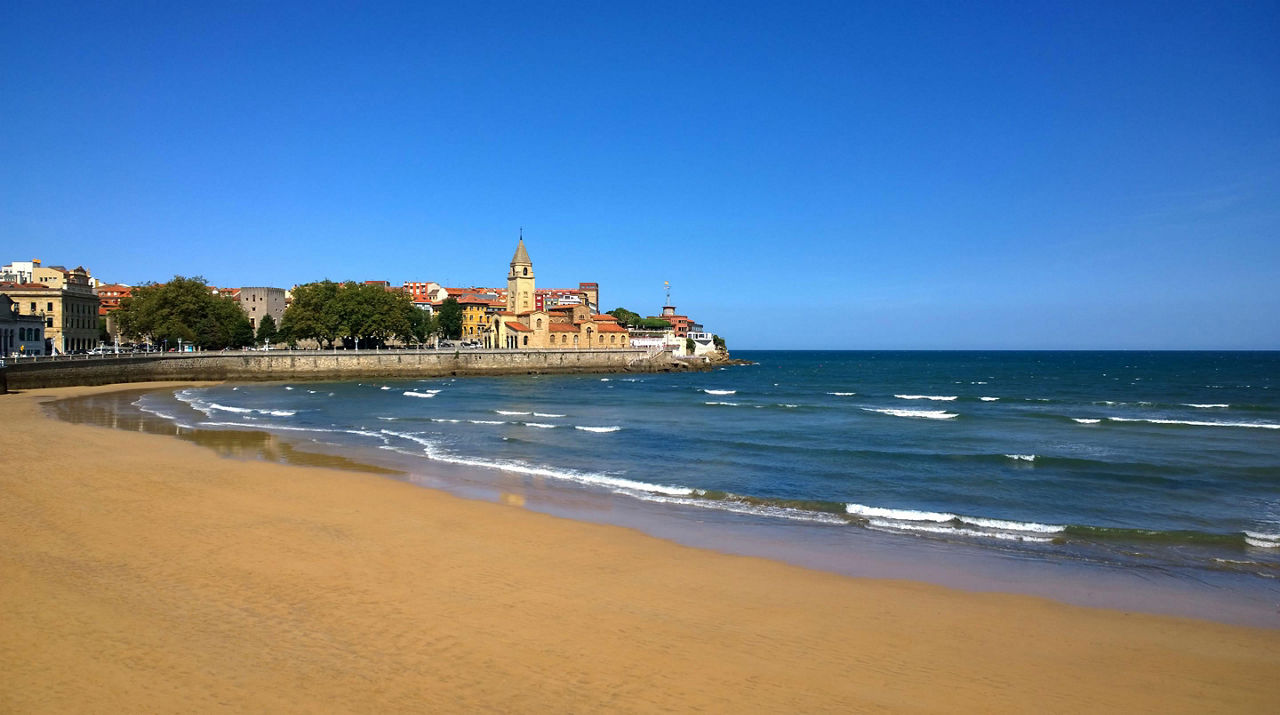
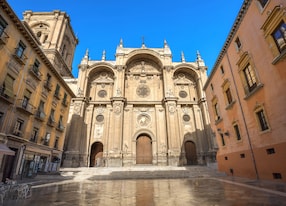
From Gaudi's Barcelona masterpieces to the Moorish palaces of Andalusia and the Gothic cathedrals of Castile, Spain's monuments span more than 2,000 years of history across one of Europe's most diverse and rewarding destinations. Here are the top 10 famous landmarks in Spain that belong on every visit.
1. La Sagrada Familia
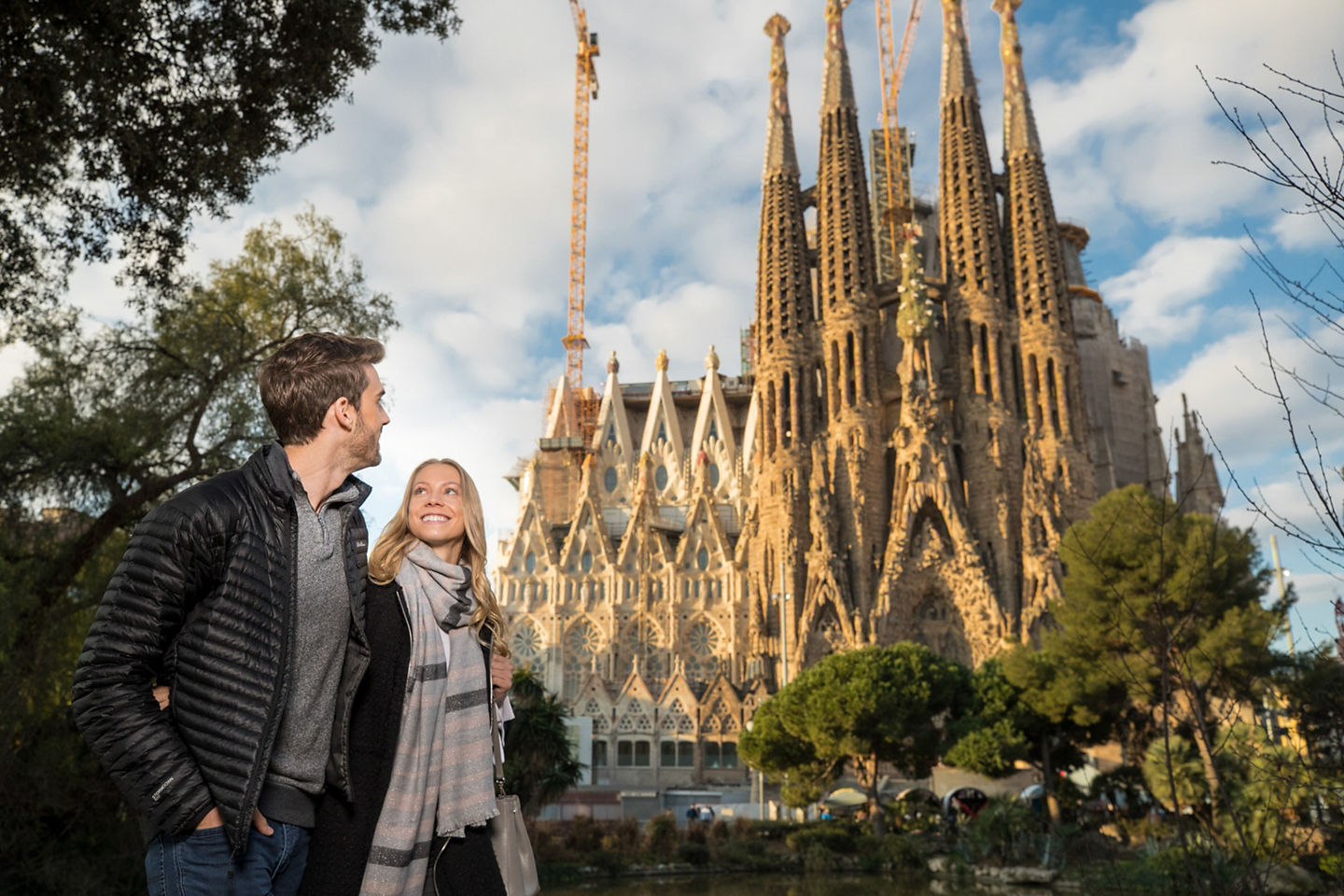
Antoni Gaudi's unfinished basilica in Barcelona is the most visited monument in Spain, a soaring forest of stone spires that has been under construction since 1882 and is expected to be completed in the coming years. The interplay of light through its stained glass windows transforms the interior into something otherworldly, shifting from deep blues and purples in the morning to warm ambers and golds in the afternoon. No photograph fully prepares you for the scale and intricacy of it in person.
2. The Alhambra
Perched above Granada on a forested hill, the Alhambra is one of the finest surviving examples of Moorish architecture in the world. The Nasrid Palaces at its heart are a labyrinth of delicate stucco carvings, geometric tile work and fountained courtyards built by the last Muslim rulers of Spain in the 14th century. Book tickets months in advance and arrive at opening time to experience the hush of the gardens and the snow-capped Sierra Nevada beyond the walls.
3. Toledo
Toledo is famous as the city of three cultures, where Christian, Muslim and Jewish communities coexisted for centuries, leaving behind a remarkable density of monuments in a medieval hilltop city above the Tagus River. The Gothic Toledo Cathedral took 250 years to build and houses El Greco masterpieces in its sacristy. Wander the lanes of the Jewish Quarter, cross a Moorish bridge and look back from the far bank for the classic panorama that inspired El Greco's greatest painting.
4. The Camino de Santiago

The Camino de Santiago is one of the world's great pilgrimage routes, drawing hundreds of thousands of walkers each year to the Cathedral of Santiago de Compostela in Galicia, said to hold the remains of Saint James. The most popular route, the French Way, crosses the Pyrenees and winds 500 miles through green valleys, medieval towns and ancient stone bridges. Whether you walk for spiritual reasons, adventure or both, arriving at the cathedral square after weeks on the road is an experience that stays with you forever.
5. Ronda
Ronda is famous for the vertiginous drama of its setting, a whitewashed town split in two by a gorge plunging 390 feet to the valley below. The 18th century Puente Nuevo bridge spanning that gorge is the most photographed sight in Andalusia outside of Granada. Ronda is also one of the cradles of modern bullfighting, with a beautiful 18th century bullring that visitors can tour even outside of fight season.
6. The Prado Museum
The Prado in Madrid is one of the greatest art museums in the world, housing the royal collection of the Spanish Crown built up over centuries. Velazquez's Las Meninas, Goya's Black Paintings and Bosch's Garden of Earthly Delights are among the masterpieces hanging in rooms that could occupy days of careful looking. The museum sits on Madrid's celebrated Paseo del Arte alongside the Reina Sofia and Thyssen, making the boulevard one of the richest concentrations of art in any city on Earth.
7. Park Guell
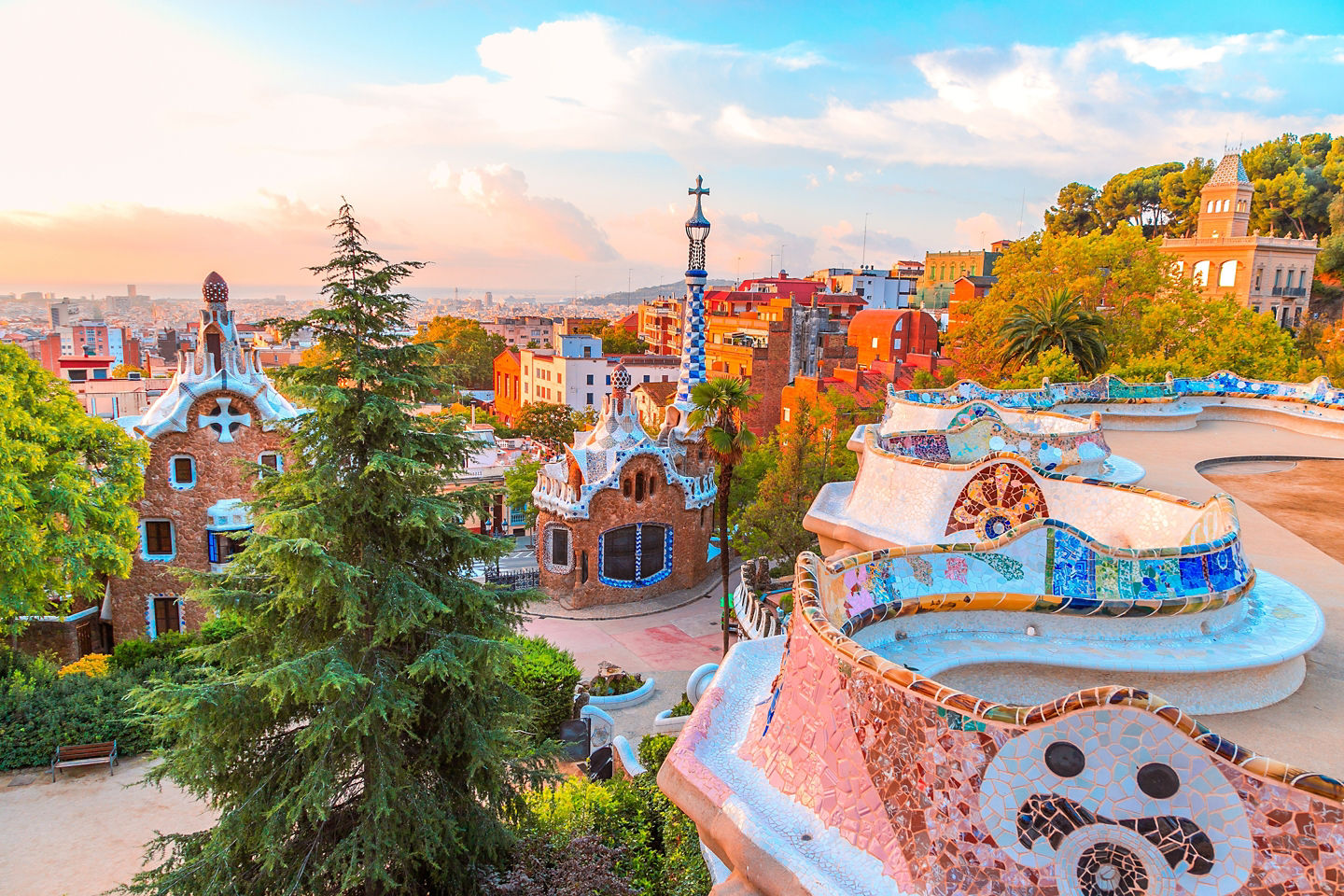
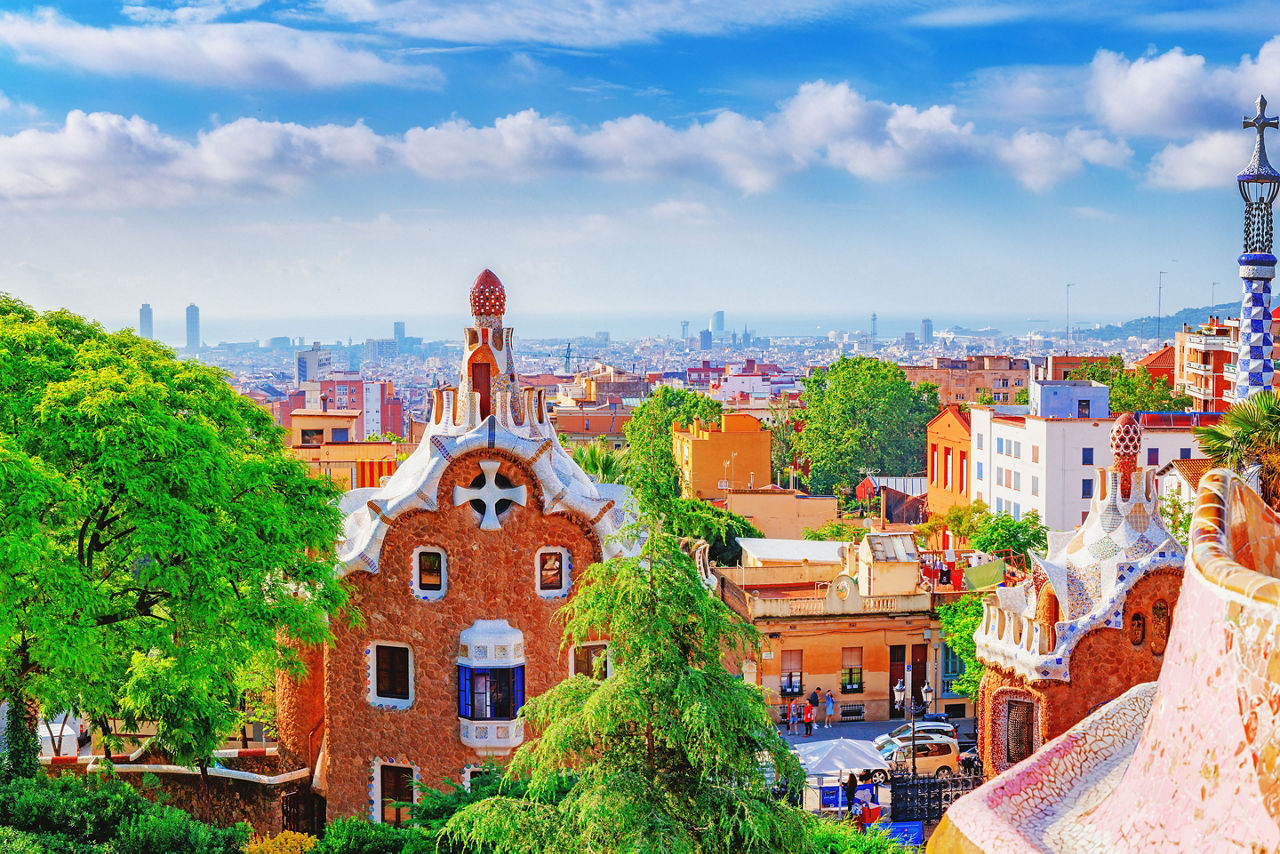
Another of Gaudi's Barcelona creations, Park Guell is a public garden of fantastical architecture set on a hillside above the city. Mosaic salamanders, twisting stone viaducts and a terrace of undulating bench seats covered in broken ceramic tiles look down over the rooftops of Barcelona toward the sea. The park was originally conceived as a private garden city for wealthy residents, but it became a public park in 1926, and its hilltop views are among the finest in the city.
8. The Seville Cathedral
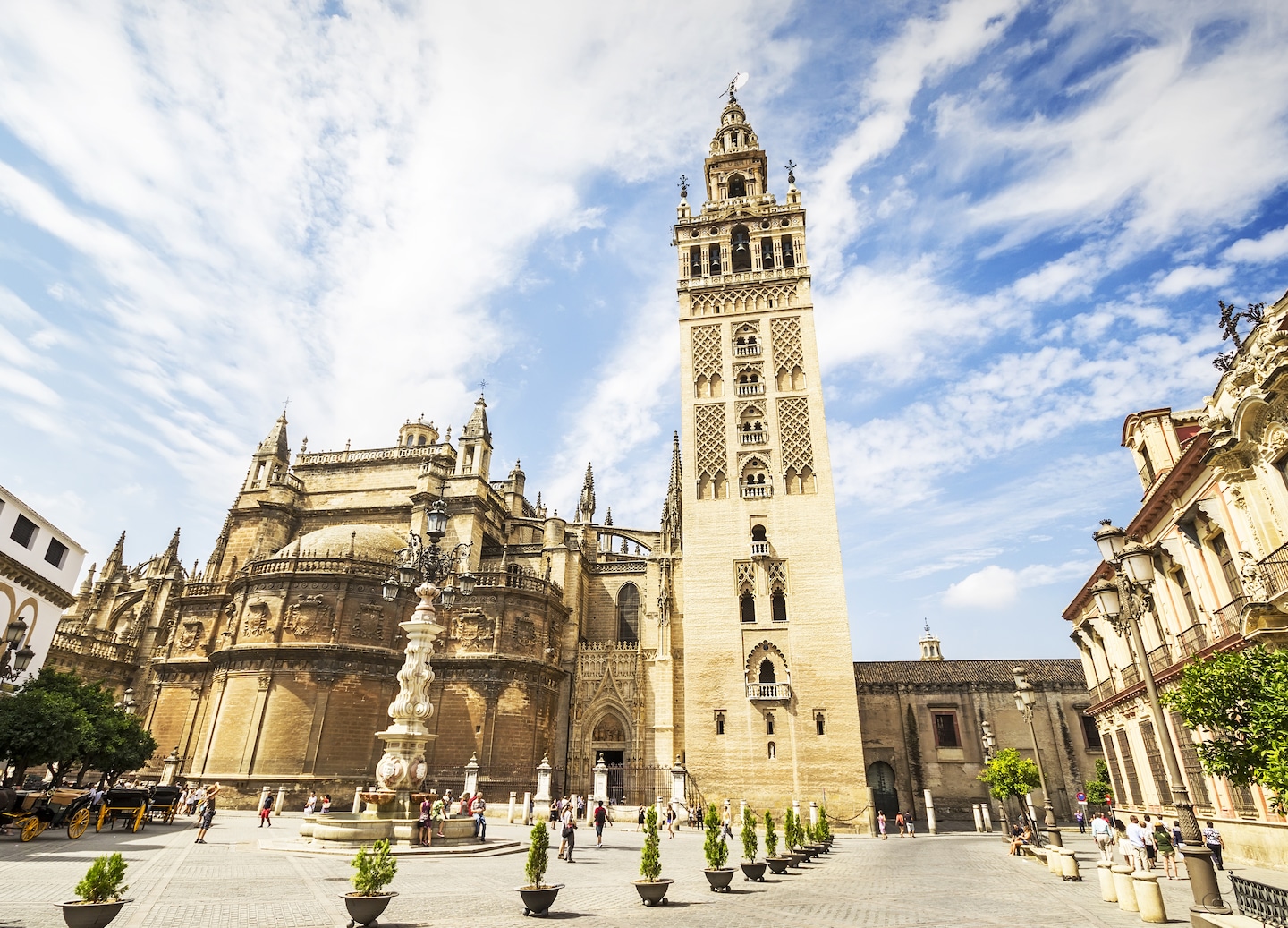
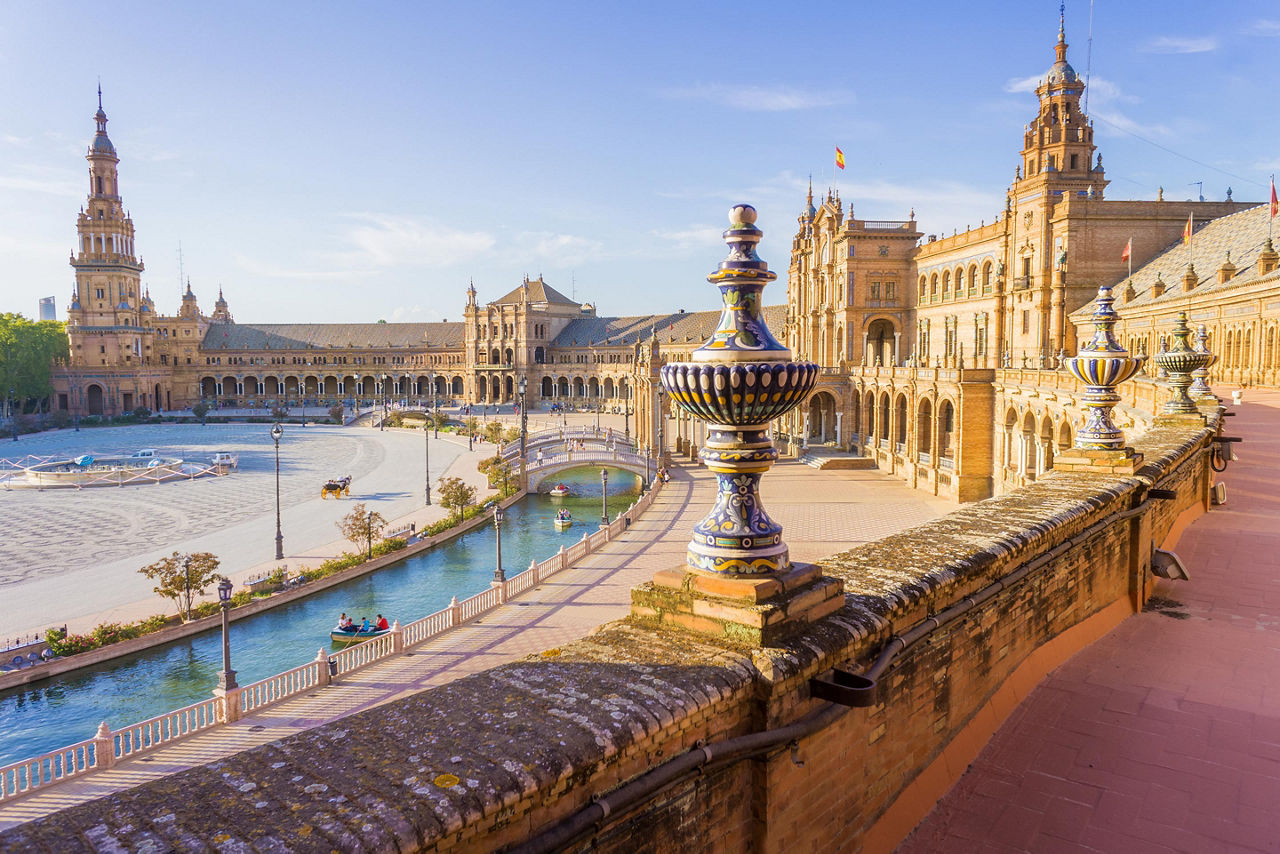
The Cathedral of Seville is the largest Gothic cathedral in the world, built on the site of a great mosque after the Christian reconquest of the city. Christopher Columbus is buried within its walls, and the adjoining Giralda tower, once the minaret of that mosque, offers views over the orange-tree-filled city below. The Real Alcazar palace next door, still used by the Spanish royal family, and a filming location for "Game of Thrones," rounds out one of the most remarkable architectural complexes in Europe.
9. Plaza Mayor, Madrid
Plaza Mayor is the grand ceremonial heart of Madrid, a vast arcaded square built in the 17th century that has served as a marketplace, a bullfighting arena and the site of royal proclamations over the centuries. Today, its nine arched entrances open into a pedestrian square lined with restaurants and cafes, presided over by an equestrian statue of King Philip III. It's the perfect place to sit with a coffee, watch the city go by and feel the weight of Spanish history all around you.
10. Montserrat
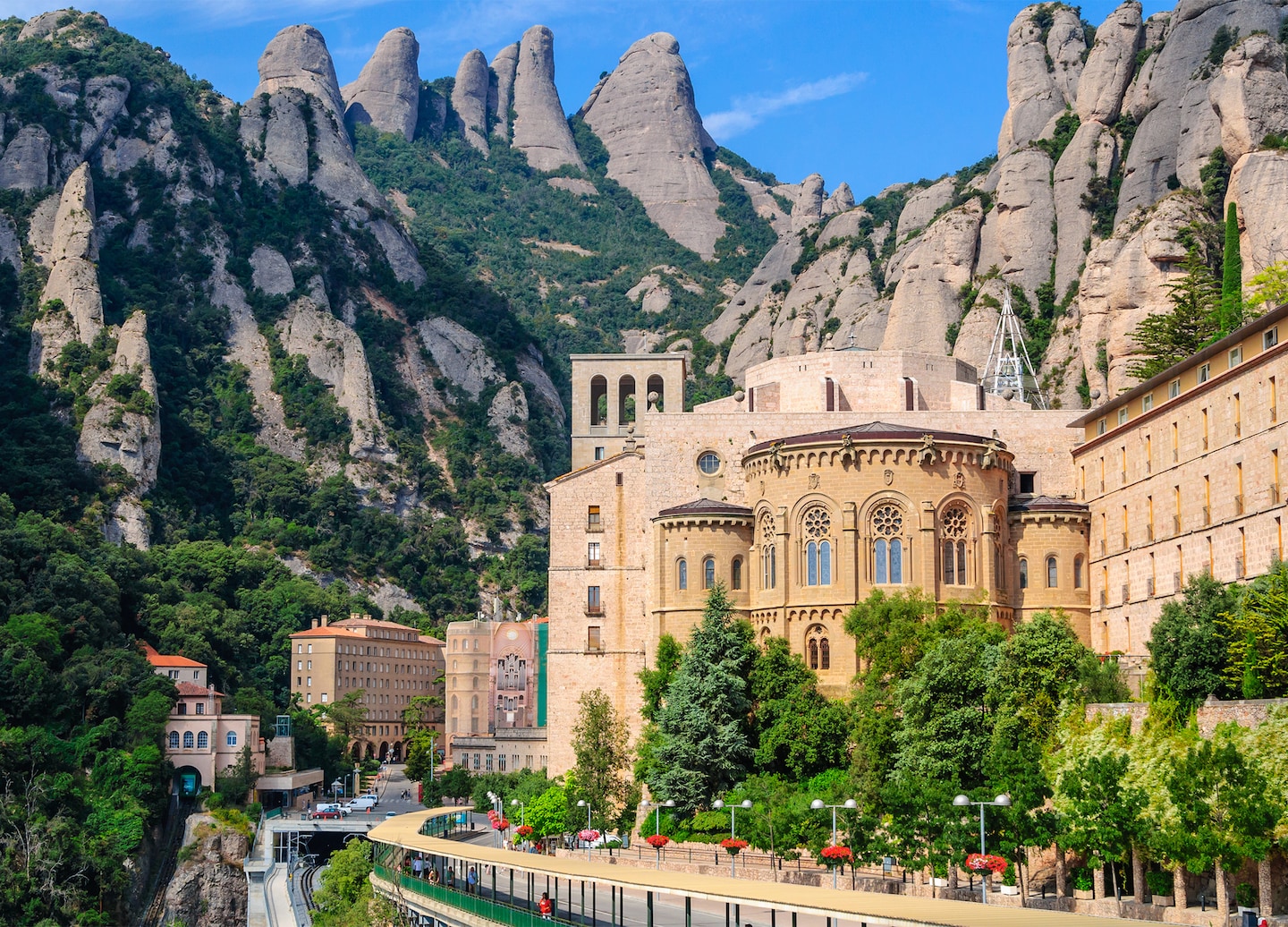
Rising dramatically from the Catalan flatlands, an hour from Barcelona, the jagged mountain of Montserrat is home to a Benedictine monastery clinging to its sheer rock face, a pilgrimage site built around a revered 12th century statue of the Black Madonna. A rack railway and cable car carry visitors up to the monastery. Here hiking trails lead through the serrated peaks to views stretching to the Pyrenees and, on clear days, to Mallorca on the horizon.
Plan Your Visit to Spain's Most Famous Landmarks
Spain's famous landmarks stretch from the green hills of Galicia to the sun-baked plains of Andalusia, with Barcelona, Madrid and Seville each deserving at least several days. Royal Caribbean calls at Barcelona, Cadiz (gateway to Seville and Granada), Malaga and Cartagena, giving you a remarkable starting point for exploring the country's greatest monuments. Whether you spend a day ashore or extend your trip, Spain rewards every extra hour you give it.