Pearls form inside mollusks, such as certain oysters and mussels. The animal builds layers of material around a tiny starting point within its body. In many familiar pearls, those layers are made of nacre, the shimmering substance also known as mother-of-pearl. Over time, they build into a gem.
That soft glow has quite a story behind it. Before a pearl becomes part of a necklace or pair of earrings, it spends months or years growing underwater. Its shape, color and shine reflect the animal that produced it and the conditions where it grew.
For travelers, visiting a pearl farm brings that process to life. Explore cruises to New Zealand and discover how a day ashore can include a closer look at these remarkable gems.
How Do Pearls Form Inside Oysters?
A natural pearl can begin when an injury or an intruding organism disturbs a mollusk’s soft tissue. Cells form a small pearl sac, which deposits layers of material. In nacreous pearls, those layers gradually build up to create the pearl’s familiar surface.
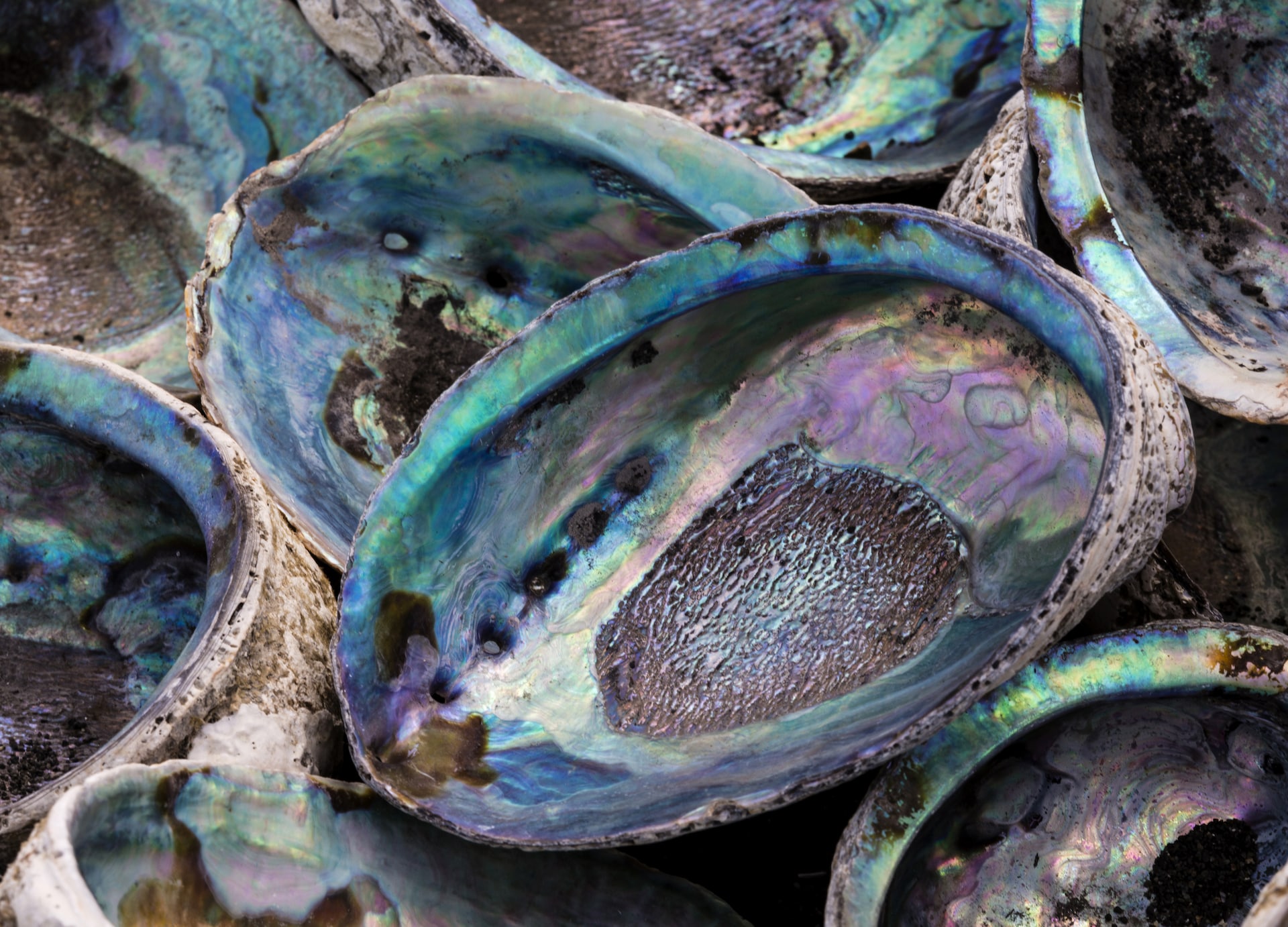
Nacre contains tiny crystals of calcium carbonate held together by organic material. Light interacting with these thin layers creates the glow that makes a pearl so eye-catching.
The process is slow. Each new layer adds to the pearl, much like adding one thin coat at a time. The finished result can be round, oval or wonderfully uneven.
What Is the Difference Between Natural & Cultured Pearls?

Natural pearls form without people starting the process. Cultured pearls grow after a pearl farmer carefully introduces tissue, often along with a small bead, into a mollusk.
Both natural and cultured pearls are real pearls. The difference is how their growth begins.
These terms are helpful when exploring a pearl farm or browsing local jewelry:
- Natural pearls: Form without human intervention and are rare.
- Cultured pearls: Grow inside living mollusks with help from pearl farmers.
- Imitation pearls: Are manufactured from other materials, such as coated glass or plastic.
At a pearl farm, people begin the process and care for the animals, but the mollusks do the growing. That partnership is part of what makes pearl cultivation so interesting to see up close.
How Long Does It Take To Grow a Pearl?
Pearls take months to several years to grow, depending on the mollusk, growing conditions and type of pearl being produced. Some develop in around six months, while others take several years.
There’s plenty happening during that time. Farmers care for the mollusks and monitor their environment while the pearls develop inside.
A farm visit gives you a new appreciation for that patience. The small gem in a display case represents a much longer story beneath the water.
Why Do Pearls Come in Different Colors?
Pearl colors are influenced by the type of mollusk that produces them. Their appearance also depends on how light interacts with the pearl’s layers.
White and cream are familiar shades, but pearls can also be pink, lavender, gold, gray or dark green. Some show a second hint of color across the surface called an overtone.
Even “black pearls” can be more colorful than the name suggests. Tahitian cultured pearls often have gray or dark bodies with green, blue or purple tones.
Looking closely is part of the fun. Two pearls that seem similar at first can reveal different colors as you turn them toward the light.
What Are the Main Types of Cultured Pearls?
Several pearl varieties appear in jewelry shops around the world. Knowing a few names helps you connect each gem with the waters where it grew.
- Akoya pearls: Saltwater pearls closely associated with Japan, often known for their round shape and bright luster.
- South Sea pearls: Typically larger pearls grown in places including Australia, Indonesia and the Philippines, with white, silver or golden colors.
- Tahitian pearls: Cultivated mainly in French Polynesia and known for their darker shades.
- Freshwater pearls: Grown in freshwater mussels, mainly in China, with a wide range of shapes and colors.
New Zealand offers another distinctive discovery: blue pāua pearls, cultivated in a type of abalone. A visit to a pāua pearl farm introduces you to a different side of pearl growing.
Discover Pearl Cultivation on a Shore Excursion
Royal Caribbean’s pearl-related excursions offer several ways to explore the subject, with each destination bringing its own setting and local story.
Picton, New Zealand: Paua Pearl Farm Tour & Cruise

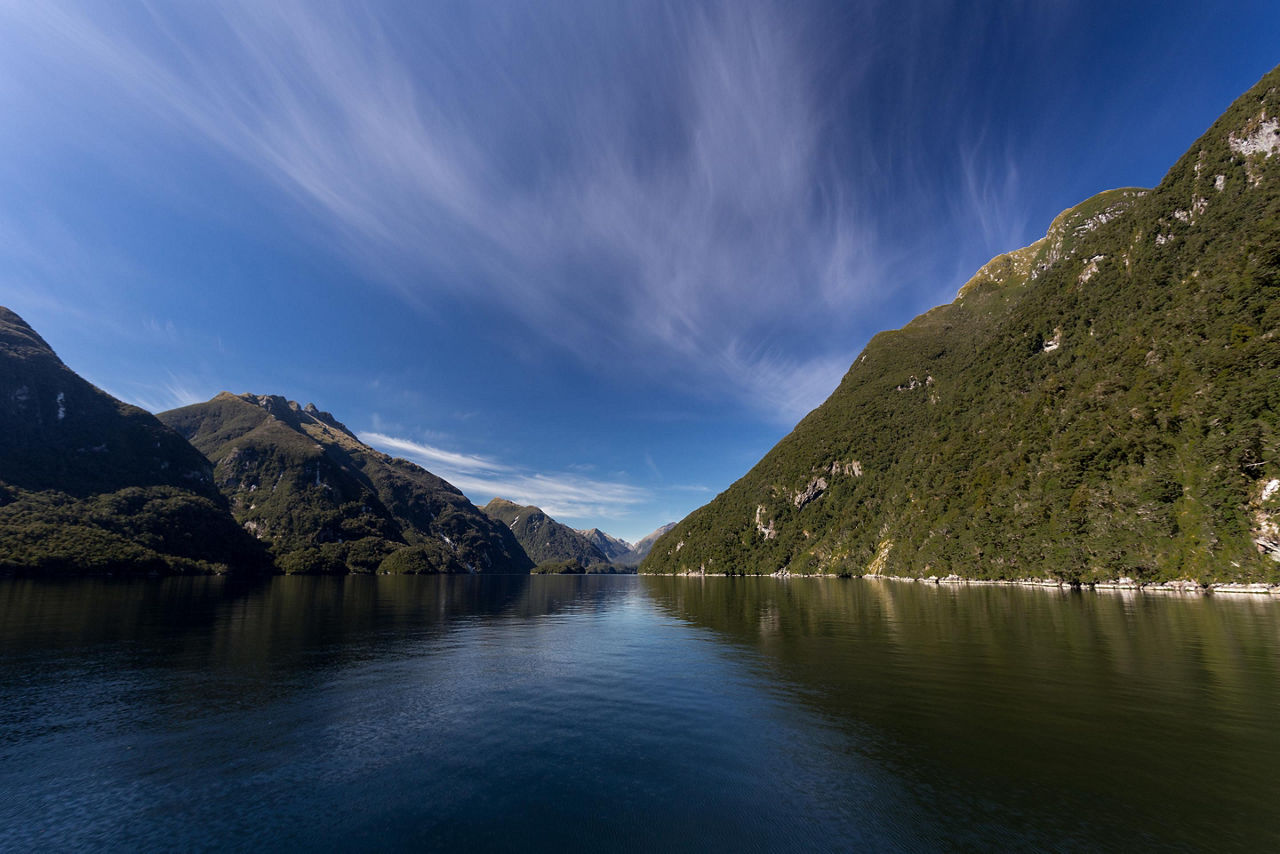
Cruise through Queen Charlotte Sound to Arapawa Island, where a family-run farm cultivates blue pāua pearls. Meet the people behind the operation and learn how the pearls are produced.
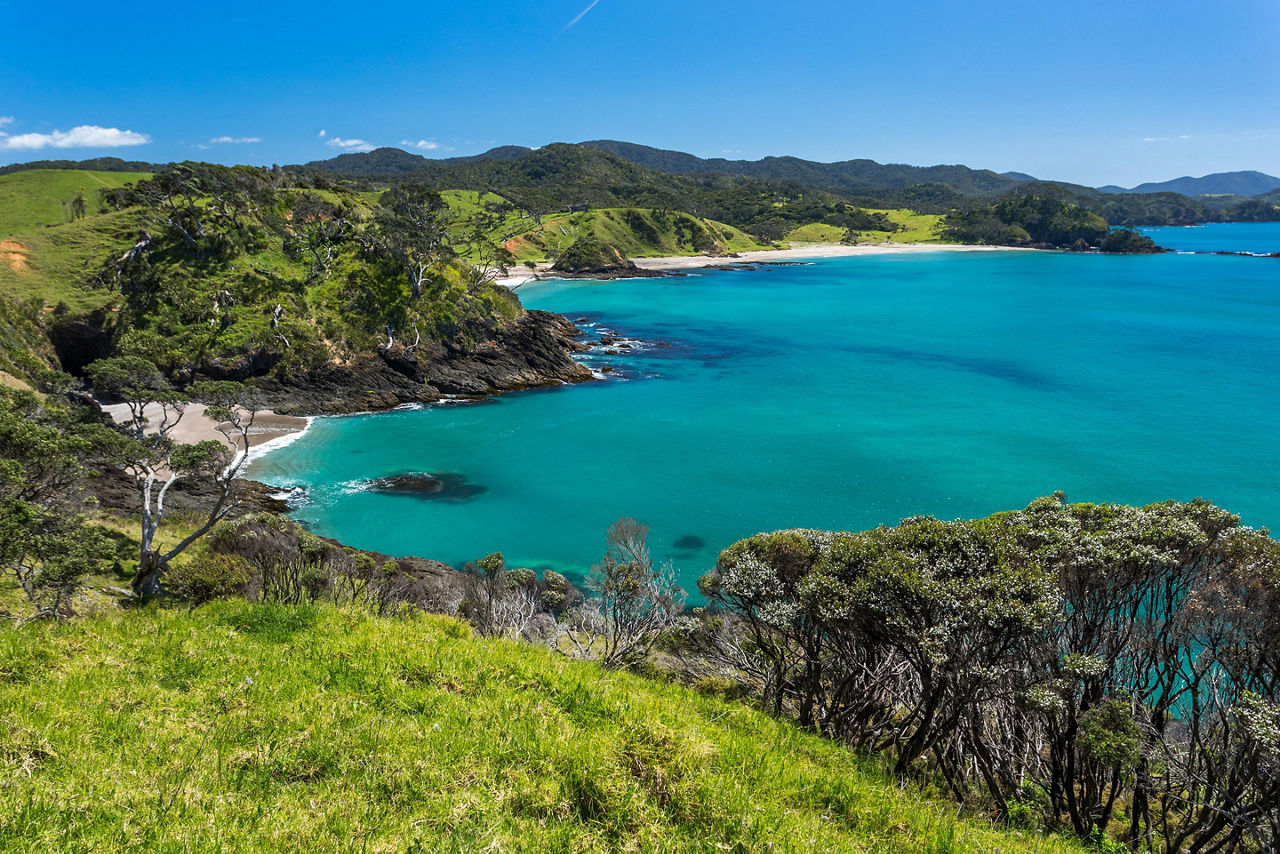
The boat journey is part of the experience, with sheltered bays and wooded shores along the way. At the farm, the focus shifts to the animals, the growing process and the work behind each pearl.
Phuket, Thailand: Intara Farm Agro-Tourism & Seafood
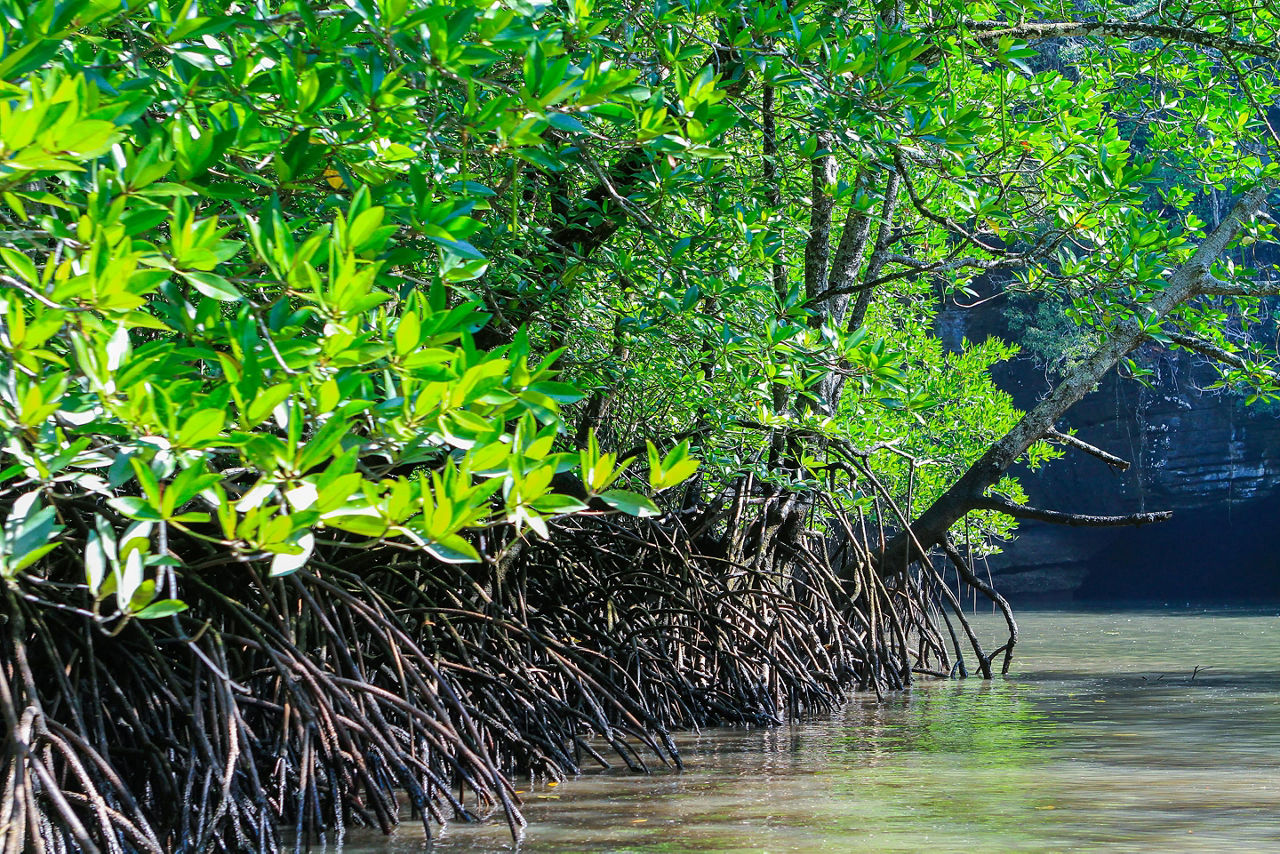
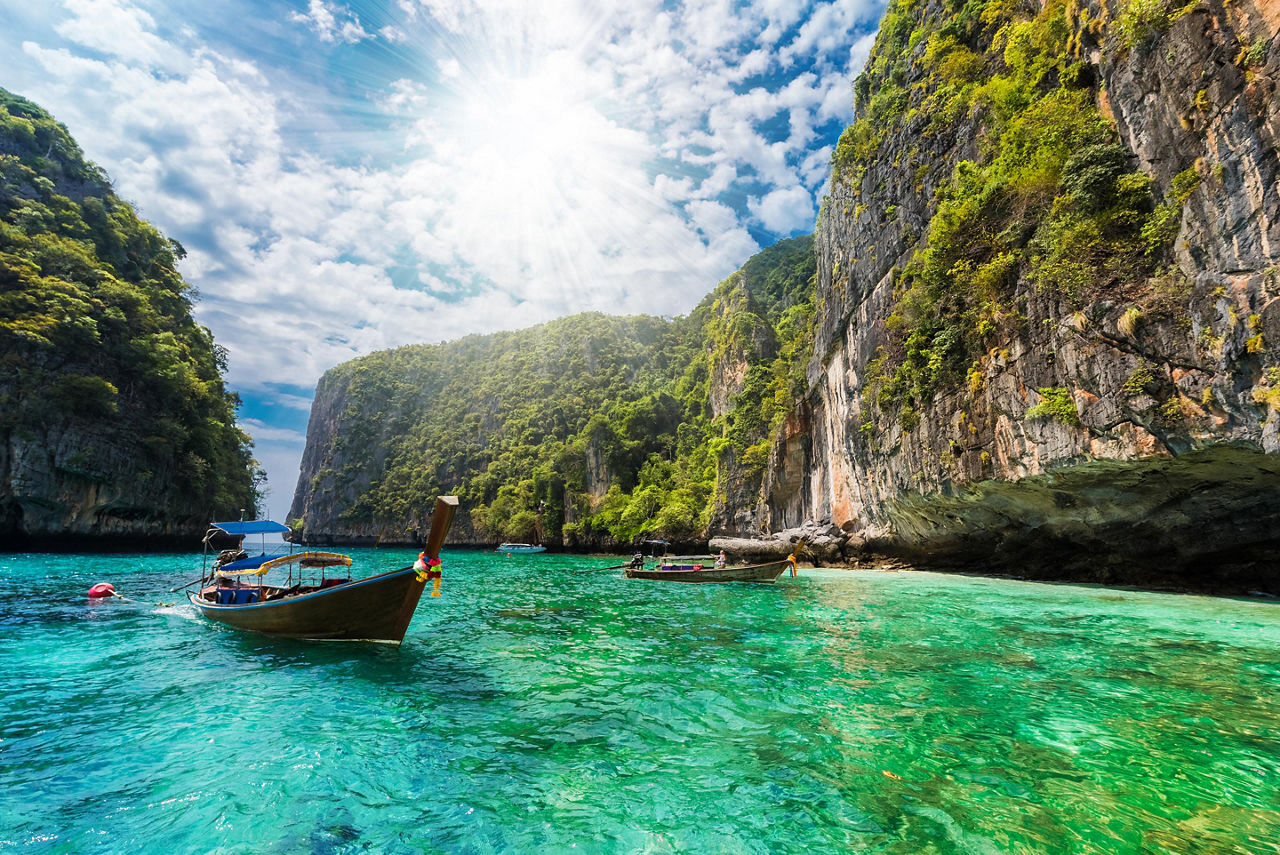
Travel by traditional wooden boat to Intara Farm for an introduction to pearl cultivation and marine farming. The outing also includes encounters with sea life, mangrove kayaking and a fresh seafood lunch.
This experience places pearls within a broader picture of coastal life. You’ll learn about growing them while exploring the waterways that support the farm.
La Paz, Mexico: The Birth of the Pearl
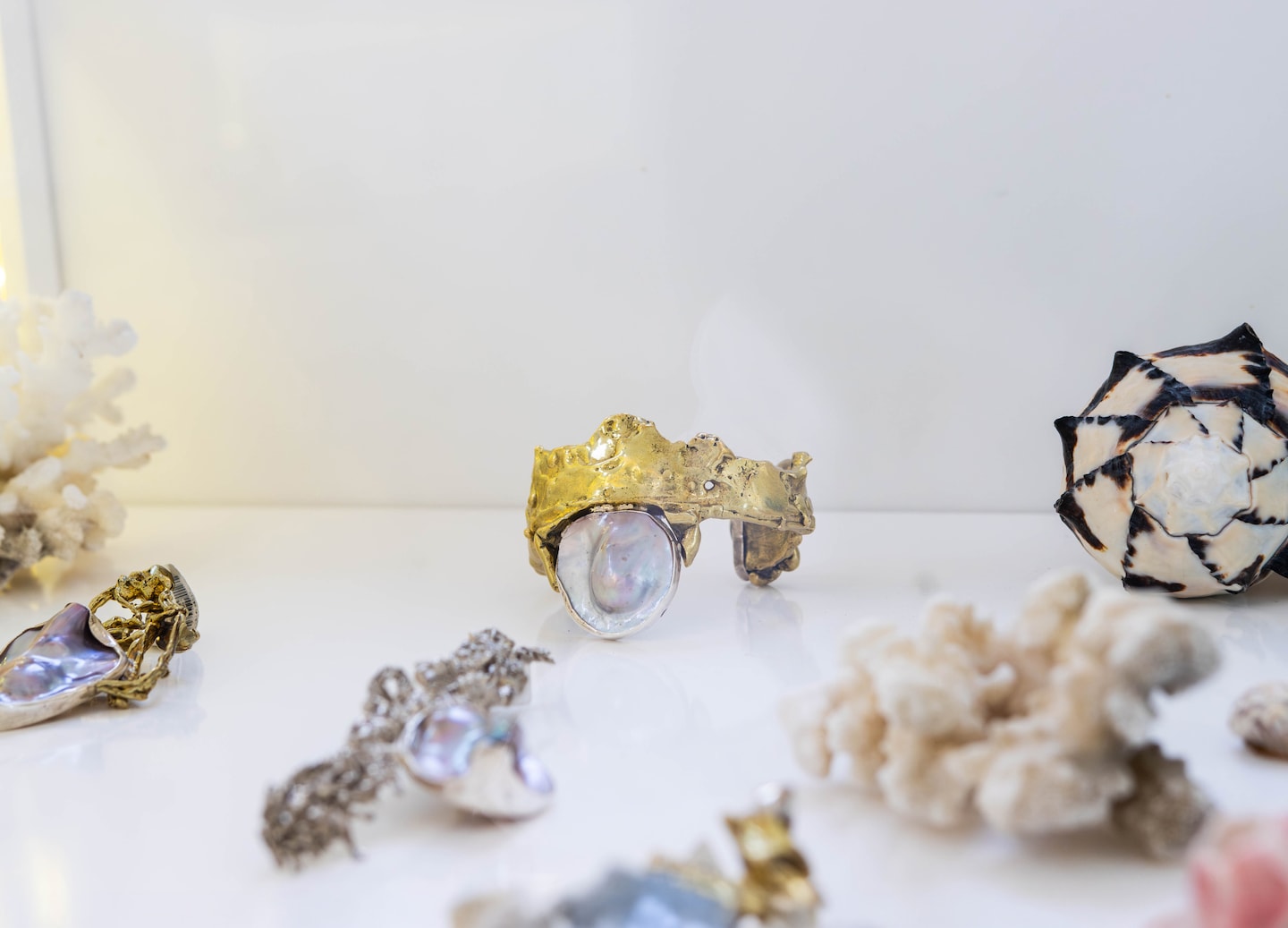
Explore Baja California’s pearl cultivation traditions through an experience focused on the connection between marine life and human skill.
For travelers interested in how pearls are grown, this outing offers a direct connection to the article’s central question: how does a living animal produce a gem?
Excursion availability and inclusions vary by sailing.
See the Story Behind the Shimmer
Learning how pearls are made changes the way you look at them. A small pendant becomes a reminder of a living animal, careful cultivation and the coastal community behind it.
Explore cruises to New Zealand and pair your next day ashore with a closer look at the world of pearl growing.
Frequently Asked Questions About Pearls
-
Are pearls always round?
Pearls can be round, oval, drop-shaped or irregular. Irregular pearls are often called baroque pearls. Their uneven curves give them a distinctive appearance, making each one a little different.
-
What is the difference between a pearl and mother-of-pearl?
Mother-of-pearl is the shiny nacre lining found inside certain mollusk shells. Many pearls are made of the same material, but it builds into a separate formation rather than remaining part of the shell lining.
-
How can you tell whether a pearl is natural or cultured?
A pearl’s appearance alone usually cannot confirm whether it's natural or cultured. Gemological laboratories examine its internal structure using specialized equipment. A pearl identification report can establish its origin and identify detectable treatments.
-
Can you visit a pearl farm on a cruise?
Yes. Selected Royal Caribbean shore excursions include pearl-farm experiences, such as the Paua Pearl Farm Tour and Cruise from Picton and Intara Farm Agro-Tourism & Seafood from Phuket. These outings offer a chance to learn about cultivation where it happens.
Planning a Trip to a Pearl-Growing Destination?
Want to learn more about the places behind these experiences? Check out these guides to plan your next trip:
- Picton, New Zealand Shore Excursions - Explore pearl farming, scenic cruises and local discoveries in the Marlborough Sounds.
- Phuket, Thailand Shore Excursions - Discover island scenery, cultural landmarks and adventures on the water.
- What To Buy in La Paz - Get to know local pearls, artisan jewelry and other souvenirs from Baja California Sur.