Bruges is known for its canals, medieval architecture, Belgian chocolate and traditional lace. The city is also famous for the Belfry overlooking Markt square, its connections to Flemish painting and a cafe culture where Belgian beer and freshly made waffles are part of the experience.
Located in Flanders in northern Belgium, Bruges brings together waterside streets, historic squares and shops filled with local treats. You can follow a canal beneath a stone bridge, admire an ornate doorway or pause over coffee while bells ring above the rooftops. Here are 10 things Bruges is known for and what makes each one worth discovering.
1. Scenic Canals

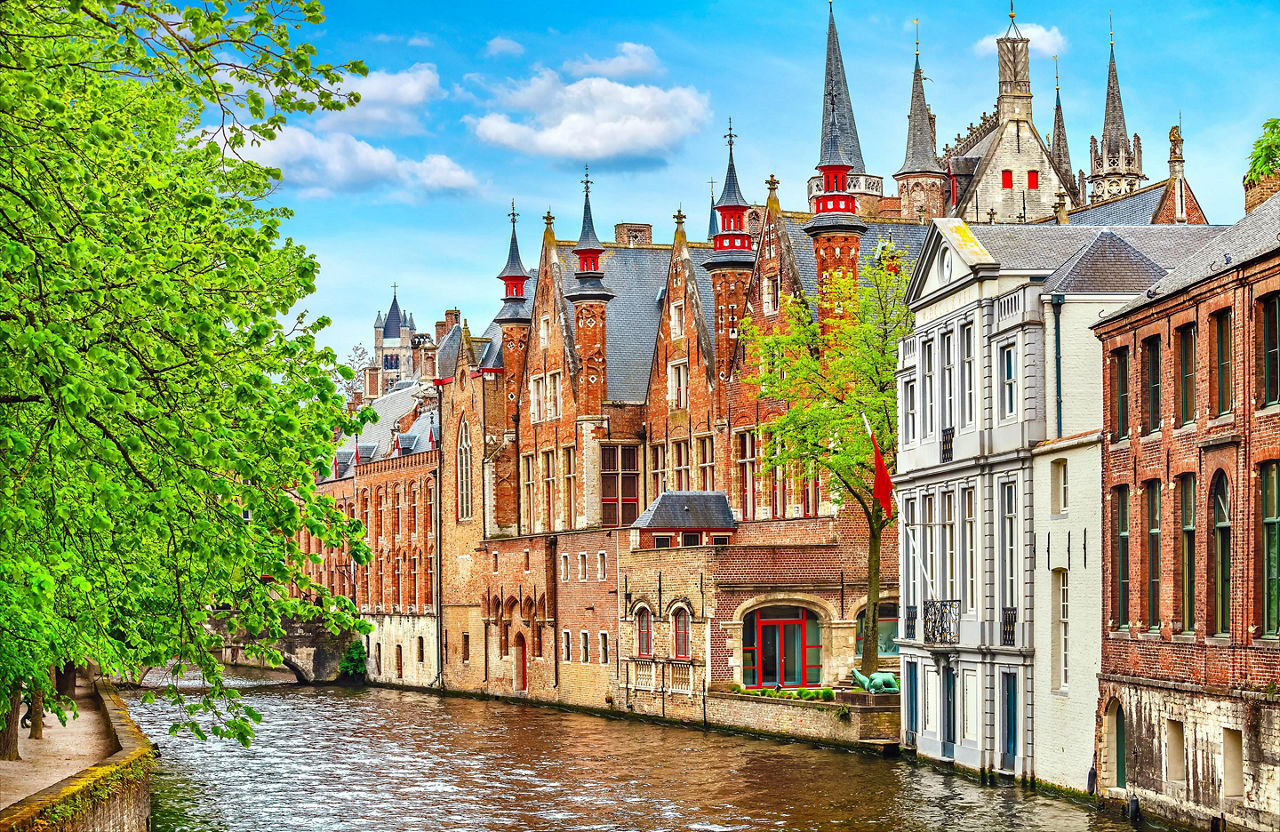
Bruges is famous for the canals that wind through its historic center, passing brick houses, gardens and low bridges. These waterways helped support the city’s development as a trading center and remain one of its defining features.
Walking beside the water gives you time to notice reflections, changing rooflines and small details along the banks. From a boat, the buildings take on a different scale as you pass beneath the bridges.
You can explore Bruges shore excursions featuring canal cruises and guided walks to find an ideal experience for you.
2. Markt Square & the Belfry
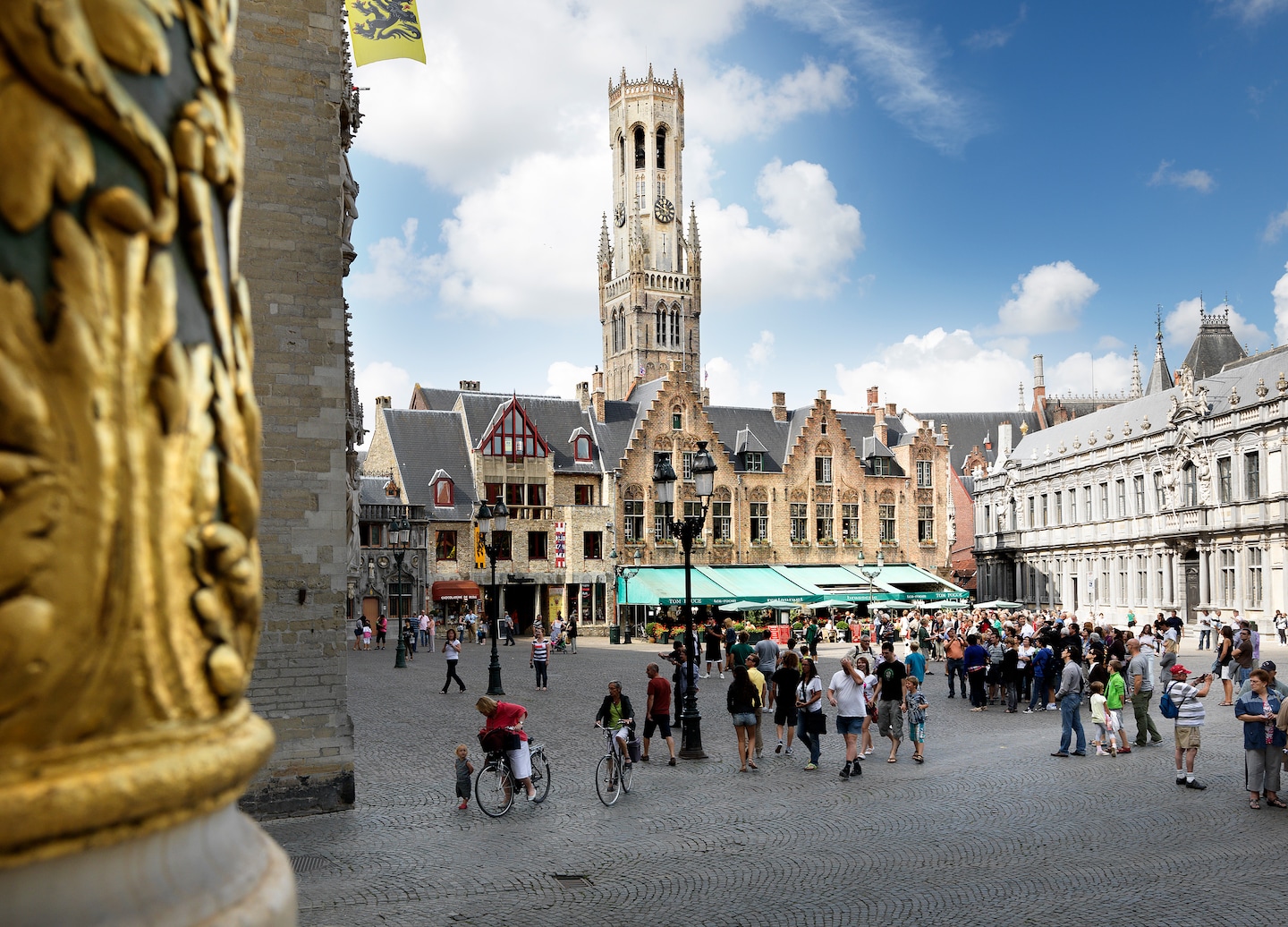
Markt is Bruges’ central square, best known for its stepped façades and the Belfry rising above the surrounding buildings. The tower is one of the city’s most recognizable landmarks and makes a useful reference point as you explore.
Stand back in the square to take in the rooflines, then look more closely at the buildings around its edges. Cafe terraces give you somewhere to sit and enjoy the activity.
If you choose to climb the Belfry, allow time for the steep stairs. You can also appreciate its presence from below, especially when the bells carry across the square.
3. Medieval Streets & Gothic Architecture
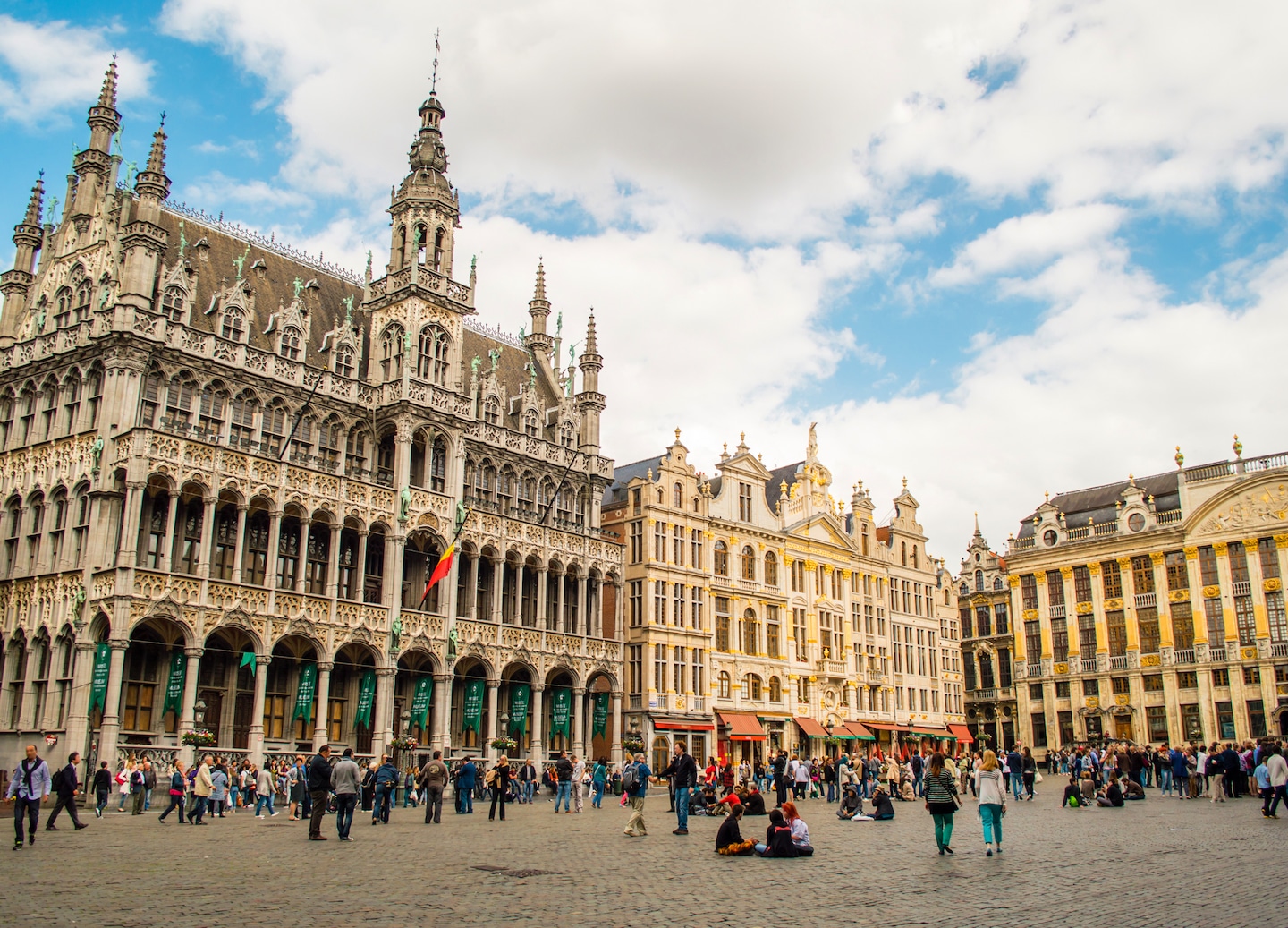
Bruges is known for a historic center where medieval street patterns and Gothic buildings remain central to the city’s character. UNESCO recognizes the Historic Centre of Brugge for its architectural heritage and importance in European commerce and culture.
Burg square is a rewarding place to look closely at the city’s civic architecture. Elsewhere, brick façades, tall windows and church towers draw your attention upward.
A guided walk can help explain how Bruges developed over the centuries. Leave room to notice the smaller details, too, from a carved doorway to the way a narrow street opens onto the water.
4. Belgian Chocolate
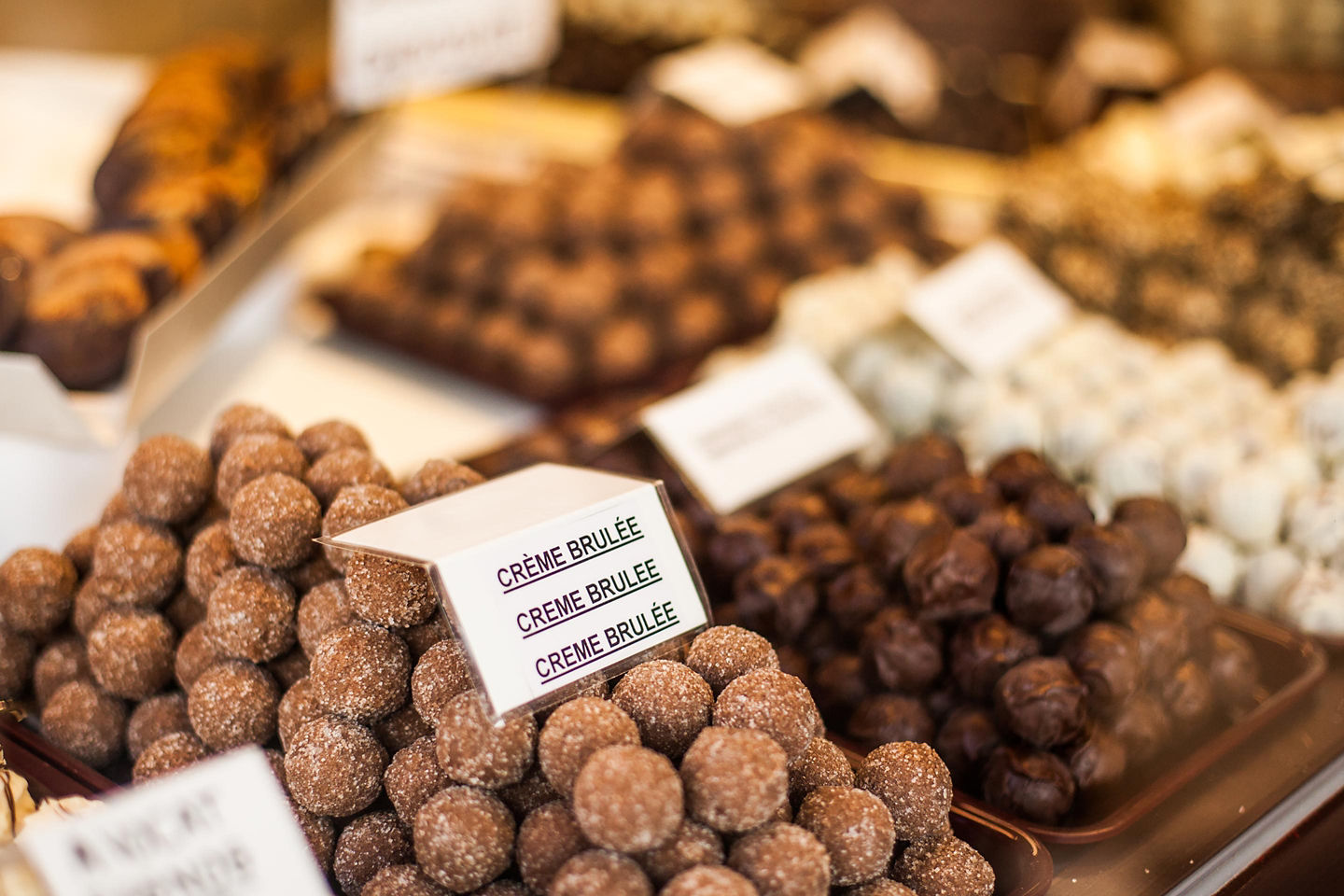
Bruges is famous for its chocolate shops, where pralines, truffles and carefully arranged gift boxes make browsing part of the pleasure. Chocolate offers an easy introduction to Belgium’s enthusiasm for both traditional flavors and inventive combinations.
Pause at a chocolatier’s counter and ask about the fillings or house specialties. Choosing a few individual pieces can be a lovely way to discover what you enjoy, whether that's dark chocolate, smooth ganache or something nutty.
For more inspiration, explore Belgian foods worth trying before deciding which sweet and savory stops to include in your day.
5. Belgian Beer Culture
Bruges is associated with Belgian beer through its breweries, specialist cafes and tasting experiences. A beer menu can introduce you to styles ranging from pale, refreshing brews to darker ales with richer flavors.
The setting is part of the experience. Find a comfortable table, ask for a recommendation and give yourself time to enjoy the conversation.
For visitors interested in brewing, a guided tasting can explain how ingredients and techniques shape different beers. It's also a chance to hear the stories behind the labels and the people who make them.
6. Traditional Lace
Bruges has a longstanding reputation for lace, a craft known for delicate patterns and painstaking detail. Lacework connects the city with generations of makers whose skill turns fine thread into intricate designs.
Look closely and you begin to appreciate the variety: repeating shapes, floral patterns and borders that seem almost drawn in thread. Even a small piece can invite a surprisingly long look.
Our guide to shopping for Belgian lace and other local keepsakes gives ideas for souvenirs to enjoy long after your visit.
7. Flemish Painting
Bruges is known for its association with early Netherlandish painters, often called the Flemish Primitives, including Jan van Eyck and Hans Memling. The city’s artistic reputation grew alongside its importance as a center of trade and patronage.
Their paintings invite careful attention to faces, fabrics and the objects surrounding their subjects. Taking time with a single work can be more rewarding than trying to see an entire collection quickly.
If art interests you, leave space in your itinerary for a museum visit. Looking at paintings made in this cultural setting adds another dimension to the streets and buildings outside.
8. The Beguinage
Bruges’ Beguinage is associated with the history of the beguines, women who formed religious communities while maintaining a degree of independence from convent life. It belongs to the wider tradition recognized through UNESCO’s Flemish Béguinages World Heritage listing , which preserves these distinctive community spaces.
A visit offers a chance to think about how people lived together, with homes and shared spaces organized around religious and everyday routines.
9. Historic Windmills & Green Walks
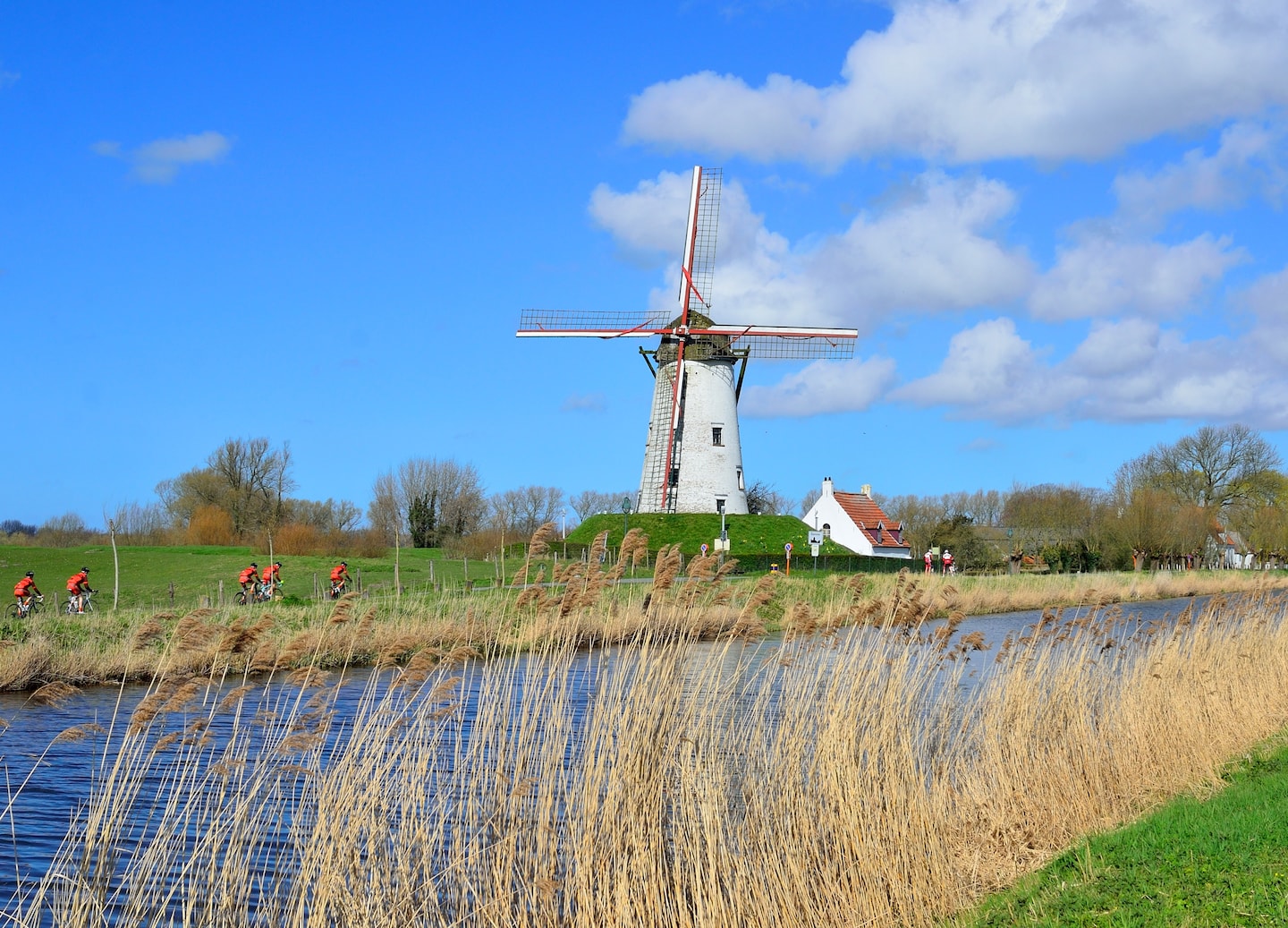
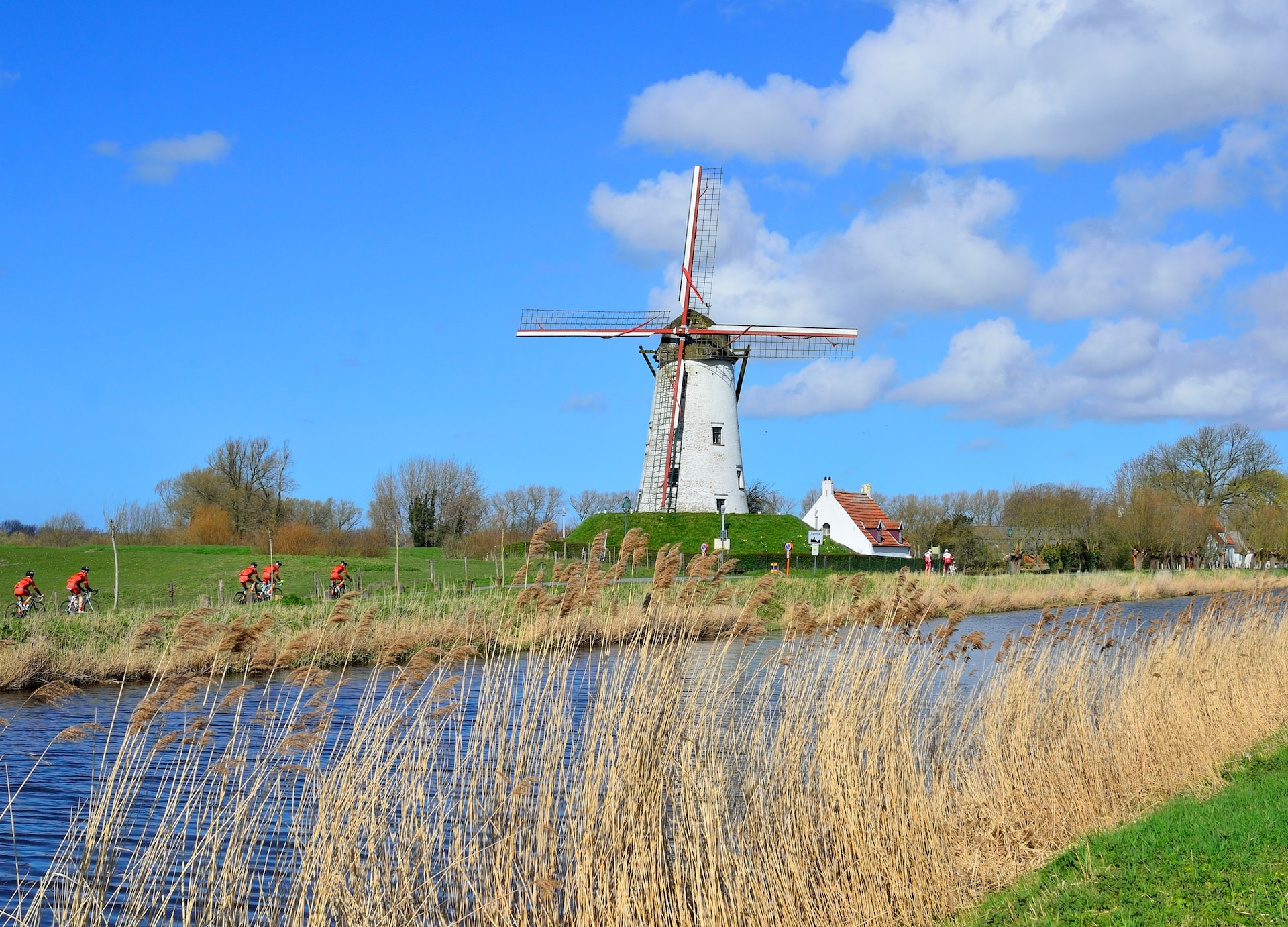
Bruges is known for the historic windmills along its eastern ramparts, where green slopes offer a different view of the city. Their tall sails stand out against the sky beyond the closely packed streets of the center.
This is a good area to include if you enjoy walking and would like a little more open space. Take in the mills from the paths and pause to appreciate their shapes against the surrounding landscape.
10. Waffles & Cafe Culture
Bruges is also known as a place to enjoy Belgian waffles and relaxed cafe stops between sightseeing. A warm waffle, a cup of coffee or a simple lunch gives the day a welcome pause.
Belgium’s waffle traditions include the lighter Brussels style and the denser Liège style, known for its caramelized sugar.
Sometimes the most enjoyable break begins with an inviting window, an empty table and enough time to sit down.
Why Visit Bruges?
Bruges is an appealing choice if you enjoy historic architecture, local craftsmanship and exploring on foot. Its canals and squares provide the setting, while chocolate shops, art collections and cafe tables give you plenty of reasons to linger.
A cruise visit typically brings you to Zeebrugge on the Belgian coast, with transportation inland to Bruges. You can compare guided Bruges excursions and options for independent exploring to shape a day around your priorities. Allow for the journey in both directions and choose a few experiences you can enjoy without rushing.
Frequently Asked Questions About Bruges
-
What is Bruges most famous for?
Bruges is most famous for its canals, medieval architecture, Belgian chocolate and lace. Other defining features include Markt square and its Belfry, Flemish painting, historic windmills and Belgian beer culture.
-
What makes Bruges unique?
Bruges brings together a historic network of streets and canals with traditions of art, craftsmanship and food. Its appeal comes from experiencing those elements together: A waterside walk might lead to a painting collection, a lace display or a chocolatier’s counter.
-
Why is Bruges called the Venice of the North?
Bruges is sometimes called the Venice of the North because of the canals that run through its historic center. Bridges, waterside buildings and boat trips make the waterways a central part of how visitors experience the city.
-
Why is Bruges associated with medieval history?
Bruges was an important trading and cultural center during the Middle Ages. Its surviving street layout, canals and historic buildings help visitors understand that past, while later additions and restoration also form part of the city seen today.
-
Why is Bruges known for lace?
Bruges is known for its longstanding lacemaking tradition and the skill involved in creating intricate patterns from fine thread. Lace remains part of the city’s cultural identity through displays, specialist shops and continued interest in the craft.
-
Why is Bruges important to Flemish art?
Bruges was an important center for painters and patrons during the 15th century. Artists such as Jan van Eyck and Hans Memling are closely associated with the city, and significant collections help preserve that artistic legacy.
-
Is Bruges worth visiting on a cruise?
Bruges is worth considering on a cruise if you enjoy canals, historic streets, art and Belgian flavors. Cruise visitors generally travel from Zeebrugge to the historic center, so transfer arrangements and time in port will help determine how much to include.
Keep Exploring Bruges
These guides can help you build a visit around the experiences that interest you:
- Explore Bruges shore excursions to compare guided walks, canal experiences and opportunities to discover local flavors.
- Find the best time to visit Belgium for the weather and seasonal experiences you enjoy.
- Discover what to eat in Belgium to plan a few delicious stops around your sightseeing.
- Browse ideas for what to buy in Belgium before choosing local treats or keepsakes to bring home.