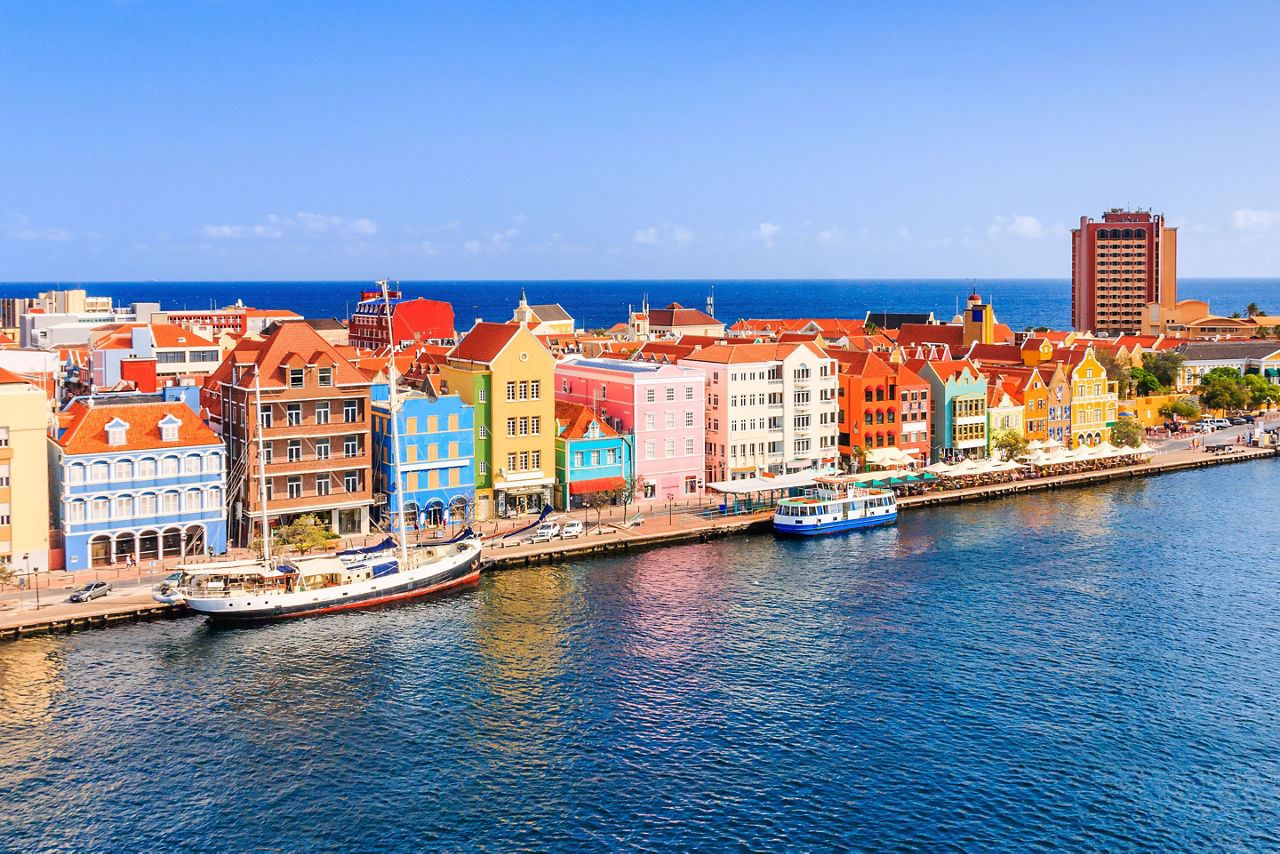
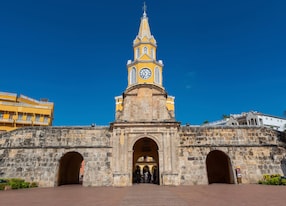
Cartagena is known for its historic Walled City, colorful colonial architecture, Castillo de San Felipe de Barajas and lively Getsemaní neighborhood. This city on Colombia’s Caribbean coast is also famous for coastal cuisine, cultural festivals and access to the nearby Rosario Islands.
Also called Cartagena de Indias, the city brings together maritime history and everyday Caribbean life. You can explore stone fortifications, browse artwork along neighborhood streets or pause for something refreshing in a shaded courtyard.
Here are 10 things Cartagena is famous for and what makes each one worth discovering.
1. The Walled City
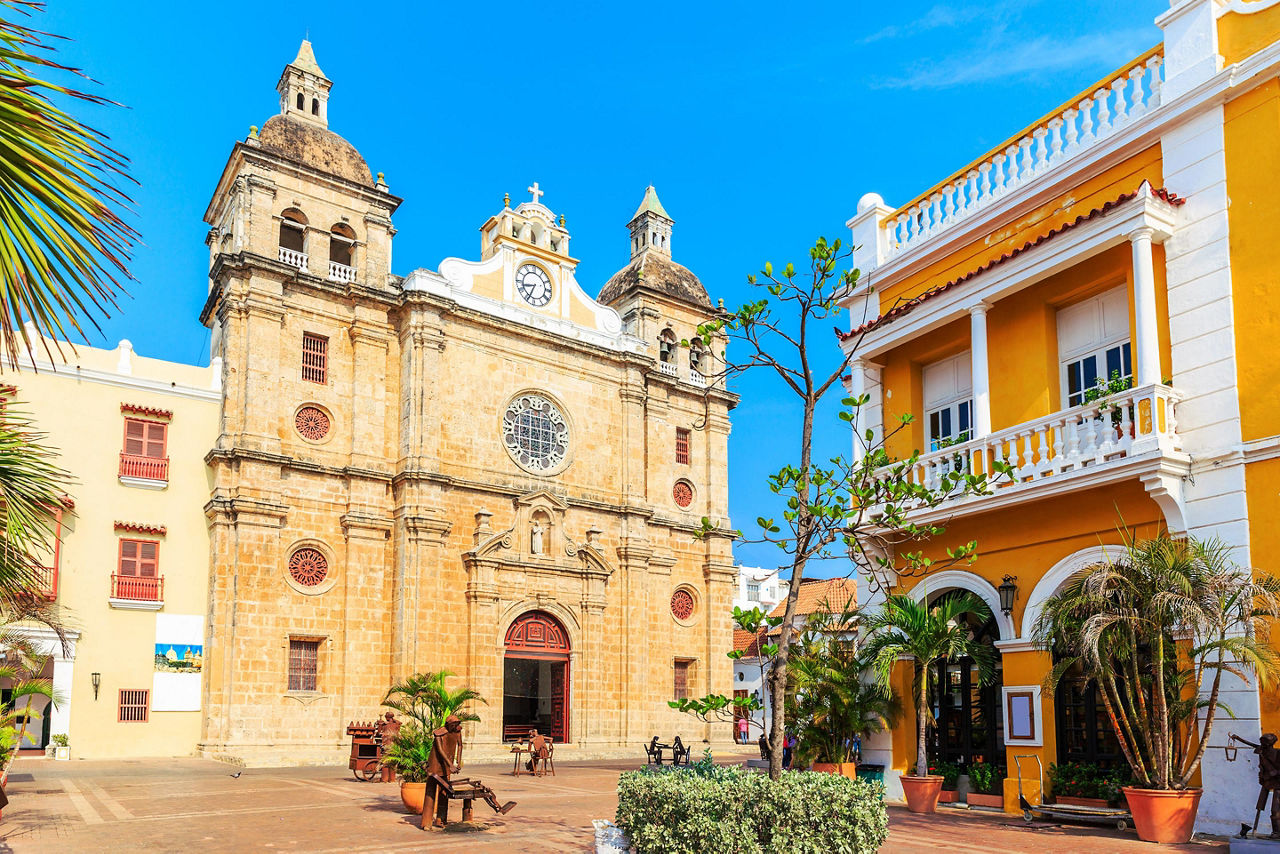
Cartagena’s Walled City is its most recognizable historic area, famous for its stone defenses, colonial buildings and plazas connected by narrow streets. It forms part of the city’s UNESCO-listed port, fortresses and monuments.
Inside the walls, painted façades and wooden balconies give you plenty of reasons to look up as you walk. Churches, shops and restaurants share the streets, making the historic center an active part of Cartagena’s daily life.
A guided walk can help connect the beautiful surroundings with the people and events that shaped them. Leave time to pause in a plaza and appreciate the smaller details, from an elaborate doorway to flowers spilling over a balcony.
2. Castillo de San Felipe de Barajas
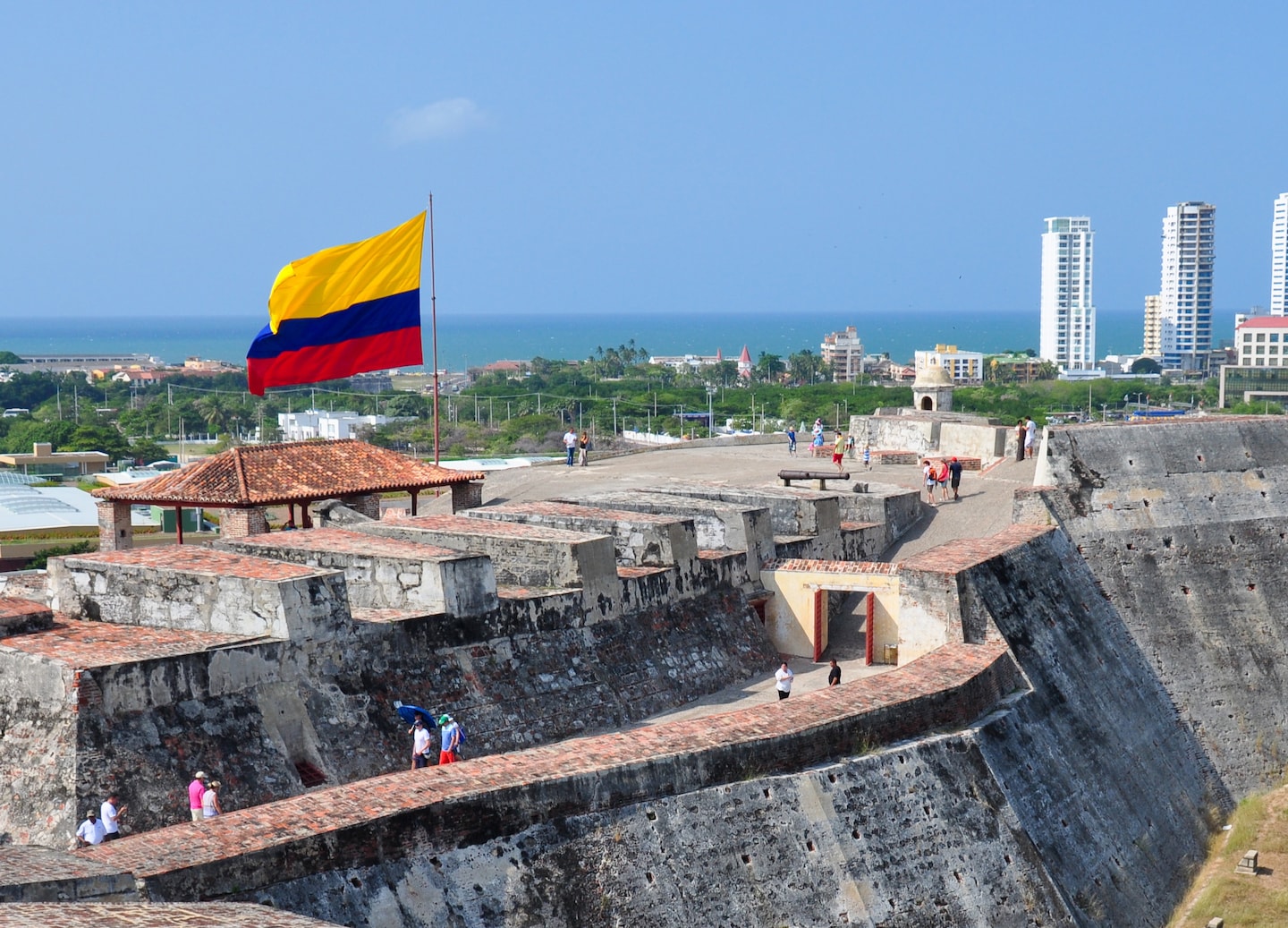
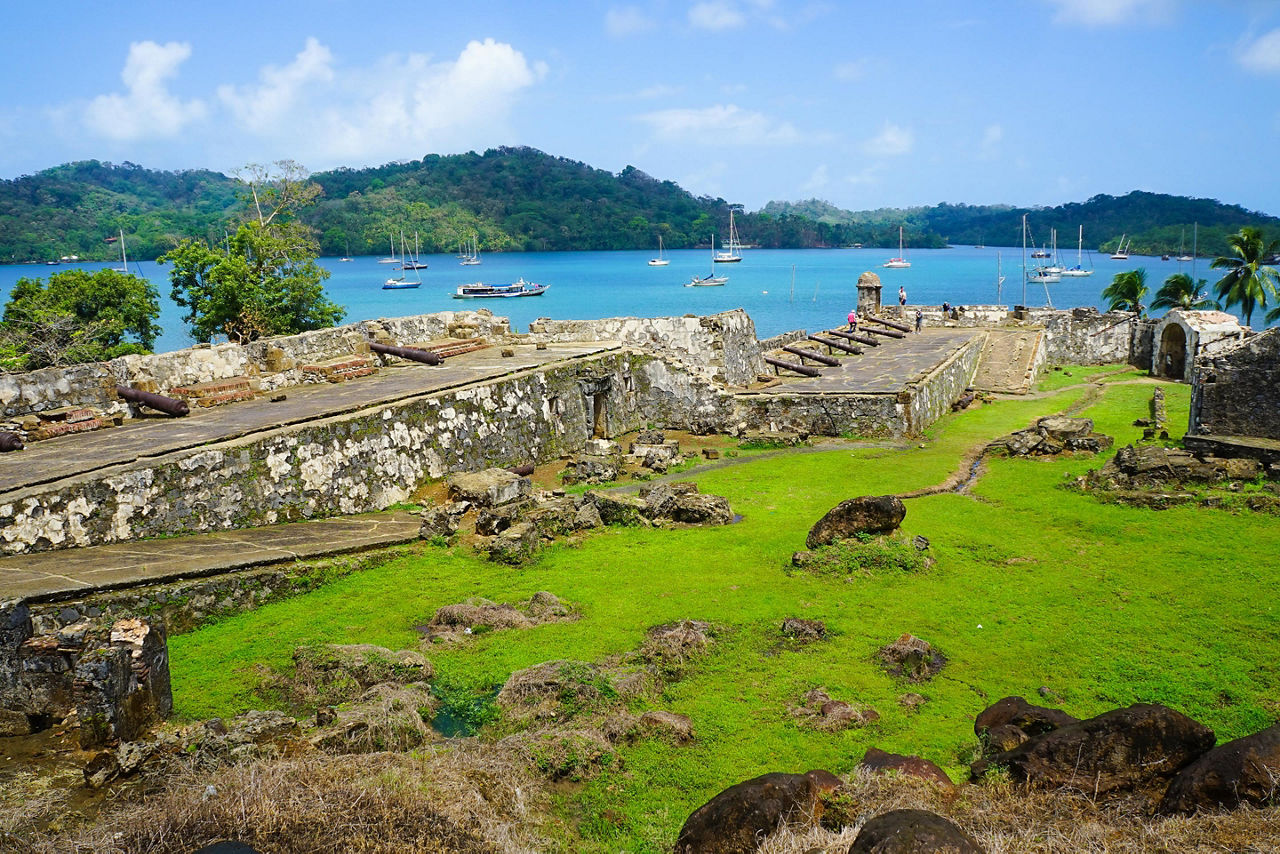
Castillo de San Felipe de Barajas is a hilltop fortress built to help defend Cartagena from attack. Its sloping walls, ramps and passages make it one of the city’s most distinctive historic landmarks.
Exploring the fort gives you a closer look at how its defenses worked together. From the elevated grounds, you can also see how the surrounding city has grown around this substantial piece of military history.
Much of a visit involves walking outdoors, so comfortable shoes and time for breaks will help you enjoy it. A guide can bring the engineering and history into focus as you explore.
3. Getsemaní’s Street Art and Neighborhood Life
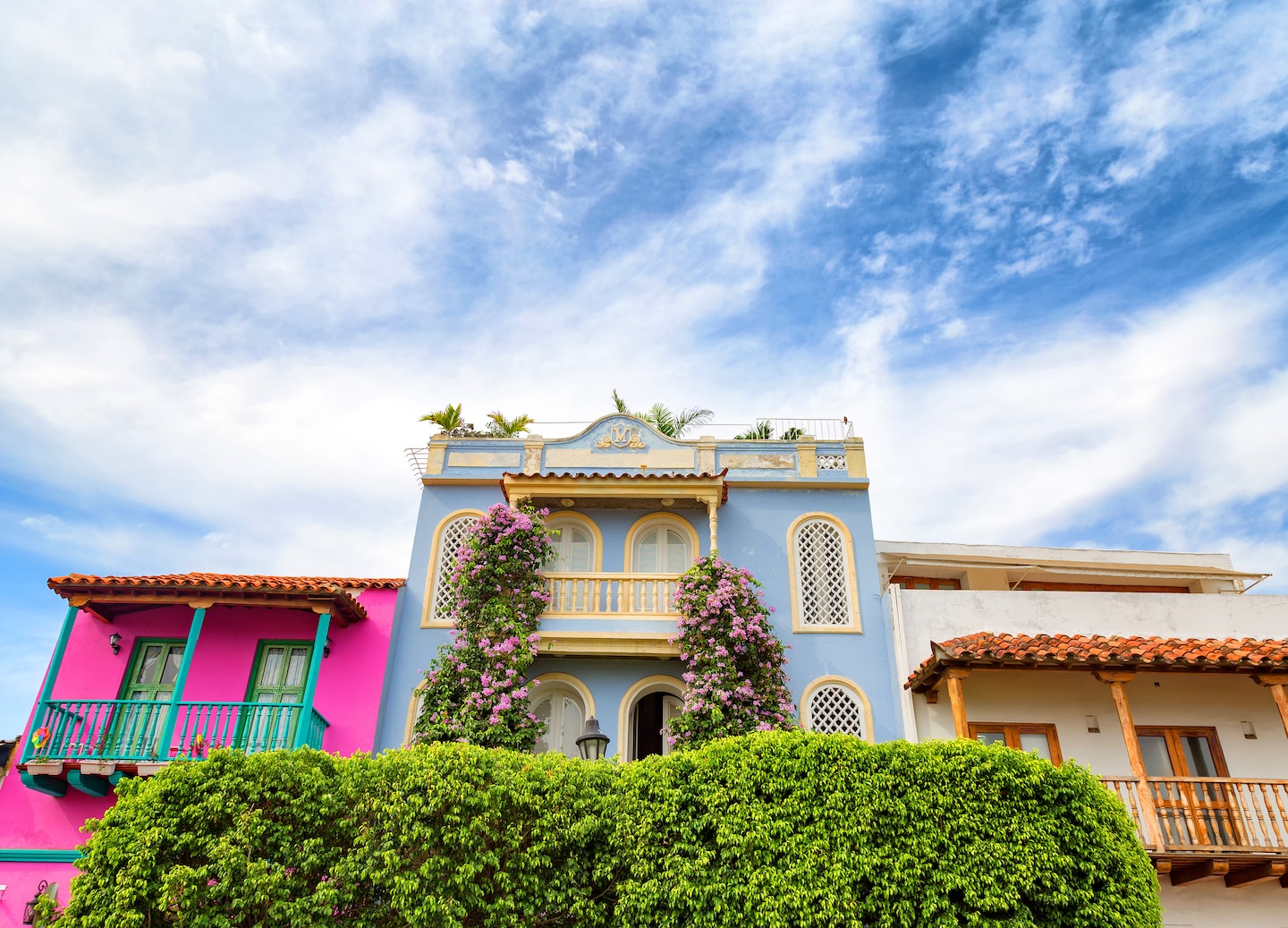
Getsemaní is a historic Cartagena neighborhood known for colorful murals, painted houses and lively gathering places. Its artwork and street life offer another way to get acquainted with the city beyond its major monuments.
Around Plaza de la Trinidad and the surrounding lanes, you’ll find cafés, small businesses and artwork that reflects local identity. Some murals invite a closer look at the people and stories behind the neighborhood’s familiar colors.
Take your time as you wander, remembering that these streets are also home to residents. A neighborhood guide can add context to the artwork and help you understand Getsemaní’s place in Cartagena’s history.
4. The Rosario Islands
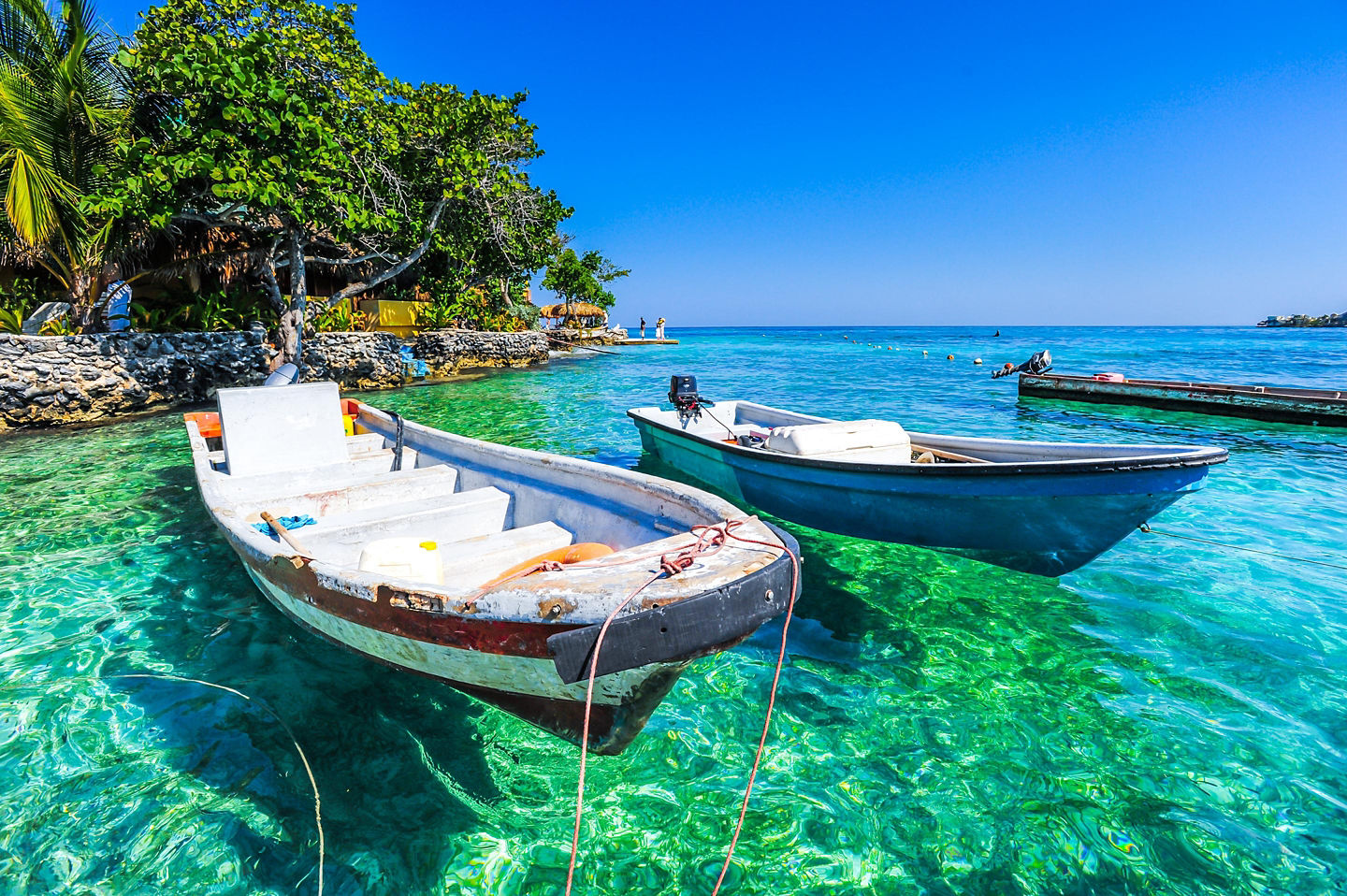
Cartagena is known as a gateway to the Rosario Islands, a group of Caribbean islands off the coast with reefs, beaches and opportunities to spend time on the water. They offer a different setting from the city’s plazas and stone walls.
Depending on the outing, a visit may include snorkeling, swimming or relaxing beside the sea. The appeal is easy to picture: a boat journey away from the busy waterfront, followed by time to enjoy the coastal scenery.
An island trip needs its own place in your plans. Boat travel, weather and the chosen destination affect the schedule, so cruise guests should check the full excursion duration against their time in port.
5. Zenú Heritage and the Gold Museum
Cartagena’s Museo del Oro Zenú introduces visitors to the heritage of the Indigenous Zenú people through archaeological objects and displays. Goldwork and ceramics offer a view of regional history that reaches back well before the colonial city.
The appeal is in the details. Looking closely at the objects reveals the skill behind their shapes and decoration, while the exhibits provide context for the communities that created them.
A museum visit adds depth to a day spent exploring Cartagena’s streets. It is a chance to consider the region’s longer story alongside the colonial architecture outside.
6. The Palace of the Inquisition
The Palace of the Inquisition is a historic building in Cartagena associated with the city’s colonial religious tribunal. Today, it houses museum exhibits that examine the Inquisition and Cartagena’s history.
Its architecture draws attention from the street, but the history inside calls for a thoughtful visit. Learning about religious persecution provides important context for understanding the colonial period beyond its surviving buildings.
Visitors interested in history may appreciate exploring with a guide. Families can review the exhibit themes beforehand to decide whether the museum suits their group.
7. Bocagrande and El Laguito
Bocagrande and El Laguito are waterfront areas known for modern buildings, hotels, restaurants and urban beaches. Their skyline gives Cartagena a noticeably different profile from the low-rise streets of the historic center.
Here, the city’s relationship with the Caribbean comes into view through beachfront activity and buildings clustered beside the water. A drive or outing along the coast helps show the scale of present-day Cartagena.
These areas also give visitors a useful point of comparison: Cartagena’s identity includes both its celebrated historic neighborhoods and the modern city beyond them.
8. La Popa’s Hilltop Views
La Popa is famous for its historic convent and elevated views across Cartagena. From the hill, the city’s buildings, waterways and coastline come together in a broad panorama.
The convent’s courtyard and religious architecture add interest beyond the view. It is a place to slow down, look around and appreciate a different perspective on the streets you may have explored below.
A visit can fit into a guided city outing, depending on the itinerary. Arrange transportation to the site and allow time to enjoy the surroundings once you arrive.
9. Colombian Caribbean Cuisine

Cartagena is known for coastal cooking shaped by African, Indigenous and Spanish influences. Seafood, coconut rice, plantains and corn-based snacks are familiar parts of its culinary identity.
An arepa de huevo offers a crisp, savory introduction, while a plate of fish with coconut rice brings together flavors associated with Colombia’s Caribbean coast. Tropical fruit juices and coconut sweets provide something refreshing or sweet between sightseeing stops.
You can keep the experience simple with a local snack or make time for a relaxed meal. Either way, tasting the city’s food adds another layer to understanding Cartagena.
10. Music, Literature and Cultural Festivals
Cartagena is known for cultural events that bring music, literature and conversation into its historic setting. The Cartagena International Music Festival and Hay Festival are among the events associated with the city.
Part of their appeal is the setting itself. A performance or discussion experienced among Cartagena’s historic buildings can give familiar streets a different atmosphere.
If an event interests you, check its dates and program before planning around it. Even a visit centered on history and sightseeing can leave you curious to return for another side of the city.
Why Visit Cartagena?
Cartagena is a wonderful choice if you enjoy architecture, local culture and exploring a city on foot. Its painted balconies, stone fortifications and neighborhood artwork reward a closer look, while a café stop or coastal meal gives you time to enjoy the atmosphere.
A cruise visit can introduce you to several of these highlights, depending on your time in port. Choose a few priorities, allow for transportation and build in breaks from the heat. If the Rosario Islands are your main interest, plan the day around that outing rather than squeezing it between city stops.
Frequently Asked Questions About Cartagena
-
What is Cartagena most famous for?
Cartagena, Colombia, is most famous for its historic Walled City, colorful colonial buildings and extensive fortifications. Other defining features include Getsemaní’s street art, Caribbean cuisine, cultural festivals and access to the Rosario Islands.
-
What makes Cartagena unique?
Cartagena combines a fortified historic city with the everyday culture of Colombia’s Caribbean coast. Colonial buildings, neighborhood murals, coastal food and modern waterfront districts reveal different parts of its identity. Visitors can experience several of these contrasts within the same trip.
-
Why is Cartagena called the Walled City?
Cartagena is called the Walled City because substantial defensive walls surround its historic center. These walls formed part of a wider system of fortifications designed to protect an important Caribbean port. They remain one of the city’s most recognizable features.
-
Why is Cartagena a UNESCO World Heritage destination?
Cartagena’s port, fortresses and group of monuments earned UNESCO World Heritage recognition for their military architecture and importance to historic maritime routes. The designation includes a collection of defenses and historic buildings, rather than every part of the modern city.
-
What cultural influences is Cartagena known for?
Cartagena’s culture reflects African, Indigenous and Spanish influences, visible in its food, history and artistic traditions. Exploring regional heritage at the Gold Museum, learning about neighborhood artwork and tasting coastal dishes offer different ways to understand those connections.
-
Is Cartagena worth visiting on a cruise?
Cartagena is worth visiting on a cruise if you enjoy historic architecture, local culture and Caribbean scenery. A guided outing can connect several city highlights, while a focused visit leaves more time to appreciate individual neighborhoods. Allow for transportation, warm weather and your ship’s return time when planning.
Keep Exploring Cartagena, Colombia
Ready to discover more of Cartagena? These guides can help you plan your visit:
- Cartagena Shore Excursions - Explore guided city visits, cultural experiences and outings along the coast.
- When Is the Best Time to Visit Cartagena? - Compare the seasons and find a time that suits your sightseeing and outdoor plans.
- The Best Foods to Eat in Cartagena - Discover coastal dishes, local snacks and sweet treats to try during your visit.
- What to Buy When Shopping in Cartagena - Find inspiration for souvenirs and keepsakes to bring home from Colombia.