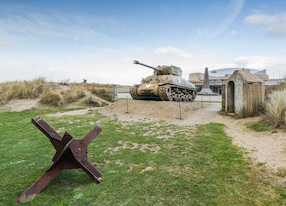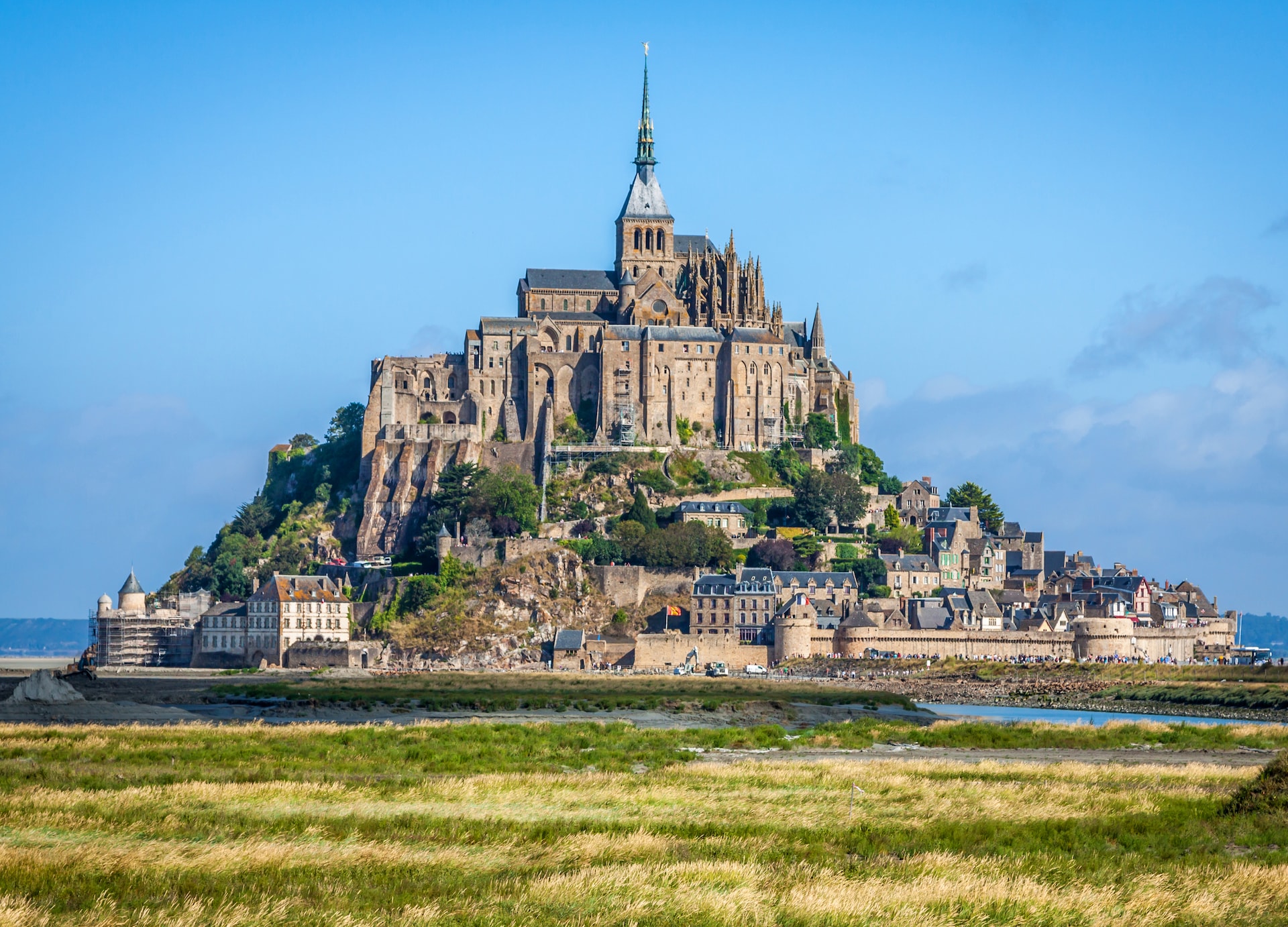
This port city has long been shaped by the sea, from naval history and transatlantic travel to waterfront museums, seafood restaurants and dramatic views along the English Channel. It also offers a distinctly local side of Normandy, with umbrella-making traditions, gardens, markets and easy access to rugged coastal landscapes.
1. La Cité de la Mer
Cherbourg is famous for La Cité de la Mer, one of Normandy’s most distinctive maritime attractions. Set inside the former transatlantic maritime station, the museum explores ocean exploration, deep-sea discovery, submarine history and the story of great passenger liners. Normandy Tourism describes it as one of Cherbourg’s major cultural highlights, located in a city closely tied to maritime heritage.
One of the museum’s standout experiences is Le Redoutable, a massive submarine visitors can explore. La Cité de la Mer also includes ocean-focused exhibitions and family-friendly spaces dedicated to life beneath the sea. For travelers who want to understand Cherbourg’s relationship with the ocean, this is one of the best places to start.
2. Titanic History
Cherbourg is closely associated with the Titanic, which stopped here in 1912 before continuing across the Atlantic. La Cité de la Mer’s “Titanic, Return to Cherbourg” exhibition explores the ship’s only voyage, the passengers who boarded in Cherbourg and the broader story of transatlantic travel. The museum also displays artifacts connected to the Titanic wreck site.
This connection gives Cherbourg a powerful place in maritime history. The city’s former transatlantic terminal once welcomed passengers heading to the New World, and that legacy remains part of its identity today. For visitors interested in ocean liners, emigration history or the Titanic, Cherbourg offers a deeply atmospheric setting.
3. One of the World’s Largest Artificial Harbors
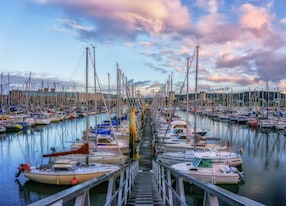
Cherbourg is recognized for its enormous harbor, an engineering achievement that helped shape the city’s naval and maritime importance. Normandy Tourism notes that Cherbourg is home to the second-largest artificial harbor in the world, a legacy tied to the 18th century.
The harbor still defines the city’s waterfront atmosphere. Ferries, naval vessels, fishing boats and cruise ships all contribute to Cherbourg’s sense of movement and connection. Even a simple walk near the port gives visitors a feel for the city’s long relationship with trade, travel and defense.
4. The Umbrellas of Cherbourg
Cherbourg is famous for its umbrellas, thanks in part to the classic French film “The Umbrellas of Cherbourg” and the city’s own umbrella-making tradition. Visitors can explore La Manufacture des Parapluies de Cherbourg, where the museum introduces the stages of umbrella production and the history of the local brand.
The umbrellas have become one of the city’s most charming symbols. They connect Cherbourg’s rainy coastal climate with craftsmanship, design and cinematic nostalgia. For travelers looking for a unique souvenir, a Cherbourg umbrella is one of the most fitting finds.
5. Normandy Coastal Scenery

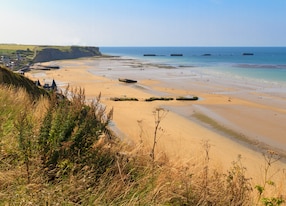
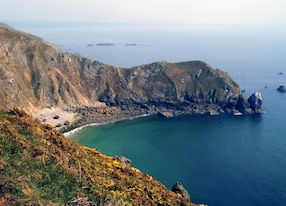
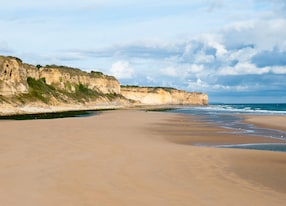
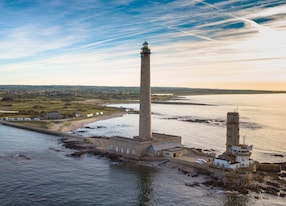
Cherbourg sits at the northern end of the Cotentin Peninsula, giving it easy access to some of Normandy’s most dramatic coastal landscapes. The city itself faces the English Channel, while nearby areas offer cliffs, beaches, windswept headlands and scenic drives. Brittany Ferries highlights the surrounding coastline, including Cap de la Hague, as one of the area’s major draws.
This setting makes Cherbourg appealing for travelers who want both a city visit and outdoor scenery. You can spend part of the day exploring museums and historic streets, then head out toward the coast for sea views, walking paths and quieter Norman landscapes.
6. Naval & Maritime Heritage
Cherbourg has long been celebrated for its naval and maritime history. Its strategic position on the English Channel made it important for defense, shipbuilding, ferry connections and transatlantic travel. The city’s museums, harbor and waterfront all reflect this identity.
This seafaring character gives Cherbourg a different feel from inland Normandy towns. It's not only picturesque, but practical and historic, shaped by ships, sailors, engineering and ocean routes. For visitors interested in maritime Europe, Cherbourg offers a strong sense of place.
7. Art, Theater & Local Culture
Cherbourg also has a lively cultural side, with museums, historic architecture and an Italian-style theater adding depth beyond the waterfront. Normandy Tourism highlights the city’s theater, art and history museums, basilica and Château des Ravalet as part of its local cultural landscape.
This makes Cherbourg rewarding even for visitors who only have a day to explore. Between the old streets, cultural venues and public squares, the city has a quietly elegant Normandy character. It feels lived-in and authentic with enough history and local detail to reward wandering.
8. Château des Ravalet
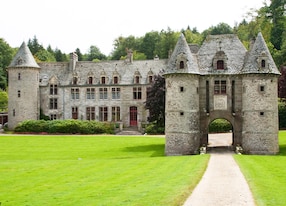
Château des Ravalet is one of the most scenic heritage sites near Cherbourg. The château and its gardens offer a peaceful contrast to the city’s busy port and maritime attractions. With its historic architecture, landscaped grounds and green setting, it's a lovely stop for travelers who enjoy castles, gardens and quieter cultural sites.
The château helps show another side of Cherbourg-en-Cotentin. While the city is often associated with the sea, this inland estate adds a layer of romance and regional history. It's especially appealing for visitors who want a break from museums and waterfront sightseeing.
9. Fresh Seafood & Market Culture
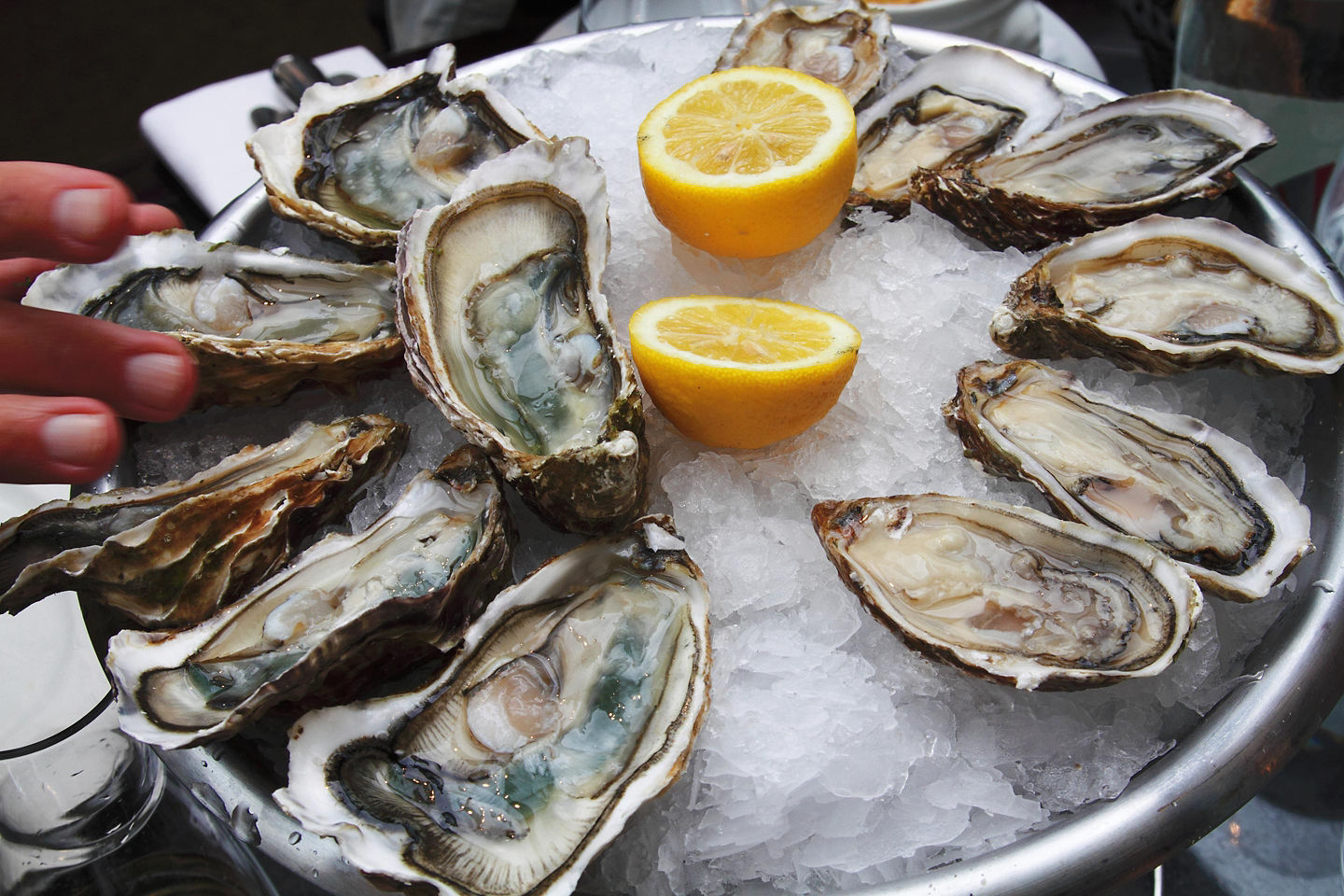
Cherbourg’s coastal setting naturally makes seafood a highlight. Local restaurants often serve fish, shellfish, oysters, mussels and other Norman coastal specialties, reflecting the city’s connection to the English Channel. A seafood meal near the harbor or in the city center is one of the simplest ways to enjoy Cherbourg’s maritime atmosphere.
The city also has the easy rhythm of a Norman market town. Visitors can look for regional cheeses, cider, pastries and local produce, then pair those flavors with a walk by the water. Cherbourg’s food scene feels less flashy than larger French cities, but that's part of its appeal.
10. A Gateway to the Cotentin Peninsula
Cherbourg is best associated with access to the wider Cotentin Peninsula, one of Normandy’s most atmospheric coastal regions. From here, travelers can explore wild headlands, fishing villages, beaches, countryside and historic sites throughout La Manche. Manche Tourism describes Cherbourg as the biggest town in La Manche and a destination strongly focused on the sea.
That gateway role makes Cherbourg especially useful for visitors arriving by ferry or cruise ship. It offers enough attractions for a full day in the city, while also opening the door to deeper exploration of Normandy’s northern coast.
What Is Cherbourg, France Known For?
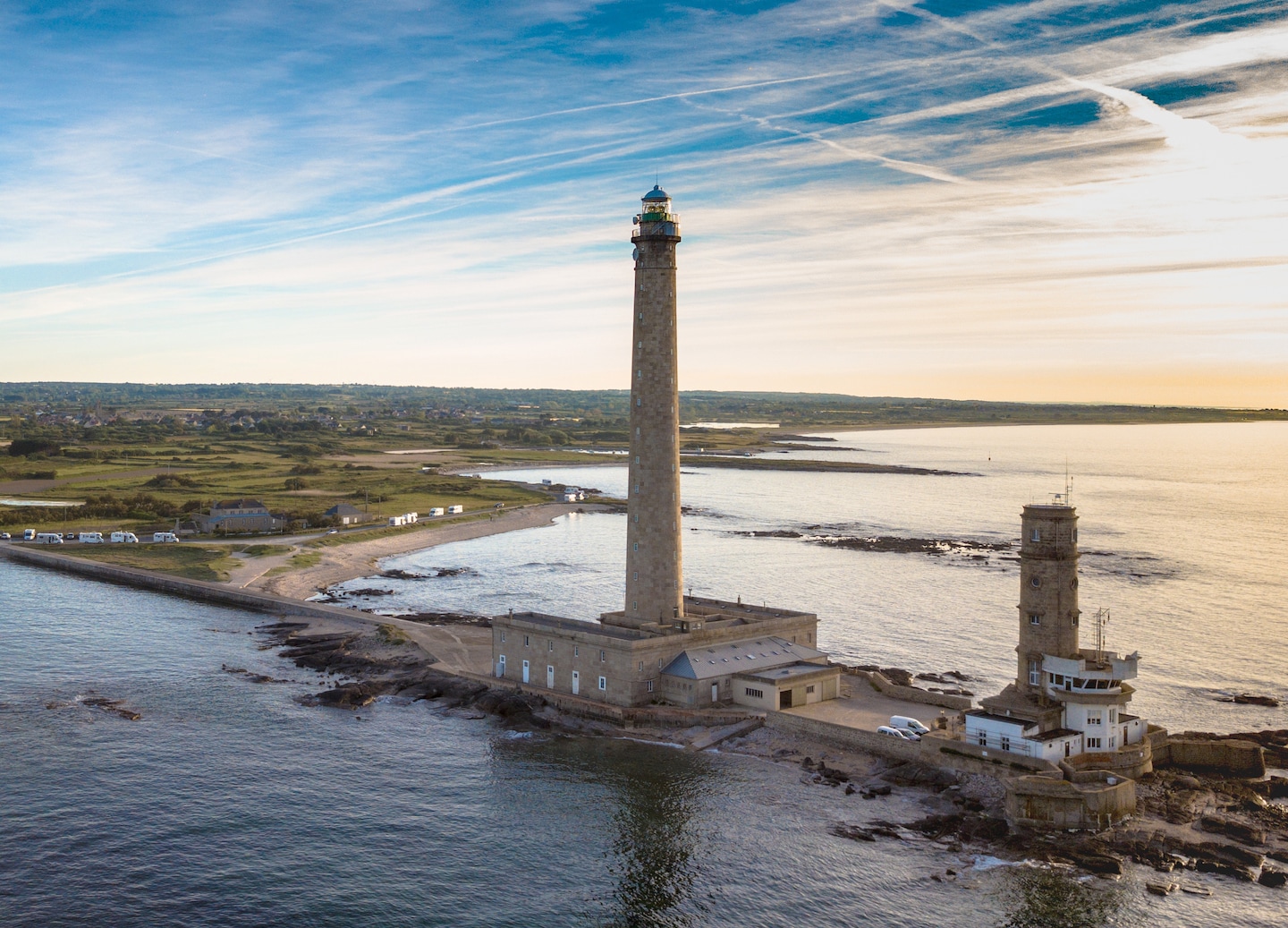
Cherbourg, France is known for La Cité de la Mer, Titanic history, its vast harbor, umbrella-making tradition, naval heritage and scenic position on Normandy’s Cotentin Peninsula. The city stands out because it combines maritime museums, coastal views, cultural landmarks and authentic Norman character in one easy-to-explore port destination.
FAQs:
1. Is Cherbourg, France worth visiting?
Yes, Cherbourg is worth visiting if you enjoy maritime history, coastal scenery, museums and authentic Normandy atmosphere. La Cité de la Mer, Titanic history, the harbor, local markets and nearby Cotentin landscapes make it an interesting stop for a day or short stay.
2. What are the best things to do in Cherbourg?
The best things to do in Cherbourg include visiting La Cité de la Mer, exploring the Titanic exhibition, seeing Le Redoutable submarine, walking near the harbor, visiting the umbrella museum and discovering nearby coastal scenery. Château des Ravalet and the city’s cultural sites are also worth adding to an itinerary.
3. Why is Cherbourg connected to the Titanic?
Cherbourg is connected to the Titanic because the ship stopped there in April 1912 during its only voyage. Today, La Cité de la Mer has a permanent Titanic exhibition that explores the ship’s journey, the passengers who boarded in Cherbourg and the wider story of transatlantic travel.
4. Can you visit La Cité de la Mer in Cherbourg?
Yes, La Cité de la Mer is one of Cherbourg’s top attractions. Visitors can explore exhibitions about the ocean, submarines, deep-sea exploration and Titanic history inside the former transatlantic maritime station.
5. Is Cherbourg walkable?
Cherbourg is fairly walkable around the city center, harbor area and some main attractions. However, sites outside the center, such as Château des Ravalet or coastal viewpoints farther along the Cotentin Peninsula, may require a taxi, tour, rental car or local transportation.
6. How many days do you need in Cherbourg?
One day is enough to see Cherbourg’s main highlights, especially La Cité de la Mer, the harbor and the city center. Two days gives you more time for the umbrella museum, Château des Ravalet, local dining and a nearby coastal excursion.
7. What food should you try in Cherbourg?
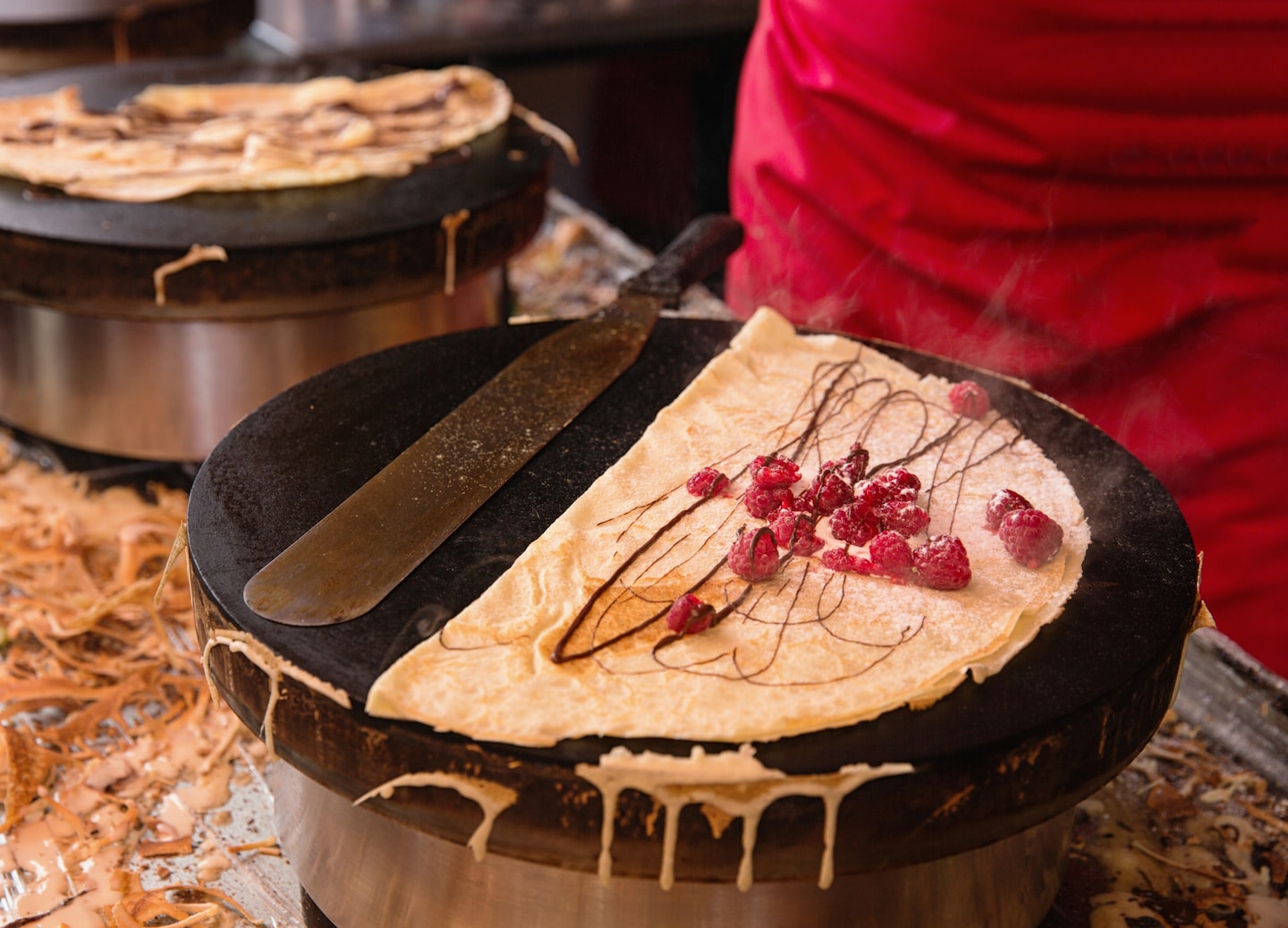
Seafood is one of the best things to try in Cherbourg, including fish, oysters, mussels and other shellfish. Visitors can also enjoy Normandy specialties such as local cheeses, cider, crêpes, pastries and dishes made with cream, apples or butter.
8. Is Cherbourg good for a cruise stop?
Yes, Cherbourg is a good cruise stop because several major attractions are close to the port, including La Cité de la Mer and the waterfront. It also works well as a starting point for excursions around the Cotentin Peninsula or Normandy coast.
Planning a Trip to Cherbourg?
Want to learn more about this French gem? Check out these guides to plan your next trip:
- What is Cherbourg, France Known For? - Discover Cherbourg’s signature highlights from historic fortifications to bustling harbors and cultural landmarks.
- What to Buy in Cherbourg - Find your perfect Cherbourg souvenir by comparing Normandy treats, crafts, and coastal collectibles.
Planning a Trip to Cherbourg?
Want to learn more about this French gem? Check out these guides to plan your next trip:
- What to Buy in Cherbourg - Find your perfect Cherbourg souvenir by comparing Normandy treats, crafts, and coastal collectibles.