Copenhagen is known for Nyhavn’s colorful harbor, the Little Mermaid statue, Tivoli Gardens and royal palaces such as Amalienborg and Rosenborg. Denmark’s capital is also famous for Danish design, cycling culture, New Nordic cuisine and hygge, the Danish appreciation for comfort and togetherness.
Set beside the Øresund Strait in eastern Denmark, Copenhagen gives you plenty to discover between its waterfront and historic streets. You can watch boats drift along a canal, explore royal history or settle into a cafe with something freshly baked.
Here are 10 things Copenhagen is famous for and what makes each one worth discovering.
1. Nyhavn’s Colorful Waterfront

Nyhavn is Copenhagen’s famous waterfront canal, known for its colorful townhouses, historic wooden ships and outdoor cafes. The painted façades are a familiar Copenhagen scene, while cafe tables offer a front-row seat to life beside the water.
Built in the 17th century, the harbor once welcomed ships carrying goods from abroad. Hans Christian Andersen later lived at several addresses here, connecting this lively stretch of Copenhagen with the author behind some of Denmark’s best-loved stories.
Today, a stroll along Nyhavn is a lovely way to get acquainted with the city. Stop for a coffee, take in the painted façades or join a canal cruise to see more of Copenhagen from the water.
2. The Little Mermaid Statue
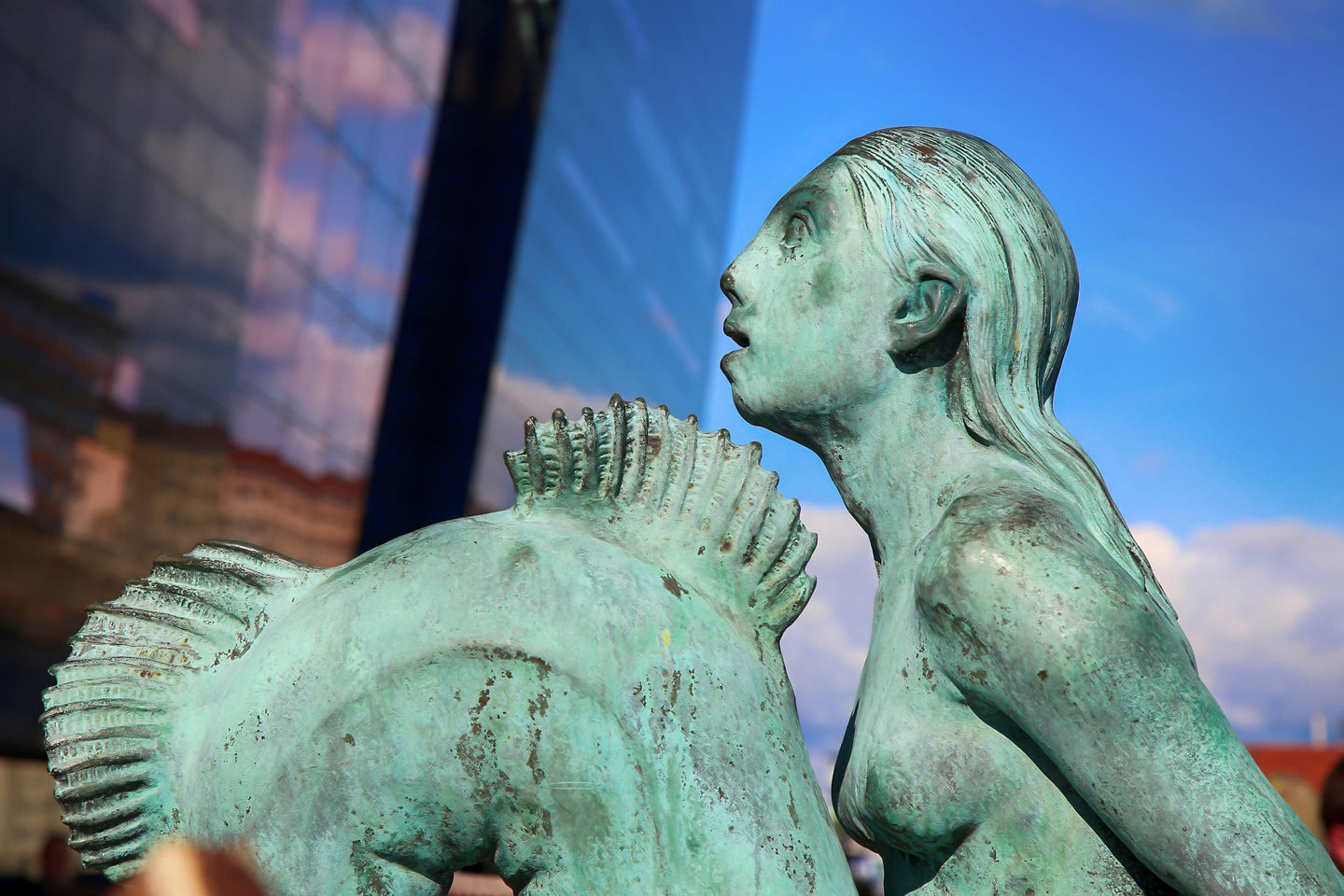
The Little Mermaid is a bronze waterfront statue in Copenhagen inspired by Hans Christian Andersen’s fairy tale. Sitting beside the Langelinie promenade since 1913, it has become one of the city’s most recognizable symbols.
Her small scale is part of the scene: a solitary figure perched on a rock, looking out across the harbor. The statue connects Copenhagen’s waterfront with Denmark’s storytelling tradition and remains a favorite stop for visitors.
You can include the Little Mermaid in a waterfront walk or a guided sightseeing excursion. Nearby Kastellet, with its grassy ramparts and historic buildings, offers another reason to spend time in this part of the city.
3. Tivoli Gardens

Tivoli Gardens is a historic amusement park in central Copenhagen that opened in 1843. One of the world’s oldest amusement parks, it brings together rides, flower gardens, restaurants and live entertainment.
There's plenty to enjoy whether you love roller coasters or prefer a gentle wander through the grounds. Carousels and decorative buildings lend the park an old-fashioned charm, while the lights add an extra touch of magic after dark.
Tivoli opens for different seasons throughout the year, with changing decorations and entertainment.
4. Danish Design & Architecture
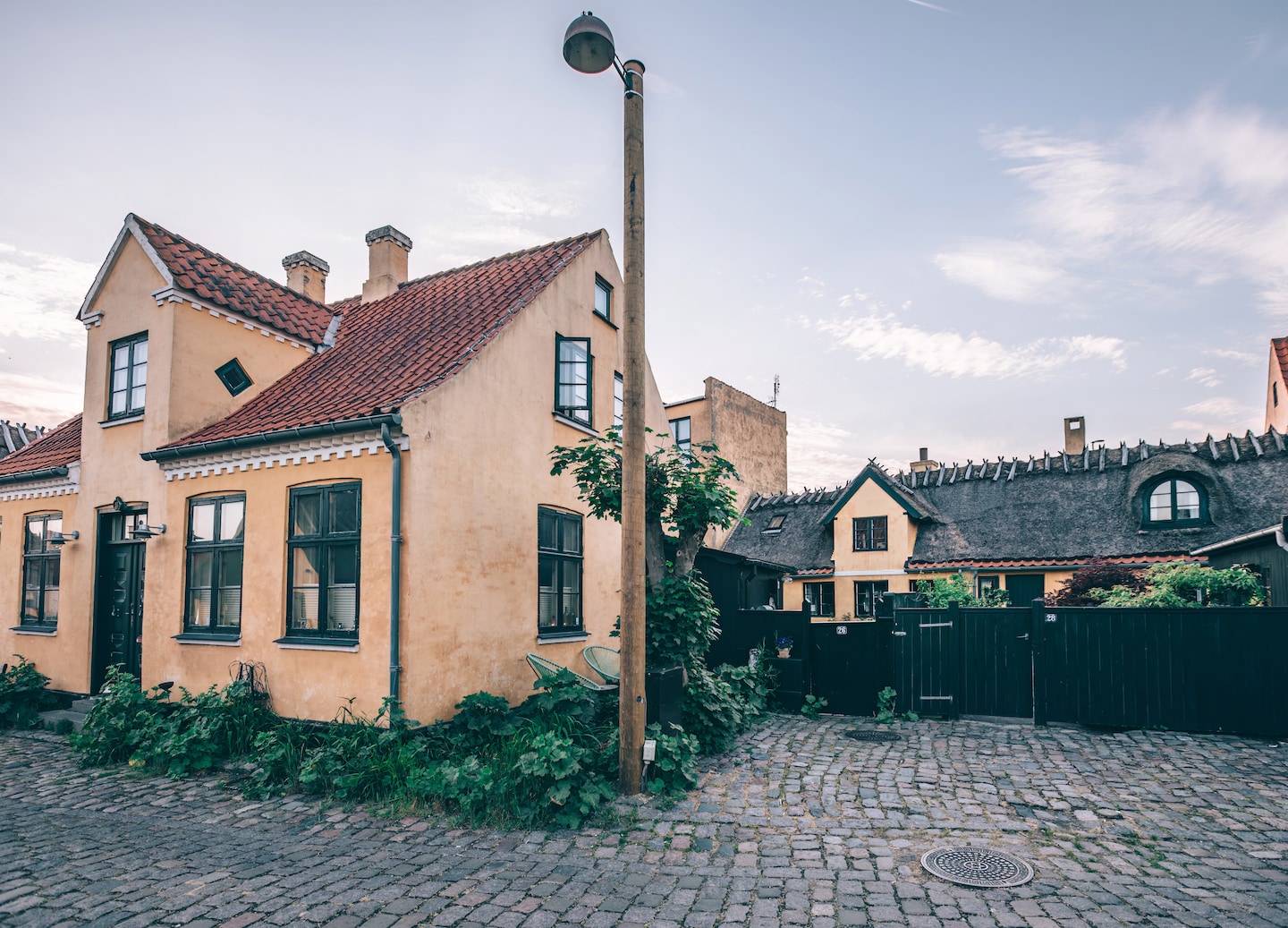
Copenhagen is famous for Danish design, which pairs clean lines and thoughtful craftsmanship with objects that feel good to use. You can see that approach in everything from a beautifully shaped chair to the lighting above a cafe table.
Designmuseum Danmark offers a closer look at this creative tradition. Around the city, furniture shops, showrooms and everyday interiors show how design fits into local life.
The buildings tell a similar story. Walk along the waterfront and you’ll find historic façades sharing the view with bold modern architecture.
5. Cycling Culture
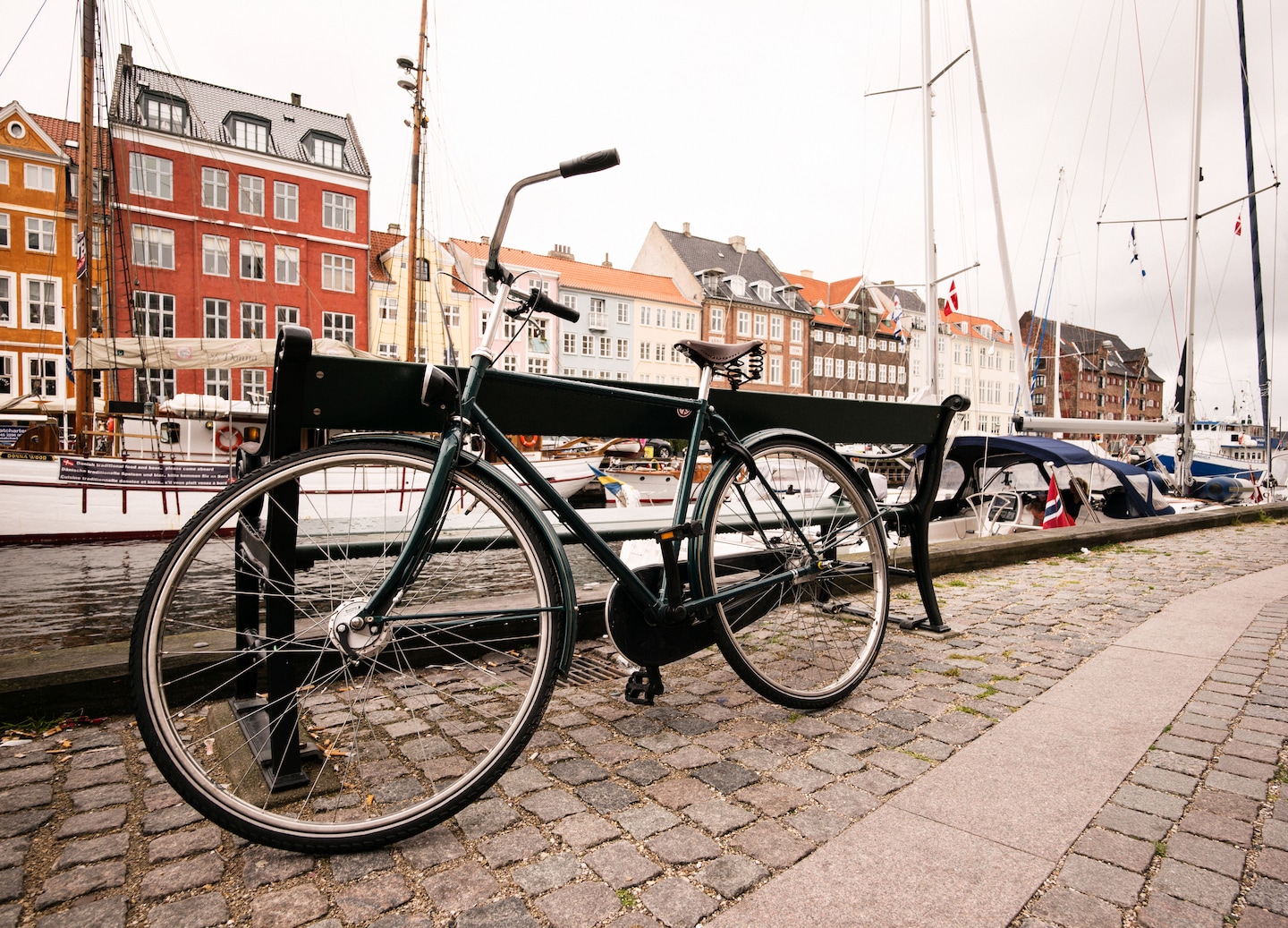
Copenhagen is known for its cycling culture, with bicycles used for everyday transportation throughout the city. Residents pedal to work, carry groceries home and take children across town in cargo bikes.
The relatively flat terrain and extensive network of bike lanes help make two-wheeled travel practical. For visitors who enjoy being active, a guided bicycle tour can be a fun way to connect waterfront views, historic streets and local neighborhoods.
6. Royal Palaces & Danish History
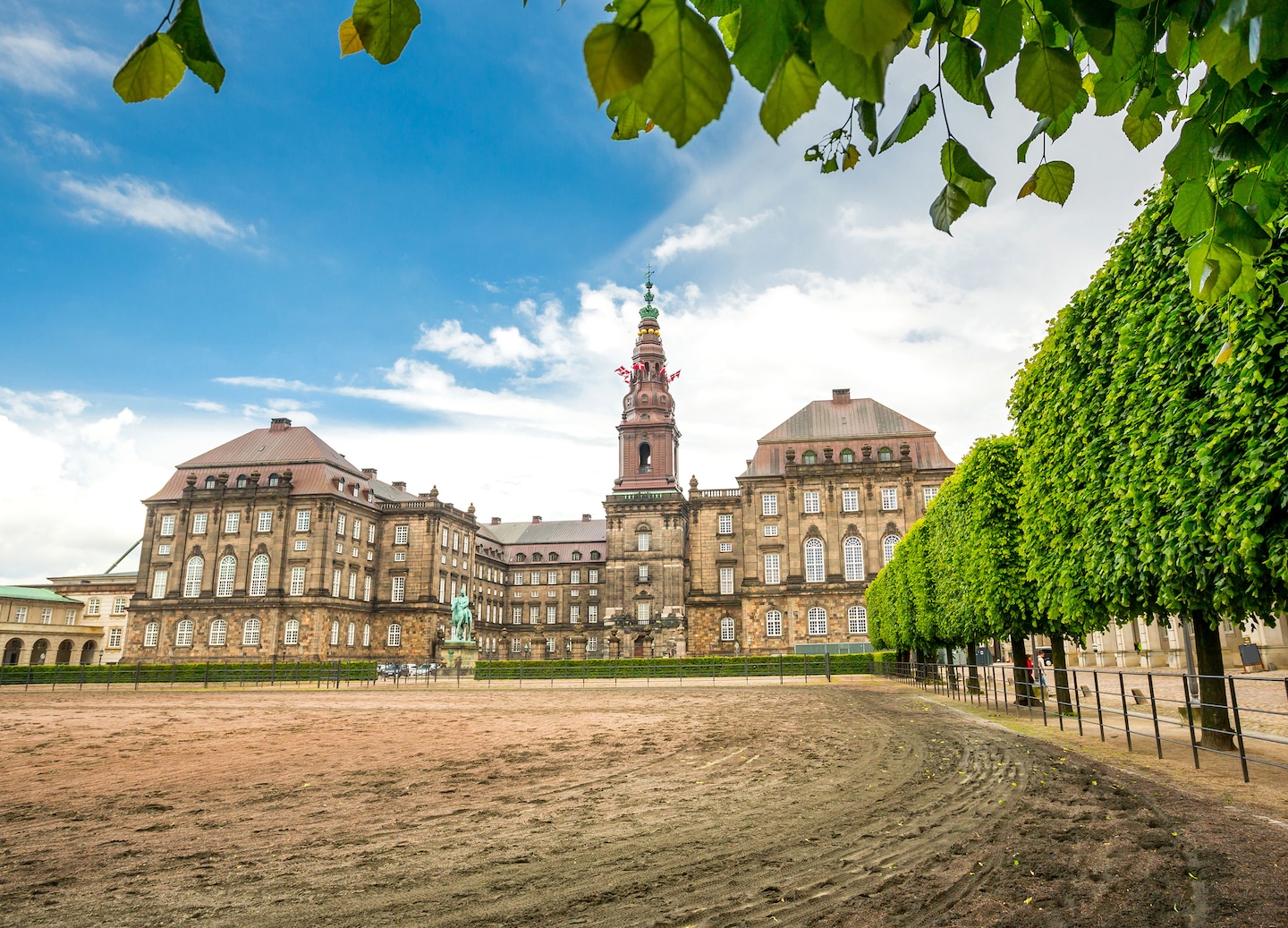
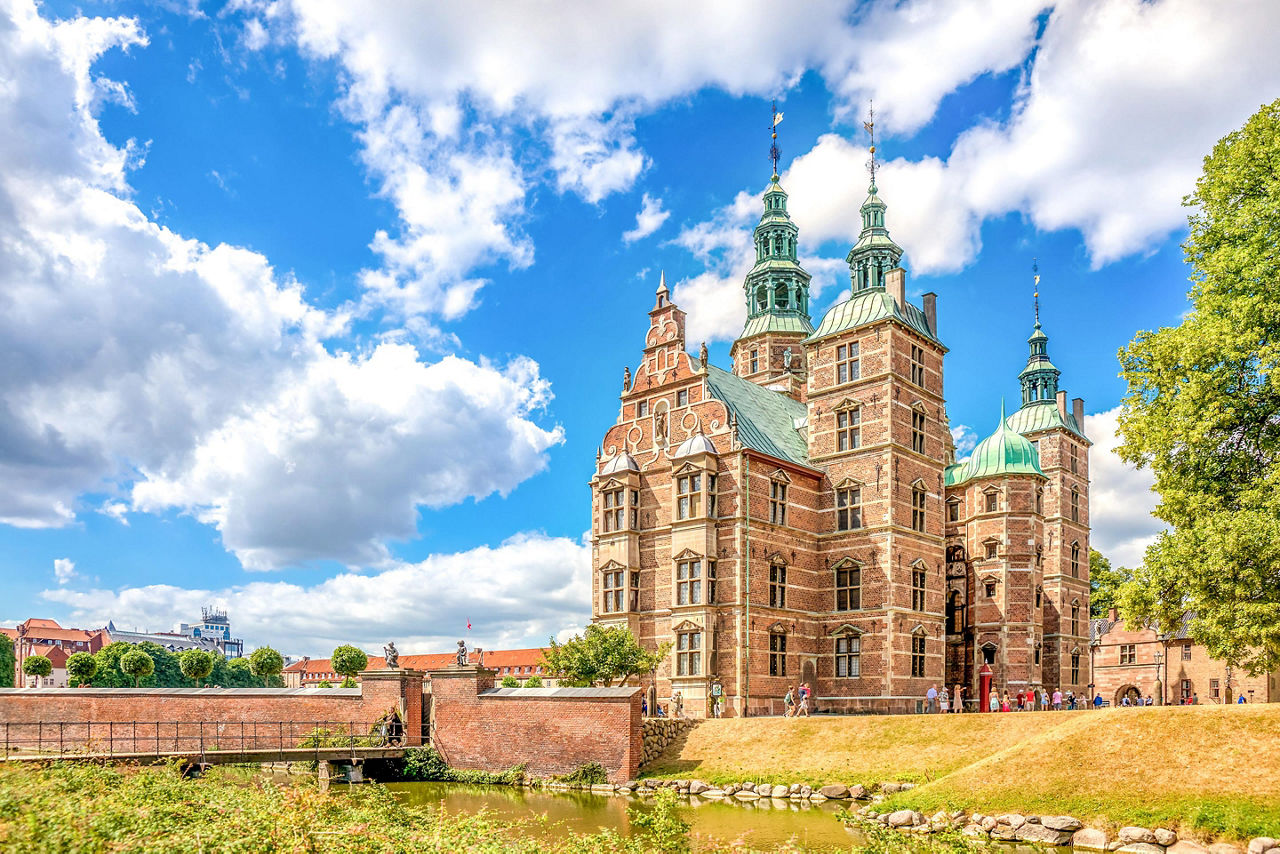
Copenhagen’s best-known royal sites include Amalienborg Palace, Rosenborg Castle and Christiansborg Palace. Each offers a different look at Denmark’s monarchy, from royal collections to traditions that continue today.
At Amalienborg, four palaces surround an open square where visitors gather to watch the changing of the guard. Rosenborg’s towers rise beside the King’s Garden, and inside the castle you’ll find royal collections and the Danish Crown Jewels. The gardens are also a welcoming place to pause between sightseeing stops.
Christiansborg Palace adds another chapter to the story, with royal reception rooms in a building that also houses the Danish Parliament. Together, these sites bring centuries of Danish history into the heart of the city.
7. New Nordic Cuisine

Copenhagen helped put New Nordic cuisine on the world’s dining map. Seasonal ingredients, regional flavors and creative cooking are central to the movement, which encouraged chefs to take a fresh look at Scandinavian food traditions.
That reputation reaches beyond fine dining. A bakery breakfast, an open-faced smørrebrød sandwich or a stop at a food hall can introduce you to the city’s love of good ingredients.
Whether you reserve a special meal or follow the scent of fresh pastries into a neighborhood bakery, food is an inviting part of getting to know Copenhagen.
8. Hygge Culture
Copenhagen is closely associated with hygge, the Danish idea of enjoying comfort, warmth and time together. Think coffee with a friend, a relaxed meal or a welcoming place to settle in after a day of exploring.
You’ll notice it in softly lit cafes and restaurants where conversation is as much a part of the experience as the food. But hygge is not only about candles or cold weather. A picnic in the park can feel just as inviting.
Find somewhere comfortable, order something you enjoy and take your time.
9. Freetown Christiania
Freetown Christiania is famous for its colorful artwork, unconventional buildings and alternative community life. Established in 1971 on a former military site in Christianshavn, it offers a different view of Copenhagen from the royal squares and waterfront palaces.
Murals, workshops, music venues and walking paths reflect the creativity of the people who live and work here. The handmade details give the area a character of its own.
10. Green Spaces & Waterfront Living

Copenhagen is known for making room for outdoor life, from bicycle routes and public gardens to places where people gather beside the harbor. These spaces are as much a part of the city’s appeal as its famous sights.
Along the waterfront, former industrial areas have made way for homes, cultural venues and promenades. Designated harbor baths give residents and visitors places to swim when conditions allow, while parks offer space for picnics and afternoon breaks.
You do not need a packed itinerary to appreciate this side of Copenhagen. A walk beside the water or a pause in the King’s Garden can be a memorable part of your visit.
Why Visit Copenhagen?
Copenhagen is a wonderful choice if you enjoy history, waterfront scenery and discovering the small details of a city. You can admire royal palaces, see Nyhavn’s colorful buildings and explore Danish design, with time along the way for a cafe stop or a stroll through a garden.
A cruise visit offers a taste of these different sides of Denmark’s capital. Depending on your time in port, you might pair a guided sightseeing excursion with a canal cruise or choose a few favorite sights to explore at a comfortable pace. Your ship’s docking location and transportation arrangements will help shape the day.
Frequently Asked Questions About Copenhagen
-
What is Copenhagen most famous for?
Copenhagen is most famous for Nyhavn’s colorful waterfront, the Little Mermaid statue, Tivoli Gardens and its royal palaces. Beyond these sights, Denmark’s capital is known for cycling, Danish design, New Nordic cuisine and hygge, a local appreciation for comfort and togetherness.
-
What makes Copenhagen unique?
Copenhagen stands out for the way royal history and modern Danish life sit side by side. Palaces and historic canals share the city with contemporary architecture, busy bike lanes and welcoming cafes. That mix gives visitors a chance to experience both famous sights and everyday local culture.
-
Why is Copenhagen associated with hygge?
Copenhagen is associated with hygge because the Danish tradition of comfort and togetherness is easy to experience throughout the city. A relaxed cafe visit, a meal with friends or an afternoon picnic can all capture that feeling. Hygge is about enjoying the moment, not following a particular activity or itinerary.
-
Why is Copenhagen famous for design?
Copenhagen is famous for its connection to Danish design, which combines simplicity, craftsmanship and practical comfort. Furniture, lighting, interiors and architecture all reflect this tradition. You can explore it at Designmuseum Danmark or notice it in shops, cafes and public spaces around the city.
-
Why is Copenhagen known as a cycling city?
Copenhagen is known as a cycling city because many residents use bicycles for everyday transportation. Its relatively flat landscape and extensive bike-lane network help make cycling practical for commuting, shopping and getting between neighborhoods. Visitors can experience this part of local life on a guided bicycle tour.
-
How is Copenhagen connected to Hans Christian Andersen?
Hans Christian Andersen spent much of his adult life in Copenhagen and lived at several addresses along Nyhavn. The city’s Little Mermaid statue was inspired by his fairy tale of the same name. These connections make his stories part of Copenhagen’s cultural identity.
-
Is Copenhagen worth visiting on a cruise?
Copenhagen is worth visiting on a cruise if you enjoy royal history, colorful waterfronts and Scandinavian culture. Guided tours and canal cruises offer ways to experience several highlights during a visit. Plan around your docking location and time in port so you can enjoy the day without rushing.
Keep Exploring Copenhagen
Ready to discover more of Denmark’s capital? These guides can help you plan your visit:
- Copenhagen Shore Excursions - Explore canal cruises, royal landmarks and guided experiences around the city.
- When Is the Best Time To Visit Copenhagen? - Find a season that suits your plans, from garden strolls to cozy cafe stops.
- What To Eat in Copenhagen - Get to know Danish dishes and local flavors worth trying during your visit.
- What To Buy in Copenhagen - Browse ideas for Danish design finds, local treats and souvenirs to bring home.
- A Guide to the Best Neighborhoods in Copenhagen - Discover the waterfront districts, historic streets and creative neighborhoods that give Copenhagen its character.