Crete is known for the Palace of Knossos, ancient Minoan history, beautiful Mediterranean beaches, dramatic mountain landscapes and flavorful Cretan cuisine. Greece’s largest island is also famous for Chania’s Venetian Harbor, Samaria Gorge, olive oil, traditional villages and myths connected to Zeus and the Minotaur.
From its Bronze Age archaeological sites to its seaside towns and rugged interior, Crete has a character all its own. Here are 10 of the landmarks, traditions and experiences that make Crete one of Greece’s most distinctive islands.
1. The Palace of Knossos & Minoan Civilization
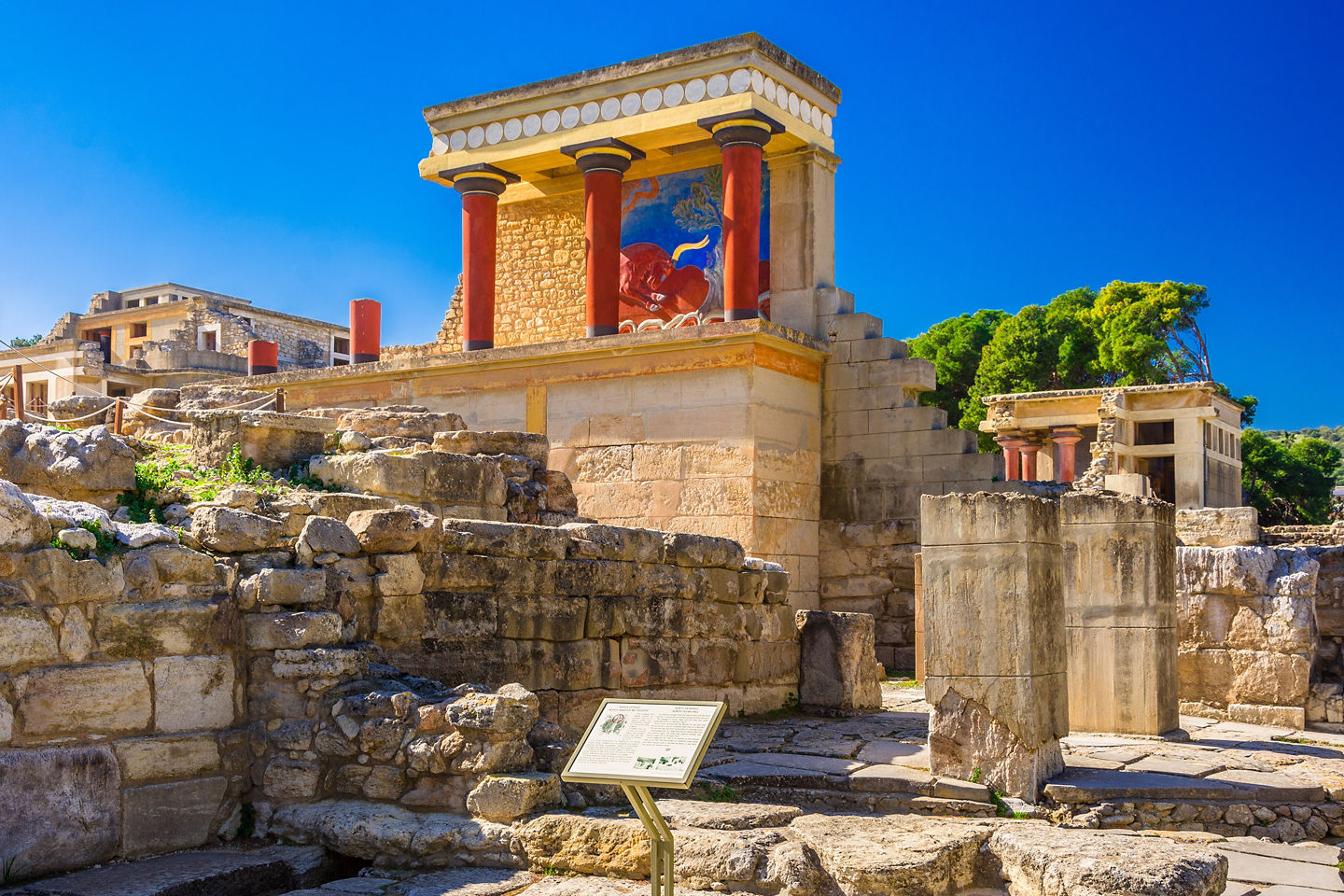
Crete is best known historically as the center of the Minoan civilization, which flourished during the Bronze Age. The Palace of Knossos, located near Heraklion, is the island’s most famous archaeological site and one of the most important ancient sites in Greece.
The palace complex contains courtyards, ceremonial spaces, staircases, storage rooms and reconstructed frescoes that provide a window into Minoan life. Archaeological evidence shows that Knossos developed into a sophisticated political, religious and economic center thousands of years ago.
Knossos is also closely linked to Greek mythology, particularly the stories of King Minos, the Labyrinth and the Minotaur. Visitors can combine the site with the Heraklion Archaeological Museum to see original artifacts discovered at Knossos and other Minoan sites across Crete.
2. Chania’s Venetian Harbor & Old Town
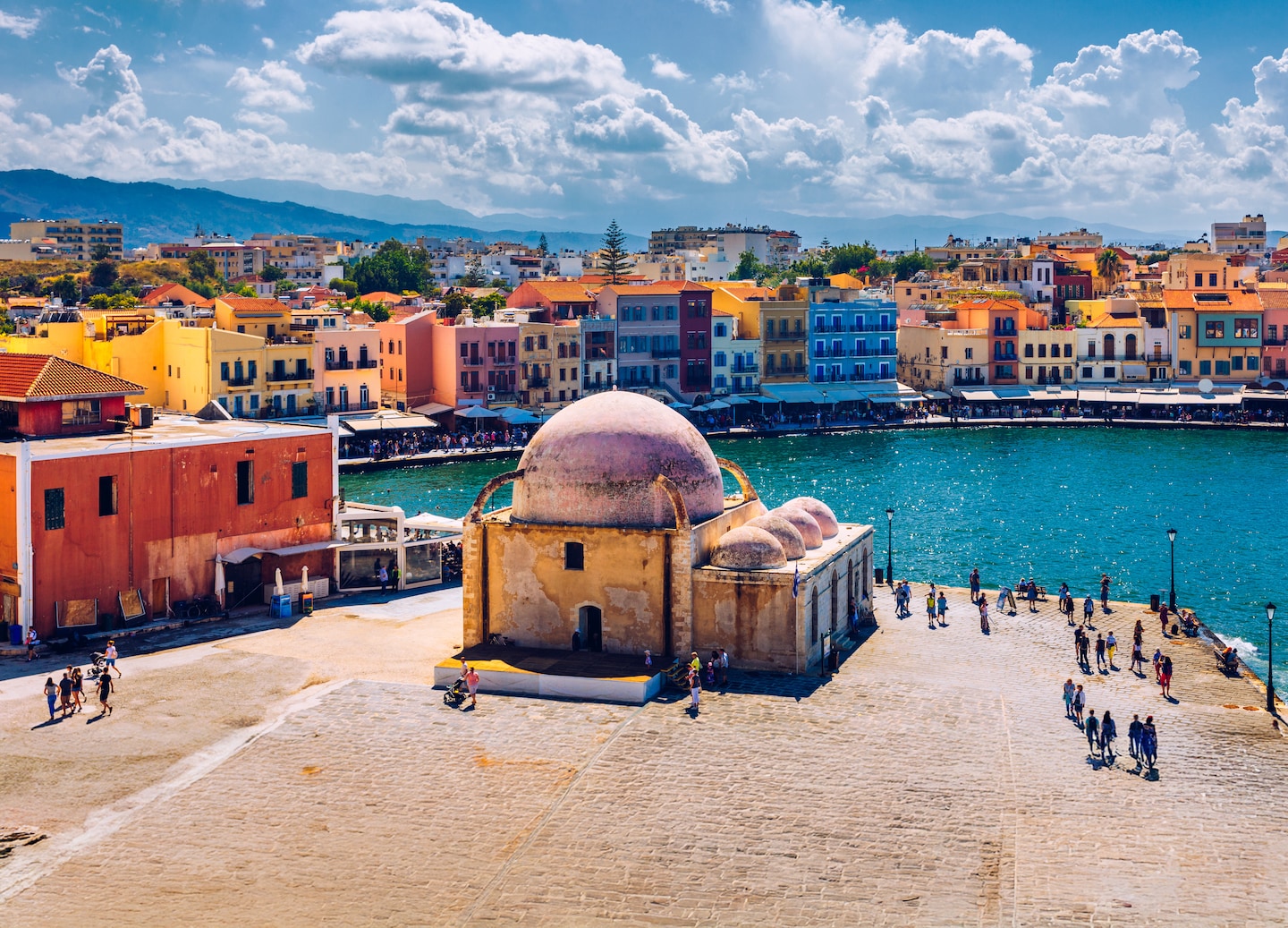
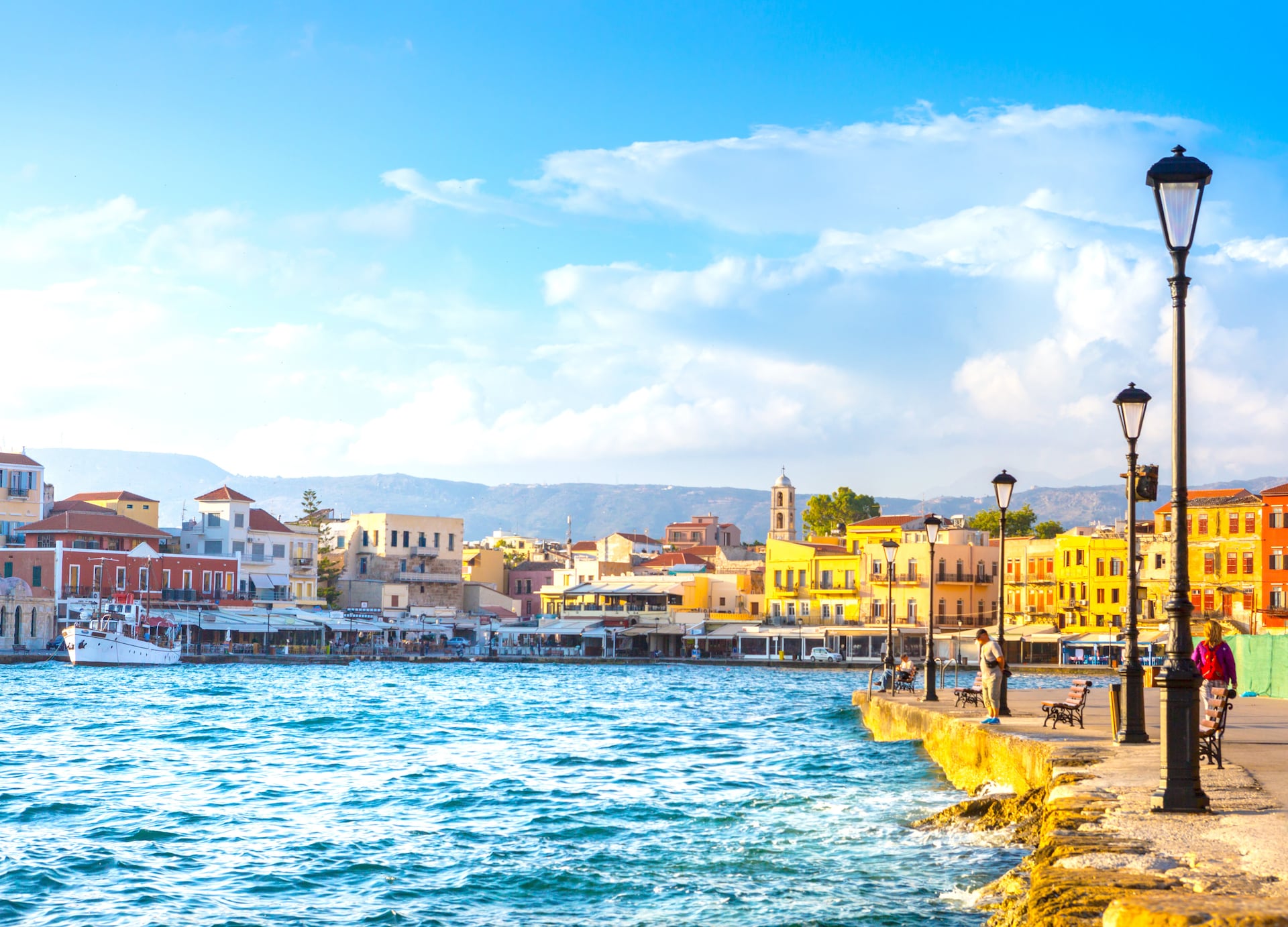
Chania is known for its picturesque Venetian Harbor, waterfront lighthouse and maze of narrow streets. The city’s architecture reflects centuries of Venetian and Ottoman influence layered over an even older settlement.
Along the harbor, visitors can see historic shipyards, waterfront cafes and the Firkas Fortress. The surrounding Old Town is filled with colorful buildings, artisan workshops, boutiques and restaurants tucked into former homes and warehouses.
Royal Caribbean ships visiting Chania generally dock at Souda, a port outside the historic center.
3. Mediterranean Beaches & Lagoons
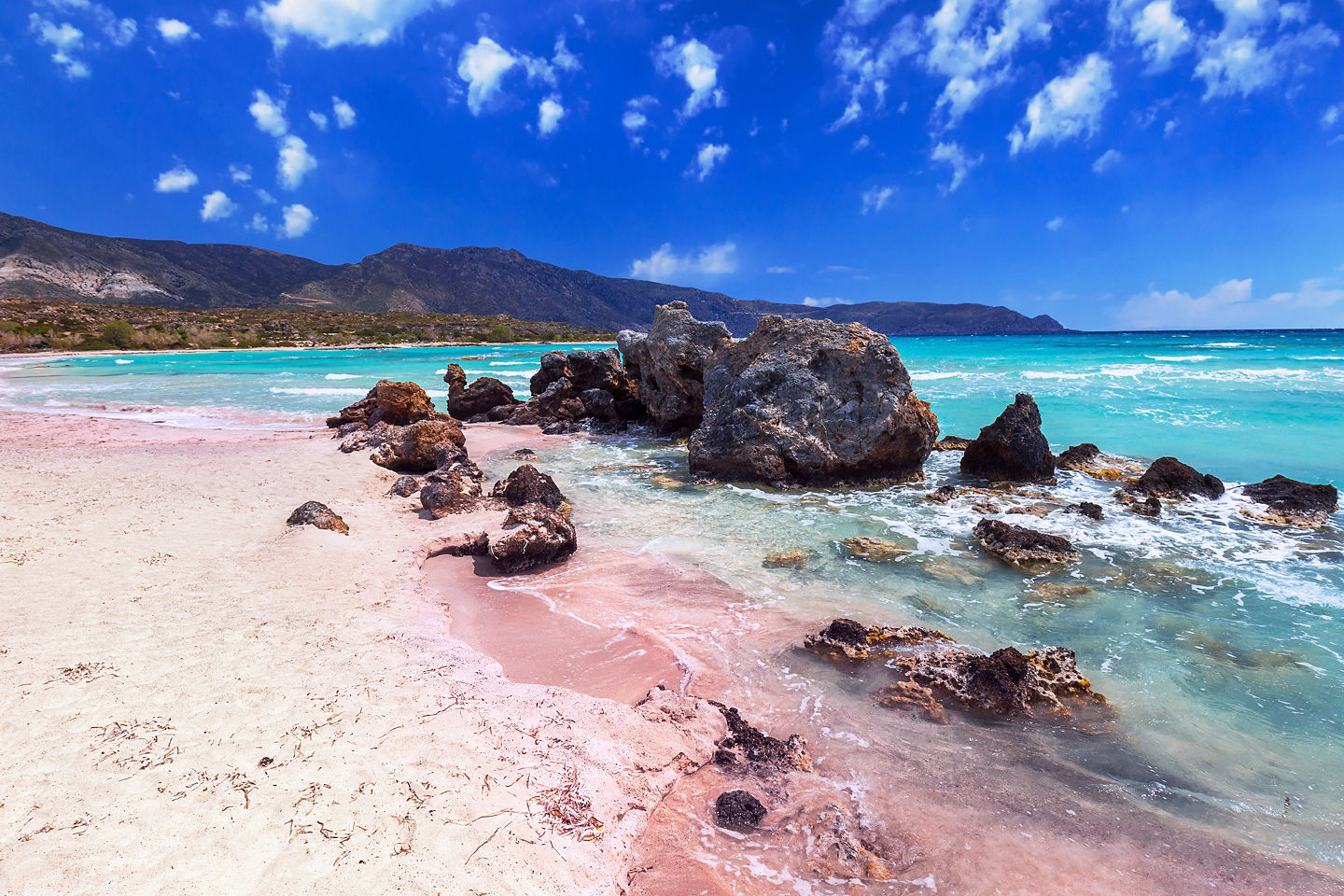
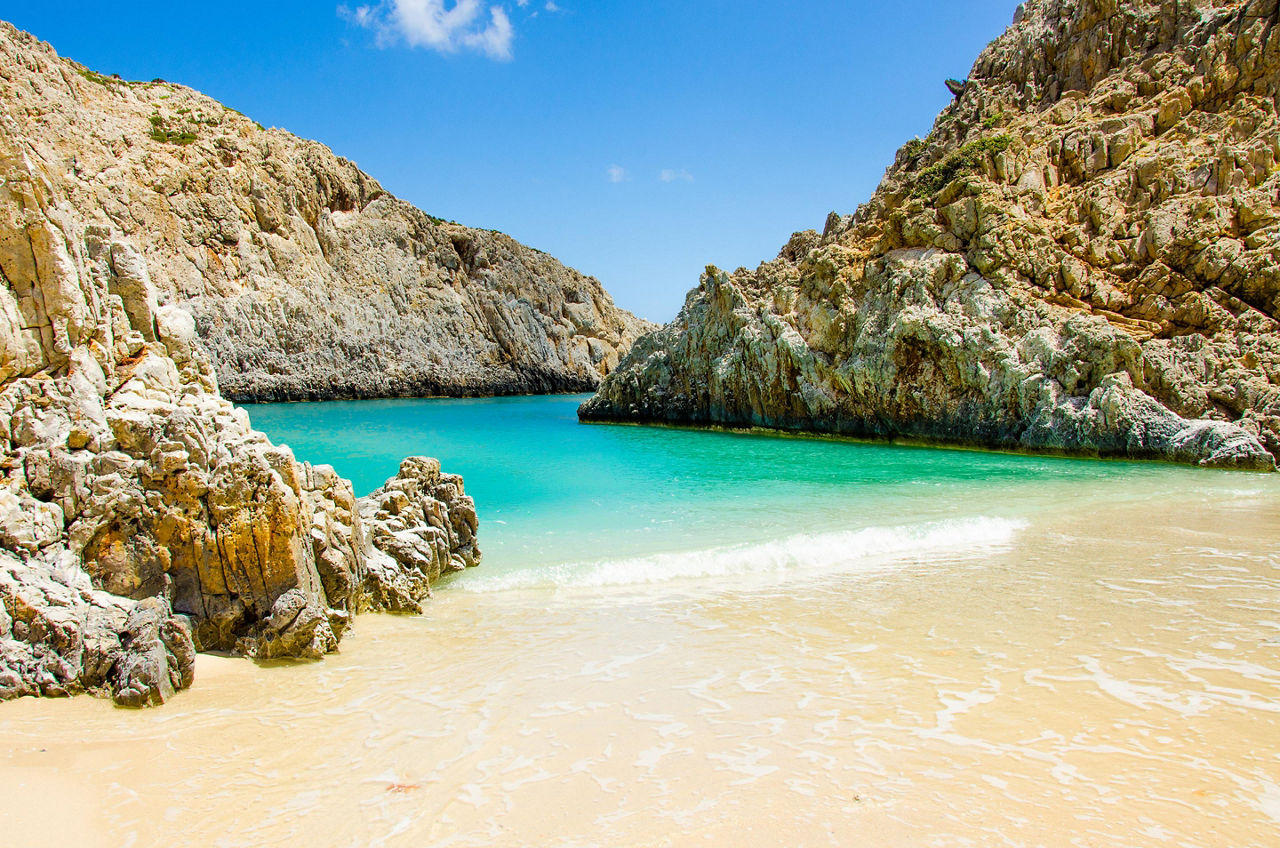
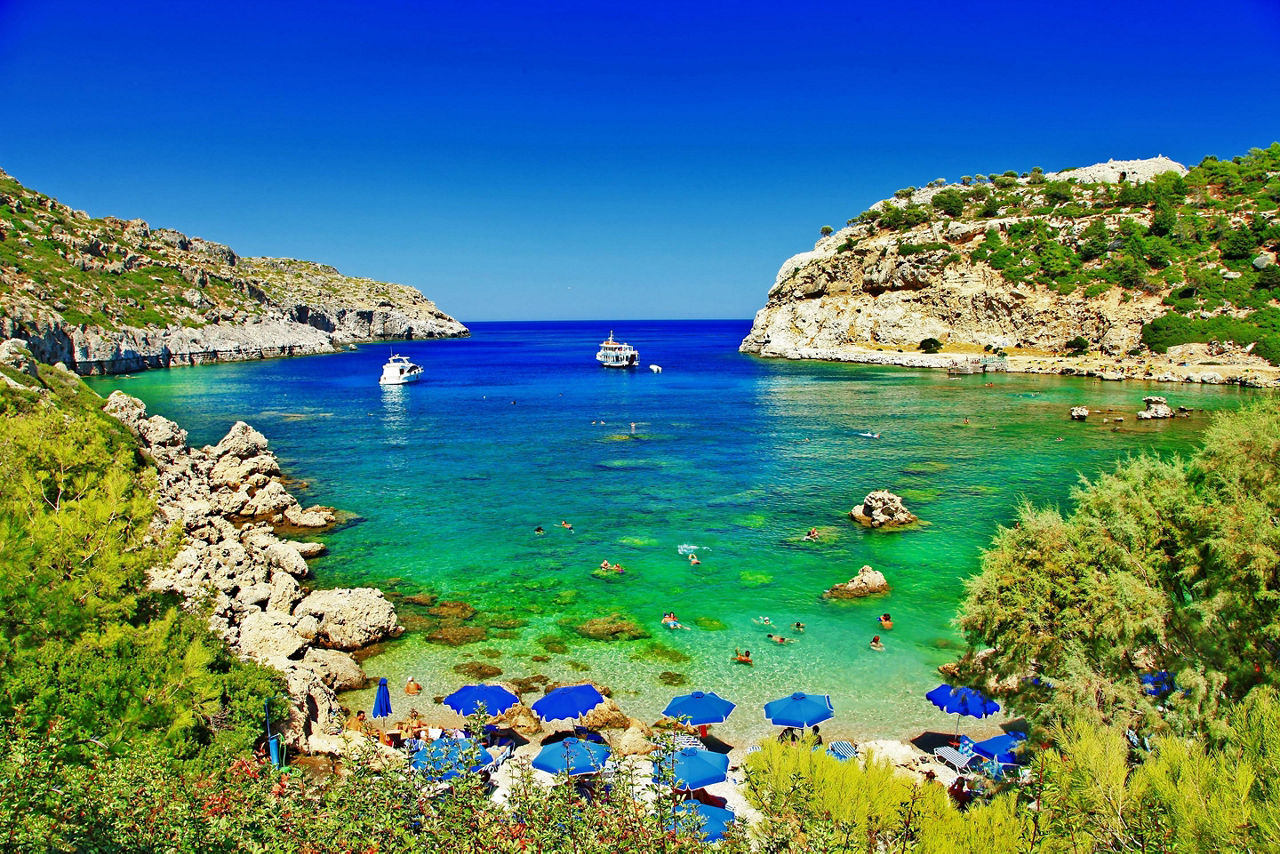
Crete is famous for beaches that range from wide sandy shores to coves framed by cliffs. Elafonissi is known for its shallow turquoise water and sand that can take on a pink tint where crushed shells and marine material collect.
Balos Lagoon creates another of the island’s most recognizable coastal scenes, with brilliant blue shallows and a rugged peninsula. Falassarna offers a broader sandy shoreline, while Vai is distinguished by its nearby palm forest.
Crete is a large island, and these beaches are spread across different regions.
4. Samaria Gorge & the White Mountains
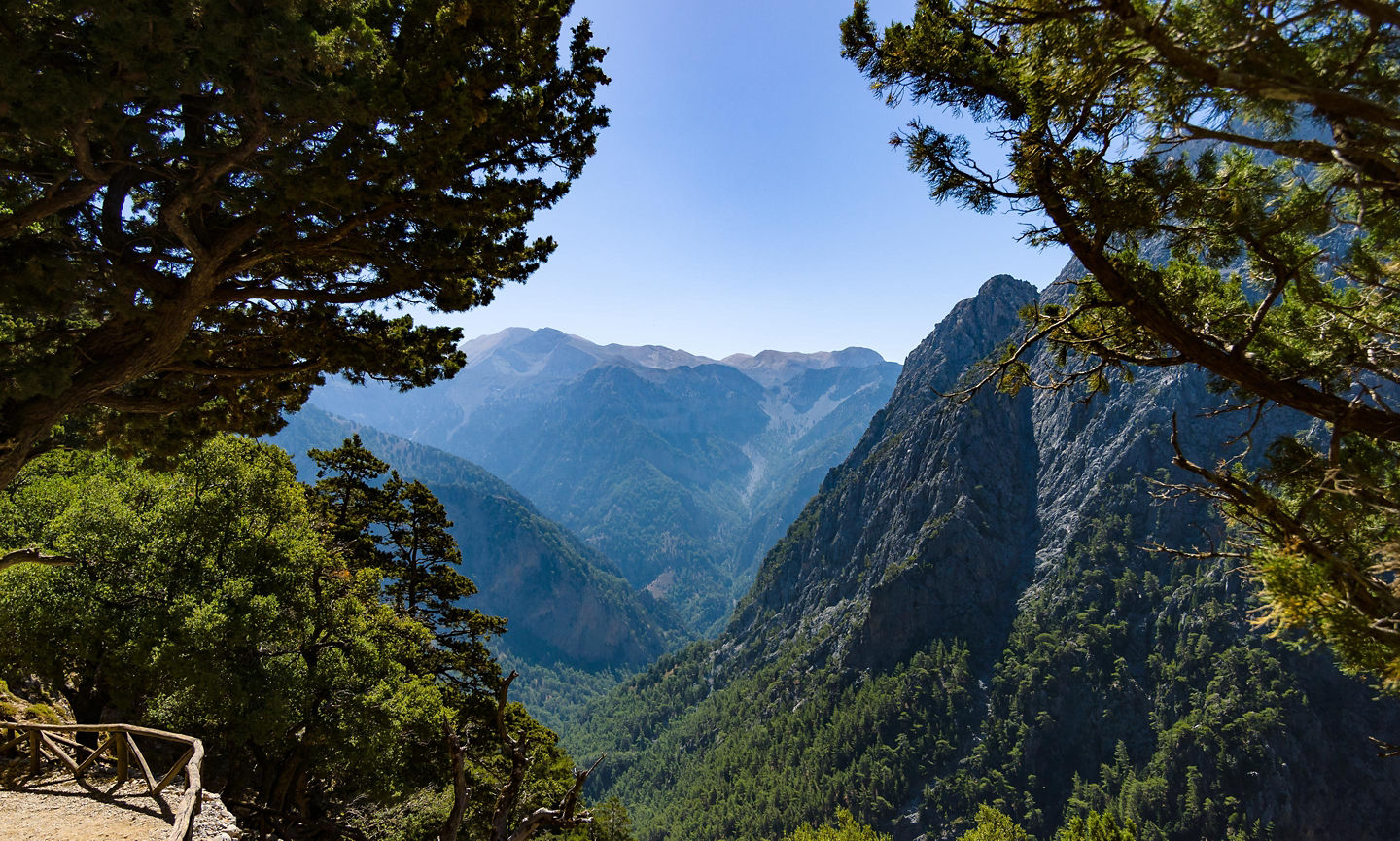
Crete’s interior is shaped by high mountains, plateaus and deep gorges. The White Mountains, or Lefka Ori, rise across western Crete and contain some of the island’s most dramatic scenery.
Samaria Gorge is the best-known hiking destination within this region. The full route runs from the Omalos Plateau through a narrow gorge toward the coastal village of Agia Roumeli. It is a demanding, full-day hike involving uneven terrain and a significant descent.
A complete Samaria Gorge hike is generally too long for many cruise visits. Travelers with limited time can instead choose a scenic drive, visit a mountain village or explore a shorter nature route offered for their itinerary.
5. Cretan Cuisine
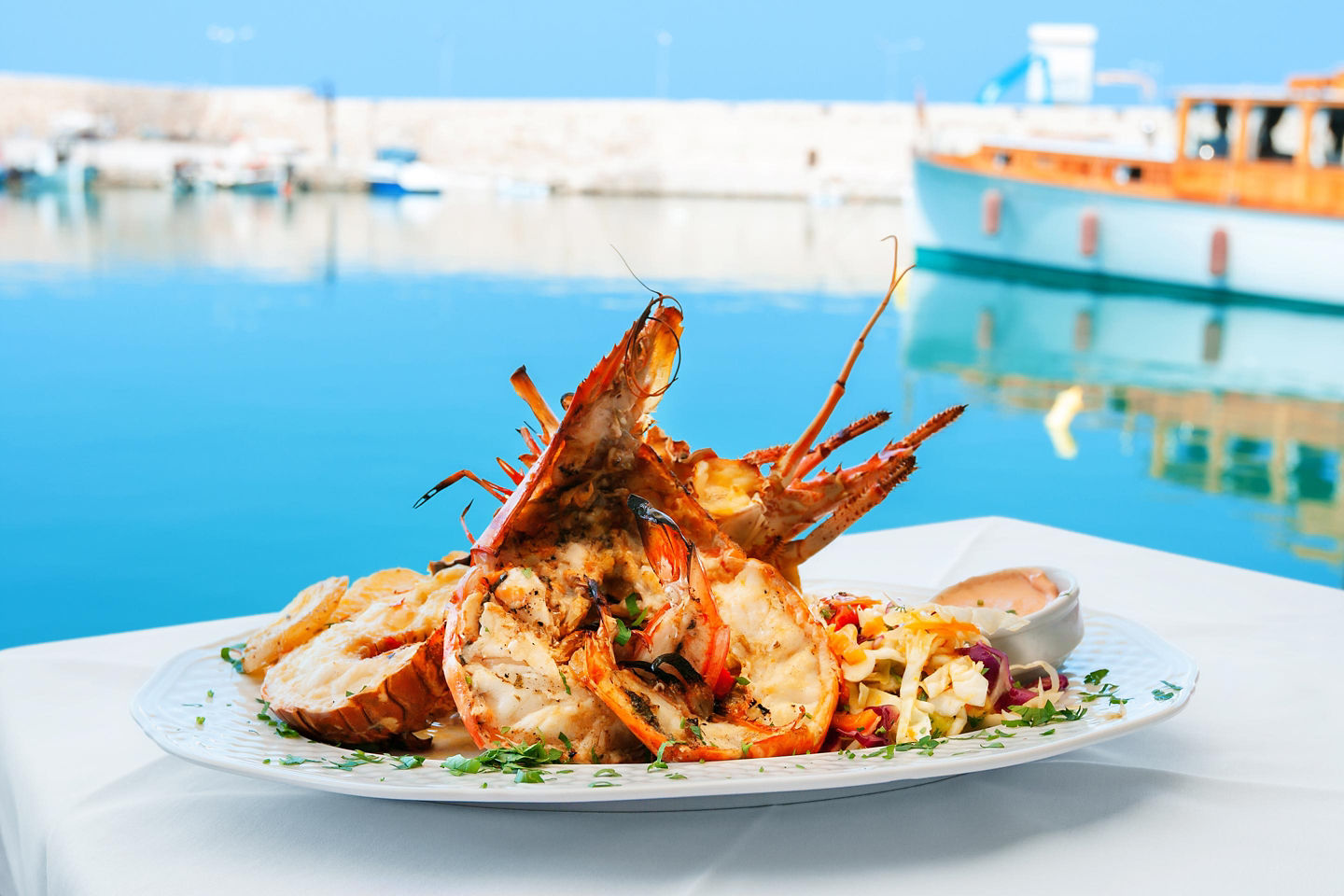
Cretan cuisine is known for simple preparations that highlight olive oil, vegetables, grains, herbs, cheese and locally raised meats. Rather than relying on heavy sauces, many dishes draw their flavor from seasonal ingredients and traditional cooking methods.
Popular specialties include dakos, a barley rusk topped with tomato and cheese; kalitsounia, small cheese or herb pies; and antikristo, lamb traditionally cooked around an open fire. Other favorites include stuffed vine leaves, snails, wild greens and fresh seafood.
Food is also an important part of Cretan hospitality. Meals are often shared over several small plates, creating time for conversation and a relaxed introduction to the island’s culture.
6. Olive Oil & Agricultural Traditions
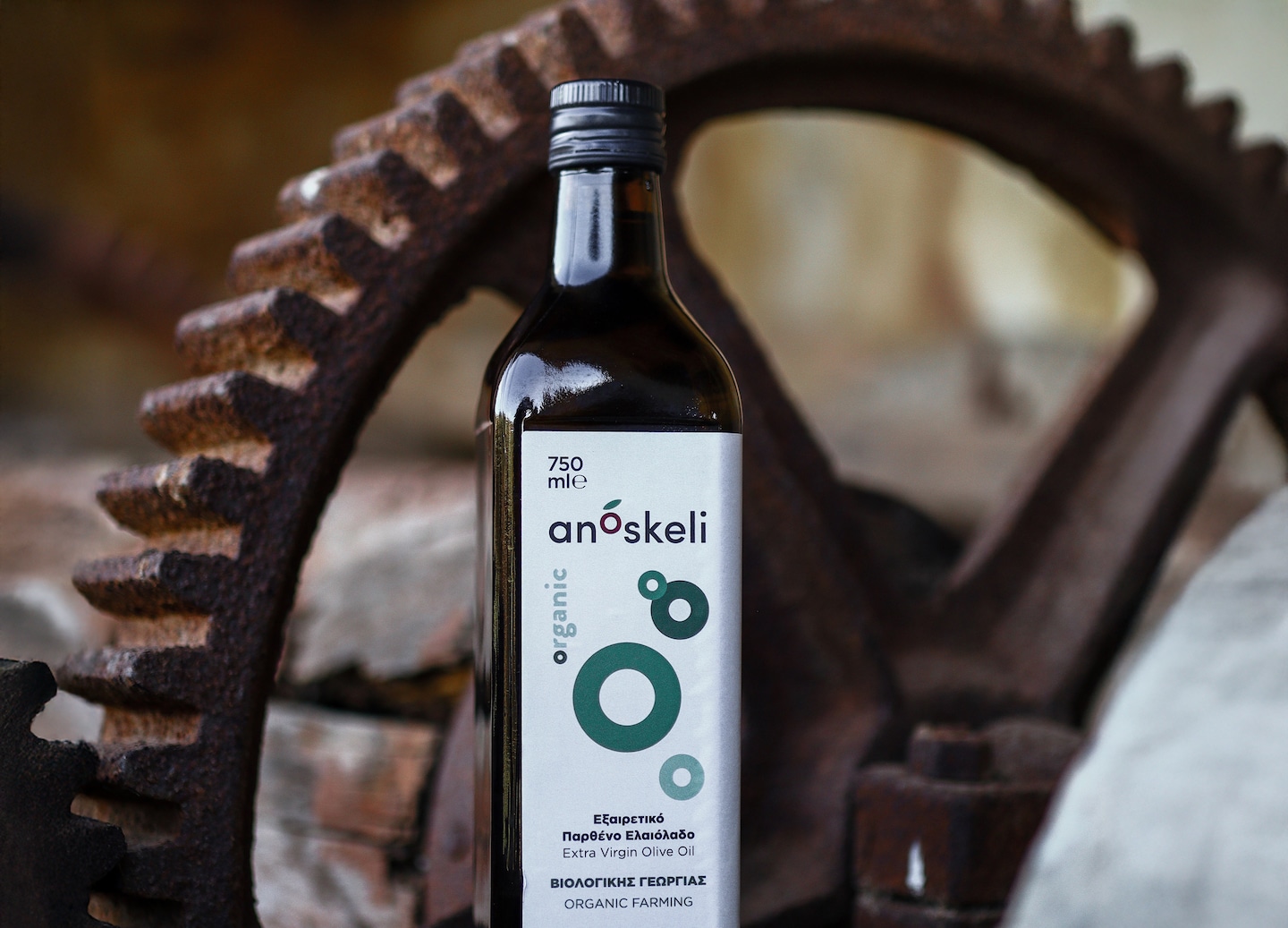
Olive cultivation has shaped Crete’s landscape, economy and food culture for thousands of years. Groves cover hillsides and valleys across the island, and olive oil appears in dishes ranging from salads and vegetables to breads and desserts.
Visits to working farms and olive mills can show how olives are harvested, pressed and transformed into oil. Tastings may also help visitors recognize differences in aroma and flavor among local varieties.
Crete is equally known for thyme honey, herbs, cheeses and wine. Culinary excursions often combine these products to tell a broader story about the island’s agricultural traditions and the families who continue them.
7. Greek Mythology
Crete plays a central role in several Greek myths. According to tradition, Zeus was born or hidden in a cave on the island after his mother, Rhea, protected him from his father, Cronus. Both the Dikteon Cave and Ideon Cave have been associated with the story.
Knossos is linked to another of Crete’s most famous legends. King Minos was said to have ordered the craftsman Daedalus to build a Labyrinth that contained the Minotaur, a creature later defeated by the hero Theseus with help from Minos’ daughter Ariadne.
Although mythology and archaeological history are different, the stories add another dimension to sites found throughout Crete. Museums and guided tours can help visitors understand where legend ends and historical evidence begins.
8. Traditional Mountain Villages
Crete’s mountain villages preserve local customs, crafts and a slower rhythm of daily life. Stone houses, shaded village squares and family-run tavernas create a different experience from the island’s busy coastal towns.
Excursions from Chania may travel into the foothills of the White Mountains to communities such as Theriso. These visits can include local food, wine or cheese tastings alongside stories about agriculture, family traditions and Cretan history.
Music and dance remain important parts of village celebrations. The lyra, a small bowed instrument, is closely associated with Cretan music and often accompanies traditional dances at festivals and community gatherings.
9. Heraklion & the Archaeological Museum
Heraklion is Crete’s capital and its largest city. Its historic center contains Venetian walls, fountains, churches and a harbor guarded by the Koules Fortress.
The Heraklion Archaeological Museum holds one of the world’s most significant collections of Minoan artifacts. Its exhibits include pottery, jewelry, sculptures and original frescoes recovered from Knossos and other sites across the island.
Heraklion and Knossos can be paired during a longer, history-focused visit.
10. Cretan Wine & Raki
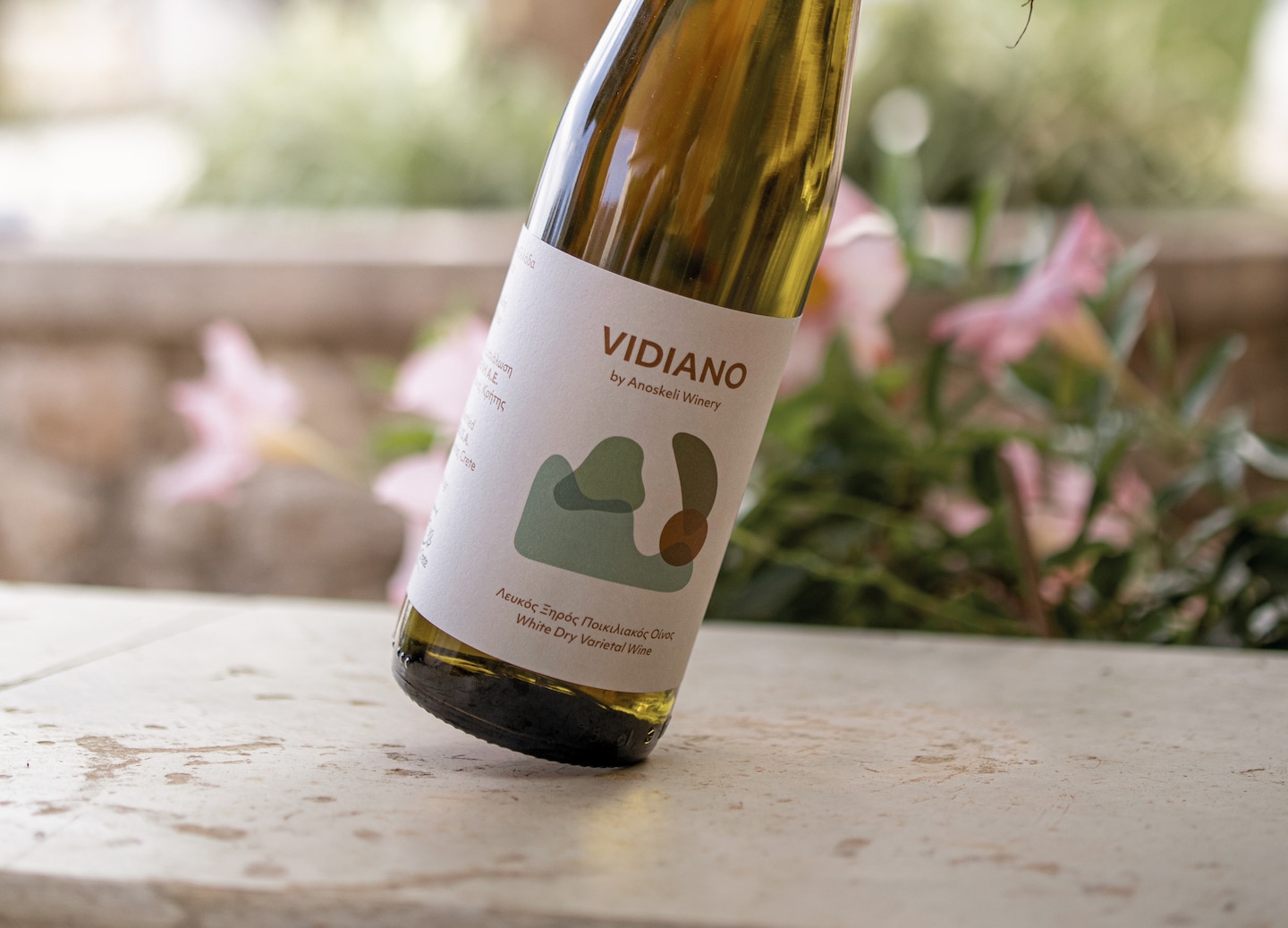
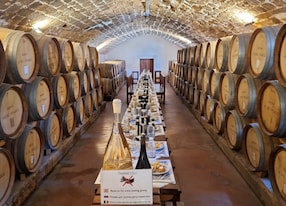
Wine has been produced in Crete for thousands of years. Modern wineries grow both international grapes and native varieties such as Vidiano, Vilana, Liatiko and Kotsifali.
Winery visits may include walks through vineyards, an introduction to the production process and tastings paired with cheese, olives or bread. The island’s soils, elevation and Mediterranean climate create different growing conditions from one region to another.
Crete is also known for tsikoudia, commonly called raki, a clear grape-based spirit traditionally offered after a meal or as a gesture of welcome. Its role in Cretan hospitality is as important as the drink itself.
Frequently Asked Questions About Crete
Why is Crete famous?
Crete is famous for its important role in Mediterranean history. The island was the center of Minoan civilization and later came under Roman, Byzantine, Venetian and Ottoman rule, with each period leaving a lasting mark on its culture and character.
What makes Crete unique?
Crete combines the history and traditions of a Greek island with the scale and variety of a much larger destination. Its ancient heritage, mountain communities, coastal cities and strong local customs give it an identity that feels distinct from other parts of Greece.
What is Crete’s culture known for?
Cretan culture is known for hospitality, close-knit communities, traditional music and dance and a strong connection to the land. Many customs remain especially visible in the island’s villages, celebrations and everyday social life.
Why is Crete a popular destination?
Crete is popular because it offers history, culture, scenery and coastal experiences on one island. Its variety appeals to travelers with different interests, while cities such as Chania and Heraklion provide convenient starting points for exploring its distinct regions.
What is the best way to explore Crete during a cruise?
The best approach is to choose an excursion near the cruise port. From Souda, Chania Old Town, the Venetian Harbor, the White Mountains and nearby villages are convenient options. Longer excursions may reach Knossos or more distant beaches, but require additional travel time.
Keep Exploring Crete
Want to learn more about Greece’s largest island? Check out these guides to plan your next trip:
- Crete, Greece Shore Excursions - Explore Chania’s Venetian Harbor, mountain villages, seaside tavernas and ancient sites on a memorable Crete excursion.
- What To Eat in Crete - Taste Cretan favorites made with olive oil, local cheese, mountain herbs and time-honored island recipes.
- What To Buy in Crete, Greece - Discover memorable Crete souvenirs, including olive oil, thyme honey, local wine, ceramics and handmade leather goods.