Ephesus is known for its remarkably preserved ancient ruins, including one of the largest Roman amphitheaters in the world and the iconic Library of Celsus. Located near the Aegean coast of Turkey, this archaeological treasure offers an unforgettable glimpse into life during the height of the Roman Empire.
Whether you’re visiting on a shore excursion or planning a longer cultural journey, here are 10 unforgettable experiences that highlight exactly what Ephesus is known for.
1. Library of Celsus
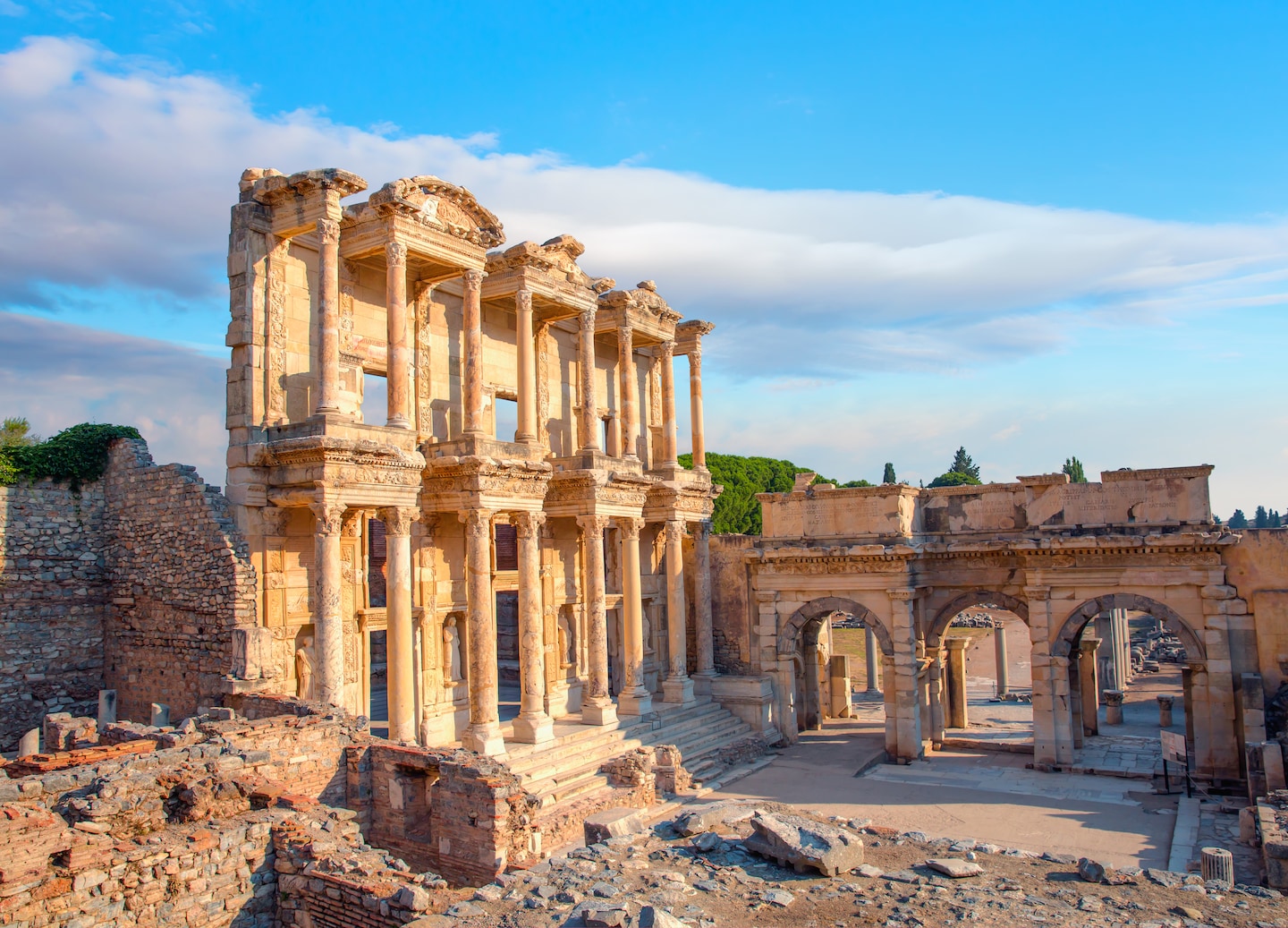
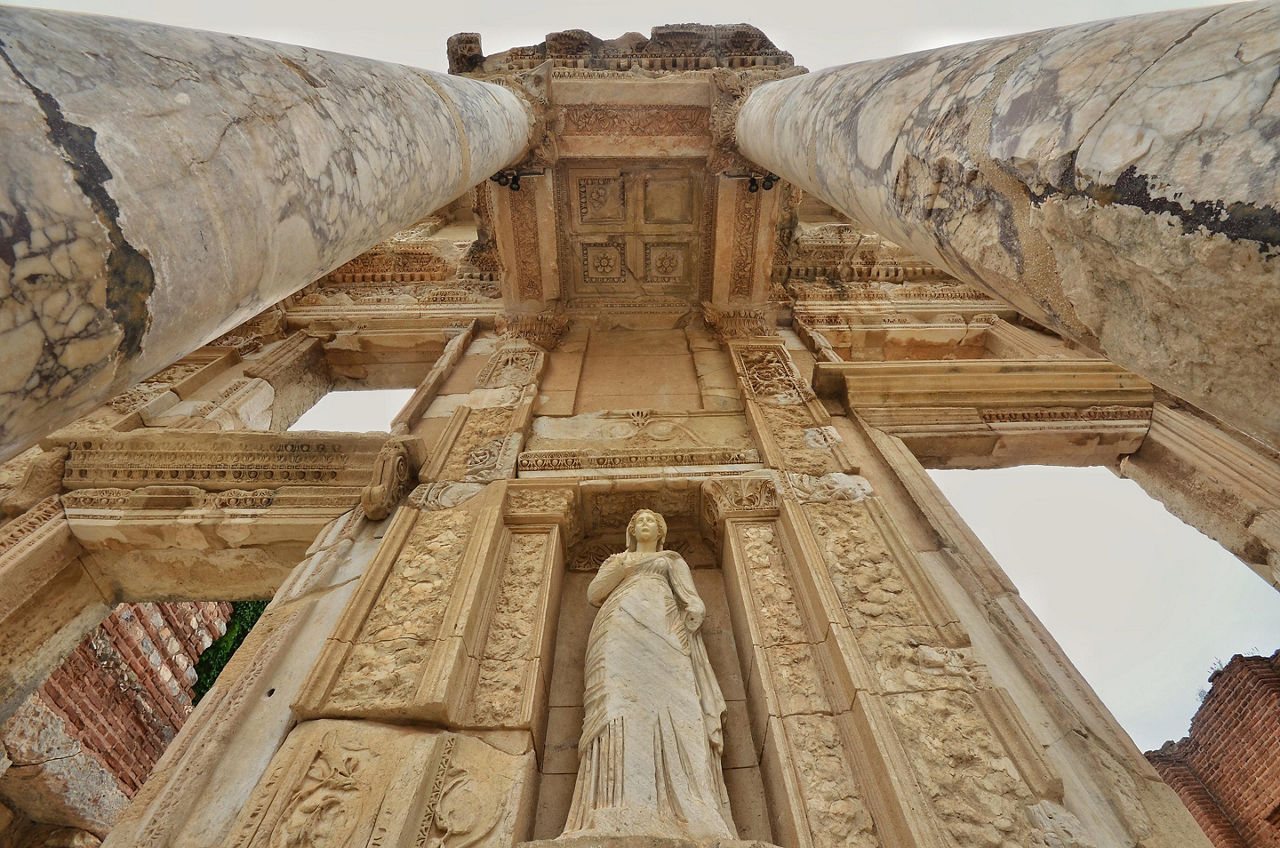
The Library of Celsus is the most iconic structure in Ephesus — and one of the most beautiful ancient libraries ever built. Completed in the 2nd century A.D., it once held over 12,000 scrolls, and was constructed as a tomb for the Roman senator, Tiberius Julius Celsus.
Its towering façade features intricately carved columns, statues and inscriptions that still impress thousands of years later. As you stand in front of the library, it's easy to imagine Ephesus as a thriving center of knowledge, culture and Roman grandeur.
2. The Great Theatre
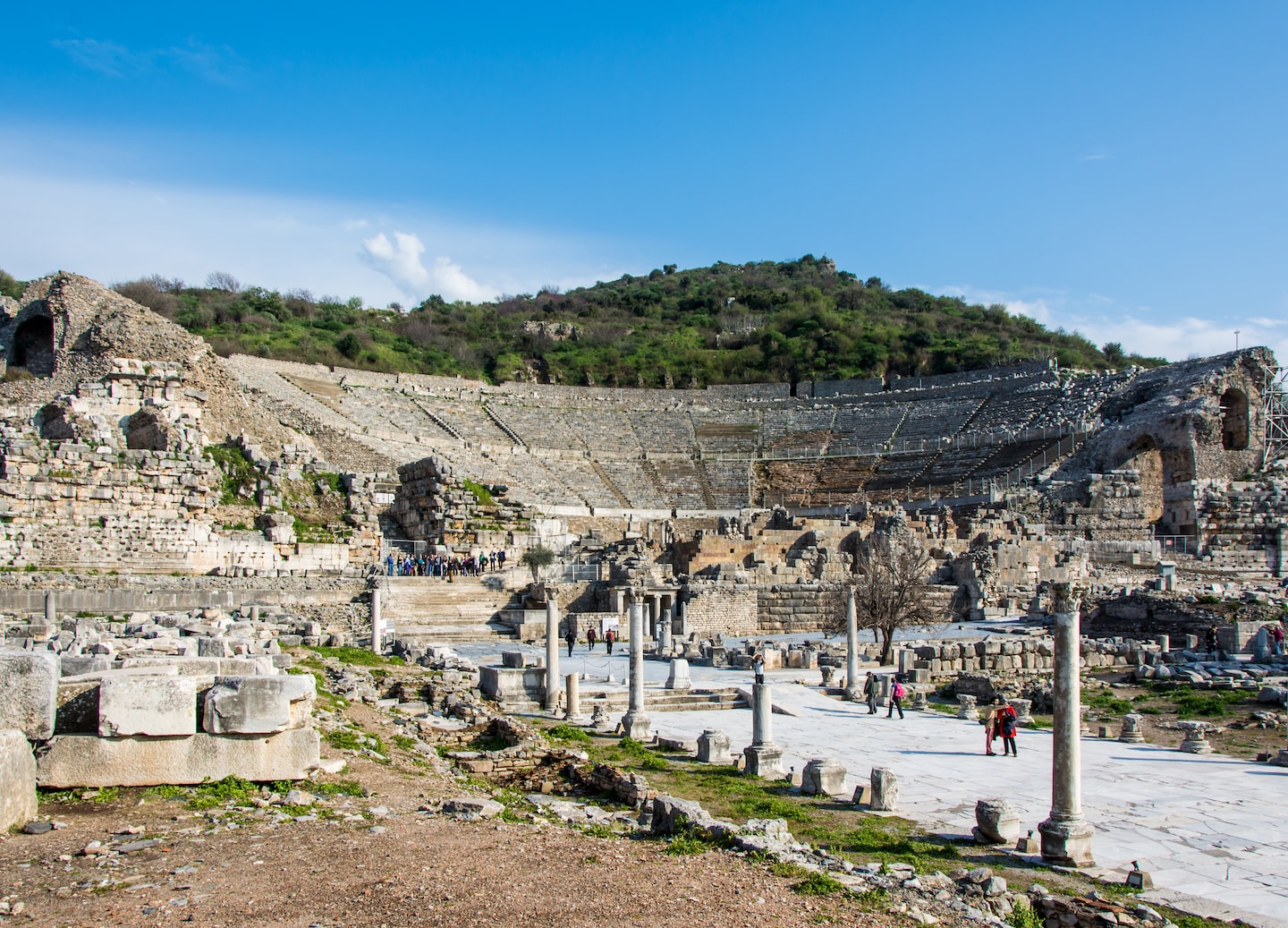
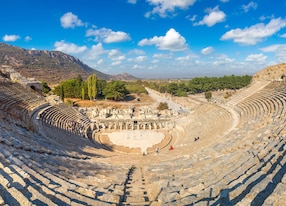
Ephesus is known for its colossal Great Theatre. It could seat up to 25,000 people and once hosted gladiator contests, plays and public gatherings. Built into the side of Mount Pion, the acoustics remain so strong that performances and events are occasionally still held here.
Walking up the ancient stone steps offers not just a glimpse into the city’s past, but also panoramic views of the entire archaeological site and the surrounding valley. It's a must-see highlight of any visit to Ephesus.
3. Curetes Street
Curetes Street once served as one of the city’s main thoroughfares, lined with statues, fountains, temples and elaborate houses. This marble-paved road connected the upper city to the lower gates and gives visitors a true sense of how grand Ephesus once was.
As you walk along the street, you'll pass ancient storefronts, carved columns and even public latrines. Look closely and you’ll see grooves in the stone pavement worn by centuries of chariot wheels and foot traffic — a haunting reminder of how alive this city once was.
4. Terrace Houses
Set into the hillside across from the Library of Celsus, the Terrace Houses were home to Ephesus’ wealthy elite. These lavish Roman residences feature intricate floor mosaics, colorful frescoes and private courtyards that reveal the lifestyle of the city’s upper class.
Covered by a protective roof, the site offers a detailed look at ancient interior design, from heating systems to wall art. As you walk through the glass pathways above the ruins, you'll get an up-close view of what domestic life looked like 2,000 years ago.
5. Temple of Artemis
One of the Seven Wonders of the Ancient World, the Temple of Artemis was once one of the largest temples ever built. Though only a single column remains today, the significance of the site endures. At its peak, the temple attracted worshippers from across the ancient world.
The site is a short distance from the main ruins of Ephesus and worth visiting for its historical weight. Standing here, it's easy to reflect on how Ephesus was once a center of both religious devotion and monumental architecture.
6. House of the Virgin Mary
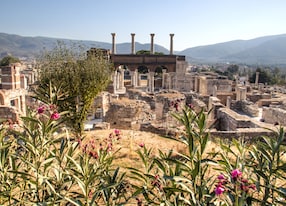
High in the hills above Ephesus sits a small stone chapel believed by many to be the final home of the Virgin Mary. This peaceful pilgrimage site is visited by both Christians and Muslims, and has been officially recognized by the Vatican.
Surrounded by pine trees and natural springs, the setting is serene and spiritual. Whether you're religious or simply curious, it's one of the most moving and contemplative places to visit near Ephesus.
7. Temple of Hadrian
Along Curetes Street, the Temple of Hadrian stands as one of the best-preserved and most beautifully decorated buildings in Ephesus. Dedicated to the Roman Emperor Hadrian, the temple features detailed carvings of Medusa heads, mythological figures and floral motifs.
Though smaller than some of the other monuments, its decorative details offer rich insight into the artistic talent of ancient Ephesian sculptors. It’s often a favorite photo spot thanks to its stunning arch and intricate friezes.
8. Ancient Roman Baths
Like many wealthy Roman cities, Ephesus featured a number of public bath complexes. The Baths of Scholastica and the Varius Baths include remains of hot rooms (caldarium), cold rooms (frigidarium) and massage areas that served both hygienic and social functions.
As you explore the site, you’ll notice the engineering marvels behind the bath systems, including underground heating channels and water pipes. These ruins highlight the sophistication of Roman infrastructure — and the importance of leisure in daily life.
9. Ephesus Museum in Selçuk
Located in the nearby town of Selçuk, the Ephesus Archaeological Museum houses many of the treasures unearthed from the site. From marble statues and mosaics to jewelry and tools, the collection helps you piece together the full story of the city.
Highlights include the statue of Artemis of Ephesus, decorated with rows of symbols tied to fertility and abundance and various artifacts from the Terrace Houses. Visiting the museum offers valuable context to what you’ll see among the ruins.
10. Ancient Street Performers & Marketplace
While much of Ephesus’ grandeur lies in its temples and theaters, smaller, everyday spaces also help bring the ancient city to life. The remains of the Agora (marketplace) show where merchants and citizens once bartered for goods. Traces of graffiti and shop signs still decorate the stone walls.
Some markings even point to early forms of street advertising and humor. These little human touches — hidden among the grand ruins — are part of what makes Ephesus feel so alive, even in its stillness.
What is the Ephesus Known For?
phesus is known for its remarkably preserved Roman ruins, sacred religious sites and historical significance as a cultural crossroads of the ancient world. From the grand façade of the Library of Celsus and the echoing steps of the Great Theatre to the humble homes and sacred shrines tucked into its hills, the best things to do in Ephesus paint a vivid picture of life, learning and legacy.
Whether you’re tracing myths along Curetes Street or standing in the shadow of what was once a Wonder of the World, Ephesus offers a timeless journey into the ancient heart of Turkey.
Explore these Ephesus shore excursions to make the most of your visit.