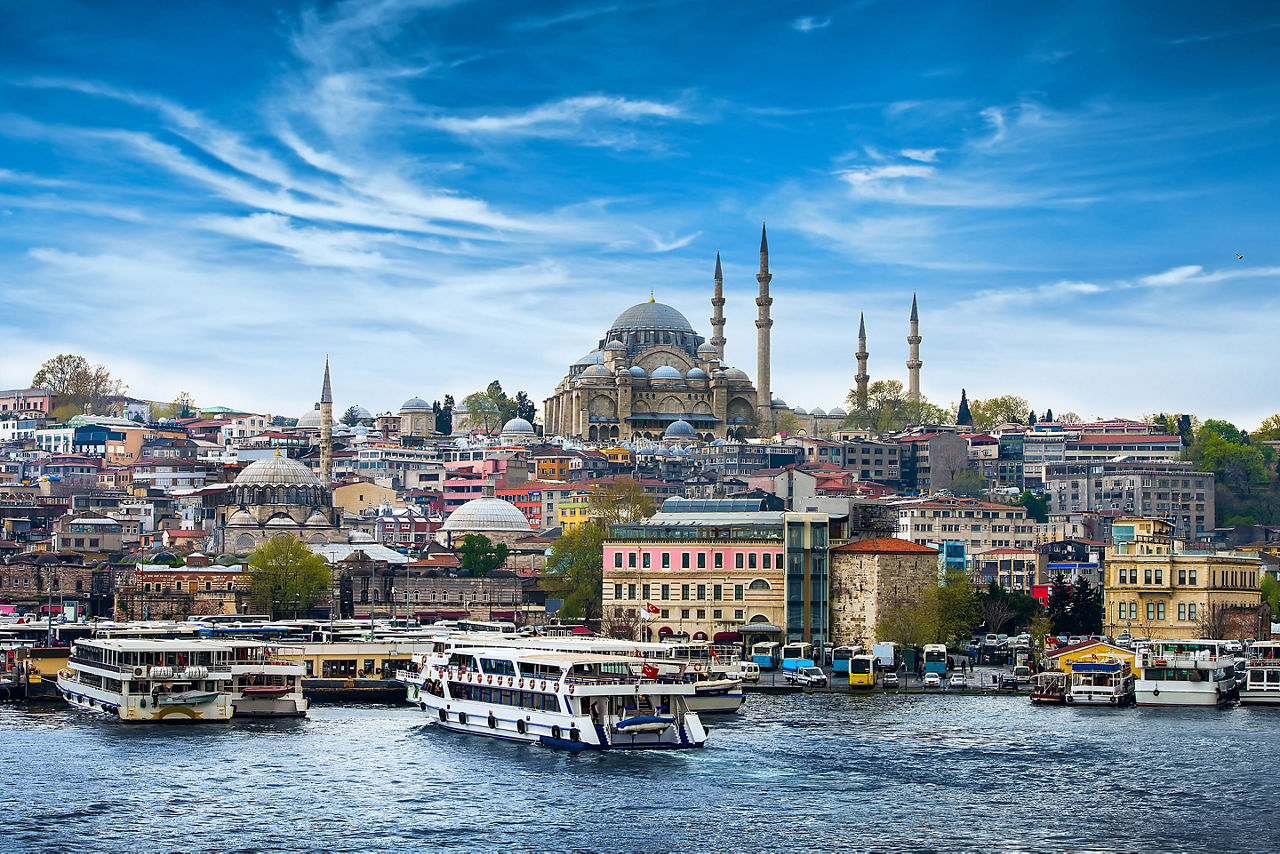
Istanbul is known for its extraordinary setting across Europe and Asia, centuries of Byzantine and Ottoman history, landmark mosques and palaces, bustling bazaars and vibrant food culture. The Bosphorus runs through the heart of the city, creating an unmistakable skyline of domes, minarets, bridges and waterfront neighborhoods.
Once known as Byzantium and later Constantinople, Istanbul served as an imperial capital through Roman, Byzantine and Ottoman eras. Today, historic landmarks, lively markets and modern neighborhoods come together in one of the world’s most fascinating cities. Here are 10 defining features Istanbul is famous for.
1. A City Spanning Europe & Asia

Istanbul is especially famous for extending across two continents. Its European and Asian sides are separated by the Bosphorus Strait and connected by bridges, tunnels and ferries.
This location has made Istanbul an important meeting point for trade, migration and cultural exchange for centuries. European and Asian influences can be experienced in the city’s architecture, food, neighborhoods and everyday rhythms, giving Istanbul a character unlike anywhere else.
A ferry or Bosphorus cruise offers one of the clearest perspectives on this geography, with waterfront palaces, mosques, mansions and modern towers appearing along both shores.
2. Hagia Sophia & Istanbul’s Byzantine Heritage
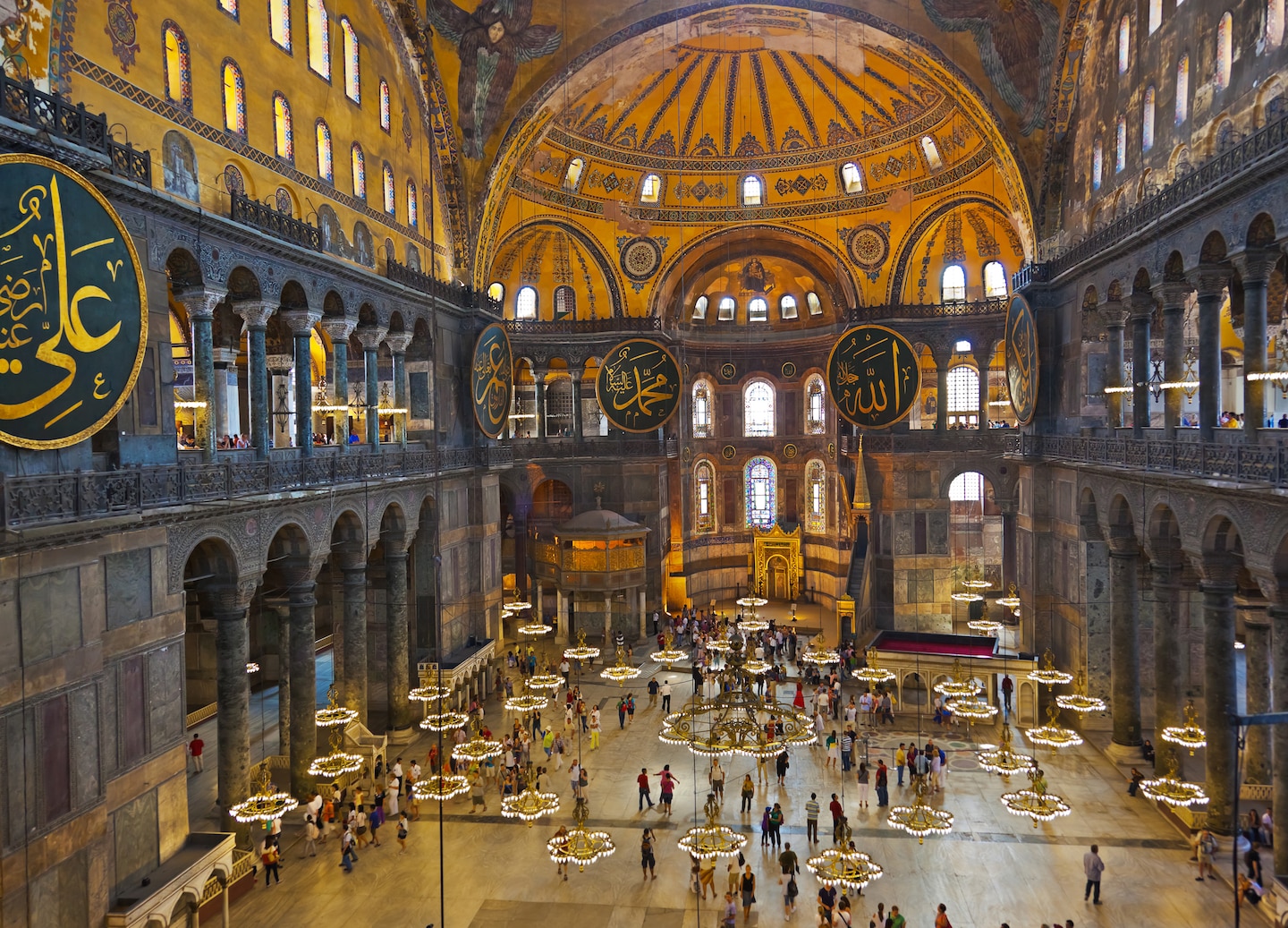
Hagia Sophia is one of Istanbul’s most recognizable landmarks and a powerful symbol of its layered history. Completed in the sixth century during the reign of Byzantine Emperor Justinian I, the structure was originally built as a Christian cathedral.
It later became a mosque following the Ottoman conquest of Constantinople, served as a museum during the 20th century and now functions as a mosque again. Its immense dome, marble interiors, calligraphy and surviving mosaics reflect the different periods that have shaped the city.
Other sites, including the Basilica Cistern and remnants of the ancient city walls, reveal additional chapters of Byzantine Constantinople.
3. The Blue Mosque & Istanbul’s Famous Skyline

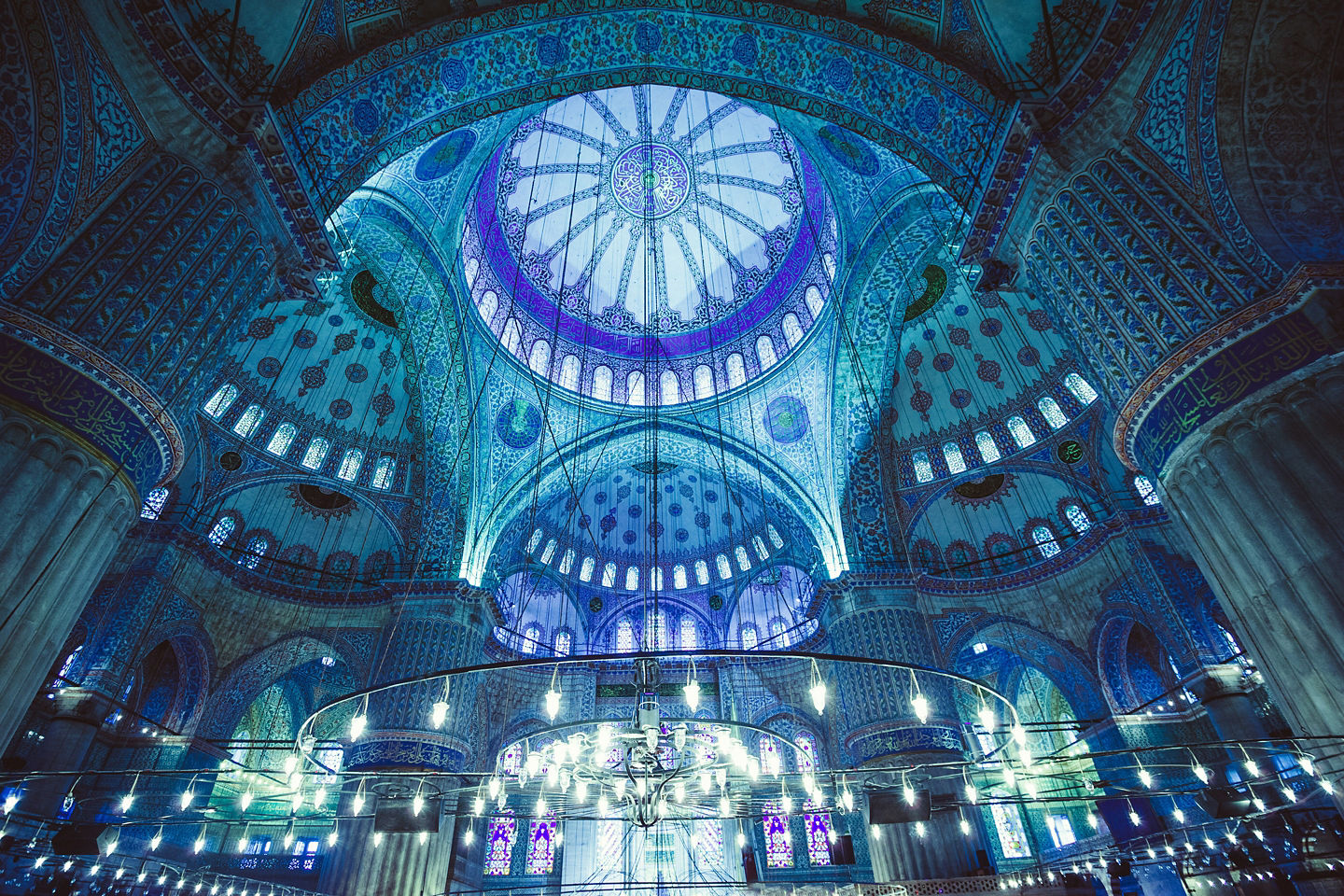
The Sultan Ahmed Mosque, commonly called the Blue Mosque, is known for its cascading domes, six minarets and interior decorated with blue İznik tiles. Located near Hagia Sophia, it remains an active place of worship, as well as one of Istanbul’s defining architectural landmarks.
Mosques throughout the city help create Istanbul’s celebrated skyline. The Süleymaniye Mosque, designed by renowned Ottoman architect Mimar Sinan, rises above the Golden Horn and offers another striking example of the city’s religious and architectural heritage.
Together, these domes and minarets form the skyline visitors see from the Bosphorus, Galata and Istanbul’s many hilltop viewpoints.
4. Topkapı Palace & the Ottoman Empire

Istanbul is closely associated with the Ottoman Empire, which made the city its capital for nearly five centuries. Topkapı Palace served as the administrative and residential center of the Ottoman court for much of that period.
Set on a promontory overlooking the Bosphorus and Golden Horn, the palace contains courtyards, tiled chambers, imperial collections and sweeping waterfront views. Its treasury, kitchens and Harem provide insight into the ceremonies, artistry and daily life of the Ottoman court.
Dolmabahçe Palace, built along the Bosphorus in the 19th century, represents a later chapter of Ottoman history and a more European-influenced architectural style.
5. The Bosphorus Strait
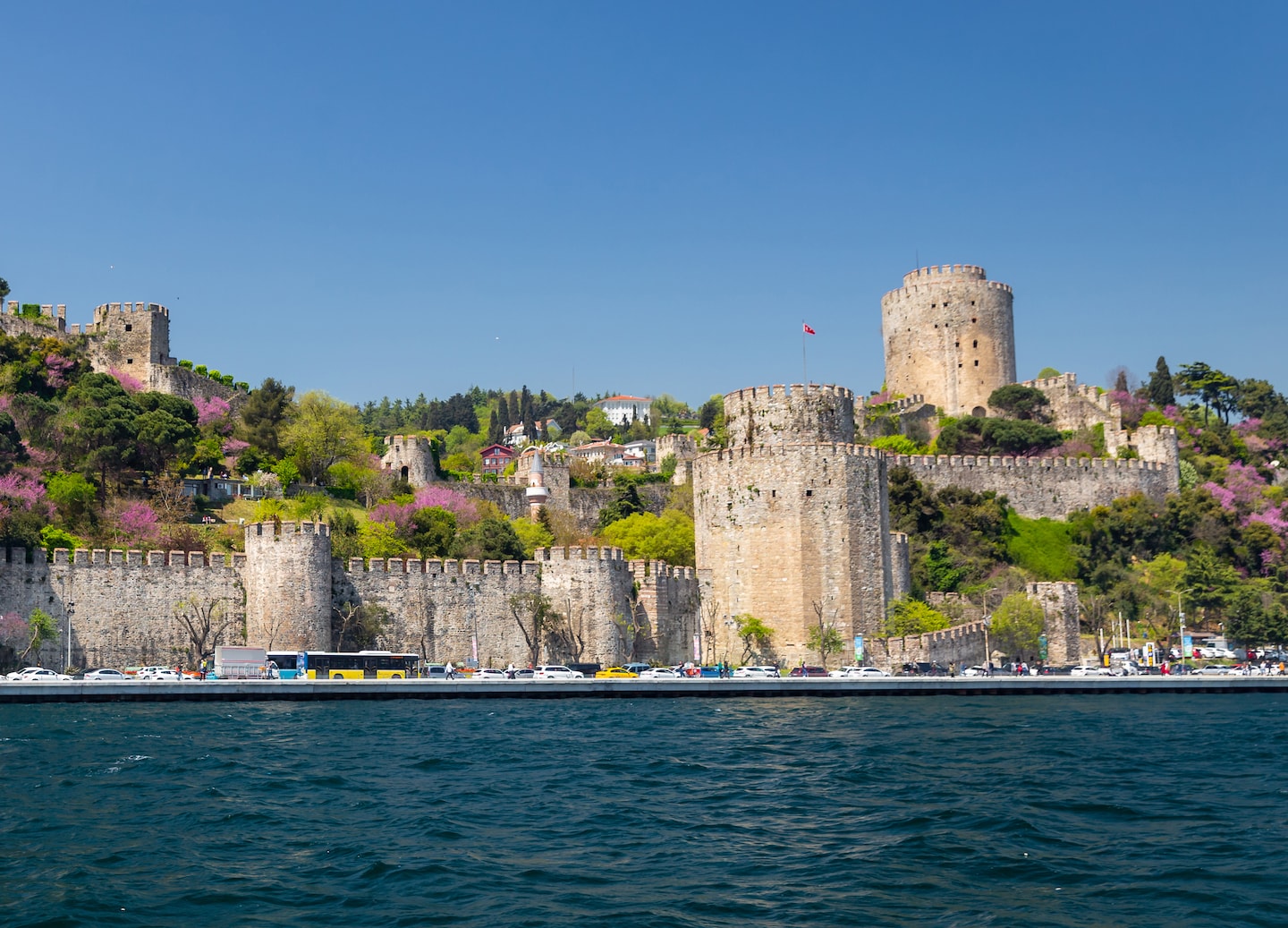
The Bosphorus is central to both Istanbul’s geography and its identity. This busy waterway connects the Black Sea with the Sea of Marmara while dividing the city between Europe and Asia.
Ferries, fishing boats, cargo ships and sightseeing vessels travel past waterfront neighborhoods, Ottoman-era mansions and landmarks such as Dolmabahçe Palace and the Rumeli Fortress. The changing views make time on the Bosphorus one of the most memorable ways to understand the scale and beauty of Istanbul.
The strait is more than a scenic backdrop. It remains part of daily life, with commuters regularly crossing between the city’s European and Asian neighborhoods by ferry.
6. The Grand Bazaar & Historic Markets

Istanbul is known for centuries-old markets filled with textiles, jewelry, ceramics, leather goods, carpets and decorative arts. The Grand Bazaar dates to the Ottoman period and encompasses a vast network of covered lanes, shops and courtyards.
Rather than functioning as a single souvenir shop, the bazaar contains different areas traditionally associated with particular trades and crafts. Its arched passageways, colorful displays and energetic atmosphere reflect Istanbul’s long history as an international center of commerce.
Near the waterfront in Eminönü, the Spice Bazaar is known for teas, dried fruits, nuts, spices and Turkish delight. Together, the two markets showcase the colors, flavors and trading traditions for which the city is famous.
7. Turkish Food, Tea & Coffee

Istanbul’s food culture reflects influences from across Turkey and the regions once connected through the Ottoman Empire. Meals may include meze, grilled meats, fresh seafood, filled pastries and dishes made with eggplant, yogurt, herbs and fragrant spices.
Street food is also an important part of the city’s identity. Simit, a sesame-covered bread ring, is commonly enjoyed throughout the day, while waterfront areas are known for fish sandwiches and other casual specialties. Baklava and Turkish delight offer a sweeter introduction to the city’s culinary traditions.
Tea is served throughout Istanbul in small, tulip-shaped glasses, while strong Turkish coffee carries its own traditions of preparation and conversation. Cafes, markets and neighborhood restaurants make food one of the most inviting ways to experience the city.
8. Galata, Karaköy & Istanbul’s Diverse Neighborhoods

Istanbul is not defined by historic monuments alone. Its neighborhoods each reveal a different side of the city.
Galata is recognized for its medieval stone tower and elevated views across the Golden Horn. Nearby Karaköy combines historic buildings with cafes, galleries, restaurants and a lively waterfront. Across the Bosphorus, Kadıköy is known for its markets, dining and energetic local atmosphere on the Asian side.
İstiklal Avenue and the surrounding Beyoğlu district highlight another face of Istanbul, with shops, historic passages, performance venues and the nostalgic red tram traveling along the pedestrian thoroughfare.
These neighborhoods demonstrate how Istanbul’s history continues to evolve alongside contemporary art, dining and city life.
9. Traditional Turkish Hammams

Istanbul is famous for its historic hammams, or Turkish baths. Developed as places for bathing, socializing and ritual cleansing, hammams became an important part of life throughout the Ottoman world.
Traditional hammams commonly feature marble interiors, domed ceilings and warm central bathing areas. A typical experience may include time in a heated room followed by washing, exfoliation or massage, depending on the service selected.
Historic examples such as the Çemberlitaş Hammam and Hürrem Sultan Hammam allow visitors to experience this tradition within architecturally significant surroundings.
10. A Layered & Cosmopolitan History
Istanbul’s long history is reflected in the different names and civilizations associated with the city. Known as Byzantium in antiquity and Constantinople for much of its imperial history, it officially adopted the name Istanbul in the 20th century.
Over the centuries, communities from different religious, ethnic and cultural backgrounds contributed to the city’s identity. Mosques, churches and synagogues can be found across Istanbul, while architecture and cuisine reveal influences carried through generations of trade and migration.
That history remains visible, but Istanbul is also a modern, creative city filled with universities, galleries, music, design and contemporary neighborhoods. The connection between its imperial past and present-day energy is one of the qualities that makes it so compelling.
Why Is Istanbul So Famous?
Istanbul is famous because of its rare combination of geography, history and culture. The city stretches across Europe and Asia, served as the capital of powerful empires and contains landmarks such as Hagia Sophia, the Blue Mosque, Topkapı Palace and the Grand Bazaar.
Its location along the Bosphorus, diverse neighborhoods, celebrated cuisine and layers of Byzantine and Ottoman heritage give visitors many ways to experience its story.
Where Is Istanbul Located?
Istanbul is located in northwestern Turkey along the Bosphorus Strait. Part of the city lies in Europe and part lies in Asia, while the Bosphorus connects the Black Sea with the Sea of Marmara.
The historic Sultanahmet district, Galata, Karaköy and much of the city’s best-known sightseeing areas are on the European side. Neighborhoods including Kadıköy and Üsküdar are located on the Asian side.
What Was Istanbul Previously Called?
Istanbul was known as Byzantium in antiquity and later as Constantinople. Constantinople became the capital of the Byzantine Empire and remained an imperial center after the Ottoman conquest in 1453. Istanbul became the city’s official international name during the 20th century.
These names reflect the different eras and civilizations that influenced its architecture, traditions and cultural identity.
Is Istanbul Worth Visiting?
Istanbul is worth visiting for travelers interested in history, architecture, food, shopping and distinctive city scenery. Within one visit, guests can explore Byzantine landmarks, Ottoman palaces, active mosques, historic bazaars and neighborhoods along both sides of the Bosphorus.
The city is especially appealing to visitors who enjoy experiencing historic sites alongside the energy of a modern destination.
What Is Istanbul Most Famous for Buying?
Istanbul is known for carpets and kilims, ceramics, textiles, jewelry, spices, tea and Turkish delight. The Grand Bazaar and Spice Bazaar are two of its most famous shopping destinations, while smaller shops and workshops can be found throughout the city.
The best purchase depends on the traveler’s interests, available luggage space and applicable customs requirements. Taking time to ask about an item’s materials, origin and craftsmanship can also add meaning to the experience.
Plan Your Visit to Istanbul
Istanbul brings centuries of history together along one of the world’s most beautiful waterways. Whether you are drawn to its imperial landmarks, colorful markets, distinctive cuisine or views across the Bosphorus, the city offers an unforgettable introduction to Turkey.
Explore available Istanbul shore excursions to find guided experiences featuring the city’s architecture, markets, history and waterfront scenery.