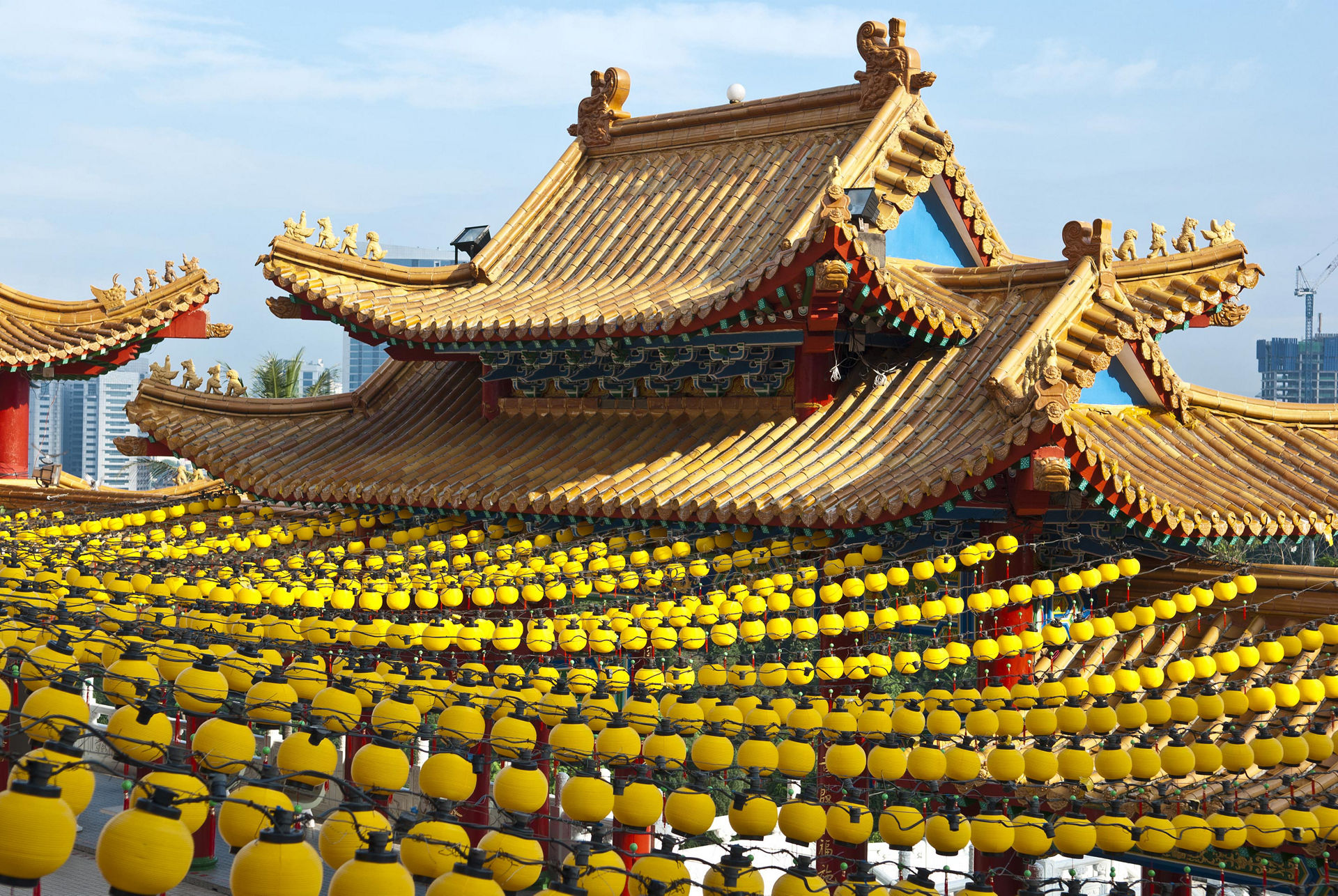
Malaysia is known for its multicultural heritage, flavorful street food, the Petronas Twin Towers and tropical islands such as Langkawi. The country is also famous for historic cities including George Town and Melaka, the Batu Caves, tea plantations and the rainforests of Malaysian Borneo.
Located in Southeast Asia, Malaysia spans part of the Malay Peninsula and the northern portion of Borneo, separated by the South China Sea. Each region offers something different, from lively urban neighborhoods to forested mountains and coastal scenery. Here are 10 things Malaysia is known for and what makes each one worth discovering.
1. Multicultural Heritage
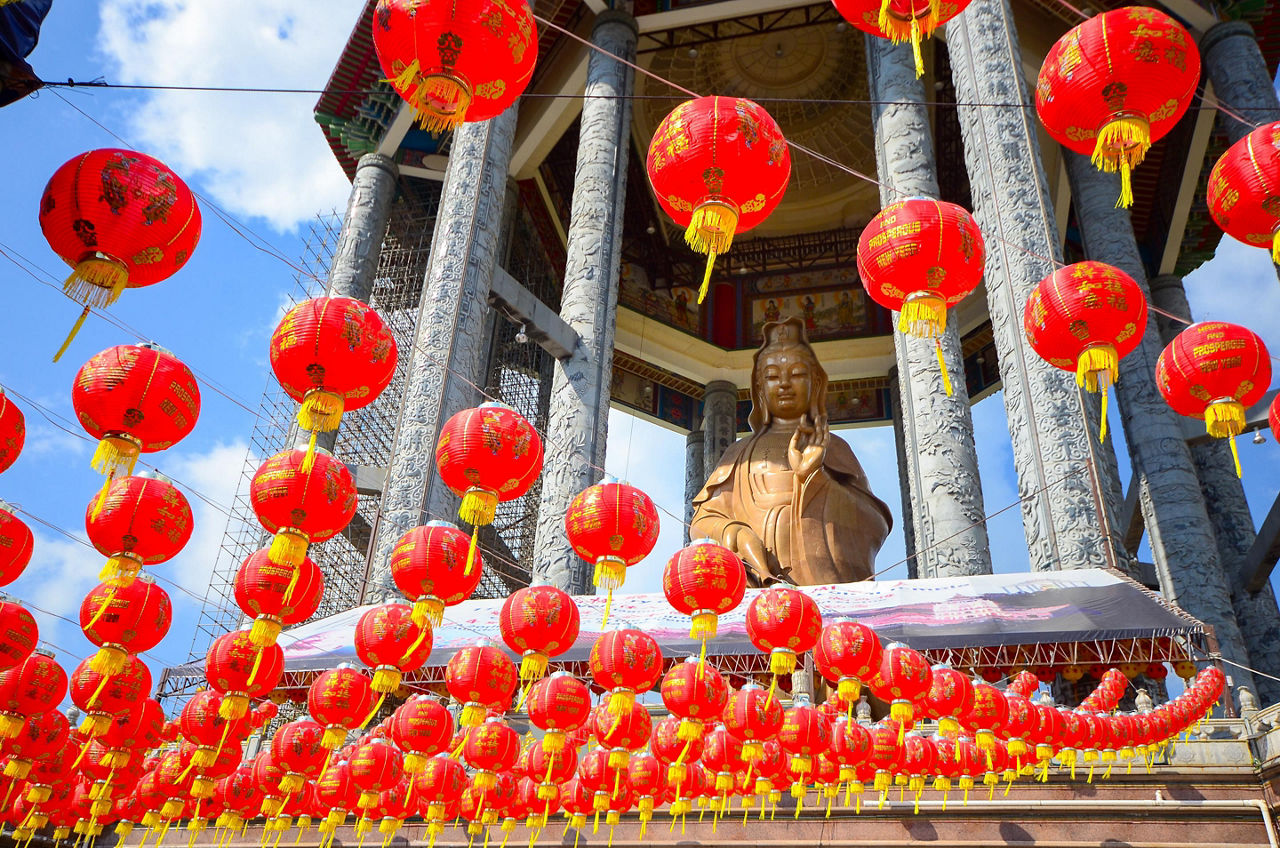
Malaysia is known for a cultural identity shaped by Malay, Chinese, Indian and many Indigenous communities. These traditions influence the country’s languages, celebrations, architecture and everyday life, with distinct regional identities across the peninsula, Sabah and Sarawak.
You can encounter that variety through neighborhood shops, family recipes and places of worship. A guided walk offers a chance to hear how different communities have contributed to the place you are visiting.
Leave time for the everyday details, too. A conversation about a traditional craft or the story behind a favorite dish can make the wider history feel more personal.
2. Malaysian Street Food
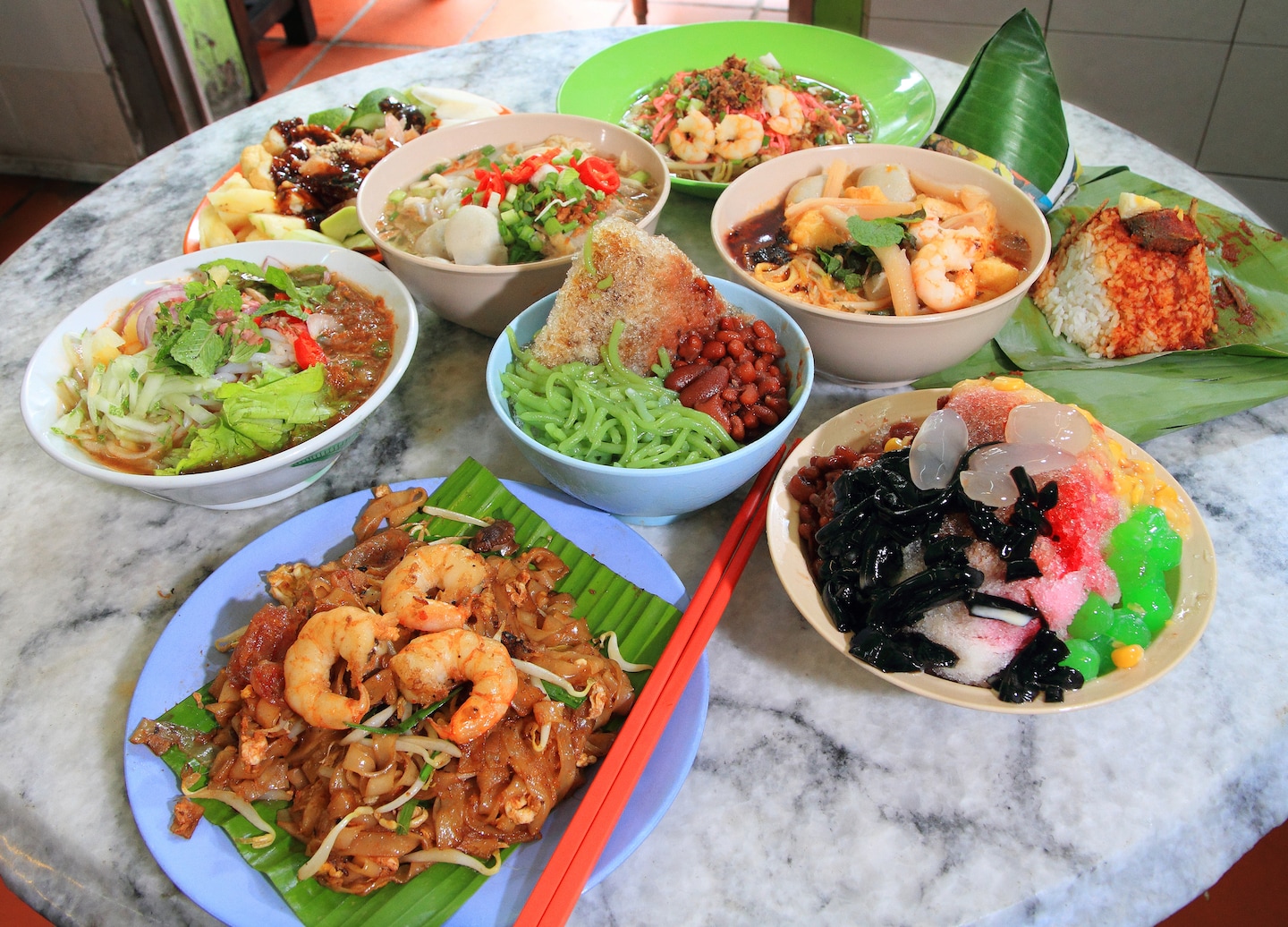
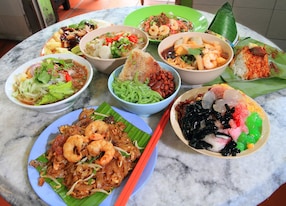
Malaysia is famous for its street food, with hawker stalls and food courts serving dishes that reflect generations of cultural exchange. Penang and Kuala Lumpur are especially associated with this lively dining tradition.
Nasi lemak pairs fragrant coconut rice with flavorful accompaniments, while roti canai brings flaky flatbread to the table. Char kway teow, a stir-fried noodle dish closely associated with Penang, adds another reason to arrive hungry.
Browse our guide to what to eat in Malaysia to choose a few dishes you would like to try. Watching a cook stretch dough or work a hot wok is part of the pleasure.
3. The Petronas Twin Towers
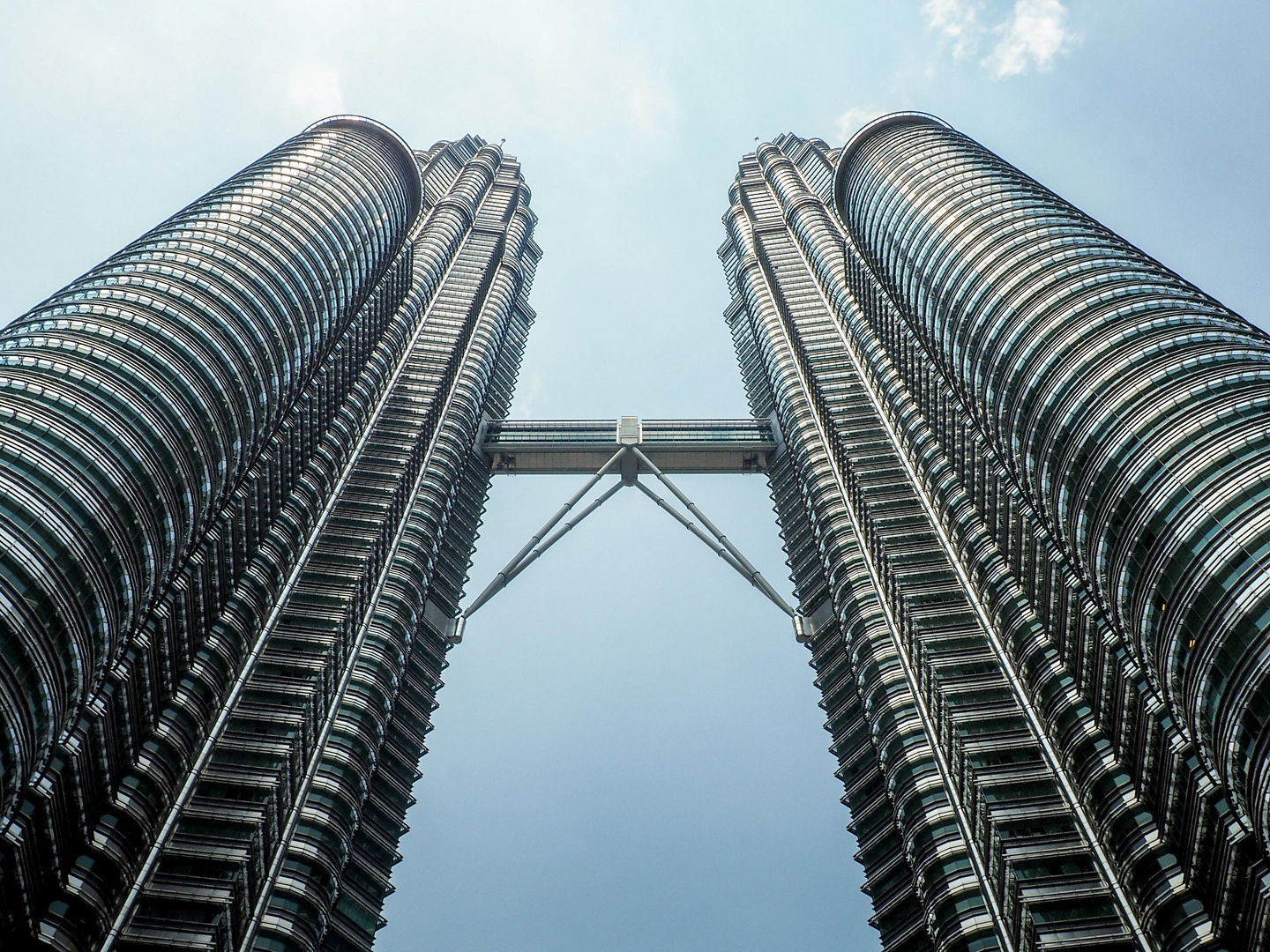
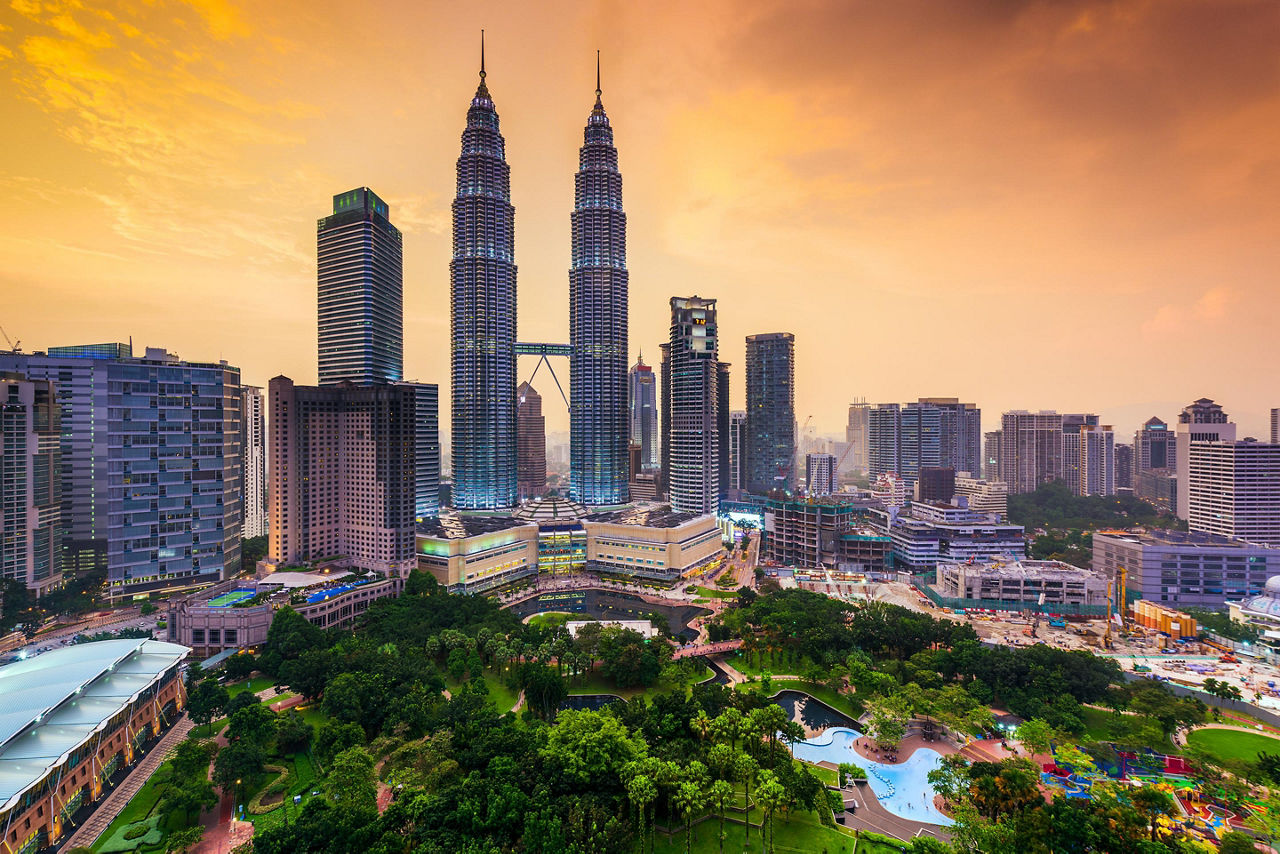
The Petronas Twin Towers are among Malaysia’s most recognizable landmarks, rising above central Kuala Lumpur. Their matching silhouettes and connecting skybridge have become familiar symbols of the capital.
From the surrounding area, you can appreciate how the towers’ geometric details change with your viewpoint. Nearby KLCC Park gives you space to step back and take in the buildings against the skyline.
The towers are a memorable introduction to the country’s architecture. Explore other famous landmarks in Malaysia to discover how contemporary buildings, historic structures and religious sites each contribute to its character.
4. Borneo’s Rainforests and Wildlife
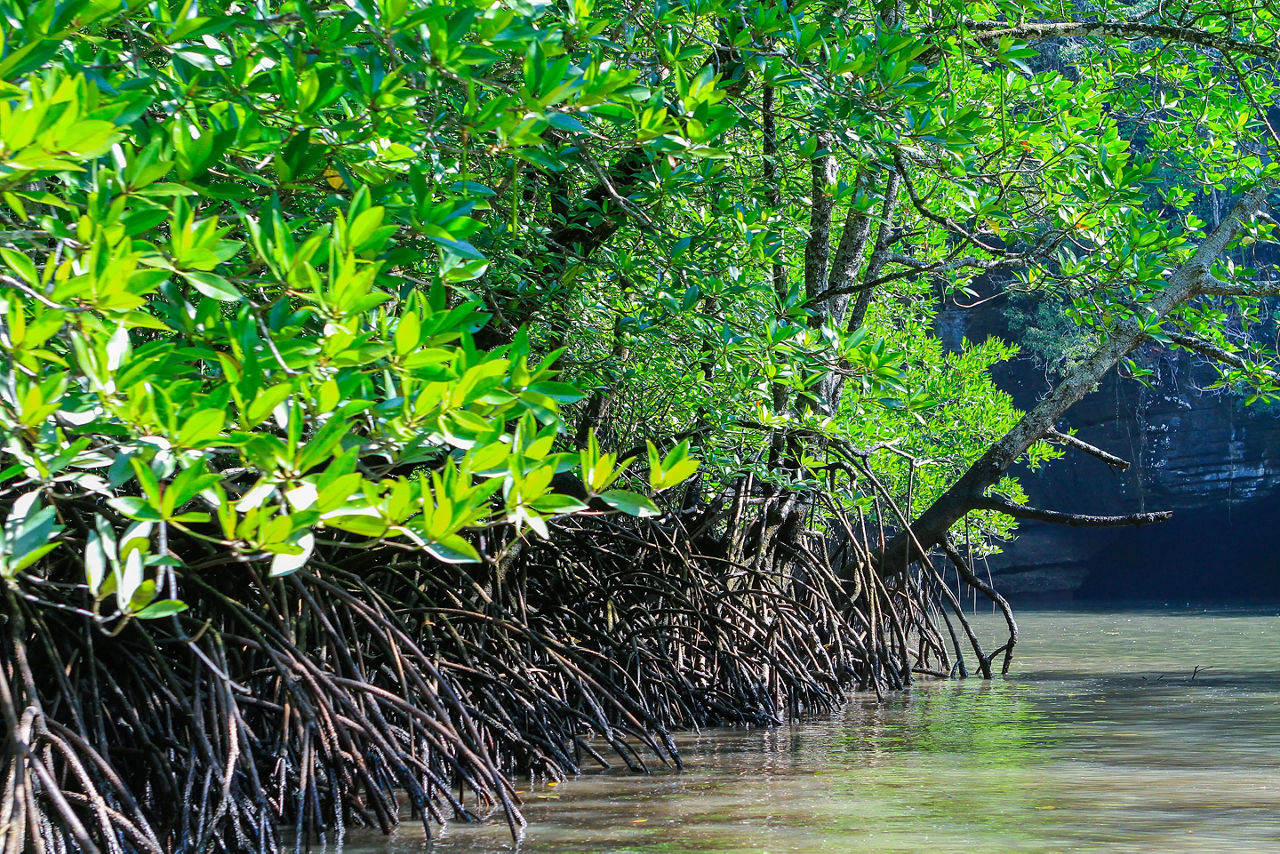
Malaysia is known for the rainforests of Sabah and Sarawak on Borneo, where forest habitats support remarkable plant and animal life. Orangutans and proboscis monkeys are among the animals associated with this part of the country.
In Sarawak, UNESCO recognizes Gunung Mulu National Park for its biodiversity and dramatic caves, limestone formations and forested landscapes. Its natural appeal extends from the canopy to enormous underground spaces.
Malaysian Borneo deserves dedicated travel time. For a longer trip, consider a guided nature experience that helps you understand the habitat, with time to listen, observe and appreciate the forest beyond any individual wildlife sighting.
5. Tropical Islands and Beaches
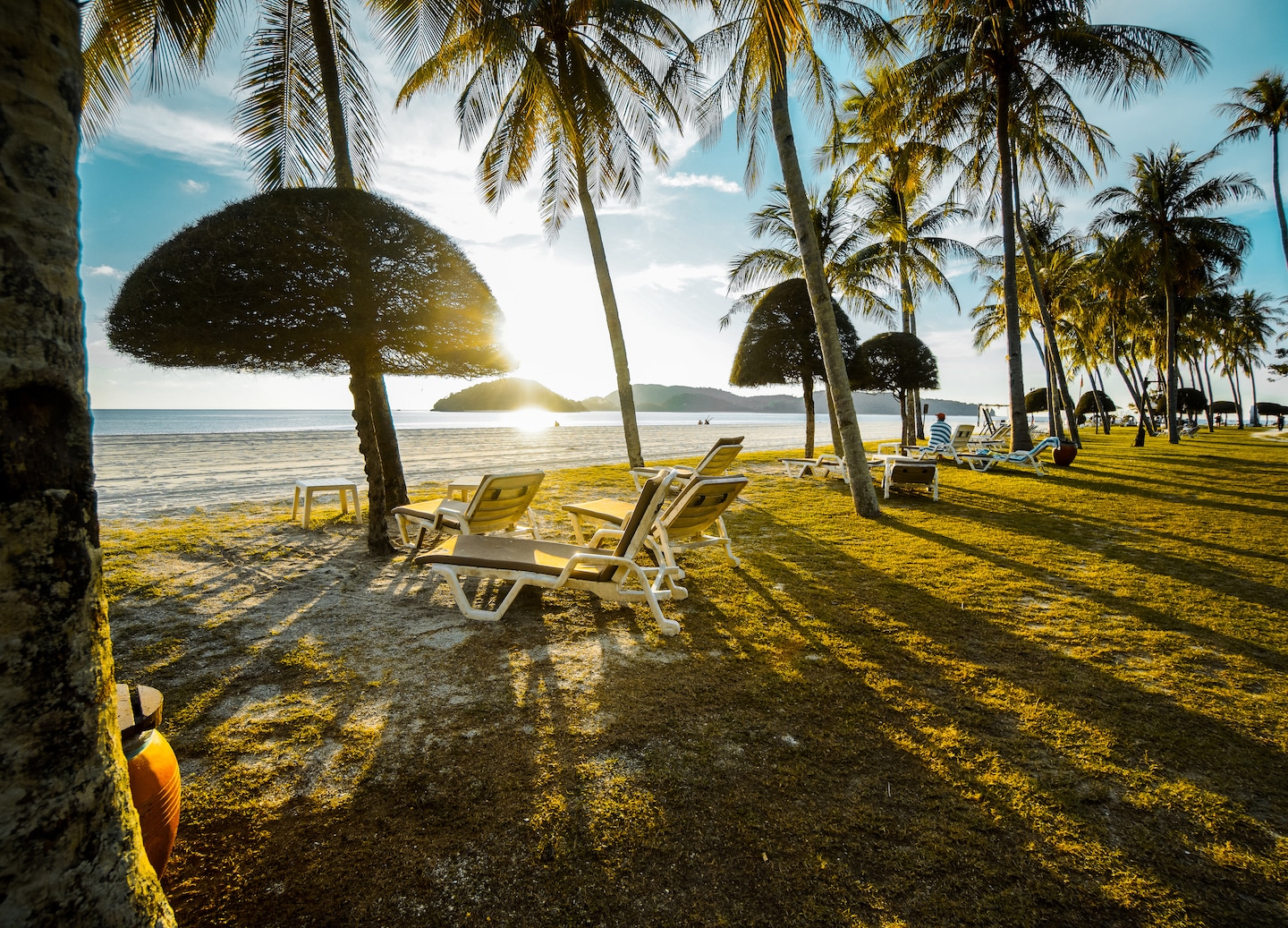
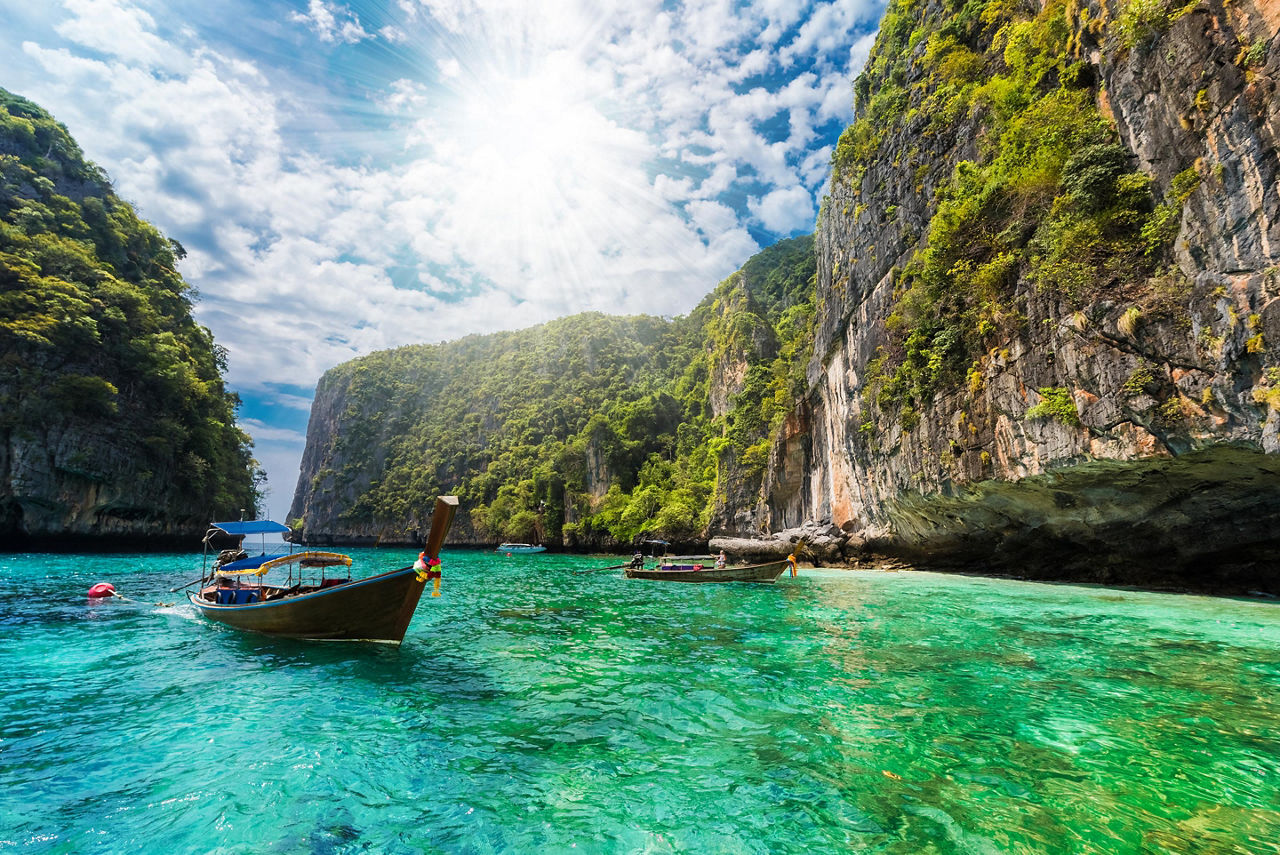
Malaysia is famous for tropical islands, with Langkawi and the Perhentian Islands offering different kinds of coastal experiences. Forested hills, sandy shores and time on the water are all part of the country’s appeal.
Langkawi lies off the peninsula’s northwestern coast, while the Perhentian Islands sit off its northeastern coast. Their locations matter when choosing where to go, particularly when considering seasonal weather and travel connections.
An island visit can be as simple as a beach walk and lunch with a sea view. If snorkeling or a boat trip interests you, choose an experience suited to the conditions and the time available.
6. George Town and Melaka
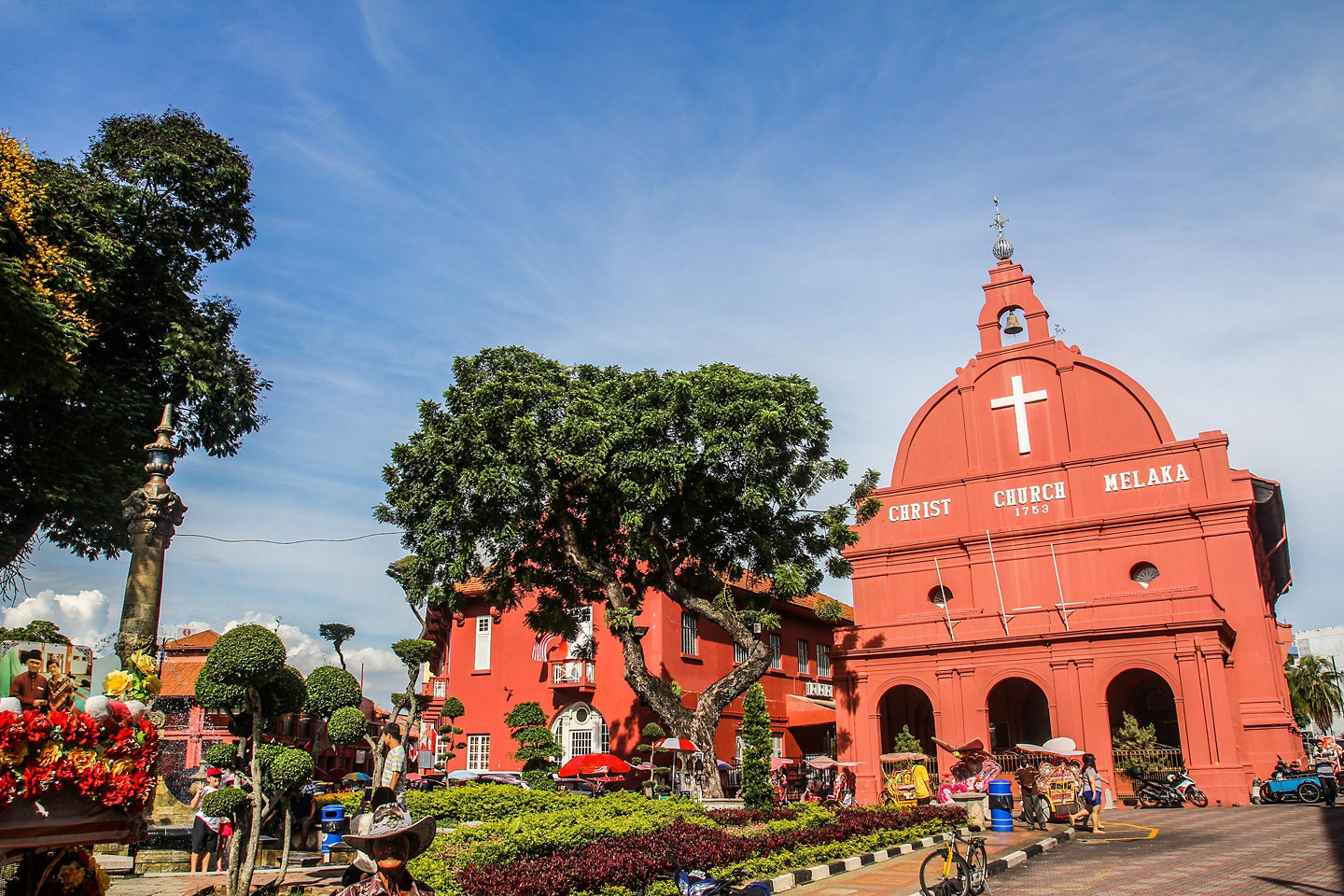
Malaysia is known for the historic trading cities of George Town in Penang and Melaka, also called Malacca. Their streets and buildings reflect centuries of movement, commerce and cultural exchange along the Strait of Malacca.
The shared UNESCO designation for Melaka and George Town recognizes this living heritage, including distinctive shophouses, religious buildings and traditions. Each city has its own history and atmosphere.
In George Town, allow time to look beyond the first photograph. Decorative tiles, shaded walkways and shopfront details reward a slower pace, while a local guide can connect what you see with the communities who shaped it.
7. Batu Caves
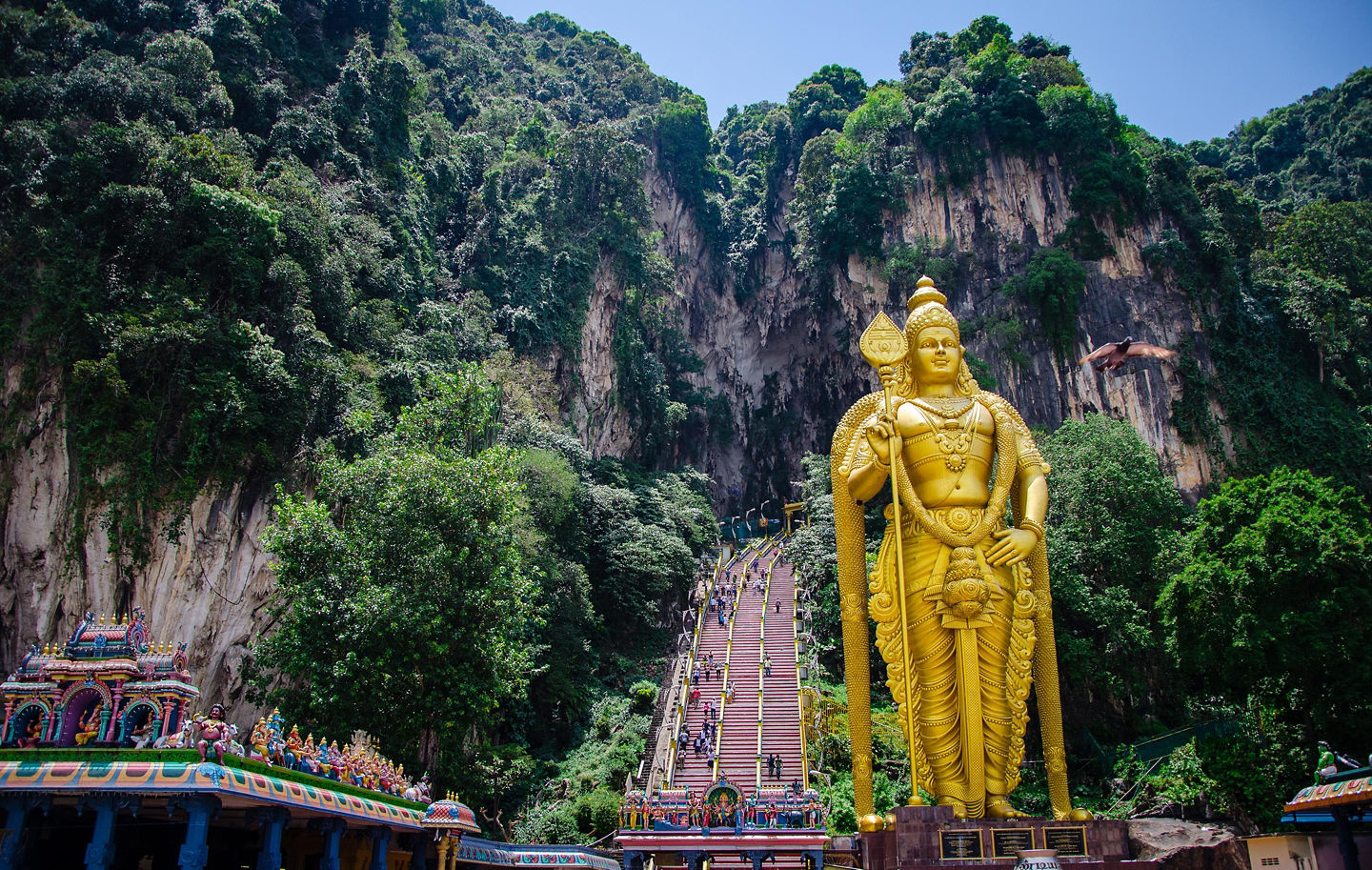
Batu Caves is one of Malaysia’s best-known religious sites, with Hindu shrines set within limestone caves near Kuala Lumpur. A towering golden statue of Lord Murugan stands beside the colorful staircase leading toward the main cave.
The setting brings together natural scale and religious significance. Looking upward from the entrance gives you a sense of both, while the climb offers changing views along the way.
If you are considering a visit from Port Klang, our guide to shore excursions in Penang and Port Klang provides ideas for combining cultural sights with a day ashore. Allow for the transfer and follow the site’s dress guidance.
8. Cameron Highlands Tea Plantations
The Cameron Highlands are known for tea plantations, cooler upland temperatures and green hills in the interior of Peninsular Malaysia. Rows of tea bushes follow the slopes, creating one of the country’s most distinctive agricultural landscapes.
A visit offers a chance to learn how tea moves from leaf to cup. You might spend time looking across the fields, learning about production or enjoying a freshly brewed pot with a hillside view.
This region is best considered as part of a longer land itinerary. Give yourself enough time for the journey and a stay that lets you enjoy the slower pace.
9. Mosques and Islamic Architecture
Malaysia is known for mosques that express Islamic design through a variety of architectural styles. Kuala Lumpur’s National Mosque and Putrajaya’s pink-toned Putra Mosque are two widely recognized examples.
Look closely at the proportions, patterns and relationship between buildings and open space. A shaded walkway or a view across water can be as striking as the main façade.
These are active places of worship, so visitor access depends on the location and religious activities. Where visits are welcomed, follow local guidance and take time to appreciate both the architecture and its role in community life.
10. Shopping and Traditional Crafts
Malaysia is known for shopping experiences that range from large city malls to markets and specialist craft shops. In Kuala Lumpur, retail districts sit alongside places where visitors can browse textiles and other locally made pieces.
Batik and woven fabrics offer an introduction to Malaysia’s craft traditions. Looking closely at colors, patterns and techniques can make browsing more interesting, whether or not you decide to buy anything.
Ask about the maker and where a piece was produced. A small item chosen for its craftsmanship or the story behind it can become a meaningful reminder of your visit.
Why Visit Malaysia?
Malaysia offers plenty of variety for travelers who enjoy culture, food and natural scenery. You might explore a historic neighborhood in Penang, admire Kuala Lumpur’s skyline or spend time beside the sea in Langkawi. The smaller moments, from a freshly cooked breakfast to a conversation in a craft shop, help give each stop its character.
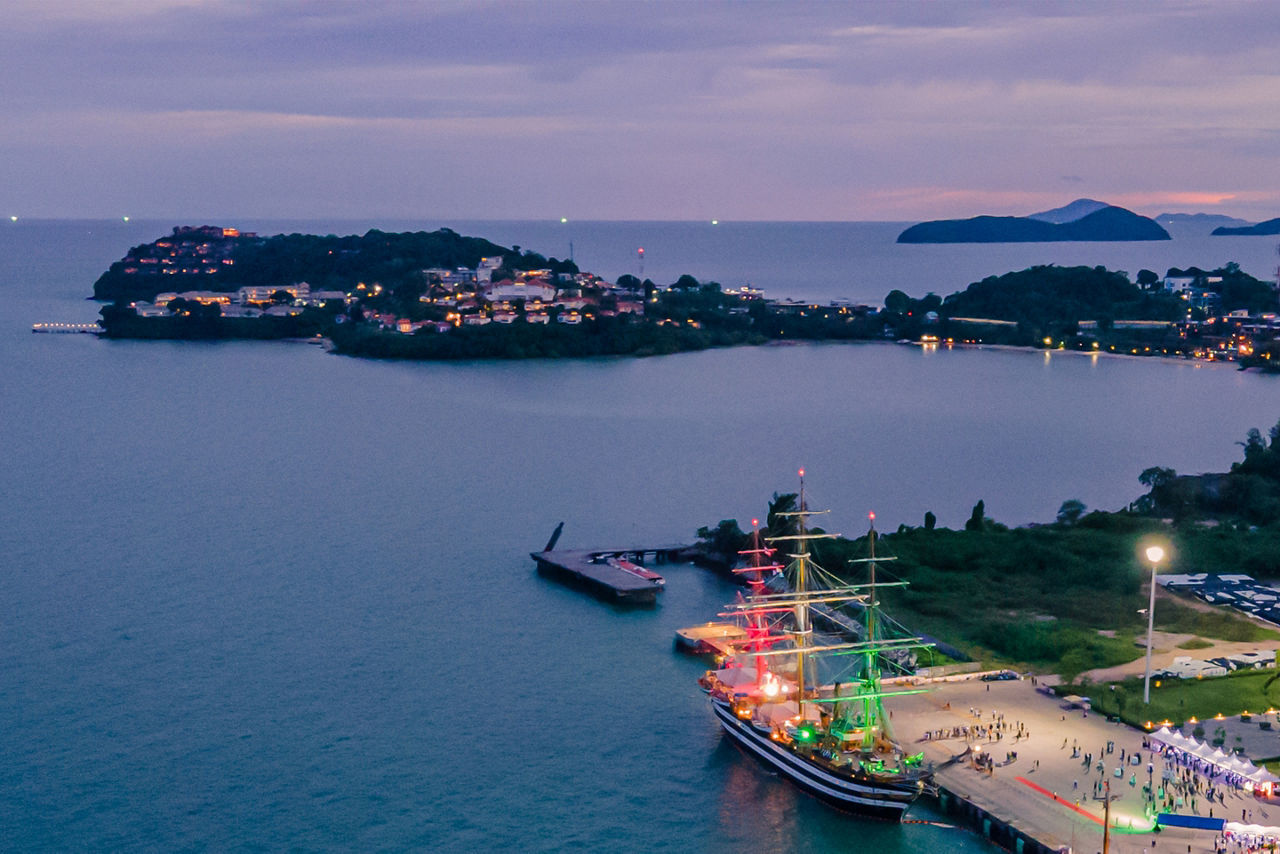
A cruise can introduce you to selected destinations along the peninsula. For example, cruises to Kuala Lumpur via Port Klang provide a gateway to the capital, with a transfer required between the port and city. Choose experiences around your actual itinerary and leave destinations such as Borneo or the Cameron Highlands for a separate, longer stay.
Frequently Asked Questions About Malaysia
-
What is Malaysia most famous for?
Malaysia is most famous for its multicultural heritage, street food, the Petronas Twin Towers and tropical islands. Historic cities such as George Town and Melaka, the Batu Caves and the rainforests of Malaysian Borneo also contribute to its international reputation.
-
What makes Malaysia unique?
Malaysia combines distinct regional cultures with landscapes ranging from major cities and historic trading towns to islands and tropical forests. Its territory spans both the Malay Peninsula and part of Borneo, giving visitors different cultural and natural experiences across the country.
-
Why is Malaysia known for cultural diversity?
Malaysia’s cultural diversity reflects the histories of Malay, Chinese, Indian and numerous Indigenous communities. Trade, migration and local traditions have shaped its languages, architecture, celebrations and food. That diversity takes different forms across the country’s regions.
-
Why is Malaysia famous for its food culture?
Malaysia’s food culture draws on several culinary traditions, with regional specialties and shared favorites found in hawker centers, neighborhood restaurants and family kitchens. The variety of dishes and the importance of everyday dining make food a central part of experiencing the country.
-
Why is Malaysia associated with rainforests?
Malaysia contains tropical forest habitats on both the peninsula and Borneo. These forests support diverse plants and wildlife, while places such as Gunung Mulu National Park also contain important cave systems and striking geological formations.
-
Why are George Town and Melaka important to Malaysia’s identity?
George Town and Melaka preserve the history of trading communities along the Strait of Malacca. Their architecture, places of worship and living traditions show how local cultures interacted with influences from elsewhere in Asia and Europe over centuries.
-
Is Malaysia worth visiting on a cruise?
Malaysia is worth visiting on a cruise if you enjoy cultural sightseeing, local food and coastal scenery. Depending on your itinerary, a visit might focus on Penang, Langkawi or Kuala Lumpur via Port Klang. Plan around your arrival port, transfer times and the experiences available during your sailing.
Keep Exploring Malaysia
These guides can help you discover more of Malaysia and plan your time ashore:
- Explore Penang shore excursions to find cultural walks, food experiences and scenic outings.
- Discover what to eat in Malaysia before choosing which local flavors to try.
- Browse ideas for what to buy in Penang to find treats and keepsakes associated with your visit.
- Take a closer look at Malaysia’s famous landmarks to learn more about the architecture and places behind its familiar images.