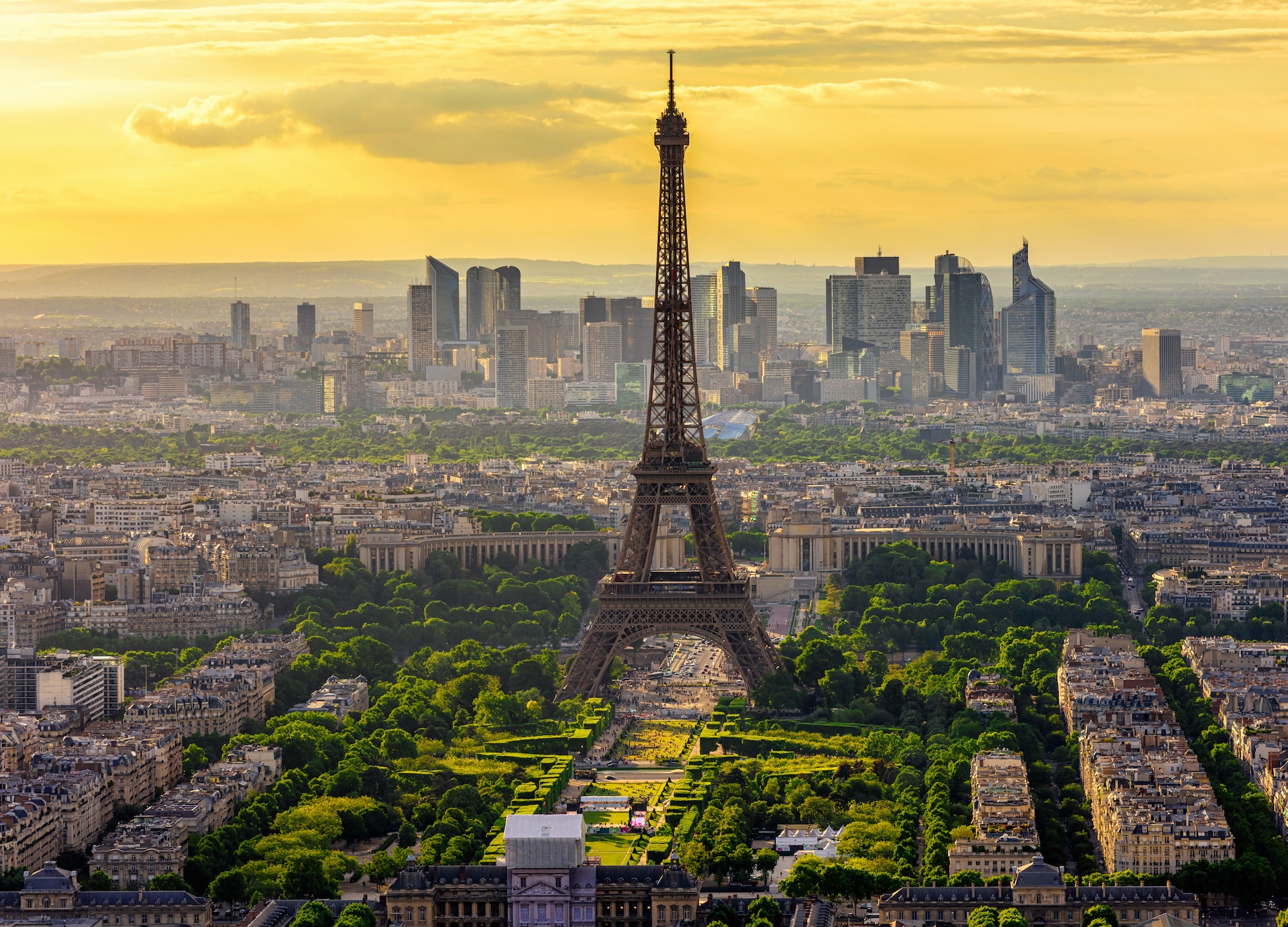
Paris, the capital of France, is known for the Eiffel Tower, the Louvre Museum, Notre-Dame Cathedral and the Seine River. The city is also famous for French fashion, café culture, pastries and its romantic atmosphere. Together, its landmarks and everyday traditions have made Paris one of the world’s most recognizable cities.
Set along the Seine in northern France, Paris can feel familiar before you arrive. You’ve seen its rooftops in films, its paintings in books and its monuments in countless photographs. Yet there’s still something special about seeing a bakery open for the morning or catching your first glimpse of the Eiffel Tower between buildings.
Here are 10 things Paris is famous for and what makes each one part of the city’s story.
1. The Eiffel Tower
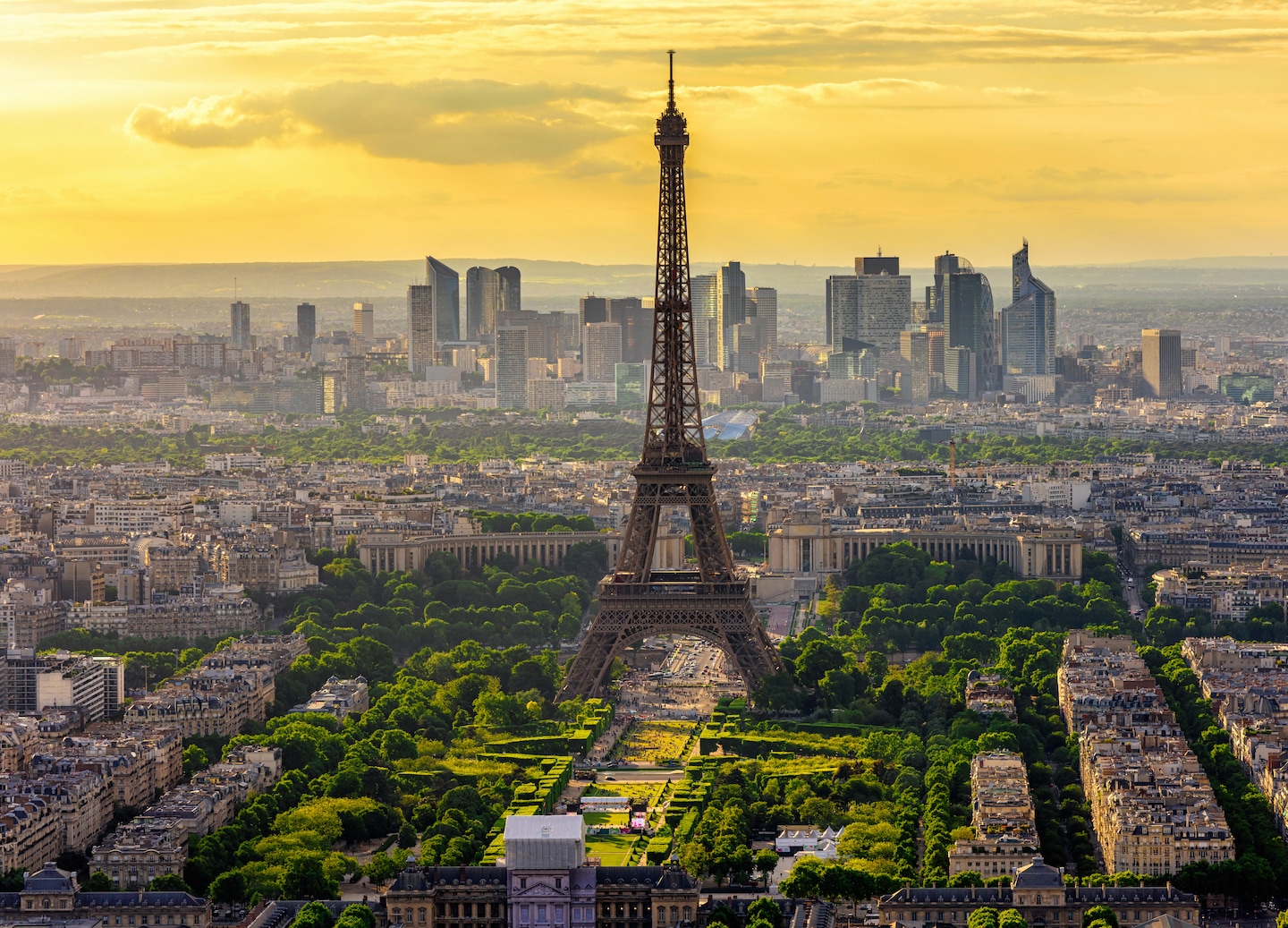
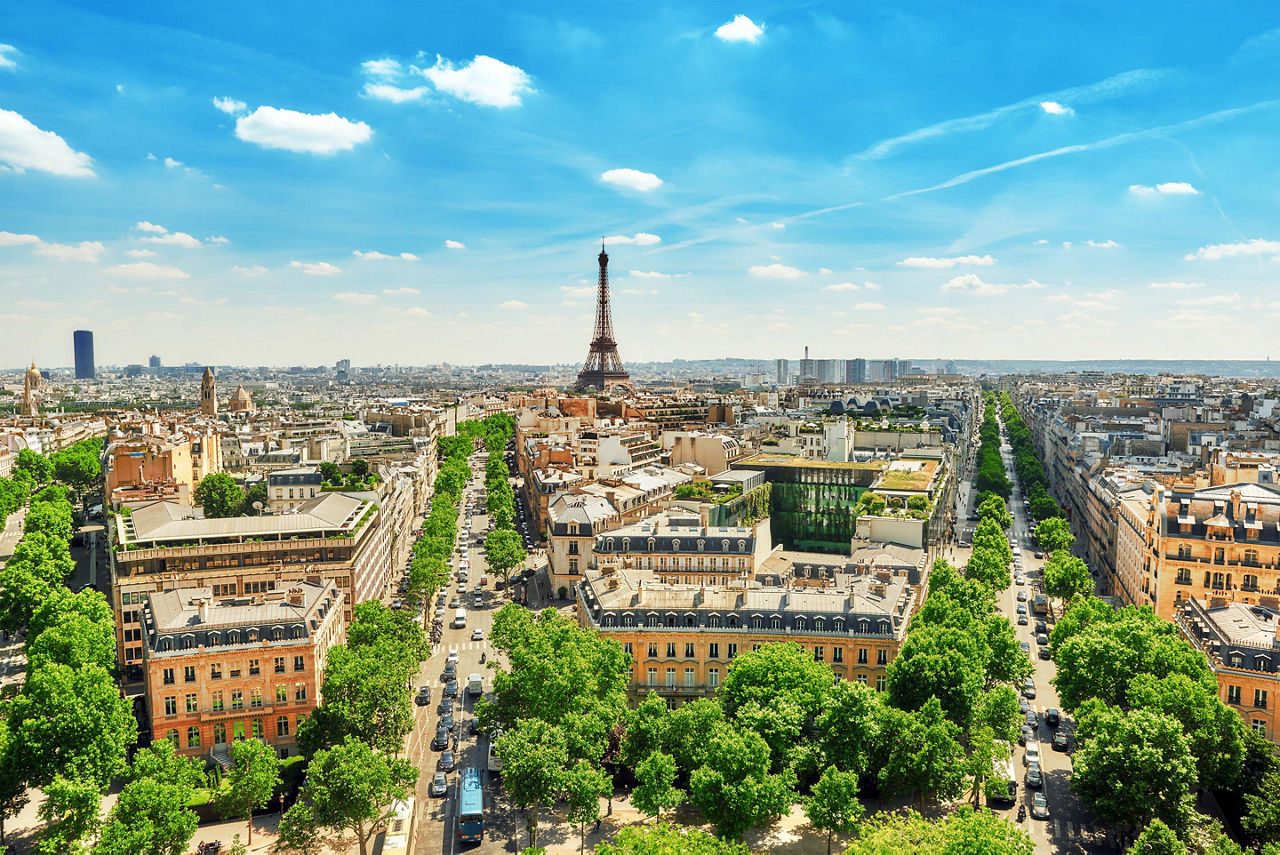
The Eiffel Tower is Paris’s most recognizable symbol. Built for the 1889 World’s Fair, its exposed iron structure was a bold departure from the stone buildings and monuments around it. Some artists and writers famously objected to its appearance, though it eventually became the image most closely associated with the city.
Its appeal changes depending on where you see it. From across the Seine, you can take in the whole silhouette. Beneath it, the scale and intricate ironwork become the focus.
The tower also represents a different side of Paris: a city willing to experiment with engineering and design. Our guide to visiting the Eiffel Tower explores the landmark in more detail.
2. The Louvre and Its Art Collections

Paris is famous for art, and the Louvre is central to that reputation. Its collections include Leonardo da Vinci’s Mona Lisa , the Venus de Milo and the Winged Victory of Samothrace , alongside works spanning thousands of years.
Before becoming a public museum in 1793, the Louvre served as a royal residence, with origins reaching back to a medieval fortress. Its courtyards, grand façades and modern glass pyramid bring several chapters of Paris together in one place.
The city’s artistic reputation extends beyond the Louvre, too. Museums such as the Musée d’Orsay help explain why Paris has long drawn people who want to make art, study it or simply spend time with it.
3. Notre-Dame and Gothic Architecture
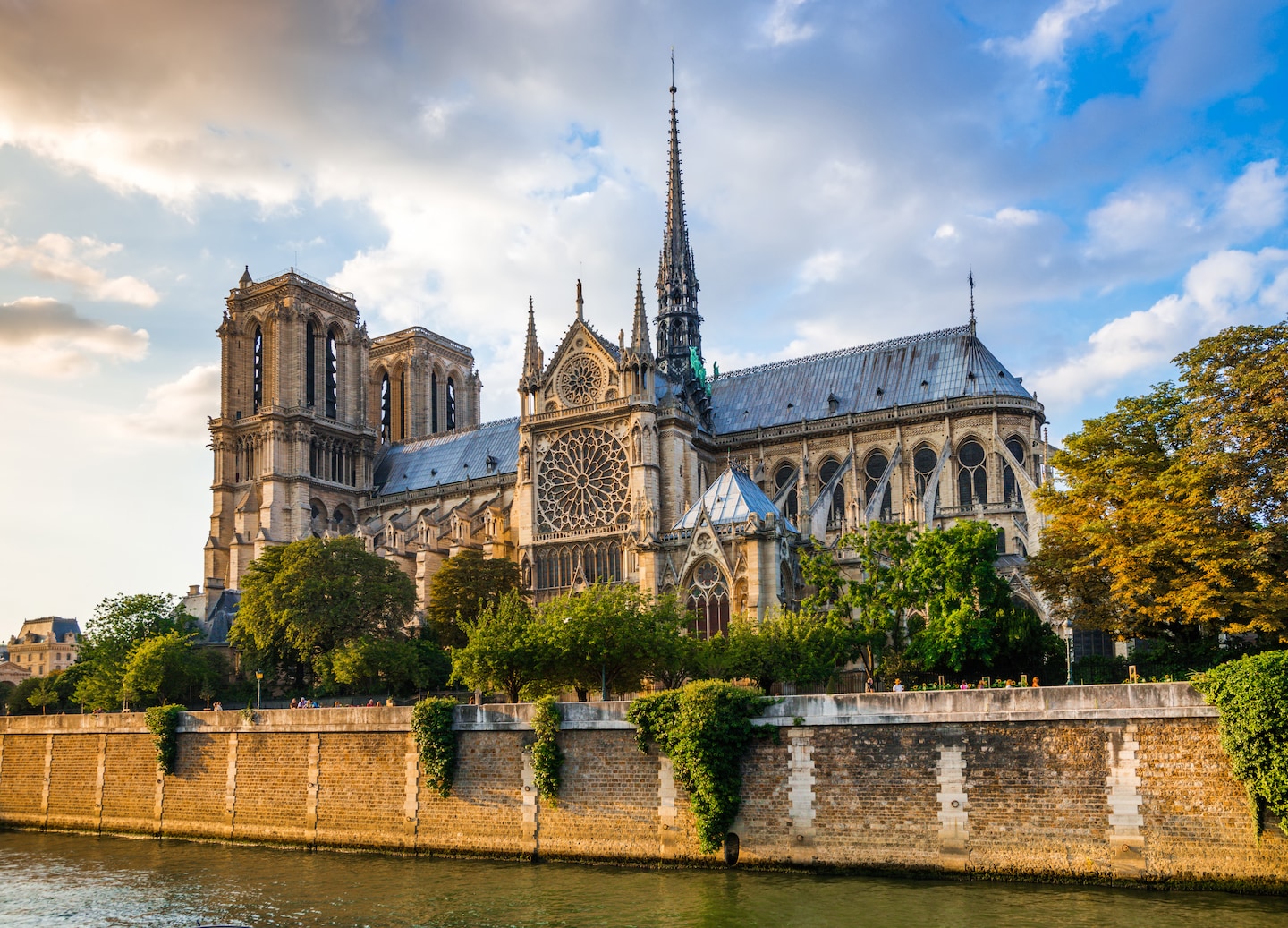
Notre-Dame Cathedral is one of Paris’s defining landmarks, known for its twin towers, sculpted façade and rose windows. Standing on the Île de la Cité, it connects the modern city with its medieval past.
Construction began in the 12th century, and the cathedral became part of French history through religious ceremonies, national events and literature. Victor Hugo’s novel Notre-Dame de Paris , known in English as The Hunchback of Notre-Dame , helped bring its architecture to a wider audience.
After the fire of 2019, the cathedral reopened in December 2024 following extensive restoration. Its place in Paris’s identity reaches far beyond its architecture: for generations, those familiar towers have helped define the heart of the city.
4. The Seine and Its Historic Bridges
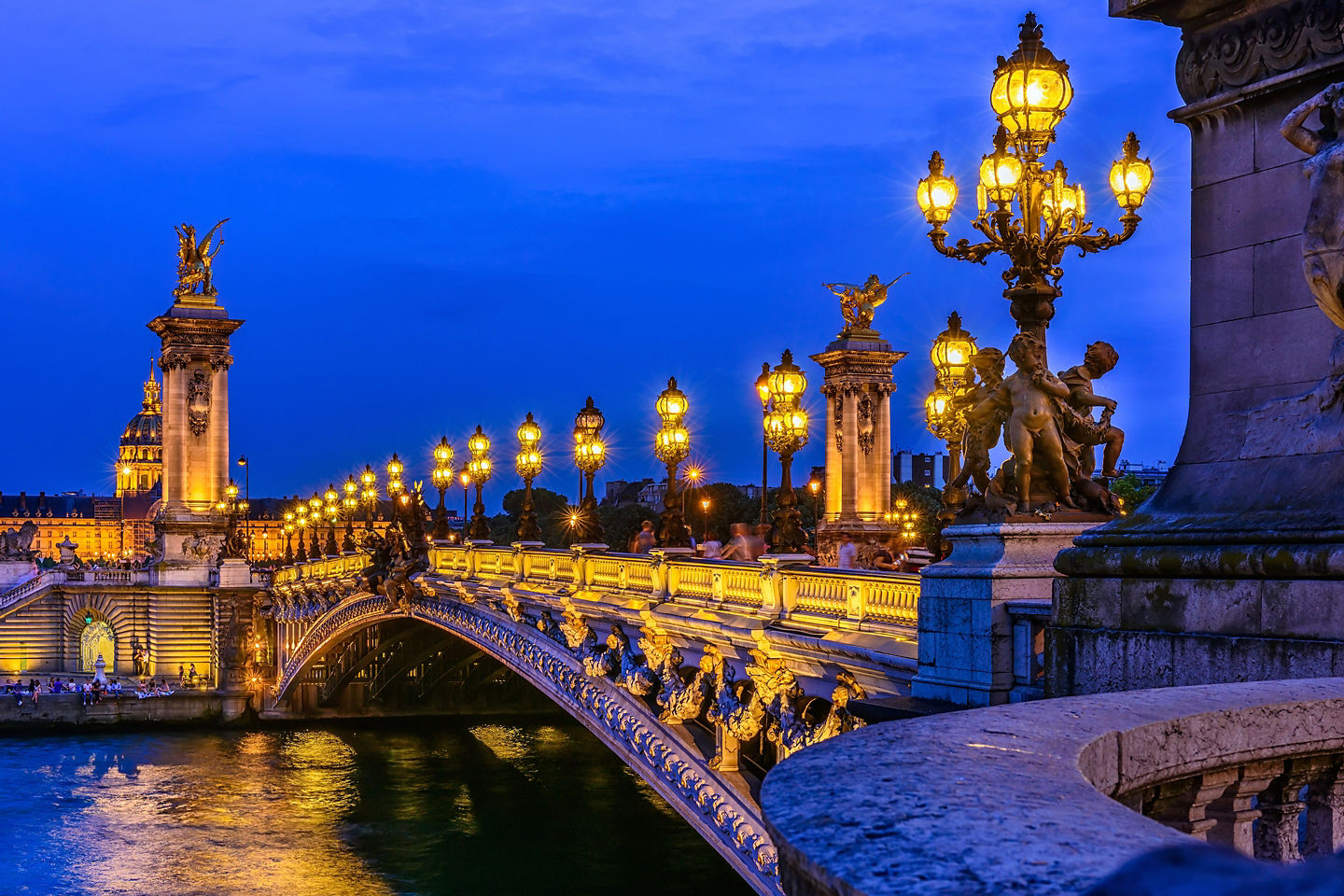
The Seine runs through the center of Paris, connecting many of its most familiar views. Along its banks, palace façades, church towers, bridges and riverside bookstalls reveal how closely the city grew around the water.
The river separates the Left Bank, or Rive Gauche , from the Right Bank, or Rive Droite . Those names carry cultural associations as well as directions, appearing in descriptions of Parisian art, literature and neighborhood life.
UNESCO recognizes the historic importance of the Banks of the Seine , where centuries of architecture can be seen together. The river also gives the city room to breathe. Beyond the busy streets, there’s the movement of boats, light on the water and a different view from every bridge.
5. French Fashion and Haute Couture
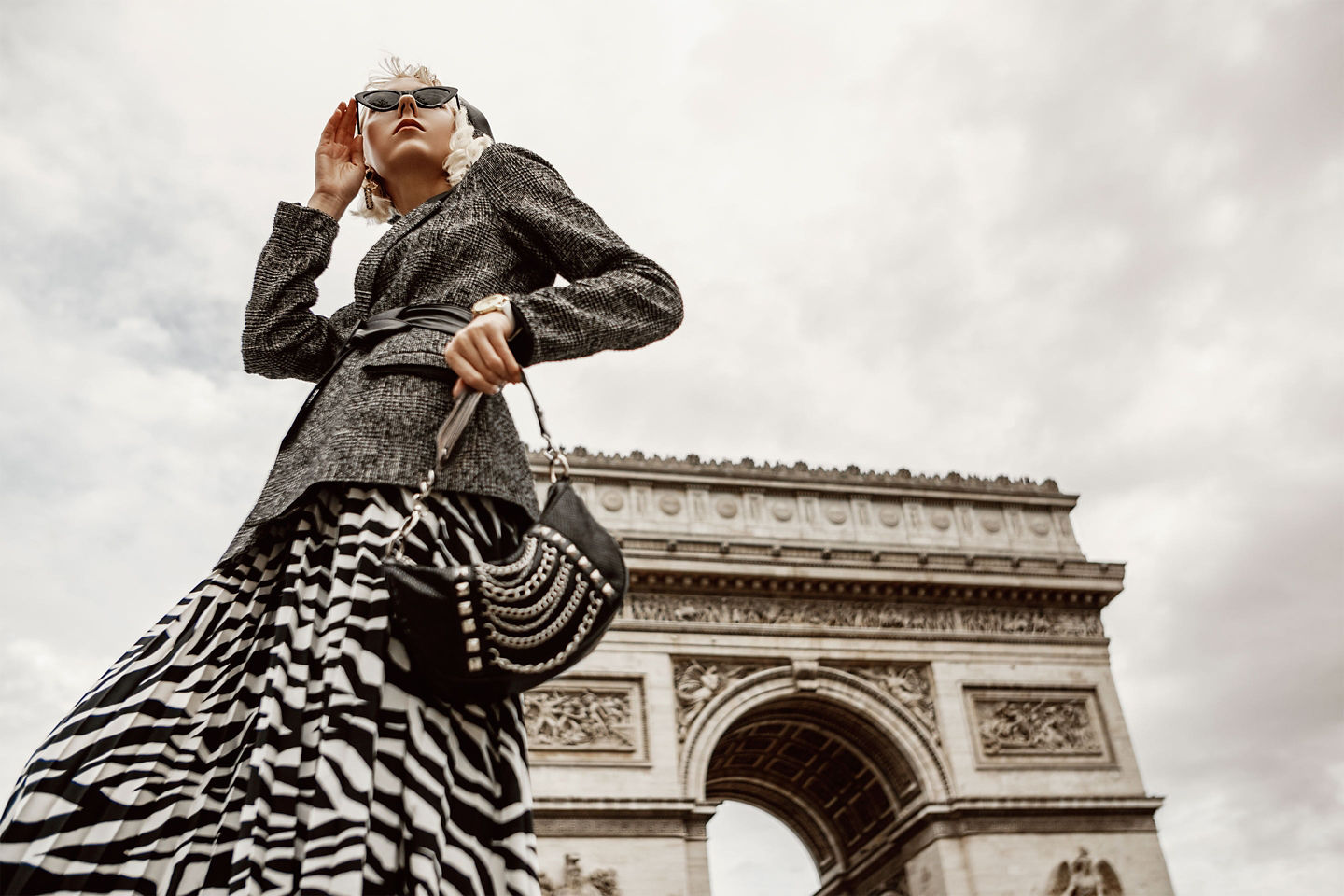
Paris is known around the world as a fashion capital. Houses such as Chanel and Dior helped shape that reputation, while the city’s connection to haute couture reaches back to the 19th century.
Haute couture refers to highly skilled, made-to-measure dressmaking. Its traditions helped establish Paris as a place where new ideas about clothing could influence wardrobes far beyond France. The city remains an important setting for designers to present their work.
Fashion is visible beyond the runway, too. Department-store windows, small boutiques and vintage shops all contribute to the experience. You don’t have to be shopping to enjoy the care that goes into a window display or the way a beautifully made garment is presented.
6. Café Culture and Literary Life
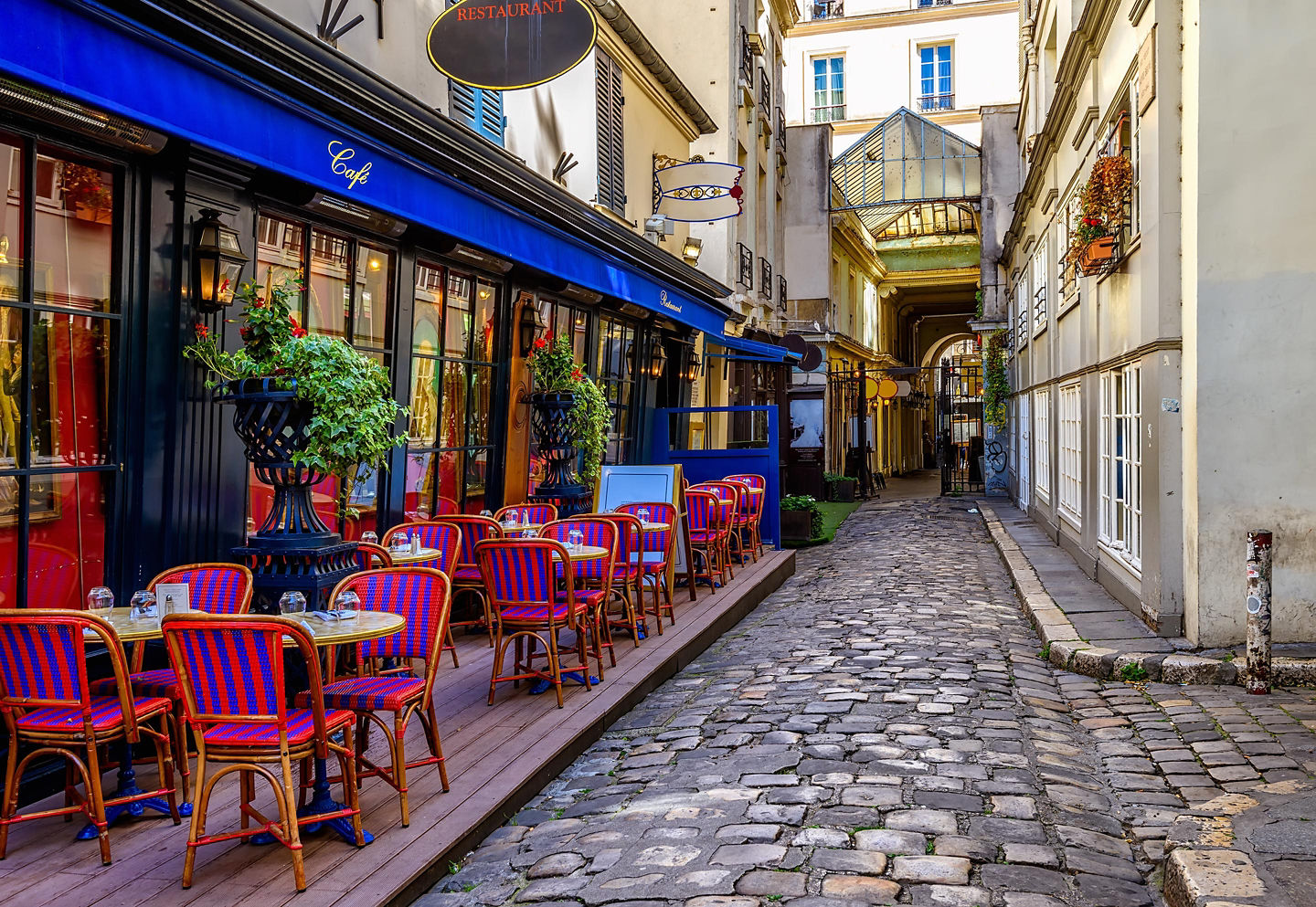
Parisian cafés are famous as places to talk, read, write and watch the street. Their small round tables and outward-facing chairs have become almost as recognizable as the city’s monuments.
In Saint-Germain-des-Prés, cafés such as Les Deux Magots became associated with writers and thinkers, including Simone de Beauvoir and Jean-Paul Sartre. Those connections are part of a broader history of ideas being exchanged over coffee and conversation.
The appeal is easy to understand even without knowing the literary background. A café terrace offers a comfortable place to pause while the neighborhood carries on around you. A brief coffee stop can become one of the moments you remember most clearly.
7. French Cuisine, Bakeries and Patisseries

Paris is known for taking food seriously, from elaborate restaurant meals to the bread bought on the way home. Bistros, neighborhood bakeries, cheese shops and patisseries all play a part in its culinary reputation.
A boulangerie centers on bread, while a pâtisserie specializes in pastries and cakes, though many shops offer both. The difference becomes easy to appreciate when a baguette display gives way to rows of glossy fruit tarts, éclairs and carefully finished desserts.
Many dishes associated with Paris come from wider French traditions. The capital brings those flavors together, alongside food from communities around the world. For a closer look at the classics, explore our guide to what to eat in Paris .
8. Grand Boulevards and Parisian Architecture
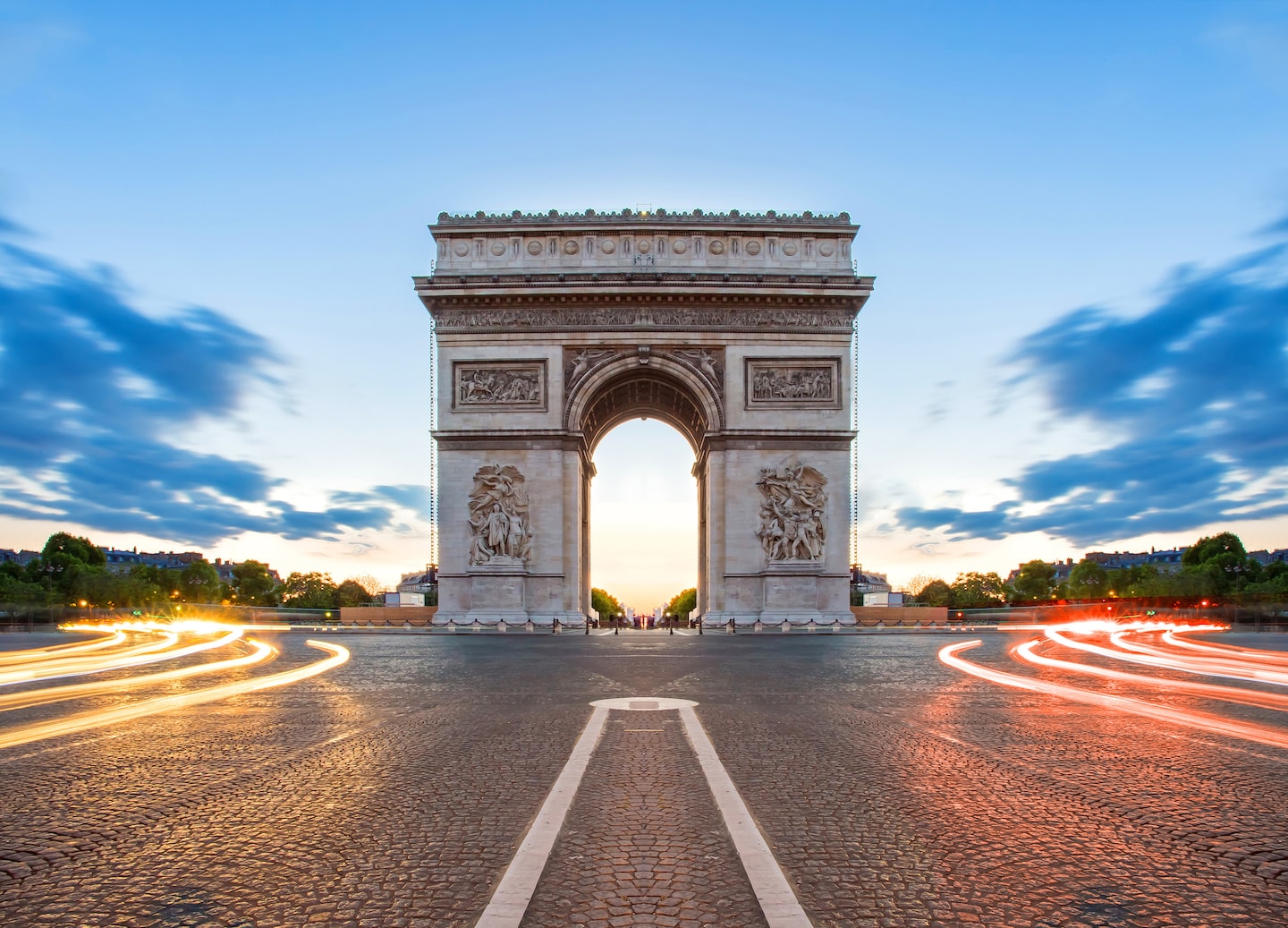
Paris is famous for broad avenues, pale stone façades, iron balconies and rooftops that seem to fit together like pieces of one design. Much of that familiar streetscape took shape during the 19th-century transformation led by Georges-Eugène Haussmann under Napoleon III.
Haussmann’s renovation of Paris created new boulevards, parks and infrastructure, changing both the appearance of the city and how people moved through it.
The Champs-Élysées and Arc de Triomphe offer one of Paris’s grandest views, but the smaller architectural details are just as rewarding. Repeated balconies, tall windows and carved doorways give ordinary streets a sense of continuity. They’re a large part of why a photograph can look unmistakably Parisian without showing a single famous monument.
9. Montmartre and Its Artistic Heritage

Montmartre is known for its hilltop setting, the white domes of Sacré-Cœur and its connections to artists such as Picasso, Renoir and Van Gogh. Its steep lanes and stairways offer a different view of Paris from the broad boulevards below.
Around the turn of the 20th century, the neighborhood attracted artists who lived and worked in its studios. The Bateau-Lavoir, associated with Picasso and other creative figures, became one of its best-known addresses.
That history remains part of Montmartre’s appeal. Around Place du Tertre, portraitre, portrait artists keep a visible connection to the neighborhood’s creative past, while quieter streets reveal houses, gardens and corners that feel far removed from the busiest squares.
10. Romance and the City of Light
Paris’s romantic reputation comes from a mixture of setting, storytelling and shared experience. Films, novels and photographs have made its bridges, cafés and evening streets familiar backdrops for love stories.
The city’s other famous nickname, the City of Light, is commonly linked to both its intellectual history and its early development of public lighting. Today, illuminated monuments and reflections along the Seine give the name an immediate visual meaning.
The atmosphere doesn’t depend on a grand occasion. It can be as simple as sharing a pastry, finding a bench with a view or taking a little longer over dinner. That sense of possibility is part of what keeps people dreaming about Paris.
FAQs About What Paris Is Known For
-
What is Paris most famous for?
Paris is most famous for the Eiffel Tower, the Louvre, Notre-Dame Cathedral and its reputation for art, fashion and romance. Café culture, French food and the Seine River are also central to how people picture the city.
-
Why is Paris called the City of Light?
The nickname City of Light is commonly associated with Paris’s role as a center of ideas and learning, as well as its history of public street lighting. Its illuminated monuments and bridges continue to make the name feel fitting.
-
Why is Paris considered a fashion capital?
Paris became a fashion capital through its influence on design, its haute couture traditions and internationally recognized fashion houses. Designers such as Chanel and Dior helped establish the city’s reputation, while fashion shows and skilled ateliers continue that legacy.
-
Where is Paris located in France?
Paris is in northern France, on the Seine River, within the Île-de-France region. It is an inland city. Cruise itineraries that list Paris through Le Havre involve an onward journey from the port in Normandy.
Keep Exploring Paris
The famous sights may bring you to Paris, but the smaller details often stay with you: the first bite of a pastry, a favorite painting or a street you’d happily walk down again. Discover more ways to get to know the city and plan your visit.