Provence is known for its lavender fields, hilltop villages, rosé wine, Provençal markets and Mediterranean cuisine. This region of southeastern France is also famous for its Roman monuments, coastal scenery and connections to artists such as Vincent van Gogh and Paul Cézanne.
Stretching from Mediterranean harbors to inland vineyards and countryside, Provence offers plenty of ways to explore. You can wander through a stone village, browse stalls piled with seasonal produce or watch boats bob beside a waterfront cafe.
Here are 10 things Provence is famous for.
1. Lavender Fields

Provence is famous for its summer lavender fields, particularly around the Valensole Plateau and Sault. Rows of purple flowers have become one of the region’s most recognizable sights, connecting its countryside with a long tradition of growing aromatic plants.
There is more to discover here than the view. Lavender growers and distilleries offer ways to learn how flowers become fragrant oils, while local shops carry products that bring a little of that scent home.
Flowering varies with elevation, weather and harvesting, so the fields do not all bloom at once. The Lavender Museum in Provence offers an introduction to the plant and its regional heritage.
2. Hilltop Villages
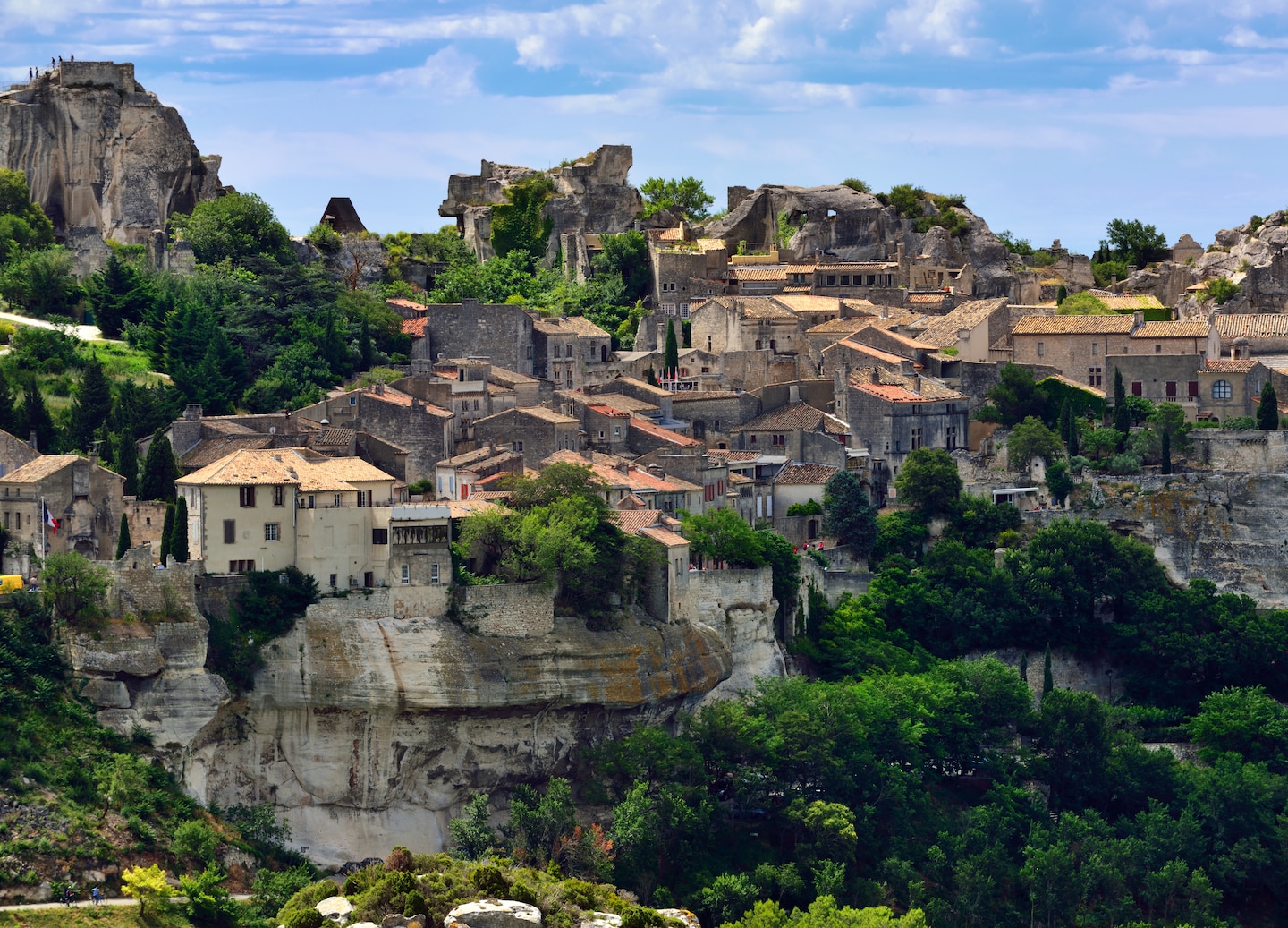
Provence’s hilltop villages are known for stone houses, winding lanes and views across the surrounding countryside. Gordes, Ménerbes and Les Baux-de-Provence are familiar examples, each with its own setting and character.
The details make exploring rewarding. A narrow street might open onto a valley view, while a shaded doorway or small square gives you a reason to pause. In Roussillon, warm ochre colors bring a different palette to the village buildings.
Browsing a small shop or sitting down for coffee can be just as much a part of the visit as finding the perfect viewpoint.
3. Provençal Markets

Provence is known for outdoor markets selling seasonal produce, cheeses, olives, flowers and regional specialties. Markets in towns such as Aix-en-Provence and Arles bring shopping and conversation into the streets and squares.
A market visit gives you a close look at the ingredients behind local cooking. Notice the different varieties of olives, the vegetables in season and the displays that change as the year moves along.
4. Roman Monuments in Arles
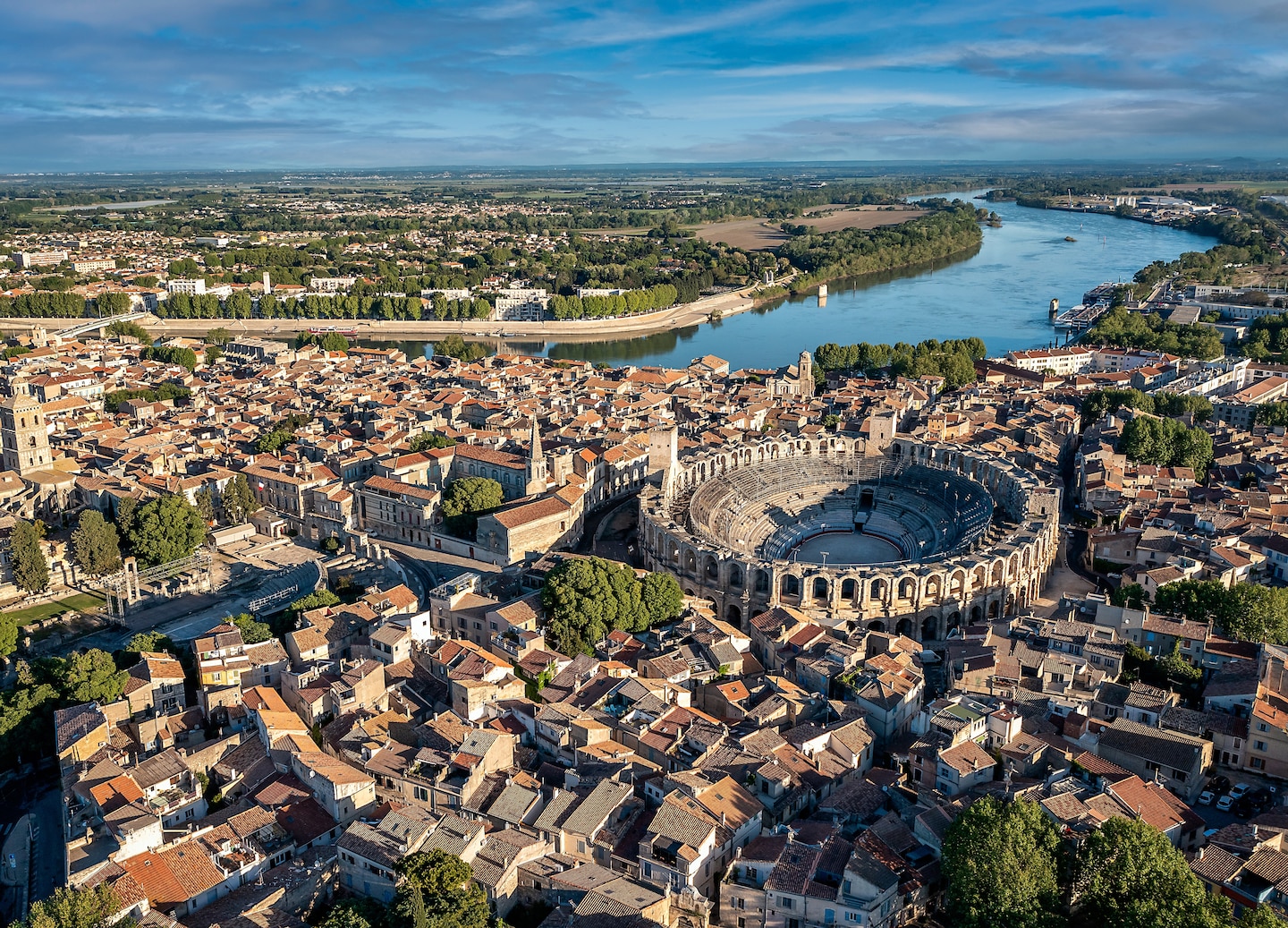
Arles is one of Provence’s best-known places for Roman heritage, with an amphitheater, ancient theater and other remains woven into the city. Its Roman and Romanesque monuments form a UNESCO World Heritage site. UNESCO’s guide to Arles explains how these buildings became part of the city’s later development.
Seeing ancient stonework beside everyday streets makes the history feel close. The amphitheater’s repeated arches reveal its scale, while the theater offers another glimpse of public life in the Roman city.
A guided walk can help connect the monuments and explain their changing uses over the centuries. Between stops, take time to enjoy the streets around them, where different periods of Arles’ history sit side by side.
5. Rosé Wine & Vineyards

Provence is celebrated for rosé wine and vineyard landscapes that stretch across hills and valleys. Wine areas include Côtes de Provence, Coteaux d’Aix-en-Provence and Coteaux Varois en Provence, each with its own growing conditions and producers. Vins de Provence introduces these appellations and their wine traditions.
For visitors interested in wine, a vineyard visit adds context to what is in the glass. Learning about the grapes, soil and winemaking can make a tasting more memorable.
The setting is part of the experience, too. Rows of vines, country roads and views toward wooded hills reveal another side of Provence beyond its villages and coast.
6. Van Gogh & Cézanne’s Artistic Legacy
Provence is closely associated with Vincent van Gogh and Paul Cézanne, whose paintings helped make its landscapes familiar around the world. Van Gogh worked in Arles and Saint-Rémy-de-Provence, while Cézanne’s life and work were deeply connected to Aix-en-Provence.
Their art offers another way to look at the region. An olive tree, a stretch of countryside or the shape of a mountain can feel newly interesting when you think about how an artist chose to paint it.
Around Aix, Cézanne’s connections extend to Sainte-Victoire Mountain and places associated with his work. The Aix-en-Provence Tourist Office provides information on the Cézanne sites and surrounding landscapes.
7. Mediterranean Harbors & the Calanques
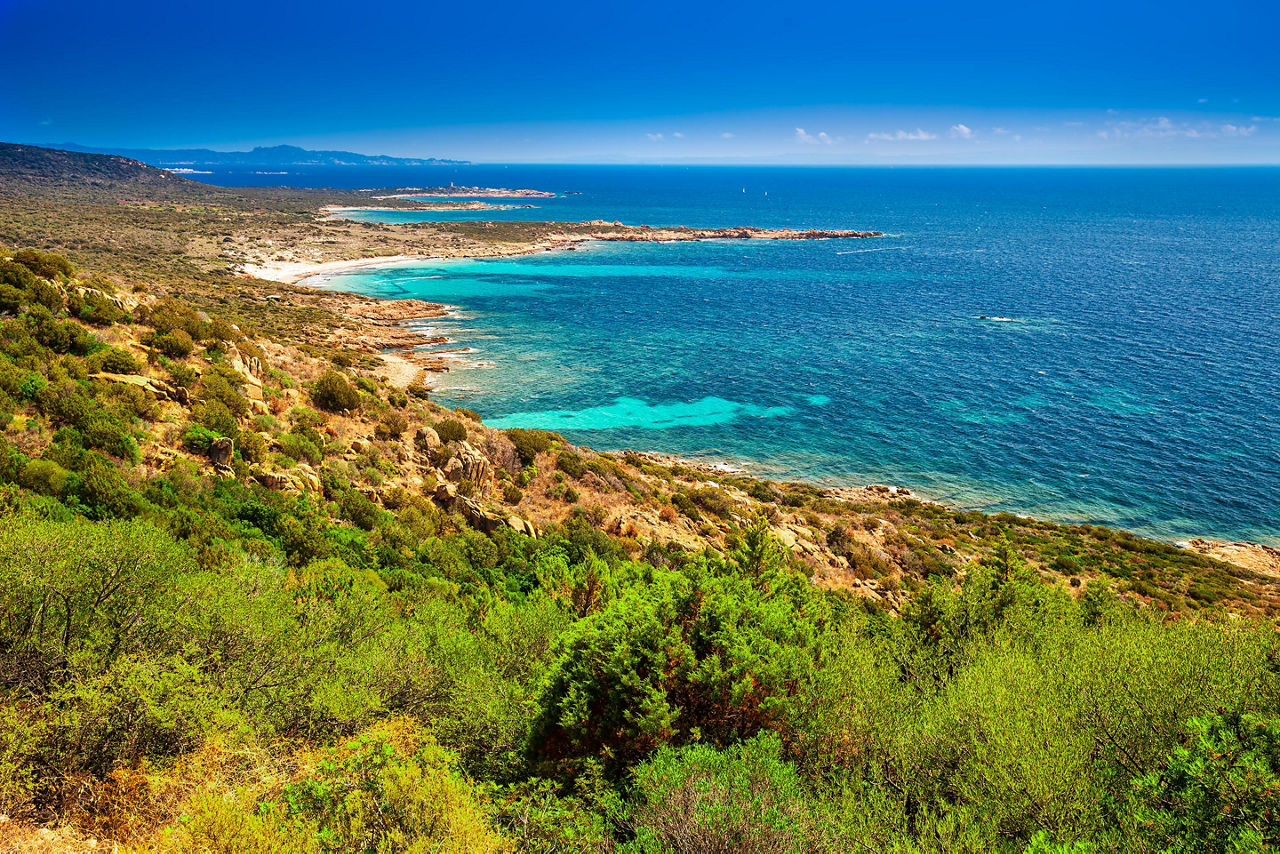
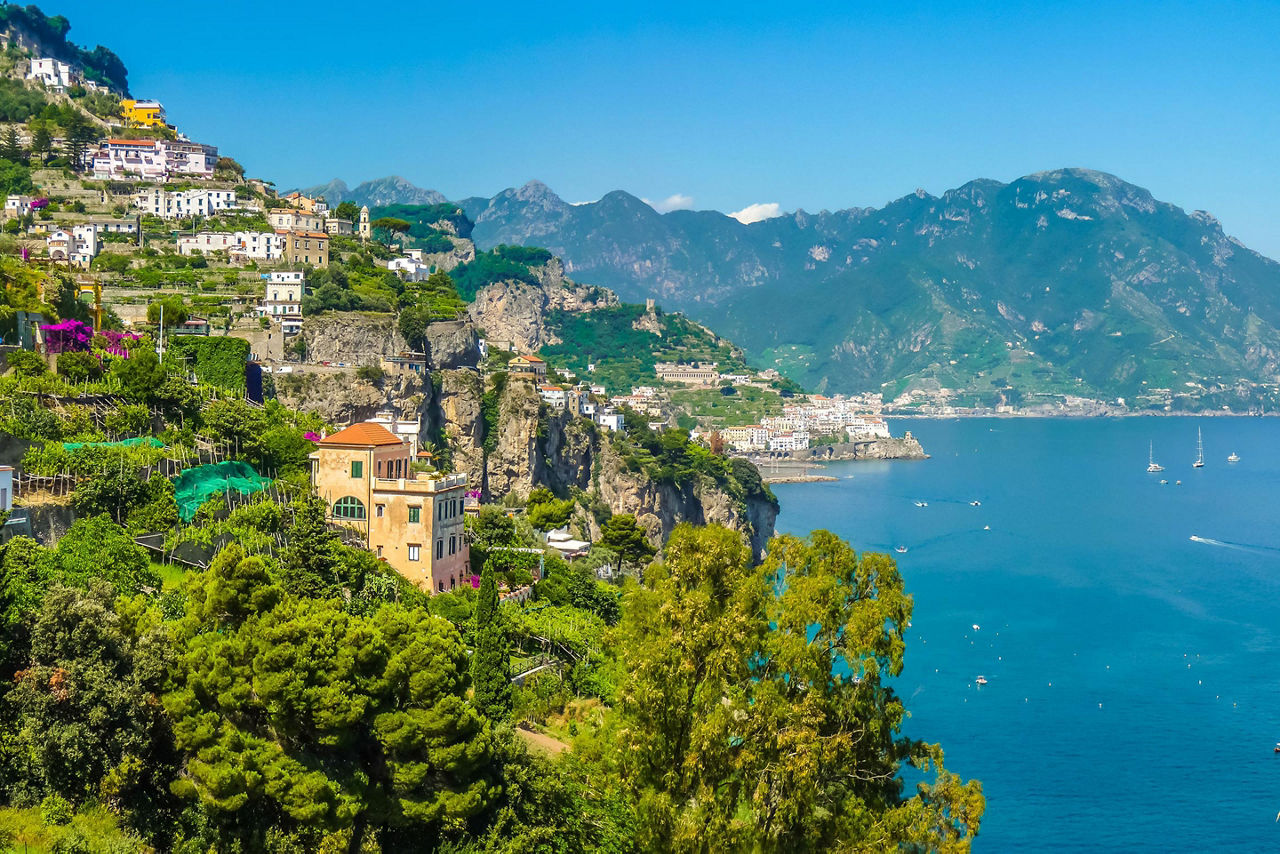
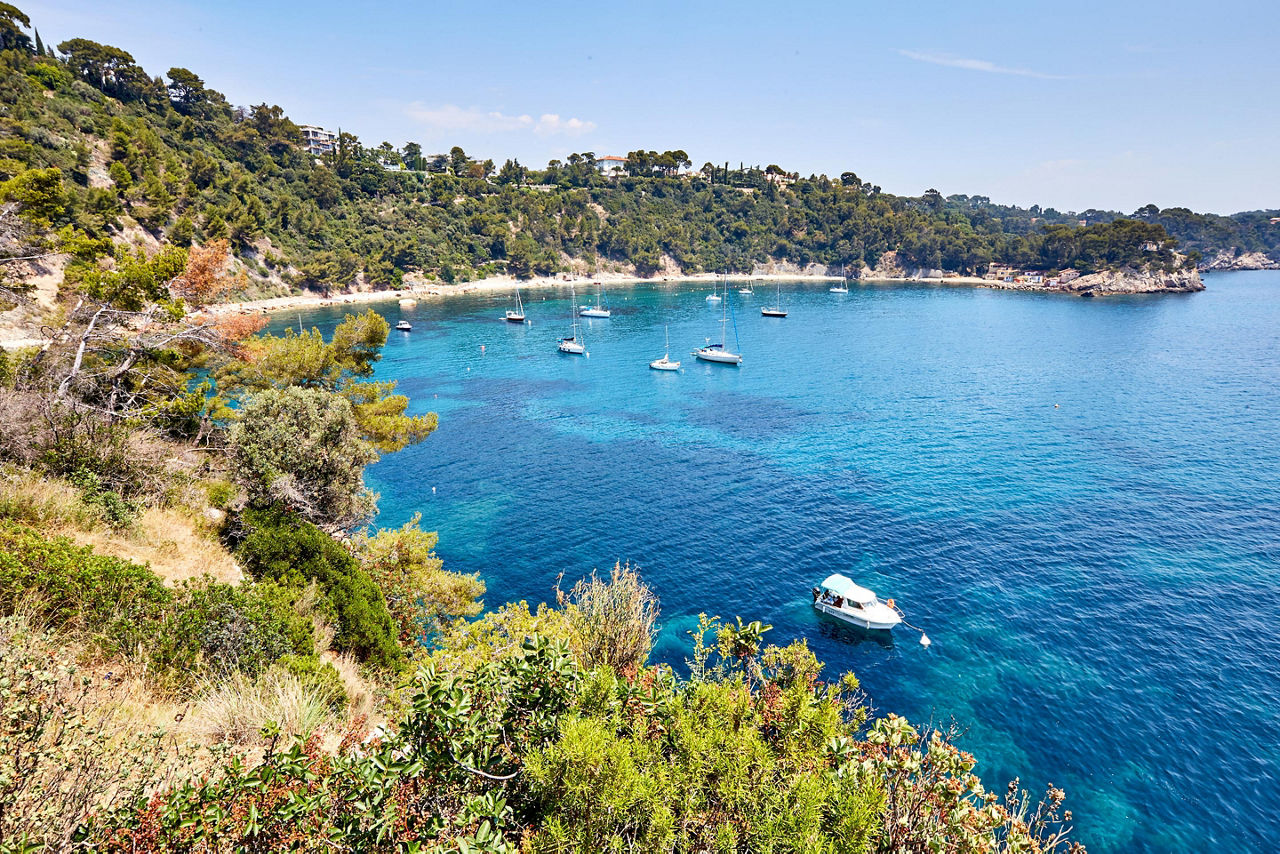
Provence’s Mediterranean coast is known for harbor towns and the calanques, narrow coastal inlets framed by steep limestone cliffs. Around Marseille and Cassis, pale rock and blue water create some of the region’s most distinctive scenery.
A harbor stroll offers a gentle introduction to coastal life. Watch the boats, browse waterfront streets or settle into a cafe where you can enjoy the view without hurrying.
8. Provençal Cuisine
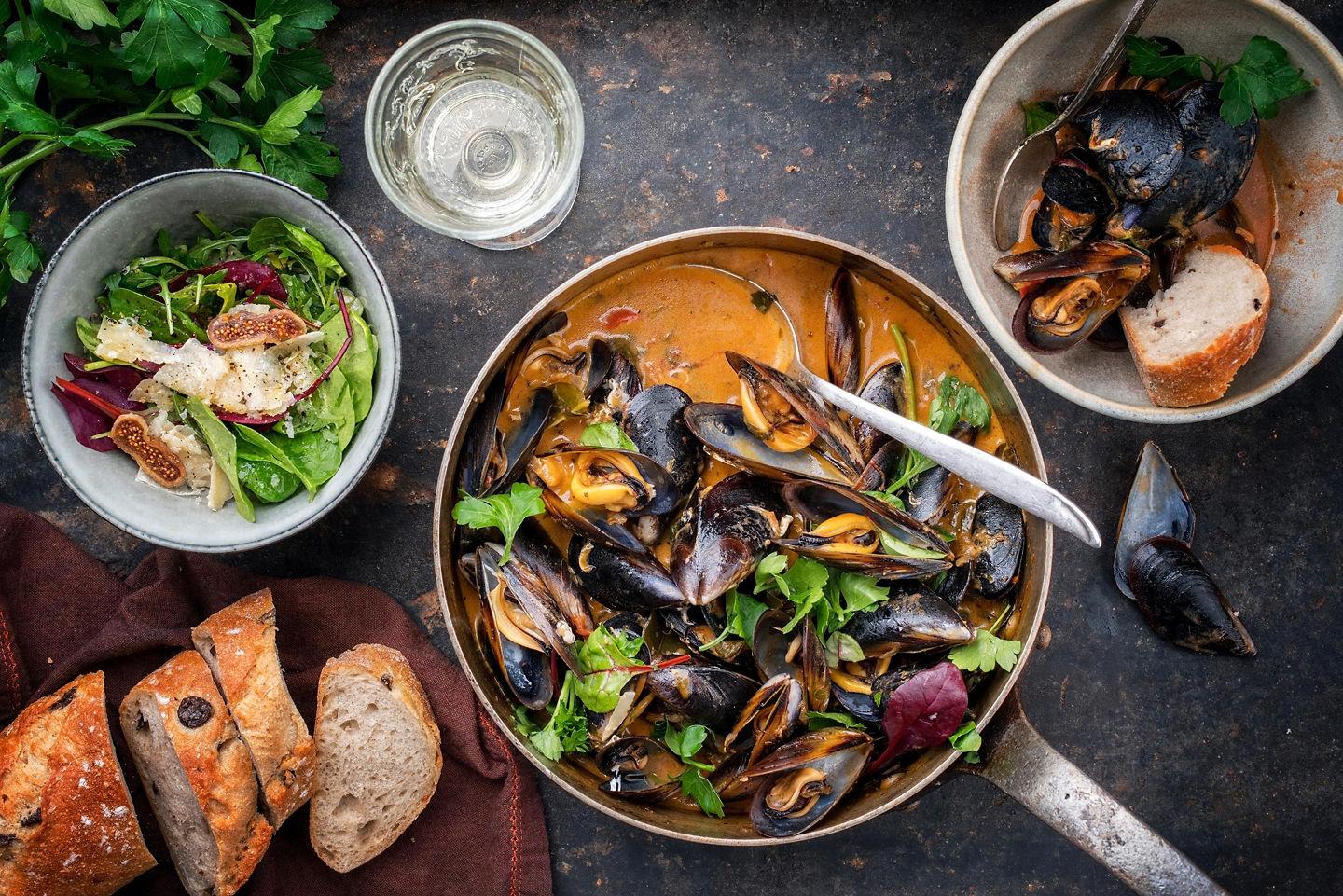
Provençal cuisine is known for olive oil, garlic, herbs, seasonal vegetables and Mediterranean seafood. These ingredients appear in dishes such as ratatouille, tapenade and Marseille’s bouillabaisse, giving local meals a strong connection to the surrounding land and sea.
There's plenty to enjoy in the simpler dishes. Bread with an olive spread, vegetables cooked with herbs or a meal accompanied by a garlicky aïoli can introduce you to familiar ingredients prepared in a different way.
Let the setting guide your appetite, whether you're exploring a market town or stopping near the coast. For a closer look at regional dishes, explore what to eat in Provence .
9. Aix-en-Provence’s Fountains & Historic Streets

Aix-en-Provence is known for its fountains, elegant streets and lively squares. The city brings together historic architecture, cultural attractions and places where you can comfortably pause between sightseeing stops.
Cours Mirabeau is a familiar starting point, with cafes and grand façades along the boulevard. Nearby streets lead into the old town, where smaller squares invite you to explore at a different pace.
Look for the details as you walk: a carved doorway, water spilling into a fountain or an inviting cafe terrace. Aix rewards an unhurried visit, with room for both its heritage and everyday street life.
10. Avignon’s Papal History
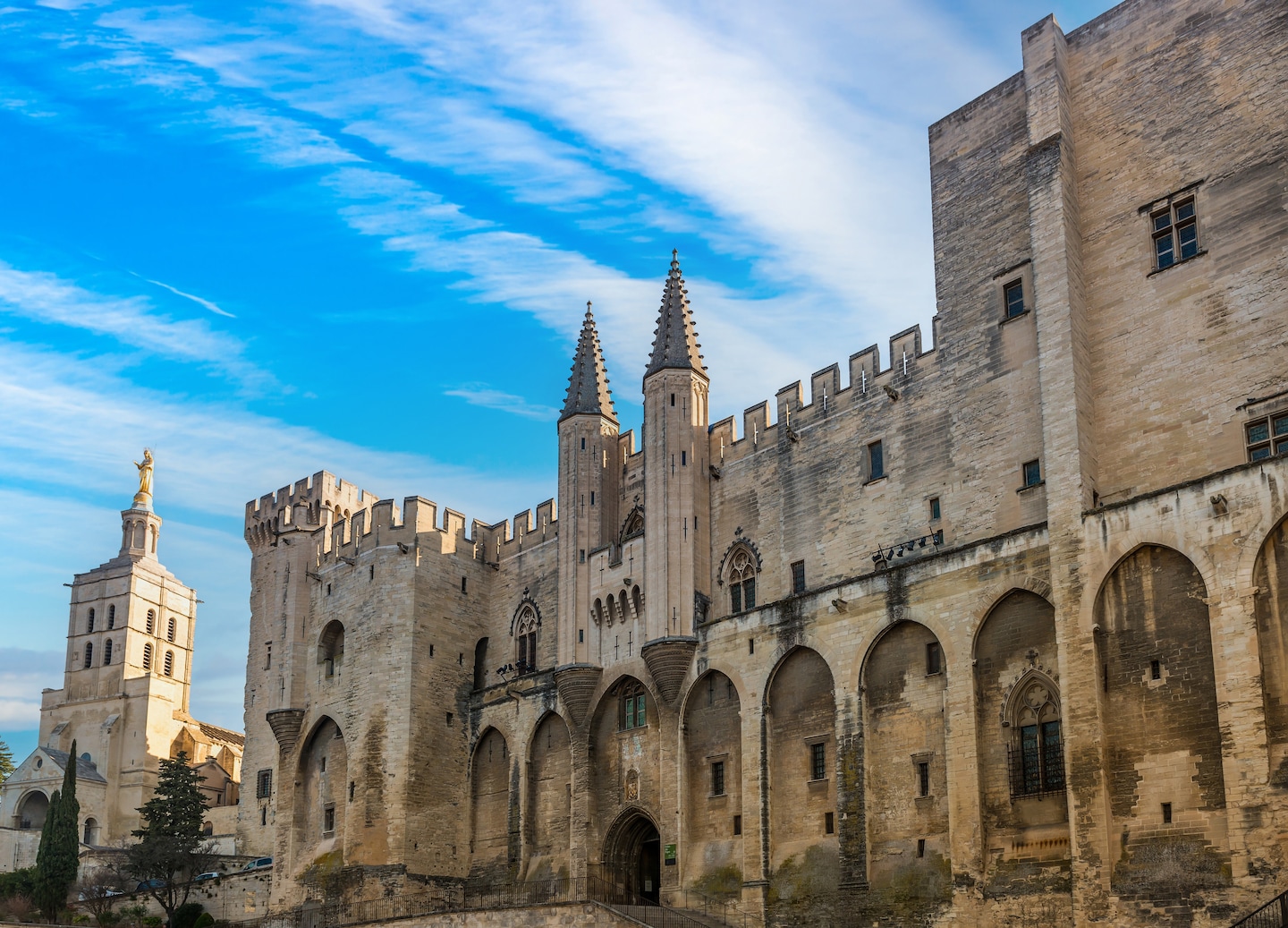
Avignon is famous for the Palais des Papes, the monumental palace associated with the papacy’s presence in the city during the 14th century. Together with surrounding historic buildings and the Avignon Bridge, it forms a UNESCO World Heritage site. UNESCO’s Avignon listing describes this important chapter in European history.
The palace’s imposing walls give the city a different character from Provence’s smaller villages. Its scale helps you imagine Avignon as a center of religious and political power.
A visit can combine the palace with a walk through the historic center. Leave time to enjoy a square or take in the Rhône-side setting, as well as exploring the major monuments.
Why Visit Provence?
Provence is an inviting choice if you enjoy countryside, history and discovering a place through its food. You can explore Roman monuments, admire a village perched above a valley or spend time around a Mediterranean harbor, with plenty of reasons to pause along the way.
A cruise visit offers an introduction to one part of this varied region. Your arrival port, whether Marseille or Toulon, will help shape the possibilities.
Frequently Asked Questions About Provence
-
What is Provence most famous for?
Provence is most famous for lavender fields, hilltop villages, rosé wine and Mediterranean cuisine. The region is also known for outdoor markets, Roman monuments in Arles, Avignon’s papal history and landscapes associated with Van Gogh and Cézanne.
-
Is Provence a city or a region?
Provence is a historic region in southeastern France. It includes cities such as Marseille, Aix-en-Provence, Arles and Avignon, along with villages, vineyards and countryside. Its highlights are spread across a broad area, so visitors usually focus on selected towns or landscapes.
-
What makes Provence distinctive?
Provence brings together Mediterranean coastal scenery, agricultural landscapes and towns with layers of history. Lavender growing, winemaking, outdoor markets and regional cooking give it a recognizable character, while its Roman monuments and artistic connections add depth to a visit.
-
Why is Provence associated with lavender?
Provence is associated with lavender because the plant has long been cultivated in parts of its countryside for aromatic products. Summer fields have also become a familiar image of the region. Growers, distilleries and lavender museums help explain the tradition behind the scenery.
-
Which artists are associated with Provence?
Vincent van Gogh and Paul Cézanne are two of the artists most closely associated with Provence. Van Gogh painted in Arles and Saint-Rémy-de-Provence, while Cézanne repeatedly explored the landscapes around Aix-en-Provence, including Sainte-Victoire Mountain.
-
Does Provence have a coastline?
Yes. Provence includes Mediterranean coastal areas such as Marseille, Cassis and Toulon. Its coast offers harbors, beaches and rocky scenery, including the calanques near Marseille and Cassis. These settings provide a different experience from the region’s inland villages and fields.
-
Is Provence worth visiting on a cruise?
Provence is worth visiting on a cruise if you enjoy historic towns, regional food and Mediterranean scenery. Excursions from Marseille or Toulon offer ways to explore selected parts of the region.
Keep Exploring Provence
Ready to discover more of Provence? These guides can help you plan your visit:
- Provence and Marseille Shore Excursions — Explore outings featuring historic towns, regional flavors and Provençal scenery.
- When Is the Best Time To Visit Provence? — Find a season that suits your countryside and sightseeing plans.
- What To Eat in Provence — Discover Mediterranean dishes and local specialties to try during your visit.