Rome is known for the Colosseum, Roman Forum, Pantheon and Trevi Fountain, along with its close connection to Vatican City. Italy’s capital is also famous for Renaissance and Baroque art, Roman cuisine, lively piazzas and its role as the center of the ancient Roman Empire.
Built along the Tiber River in central Italy, Rome brings centuries of history into the middle of daily life. Ancient columns rise beside busy streets, church doors open onto remarkable artworks and neighborhood bakeries fill the morning air with the scent of fresh bread. Here are 10 things Rome is known for and the stories behind the Eternal City’s enduring appeal.
1. The Colosseum and Ancient Roman Spectacles

The Colosseum is Rome’s most recognizable ancient building, famous for its vast arena and association with gladiatorial combat. Opened in AD 80, it hosted public spectacles that demonstrated the wealth, power and social hierarchy of imperial Rome.
Its surviving arches reveal the ambition of Roman engineering. Entrances, passageways and tiered seating helped manage enormous crowds, while the spaces beneath the arena supported the events above.
Today, the Colosseum gives a physical scale to a civilization often encountered through books and films. Even from outside, its sweeping curves and repeated stone arches make it easy to understand why this building became a symbol of Rome.
2. The Roman Empire and the Forum
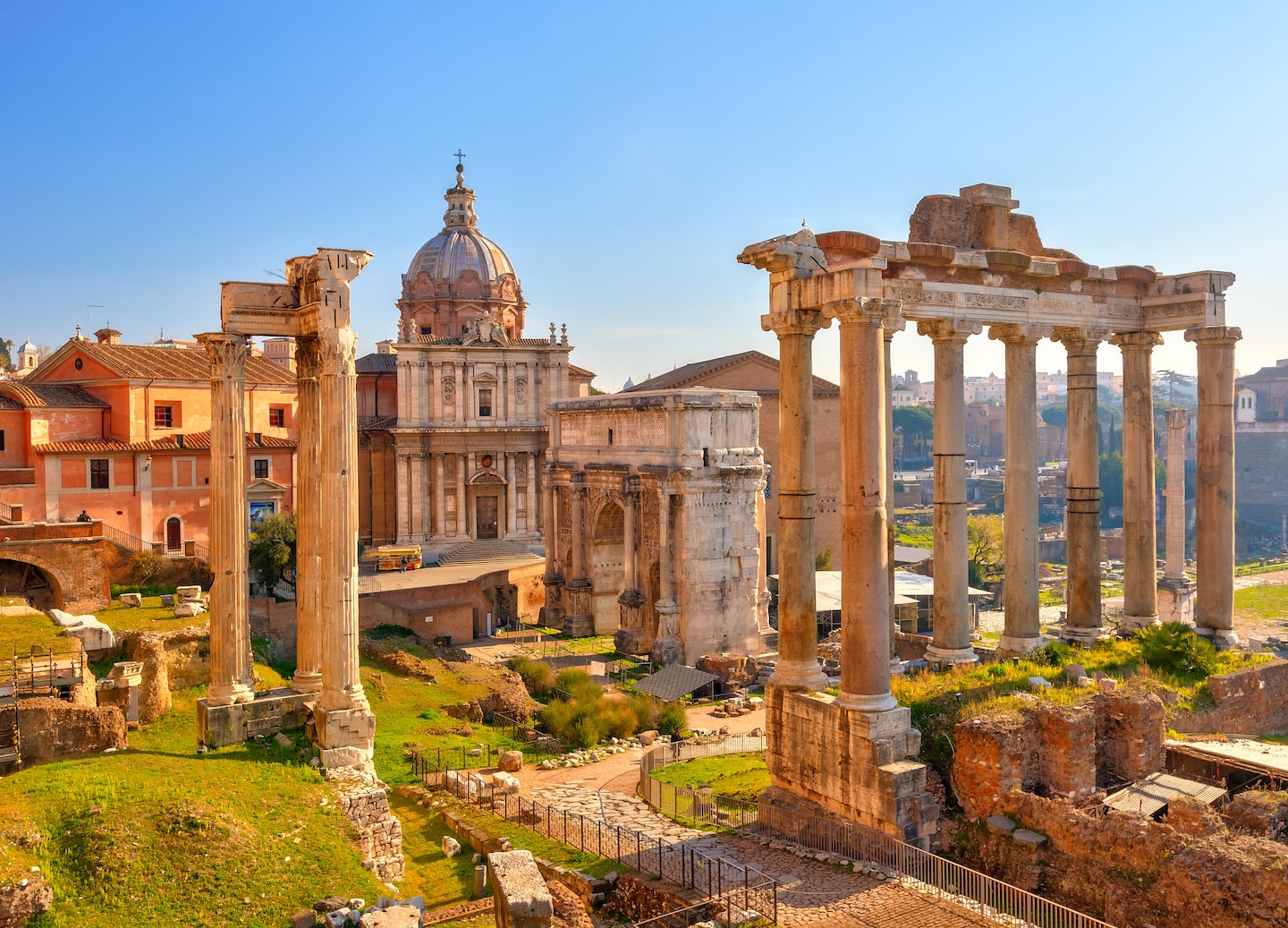
Rome is famous as the city from which an empire expanded across much of Europe, North Africa and the Middle East. Its influence on law, language, architecture and government continued long after the empire’s western territories fragmented.
The Roman Forum brings that history into focus. Temples, public buildings and ceremonial spaces once stood at the center of political, religious and commercial life. Above it, Palatine Hill became associated with imperial residences.
These remains belong to the wider UNESCO-listed historic center of Rome , where ancient spaces were repeatedly reused and transformed. That continuity helps explain Rome’s character: later generations built around, within and above what earlier Romans left behind.
3. Vatican City and Catholic Heritage
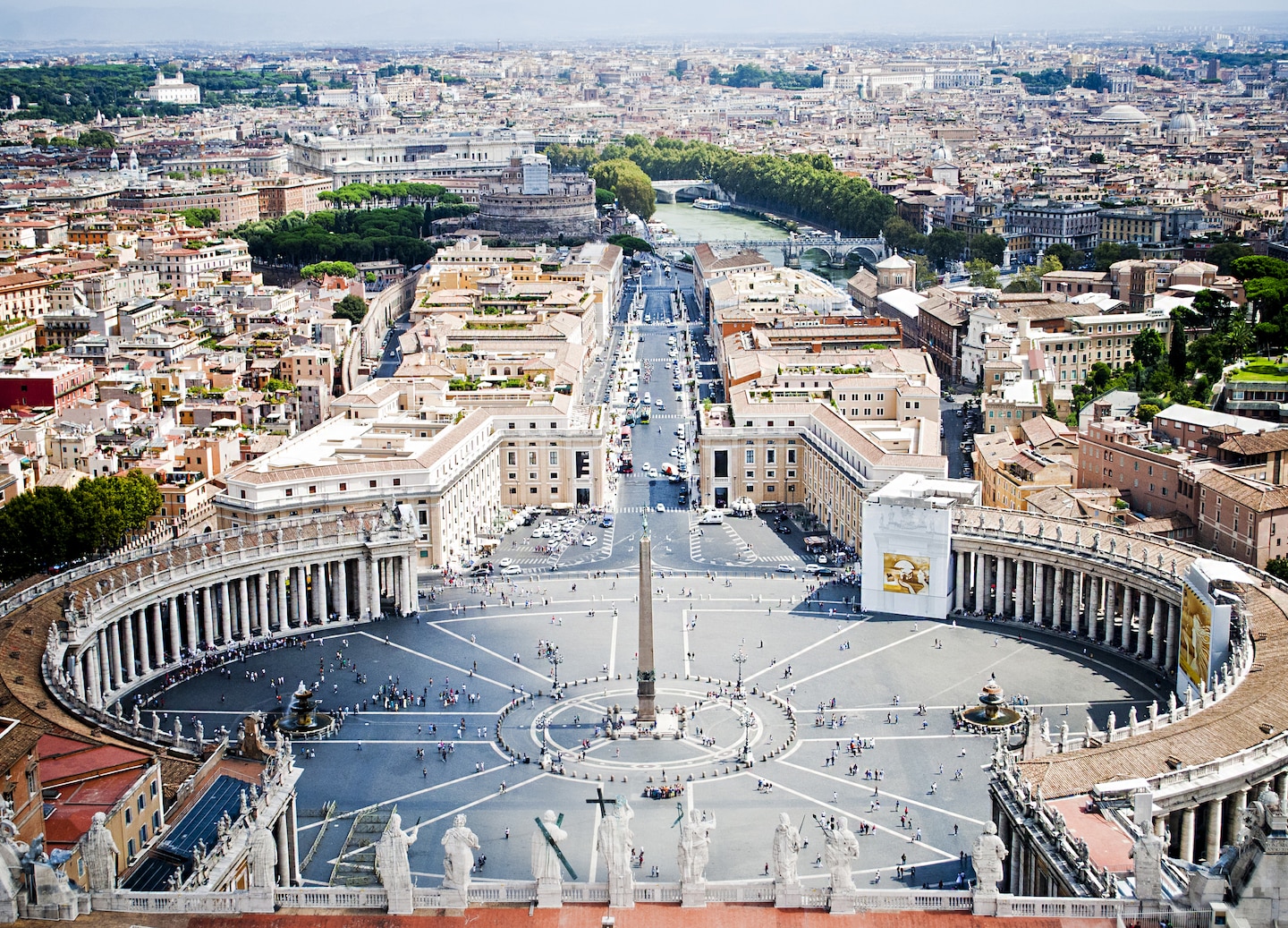
Rome is closely associated with Vatican City, the independent city-state enclosed within it and the spiritual center of the Roman Catholic Church. Although politically separate from Italy, the Vatican is inseparable from Rome’s international identity.
St. Peter’s Basilica and the surrounding square are among its most familiar sights. Bernini’s sweeping colonnades frame a gathering place for pilgrims, while the basilica reflects the work of generations of architects and artists.
The religious and artistic importance of Vatican City extends far beyond its small borders. Its churches, collections and ceremonies help make the wider Rome area a destination for both pilgrimage and cultural discovery.
4. The Pantheon and Architectural Ingenuity
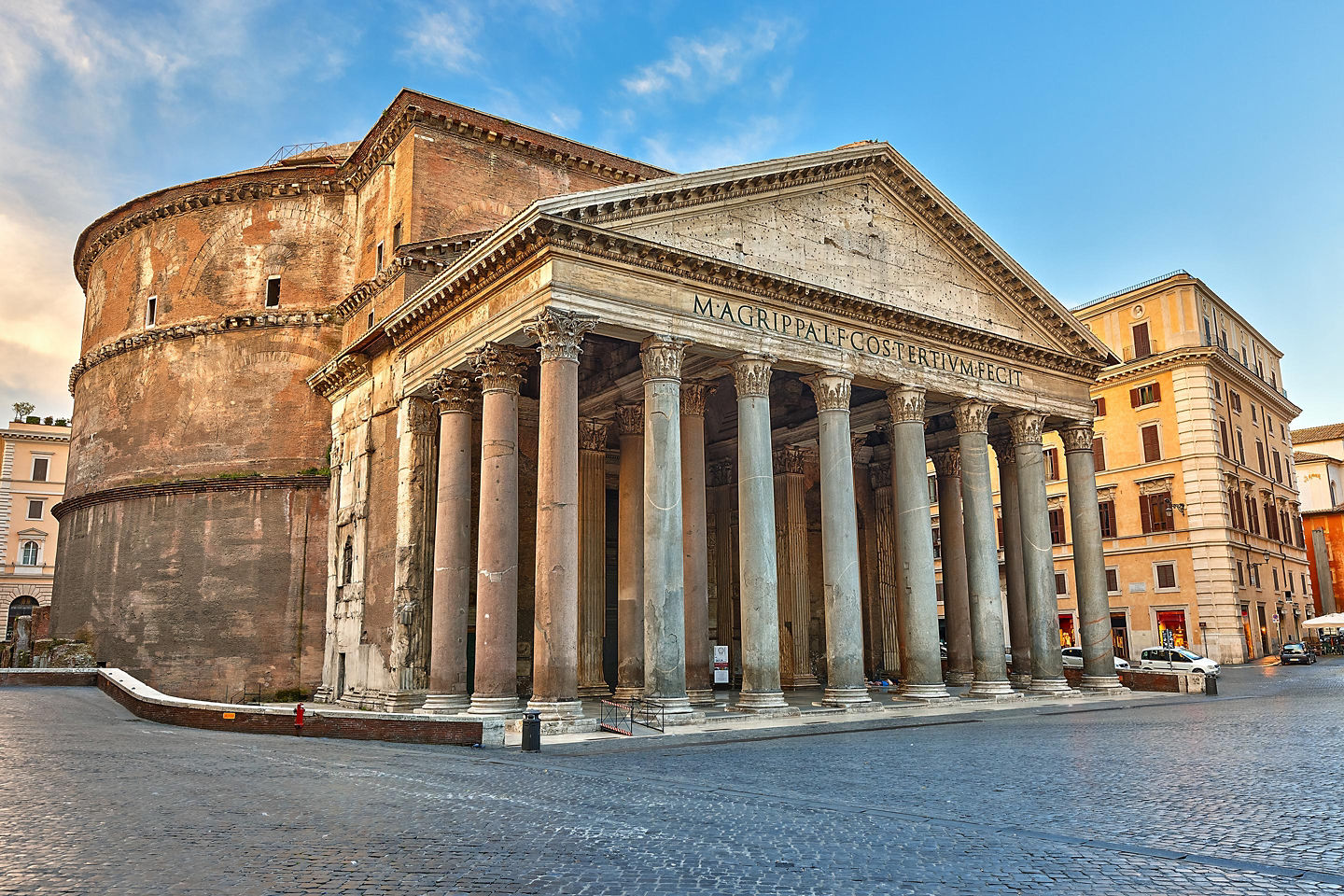
The Pantheon is one of Rome’s best-preserved ancient buildings, celebrated for its immense dome and the circular opening at its center. Known as the oculus, this opening allows daylight—and rain—to enter the interior.
The contrast between outside and inside is part of its appeal. A monumental columned entrance leads into a rounded space where the dome seems to draw everything upward. As the sun moves, a patch of light travels across the building’s surfaces.
Its later use as a church helped preserve the structure through centuries of change. Among Rome’s famous buildings, the Pantheon offers an especially clear connection between ancient engineering and the experience of standing inside it today.
5. Renaissance and Baroque Art
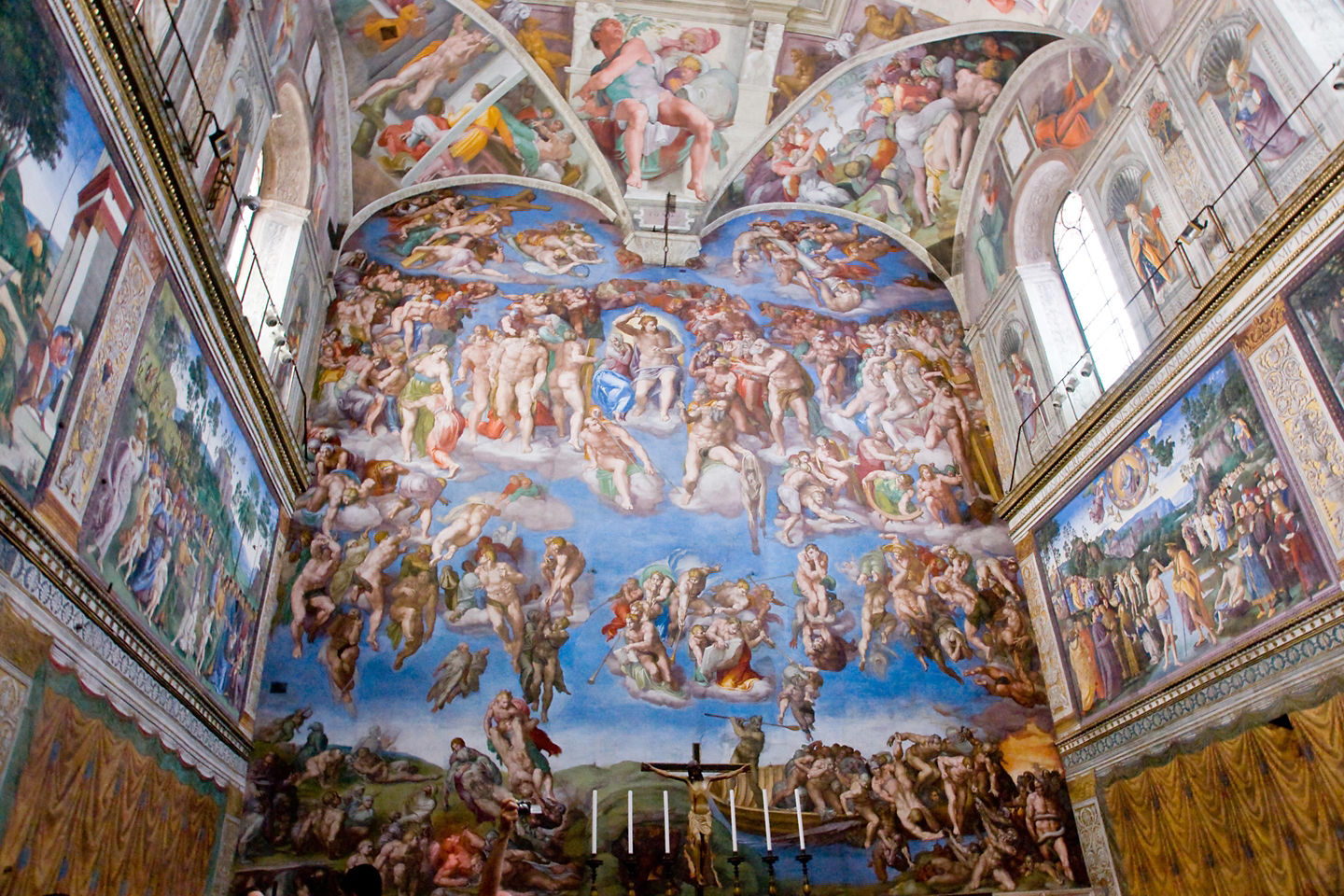
Rome is famous for art created under the patronage of popes, noble families and religious institutions. Michelangelo, Raphael, Bernini and Caravaggio all helped shape the artistic reputation of the city and the Vatican.
Their work takes many forms, from the Sistine Chapel ceiling to sculptures that give marble an extraordinary sense of movement. Painted chapels, decorated palaces and elaborate fountains show how art became part of Rome’s public and religious life.
This is a city where the setting matters almost as much as the artwork. A painting still displayed in a church or a sculpture designed for a particular room preserves something of the experience its creator intended.
6. Trevi Fountain and Rome’s Piazzas
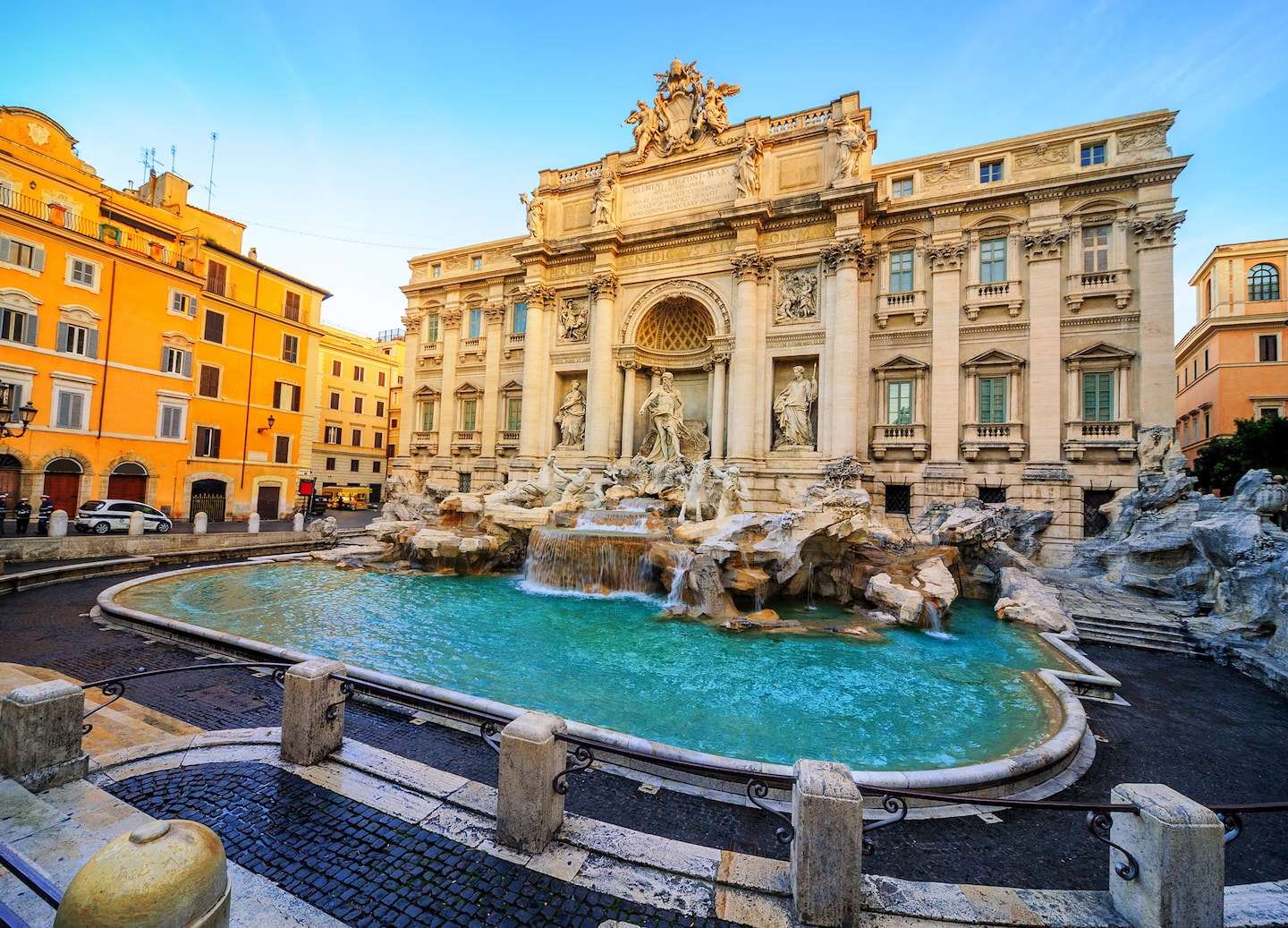
Rome is known for turning public spaces into grand architectural scenes. The Trevi Fountain is a particularly striking example, with sculpted figures, rock-like forms and flowing water filling the space before a palace façade.
Its coin-tossing tradition adds a personal story to the setting: visitors make the gesture in the hope of returning to Rome. Elsewhere, Piazza Navona follows the elongated footprint of an ancient stadium, while Piazza di Spagna rises toward the Spanish Steps.
These squares are part of what makes Rome so recognizable. The city’s famous fountains, squares and historic buildings create places where architecture and everyday street life share the same stage.
7. Roman Cuisine and Trattoria Traditions
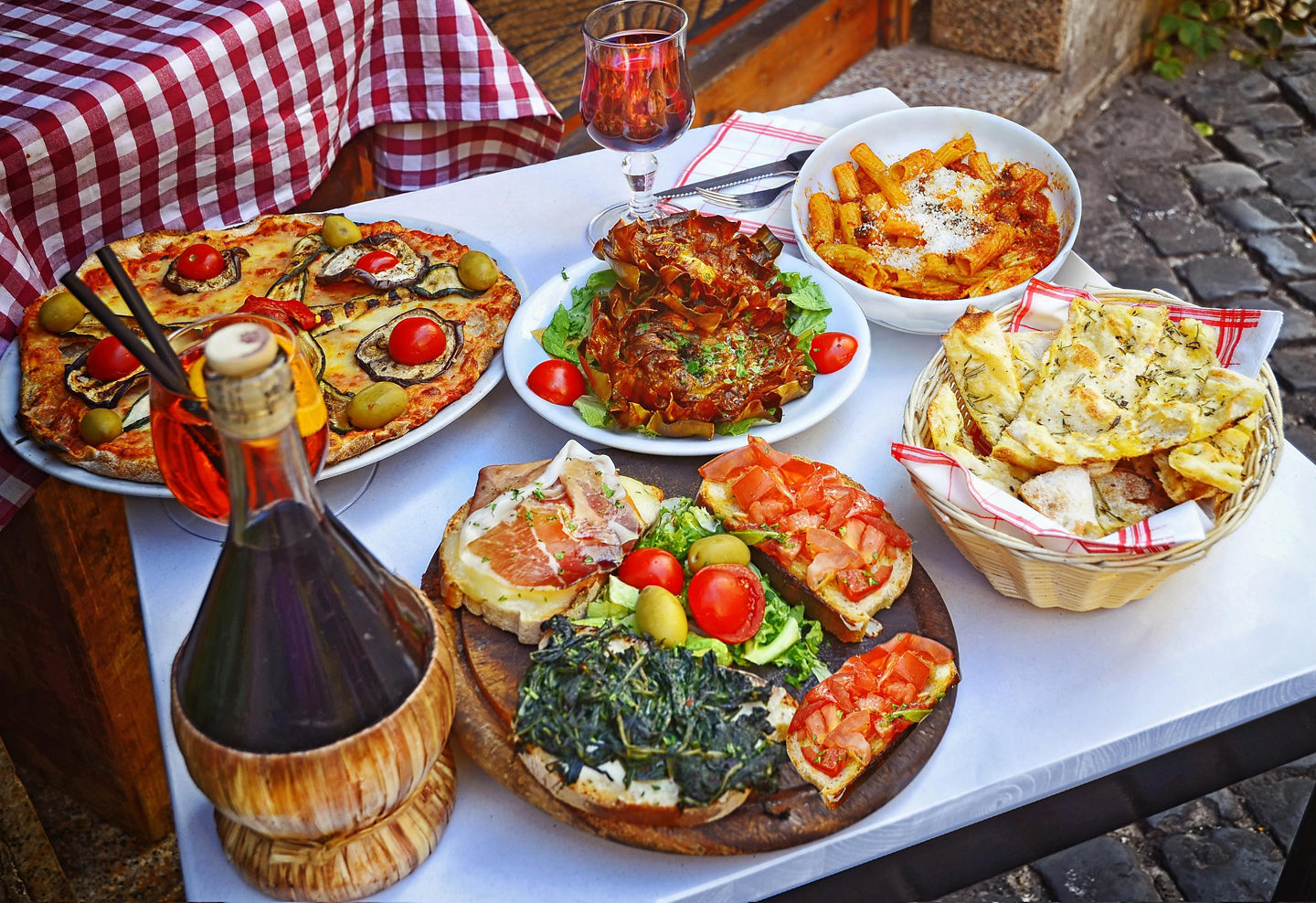
Rome is famous for a regional cuisine built around bold flavors and relatively few ingredients. Carbonara, cacio e pepe, amatriciana and gricia are closely associated with the city’s pasta tradition, each with its own character.
The pleasure often lies in technique: cheese and pasta water becoming a silky sauce, black pepper adding warmth or guanciale bringing a savory richness. Beyond pasta, pizza al taglio and crisp supplì reflect a food culture that also makes room for something quick and satisfying.
A closer look at what to eat in Rome reveals how much local identity sits behind the menu. These dishes are part of the city’s daily life, not simply its visitor appeal.
8. Trastevere and Neighborhood Character
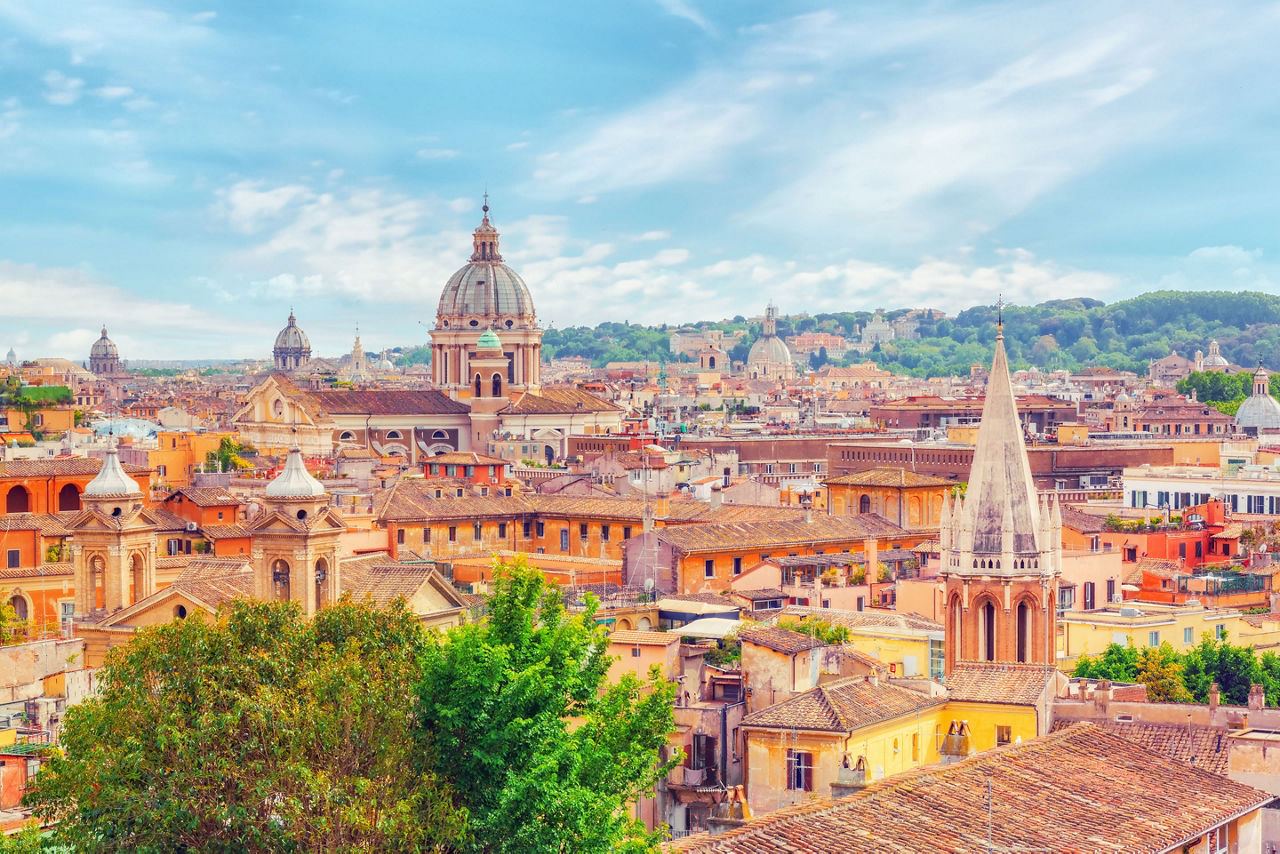
Rome is known for neighborhoods whose personalities remain distinct despite belonging to the same busy capital. Trastevere is one of the most familiar, with narrow lanes, warm-colored façades and squares that become lively gathering places.
Other districts offer different impressions. Monti combines small shops and cafés with a setting close to ancient Rome, while Testaccio is strongly associated with the city’s food traditions and working-class history.
This variety gives Rome a more personal scale. Beyond its monumental spaces are streets where residents shop, meet friends and return to familiar places. Exploring the city’s neighborhoods helps connect its famous image with the routines of the people who live there.
9. Italian Cinema and La Dolce Vita
Rome is famous for its connection to Italian cinema and the glamorous image of la dolce vita , or “the sweet life.” Films helped carry its fountains, streets and café-lined avenues into the imaginations of audiences around the world.
Federico Fellini’s La Dolce Vita made the Trevi Fountain and the world of Via Veneto especially memorable. Behind the camera, Cinecittà became an important center of film production, reinforcing Rome’s place in cinematic history.
That screen presence gives the city a familiar quality even on a first visit. A fountain or a curve in a street can feel like a scene you already know, now filled with real voices, footsteps and afternoon light.
10. Coffee Culture and Everyday Italian Rituals
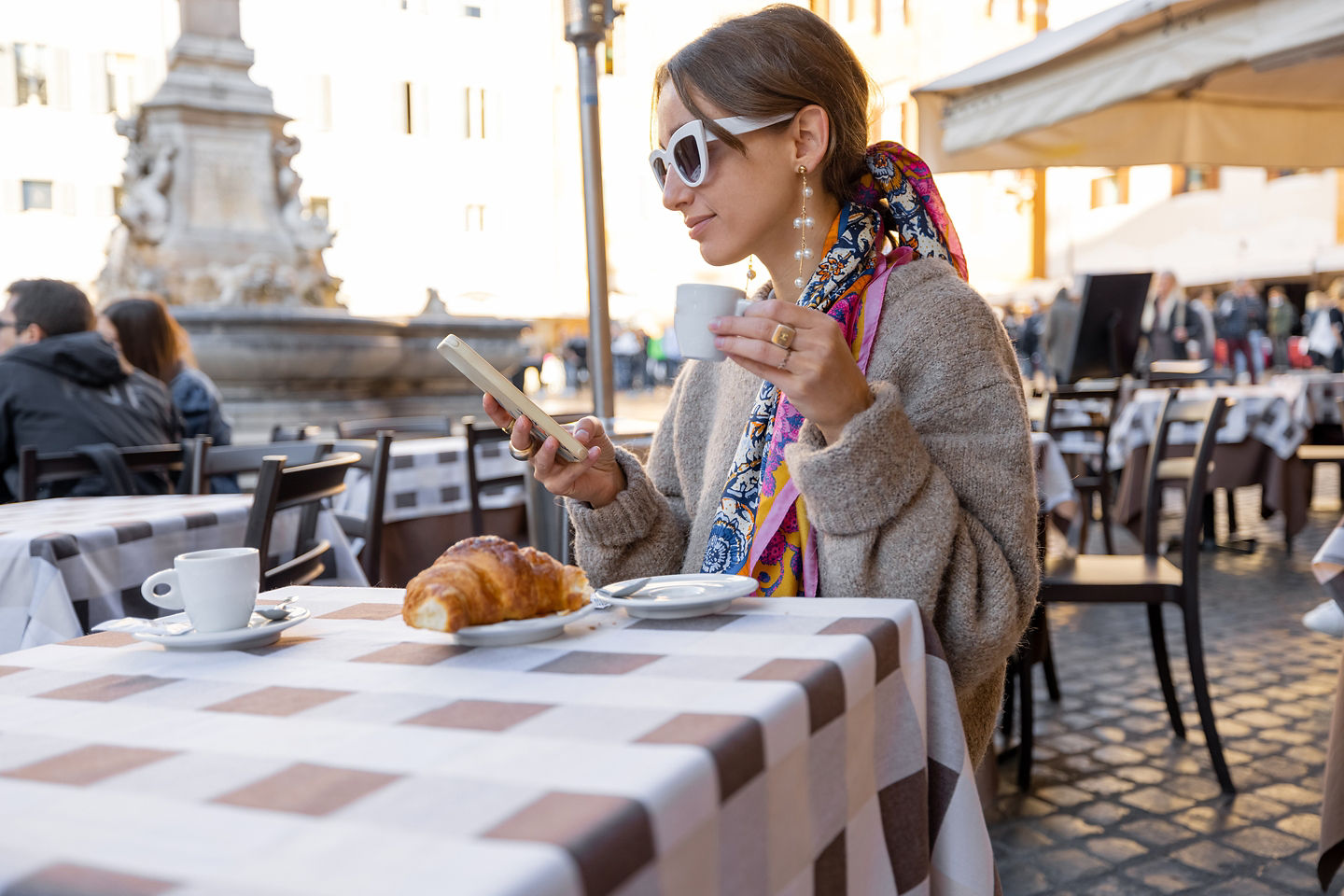
Rome is also known for the everyday pleasures associated with Italian city life: a quick espresso, a bakery breakfast and an evening stroll before dinner. These traditions are shared across Italy, but Rome gives them a particularly memorable setting.
At a neighborhood bar, coffee can be a brief pause taken standing at the counter. Later in the day, the pace changes as people gather at outdoor tables or walk through the streets during the evening passeggiata.
These small routines help balance the scale of the city’s history. Between ancient buildings and elaborate churches, there is still time for a conversation, something freshly baked and the simple pleasure of watching a Roman square come to life.
Why Visit Rome?
Rome is a wonderful choice if you enjoy history, art and food with a strong connection to place. Its famous sights are extraordinary, but the city’s appeal also comes from their surroundings: the café near an ancient wall, the neighborhood trattoria and the square you find between planned stops.
For cruise travelers, sailings from Rome depart from Civitavecchia , a separate coastal port that requires transportation to and from the capital. A stay before or after your sailing gives you more time to appreciate the city. If your visit is shorter, this guide to one day in Rome can help you choose your priorities, allowing for transfers and your ship’s schedule.
Frequently Asked Questions About Rome
-
What is Rome most famous for?
Rome is most famous for the Colosseum, Roman Forum, Pantheon and Trevi Fountain, along with its connection to Vatican City. It is also celebrated for its ancient history, Renaissance and Baroque art, regional cuisine and lively public squares.
-
Why is Rome called the Eternal City?
Rome’s nickname, the Eternal City, dates back to antiquity and reflects the idea that the city would endure through time. Today, the name also suits the way ancient remains, religious traditions and modern life continue to exist together.
-
What makes Rome unique?
Rome stands out for the depth of history visible within a living capital. Ancient structures, later churches and palaces, and modern neighborhoods occupy the same urban landscape. Its combination of imperial history, Catholic heritage, art and local food gives the city its distinctive identity.
-
Why was Rome so influential?
Rome was influential as the center of the Roman Republic and later the Roman Empire. Roman systems of law, administration and engineering spread widely, while Latin shaped the development of several European languages. The city later became a major center of Christianity and artistic patronage.
-
Is Vatican City part of Rome?
Vatican City is geographically enclosed within Rome but is an independent sovereign state, not part of Italy. Its close physical and historical relationship with Rome is why the two are often discussed together.
-
Why is Rome associated with la dolce vita?
Rome is associated with la dolce vita through its café culture, glamorous cinematic image and Federico Fellini’s film of the same name. The phrase means “the sweet life” and is often used to evoke the pleasures of food, conversation and beautiful surroundings.
-
Is Rome worth visiting on a cruise?
Rome is worth visiting on a cruise if you enjoy ancient history, art and Italian culture. Ships use Civitavecchia, so transportation is an important part of planning. A focused shore excursion can introduce you to selected highlights, while a pre- or post-cruise stay allows more time.
Keep Exploring Rome
Ready to discover more of the Eternal City? These guides can help you plan your visit:
- Explore Rome shore excursions for guided experiences featuring ancient history, art and local culture.
- Find the best time to visit Rome by comparing the seasons with your sightseeing plans.
- Discover what to eat in Rome , from traditional pasta dishes to bakery favorites.
- Browse ideas for what to buy in Rome , including local foods, crafts and keepsakes.
- Get acquainted with the best neighborhoods in Rome , from historic central streets to districts known for food and evening atmosphere.