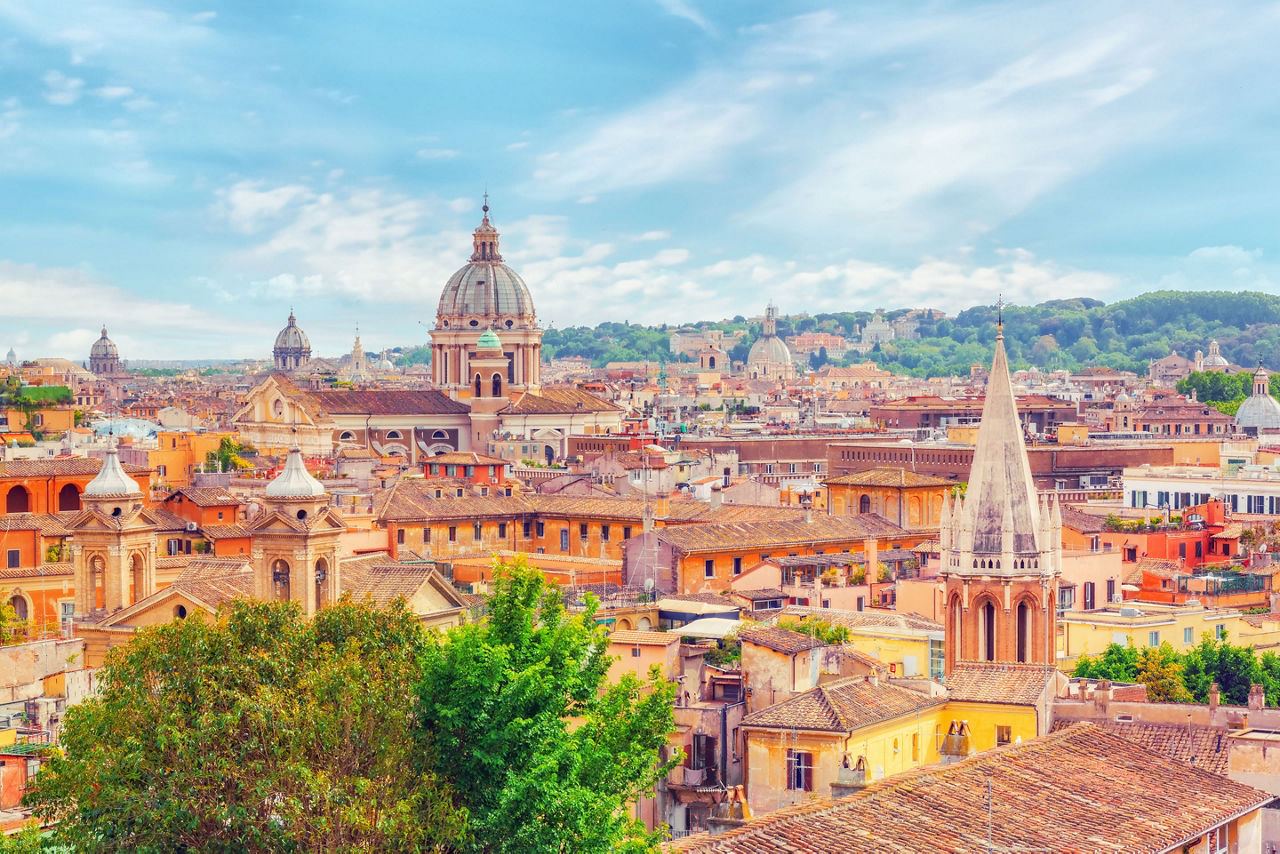
Rome, Italy’s Eternal City, is a place where ancient ruins blend seamlessly with vibrant street life. Every corner tells a story and pasta and gelato are practically food groups. Whether you dream of walking through the Colosseum or sipping an espresso at a sidewalk café, knowing the best time to visit Rome, Italy, will help you make the most of your experience. Here’s a friendly guide to when and why you should plan your Roman holiday.
Spring: March to May
Best for: Pleasant Weather & Sightseeing
Average temperatures: 50°F to 72°F / 10°C to 22°C
Spring is widely considered the best time to visit Rome, Italy. During March, April and May, the city wakes up from its winter slumber. The temperatures are comfortably mild, the gardens are in full bloom and the streets buzz with energy without being overcrowded.
Key Events & Activities:
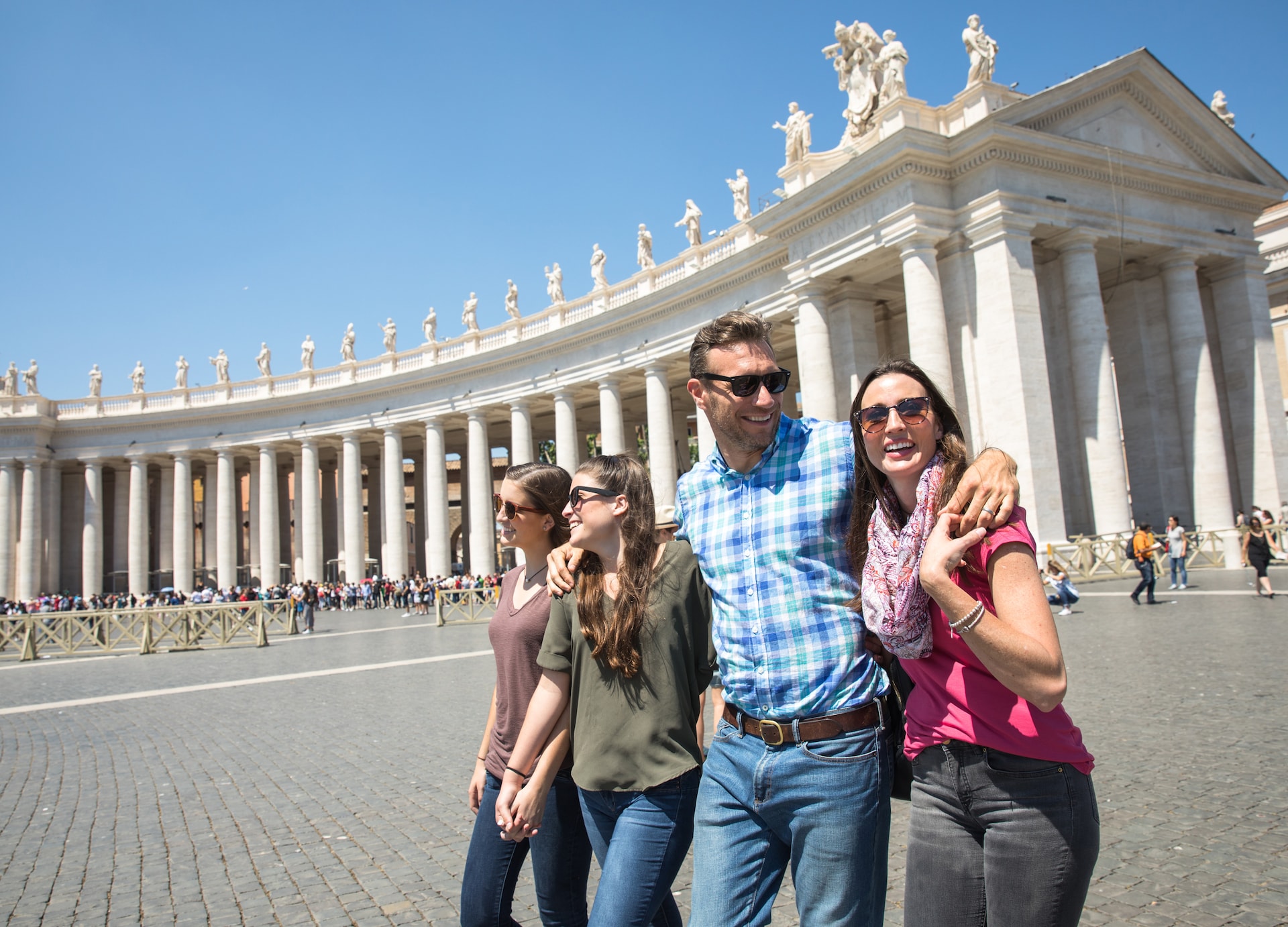
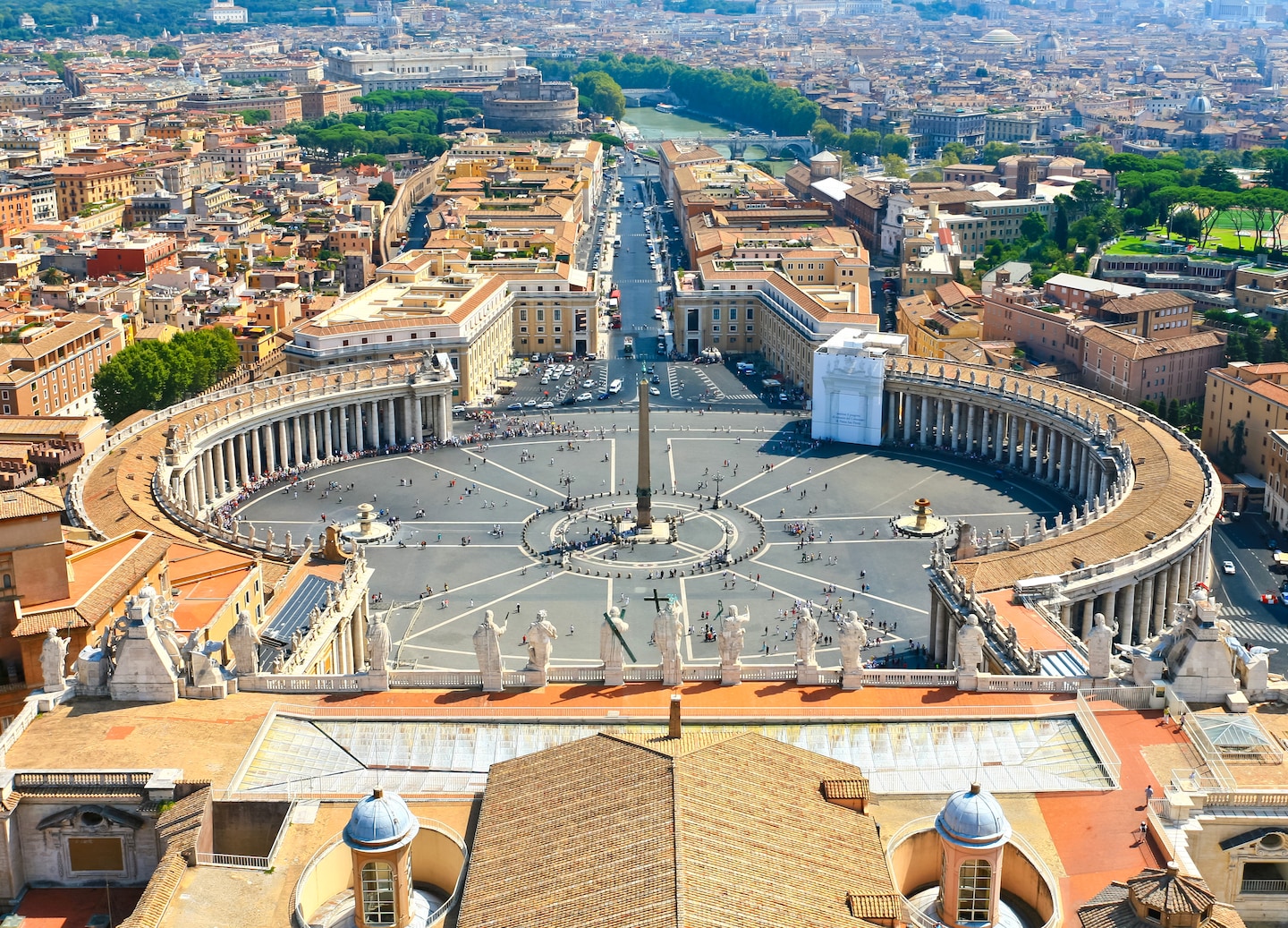
- Easter Celebrations: Easter in Rome is a major event, especially at Vatican City. Holy Week services and the Papal Mass at St. Peter’s Basilica are incredible experiences for visitors.
- Outdoor Excursions: Take guided shore excursions that explore iconic sites like the Roman Forum, Palatine Hill and the Pantheon, all under beautiful spring skies.
- Villa Borghese Gardens: Spend a leisurely afternoon wandering through these gorgeous gardens filled with fountains, sculptures and blossoming flowers.
Springtime combines cultural richness with perfect walking weather, making it ideal for first-time visitors and seasoned travelers alike.
Summer: June to August

Best for: Festivals & Outdoor Dining
Average temperatures: 70°F to 88°F / 21°C to 31°C
Summer brings long, sunny days and a lively atmosphere to Rome. While it can get hot — especially in July and August — it’s also a vibrant time with lots of open-air events and nightlife.
Key Events & Activities:
- Estate Romana (Roman Summer): Enjoy a series of concerts, outdoor movie screenings and cultural performances that take over the city from June to September.
- Tiber River Markets: Along the Tiber River, you'll find open-air markets, food stalls and nighttime entertainment, perfect for an evening stroll and some late-night gelato.
- Seaside Excursions: For a cool escape, take a shore excursion to the nearby coast, such as the beaches of Lido di Ostia.
Although summer is high season for tourists, early mornings and evenings are lovely times to explore the major sites with fewer crowds.
Autumn: September to November

Best for: Mild Temperatures & Cultural Festivals
Average temperatures: 55°F to 77°F / 13°C to 25°C
Autumn is another contender for the best time to visit Rome, Italy. The weather cools down after the summer heat, the summer tourists start to thin out and the city hosts some of its most celebrated events.
Key Events & Activities:
- Romaeuropa Festival: Delight in this major arts and culture festival, featuring theater, music and dance performances at venues across the city.
- Grape Harvest Season: September is the start of the grape harvest in nearby wine regions like Frascati — perfect for day trips and wine tastings.
- Walking Tours: Autumn’s comfortable temperatures make it an ideal time for walking tours through charming neighborhoods like Trastevere and Campo de' Fiori.
The golden light of fall also makes Rome’s already stunning architecture even more magnificent, creating perfect photo opportunities at every turn.
Winter: December to February
Best for: Holiday Magic & Lower Prices
Average temperatures: 40°F to 57°F / 4°C to 14°C
Winter in Rome is quieter and cooler, but still charming. If you don't mind bundling up a little, you’ll be rewarded with shorter lines at major attractions and a more local, authentic experience.
Key Events & Activities:
- Christmas Markets: Wander through festive Christmas markets in Piazza Navona and elsewhere, filled with crafts, treats and joyful spirit.
- Epiphany Celebrations (January 6): Watch parades and celebrations marking the arrival of the Three Wise Men — a major event in Italy.
- Museum Visits: Colder days are perfect for exploring the Vatican Museums, Galleria Borghese and Capitoline Museums without the usual crowds.
Plus, the winter months are a great time to savor hearty Roman dishes like carbonara and oxtail stew in cozy trattorias.
When is the Best Time to Visit Rome, Italy?
The best time to visit Rome, Italy, is during the spring months of March to May. This season offers the perfect combination of mild temperatures, blooming gardens and manageable crowds, making it ideal for exploring both famous attractions and hidden gems. From enjoying Easter festivities at the Vatican to leisurely walks through historic piazzas and parks, spring showcases Rome at its finest. Whether it’s your first visit or your fifth, traveling to Rome in the spring guarantees an unforgettable experience filled with beauty, history and authentic Italian charm.
FAQs: Visiting Rome
1. What are the quietest months to visit Rome?
The quietest months to visit Rome are January and February, when crowds are lowest and prices drop after the holidays. These winter months bring shorter lines at major attractions and cheaper hotels, making them great for budget-friendly travel. Late August can also feel quieter since many Romans leave for their own vacations.
2. What’s the coldest month in Rome?
January is the coldest month in Rome, with average temperatures between 39°F and 54°F (4°C to 12°C). While snow is rare, mornings can feel brisk, and evenings are best spent enjoying hearty Roman dishes in cozy trattorias.
3. Is Rome expensive to visit?
Rome is most expensive during spring and fall peak seasons, when demand is highest for flights and hotels. Visiting in the off-season from November through February is usually much cheaper, with lower rates and fewer crowds at museums and landmarks.
4. What is the sunniest month in Rome?
The sunniest months in Rome are May through September, with July offering the longest daylight hours. These months are perfect for outdoor dining, evening strolls through piazzas and soaking in views of ancient ruins under golden light.
5. What is the rainy season in Rome?
The rainiest month in Rome is November, though showers also occur in early spring. Rain is usually light and steady, so sightseeing is rarely disrupted — just bring an umbrella and you’ll still enjoy the city.
6. What is the hottest month in Rome?
July is the hottest month in Rome, with highs averaging around 88°F (31°C). Heatwaves can make midday sightseeing tough, but mornings and evenings are lively with festivals, al fresco dining and open-air concerts.
7. Does the Colosseum close if it rains?
No, the Colosseum stays open in rain, and most visits aren’t affected by showers. Only severe weather such as strong thunderstorms might cause temporary closures for safety reasons.
8. What is the busiest month in Rome?
The busiest months in Rome are April, May, June, September and October, when the weather is mild and festivals are in full swing. During these times, attractions are crowded and hotels fill quickly, so it’s best to book in advance.
9. What is the “blood rain” in Rome?
“Blood rain” in Rome happens when Saharan dust mixes with rain clouds, giving the rain a red or orange tint. It’s a rare and harmless phenomenon that can leave cars and streets dusty, but doesn’t affect travel.
Keep Exploring Rome, Italy
Want to learn more about this Italian gem? Check out these guides to plan your next trip:
- Rome, Italy Shore Excursions - Plan your Rome adventure around the Colosseum, Vatican, piazzas and immersive cultural experiences.
- What is Rome, Italy Known For? - Discover what Rome is known for, from ancient landmarks to unforgettable Italian cultural heritage.
- What to Eat in Rome - Connect to Rome’s culinary traditions highlighting heritage recipes, local ingredients and authentic Italian spirit.
- What to Buy When Shopping in Rome - Spot Rome’s must‑buy items including pasta, spices, leather accessories, artwork and traditional home goods.
- The Best Ways to Get Around Rome - Glide through Rome’s streets showcasing historic corridors, riverfront paths and beautiful walkable viewpoints.
- Famous Landmarks in Rome - Investigate Rome’s iconic sites mixing ancient forums, ornate churches, scenic squares and authentic Italian character.
- Visiting the Colosseum: Everything You Need to Know - Find everything you need for visiting the Colosseum including access tips, routes and nearby sights.
- A Guide to the Best Neighborhoods in Rome - Explore Rome’s top neighborhoods blending ancient landmarks, vibrant cafés, boutiques and lively cultural energy.