By Eben Diskin | Published on December 23, 2025
Even if you've visited the Caribbean before, going during the holidays can be an entirely different and more rewarding experience. Rather than simply enjoying typical Caribbean pleasures like beautiful beaches and colorful architecture, you'll be able to fully immerse yourself in local tradition, atmosphere, music, dance and cuisine. There's simply no better time for a Caribbean vacation than the holiday season. Here's how to celebrate the holidays at the best Caribbean festivals.
Key Takeaways
- ● Blending music, dance, food and centuries of tradition, Caribbean celebrations are among the most vibrant and authentic ways to experience island life.
- ● La Navidad, Puerto Rico: Puerto Rico holiday celebrations stretch from November to mid-January, featuring parrandas, Nochebuena dinners, Three Kings Day parades and the Fiestas de la Calle San Sebastián street festival.
- ● Christmas Walkabout, Bermuda: St. George’s historic streets come alive with live music, dancing, local foods like cassava pie and charming holiday performances during the Bermuda Christmas walkabout.
- ● National Carnival, St. Kitts and Nevis: Running from late November to early January, this carnival features J’Ouvert parades, feathered costumes, folklore performances and local cuisine.
- ● Festival of Lights, St. Lucia: Celebrated around Saint Lucia Day, the festival includes lantern parades, masqueraders, musical processions and traditional island foods like callaloo soup and breadfruit.
- ● Junkanoo, The Bahamas and Jamaica: Taking place on Boxing Day and New Year’s, Junkanoo features masquerade parades, goatskin drums, dancing, local crafts and festive foods like rock lobsters.
- ● Parang Festival, Trinidad and Tobago: From October through early January, Parang celebrates Spanish Creole music with house-to-house performances, singing, dancing and holiday treats like pastelles.
- ● Discover your Caribbean festival adventure here.
Why Caribbean Festivals Are So Sought After
The Caribbean is world-famous for its festivals, which are vibrant celebrations of music, dance, food and community spirit. More than just parties, Caribbean festivals are a living expression of the region’s history, blending African, European and Indigenous influences into unforgettable spectacles.
Each island puts its own twist on the festivities, from elaborate parades with feathered costumes to beachside concerts and cultural showcases. For visitors arriving by cruise, festivals offer a unique chance to see the Caribbean at its most authentic, energetic and joyful.
Traditional Caribbean festivals often feature a mix of colorful street parades, live music ranging from steel pan to reggae and dance traditions passed down for generations. Carnival, Junkanoo and other island celebrations highlight masquerade bands, rhythmic drumming and call-and-response singing that keep crowds moving late into the night.
Food stalls overflowing with jerk chicken, fried plantains and local delicacies add flavor to the experience, while art, storytelling and religious ceremonies weave deeper cultural meaning into the celebrations. Together, these elements create a multisensory event that’s both entertaining and deeply rooted in heritage. Learn a bit more about six standout festivals that make any Caribbean cruise vacation a magical experience, especially during the holiday.
La Navidad, Puerto Rico
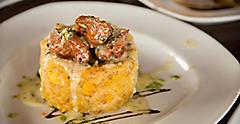
In Puerto Rico, the holidays aren't just a one or two-day affair. They're a full-fledged season of events — complete with food, music, parades and art. These make the island a must-visit for vacationers looking to experience local culture.
The holidays in Puerto Rico are some of the most epic Caribbean celebrations, thanks to their sheer length. La Navidad begins in November and lasts through mid-January, making for a months-long extravaganza of holiday cheer.
The fun kicks off with Thanksgiving, or “Día de Acción de Gracias,” which features a Puerto Rican spin on classic Thanksgiving food. In addition to turkey, you'll also find roasted pig, green plantains and mofongo — staples of the Puerto Rican culinary tradition. The real fun begins after Thanksgiving, at the start of the Christmas season.
The Joy of Parrandas
“Parrandas”, or Christmas carols, are a traditional Puerto Rican way to ring in the holiday season. More lively than what you may be used to back home, parrandas feature instruments like maracas and guitars accompanying the singing of traditional Christmas songs.
The “parranderos” gather quietly outside the house before breaking into song, with the cheery goal of waking up whoever may live there. According to tradition, the residents are supposed to offer the carolers refreshments and then even join the group as they continue through the neighborhood.
The Festivities in Puerto Rico Never Stop
The party in Puerto Rico continues with “Nochebuena” (Christmas Eve). On Nochebuena, family and friends gather for a traditional dinner, gift-giving, caroling or driving around to enjoy the Christmas decorations. Many also attend midnight mass, where the Nativity scene is reenacted. Classic holiday dishes like “arroz con gandules” (rice with pigeon peas), “pasteles” (patties of green banana and meat) and “tembleque” (a coconut pudding topped with cinnamon) also often make an appearance on Nochebuena.
When Christmas is over, that doesn't mean the holiday season is done in Puerto Rico. Three Kings Day on January 6 celebrates the Epiphany, the visit of the Three Wise Men at Jesus' birth. The night before, children gather grass and hay in shoeboxes and place them under their beds as gifts for the wise men's horses, in exchange for presents. Some towns, like Juana Diaz, have huge festivals and parades that mark the occasion.
The holiday season wraps up with “Octavitas,” the eight days immediately following Three Kings Day. During this time, people continue throwing parties and participating in parades and parrandas. It all culminates in the “Fiestas de la Calle San Sebastián,” Puerto Rico's most lively and exciting festival. Fiestas de la Calle San Sebastián, which marks the official end of the holiday season, features huge street fairs, parades, dancing, art, live music, and of course, plenty of food.
Christmas Walkabout, Bermuda
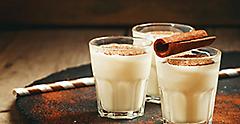
Bermuda is one of the best holiday destinations for travelers, particularly if you're from the United States, thanks to its convenient location just 600 miles east of North Carolina. Unlike many tropical locations, you can cruise there from New York in just under two days, making it the perfect holiday jaunt. Its convenience isn't the only reason to prioritize Bermuda for your next vacation.
The island is known for its Christmas Walkabout, which takes place every year in St. George's, a town dating back to the 18th century. Taking place on the first Friday of December, the Bermuda National Trust Annual Christmas Walkabout is a combination of live entertainment, holiday foods, music and dancing.
The best way to experience the festivities is simply to stroll through St. George's historic streets, take in the sounds of musicians and carolers in King's Square and enjoy the shops (which stay open late for the occasion). Don't leave Bermuda without sampling some of the most famous holiday treats, like cassava pie (a sweet cake with cassava root and chicken) or Bermuda rum cake. Rum eggnog ice cream is also an island staple and can be found at many of Bermuda's ice cream parlors.
National Carnival, St. Kitts And Nevis
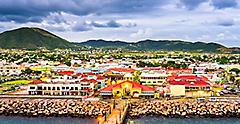
The largest event held all year in St. Kitts and Nevis, the National Carnival runs from the end of November to early January, and it's the best way to experience the island's authentic culture. The Carnival's main festivities take place in the capital of Basseterre. It opens with a calypso cabaret show and is followed by weeks of celebrations featuring live music, costumes and parades.
The J'Ouvert parade kicks off the street celebrations with an early-morning extravaganza. People crowd the streets around 4 a.m. to commence hours of playful paint-throwing and soaking each other with water. In the following weeks, you'll find an abundance of bar crawls and sunset cruises. Troupes tell traditional folktales of the island's history, and you’ll find competitions crowning the National Queen, Mr. GQ and Talented Teen.
The Carnival culminates in the New Year's Day Parade, where participants wear colorful feathered costumes to march through Basseterre. Visitors can look forward to more folklore troupes, masqueraders, clowns and traditional music. Expect to indulge in the local cuisine, too, including stewed saltfish, coconut dumplings, seasoned breadfruit and spicy plantains.
The final event of the holiday season takes place in early January, with the Last Lap — a street festival with singing and dancing, where the winners of the Best Carnival Troupe and Road March Song are announced.
Festival Of Lights, St. Lucia
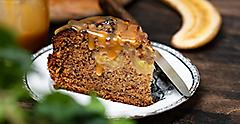
The Festival of Lights marks the official start of the Christmas season in St. Lucia. The festival is a time-honored tradition in St. Lucia, beginning as a religious ritual and evolving into a more secular celebration of artistry. In the weeks leading up to Saint Lucia Day on December 13, people of all ages create colorful lanterns from natural materials, depicting a variety of themes relating to local history.
The actual “Festival of Light” takes place on the eve of Saint Lucia Day, on December 12, with the Parade of Lanterns in the streets of Castries, the island's capital. The parade also features a variety show of Christmas songs and dancing, the lighting of Derek Walcott Square and a fireworks show. Businesses stay open late in honor of the holiday, a practice which also often extends to Saint Lucia Day itself on the 13th.
When you cruise to St. Lucia, don't miss the Lantern Ritual, a relatively new tradition involving a musical procession to the harbor led by masqueraders and followed by setting paper lanterns adrift on the water. The best part of Saint Lucia Day is probably the food. In addition to island favorites like saltfish with unripe bananas, accra (fish cakes with mixed spices) and callaloo soup (made with local callaloo leaves), you'll also find the tropically flavored breadfruit and banana cake.
Junkanoo, Bahamas and Jamaica
Junkanoo is one of the best The Bahamas festivals to discover on a cruise vacation. It's also one of the most fun events in the Caribbean. It largely takes place in Nassau on December 26 and New Year's Day, assuming a Mardi Gras-style atmosphere with locals dressing up in masks and traditional costumes and parading through the streets.
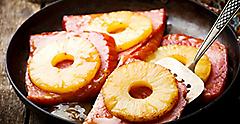
The holiday originally began as a small street celebration, and has evolved into a colorful bash that will undoubtedly be the most memorable part of your holiday trip to The Bahamas. The large street celebrations that define Junkanoo feature music, dancing, costumes, local arts and crafts. Savor mouth-watering Bahamian cuisine like brown sugar and cherries, fresh ham topped with pineapple, rock lobsters and Johnnycakes.
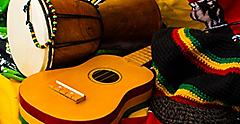
The Bahamas festivities also include special events like Junk Mania (a three-night music and art festival) and Road Fever, a masquerade through the streets of Nassau. When you arrive on the island, expect to be greeted by vibrantly colored costumes, the sound of goatskin drums, horns, cowbells and the smell of traditional food.
The Caribbean Festival Spirit Comes in Many Flavors and Forms
Smaller celebrations of Junkanoo also occur throughout the other Bahamian islands, like the Exumas, Harbor Island and Grand Bahama, as well as other islands throughout the Caribbean. Indeed, Junkanoo also has historical links to Jamaica, making it one of the best Jamaica festivals of the year.
Jonkonnu dance, one of the oldest dance forms in Jamaica, is kept alive on the island as bands of masqueraders perform in towns and villages around Christmastime. The costumed characters are joined by musicians who play traditional songs.
Parang Festival, Trinidad And Tobago
“Parang” is one of the longest Caribbean festivals. Taking place from October through early January, Parang is a celebration of Spanish parang music. Throughout the holiday season, revelers can enjoy parang bands and Spanish Creole singers at parties, concerts and local events. You'll even be exposed to some instruments you may not have heard live before, including the maracas, mandolin and cuatro.
While festivities begin in October, the tradition really gets going in December, with groups of costumed performers singing and playing music all over the island. Groups of traveling musicians go from house to house performing for members of the community. In addition to singing and dancing, these visits also include the sharing of food.
Immerse yourself in the musical tradition of Trinidad and Tobago and don’t miss as many opportunities as available to indulge in their holiday cuisine. This includes:
- ● Pastelles: Pie crusts stuffed with spiced, savory fillings.
- ● Ponche de creme: An alcoholic milky beverage made with raw egg, milk, rum and bitters.
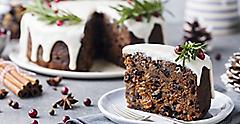
- ● Black cake: A Caribbean Christmas fruitcake named for its dark color (caused by adding molasses).
Prepare to enjoy so many goodies when you spend the holidays in the Caribbean!
Quick Caribbean Festival Facts
- ● Most popular festivals in the Caribbean: Carnival, Junkanoo (The Bahamas), Crop Over (Barbados), Junkanoo Summer Festival and St. Lucia Jazz Festival.
- ● Best Carnival in the Caribbean: Trinidad and Tobago Carnival, often called “The Greatest Show on Earth.”
- ● Opportune timing for Caribbean festivals: Most take place between February and August, with highlights around Christmas and New Year.
- ● What to expect with Caribbean weather: While winter might bring snow, sweaters and freezing temperatures to many destinations, in the Caribbean, it brings festival season and a cornucopia of delicious local cuisines. While you're hunkering down under a warm blanket and longing for summer, Caribbean islands are bursting with costumed parades, live music festivals, fireworks displays and holiday foods.
- ● Other notable festivals: Vincy Mas (St. Vincent) is a colorful pre-Lenten carnival celebrated with parades, calypso music and vibrant costumes. The festival brings the island together in a lively display of music, dance and cultural pride. Reggae Sumfest, on the other hand, is one of Jamaica’s biggest music festivals, drawing fans from around the world to enjoy reggae, dancehall and live performances. It’s a must-see for anyone wanting to experience the island’s legendary musical culture up close.
Cruise Your Way to a Caribbean Carnival Vibe This Holiday
Convincing travelers to cruise to the Caribbean doesn't take much persuasion. Between the white sand beaches, crystal-clear water and rich local cultures, there's no shortage of reasons to get excited about a tropical vacation. When you add Caribbean festivals into the mix, other vacation destinations barely even stand a chance.
Even better, a cruise gives you the chance to discover some of the best unknown Caribbean islands, each offering unique traditions and hidden gems waiting to be explored. From vibrant street celebrations to quiet beachside escapes, the Caribbean is an endless feast for the senses.
Explore Royal Caribbean’s cruises to the Caribbean to find your perfect getaway.
Get Royal Deals, Sign Up Today

Getting There
Explore Our Most Affordable Itineraries
Make new holiday traditions when you book a holiday getaway to the Caribbean.