A Guide To Dominican Republic Culture And Traditions
Discover Dominican Rhythms, Flavors and Traditions
By Élise Fenwick | Published on June 10, 2026
Dominican Republic culture is a colorful blend of Indigenous Taíno heritage, Spanish colonial influences and African traditions that come alive through music, dance, food, festivals and everyday life.
From the infectious rhythms of merengue and bachata to family-centered customs and flavorful cuisine, the Dominican Republic offers far more than postcard-perfect beaches. It’s a place where history, heritage and hospitality shape daily life, creating memorable experiences for visitors.
Whether you're strolling through a historic city center, savoring traditional dishes or immersing yourself in local traditions, you'll discover a rich cultural tapestry woven over centuries. Read on for a guide to the history, traditions, music, food and celebrations that define Dominican Republic culture.
Understanding The History Behind Dominican Republic Culture

To understand Dominican culture today, it helps to explore the history of the Dominican Republic.
Located on the island of Hispaniola in the Caribbean Sea, the Dominican Republic occupies the eastern two-thirds of the island, while Haiti occupies the western portion, where Haitian Creole is widely spoken.
Long before European arrival, Taíno culture flourished throughout the Caribbean islands. The Taíno people cultivated crops, built communities and developed traditions that continue to influence Dominican identity today through language, food and place names.
In 1492, Christopher Columbus arrived on Hispaniola, making it one of the first centers of European settlement in the New World. Over the following centuries, Spanish and African influence alongside Indigenous traditions merged to create the rich cultural heritage that defines the Dominican Republic today.
The country became home to the first European settlement, cathedral and university in the Americas. These milestones remain part of the nation's strong sense of pride and Dominican heritage. It's one reason the Dominican Republic is known for its fascinating blend of history, architecture, culture and natural beauty.
Today, visitors encounter reminders of this rich history everywhere, from colonial architecture to traditional dances, local crafts and cherished Dominican Republic traditions passed down through generations.
Music And Dance: The Heart Of Dominican Republic Culture

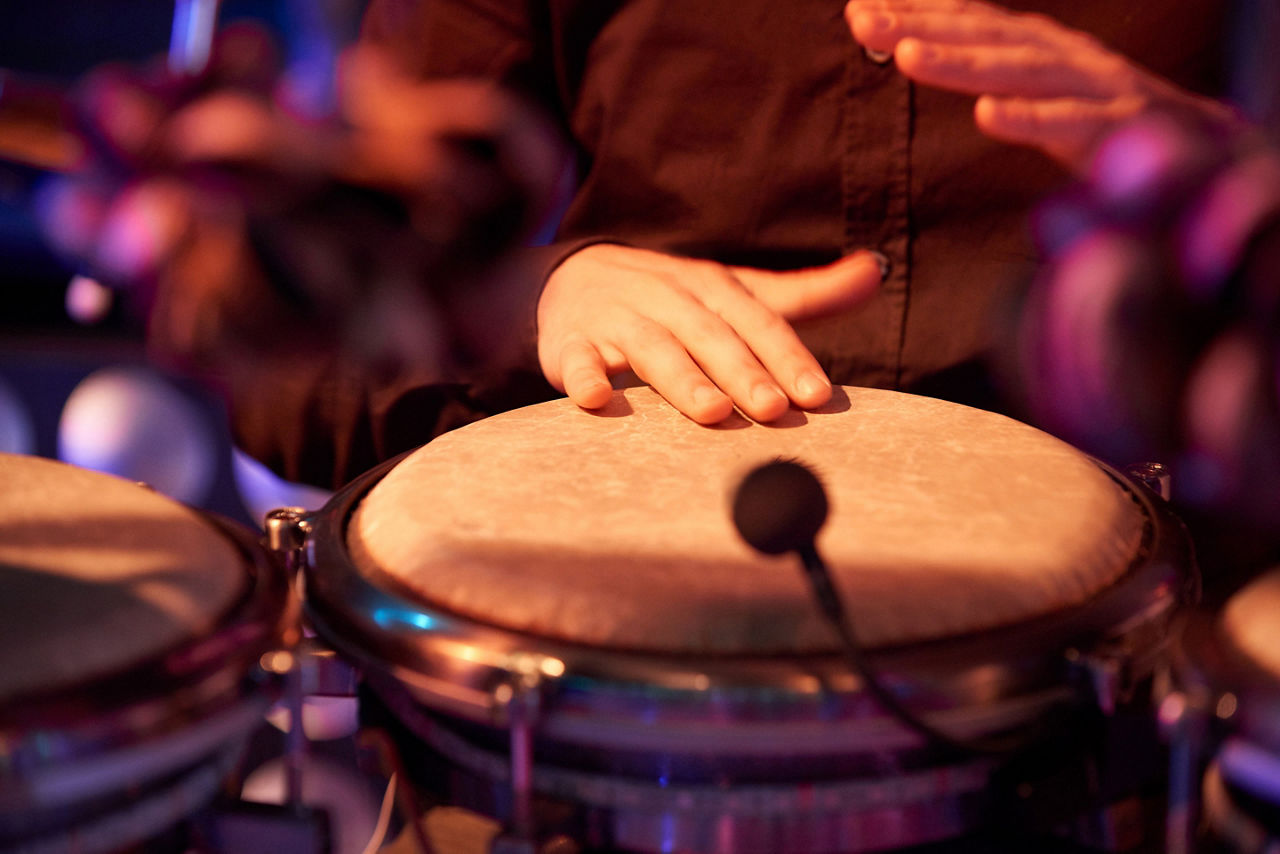
Music is woven into Dominican life. Walk through a town square, neighborhood gathering spot or beachside restaurant, and chances are you'll hear lively rhythms floating through the air.
Merengue and bachata have become global ambassadors for Dominican music, helping introduce the country's culture to audiences across Latin America, the United States and beyond.
Merengue: The National Rhythm
Few sounds are more closely tied to Dominican identity than merengue. Recognized by UNESCO as an Intangible Cultural Heritage of Humanity, merengue combines lively percussion, accordion and brass instruments into an energetic soundtrack for celebrations.
At family gatherings, weddings, festivals and community events, merengue brings people together. The annual Merengue Festival celebrates this beloved tradition, drawing performers and fans from across the country.
Bachata: From Local Tradition To Global Phenomenon
Like merengue, bachata has earned UNESCO recognition as an Intangible Cultural Heritage of Humanity. Originally associated with rural areas, bachata evolved into one of the most recognizable genres of Latin music worldwide.
Its romantic lyrics and distinctive guitar melodies have helped bachata become a symbol of Dominican culture. Today, you can enjoy live bachata performances throughout the country, creating an authentic soundtrack for travelers exploring local communities.
Music: An Everyday Essential In Dominican Life
Music serves as a reflection of Dominican warmth and hospitality. Street performers entertain passersby. Community celebrations fill plazas with dancing. Local gathering places pulse with energy as residents celebrate life through song and movement.
Visitors exploring Puerto Plata often encounter dance performances and cultural experiences that showcase the enduring importance of Dominican music and traditional dances.
Dominican Cuisine: Tastes Spanning Centuries Of Cultural Influence
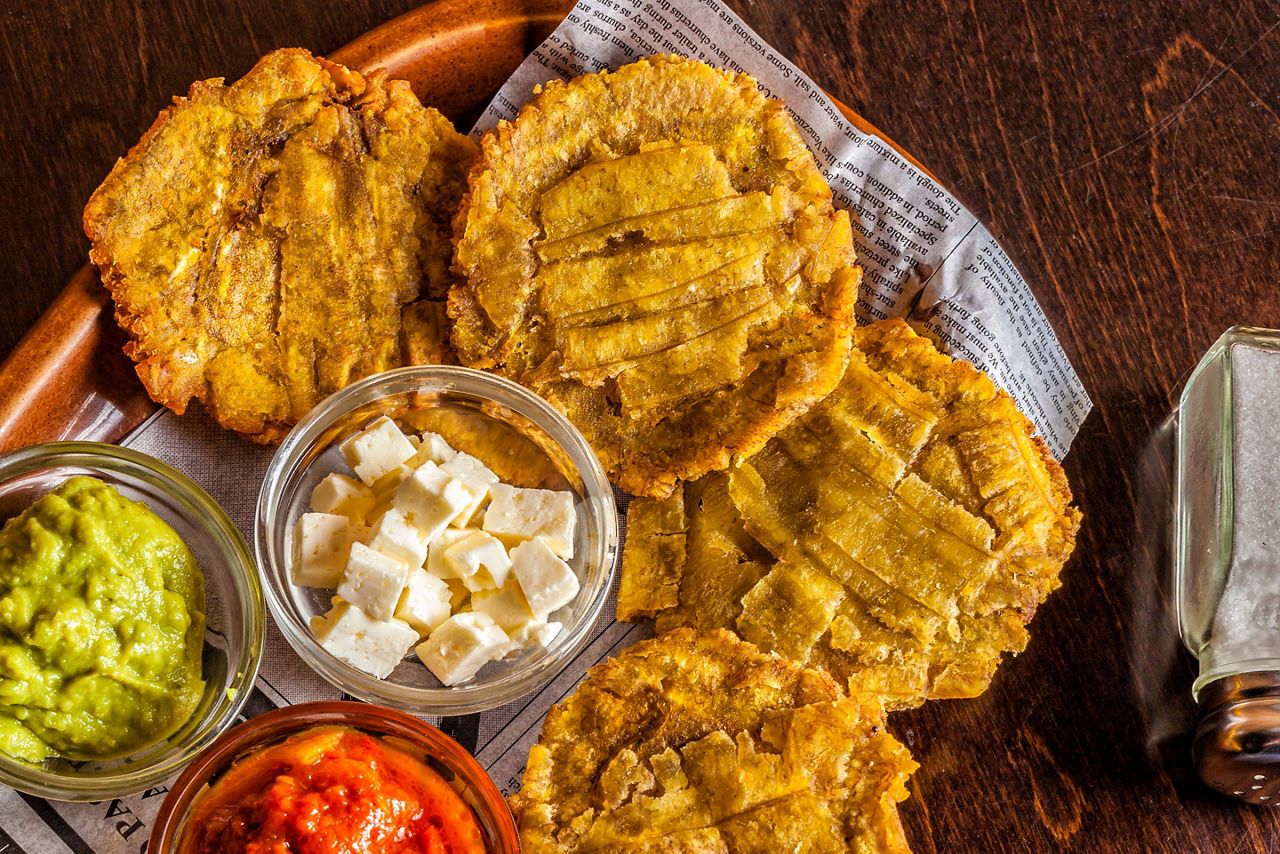
Dominican Republic cuisine tells the story of the nation's diverse heritage. Indigenous ingredients, Spanish cooking methods and African culinary traditions combine to create comforting, flavorful dishes enjoyed across the country.
Food also serves as an important social tradition. Family meals bring loved ones together, reinforcing the strong sense of community that defines Dominican society.
If you’re interested in exploring authentic local flavors, jump mouth-first into shore excursions designed to immerse you in traditions and flavor. Explore emblematic sites and taste local delicacies, from cigars to rum to chocolate — and don’t miss authentic Dominican lunches and seasonal tropical fruit tastings.
Must-Try Traditional Dominican Foods
Several dishes stand out as essential introductions to traditional Dominican food:
- ● “La Bandera Dominicana,” often considered the national dish, features rice, beans and meat.
- ● “Sancocho,” a hearty stew often enjoyed during family celebrations.
- ● “Mangu,” mashed plantains typically served for breakfast.
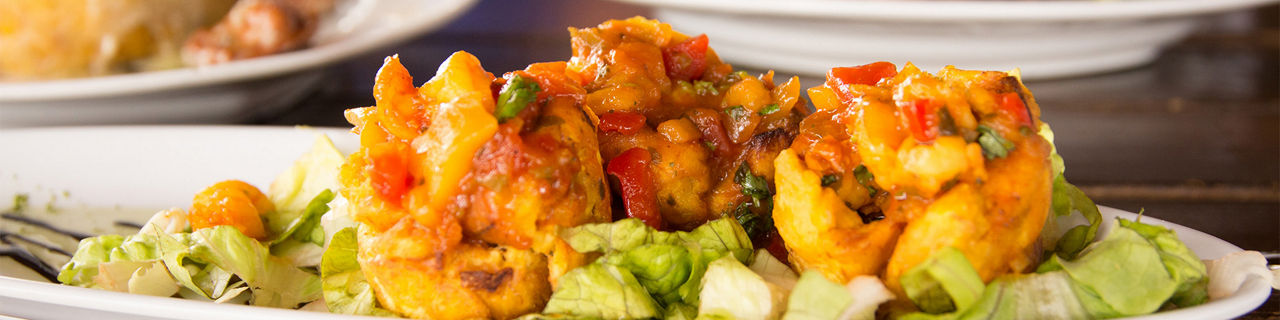
- ● Tostones, crispy twice-fried plantains.
- ● Mofongo, a savory dish made with mashed plantains and seasonings
- ● Fresh seafood sourced from the surrounding Caribbean waters.
- ● Tropical fruits including mango, papaya and passion fruit.
Many of these dishes represent typical Dominican foods that remain staples of Dominican Republic cuisine.
Rum, Coffee And Chocolate, Oh My!
Agriculture plays a significant role in Dominican culture. The country is known for producing exceptional cacao, coffee and rum.
Chocolate production reflects centuries of farming expertise, while Dominican coffee remains a source of pride throughout the country. Meanwhile, rum frequently appears at celebrations and special occasions, making it an important part of local tradition.
These flavors offer another window into Dominican life and provide delicious ways to connect with local culture.
A Day In The Dominican: Social Values And Customs
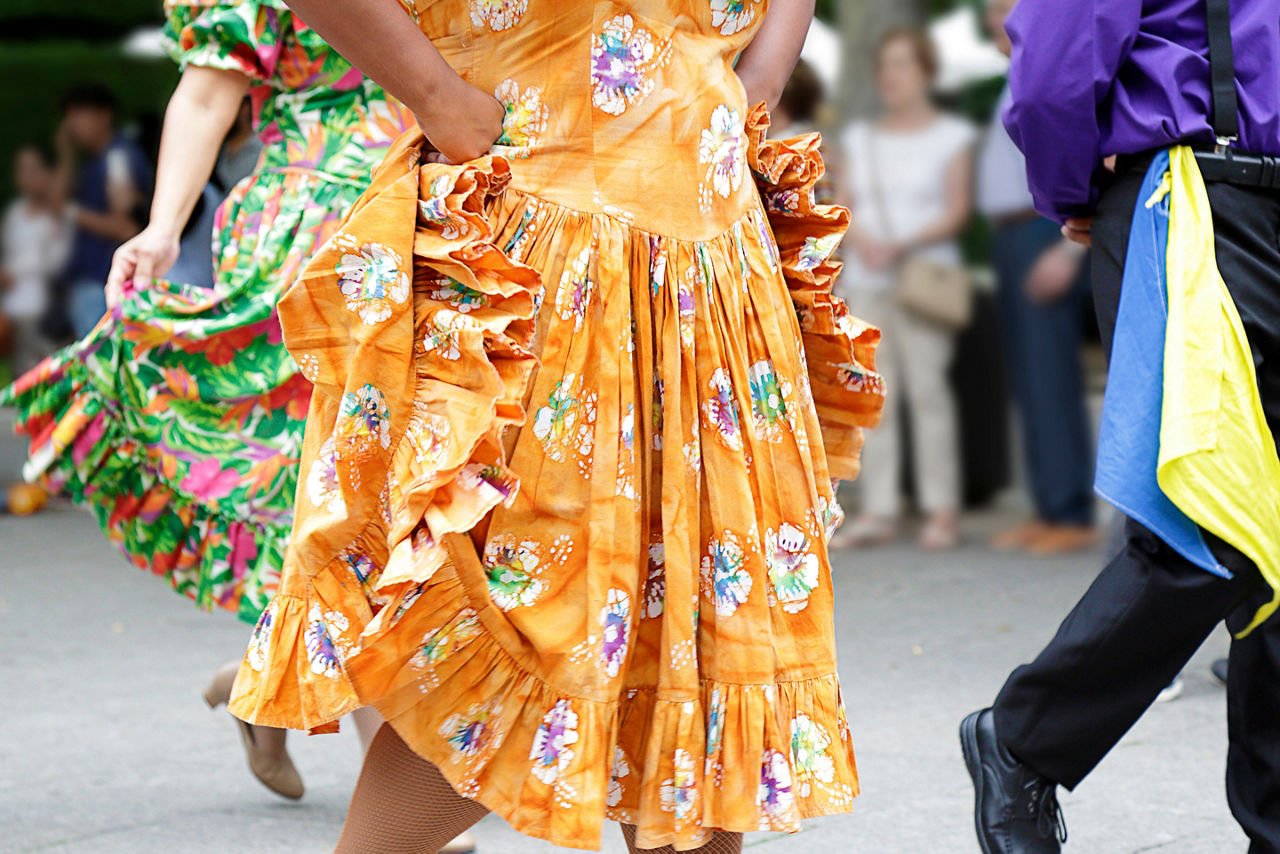
Family, hospitality and community remain at the center of Dominican Republic traditions and customs.
Multi-generational households are common, and family-centered celebrations play an important role in everyday life. Strong personal relationships often shape both social and professional interactions.
Visitors frequently notice the warmth of Dominican hospitality. Conversations are welcomed, greetings are important and guests are often treated like family.
This welcoming spirit extends across the country's major cruise ports, where travelers can connect with local communities and experience Dominican culture firsthand.
Dominican Spanish is the primary language spoken throughout the country, and learning a few simple phrases often helps create meaningful interactions with residents.
Baseball: A National Pastime
Baseball is more than a sport in the Dominican Republic. For many Dominicans, it’s a way of life.
You can spot neighborhood baseball fields throughout cities and rural areas alike. Children often grow up playing the game, dreaming of one day joining the ranks of legendary Dominican players who have excelled in Major League Baseball.
The sport serves as a source of community pride and national identity. Games become social gatherings where friends and families come together to cheer, celebrate and connect.
Just as merengue represents Dominican music, baseball reflects another important piece of Dominican culture and Dominican identity.
Festivals And Celebrations: Bringing Dominican Traditions To Life
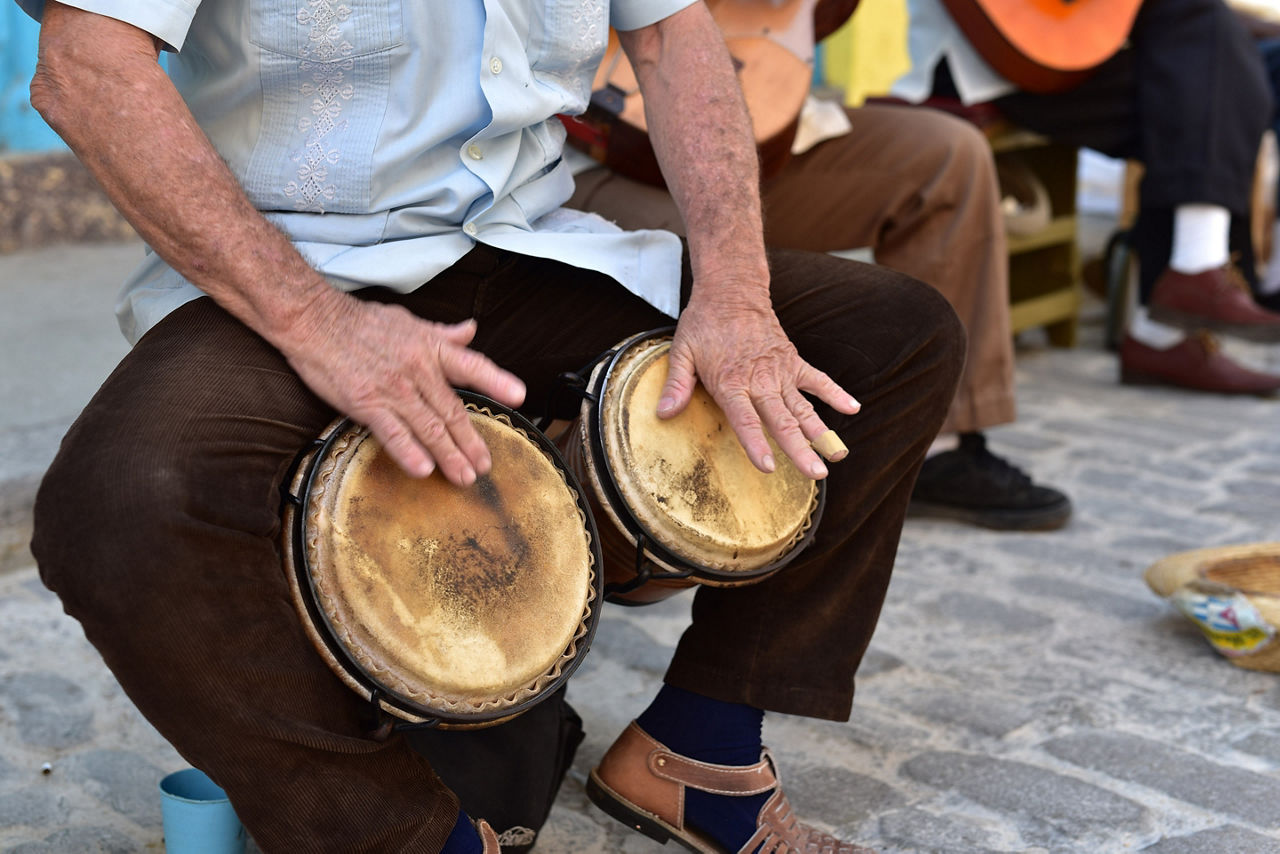
Throughout the year, Dominican Republic festivals celebrate history, religion, music and community.
From Independence Day festivities to local cultural celebrations, these events showcase the traditions and customs of the Dominican Republic in vibrant and memorable ways.
Dominican Carnival
Carnival stands among the country's most famous celebrations. Cities such as La Vega are especially known for elaborate Carnival traditions.
Colorful costumes, distinctive masks and lively parades transform streets into celebrations of creativity and community. The event blends historical influences with local traditions, creating a uniquely Dominican experience.
Religious Celebrations And Patron Saint Festivals
Religious traditions remain important throughout the country. Patron saint festivals bring communities together through music, food, processions and cultural activities.
Regional celebrations vary from town to town, offering visitors opportunities to experience different aspects of Dominican heritage.
Travelers interested in attending these events may find that the best time to visit the Dominican Republic depends on the festivals and cultural experiences they hope to enjoy.
Where To Experience Dominican Republic Culture During A Cruise
Puerto Plata
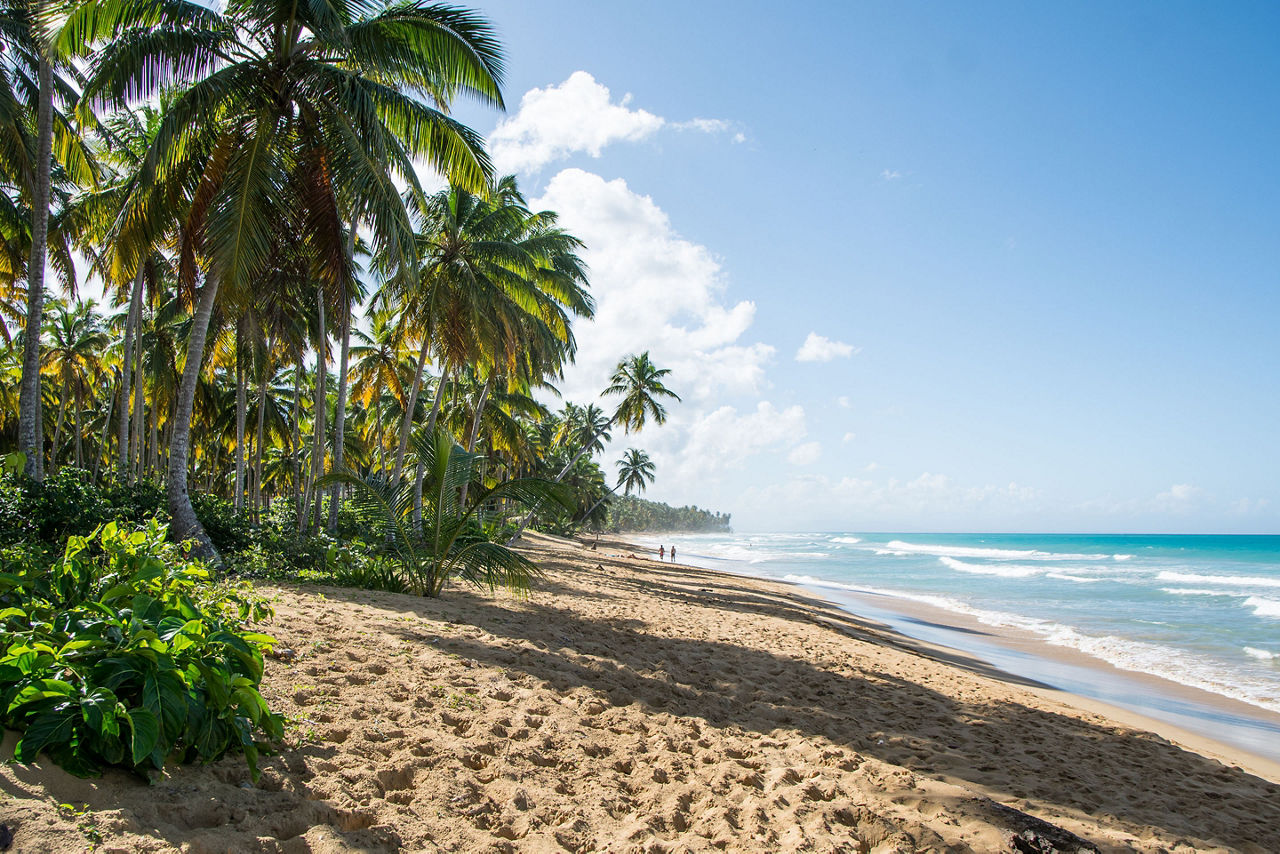
This vibrant city blends history, architecture and local traditions. Visitors to Puerto Plata can explore the Centro Histórico, stroll through Parque Central Independencia and admire the centuries-old San Felipe Fortress. The city's colorful streets and welcoming atmosphere create an ideal introduction to Dominican culture.
Shore excursions offer an especially immersive experience, combining local history, cuisine and cultural traditions in a single outing. Many of the most popular things to do in Puerto Plata involve connecting with local heritage, from exploring historic landmarks to sampling regional specialties.
The city's historic center, San Felipe Fortress, Parque Central Independencia and breathtaking views from Isabel de Torres help bring Dominican history and culture to life.
Cabo Rojo
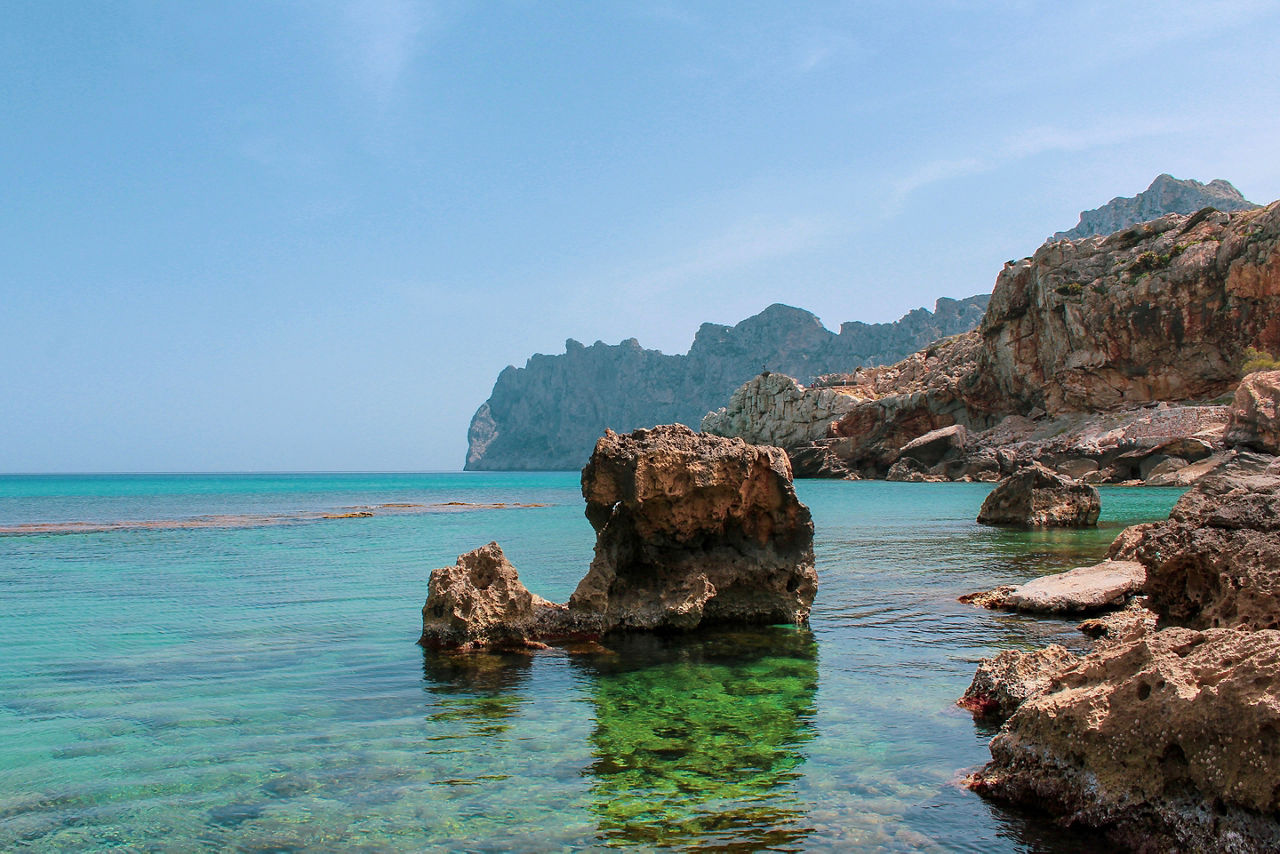
Farther southwest, Cabo Rojo offers a different perspective on Dominican culture.
Known for dramatic natural landscapes, pristine beaches and connections to local communities, Cabo Rojo provides opportunities to experience the quieter side of Dominican life. Nearby attractions showcase the region's agricultural traditions and natural beauty.
Samaná
Planning A Trip To Experience Dominican Republic Culture
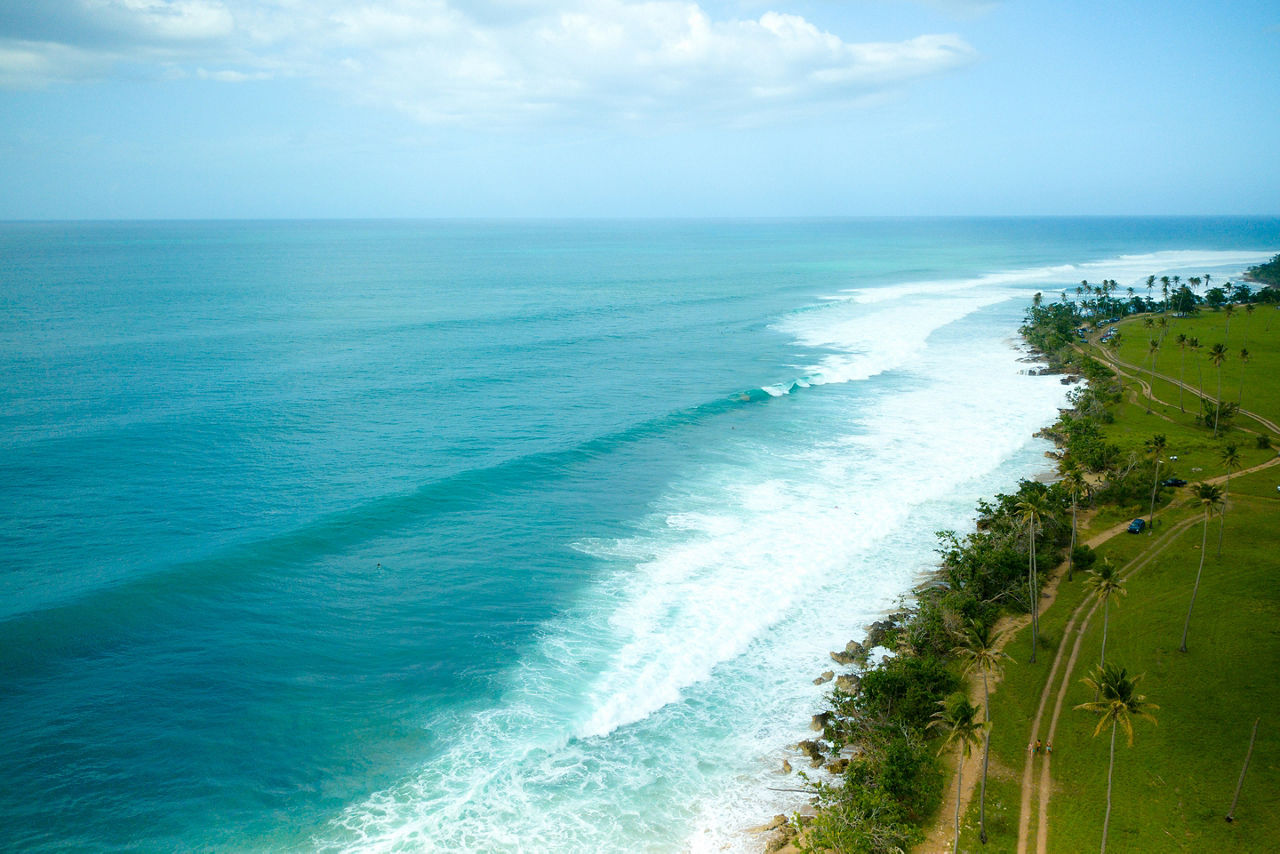
A cruise makes it easy to explore multiple dimensions of Dominican culture during one vacation. Travelers can combine cultural excursions with beach days, historic sightseeing and outdoor adventures.
While beautiful shorelines remain a major draw, exploring beyond the sand often reveals the country's most memorable experiences. From local cuisine and Dominican art to music, history and festivals, cultural immersion adds depth to every visit.
Researching shore excursions ahead of time helps travelers maximize their experience. Pairing cultural activities with visits to some of the best beaches in the Dominican Republic creates an ideal balance of exploration and relaxation.
Before departure, it's helpful to plan your cruise and begin exploring available excursions that match your interests.
Experience The Spirit Of Dominican Republic Culture


Related Articles
Vacation Planning: Weather in Puerto Plata, Dominican Republic
READ MORE
Puerto Plata vs. Punta Cana: Which Destination is Right for You?
READ MORE
Why a Cruise is the Best Dominican Republic Itinerary
READ MORE