When Is the Best Time to Cruise the Panama Canal?
Tips Before Embarking on a Cruise Through Panama Canal
By Taylor Fuller | Published: April 26, 2022 | Updated: June 3, 2026
When you hop onboard a Panama Canal cruise, you'll embark on one of the most unique travel experiences one can have. Panama is steeped in history, and despite its size (slightly smaller than South Carolina), you won't run out of things to do and places to explore. Here you can swim in both the Pacific and Atlantic oceans, hike the gorgeous mountains, surf some iconic waves and spot unique wildlife.
Every new place you visit in Panama will offer a different experience to enrich your understanding of Panama's culture. This guide explores the best time to cruise the Panama Canal, local history and everything you need to know before booking your next cruise vacation.
Key Takeaways: What To Know Before Cruising the Panama Canal
- ● The best time to cruise the Panama Canal is mid-December until April, because it’s the dry season, when you can expect mostly blue skies and warm weather.
- ● Pack gear to protect you from the sun, a few layers for cool evenings and a waterproof jacket.
- ● If you’re sailing from the Caribbean to the Pacific, the journey is between eight and ten hours. Starboard has the best views (although you’ll see Panama City from the port side).
- ● If you’re sailing from the Pacific to the Caribbean, the journey takes twelve hours. The port side has the best views, but Panama City is visible from the starboard side.
- ● Start planning your Panama Canal cruise to experience the crossing for yourself.
A Glimpse Into the Panama Canal’s History
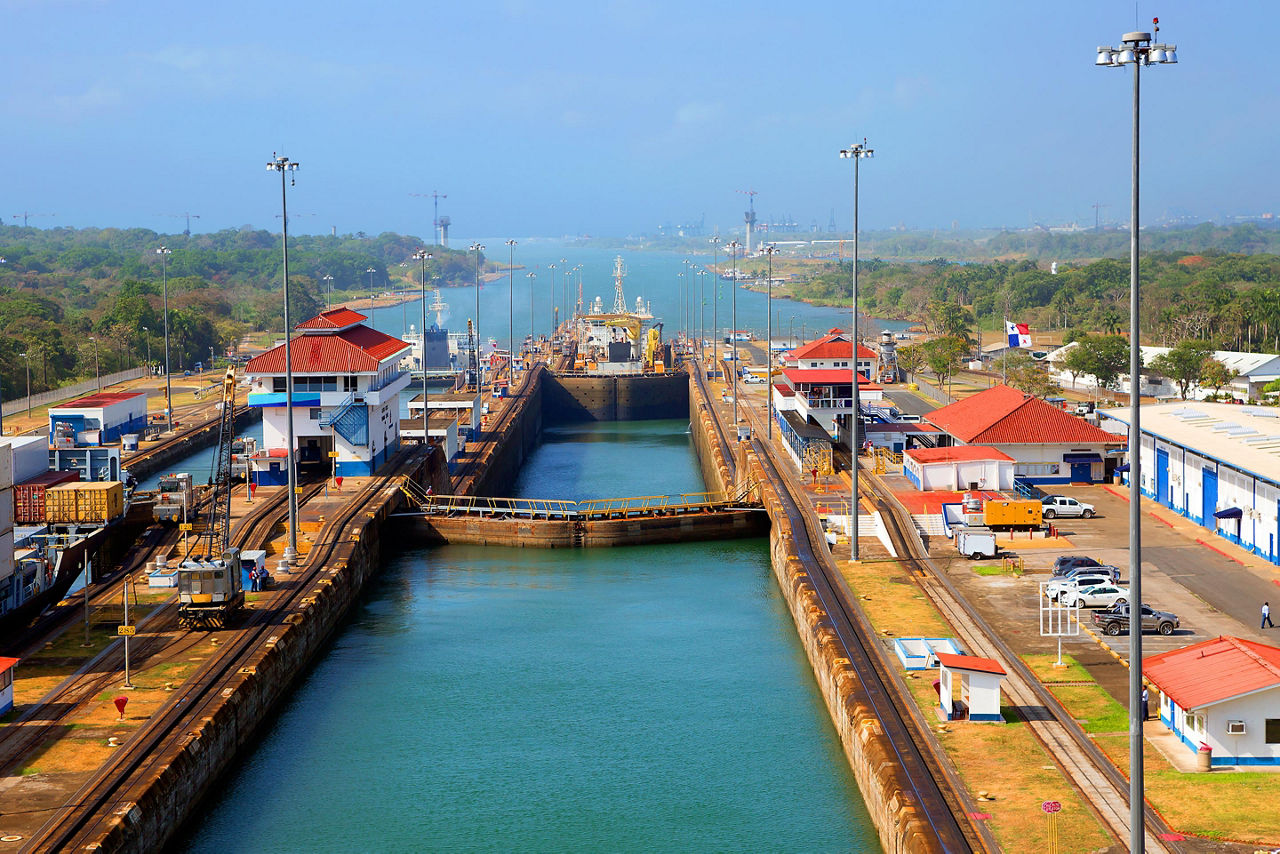
The original idea for the Panama Canal dates back to the 16th century. When Spanish explorer Vasco Nunez de Balboa discovered the land bridge in 1513, people began searching for a natural waterway that would link both the Atlantic and Pacific oceans.
The plans for a canal connecting the Atlantic and Pacific were around for quite some time, and the U.S. desperately wanted involvement for both economic and military reasons. A French project for a canal in Panama was already underway, and the U.S. began investigating the viability of a canal in Nicaragua.
However, when French engineer Philippe-Jean Bunau-Varilla, who had been involved in France's canal projects, began lobbying Americans to purchase the project, things changed. In 1902, Congress voted in favor of the purchase, which was finalized in 1904.
The ships that cruise through the Panama Canal travel from over 1,920 port towns in over 170 countries around the world, connecting people and businesses. Without it, ships would have to travel for nearly 22 days to go around South America — it saves about 8,000 nautical miles. This not only saves time and money, but it also has helped the shipping industry vastly reduce its carbon footprint, an important step in fighting climate change and protecting the environment.
How Is the Panama Canal Connected to the U.S.?
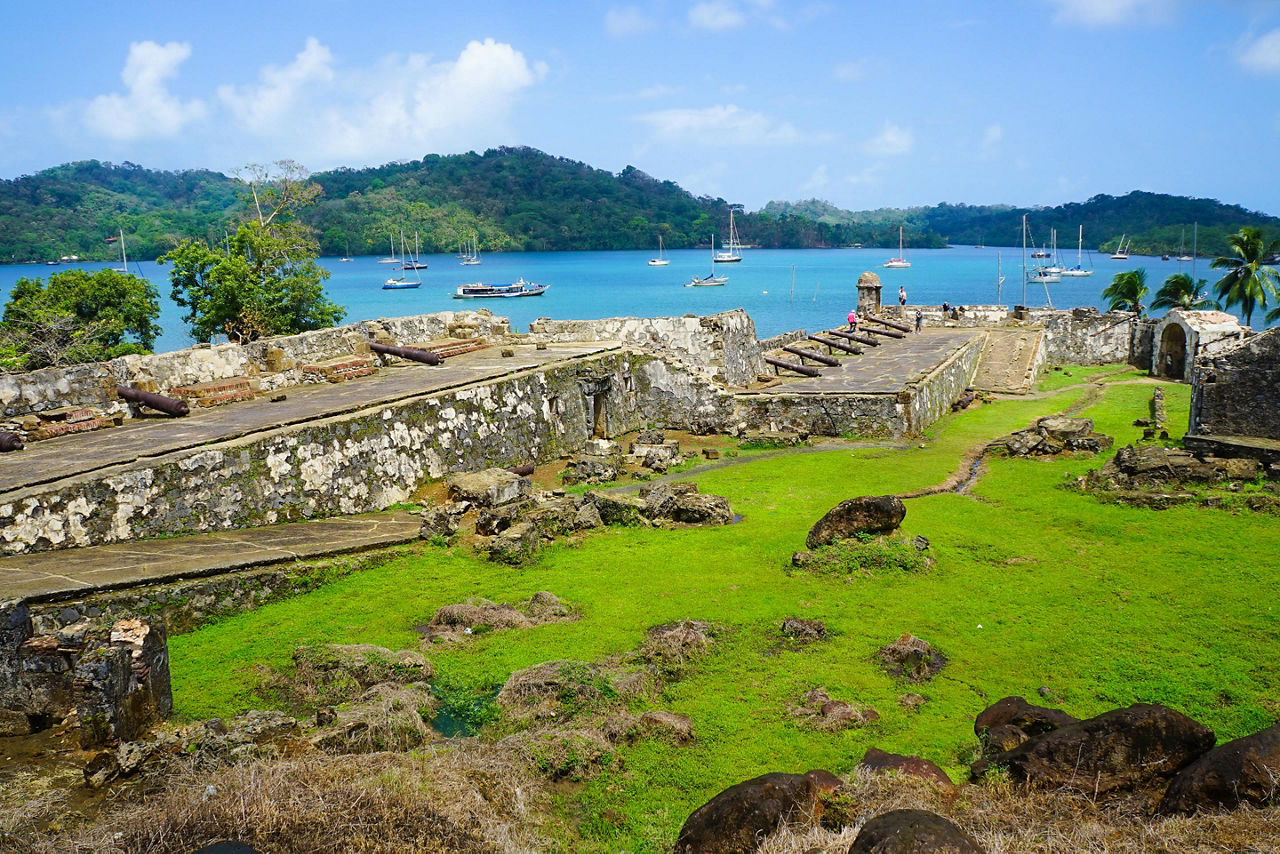
The creation of the Panama Canal helped secure the U.S. as a major political power. The canal was ahead of its time in terms of engineering and technology, putting Panama on the map. Panama was the first Latin American country to adopt U.S. currency as its own in 1904. This happened after Panama gained its independence from Colombia and the Canal construction agreement was finalized.
Fun fact: Thanks to its relations with the U.S., Panama was the first country outside of the U.S. to sell Coca-Cola®. The beloved soft drink, which you can now buy in every country except for North Korea and Cuba, first made its international debut in Panama in 1906.
Best Time To Cruise the Panama Canal (and What To Plan For)
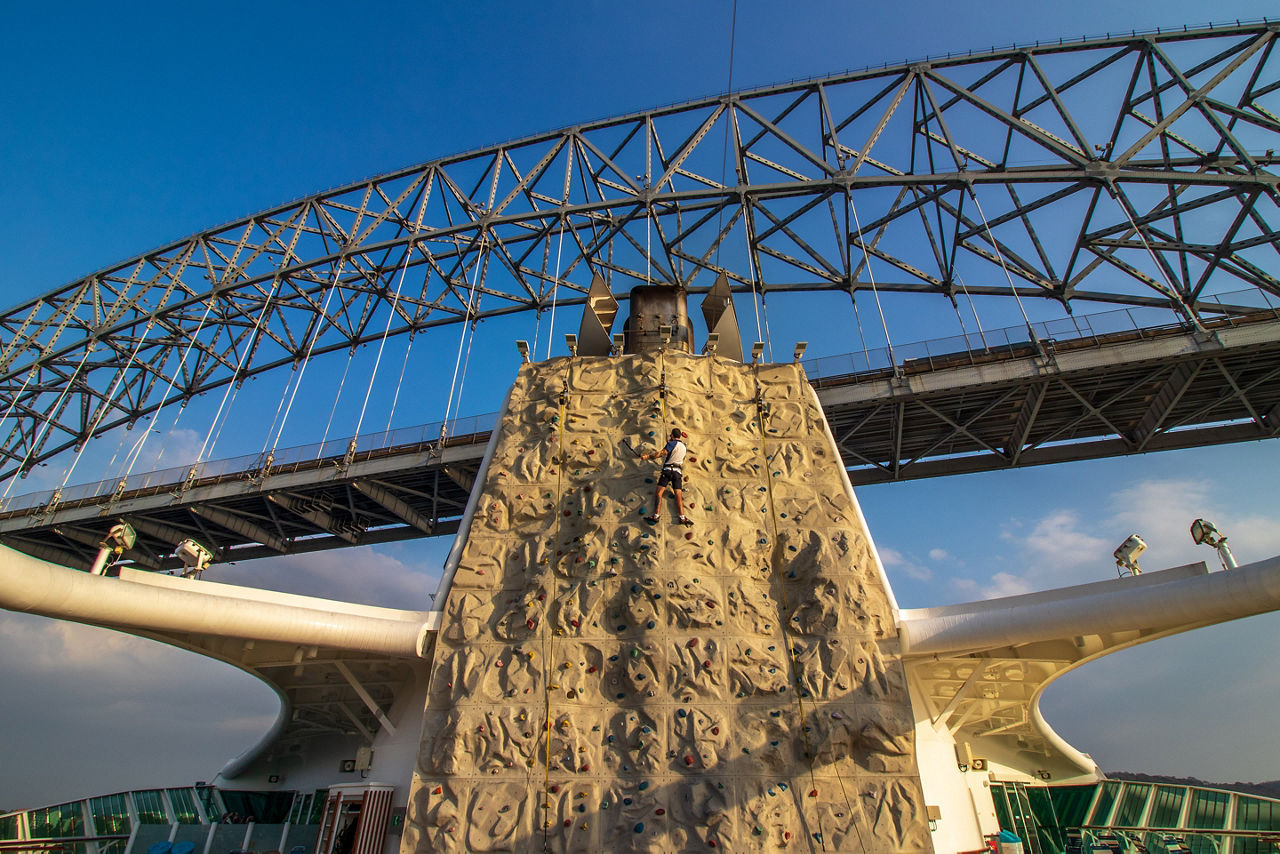
The best time to cruise the Panama Canal is mid-December until April. This is the dry season, when the days are primarily hot and sunny with blue skies. May and November mark the respective beginning and end of the wet season. The weather is still warm, and the skies tend to be periodically overcast or rainy.
The Atlantic hurricane season runs from June to November, coinciding with Panama’s wet season. While Panama is not directly impacted by hurricanes, this time of year tends to bring heavier rainfall, with the heaviest arriving in October and November.
Regardless of the season, it’s a good idea to pack sunscreen and a wide-brimmed sunhat, layered clothing to keep you warm during cooler evenings and a waterproof jacket — optional for dry weather, but recommended during the rainy season.
What Side of the Cruise Ship Is Best for the Panama Canal Passage?
If you’re planning a passage through the Panama Canal, it’s important to note that during the daytime, you’ll be able to enjoy both sides of the canal from the ship’s restaurants, bars and observation decks.
Most people consider whether port or starboard is better in terms of enjoying views from their private balcony in the morning or afternoon. In that case, it depends on which direction you’re traveling.
- ● From the Caribbean to the Pacific: If you’re sailing east, the journey takes eight to ten hours, and starboard has the best views. The only exception is that after leaving the canal, many people enjoy watching Panama City float by from their port decks.
- ● From the Pacific to the Caribbean: When sailing west from the Pacific to the Caribbean, the trip lasts for 12 hours and the port side has the best views. However, Panama City appears on the starboard side as you enter.
Is It Safe To Cruise Through the Panama Canal?
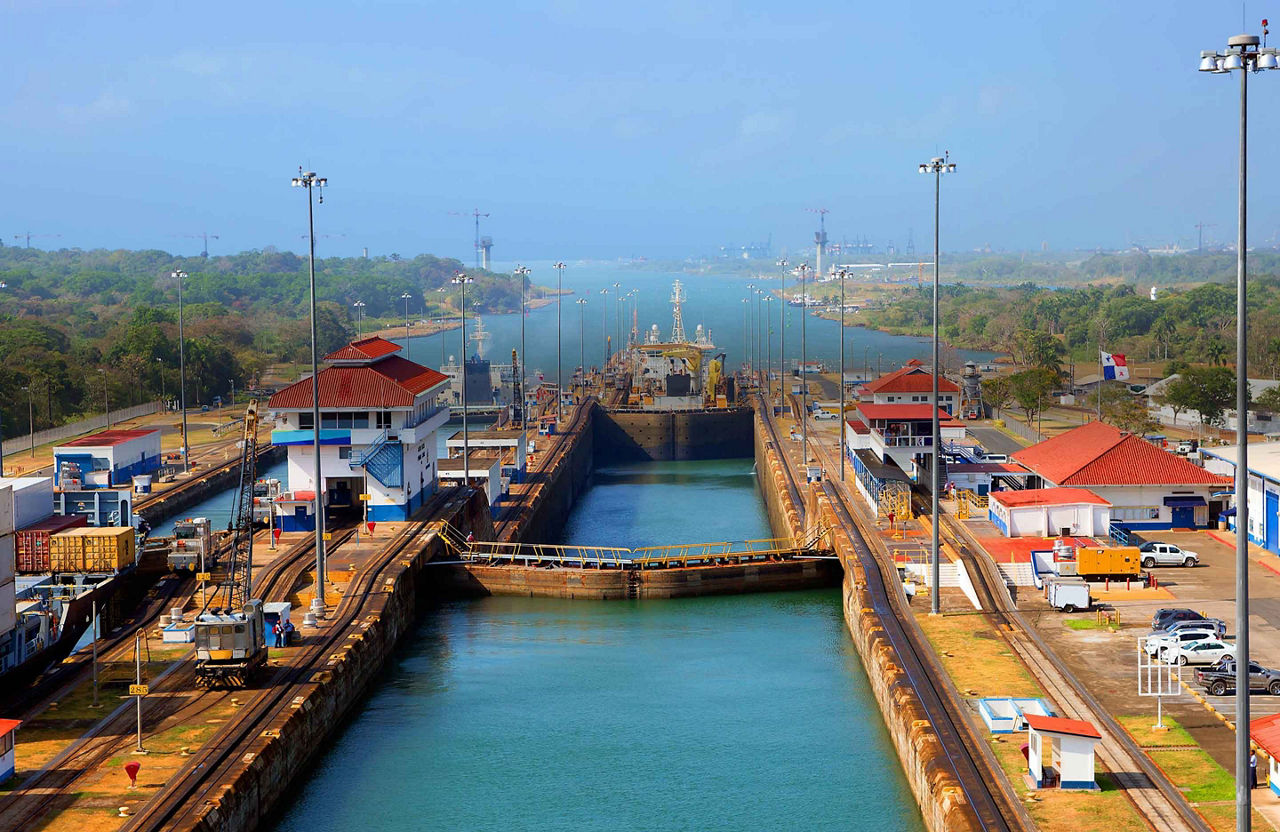
Yes, it is safe to cruise through the Panama Canal. Since 2023, between 200 and 230 cruise ships have passed through the canal annually. The ships rise about 85 feet above sea level, and a specially trained canal pilot navigates them through the locks. Since the creation of the Panama Canal, ships have gotten increasingly bigger, so it's continuously expanding. In 2016, the canal was again expanded to allow larger ships to pass through.
Explore the Panama Canal’s Local Excursion Highlights
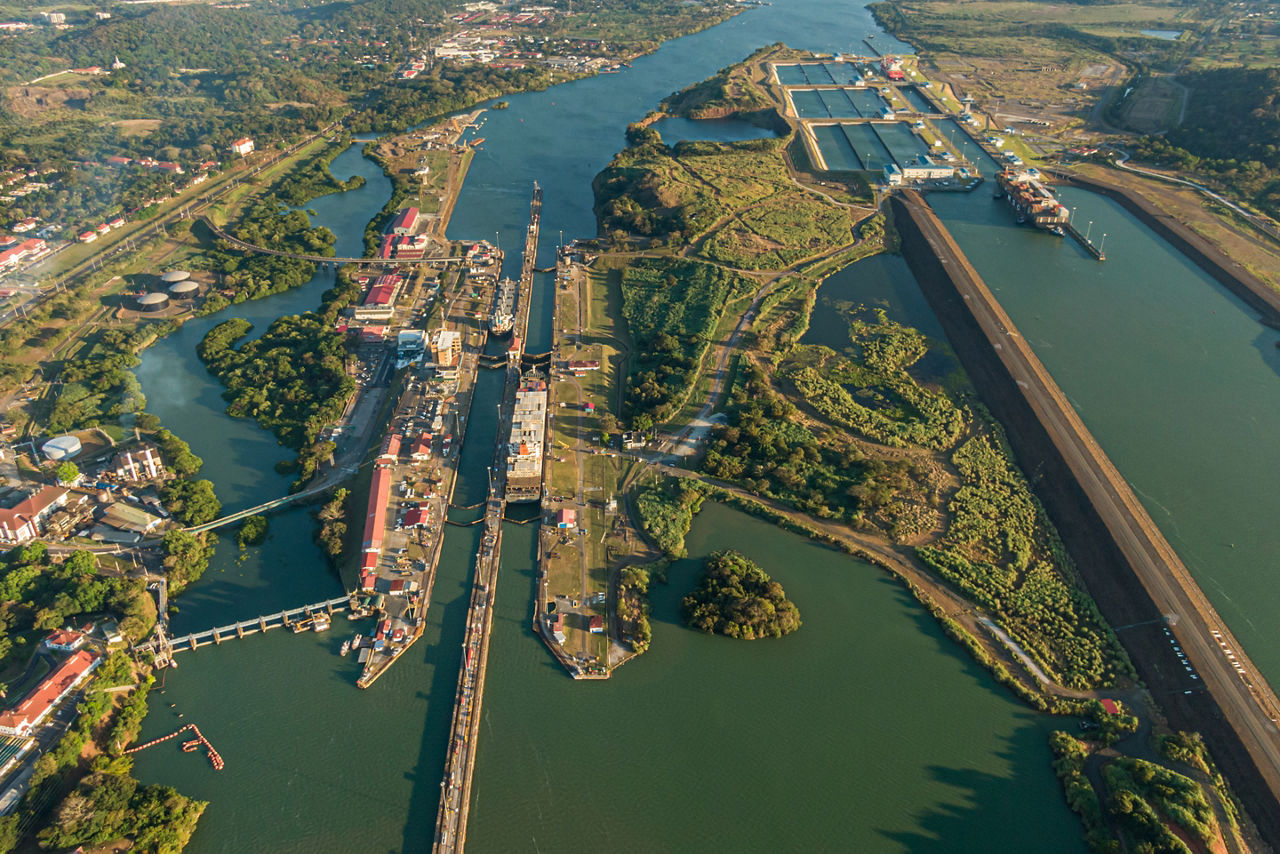
Miraflores Locks
Today, you can't visit Panama without taking a Panama Canal tour. About 25 minutes from Panama City, you'll find Miraflores Locks. This is one of the locks ships must pass through on their journey through the canal.
There's a five-story visitor center where you can learn about the history of the canal, honor the people who died while building it, visit the museum and then watch the ships pass through from the viewing deck.
San Blas Islands
Off the north coast of Panama lies the San Blas Islands, an archipelago located in the Atlantic Ocean. It's made up of 365 islands and cays, meaning you’d have a different island to visit every day of the year. If you're only passing through, hop on a sailing trip to explore a few.
Some trips span a number of days to a few weeks. If you have a lot of time, a 21-day trip can have you sailing from the San Blas Islands all the way to Colombia.
Panama City
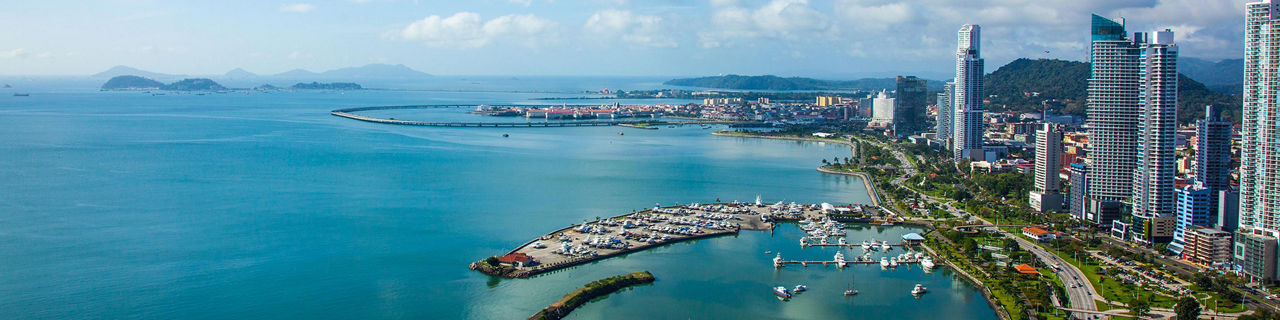
You can drive from Colon to Panama City in about an hour, and once you arrive, there are plenty of historic sites, museums and local restaurants to explore. Panama is the only country in the world where you can see the sunrise over the Pacific and the sunset over the Atlantic. If you visit the highest point in Panama — Volcan Baru — you'll get a front-row seat to this amazing phenomenon.
Gamboa Rainforest Reserve
Panama City is the only capital city in the world that has a rainforest, Gamboa Rainforest Reserve, within its limits. It’s only a 30-minute drive from Panama City. There is a ton of ecotourism in this area and you can visit trails, go on a night safari or spend the day bird-watching. You'll never tire of spotting over 1,000 new bird species in Panama’s rainforests.
Surfing and Beaches
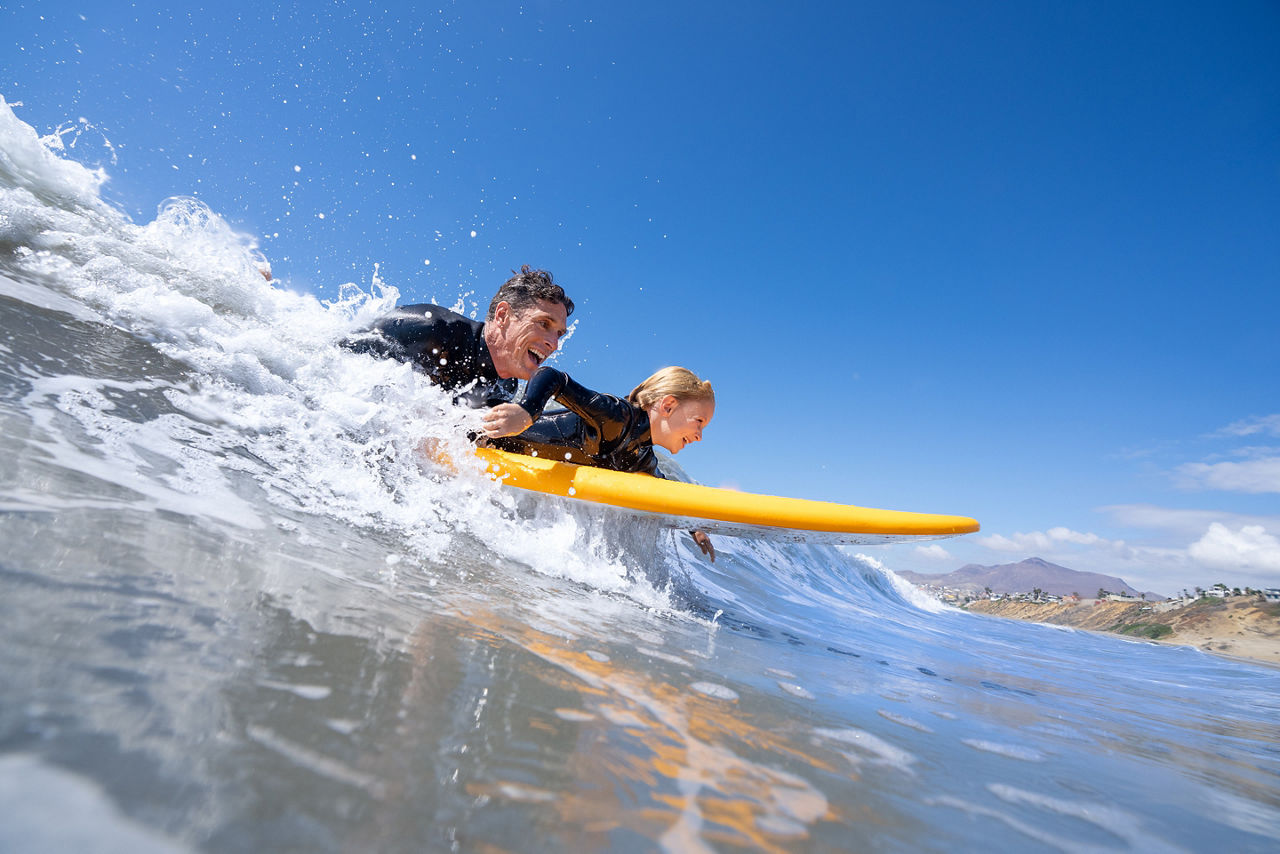
Panama has picturesque beaches, like Bocas del Toro, a low-key beach destination with the bluest and clearest water you've ever seen. It has serious backpacker vibes, but it's also a popular destination among surfers.
Santa Catalina is a surf town where you can catch some waves, take a horseback tour or hop in the water for diving or snorkeling. Nearby is Parque Nacional Coiba. It's there that you can find Parque Nacional de la Isla Coiba, an untouched island with close to 200 bird species, turtles, crocodiles and snakes. It's a biodiversity hotspot. Plus, this area is also known for diving, as aquatic wildlife frequent the water.
Panama’s Mountain Town, Boquete
Boquete is a mountain town with a lot to offer visitors. It's got a microclimate, so most Panamanian coffee is grown here. Plus, there are a lot of trails where you can go hiking and enjoy the nature of Panama. While in Boquete, visit Los Cangilones, a local swimming hole that Panamanian families love to frequent. A river narrows into a gorge, making it a fun place to swim and enjoy an afternoon.
Casco Viejo: Panama’s “Old Town”
For lively bars and restaurants, historic ruins and colorful architecture, head to Casco Viejo, the old town of Panama. This area used to be more run-down, but Panama City is investing a lot to gentrify it. It's an area of Panama City that is full of life, no matter what time of day you visit.
You can now find boutique hotels, unique shops, cafes and restaurants with incredible food, like Sancocho de Gallina, the signature dish of Panama. This is a slow-cooked chicken stew with corn and root vegetables like yuca and ote, flavored with culantro (similar to cilantro).
You can also try Hojaldre, a fried dough made with eggs and flour. This is often served with sausages, eggs and local cheese for breakfast. And for dessert, enjoy a Pesada de Nance, made from fruits like the nance (a sour fruit related to the cherry). The nances are cooked with evaporated milk and corn flour, and then topped with cheese and served hot or cold. A truly delicious experience.
Crossing Oceans and Canals: Explore Panama by Cruise
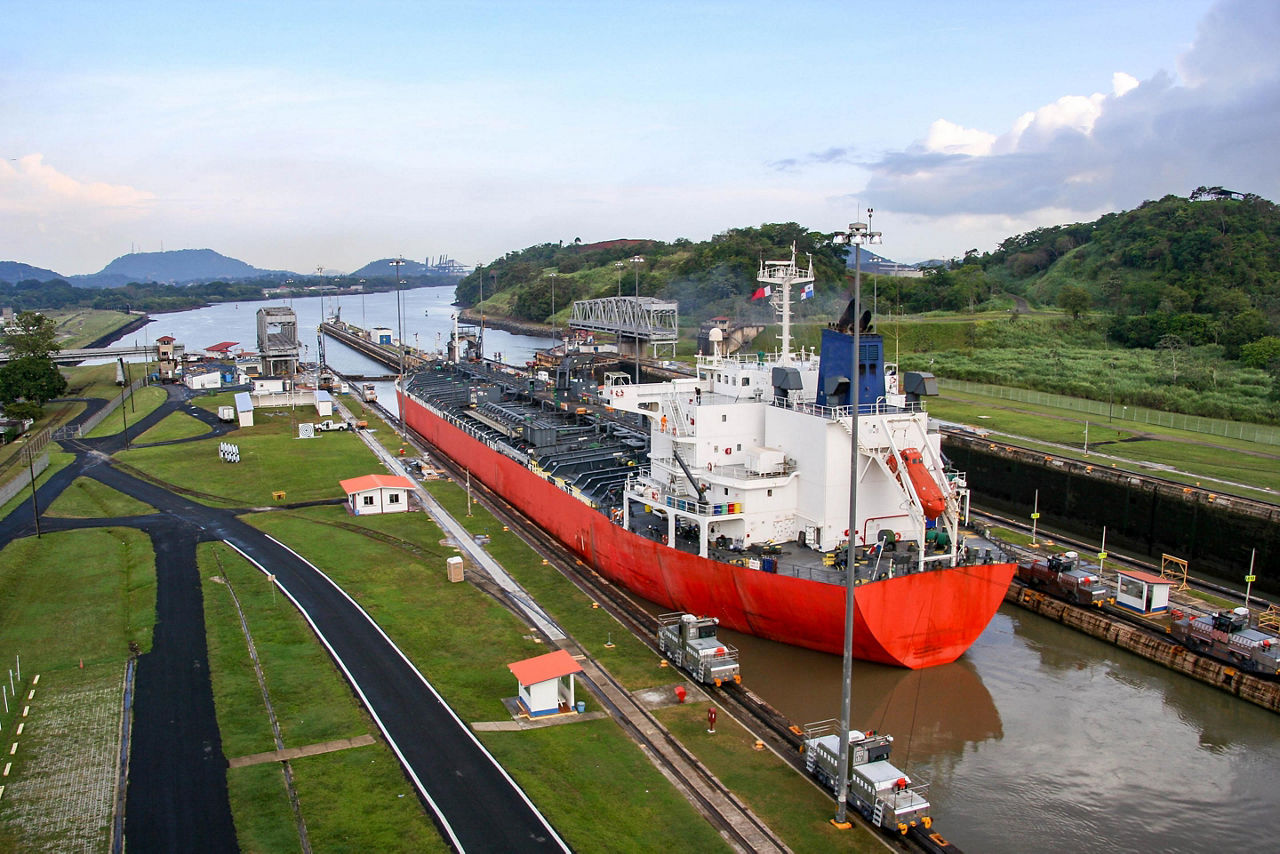
As you can see, Panama has it all for your next vacation cruise. The Panama Canal plays a foundational role in the country’s modern history and has connected the world in ways previously unimagined.
Panama is one of those magical places you just have to see for yourself. You could visit beautiful beaches, explore the biodiversity, hike stunning mountains, sip on fresh coffee, enjoy traditional Panamanian cuisine and still not even scratch the surface of this small but mighty country. It's a place that can't be missed and should be high on your travel bucket list.

Related Articles
Do Cruise Ships Go Through the Panama Canal?
READ MORE
Radiance of the Seas Amenities: What’s Free Onboard
READ MORE
Top 7 Things to Do in Colón, Panama
READ MORE