January is midsummer in Australia. It’s the hottest and most energetic month of the year, defined by long beach days, major sporting events and nationwide holiday travel. Coastal cities are in full summer mode, while the tropical north is deep in wet season.
Sydney and Melbourne typically average 78–84°F (26–29°C), Brisbane sits around 86–88°F (30–31°C) and tropical North Queensland often climbs above 90°F (32–34°C) with high humidity and frequent rainfall. School holidays and national celebrations drive peak travel demand throughout the month.
For travelers, Australia in January is about summer coastline culture, globally recognized events and choosing regions strategically to balance heat and humidity.
Australia Weather in January (by Region)
Sydney Weather
Average high: 79°F (26°C)
Average low: 68°F (20°C)Sydney weather in January is hot, sunny and firmly in peak summer mode. Daytime temperatures typically reach the high 70s to low 80s°F (26–29°C), ocean temperatures are warm enough for consistent swimming and daylight extends well into the evening. While short afternoon thunderstorms can occur, most days are dominated by strong sunshine and coastal sea breezes that moderate the heat along the harbour and beaches. January is one of the most reliable months for beach-focused travel in Sydney.
Best for:
- Swimming at Bondi and Manly
- Harbour cruises in clear summer conditions
- Coastal cliff walks during long daylight hours
Melbourne Weather
Average high: 82°F (28°C)
Average low: 60°F (16°C)Melbourne weather in January is warm to hot, with occasional summer heatwaves. Daytime highs often sit in the low 80s°F (28°C), though temperatures can spike higher during extreme heat events. Humidity remains moderate compared to tropical regions, making outdoor exploration manageable outside peak afternoon hours. January is one of Melbourne’s most active months due to major summer events and reliable sunshine.
Best for:
- Attending the Australian Open during consistent summer weather
- Scenic Great Ocean Road drives under long daylight hours
- Outdoor dining and summer festivals in the evening
Brisbane Weather
Average high: 88°F (31°C)
Average low: 74°F (23°C)Brisbane weather in January is hot and humid, with frequent afternoon thunderstorms. Temperatures regularly reach the high 80s°F (31°C) and humidity levels are noticeable throughout the day. Mornings are typically calmer and better suited to outdoor sightseeing. Coastal breezes provide some relief near nearby beaches.
Best for:
- Early-morning beach visits before peak humidity
- Island excursions with ocean breezes
- Sunset riverfront walks after storm systems clear
Cairns & Tropical North Queensland Weather
Average high: 91°F (33°C)
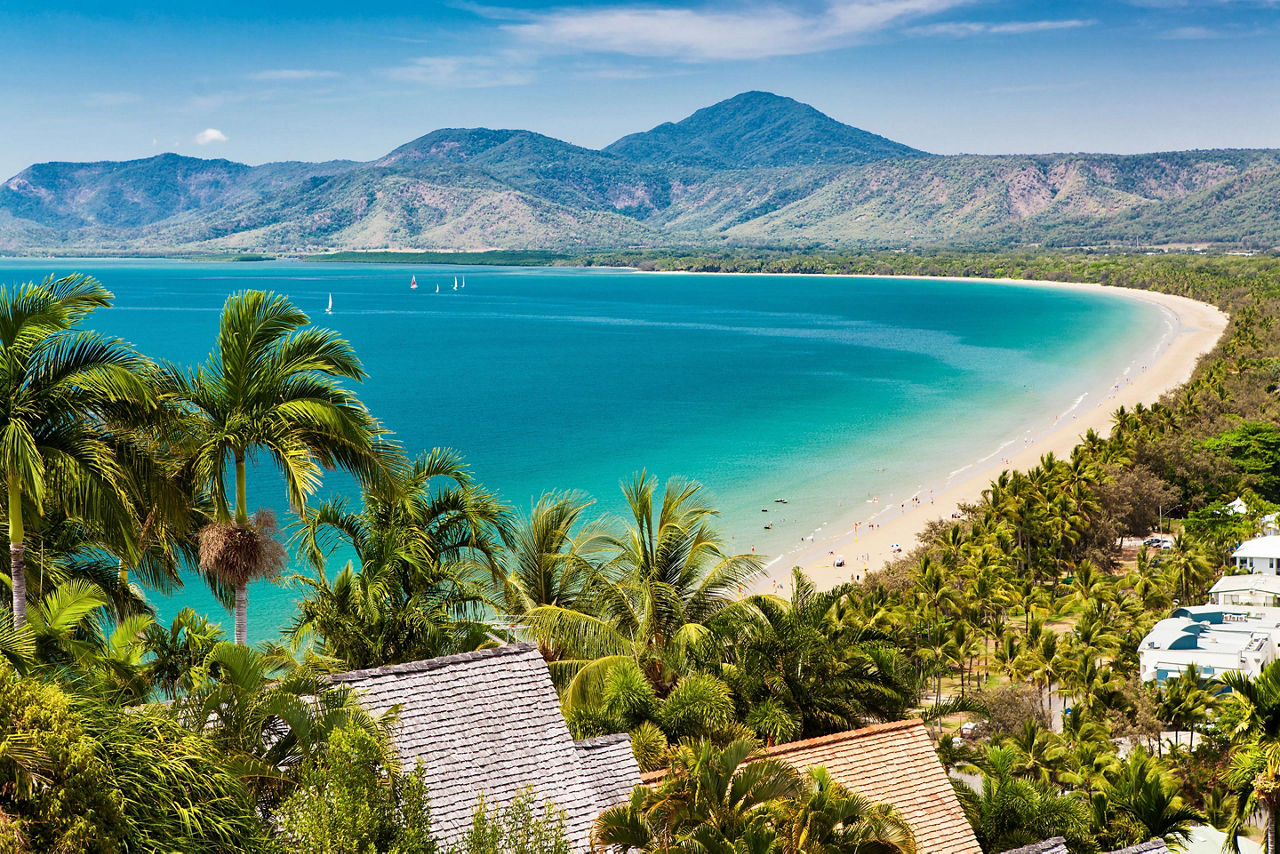
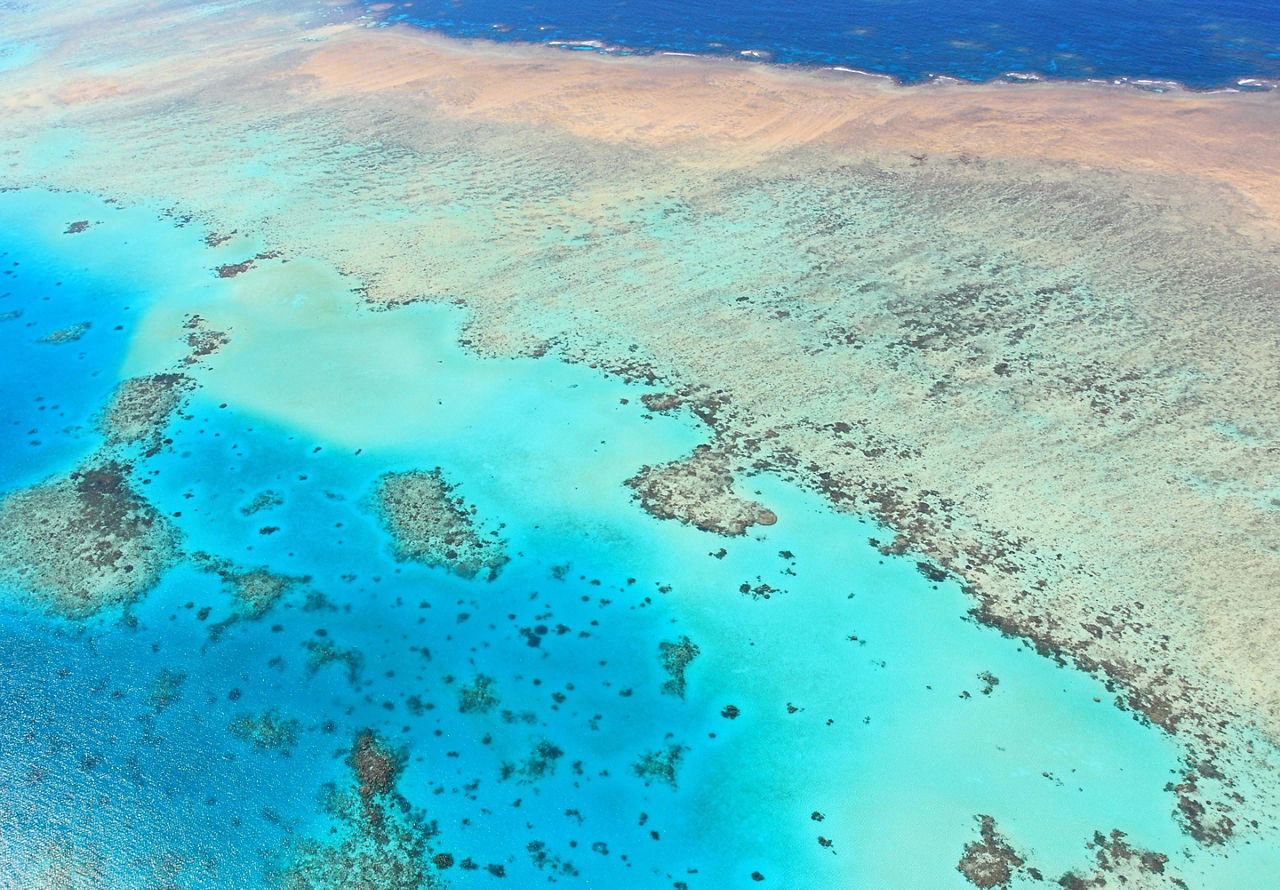
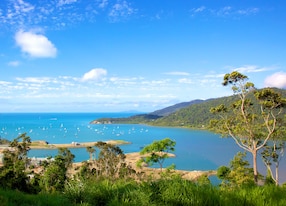
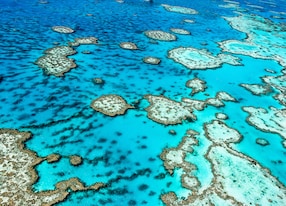
Average low: 75°F (24°C)Cairns weather in January falls within peak wet season. Expect high humidity, heavy rainfall and lush rainforest conditions. Storms often arrive in bursts rather than all-day rain and landscapes appear especially vibrant. Reef conditions can vary more than in dry season months.
Best for:
- Waterfall tours when rainfall increases flow
- Rainforest exploration in peak lush conditions
- Flexible reef excursions with weather-aware planning
Perth Weather
Average high: 89°F (32°C)
Average low: 66°F (19°C)Perth weather in January is hot and dry with consistent sunshine. Daytime highs often approach 90°F (32°C), but lower humidity makes the heat more comfortable than on the east coast. Coastal breezes enhance beach conditions throughout the month.
Best for:
- Beach days in dry summer heat
- Rottnest Island cycling under clear skies
- Coastal sunset viewing during extended daylight hours
Australia Temperatures in January (Quick Overview)
- Southern cities: 78–84°F (26–29°C)
- Brisbane: around 88°F (31°C)
- Tropical north Queensland: 90°F+ (32–34°C) with heavy humidity
- Evenings remain warm nationwide
January is one of the hottest months of the year across Australia.
Australia Events in January
January is also one of Australia’s biggest event months:
- Australian Open (Melbourne) – One of tennis’ four Grand Slams, drawing global audiences.
- Sydney Festival (Sydney) – Major arts and performance programming throughout the city.
- Australia Day (Nationwide, January 26) – National holiday marked by waterfront celebrations and fireworks.
- Tour Down Under (Adelaide) – International cycling event.
Best Places to Visit in Australia in January
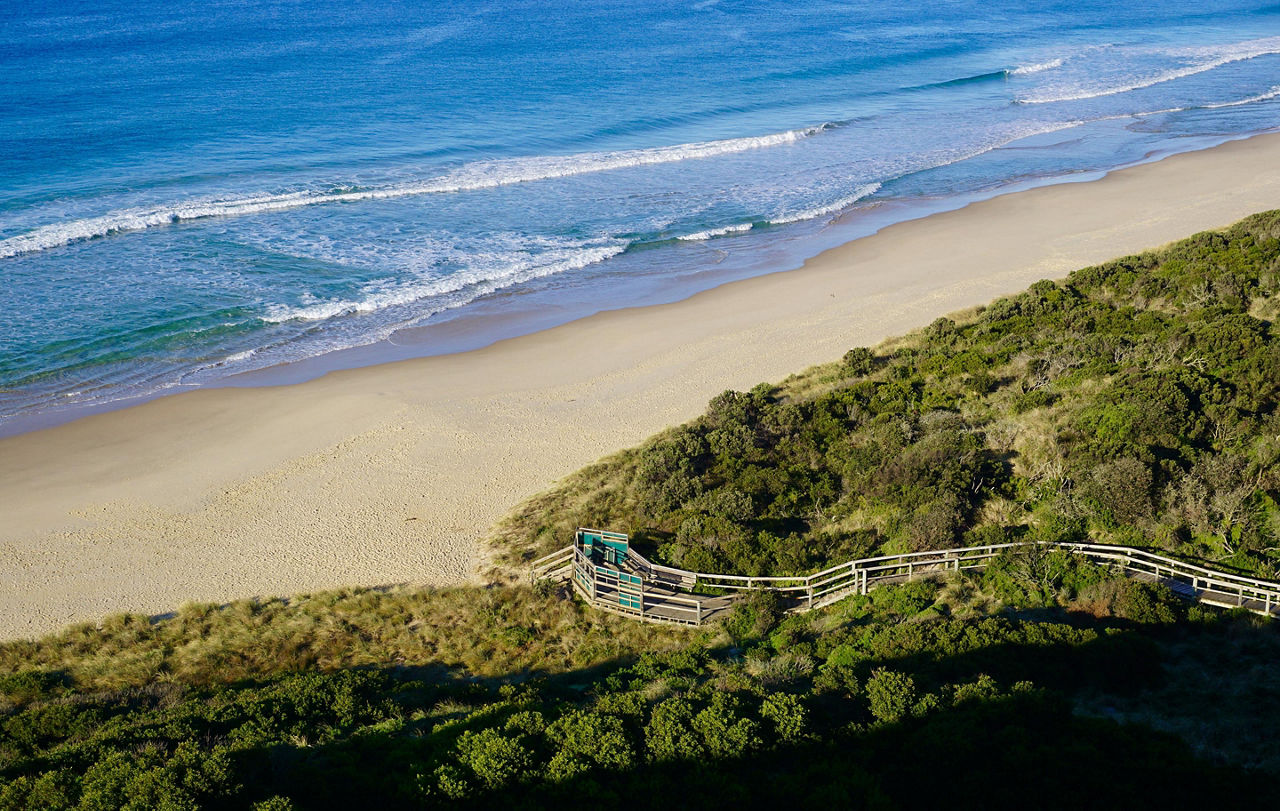
January is strongest for southern and western coastal regions where summer beach culture thrives. The best places to visit in Australia in January include Sydney for iconic summer coastline, Melbourne during the Australian Open, Perth for dry beach weather and Tasmania for milder summer temperatures.
Sydney & Coastal New South Wales
Sydney is the best place to visit in Australia in January because it offers classic summer beach conditions combined with major festivals and national celebrations. Warm ocean temperatures and long daylight hours make coastal exploration especially rewarding, while harbour events energize the city.
Top experiences: Bondi Beach, Sydney Festival events, Australia Day harbour celebrations.
Melbourne
Melbourne is the best place to visit in Australia in January because the Australian Open transforms the city into an international sporting hub. Despite summer heat, outdoor dining and waterfront areas remain active and lively.
Top experiences: Australian Open, laneway cafés, coastal drives.
Perth & Western Australia
Perth is the best place to visit in Australia in January because it combines hot summer weather with low humidity and reliable sunshine. Unlike eastern cities, rainfall is minimal and beach conditions are highly predictable.
Top experiences: Rottnest Island cycling, Cottesloe Beach, Swan Valley wine tasting.
Tasmania
Tasmania is the best place to visit in Australia in January because it offers cooler summer temperatures than mainland cities. Daytime conditions are warm but less extreme, making hiking and scenic drives more comfortable.
Top experiences: Cradle Mountain, Hobart waterfront, Bruny Island.
FAQs: Australia in January
1. Is January a good time to visit Australia?
January is a good time to visit Australia if you want peak summer weather and major national events. Coastal cities offer strong beach conditions and global festivals, though temperatures can be high and travel demand is elevated due to school holidays.
2. What is the weather like in Australia in January?
Australia weather in January is hot nationwide. Southern cities average 78–84°F (26–29°C), Brisbane reaches around 88°F (31°C) and northern Queensland climbs above 90°F (32–34°C) with heavy humidity and rainfall during wet season.
3. What is the average temperature in Australia in January?
The average temperature in Australia in January ranges from the high 70s°F (26°C) in Sydney to over 90°F (32°C) in Cairns. Melbourne averages about 82°F (28°C), while Perth reaches 89°F (32°C) with dry heat.
4. Is January good for the Great Barrier Reef?
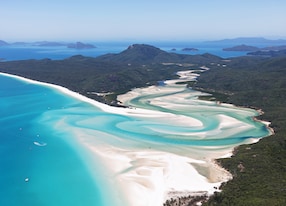
January falls within the wet season in northern Queensland. Reef tours operate year-round, but travelers should expect high humidity, tropical rainfall and potentially variable sea conditions compared to dry-season months.
5. Is January peak season in Australia?
Yes. January is part of Australia’s peak summer travel season due to school holidays, Australia Day celebrations and major sporting events such as the Australian Open. Accommodation demand and prices are typically high.
6. Is January beach season in Australia?
Yes. January is peak beach season across southern and western Australia. Ocean temperatures are warm, daylight hours are long and coastal cities are fully in summer mode.