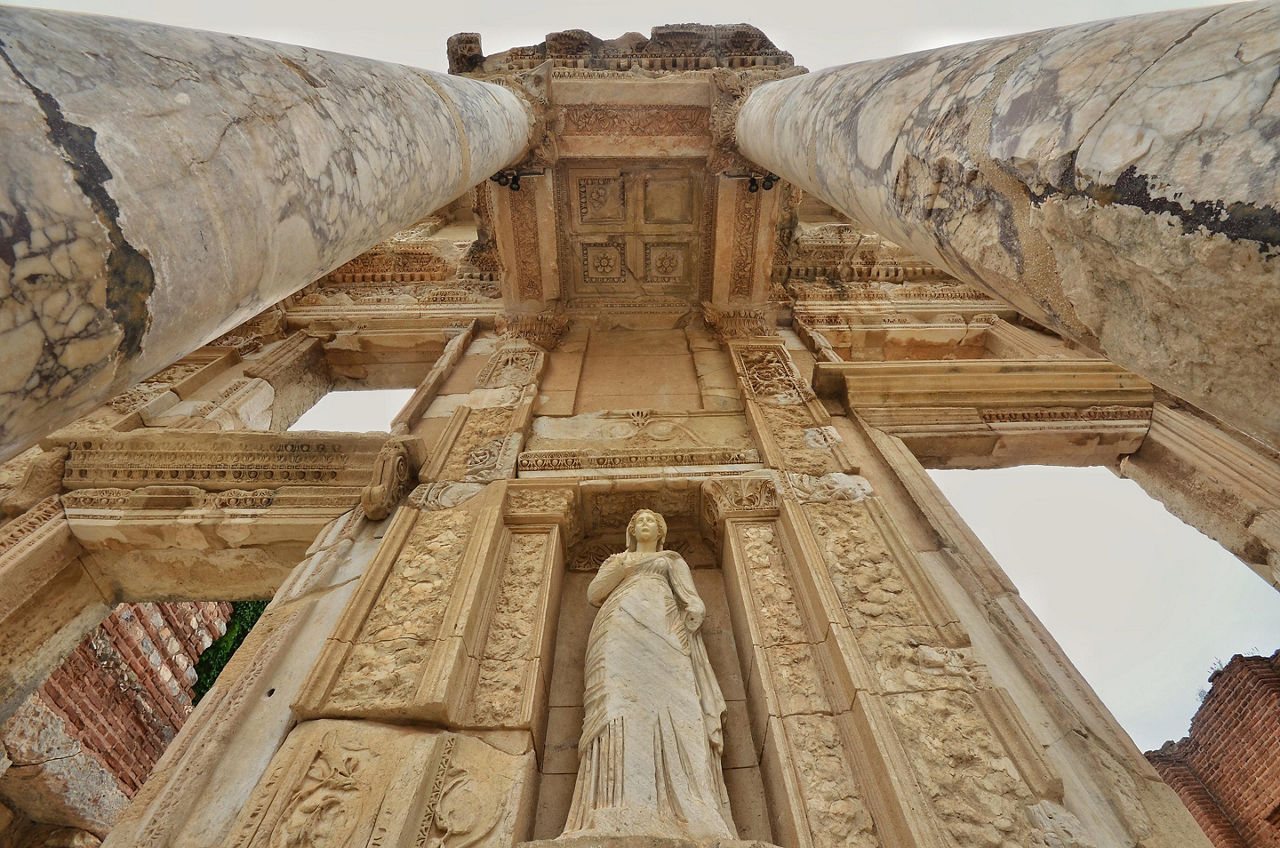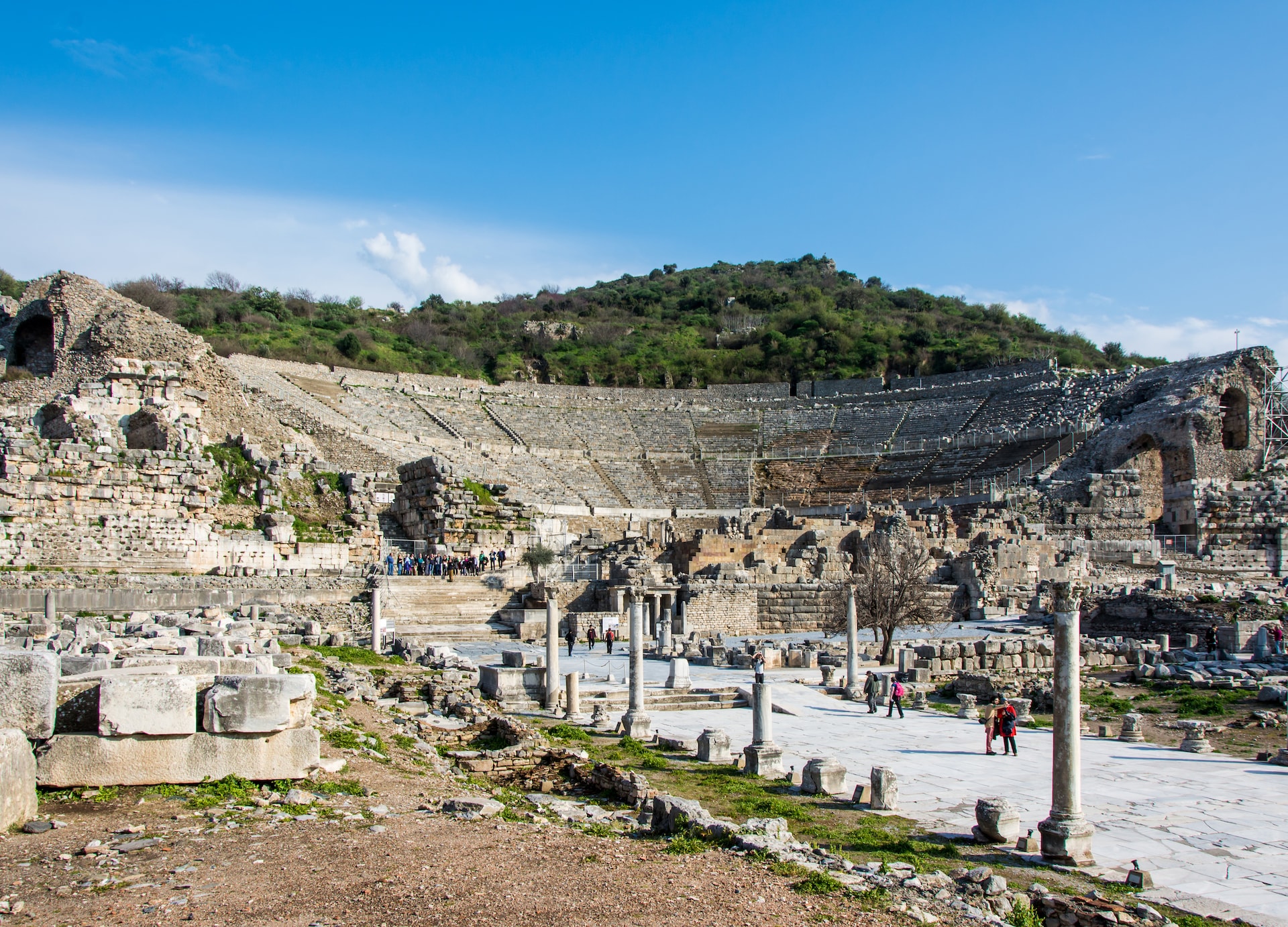
The best time to visit Ephesus is during the spring (April to June) and fall (September to October), when the weather is warm and dry, the crowds are lighter and the ancient city’s ruins are most enjoyable to explore. These shoulder seasons offer the ideal balance of comfort and accessibility, making it easier to take in Ephesus' iconic sights — like the Library of Celsus, the Temple of Artemis and the Great Theater — without the intense summer heat or peak-season congestion.
Whether you're visiting on a day trip from Kuşadası, joining a guided excursion or building a longer itinerary through western Turkey, timing your visit around the weather in Ephesus can turn a great day into an unforgettable one.
Spring in Ephesus (April to June)

Best for: Ideal sightseeing weather, wildflowers & smaller crowds
Average temperatures: 68°F (20°C) in April to 84°F (29°C) in June
Spring is widely considered the best time to visit Ephesus. As the weather warms and the countryside blooms with wildflowers, the ancient city takes on an almost mythical beauty. Daytime temperatures hover between the high '60s and low '80s Fahrenheit, perfect for exploring the sprawling archaeological site without overheating.
You can wander through the Temple of Artemis, admire the intricate façade of the Library of Celsus or walk the ancient Curetes Street in comfort. Spring also brings more daylight hours and fewer visitors than summer, making it a favorite for photographers, history buffs and cruise guests alike.
Seasonal Highlights:
- Ephesus Archaeological Museum (Selçuk): With milder weather and fewer crowds, it’s a great time to explore this museum before or after touring the ruins.
- Nature in bloom: The green hills surrounding Ephesus come alive with flowers and fresh air.
- Local markets: Selçuk and nearby towns host lively farmers’ markets bursting with spring produce and traditional goods.
Summer in Ephesus (July to August)
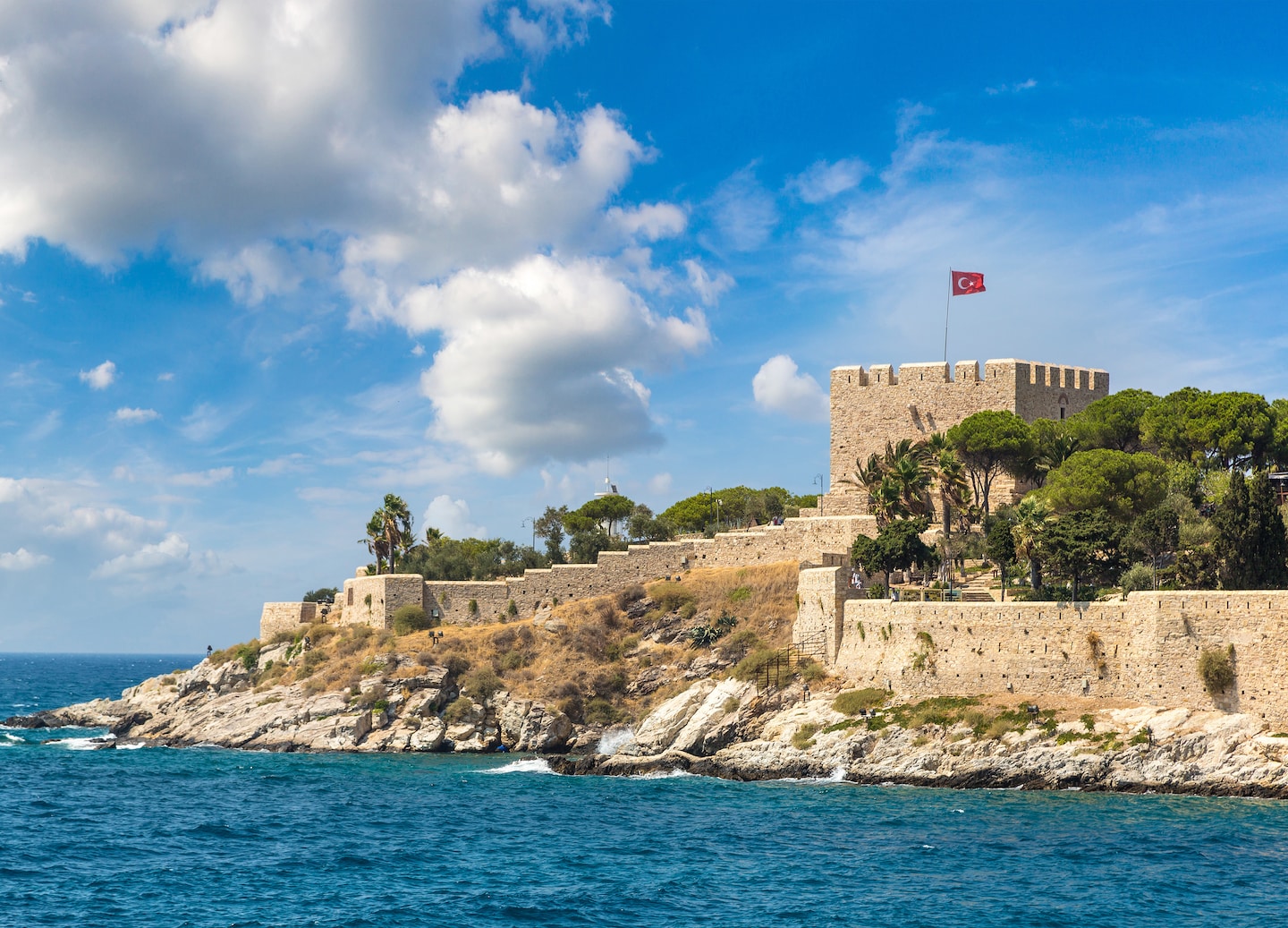
Best for: Sun seekers, cruise visitors & early-morning explorers
Average temperatures: 91°F (33°C) in July to 94°F (34°C) in August
Summer brings high heat and high foot traffic to Ephesus. July and August are the warmest and driest months of the year, with midday temperatures often soaring into the mid-'90s. The weather in Ephesus during this time is hot and sunny, which can make long walks across the open ruins feel intense.
Still, this is peak season for Mediterranean cruise excursions and tourists coming from nearby resorts. If you plan well — visiting early in the morning, bringing plenty of water and wearing a hat — summer can still be a rewarding time to visit.
Seasonal Highlights:
- Sunrise visits: Arrive early to beat the heat and watch the ruins light up under the rising sun.
- Coastal escapes: Cool off with an afternoon at nearby beaches like Pamucak Beach or the harbor town of Kuşadası.
- Longer opening hours: Summer months sometimes include extended hours for exploring Ephesus and surrounding attractions.
Fall in Ephesus (September to October)

Best for: Comfortable temperatures, grape harvests & cultural festivals
Average temperatures: 86°F (30°C) in September to 75°F (24°C) in October
Fall is another sweet spot in Ephesus. The searing heat of summer begins to ease, but the days remain sunny and dry. September still feels summery, while October cools off just enough to make walking tours even more pleasant. The weather in Ephesus during fall mirrors spring in many ways, with added benefits like golden light for photography and harvest season in full swing.
This is the time when food and wine lovers can pair their archaeological adventure with local culinary experiences.
Seasonal Highlights:
- Local wine tastings: The Aegean region is known for its vineyards — fall is the perfect time to try regional varietals.
- Cultural festivals: Nearby Selçuk and İzmir often host fall festivals celebrating music, food and history.
- Comfortable sightseeing: Clear skies and cooler afternoons make this a top time to tour Ephesus and its surrounding temples.
Winter in Ephesus (November to March)
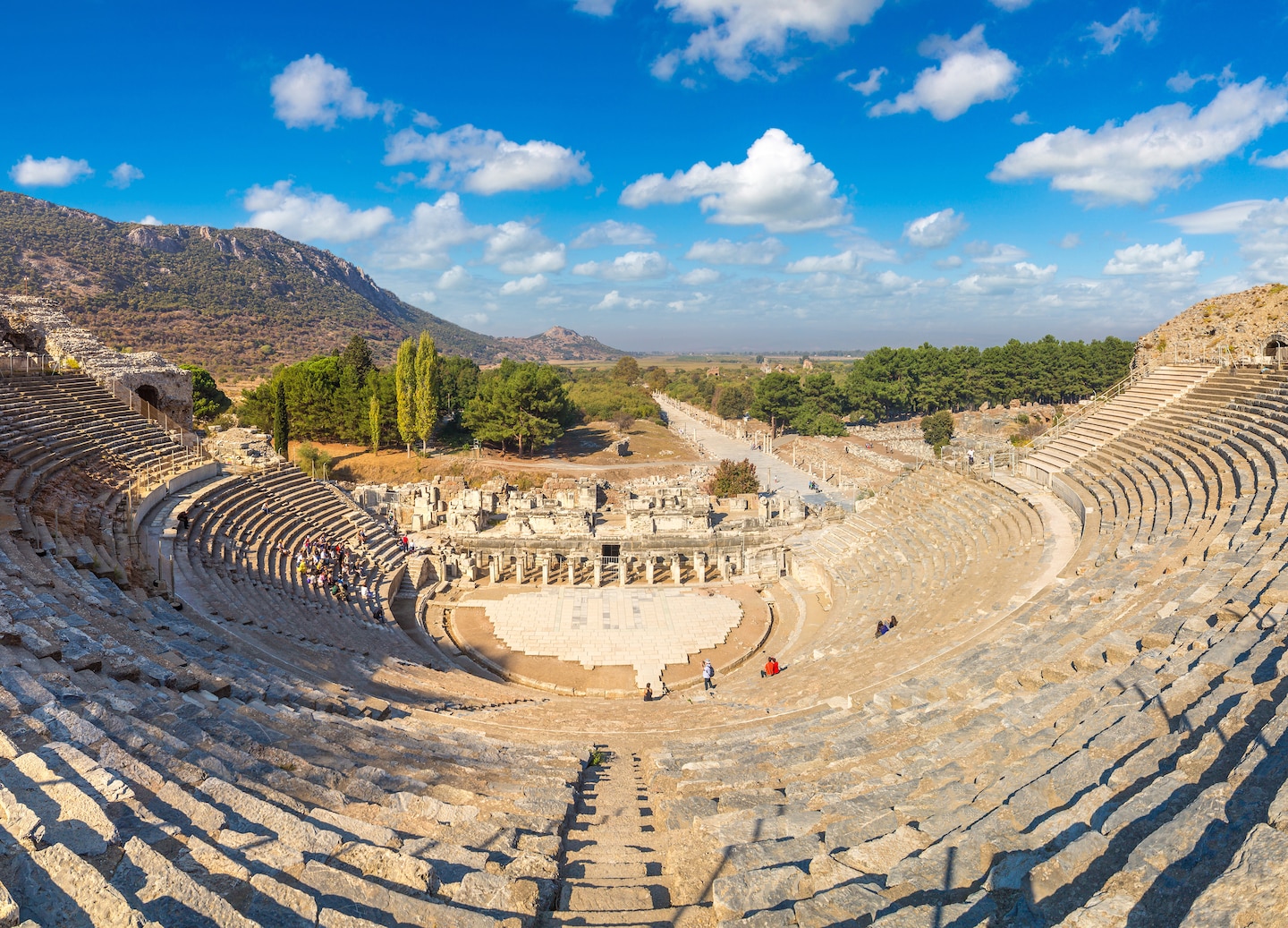
Best for: Quiet exploration, photography & off-season pricing
Average temperatures: 61°F (16°C) in November to 52°F (11°C) in January
Winter is the low season in Ephesus, but it shouldn’t be dismissed. While it’s cooler and more likely to be rainy, the winter months offer a different kind of charm — one where you can roam through the ancient city in peace, with few tourists around and soft, filtered light perfect for photos.
While some nearby businesses and restaurants may reduce hours, the archaeological site remains open year-round. Accommodations in Selçuk and Kuşadası are much more affordable.
Seasonal Highlights:
- Peaceful ruins: Explore Ephesus almost entirely crowd-free in the early morning or late afternoon.
- Off-season deals: Hotels, transportation and guides are often discounted.
- Mild winters: Ephesus rarely sees extreme cold, so layering up is usually enough.
When is the Best Time to Visit Ephesus?
The best time to visit Ephesus is during the spring (April to June) and fall (September to October). These seasons offer warm, dry weather, fewer crowds and the most enjoyable conditions for walking through the open-air ruins. You’ll also avoid the intense heat of summer and the rainier, cooler months of winter. If you’re visiting via cruise, most itineraries align with these ideal months — giving you the best of both weather and accessibility.
FAQs: Visiting Ephesus
1. What is the best month to visit Ephesus?
May or September are considered the best months to visit Ephesus, offering warm weather, fewer crowds and ideal conditions for sightseeing.
2. What is the hottest month in Ephesus, Turkey?
August is the hottest month, with temperatures averaging around 94°F (34°C). Visiting early in the day is recommended during this time.
3. Can you visit Ephesus year-round?
Yes, Ephesus is open to visitors all year. However, winter may bring cooler temperatures and occasional rain, while summer can be very hot.
4. What's the sunniest month in Ephesus?
July offers the most sunshine, with approximately 13 hours of sun per day on average.
5. Is Ephesus worth visiting in the winter?
Yes. Winter visits offer peaceful sightseeing and reduced prices, but you may encounter occasional rain. Dress in layers and check the forecast.
6. How long do you need to visit Ephesus?
Most visitors spend two to three hours exploring the main archaeological site. Additional nearby attractions like the Terrace Houses or the Ephesus Museum can extend your visit to a full half-day.
Keep Exploring Ephesus
Before your visit, explore more about this iconic destination:
- What Is Ephesus Known For – Learn about the Temple of Artemis, Roman history and why this ancient city continues to captivate travelers.
- What to Eat in Ephesus – Discover local Aegean flavors and dishes worth trying after your tour of the ruins.
- Ephesus, Turkey Shore Excursions – Explore Ephesus’ shore excursions which offer a rich blend of history, culture, and beauty.