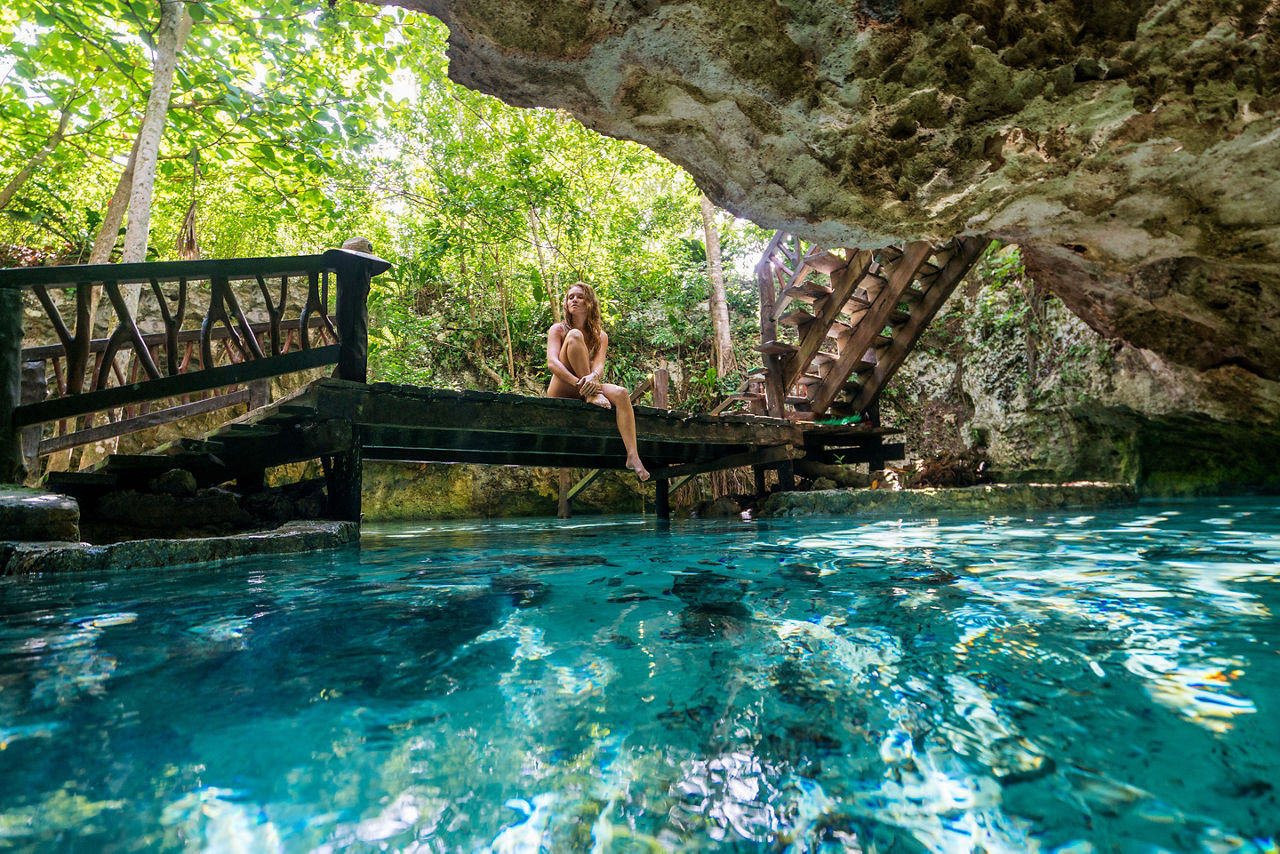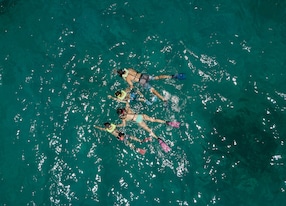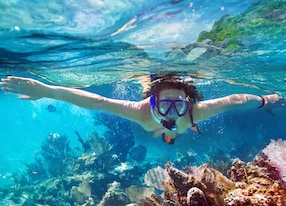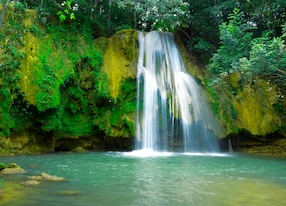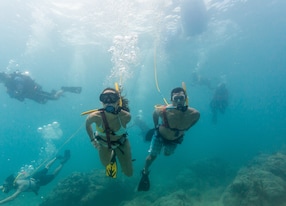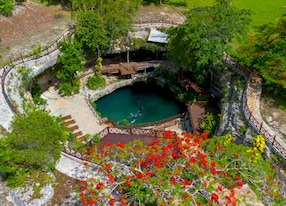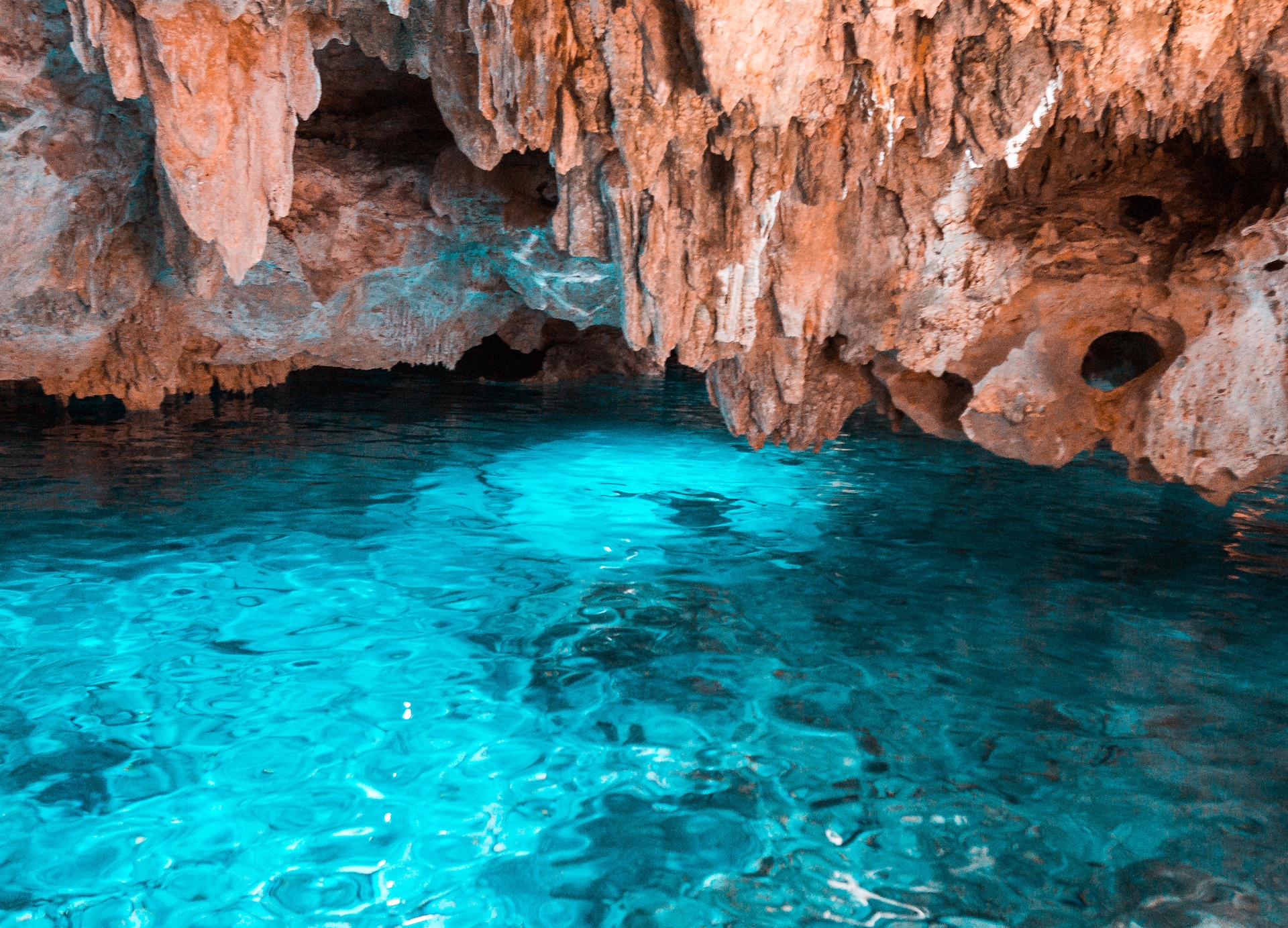
Casa Tortuga is a cenote park near Tulum with four natural freshwater pools: Campana, Wisho, Dorca and Tres Zapotes. Visitors can explore cavern passages, see fossils and limestone formations, and swim in open pools surrounded by trees.
Having several cenotes in one park makes Casa Tortuga an appealing introduction to these natural wonders. The guided circuit brings together cave exploration and outdoor swimming, with something different to see at each stop.
Here’s what to know about the cenotes, their place in the Yucatán’s history and planning your visit.
Where Is Casa Tortuga?
Casa Tortuga is north of Tulum on Mexico’s Riviera Maya, along the highway toward Playa del Carmen. Its location makes it an easy addition to a stay in the Tulum area.
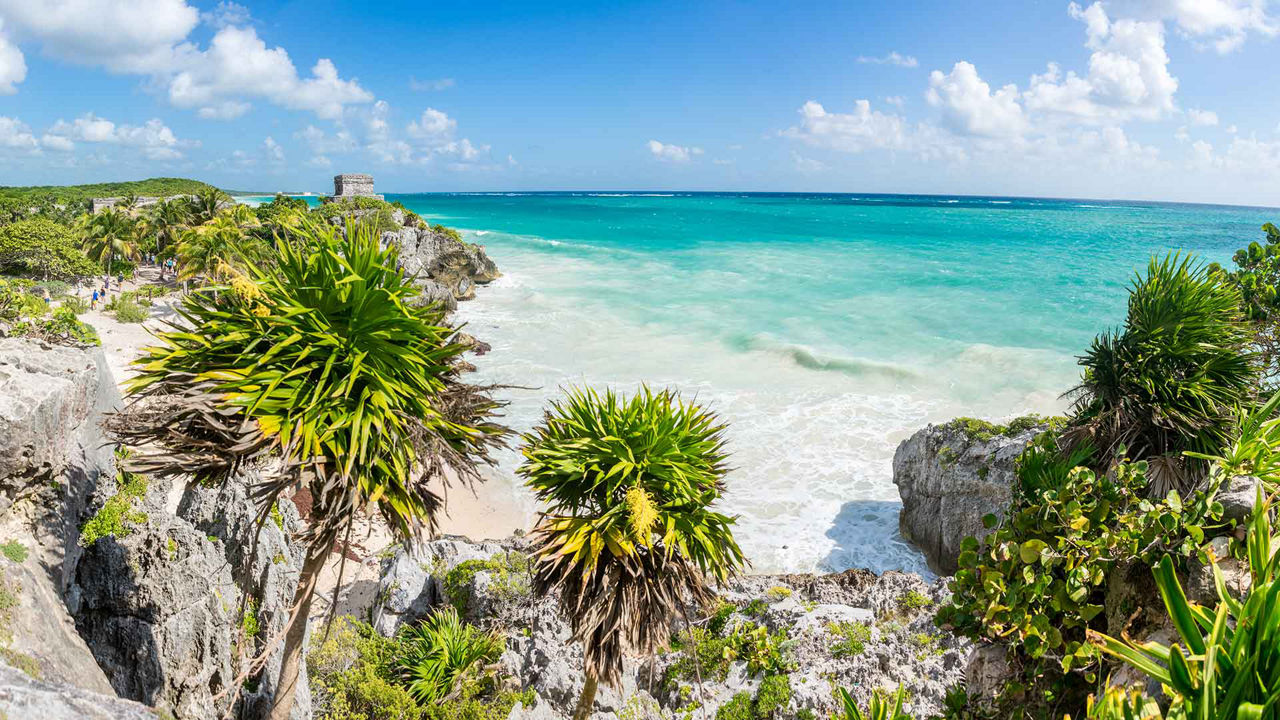
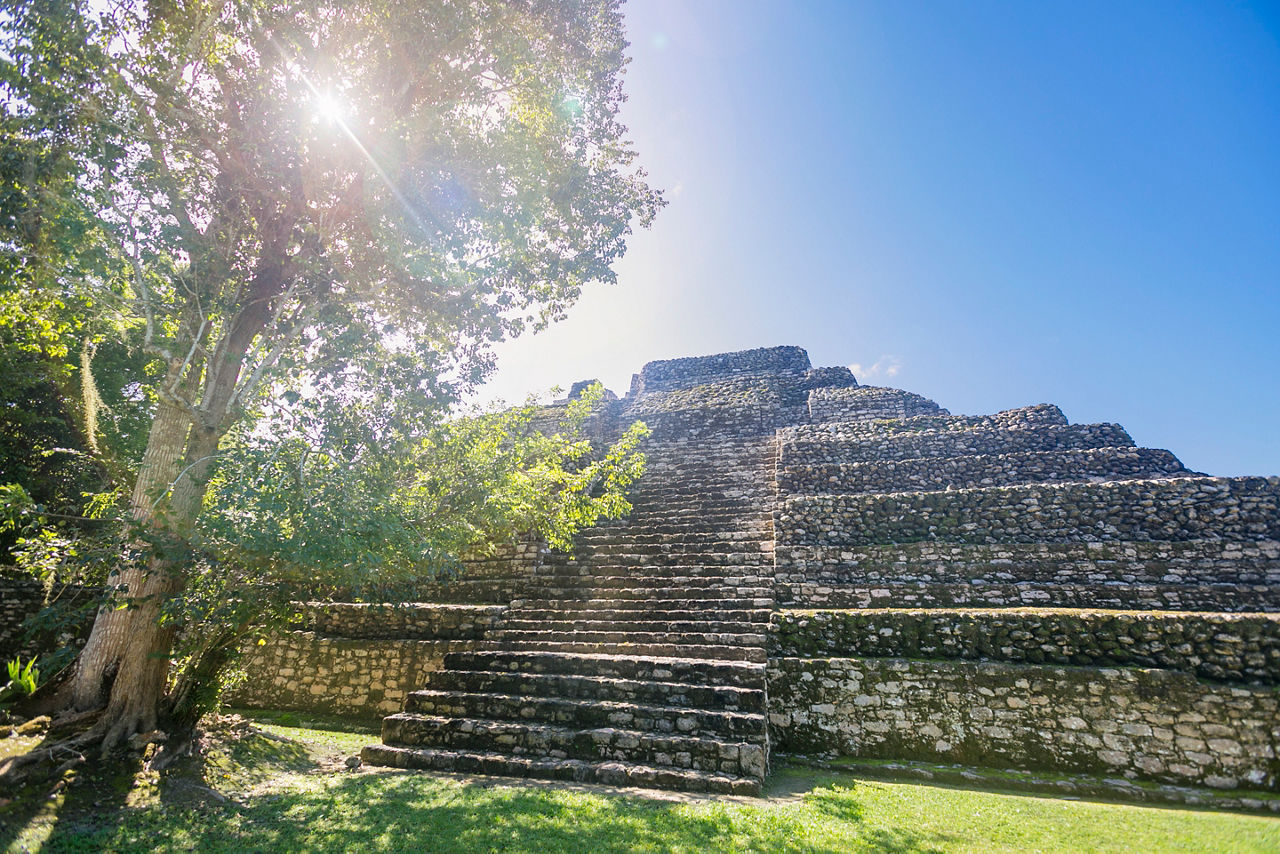
The park sits on the mainland in Quintana Roo. Nearby Tulum is known for its Caribbean beaches and seaside Maya archaeological site, while cenotes reveal another side of the region: the freshwater caves and pools beneath its limestone landscape.
What Are Cenotes, and How Did They Form?

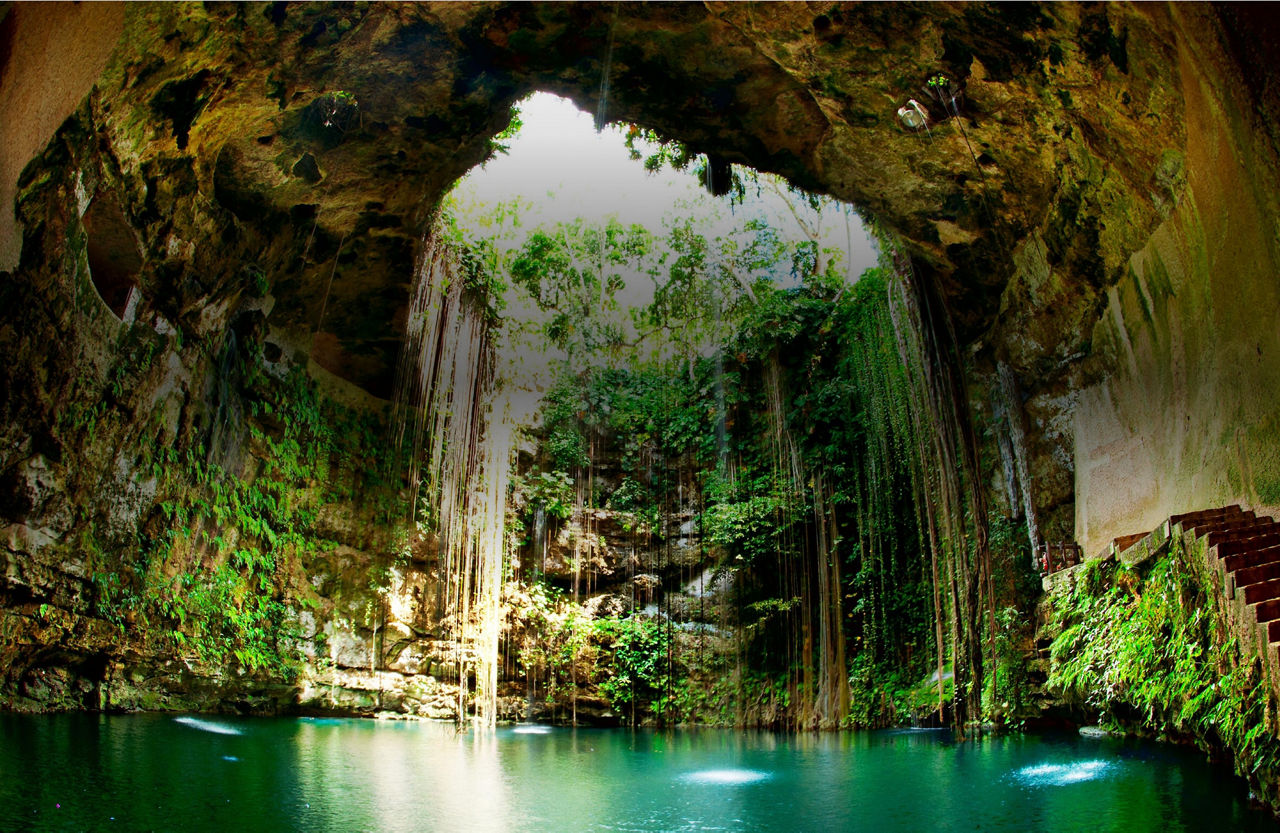
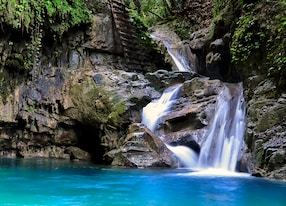
Cenotes are natural openings in limestone that expose groundwater. They form as rainwater slowly dissolves the rock, creating underground cavities. When sections of the ceiling collapse, the water below becomes visible from the surface.
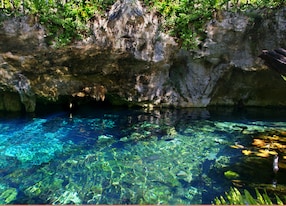
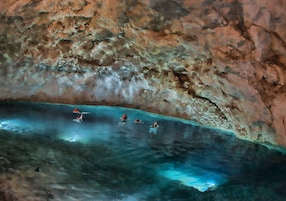
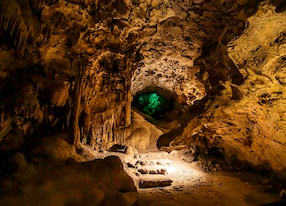
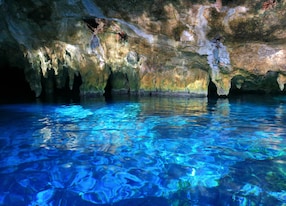
The remaining roof helps determine the setting. An open cenote resembles an outdoor swimming hole, while a cavern cenote retains rock overhead. Semi-open cenotes combine the two, with daylight entering through gaps in the ceiling.
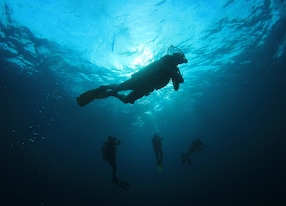
At Casa Tortuga, you can see these differences within a single visit. Campana and Wisho bring you into cavern environments, while Dorca and Tres Zapotes open to the sky.
Why Were Cenotes Important to the Maya?
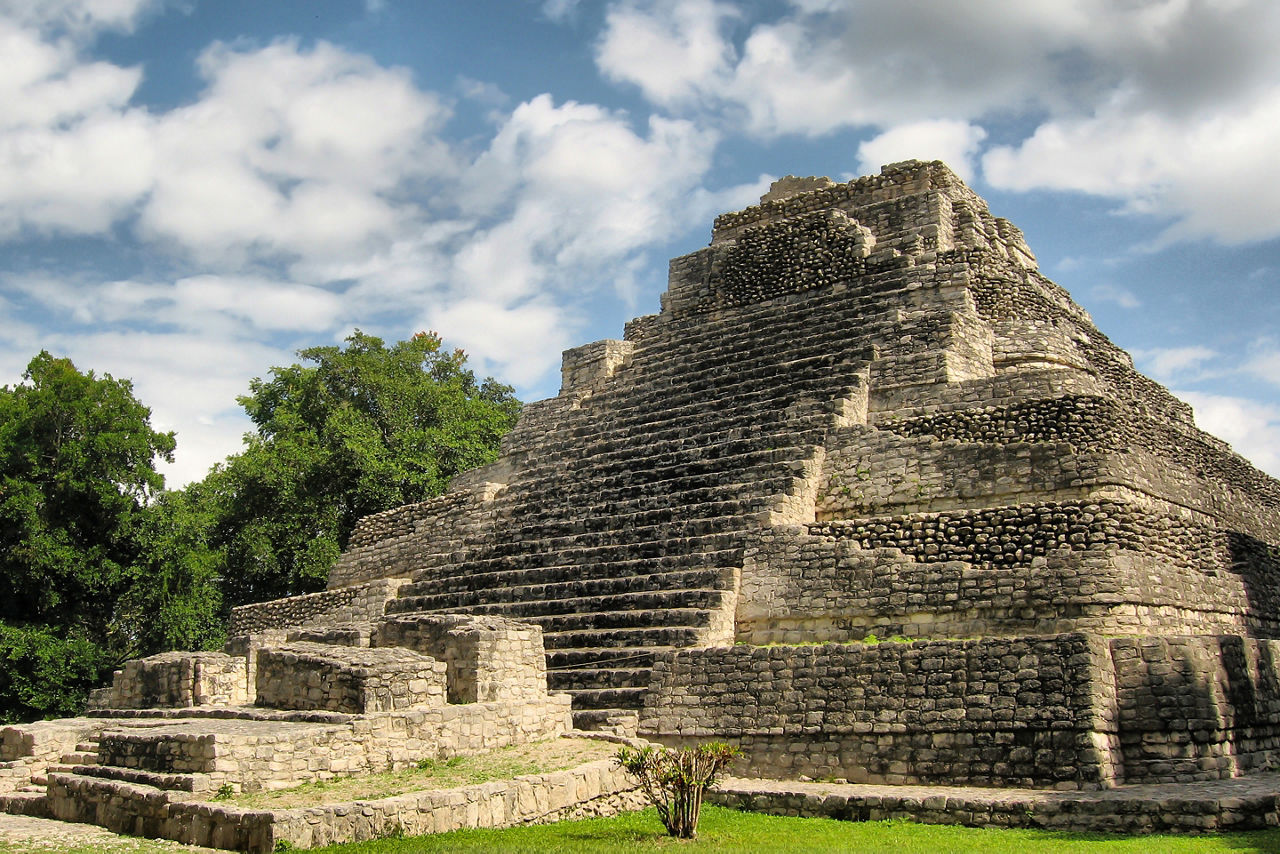
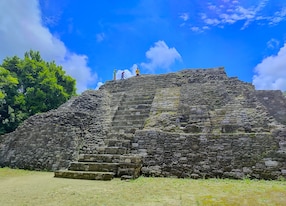
Cenotes provided access to water for Maya communities across the Yucatán Peninsula. Some also held spiritual significance as places associated with rain and the underground world.
Their importance as water sources and sacred places is part of the region’s cultural history. These pools helped sustain communities long before they became destinations for swimming and sightseeing.
The Four Cenotes at Casa Tortuga
Casa Tortuga’s main attraction is its four-cenote circuit. Here are the features that distinguish each stop.
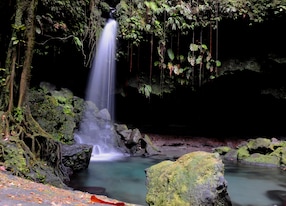
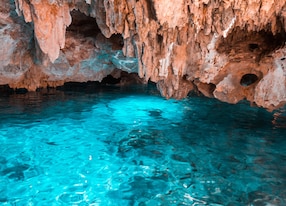
Campana: A Semi-Open Cavern With Limestone Formations
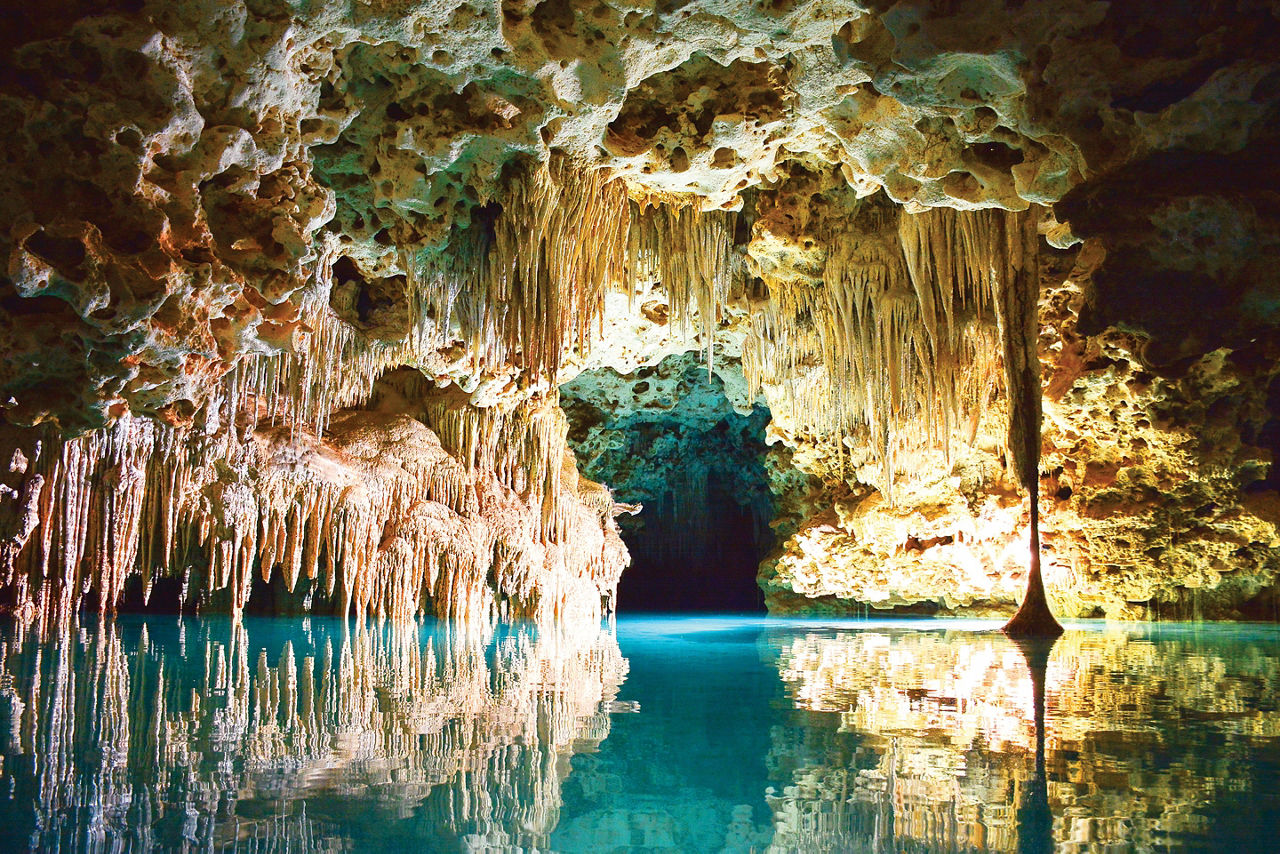
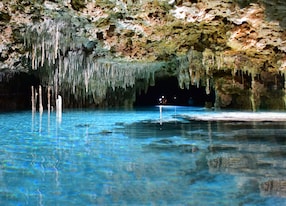
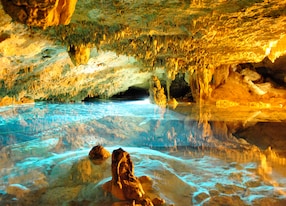
Campana features stalactites hanging from the ceiling and stalagmites rising from below. These formations grow gradually as dripping water leaves behind minerals.
The semi-open roof allows daylight into parts of the cavern, so you can see both the water and the shapes of the surrounding rock. Campana is a highlight for visitors interested in the geology behind the cenotes.
Wisho: A Cavern Passage With Fossils
Wisho’s cavern passage contains fossils visible in the rock and provides a habitat for bats. Alongside the swimming, it offers a chance to see evidence of the landscape’s past and the animals that live there today.
The fossils are among the details a guide can help you locate. For families with curious children, they provide something to look for as you explore.
Dorca: An Open-Air Cenote
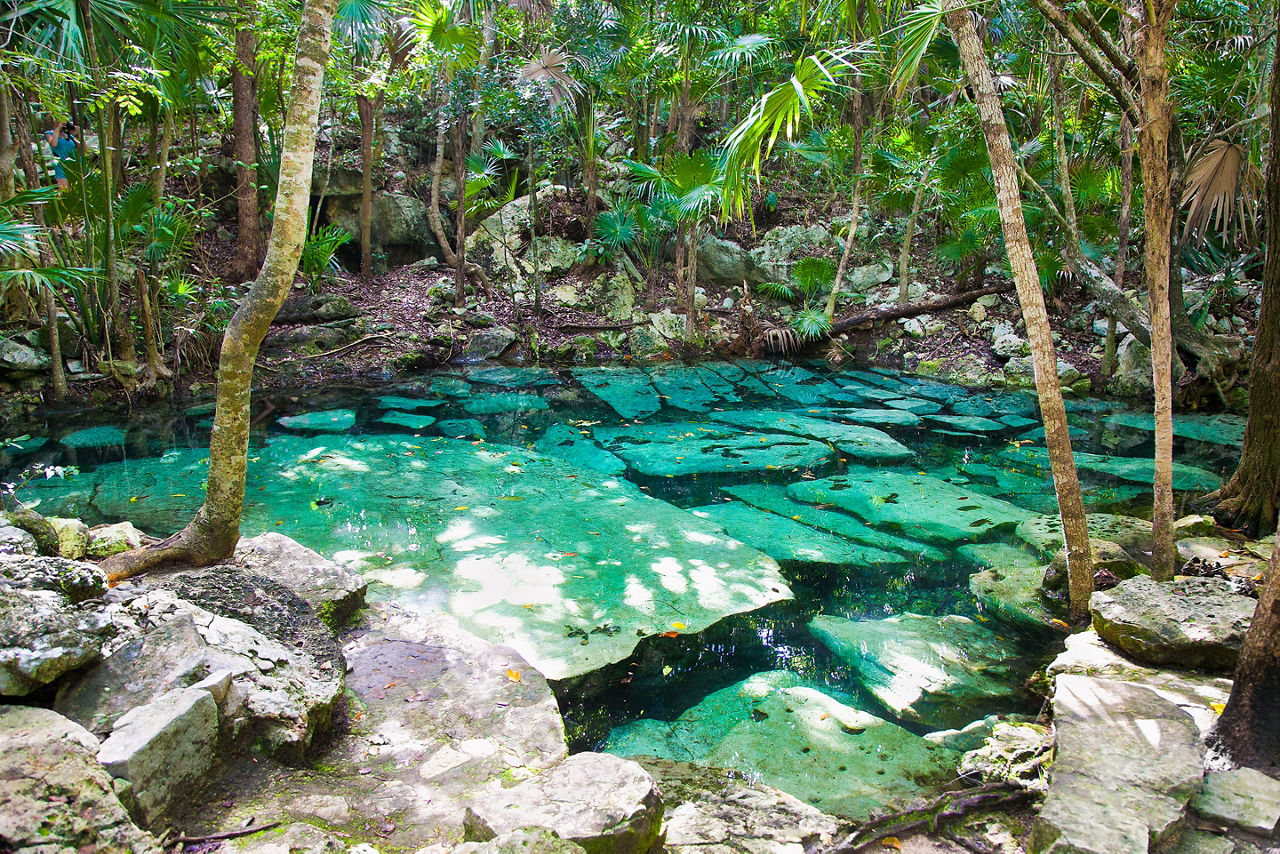
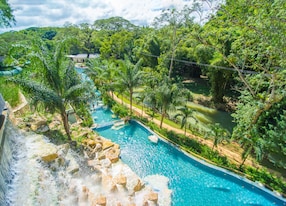
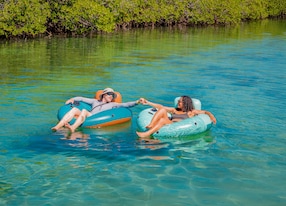
Dorca is one of the park’s two open cenotes. Here, you swim beneath the sky, with vegetation around the water.
Its outdoor setting offers a change from the cavern passages and makes it a good stop for enjoying the swimming itself.
Tres Zapotes: A Long Pool With Jade-Colored Water
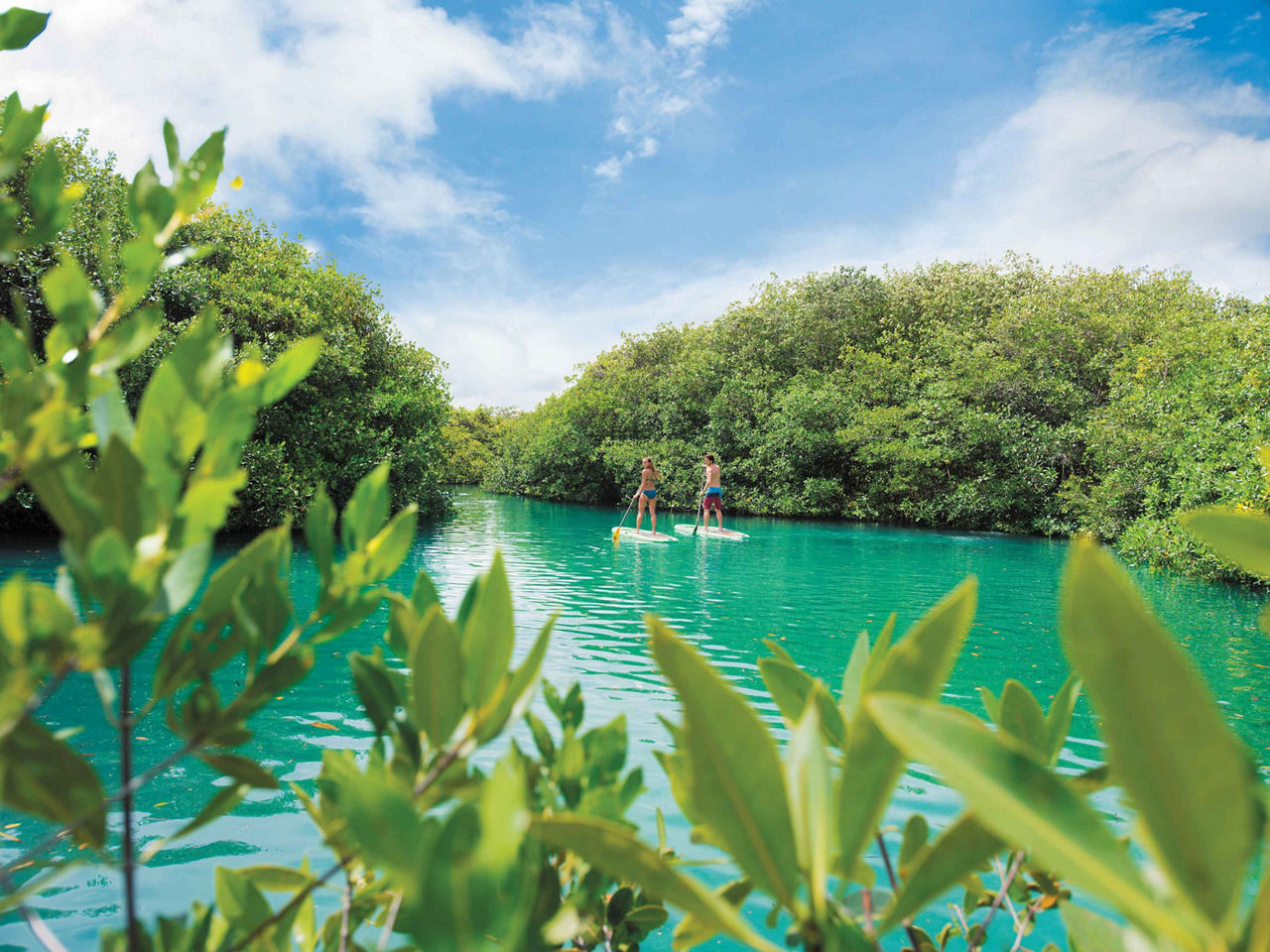
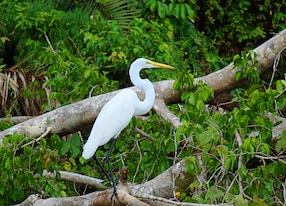
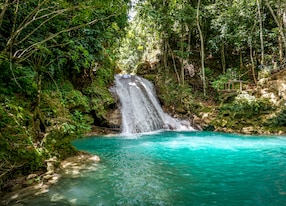
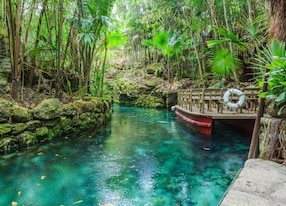
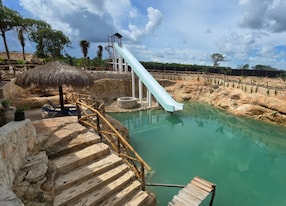
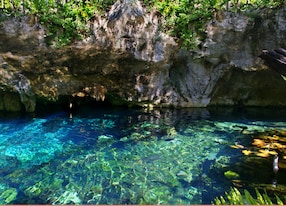
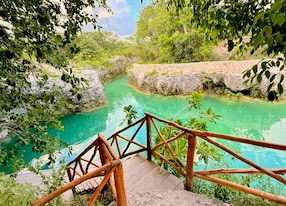
Tres Zapotes stretches more than 100 meters in length, with clear, jade-colored water and trees along its edges. Fish can be seen beneath the surface, and birds inhabit the surrounding greenery.
The long, open pool is one of Casa Tortuga’s most distinctive features. Its size and setting make it especially appealing for visitors who enjoy swimming outdoors.
What Is Visiting Casa Tortuga Like?
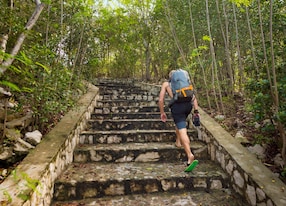
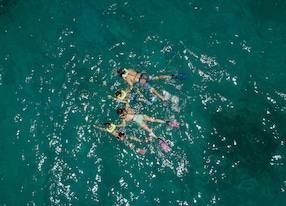
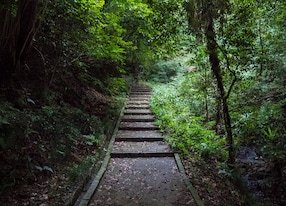
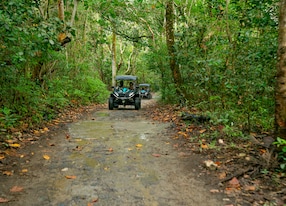
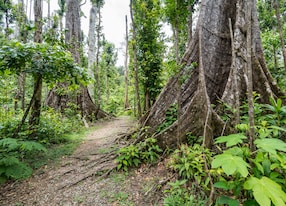
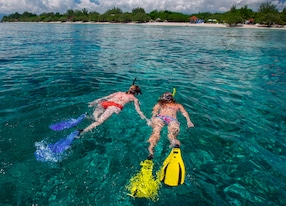
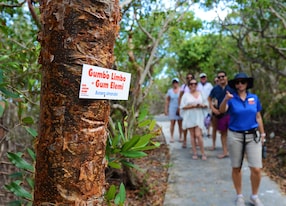
A visit combines a guided swimming circuit with walks between the cenotes. You’ll move through both cavern and open-air settings, seeing formations and wildlife along the route.
The park estimates about one hour and 40 minutes for the guided circuit. Plan additional time for changing, eating or enjoying the grounds. Guests visiting independently can spend time at Tres Zapotes after the circuit, within the park’s operating hours.
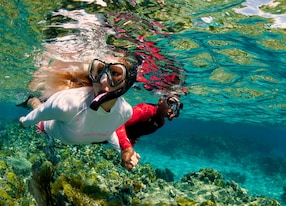
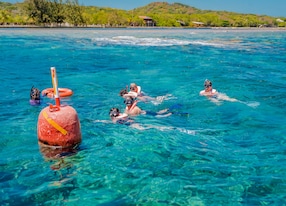
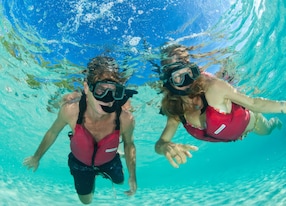
Life jackets are included during the guided tour. Some cavern passages involve briefly going underwater between sections, so comfort in the water and enclosed spaces matters when choosing the experience. For families or less-confident swimmers, confirm suitable routes with the operator before booking.
What to Bring to Casa Tortuga Cenotes
Pack for swimming, walking and changing afterward:
- Swimsuit: Wear it under light clothing if you’d like to arrive ready for the water.
- Secure water shoes: Choose footwear with grip for wet surfaces.
- Towel and dry clothes: Have a comfortable change ready after your swim.
- Rash guard and hat: Bring sun coverage for the open pools and outdoor paths.
- Waterproof pouch: Keep small essentials protected.
Casa Tortuga requires guests to enter the water without sunscreen or insect repellent on their skin. Follow the park’s rinsing guidance before swimming.
Visiting Casa Tortuga From a Cozumel Cruise
For travelers arriving in Cozumel, a mainland shore excursion offers a way to experience Casa Tortuga. The journey includes a ferry crossing followed by road transportation toward Tulum.
Royal Caribbean’s options include:
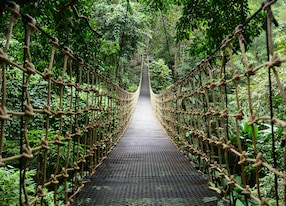
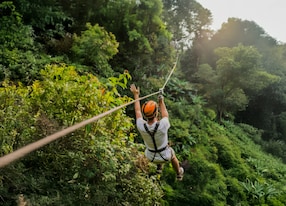
- Cenote Hopping Adventure: A day focused on Casa Tortuga’s four cenotes, with swimming and a walk through the jungle.
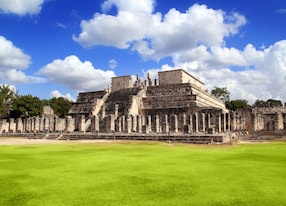
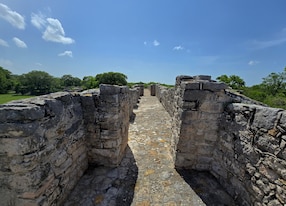
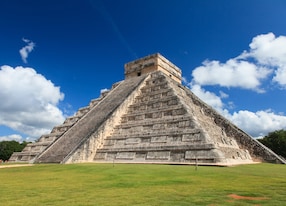
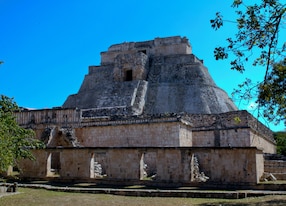
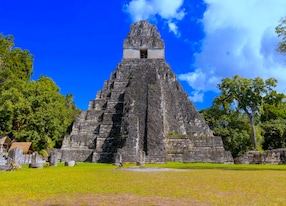
- Tulum Ruins & Mayan Cenote: A combination of Maya history at Tulum’s seaside ruins and a swim at Casa Tortuga.
Choose the cenote-hopping experience if exploring the pools is your priority. The Tulum combination suits travelers who want to include both archaeological sights and swimming. These are full-day outings, with availability and inclusions varying by sailing.
Why Visit Casa Tortuga Cenotes?
Casa Tortuga is a rewarding choice for travelers who want to experience several cenotes in one place. Its cavern passages, fossils and open swimming areas offer a close look at a landscape that extends far beneath the Riviera Maya.
Whether you’re interested in natural history or simply enjoy a swim somewhere new, the park offers plenty to explore. Discover cruises to Cozumel, Mexico and include a mainland cenote adventure in your vacation plans.
Frequently Asked Questions About Casa Tortuga
-
Do you need scuba equipment to visit the cenotes?
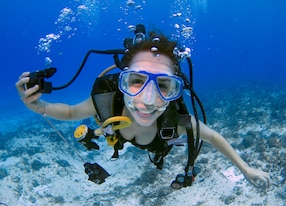
The regular guided circuit is a swimming experience and does not require scuba equipment. It includes a life jacket and visits to both cavern and open-air cenotes.
-
Are there places to change and store belongings?
Casa Tortuga has restrooms, showers and lockers. Locker use carries an additional charge.
-
Can you buy food at Casa Tortuga?
Yes. The park has restaurants and cafés where you can purchase food. Outside food and alcoholic drinks are not permitted.
-
Can you combine Casa Tortuga with Tulum’s ruins?
Yes. Their locations near Tulum make it possible to visit both in one day. A combined outing pairs a walk through the seaside archaeological site with swimming at Casa Tortuga.
Planning a Trip to Cozumel?
Want to learn more about Cozumel and the excursions available from the island? Check out these guides to plan your next trip:
- Cozumel Shore Excursions - Explore beach outings, cultural experiences and outdoor adventures for your time ashore.
- Adventure Excursions in Cozumel - Discover cenote hopping, jungle adventures and underground river experiences.
- Nature Excursions in Cozumel - Get to know the region through its wildlife, landscapes and natural attractions.
- The Best Time to Visit Cozumel - Learn about seasonal weather and activities to help plan your getaway.