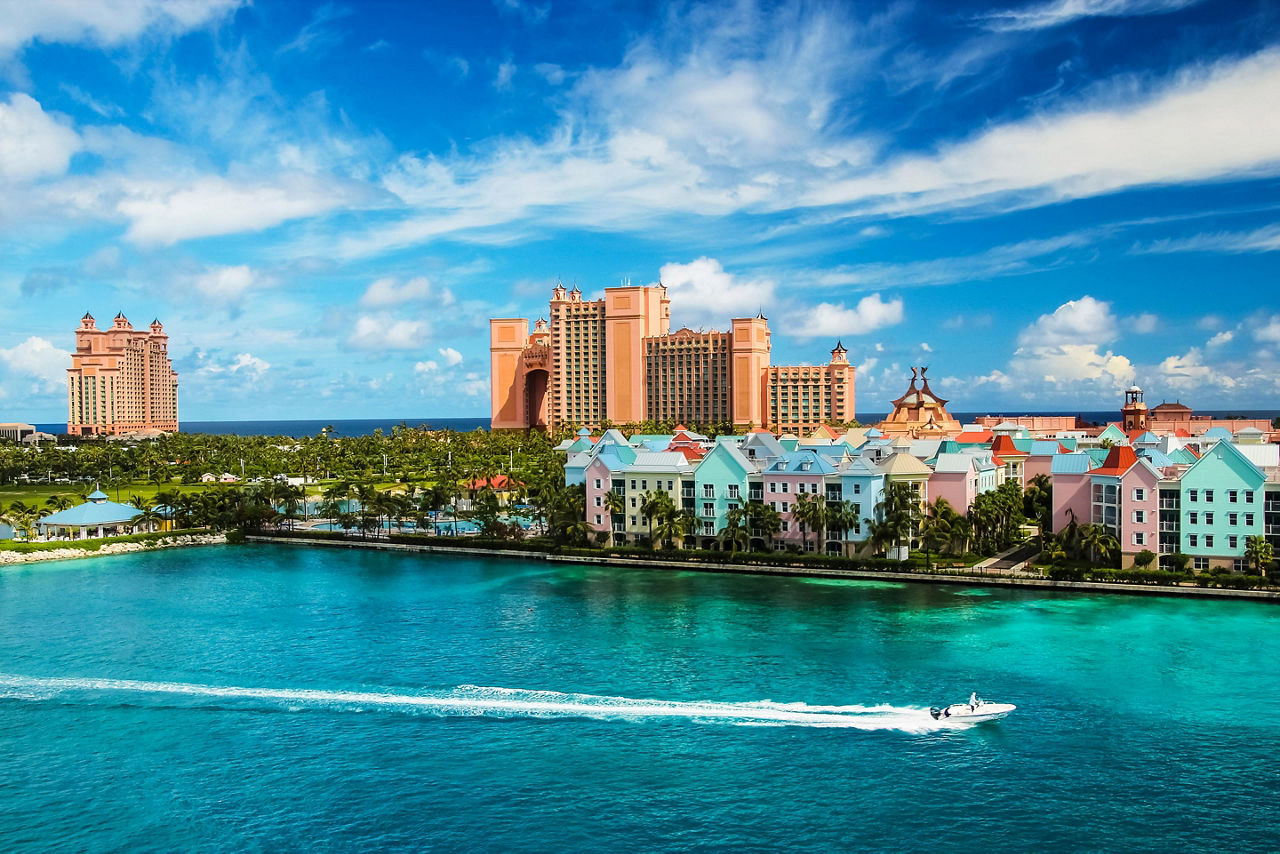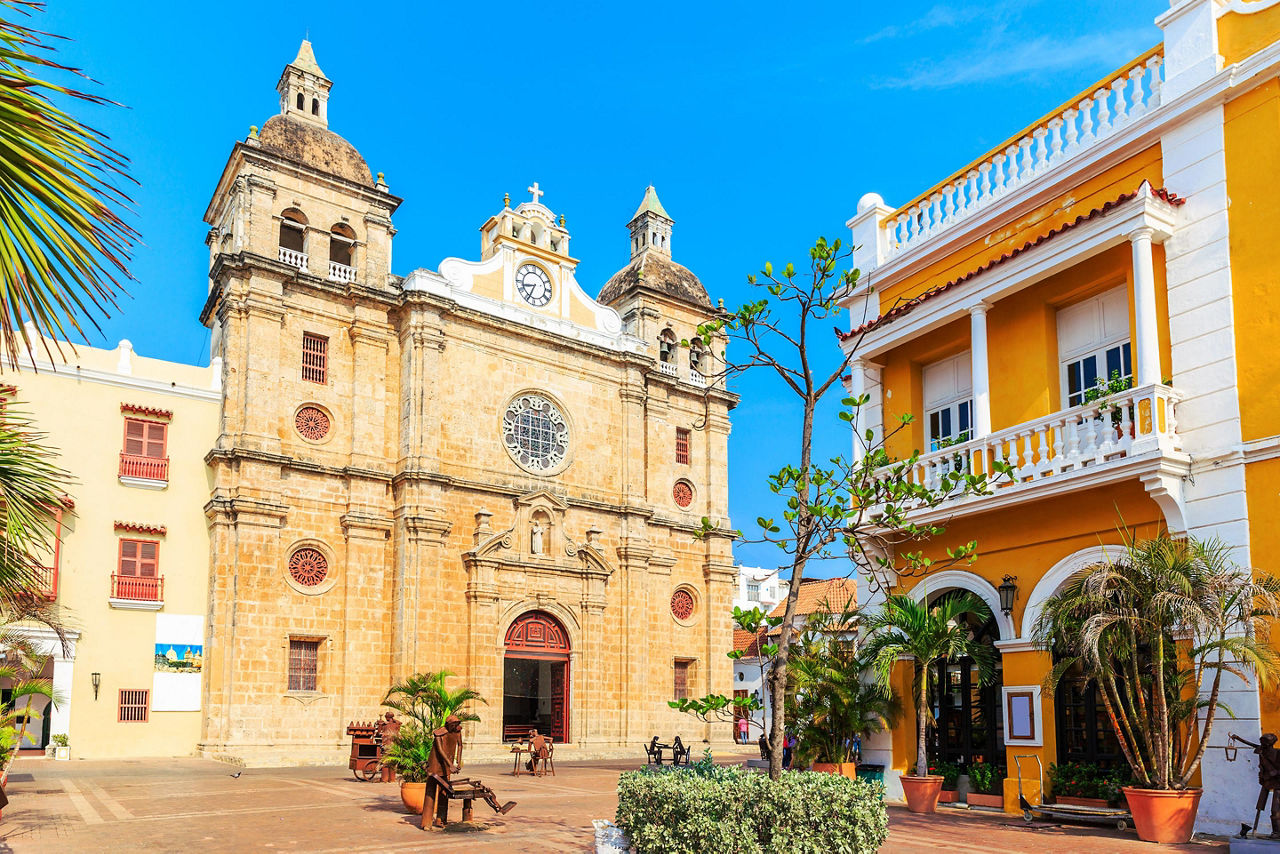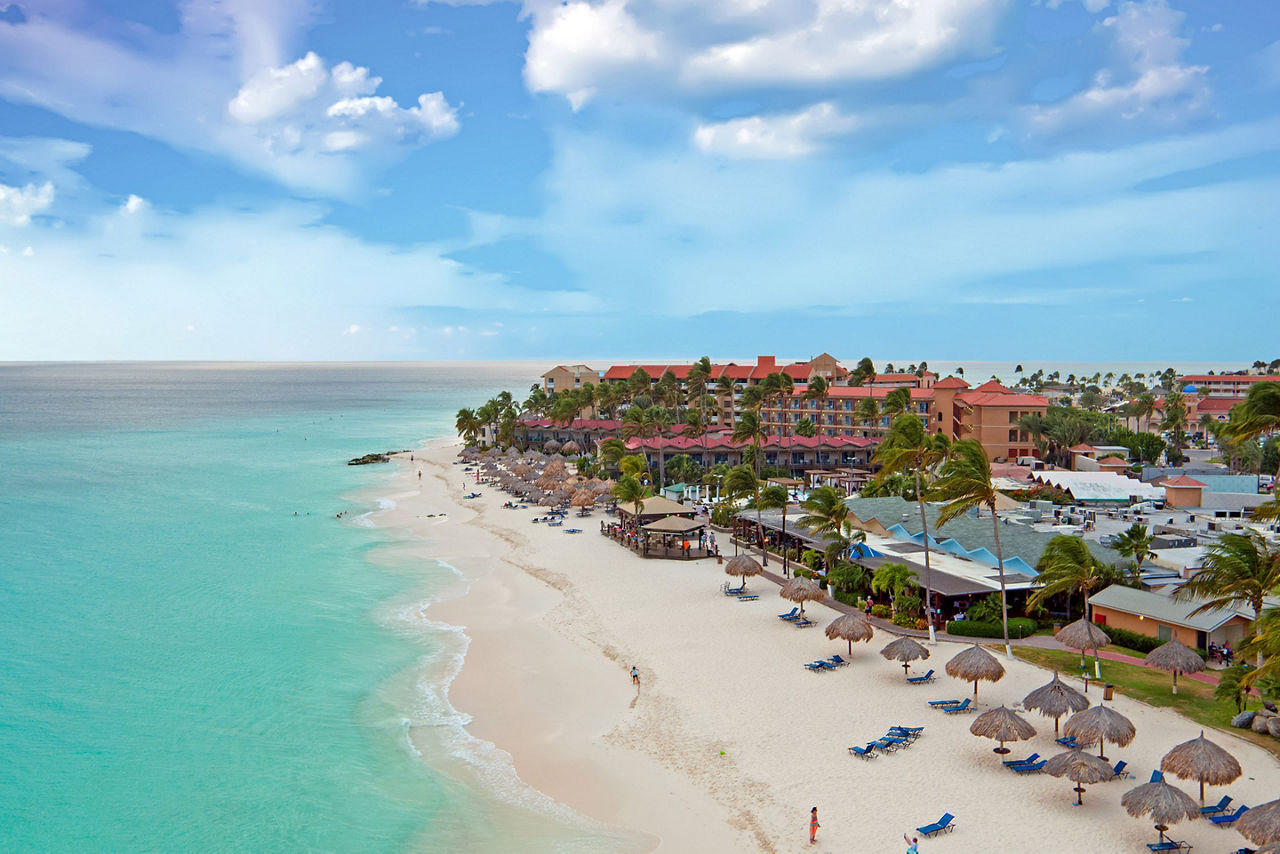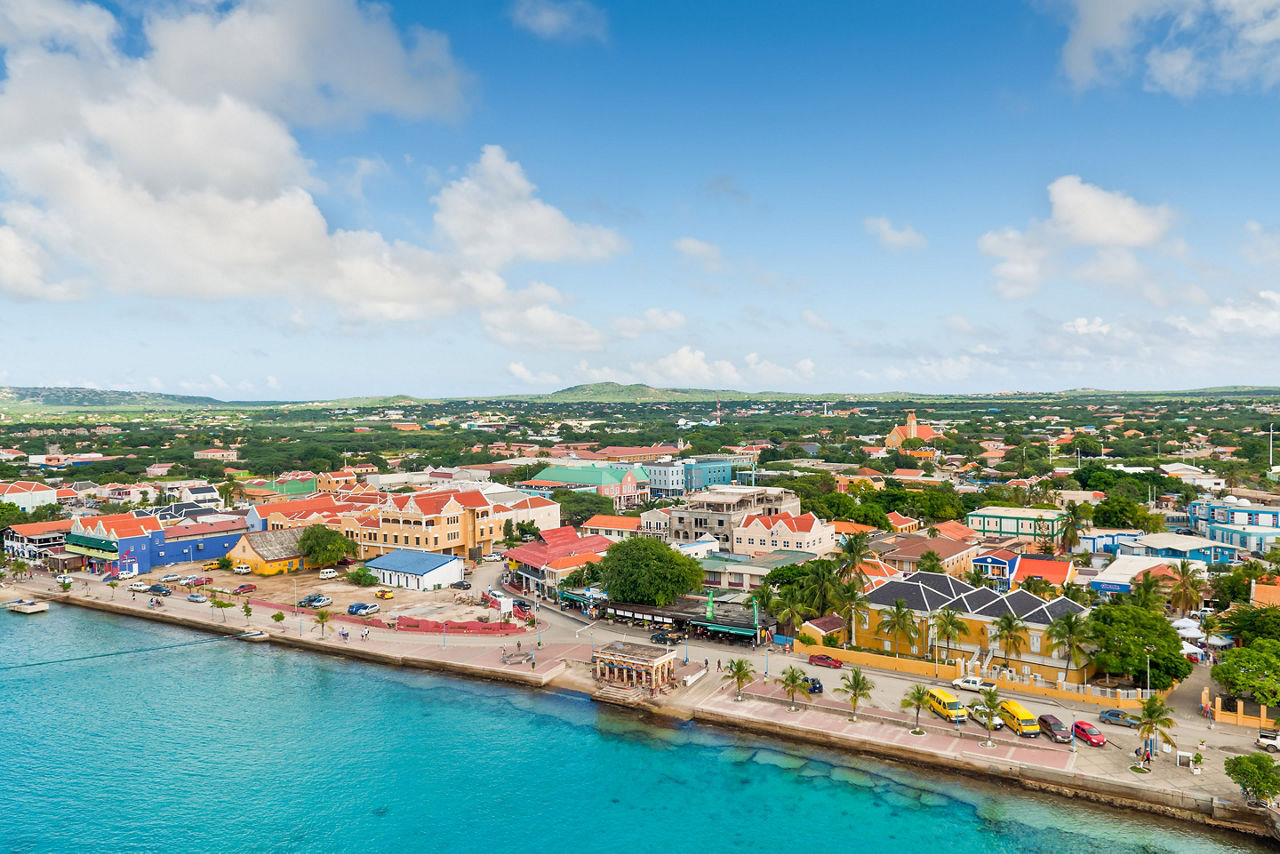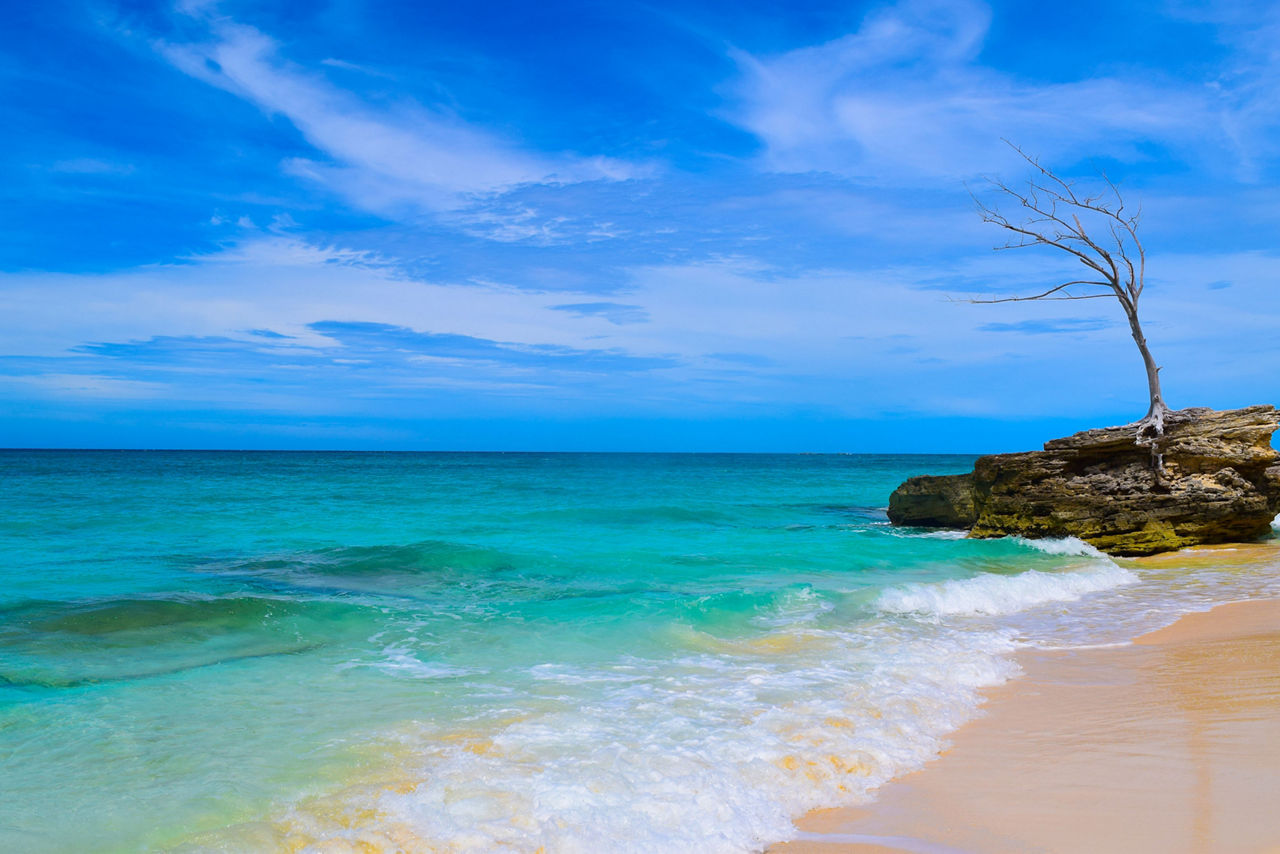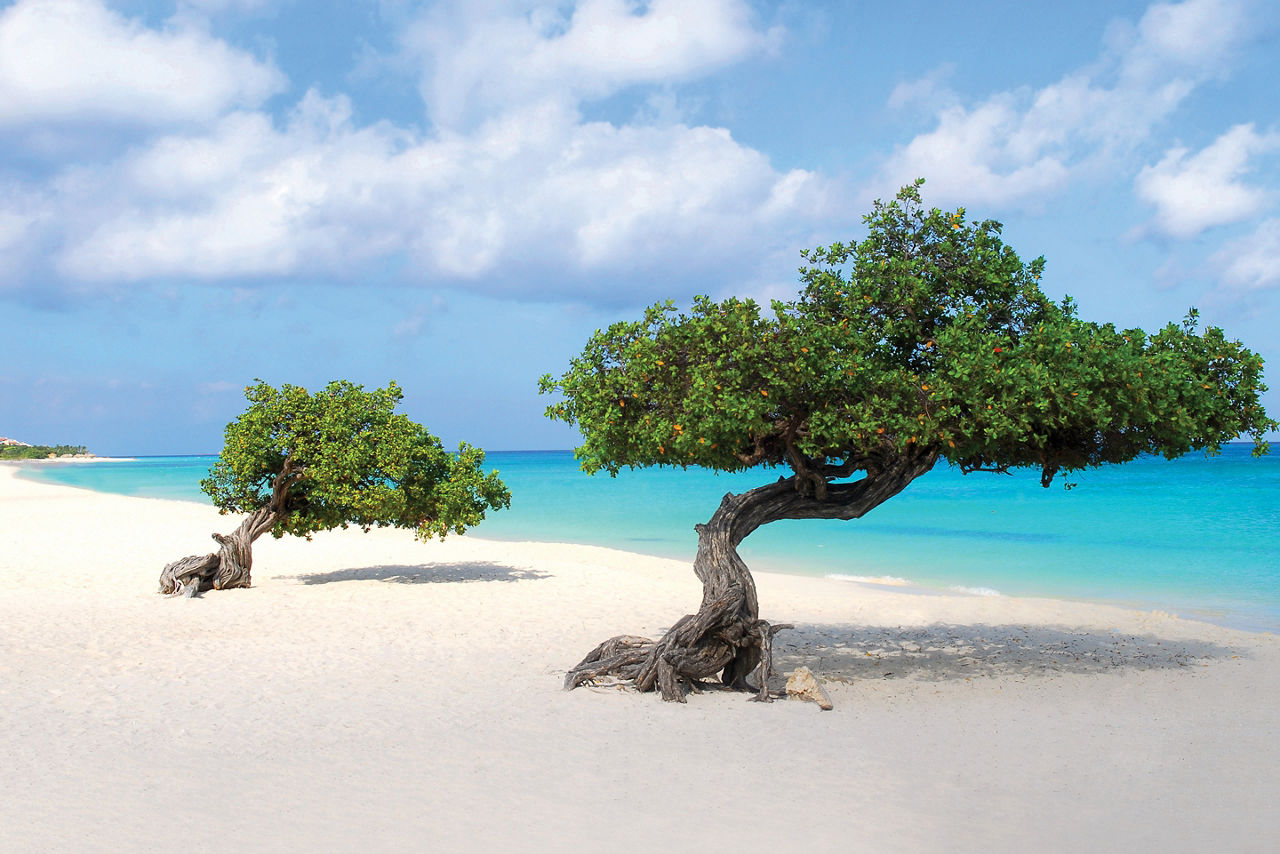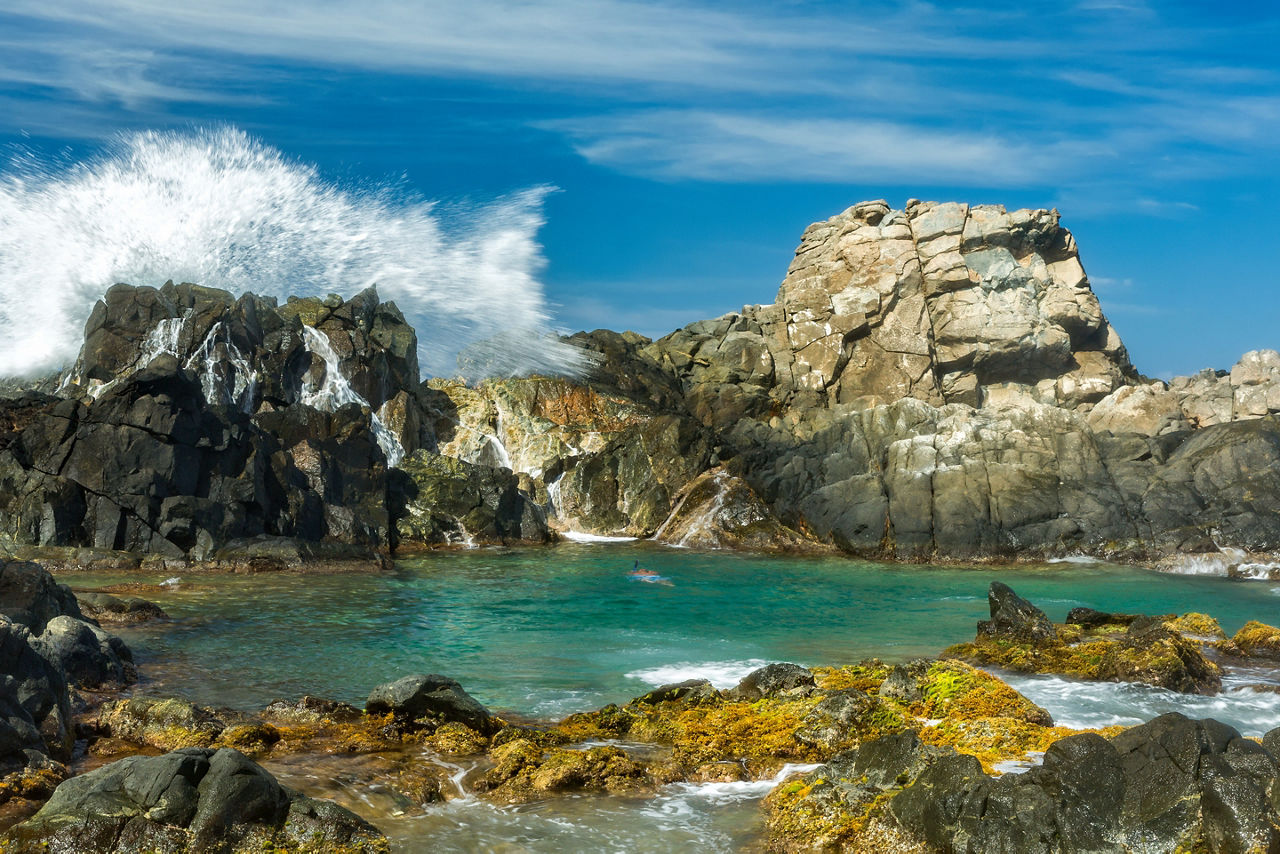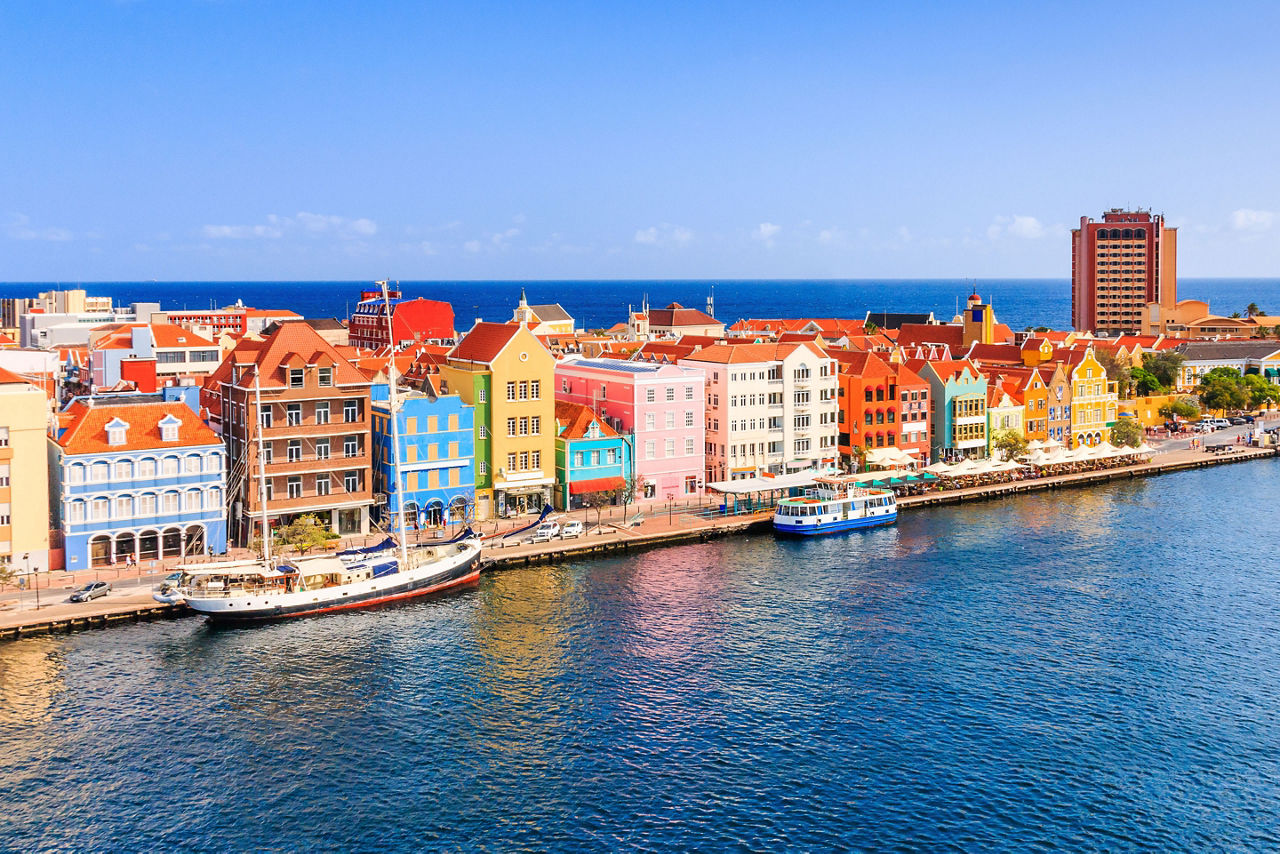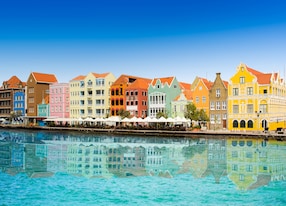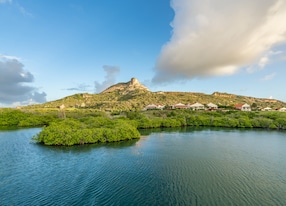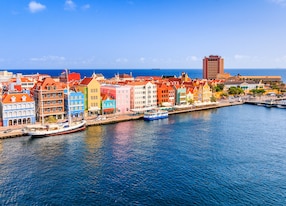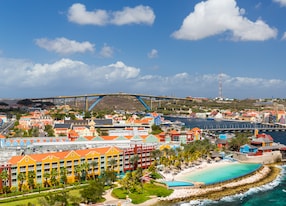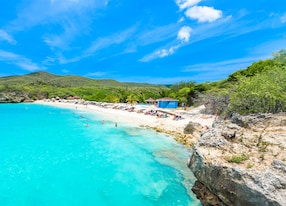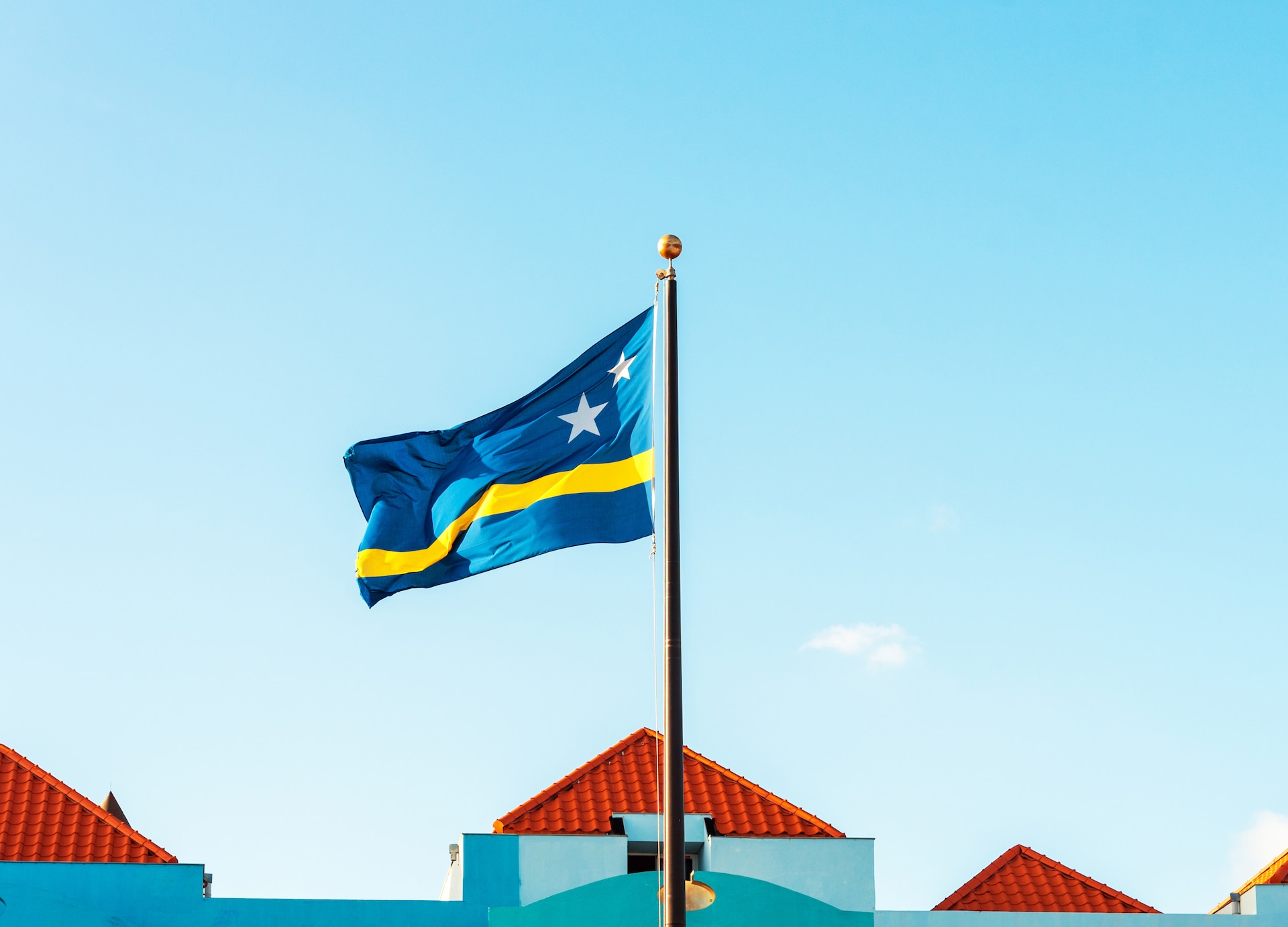
Curaçao in March brings warm water, breezy afternoons and some of the island’s driest weather. Along Willemstad’s waterfront, pastel buildings overlook the harbor, while farther west, sandy coves invite you to settle in for a swim.
A cruise stop gives you time to discover a different side of the island: local art, limestone caves or fish weaving around a sunken tugboat. Here’s what to expect in March, including weather, spring traditions and shore excursions from Willemstad.
Why Visit Curaçao in March?
March is a good time to visit Curaçao for low rainfall, warm seas and outdoor sightseeing. Daytime highs average around 86°F to 87°F (30°C to 31°C), and water temperatures near 79°F (26°C) suit swimming and snorkeling. The dry-season weather makes it easier to combine a beach outing with a walk through Willemstad.
Spring also brings opportunities to learn about Seú, the island’s harvest celebration. Its main parade follows the Easter calendar, so the festivities can fall in March or April.
Curaçao Weather in March
Curaçao’s March weather is warm and breezy, with little rainfall and humid air. Plan for strong sunshine during beach visits and walks around town.
Temperatures and Water
March daytime highs average 86°F to 87°F (30°C to 31°C), with overnight lows around 77°F (25°C). Sea temperatures average about 79°F (26°C), warm enough for many travelers to swim comfortably. A rash guard adds sun protection during longer snorkeling sessions.
Rainfall and Humidity
March is among Curaçao’s driest months, with historical airport averages of roughly 0.6 inches (15 mm) of rain. Passing showers remain possible, but rainfall is generally much lighter than in November and December. Humidity persists even during dry spells, so carry water and make time for shade.
Wind and Conditions
March trade winds average around 19 mph (31 km/h), bringing a welcome breeze to the island. Exposed shores can feel rougher than sheltered coves. For snorkeling and boat outings, follow your guide’s advice on the day’s sea conditions.
Seasonal Highlights in March
Seú celebrates Curaçao’s farming heritage through music, traditional costumes and dances inspired by planting and harvesting. The main folklore parade traditionally takes place on Easter Monday, with related events around the season. When Easter falls in March, the month can include the parade itself; in other years, the main celebration falls in April.
Check the annual program against your port hours. A performance or cultural event that fits your visit offers a chance to experience island traditions beyond the beach.
Best Places To Visit in March
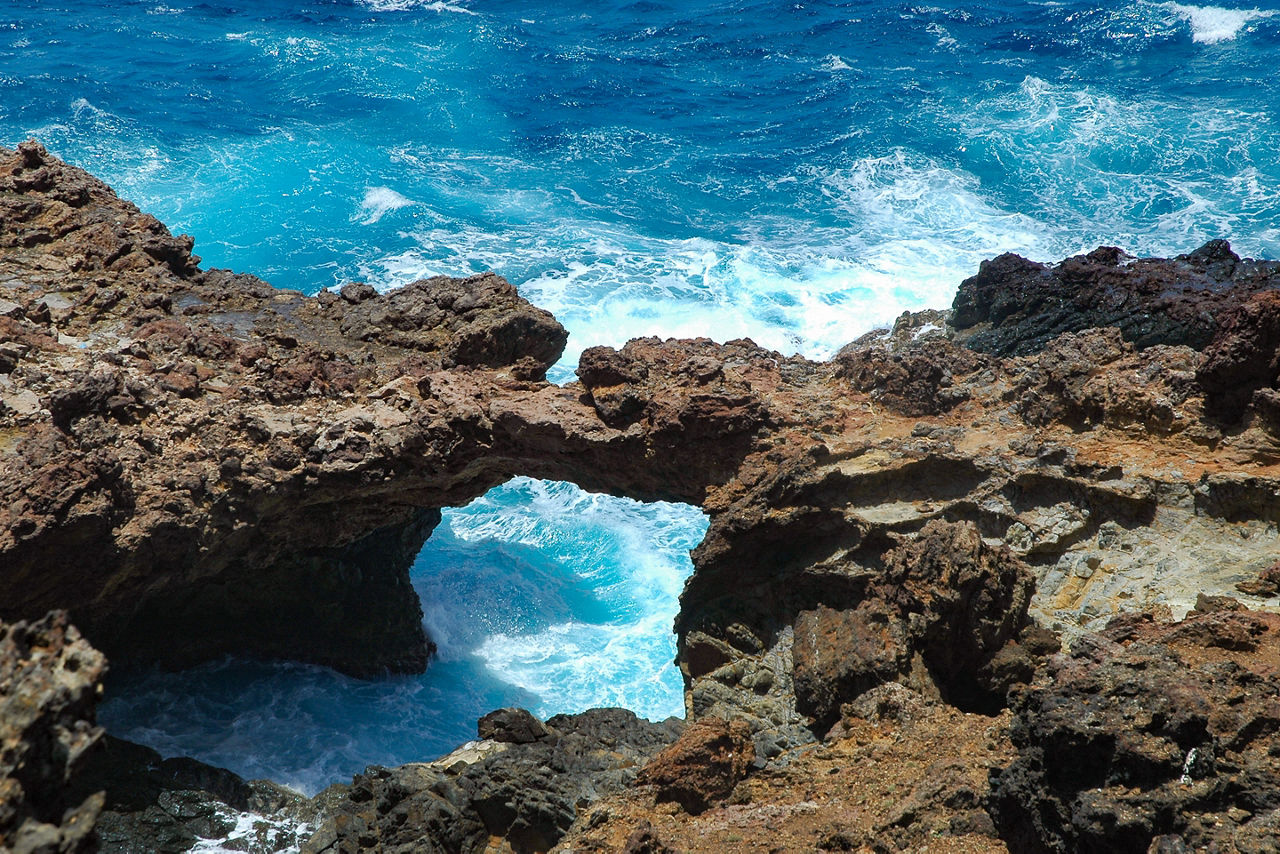
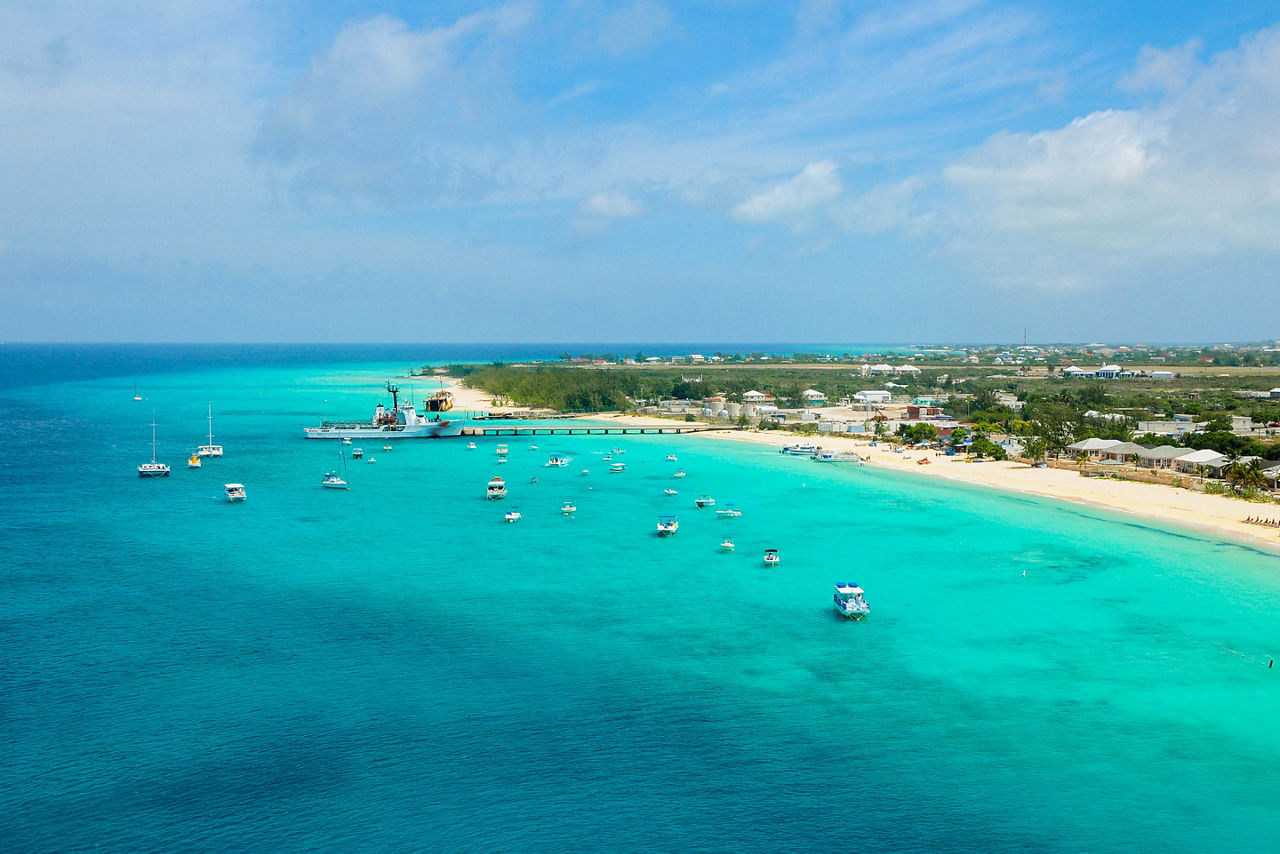
Willemstad and the southern and western beaches offer a varied introduction to Curaçao during the dry season.
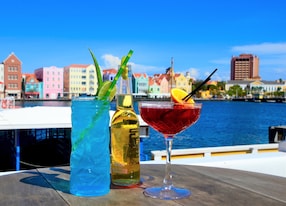
- Willemstad: Wander Punda and Otrobanda for harbor views, colorful façades and murals, then pause at a café between sightseeing stops.
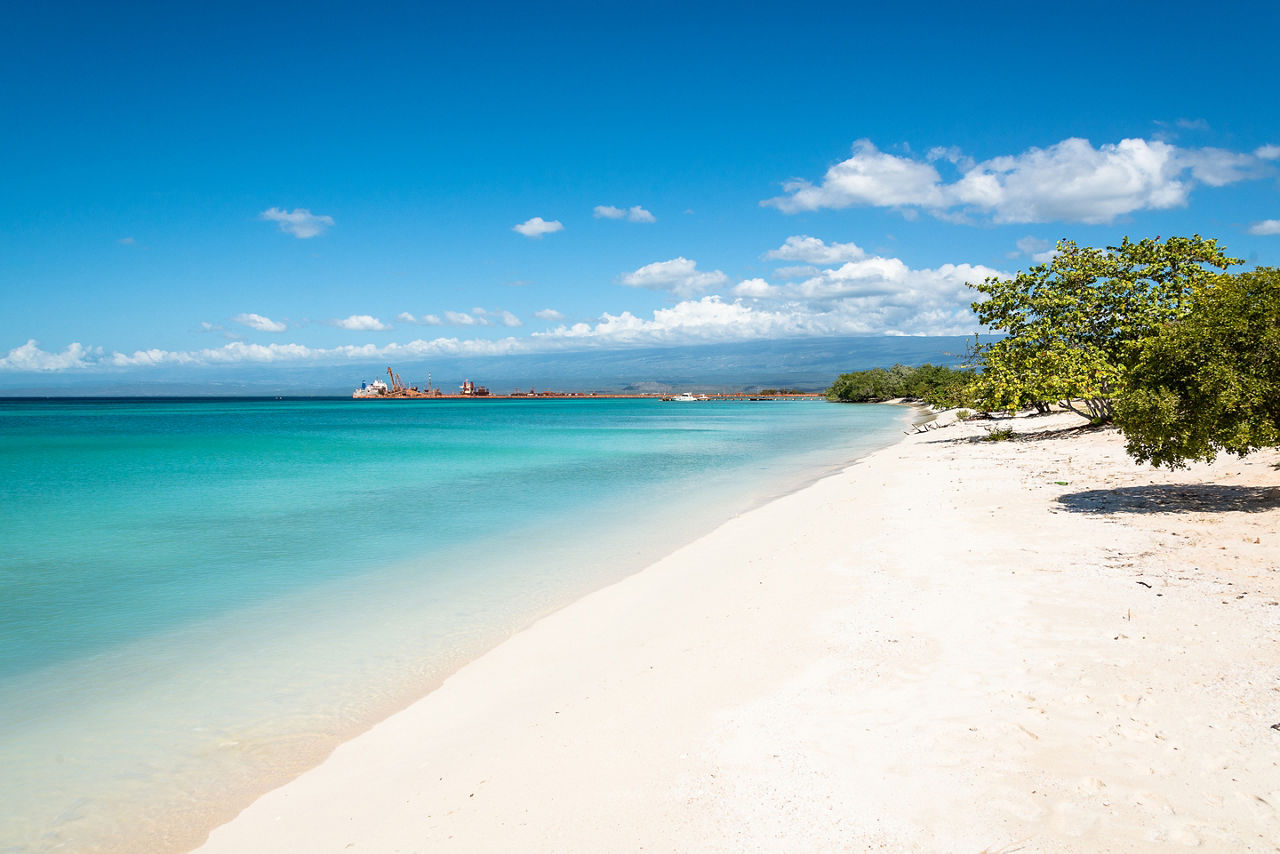
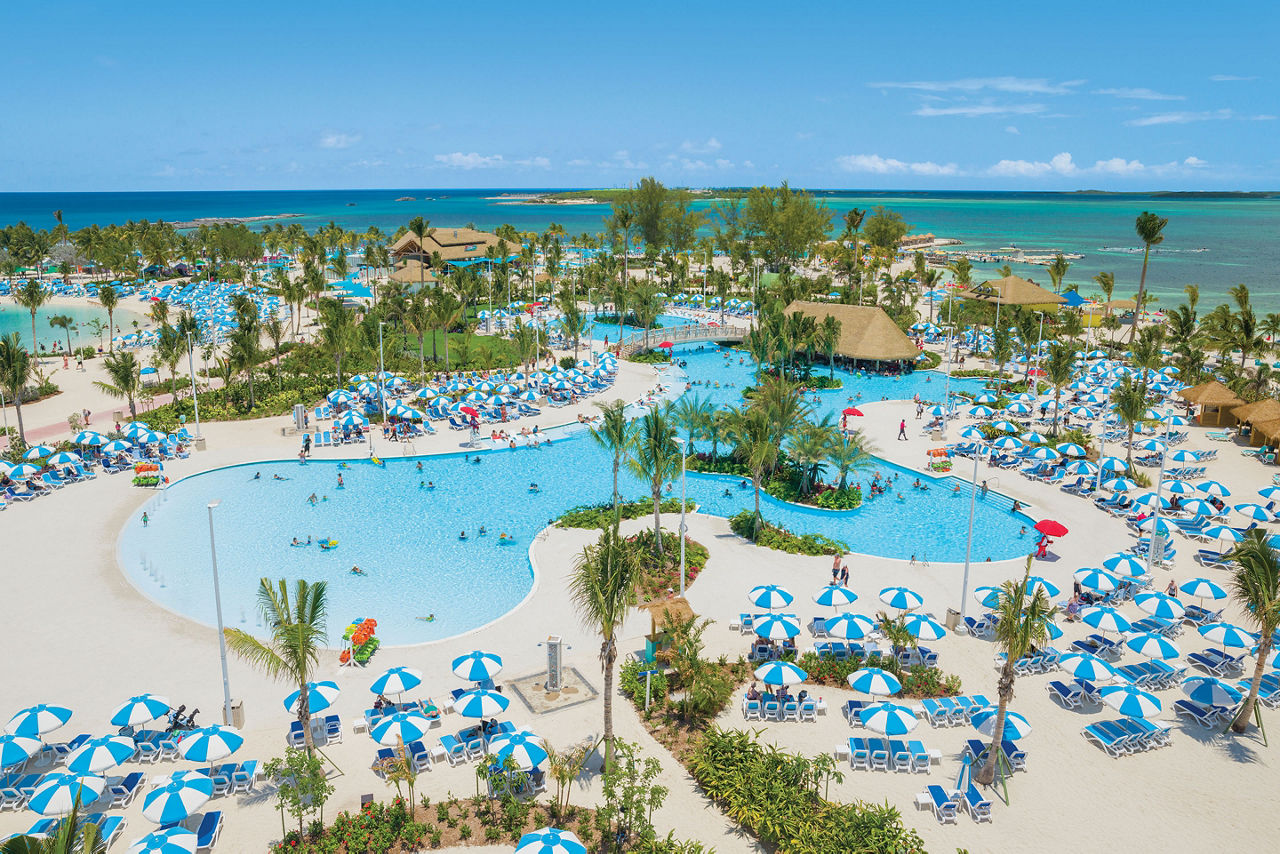
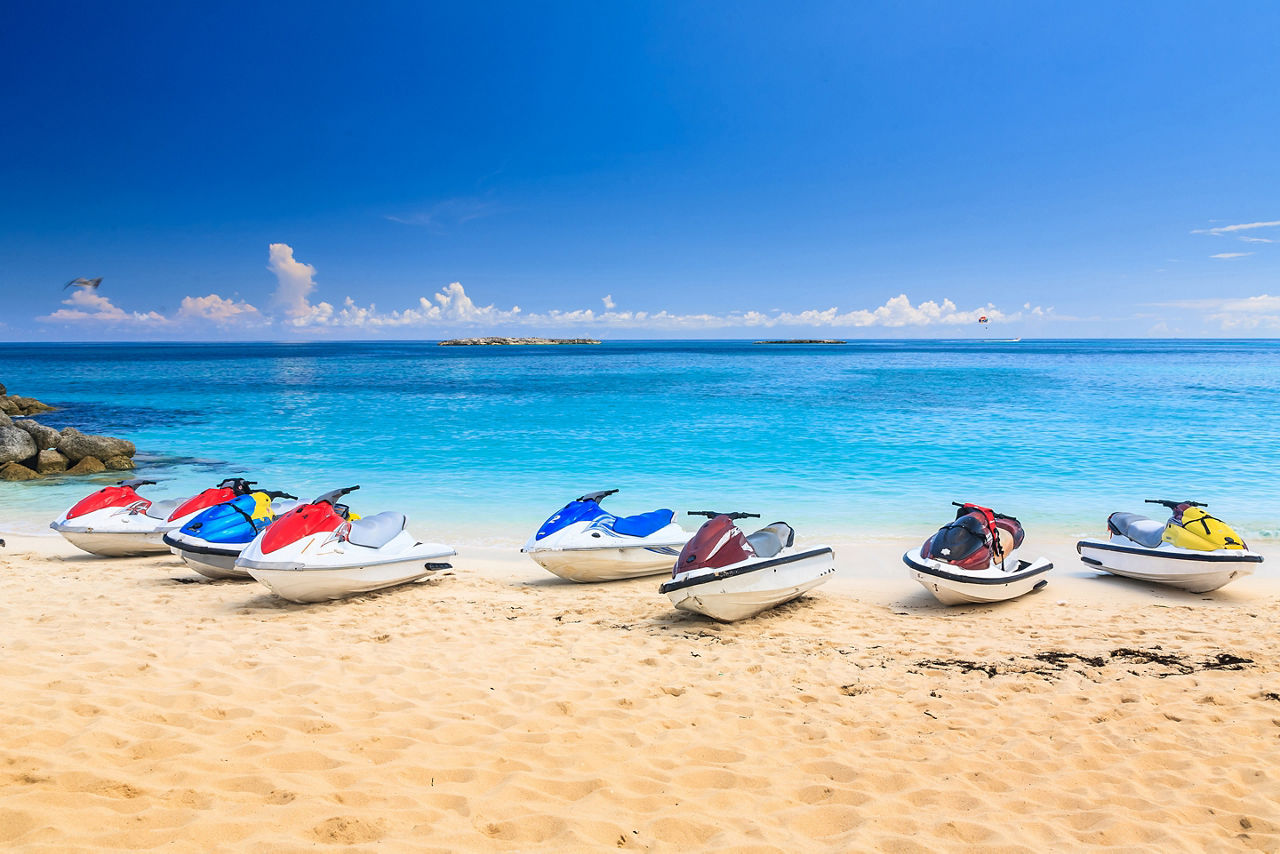
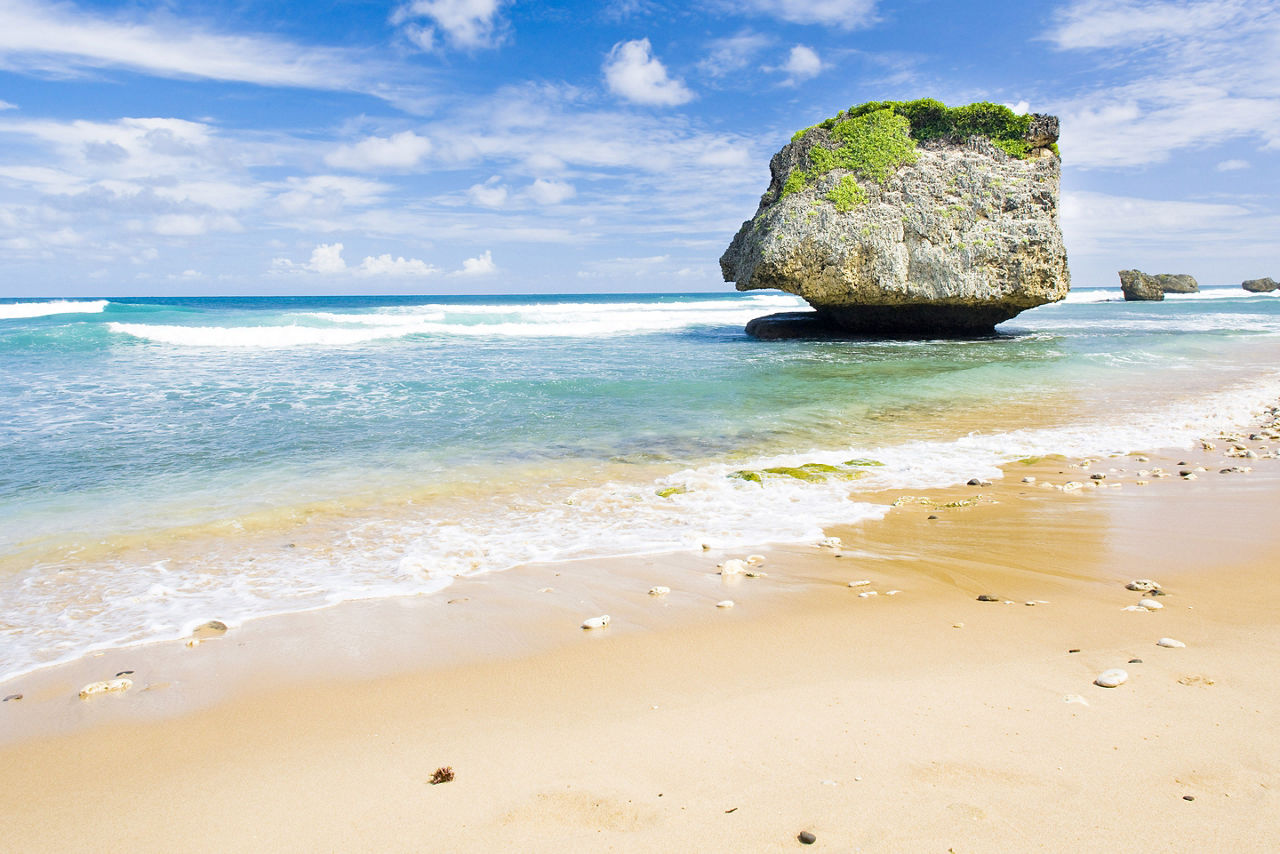
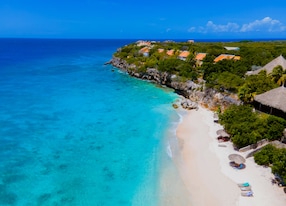
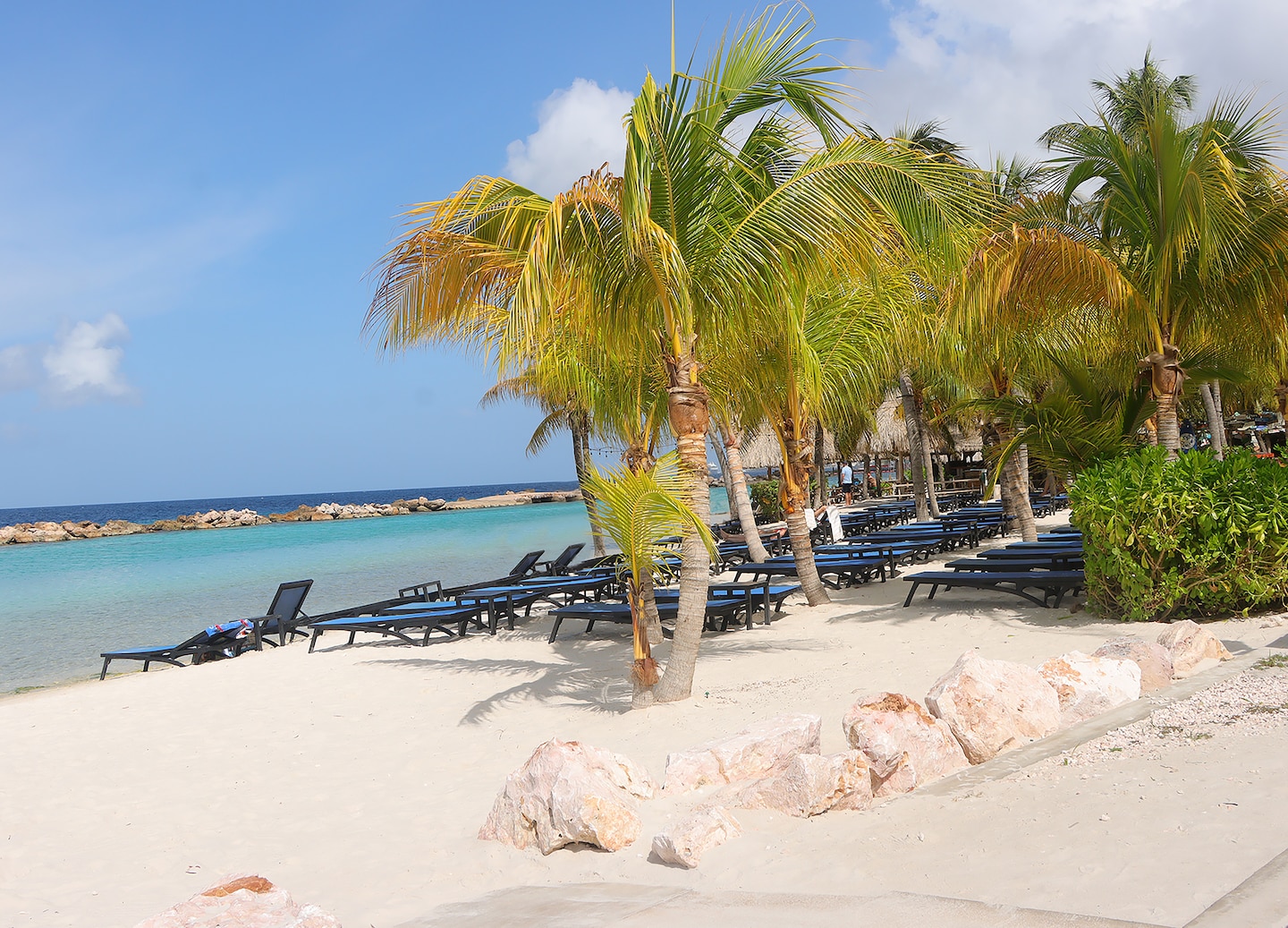
- Cas Abao: Make this sandy bay your main outing for swimming and unhurried time beside turquoise water.
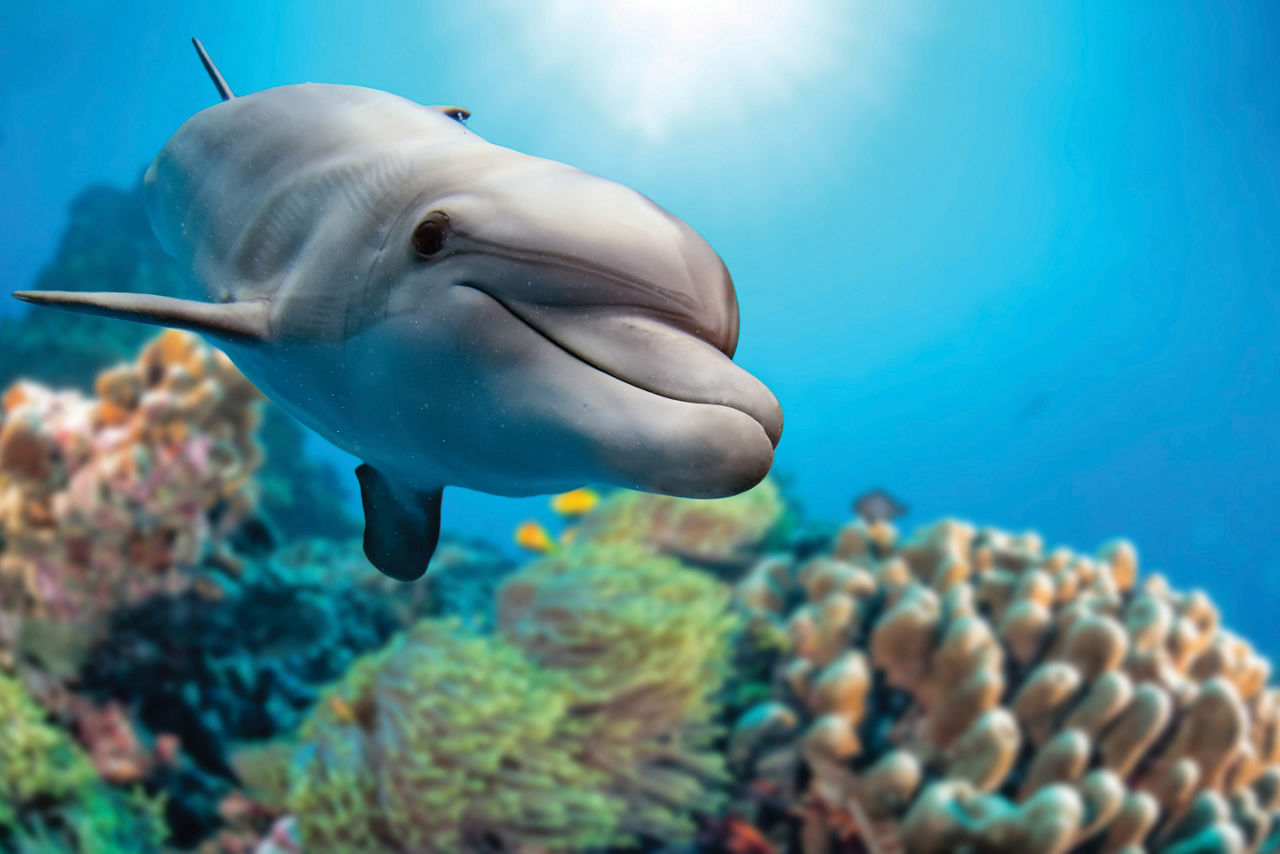
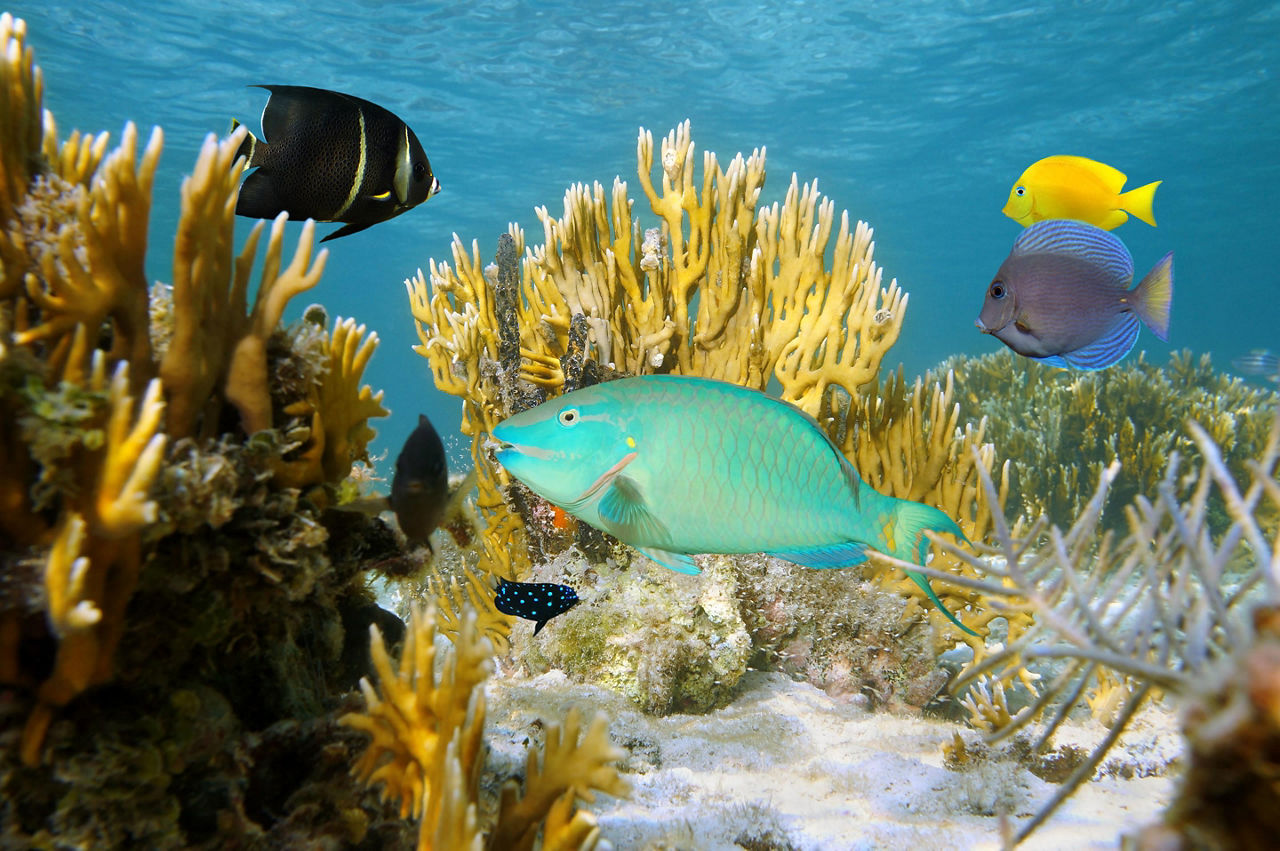
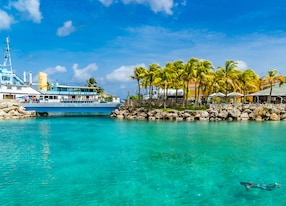
- Caracas Bay: Choose this area for snorkeling around the Tugboat wreck, where marine life gathers around the submerged boat.
Top Shore Excursions in Curaçao in March
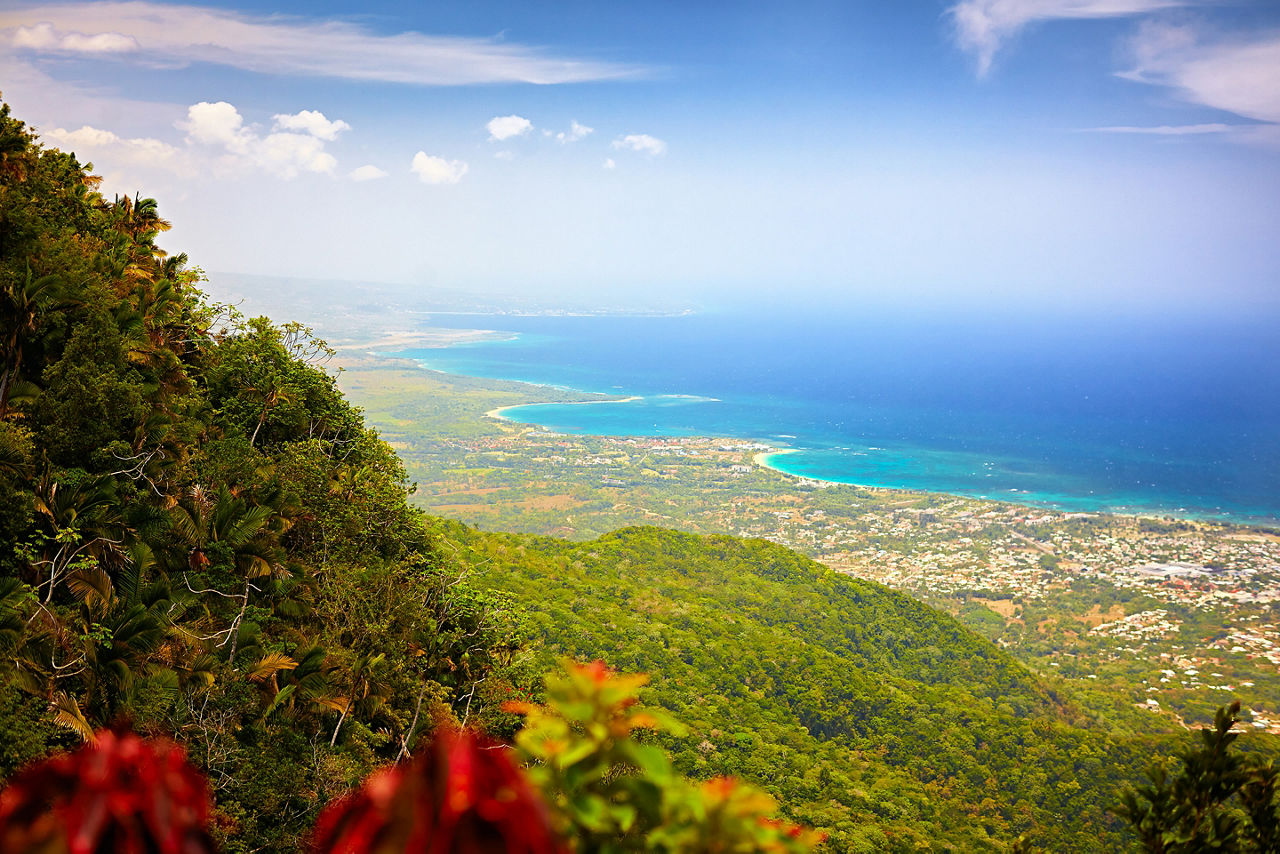
March shore excursions from Willemstad bring together reef adventures, island art and coastal scenery. Choose a beach-focused day or an outing with a few different stops. Availability varies by sailing.
1. Cas Abao Beach & Scenic Drive

Cas Abao Beach & Scenic Drive pairs a visit to Nena Sanchez’s gallery with time beside the sea. Browse colorful artwork before continuing to a sandy bay framed by the island’s dry landscape. Once at the beach, take a swim or stretch out and enjoy the view. It’s an easygoing choice when beach time is your priority.
2. Snorkel the Treasures of Caracas Bay

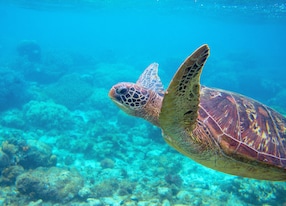
Snorkel the Treasures of Caracas Bay takes you by boat to a sunken tugboat that has become a gathering place for coral and tropical fish. Float above the wreck and watch for movement around its edges as you explore with your mask and snorkel. The boat journey adds another perspective on Curaçao’s shoreline.
3. Scenic Drive and Local Street Art Walking Tour
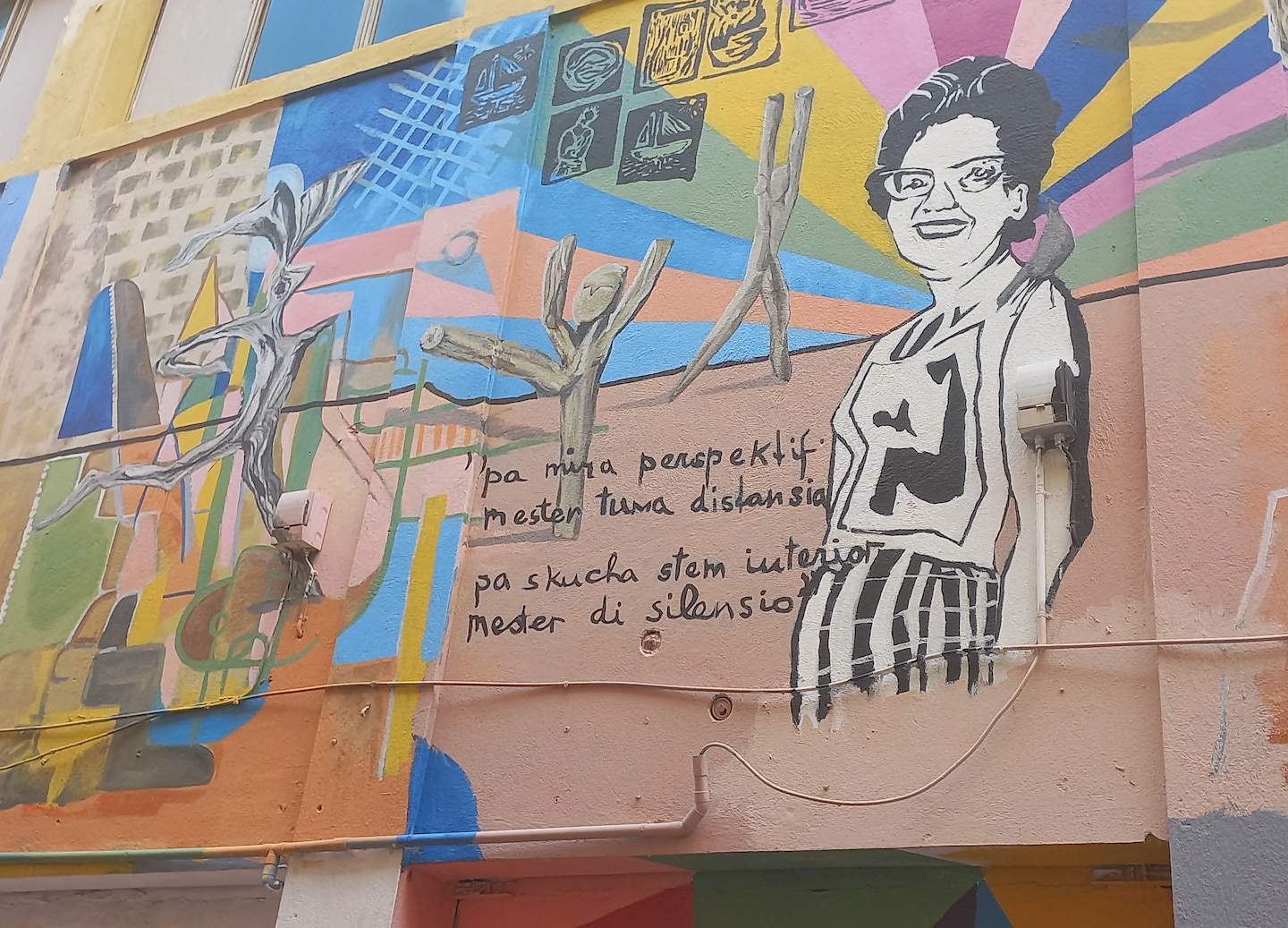
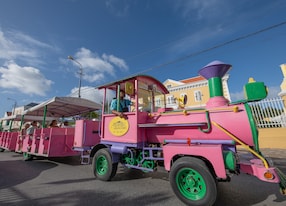
Scenic Drive and Local Street Art Walking Tour combines city views, local tastings and a guided look at Willemstad’s murals. Stops for sweets and liqueur introduce island flavors before you explore on foot. Take time to notice the painted walls and architectural details that give the neighborhoods their character.
4. Hato Caves and Mambo Beach
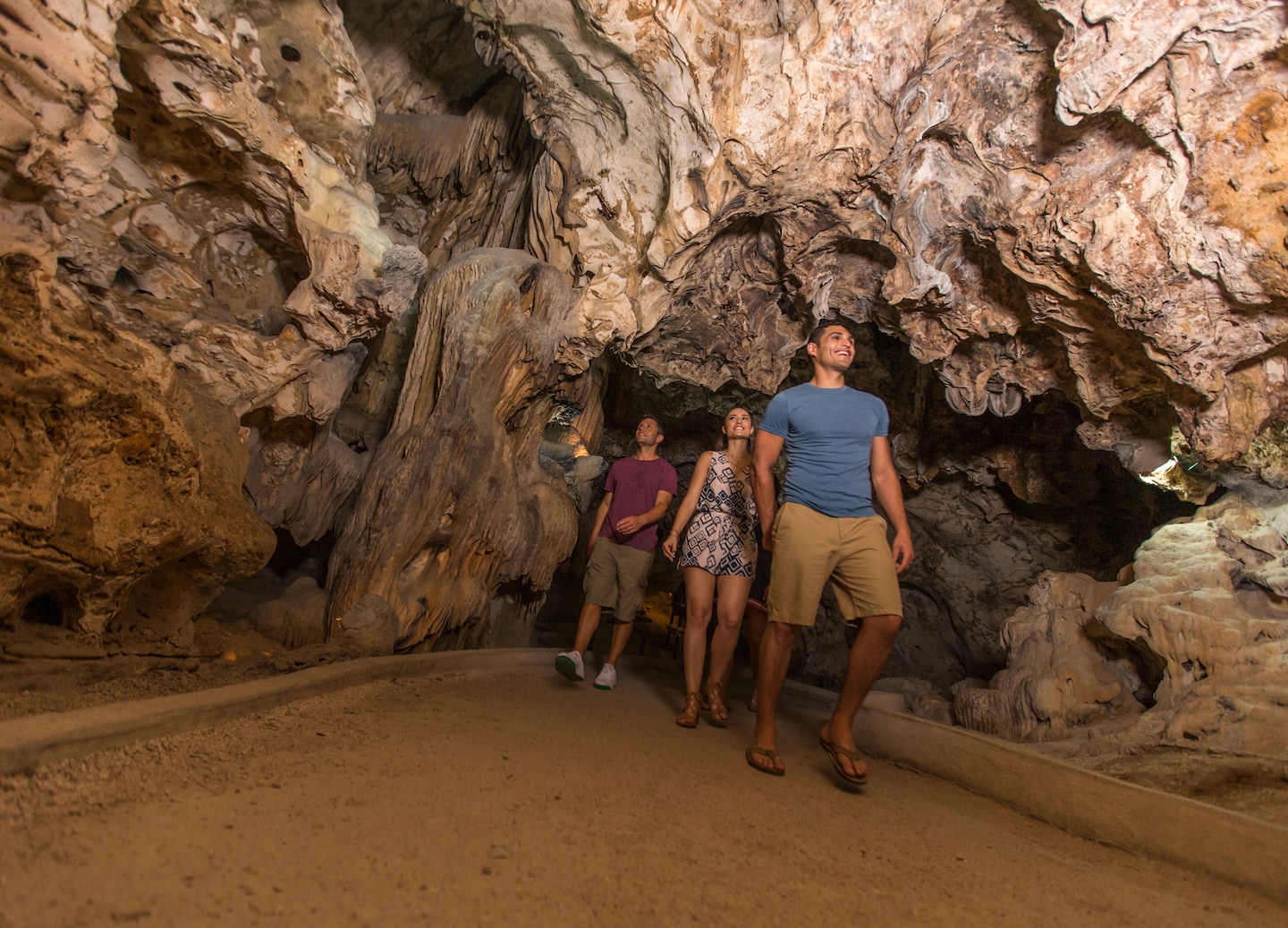
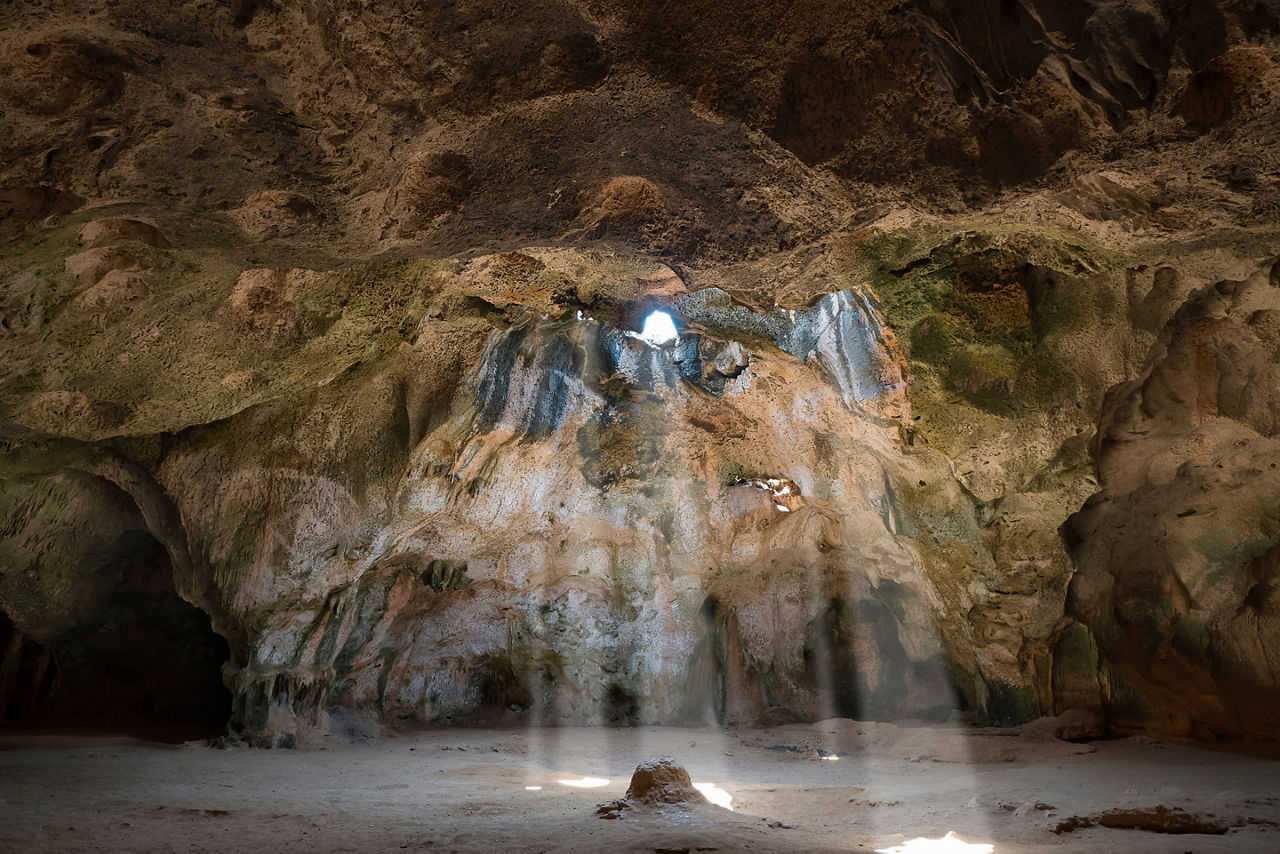
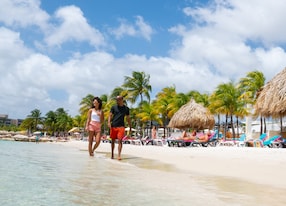
Hato Caves and Mambo Beach leads you through limestone chambers before an afternoon by the water. Follow your guide past rock formations, then trade walking shoes for swimwear at Mambo Beach. Free time lets you enjoy a dip or browse the boulevard. Comfortable shoes help with the cave’s entrance steps.
Travel Tips for Curaçao in March
- Reserve preferred excursions ahead for visits during school holidays or Easter.
- Pack swimwear, sunscreen, a secure hat and a reusable water bottle.
- Bring walking shoes for caves and city tours, plus a dry cover-up after swimming.
- Build in return time when arranging independent transport to western beaches.
FAQs: Curaçao in March
-
Is March hurricane season in Curaçao?
March falls outside the Atlantic hurricane season, which runs from June 1 through November 30. Check the local forecast before your visit for current weather and sea conditions.
-
Is March or November better for a beach vacation in Curaçao?
March is generally better for travelers who prioritize low rainfall. November has warmer seawater but considerably more rain. Both months offer beach weather, with March providing a drier seasonal choice.
-
Can you combine a western beach with Willemstad in one cruise stop?
A western beach and Willemstad can fit into a longer port visit, depending on transport and time ashore. Schedule the beach first and leave city sightseeing near the port for your return, with a buffer before all-aboard time.
Plan Your Curaçao Visit
Find an outing that fits your March vacation and explore more of the island’s coast.