Italy in March marks the transition from winter to early spring, with improving temperatures, blooming landscapes and increasing daylight across the country. The weather in Italy in March varies by region, but most cities experience milder daytime conditions compared to February. If you are planning to visit Italy in March, expect moderate crowds, comfortable walking weather and a balanced mix of cultural sightseeing and outdoor exploration.
Temperatures in Italy in March range from cool conditions in northern cities to mild afternoons in central and southern regions. Spring begins to emerge in Rome and Florence, while southern Italy often feels noticeably warmer. Choosing the right destination depends on whether you prefer early spring atmosphere or cooler northern city travel.
Here is your complete guide to visiting Italy in March, including regional weather, average temperatures, the best places to visit, seasonal events and top shore excursions.
Italy Weather in March
Italy weather in March reflects early spring patterns, with gradually warming temperatures and longer daylight hours.
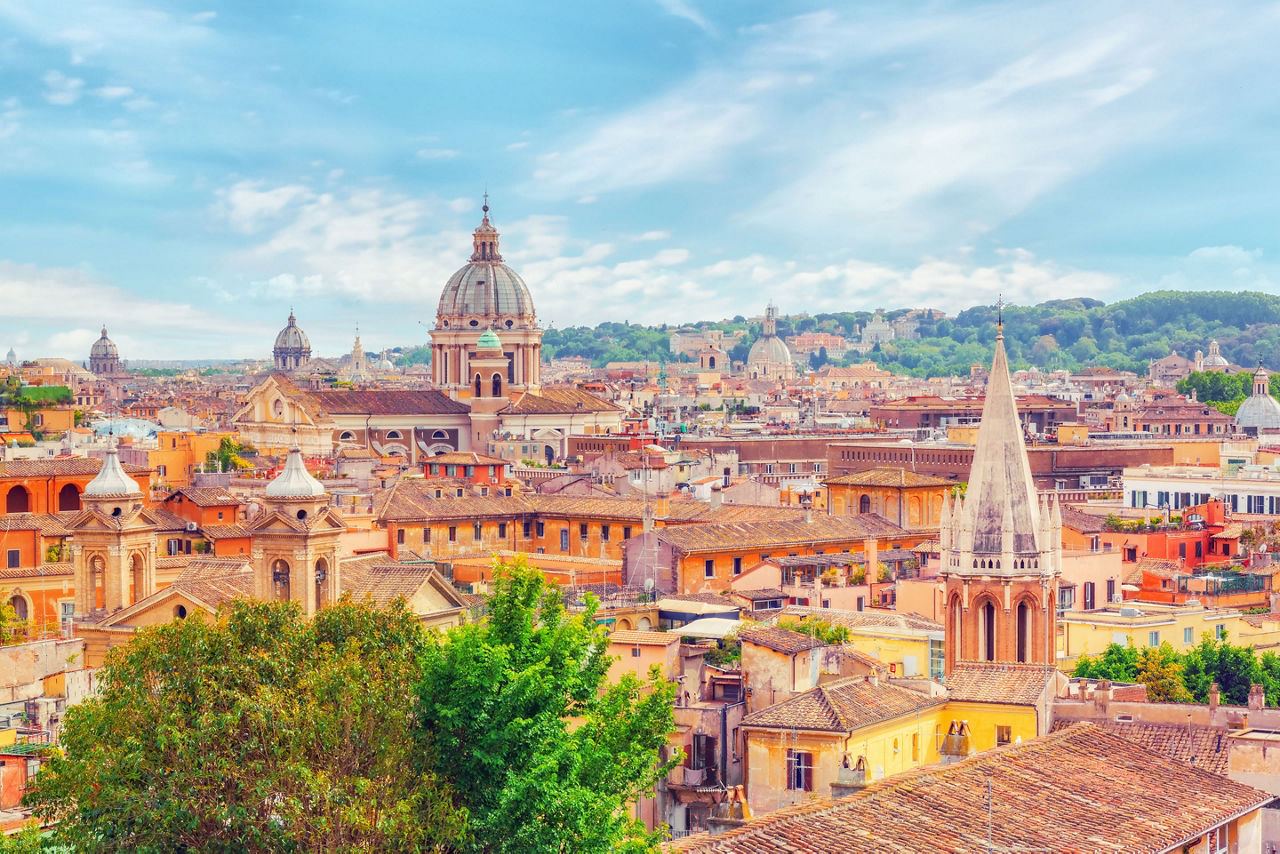
Rome Weather in March
Average high: 61°F (16°C)Average low: 45°F (7°C)
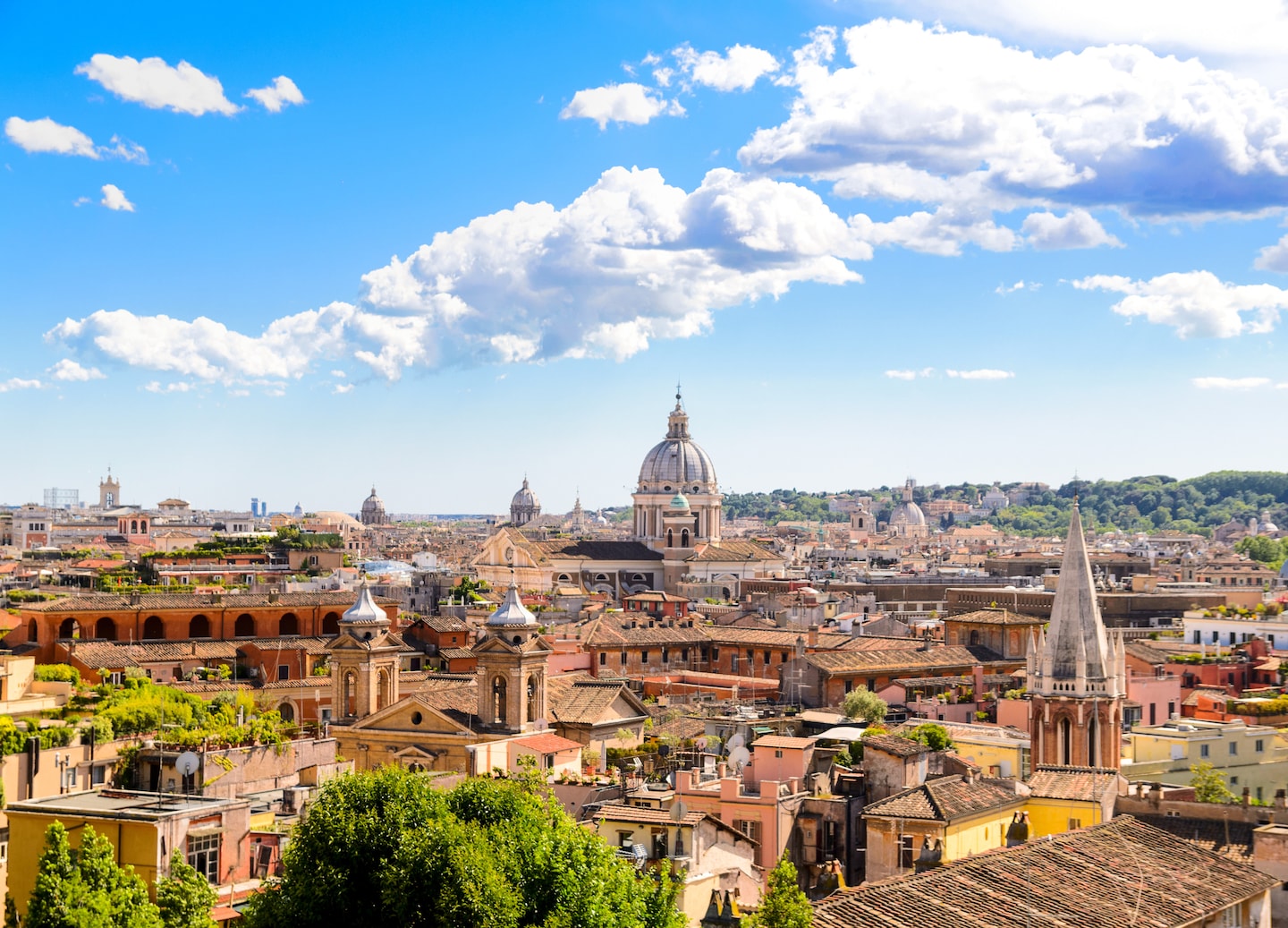
Rome weather in March is mild and early-spring-like, with average highs around 61°F (16°C) and cooler mornings near 45°F (7°C). Conditions are generally comfortable for extended outdoor sightseeing, and daylight hours noticeably increase compared to winter. While light rain showers can occur, prolonged rainfall is uncommon. The combination of moderate temperatures and thinner crowds makes March one of the most balanced months to explore Rome’s open-air landmarks.
Best for:
- Exploring open-air ruins in moderate temperatures
- Visiting the Vatican before peak season
- Walking between piazzas and historic neighborhoods
- Combining indoor and outdoor sightseeing comfortably
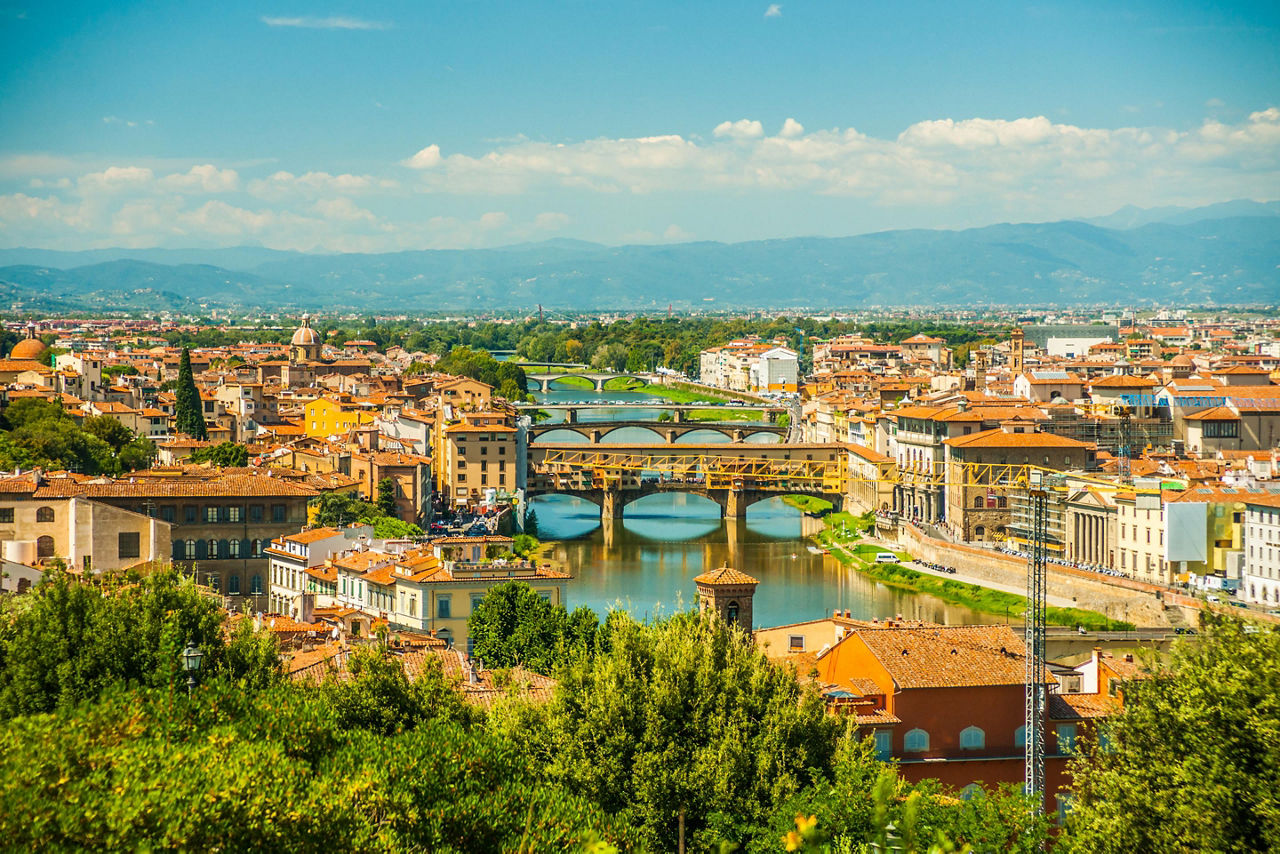
Florence Weather in March
Average high: 59°F (15°C)Average low: 41°F (5°C)

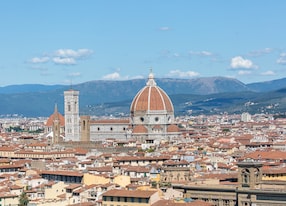
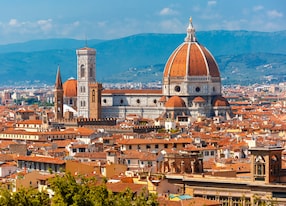
Florence weather in March is cool but improving, with average highs near 59°F (15°C) and brisk mornings around 41°F (5°C). Spring begins to emerge across the Tuscan countryside, and rainfall becomes lighter compared to winter months. The moderate climate allows visitors to comfortably combine indoor museum visits with outdoor cathedral and piazza exploration. Crowds remain manageable ahead of peak spring travel season.
Best for:
- Visiting the Uffizi and Accademia before spring congestion
- Walking across the Ponte Vecchio in mild weather
- Exploring Florence Cathedral and historic piazzas
- Early spring cultural travel
Venice Weather in March
Average high: 55°F (13°C)Average low: 40°F (4°C)
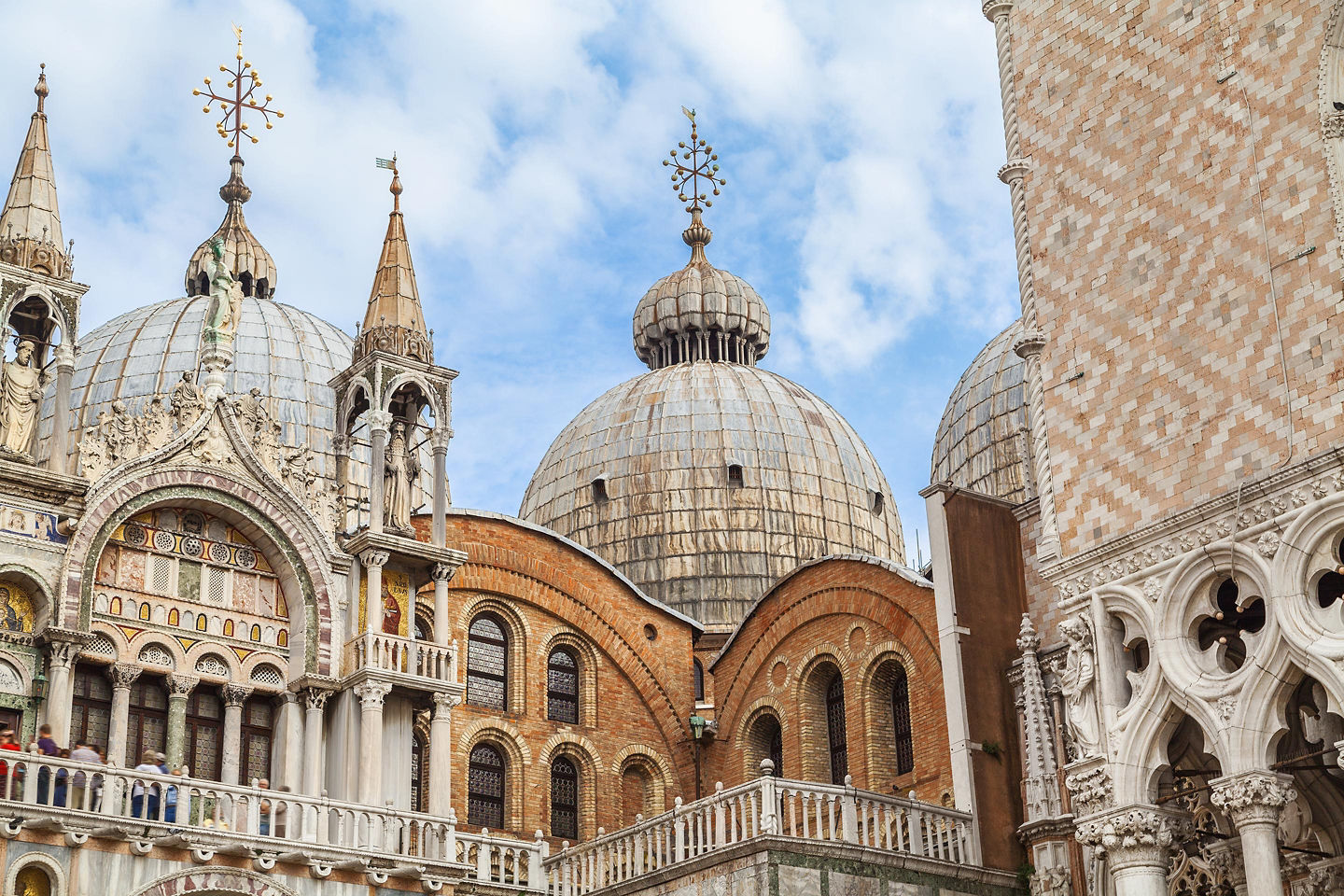
Venice weather in March is cool and early-spring transitional, with average highs around 55°F (13°C) and chilly mornings near 40°F (4°C). Foggy winter conditions become less frequent, and daylight hours increase steadily. Canal walks are more comfortable than in peak summer, and tourism levels remain moderate following Carnival season. Indoor attractions such as basilicas and palaces pair well with short outdoor strolls.
Best for:
- Visiting St. Mark’s Basilica in moderate conditions
- Exploring Doge’s Palace without peak crowds
- Walking quieter canal routes
- Early spring photography
Naples & Southern Italy Weather in March
Average high: 64°F (18°C)Average low: 48°F (9°C)

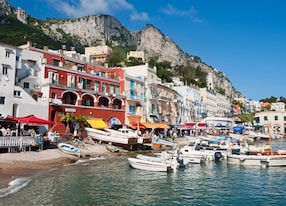
Southern Italy weather in March is mild and increasingly spring-like, with average highs around 64°F (18°C) and cool evenings near 48°F (9°C). Archaeological sites such as Pompeii benefit from comfortable daytime temperatures, and coastal regions experience clearer skies compared to winter. While sea temperatures remain too cool for swimming, sightseeing conditions are excellent.
Best for:
- Touring Pompeii in ideal walking weather
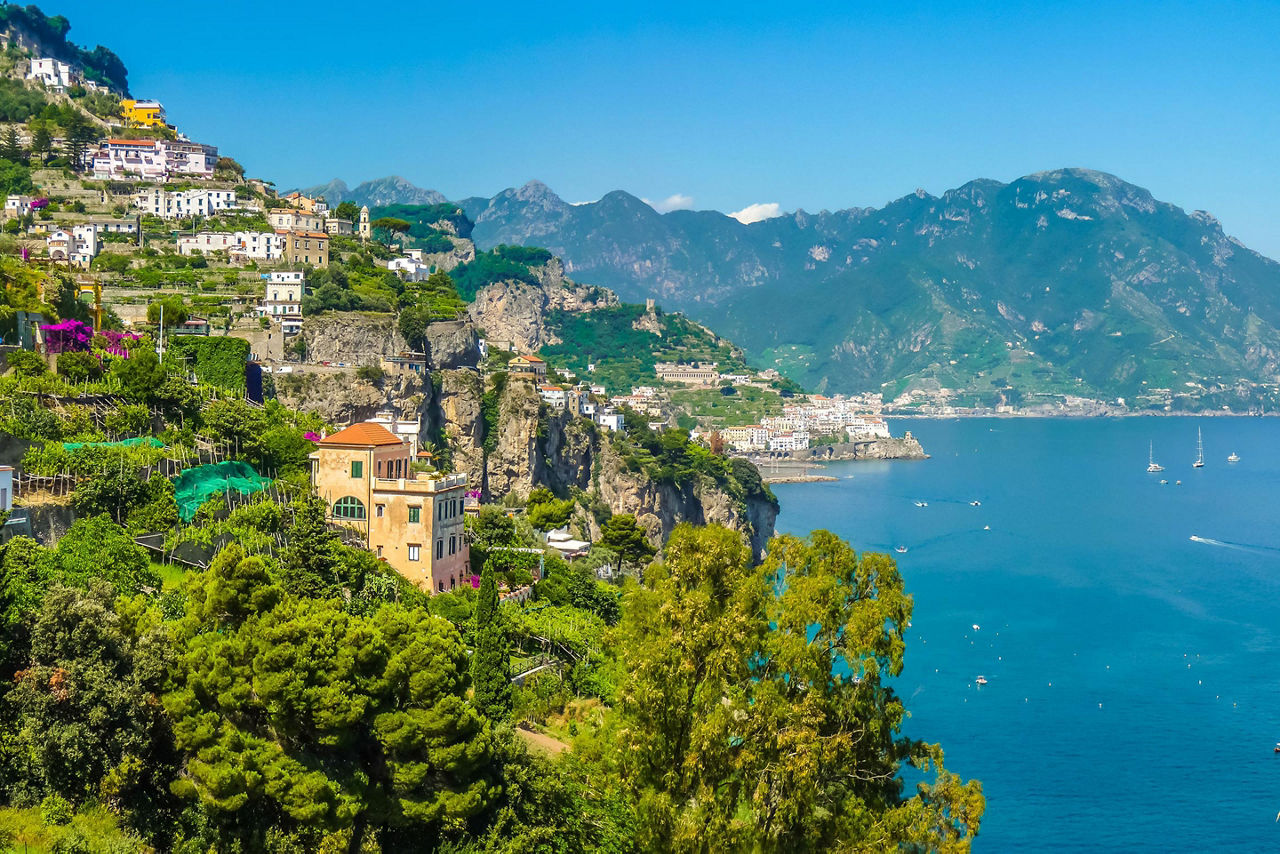
- Scenic Amalfi Coast exploration
- Visiting historic castles and churches
- Early spring travel without summer crowds
Best Places To Visit in Italy in March
These are the best places to visit in Italy in March because improving spring weather enhances outdoor exploration while crowds remain moderate.
Rome
Rome is the best place to visit in Italy in March because mild temperatures make extended walking tours significantly more comfortable than in winter or summer. Outdoor landmarks such as the Colosseum and Roman Forum can be explored without extreme heat. Vatican visits remain manageable before peak-season tourism fully begins.
Florence
Florence is especially appealing in March because spring conditions improve walkability across its compact historic center. Museums remain accessible without long wait times, and cathedral complexes can be explored comfortably. The balance between cultural depth and improving weather makes March an ideal month.
Naples & Pompeii
Naples and Pompeii are strong March destinations because archaeological sites benefit from moderate spring temperatures. Visitors can spend more time exploring Pompeii’s preserved streets without fatigue. Coastal views around the Bay of Naples feel vibrant as winter haze fades.
Sicily (Palermo & Messina)
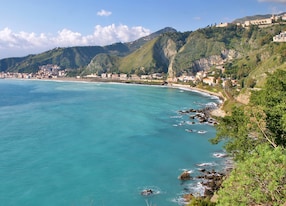
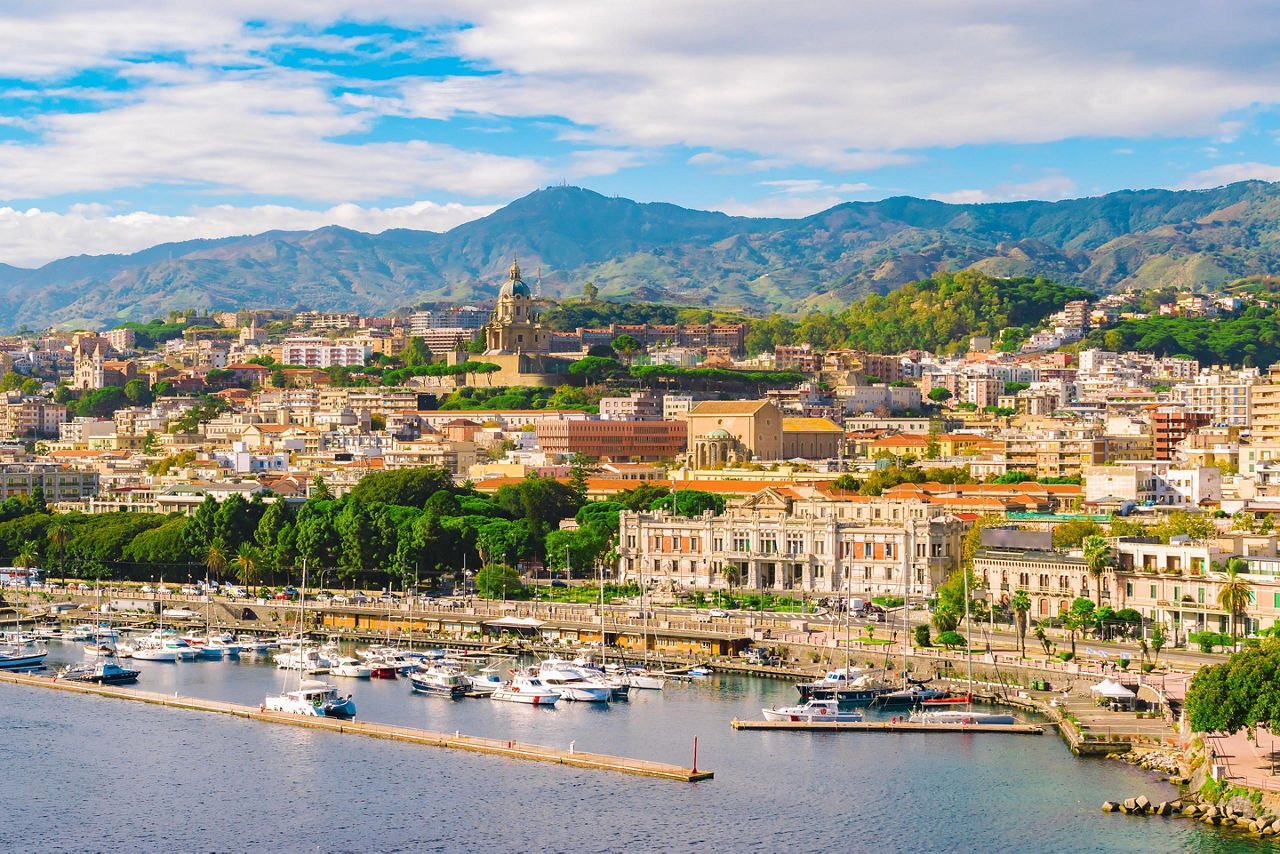
Sicily in March offers some of the warmest conditions in Italy during early spring. Palermo’s historic center and markets feel lively without heavy tourism. Mount Etna excursions become increasingly accessible as winter conditions ease.
Seasonal Events in Italy in March
- Rome MarathonThe Rome Marathon typically takes place in March and brings international runners through historic landmarks, including the Colosseum and Vatican. The event creates an energetic atmosphere throughout the city.
- Feast of Saint Joseph (March 19)Celebrated across Italy, this religious holiday includes local festivals, traditional pastries and community gatherings, especially in southern regions.
- Early Spring Festivals & Food EventsMarch marks the beginning of seasonal food festivals in various regions, celebrating early spring produce and regional specialties.
Top Shore Excursions in Italy in March
These shore excursions are especially well-suited for March because mild spring weather improves comfort at archaeological sites, reduces congestion at major landmarks and allows longer walking durations without summer heat.
1. Ancient Rome & Colosseum – Rome (Civitavecchia)

The Ancient Rome & Colosseum excursion in March is ideal because mild temperatures around 60°F (16°C) make extended outdoor exploration significantly more comfortable than in summer. This guided experience typically includes the Colosseum, Roman Forum and Palatine Hill, allowing you to walk through ancient ruins with historical commentary explaining daily life in the Roman Empire.
March conditions reduce physical fatigue, especially at exposed archaeological sites with little shade. Lines are shorter than peak months, and walking tours move at a steady pace without extreme heat. The balance of cool mornings and mild afternoons makes this one of the strongest months for immersive Roman history.
Best for:
- Exploring open-air ruins without summer heat
- Learning Roman history with a licensed guide
- Spending extended time at the Forum and Palatine Hill
- Visiting iconic landmarks in manageable conditions
2. Vatican Museums & St. Peter’s Basilica – Rome (Civitavecchia)
The Vatican Museums & St. Peter’s Basilica excursion in March is particularly appealing because visitor volume remains lower than peak spring and summer months. This guided experience typically includes the Vatican galleries, Raphael Rooms, Sistine Chapel and St. Peter’s Basilica.
March’s shoulder-season timing allows for a smoother flow through museum corridors and shorter waits at security checkpoints. While the Vatican is primarily indoors, cooler outdoor temperatures make arrival and departure walking more comfortable. Visiting before Easter tourism surges can significantly improve the overall experience.
Best for:
- Viewing the Sistine Chapel with moderate crowd density
- Exploring Renaissance art collections at a steady pace
- Visiting St. Peter’s Basilica without peak congestion
- Cultural sightseeing in early spring
3. Pompeii Excavations – Naples
The Pompeii Excavations excursion is especially strong in March because moderate spring temperatures allow visitors to explore the expansive archaeological site comfortably for several hours. This guided tour typically includes preserved streets, homes, bathhouses and the amphitheater buried by Mount Vesuvius in AD 79.
Unlike summer, March weather reduces heat exposure across the largely unshaded ruins. Walking distances are significant, and mild conditions make a noticeable difference in endurance. Early spring also means fewer large tour groups compared to later months.
Best for:
- Walking extensive archaeological grounds comfortably
- Learning about daily life in ancient Pompeii
- Exploring exposed ruins without extreme heat
- Immersive historical travel
4. Tuscany Countryside & Wine Tasting – Livorno
March is one of the best early-spring months for exploring the Tuscan countryside because vineyards begin to show signs of seasonal renewal while temperatures remain comfortable for walking between estates. This excursion typically includes scenic drives through rolling hills, guided tastings at local wineries and regional food pairings.
Unlike summer, March allows for relaxed pacing without heat or heavy tour bus congestion. The cooler climate enhances the wine-tasting experience, and countryside photography benefits from softer seasonal light.
Best for:
- Spring countryside scenery
- Food and wine experiences
- Scenic drives in mild temperatures
- Slower-paced cultural exploration
5. Amalfi Coast Scenic Drive – Naples
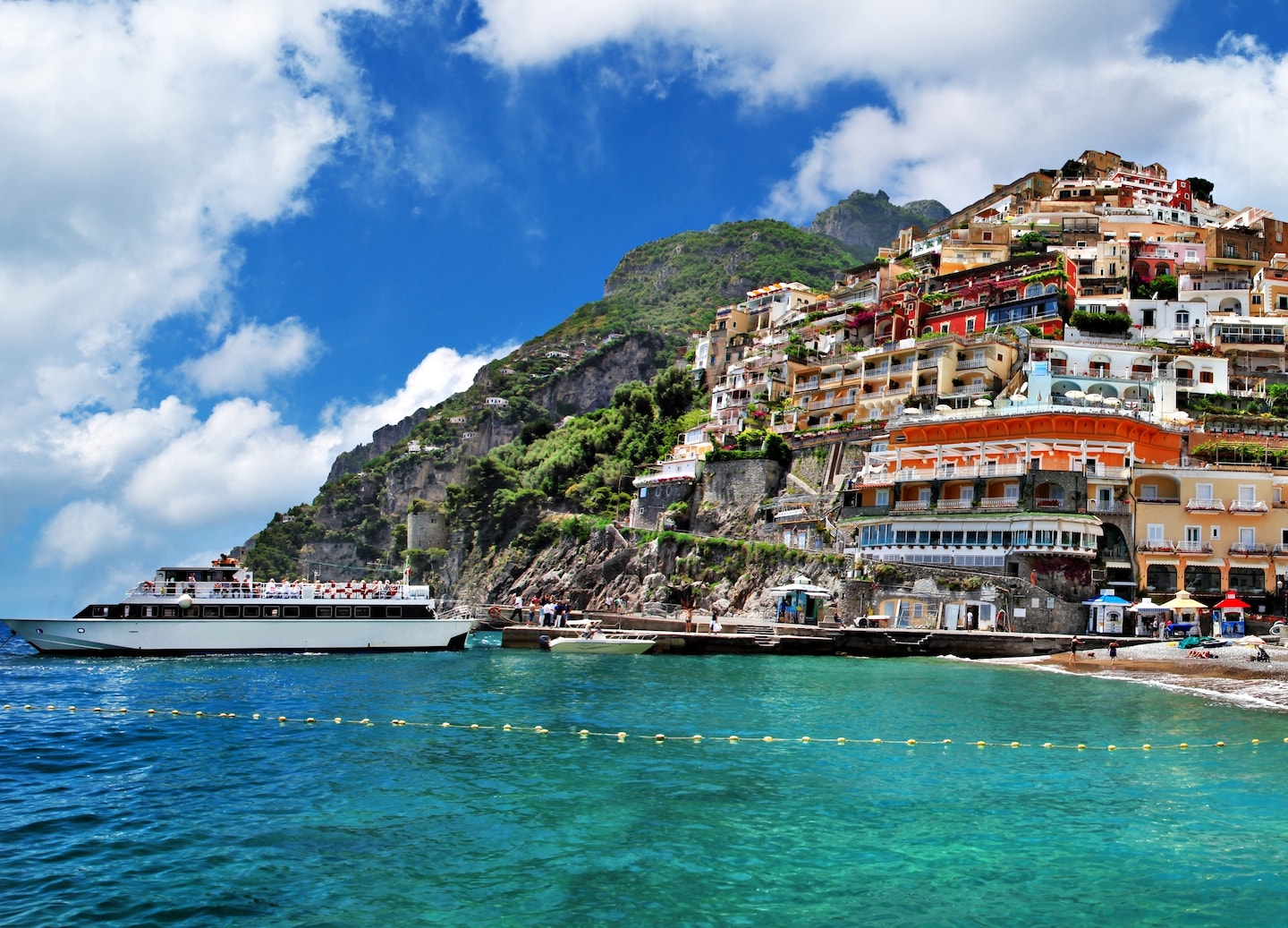
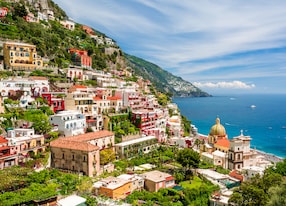
The Amalfi Coast Scenic Drive is well-suited for March because lighter traffic and moderate temperatures enhance the overall coastal experience. This excursion typically includes panoramic drives along cliffside roads, stops in towns such as Positano or Amalfi and opportunities for scenic photography. March avoids the congestion that characterizes late spring and summer. Views are often crisp after winter rains, and coastal walking segments feel comfortable without heat stress.
Best for:
- Scenic coastal photography
- Panoramic drives with lighter traffic
- Exploring charming seaside towns
- Relaxed early-spring sightseeing
Travel Tips for Italy in March
- Dress in structured spring layers.Italy in March can shift from cool mornings to mild afternoons, especially in Rome and southern regions. A lightweight jacket, sweater and comfortable walking shoes will keep you prepared for temperature swings without overpacking.
- Prioritize outdoor landmarks in central and southern Italy.March temperatures make extended walking comfortable at sites like the Colosseum, Roman Forum and Pompeii. This is one of the best months to explore archaeological ruins without summer heat
- Book major museums and Vatican tickets in advance.While March is not peak season, tourism increases toward late March and around Easter. Reservations made in advance help avoid unnecessary wait times.
- Expect lighter crowds earlier in the month.Early March typically feels quieter than late March, when spring travel begins increasing across Italy.
- Choose Sicily or Naples for warmer spring conditions.Southern Italy experiences the mildest weather in March, making it ideal for travelers seeking comfortable outdoor exploration.
- Monitor local event calendars.Religious holidays such as the Feast of Saint Joseph (March 19) can impact business hours in smaller towns and southern regions.
FAQs: Italy in March
1. Is March a good time to visit Italy?
Yes, March is a good time to visit Italy because spring weather improves walking comfort while crowds remain moderate compared to peak season. Major cities like Rome and Florence are easier to explore than in summer, and archaeological sites are more enjoyable without extreme heat.
2. What is the weather like in Italy in March?
Italy weather in March is mild and transitional, with average daytime highs ranging from the mid-50s°F (13°C) in northern cities to the low-60s°F (16–18°C) in central and southern regions. Mornings and evenings remain cool, and occasional light rain showers are possible.
3. What is the average temperature in Italy in March?
Average temperatures in Italy in March typically range from 40–55°F (4–13°C) in northern regions, 45–61°F (7–16°C) in central cities such as Rome and Florence and 50–64°F (10–18°C) in southern Italy and Sicily.
4. Is Italy crowded in March?
Italy is moderately busy in March, with noticeably fewer tourists than April through September. Visitor numbers gradually increase toward the end of the month, especially around Easter and major city attractions.
5. Is March warmer than February in Italy?
Yes, March is warmer than February across all regions of Italy. Daylight hours increase, afternoon temperatures rise several degrees and spring conditions begin to emerge, particularly in southern areas.
6. What are the best cities to visit in Italy in March?
Rome, Florence, Naples and Sicily are among the best cities to visit in Italy in March because mild temperatures improve outdoor sightseeing while crowd levels remain manageable. Archaeological sites and historic centers are especially comfortable to explore during this time.


/overview/scenic-panorama-view-historic-town-perast-famous-bay-kotor.jpg?$800x450$)
/things-to-do/aerial-view-island-sveti-stefan-kotor-bay-montenegro.jpg?$800x450$)