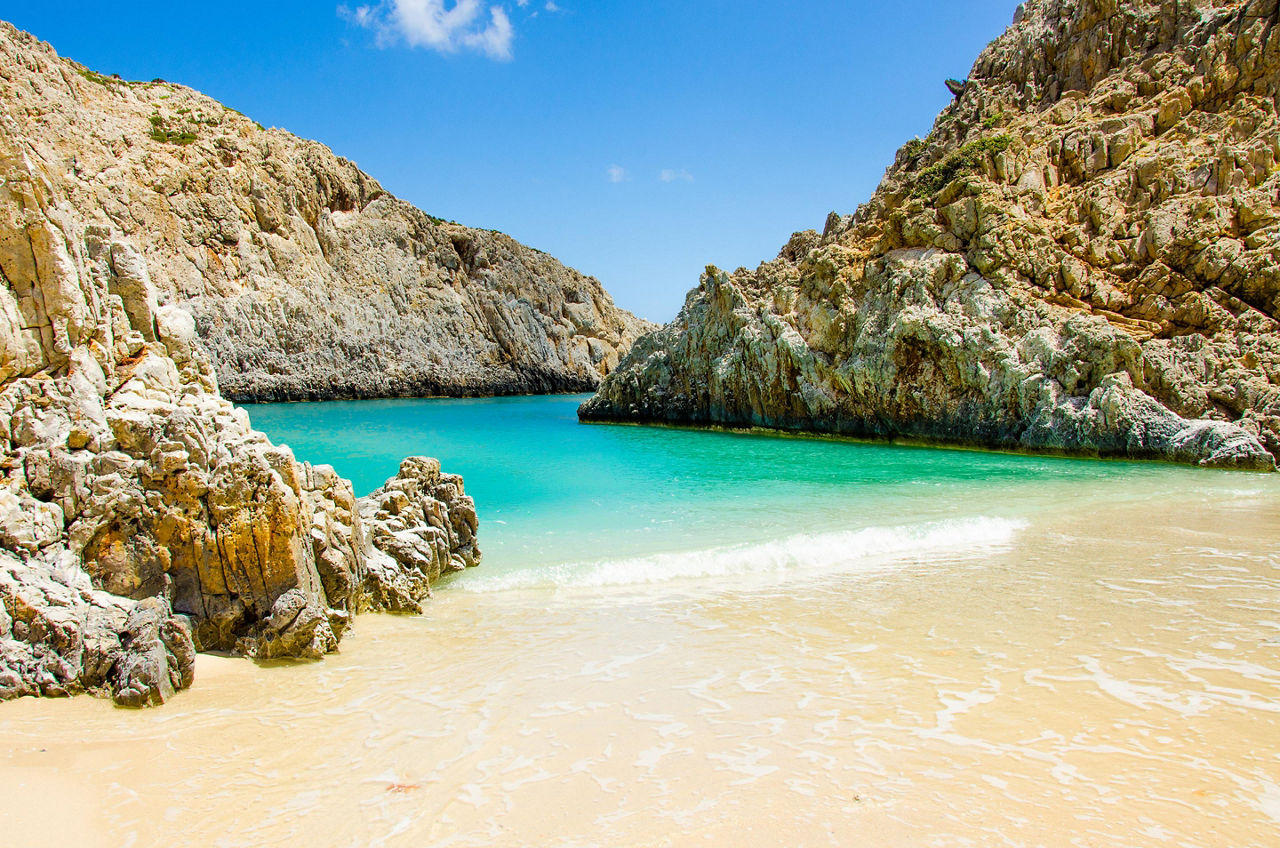
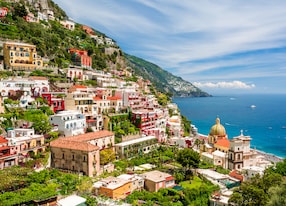
Italy in November brings cooler late-autumn weather, fewer tourists and lower travel demand compared to peak seasons. Average daytime highs range from the upper 50s°F (14–16°C) in northern Italy to the mid-60s°F (18–20°C) in southern regions. The weather in Italy in November is generally mild in the south and noticeably cooler and wetter in the north, especially later in the month.
November is considered a true shoulder season month. While beach travel is limited, cultural sightseeing, museum visits, culinary experiences and archaeological exploration remain excellent. Cities feel more local, accommodation rates are often lower and popular landmarks are significantly less crowded.
Here is your complete guide to visiting Italy in November, including regional weather, best places to visit, seasonal events and top shore excursions.
Italy Weather in November
November marks the transition toward winter across much of Italy, with cooler temperatures and increased rainfall, particularly in northern regions.
Rome Weather in November
Average high: 63°F (17°C)Average low: 50°F (10°C)
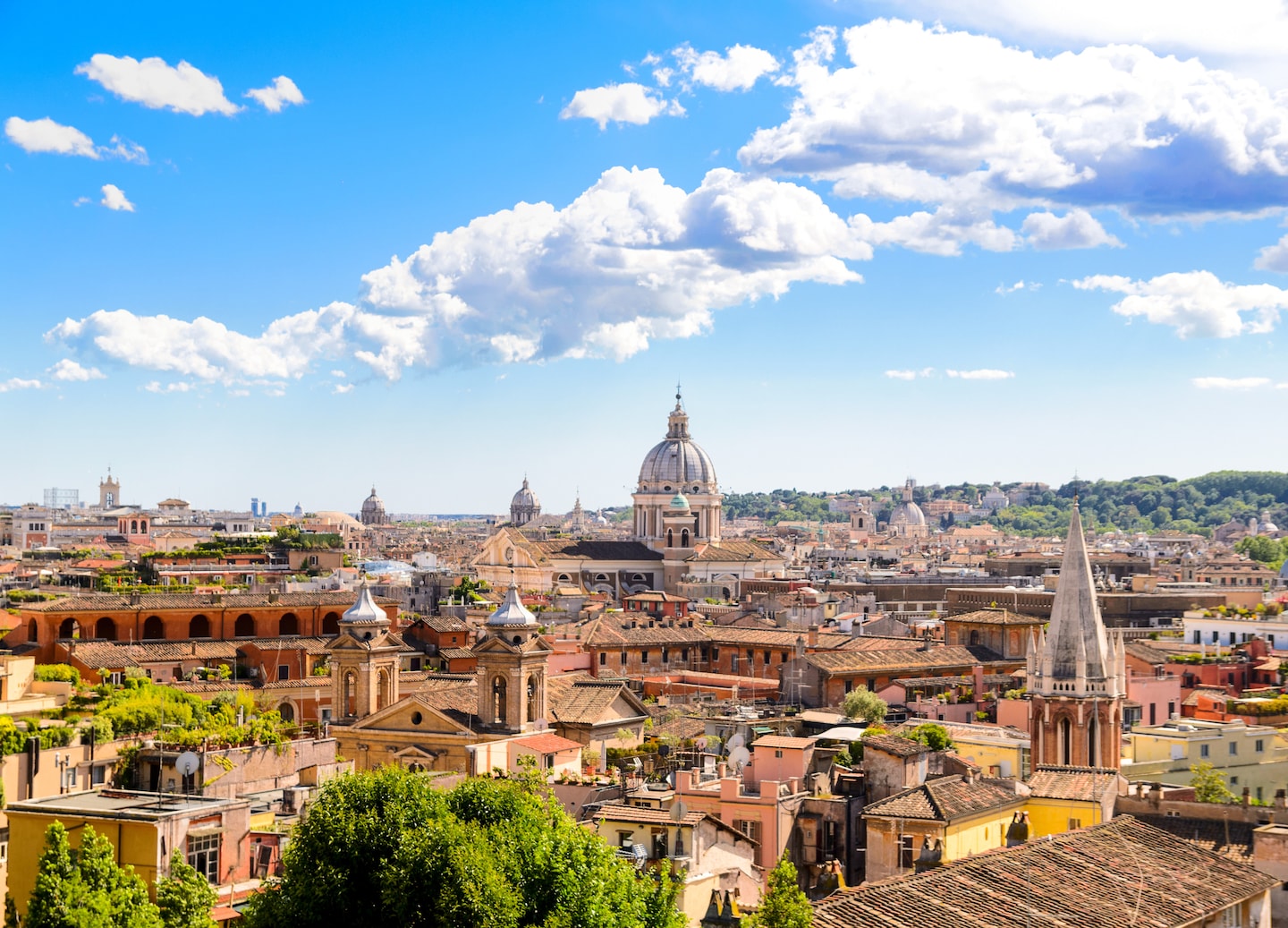
Rome weather in November is cool and mild, with average highs near 63°F (17°C) and comfortable walking conditions throughout the day. Rain showers become more frequent than in October, but extended dry periods are still common, especially early in the month.
The cooler temperatures make archaeological sites and city walking tours comfortable without summer heat. Evenings feel crisp, requiring light jackets or sweaters.
Best for:
- Archaeological sightseeing
- Museum visits
- Vatican exploration
- Walking tours without heavy crowds
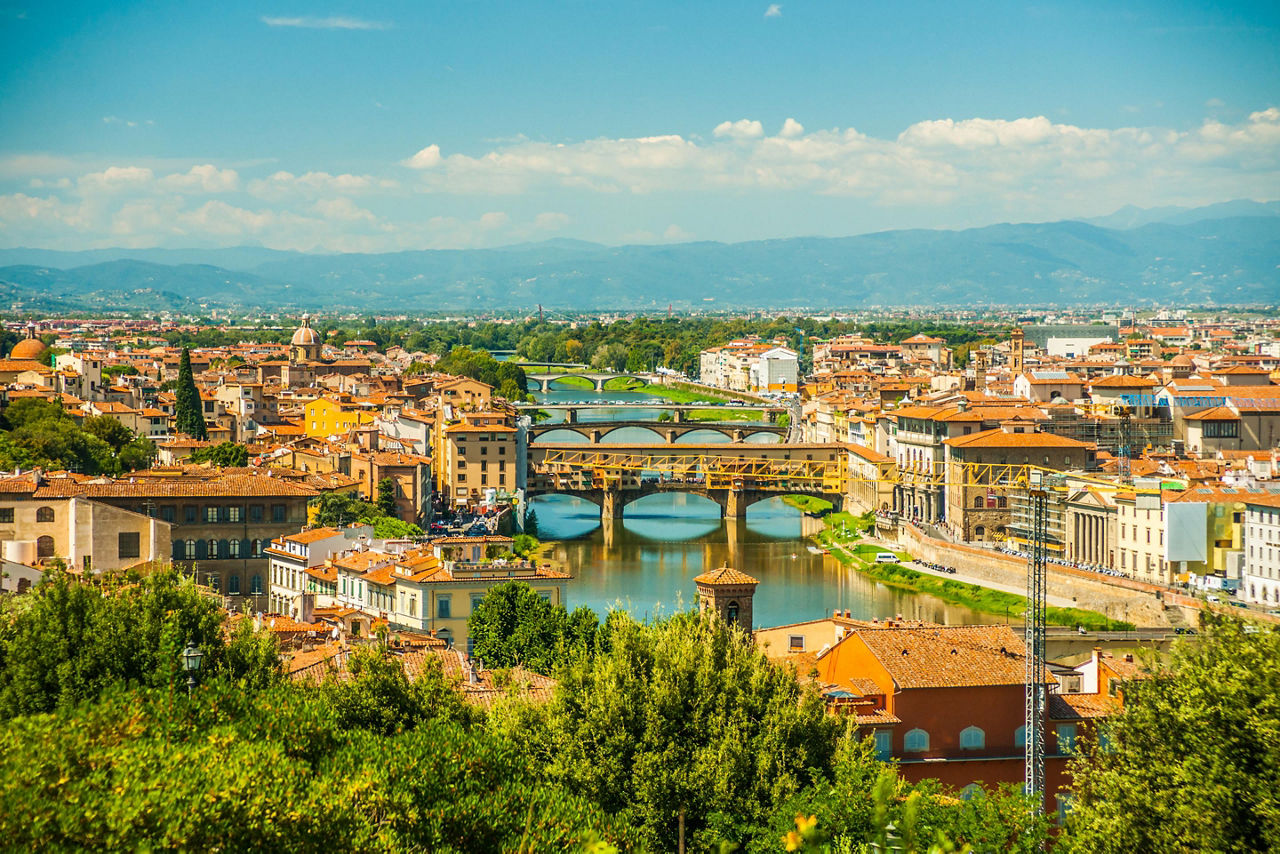
Florence Weather in November
Average high: 59°F (15°C)Average low: 45°F (7°C)

Florence weather in November is cool and increasingly damp, with average highs around 59°F (15°C). Rainfall is more common than in early autumn, and mornings can feel brisk.
Despite the cooler temperatures, Florence remains strong for art and cultural travel. Indoor museum exploration becomes especially appealing this month.
Best for:
- Uffizi Gallery visits
- Cathedral exploration
- Culinary travel
- Reduced crowd sightseeing
Venice Weather in November
Average high: 55°F (13°C)Average low: 43°F (6°C)
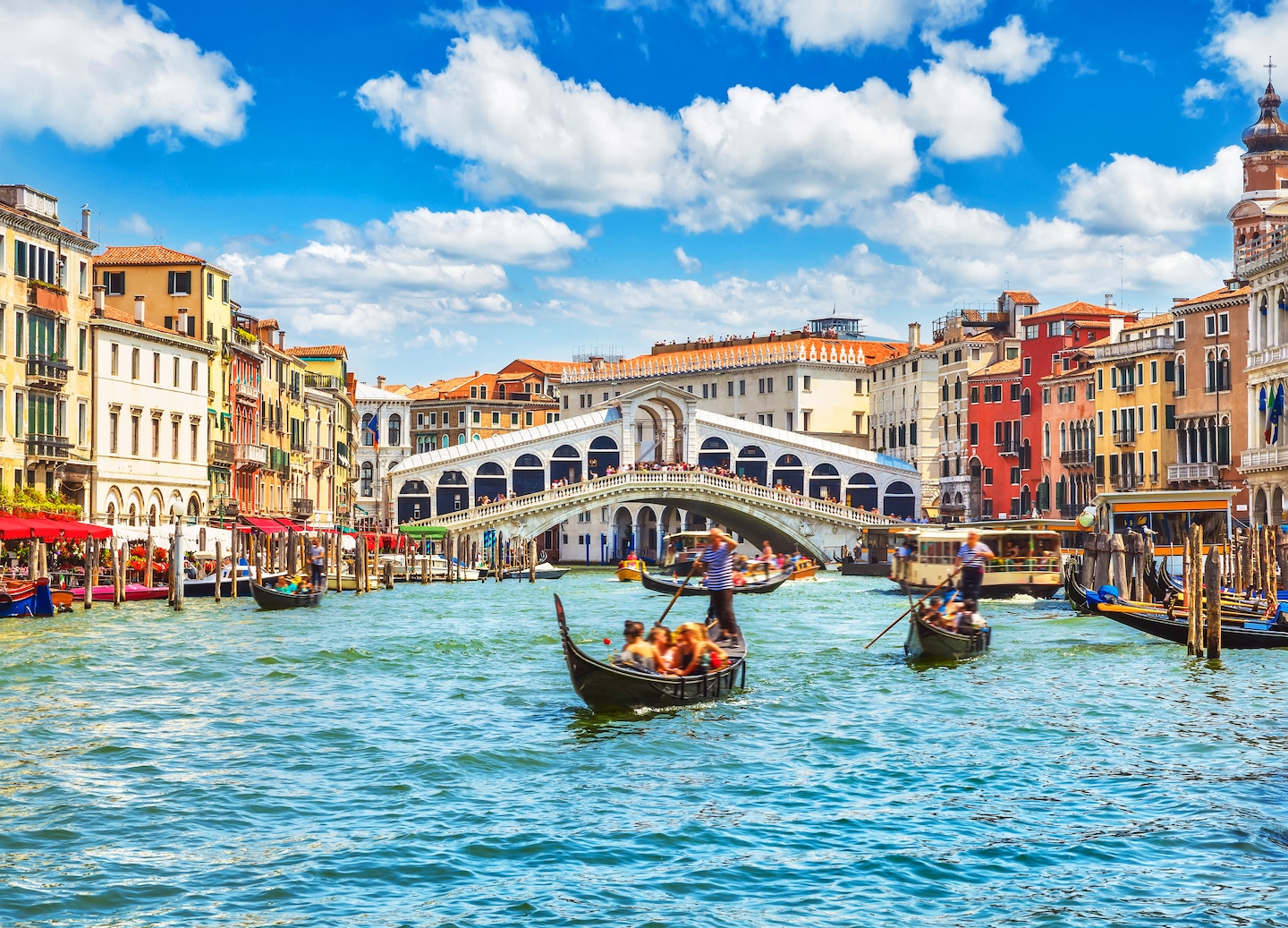
Venice weather in November is cool, with average highs around 55°F (13°C) and a higher chance of rainfall. Late autumn can bring occasional acqua alta (seasonal high water), particularly later in the month. Tourist density drops significantly, creating a quieter and more atmospheric experience across canals and historic districts.
Best for:
- Off-season city exploration
- Photography in moody autumn light
- Museum visits
- Cultural immersion
Naples & Amalfi Coast Weather in November
Average high: 66°F (19°C)Average low: 54°F (12°C)
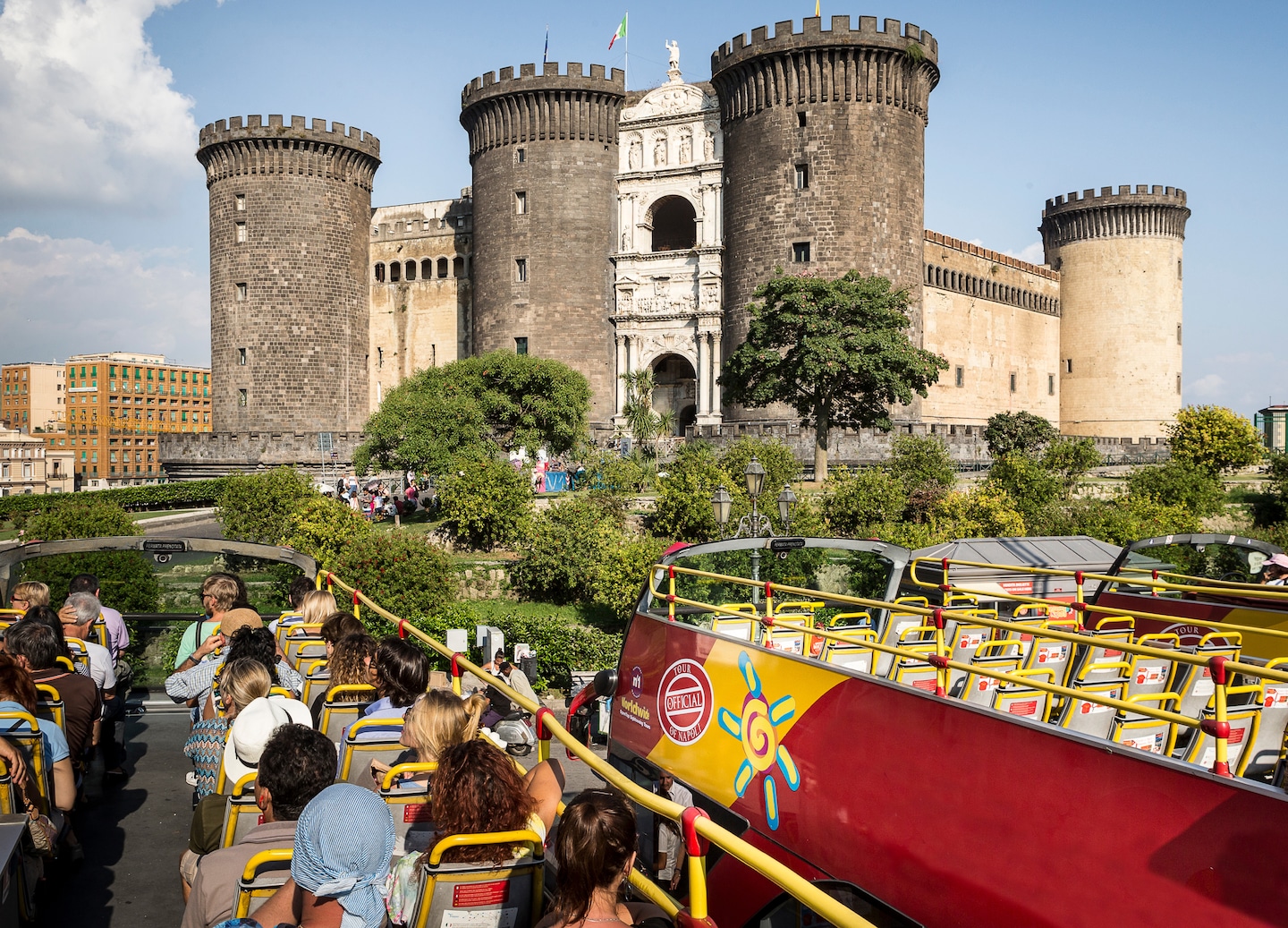
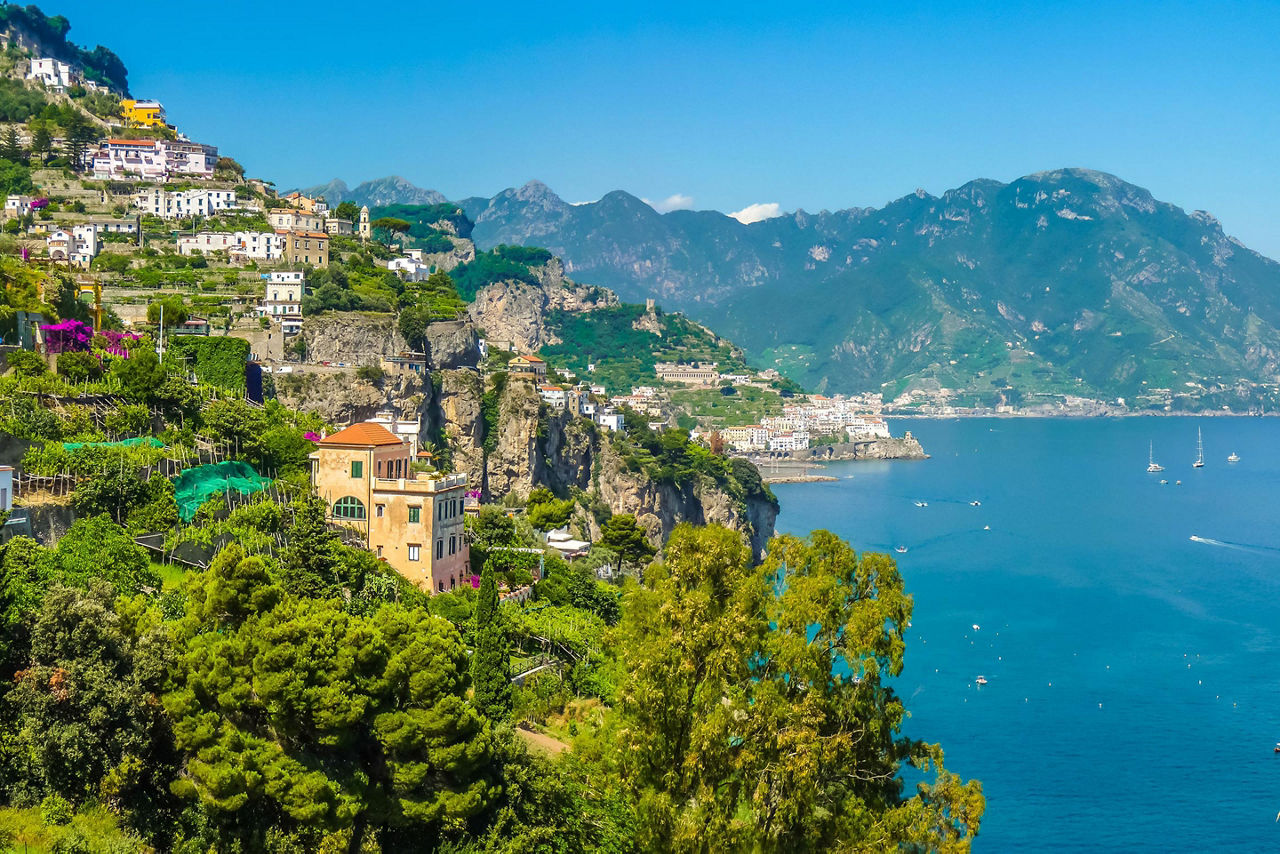
Southern Italy weather in November remains milder than northern regions, with average highs near 66°F (19°C). Rainfall increases compared to early autumn, but comfortable walking temperatures persist. Swimming is generally no longer ideal, but archaeological and cultural travel remain strong.
Best for:
- Pompeii exploration
- Scenic coastal drives
- Culinary experiences
- Historical walking tours
Best Places To Visit in Italy in November
November favors cultural depth, indoor attractions and southern regions with milder late-autumn weather. With fewer international tourists, cities feel more local, and major landmarks become easier to navigate at a relaxed pace.
Rome
Rome is one of the best places to visit in Italy in November because mild temperatures and fewer tourists improve the overall sightseeing experience. Major landmarks such as the Colosseum, Roman Forum and Vatican Museums are noticeably less congested than in summer, allowing for more time inside key sites (rather than waiting in lines).
The cooler climate makes full-day walking itineraries far more comfortable, particularly when covering large archaeological areas. Autumn menus begin highlighting seasonal ingredients such as porcini mushrooms and truffles, making this a strong month for combining historic exploration with food-focused experiences.
Naples & Pompeii
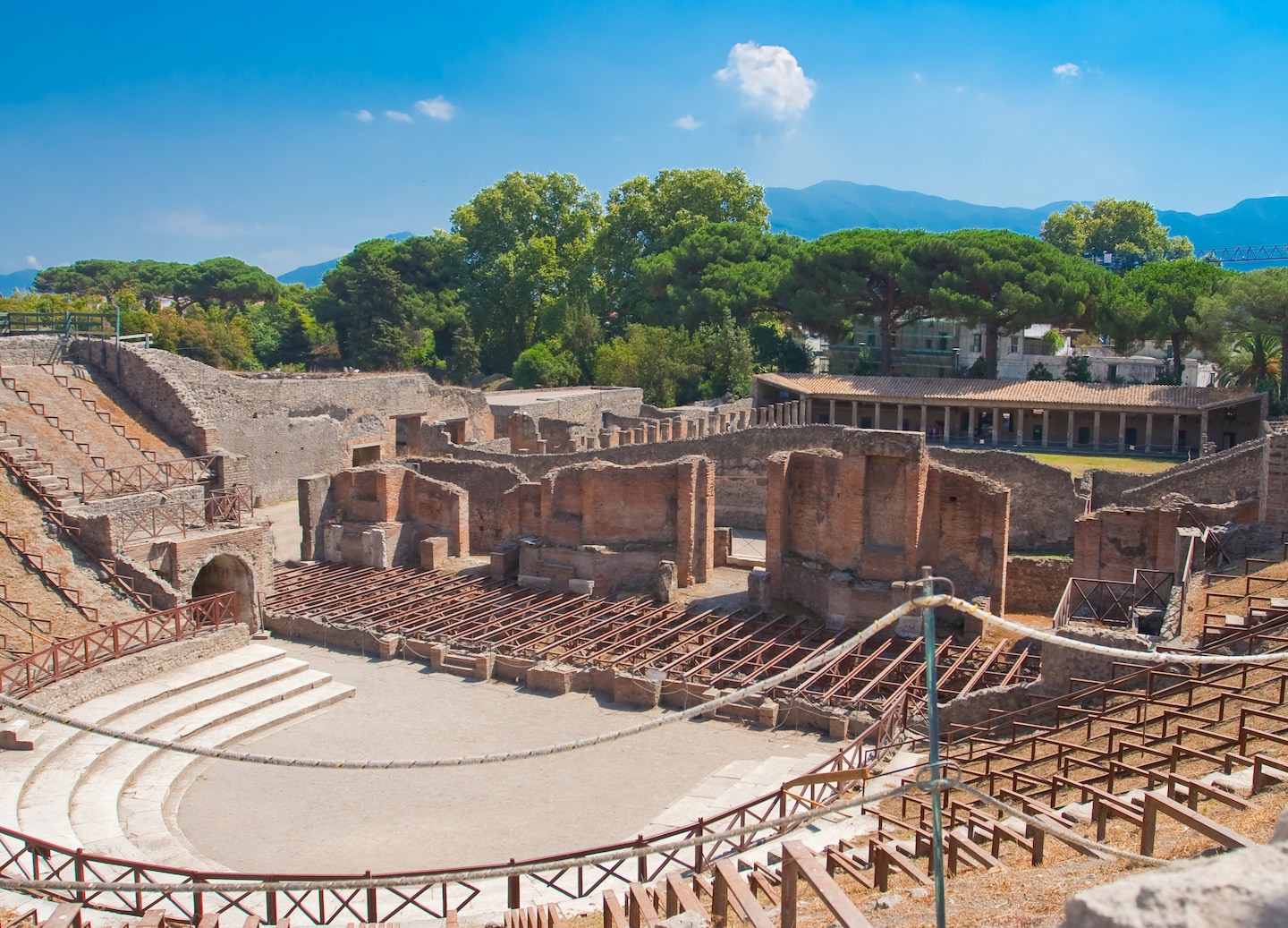
Naples and Pompeii remain strong destinations in November, thanks to milder southern temperatures and reduced crowd levels. Pompeii’s expansive open-air ruins are significantly easier to explore without summer heat, and guides can move groups through the site more efficiently.
While swimming season has ended, the Bay of Naples retains dramatic scenic appeal, particularly under shifting autumn skies. November also creates ideal conditions for pairing archaeological visits with culinary stops, featuring regional specialties such as Neapolitan pizza and seasonal seafood.
Bologna
Bologna is ideal in November for culinary-focused travel and museum exploration. As temperatures cool, the city’s extensive covered porticoes allow visitors to explore comfortably—even on rainy days.
Autumn cuisine highlights seasonal ingredients such as white truffles, porcini mushrooms and fresh pasta dishes served in traditional trattorias. November is especially strong for travelers who prioritize food culture alongside historic architecture and art.
Sicily (Palermo & Catania)
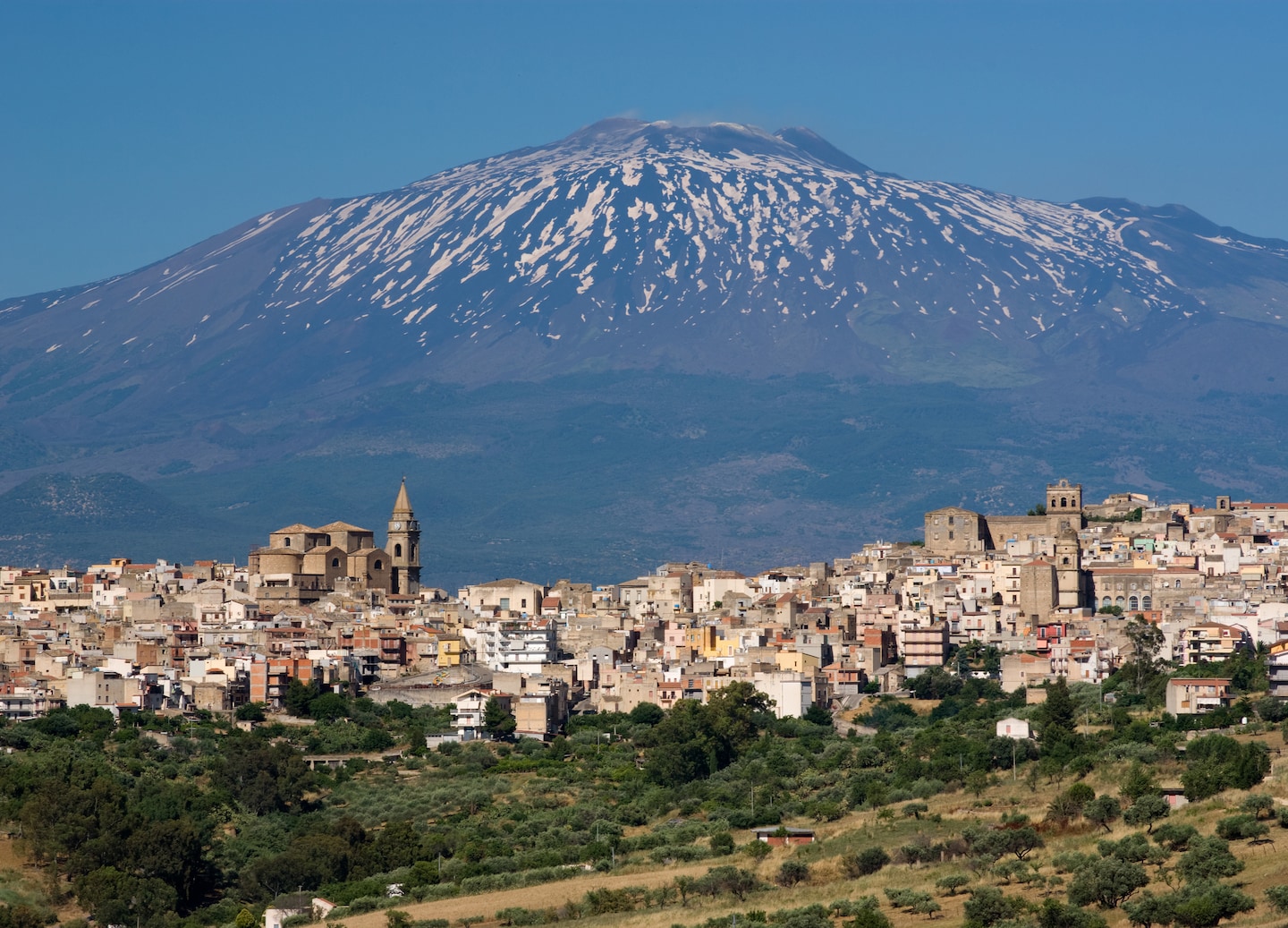
Sicily is one of the warmest regions in Italy in November, making it a strong choice for milder, late-autumn travel. Daytime highs often remain in the upper 60s°F (19–20°C), offering comfortable conditions for exploring historic centers and archaeological sites.
Palermo’s markets and cathedrals remain lively, while Catania provides access to Mount Etna and coastal landscapes without peak-season crowds. Sicily balances cultural richness with some of the most stable November weather in Italy.
Seasonal Events in Italy in November
- White Truffle Festivals (Piedmont & Umbria)November is peak white truffle season, with markets and culinary fairs across northern and central Italy. Visitors can attend tastings, cooking demonstrations and regional wine pairings centered around this prized seasonal ingredient.
- All Saints’ Day (November 1)This is a national public holiday observed with religious services and family gatherings. Some businesses may close, but major tourist sites typically remain open.
- Autumn Food Festivals (Sagre)Many towns host events celebrating mushrooms, chestnuts, olive oil and regional specialties. These local festivals provide insight into small-town culinary traditions.
November in Italy favors cultural immersion, archaeology, food-focused experiences and southern regions with milder temperatures. With fewer tourists and cooler conditions, guided tours often feel more personal and less rushed than in peak months.
1. Rome & Vatican Experience – Civitavecchia
This full-day excursion typically includes guided access to the Vatican Museums, Sistine Chapel and St. Peter’s Basilica, followed by exploration of Rome’s historic center. Professional guides provide historical context while navigating major landmarks such as the Colosseum, Pantheon and Piazza Navona.
November’s cooler temperatures make extended walking between sites far more comfortable than during summer heat. Reduced crowd levels can mean shorter security lines and a more relaxed pace inside museums. Autumn light enhances the detail of Renaissance art and ancient stone architecture.
Best for:
- Religious and Renaissance art
- Roman history
- Walking-based sightseeing
- Cultural depth without peak-season congestion
2. Pompeii & Amalfi Scenic Drive – Naples
This excursion combines a guided tour through Pompeii’s preserved streets, homes and public buildings with a scenic drive along sections of the Amalfi Coast. Visitors learn about daily life in ancient Rome while exploring remarkably intact archaeological remains.
November temperatures in the mid-60s°F (18–19°C) make Pompeii’s open-air ruins far more manageable than in summer. While beach activity slows, coastal views remain dramatic and atmospheric, particularly with shifting autumn light across cliffs and villages.
Best for:
- Archaeological exploration
- Scenic coastal landscapes
- Moderate physical activity
- Cooler-weather outdoor travel
3. Florence Guided Walking Tour – Livorno
This excursion typically transports guests from Livorno to Florence for a guided walking tour of Renaissance landmarks such as the Duomo, Piazza della Signoria and Ponte Vecchio. Some versions include museum entry or free time for independent exploration.
November’s cooler temperatures make city walking comfortable, and lower tourist density improves movement through historic districts. The quieter atmosphere allows for deeper appreciation of architecture and art without summer congestion.
Best for:
- Renaissance art and architecture
- Cultural immersion
- Museum visits
- Off-season city exploration
4. Sicilian Cultural Highlights – Palermo
This excursion introduces visitors to Palermo’s layered history through stops at the Cathedral, Norman Palace and vibrant local markets. Guides often explain the island’s blend of Arab, Norman and Italian influences while navigating historic neighborhoods.
Southern Italy remains one of the mildest areas in November, with daytime highs often near 66°F (19°C). Comfortable walking temperatures allow guests to explore open-air markets and historic squares without extreme heat or summer crowd levels.
Best for:
- Mediterranean culture
- Historic architecture
- Culinary-focused travel
- Mild late-autumn exploration
Travel Tips for Italy in November
- Pack weather protection. A waterproof jacket, umbrella and comfortable waterproof walking shoes are essential, particularly in northern cities.
- Plan indoor flexibility. November rainfall is more common, so balancing outdoor archaeological sites with museums creates a smoother itinerary.
- Choose southern regions for warmth. Naples and Sicily typically offer milder temperatures than Venice or Milan.
- Book opera and cultural performances early. November marks the beginning of the cultural season in many cities.
- Expect shorter daylight hours. Sunset can occur before 5 p.m. in northern Italy, so plan outdoor photography and scenic viewpoints earlier in the day.
- Take advantage of lower demand. Hotel rates and tour availability are often more favorable compared to spring and summer.
FAQs: Italy in November
1. Is November a good time to visit Italy?
Yes, November is a strong month for travelers seeking fewer crowds, lower accommodation prices and easier access to major attractions. While weather is cooler and rain is more frequent than in early autumn, cultural sightseeing remains excellent, especially in Rome and southern Italy.
2. How cold is Italy in November?
Northern Italy typically experiences daytime highs between 55–60°F (13–16°C), while central regions average around 60–65°F (16–18°C). Southern areas such as Naples and Sicily often remain slightly warmer, particularly earlier in the month.
3. Is Italy very rainy in November?
November is one of the wetter months in parts of Italy, particularly in Venice and northern regions. Rain usually falls in intermittent showers rather than constant downpours, and many days remain partially clear.
4. What part of Italy is warmest in November?
Southern Italy, including Naples and Sicily, is generally the warmest region in November. Daytime highs can remain in the mid-to-upper 60s°F (18–20°C), making it more comfortable for outdoor sightseeing compared to northern cities.
5. Can you swim in Italy in November?
Swimming is generally not recommended in November, as sea temperatures cool significantly. Most beach resorts reduce services during this period, and the focus shifts to cultural and culinary travel rather than coastal recreation.

/overview/scenic-panorama-view-historic-town-perast-famous-bay-kotor.jpg?$800x450$)
/things-to-do/aerial-view-island-sveti-stefan-kotor-bay-montenegro.jpg?$800x450$)