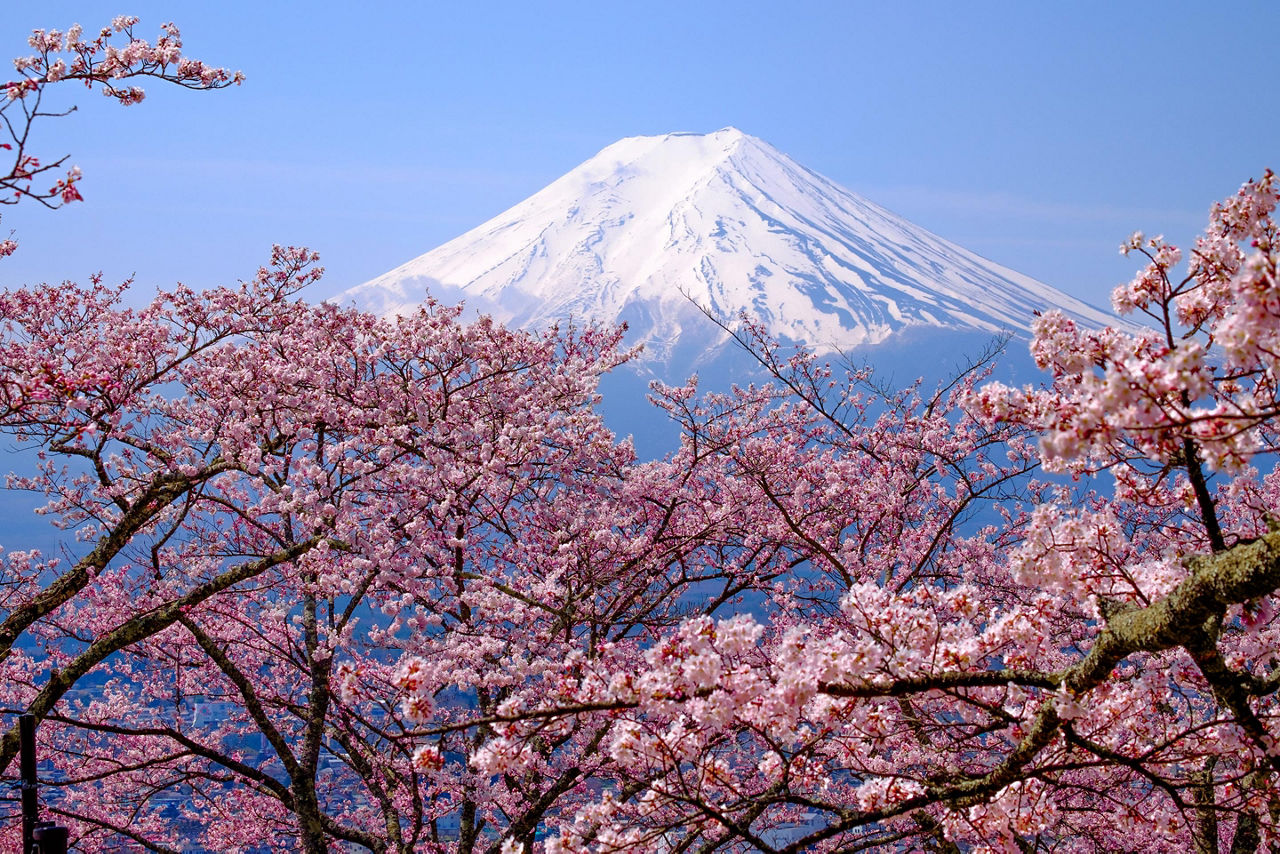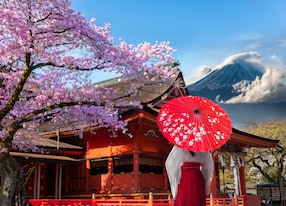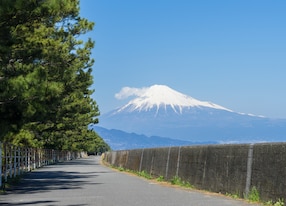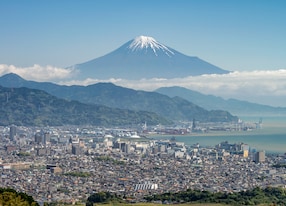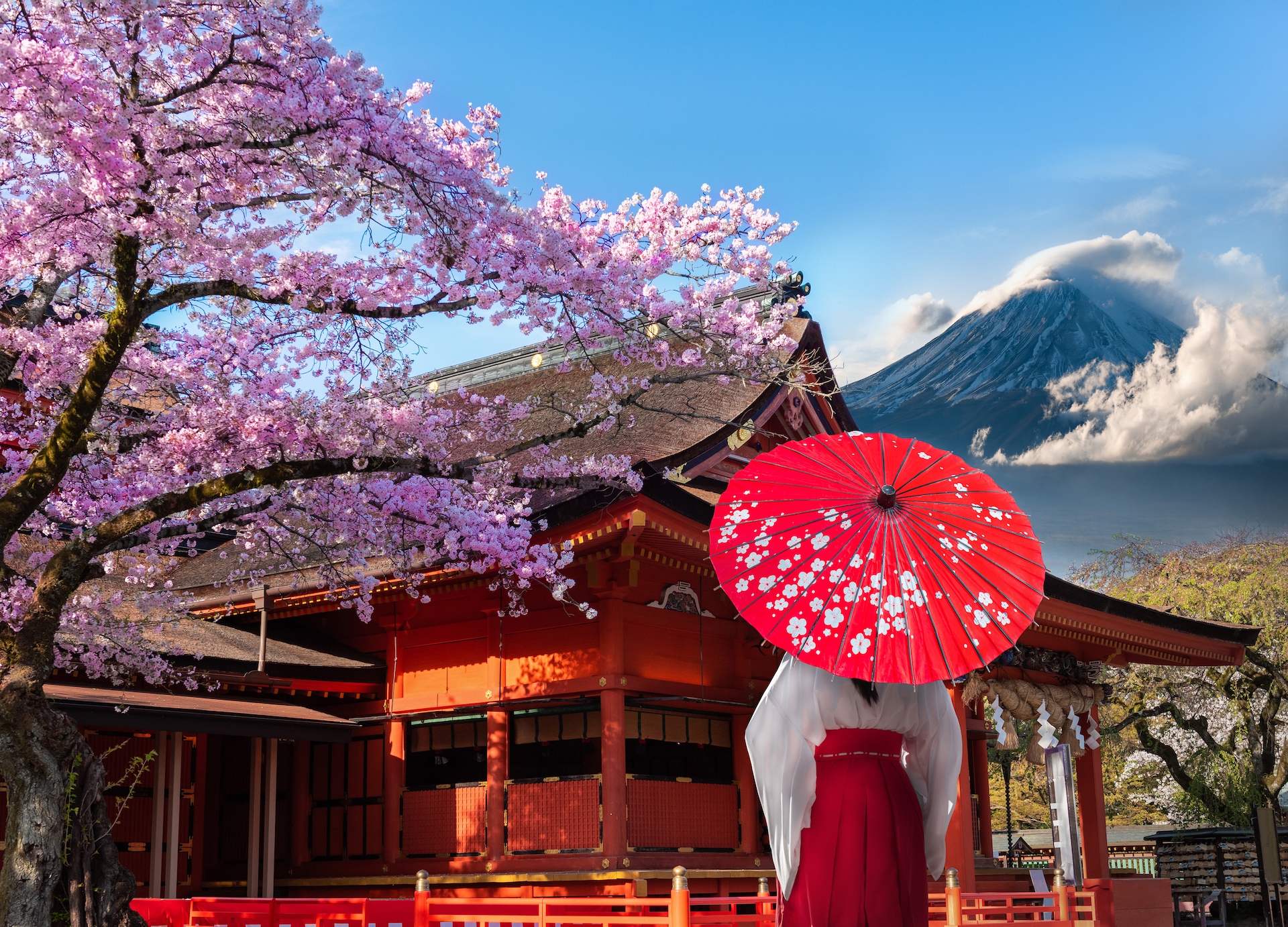
Located about 60 miles southwest of Tokyo, Mount Fuji rises above lakes, forests and historic shrines in the heart of Japan. Whether you want to admire the mountain from scenic viewpoints, visit sacred temples or explore cultural sites nearby, seeing Mount Fuji in person is an unforgettable experience.
Many travelers experience the mountain as part of Mount Fuji tours or guided sightseeing excursions that visit scenic viewpoints and cultural landmarks across the region. If you are planning a visit, this guide explains what Mount Fuji is, what to expect and the best ways to explore Japan’s most iconic peak.
What Is Mount Fuji?

Mount Fuji is the tallest mountain in Japan and one of the country’s most important cultural and natural landmarks.
The mountain stands about 12,389 feet tall and is an active volcano that last erupted in 1707. Its near-perfect cone shape has made it one of the most recognizable mountains in the world.
Mount Fuji is also a UNESCO World Heritage Site, recognized for its cultural significance. For centuries, it has been a place of spiritual importance in Japanese religion and a source of inspiration for art and literature.
Today, millions of travelers visit the region each year to admire the mountain and explore the historic sites that surround it.
What to Expect When Visiting Mount Fuji
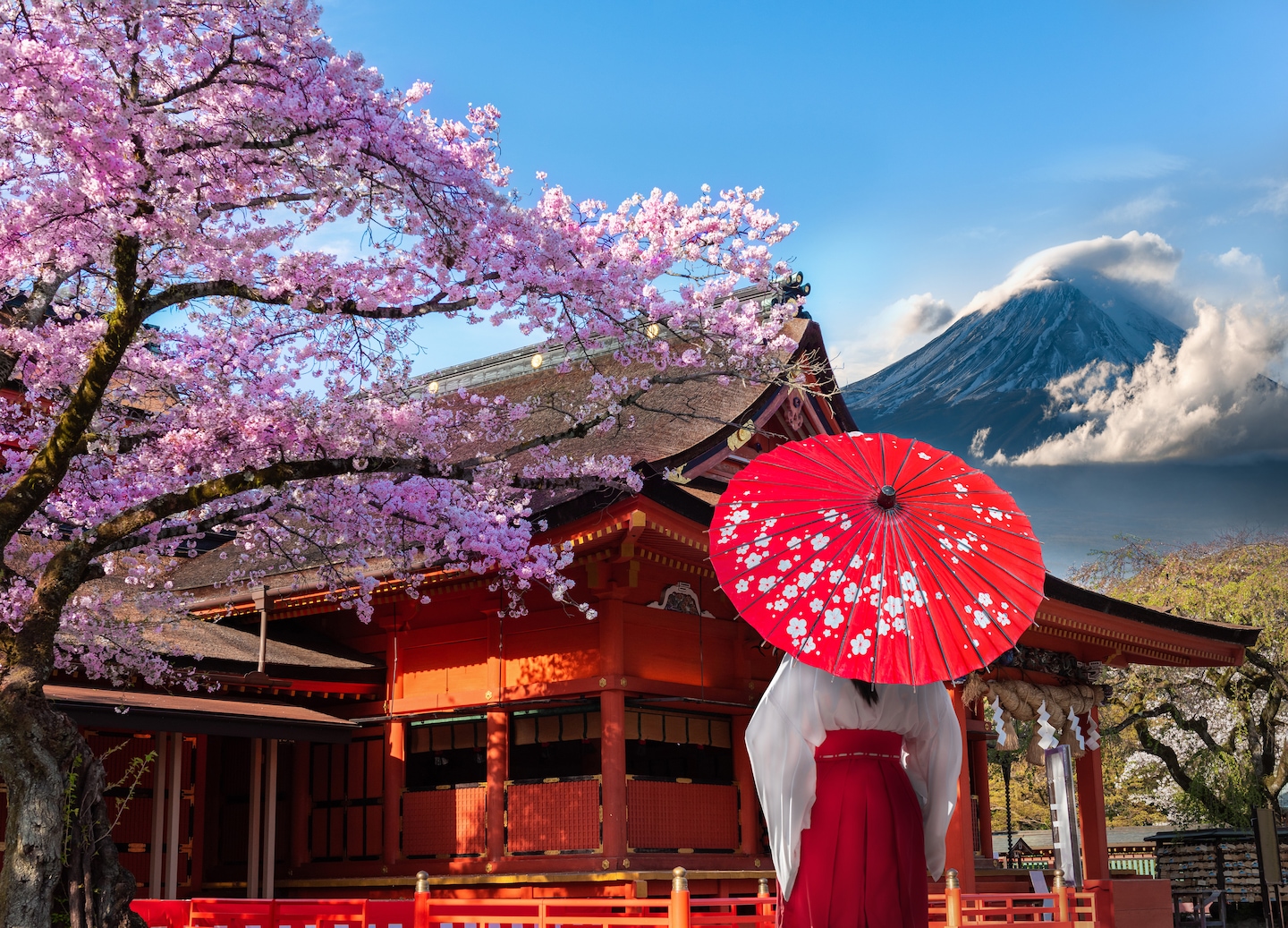
Visitors can expect scenic viewpoints, cultural landmarks and beautiful landscapes when visiting Mount Fuji.
Unlike visiting a single monument, most Mount Fuji experiences include exploring nearby towns, parks and shrines that offer some of the best views of the mountain. Because weather conditions can change quickly, clear days provide the best chance to see the peak.
Highlights of visiting Mount Fuji include:
- Scenic viewpoints overlooking Mount Fuji
- Historic shrines connected to the mountain’s spiritual history
- Cultural museums dedicated to Mount Fuji’s heritage
- Coastal landscapes such as Miho no Matsubara
- Traditional Japanese gardens and parks
- Photography opportunities on clear days
Many travelers visit several locations around the region to experience different perspectives of Mount Fuji.
The Best Time to Visit Mount Fuji
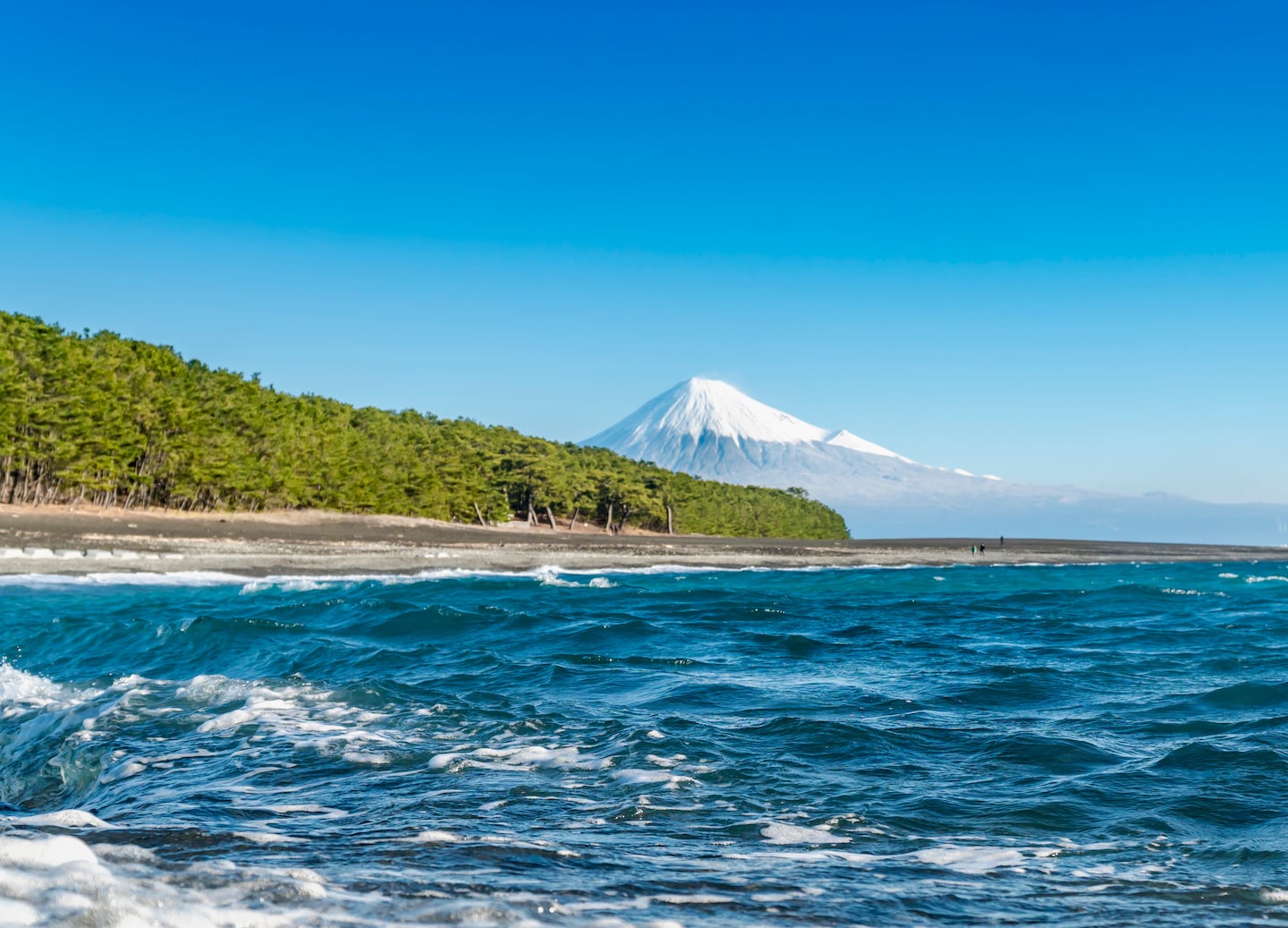
The best time to see Mount Fuji is during clear weather, usually in fall and winter.
Autumn and winter often provide the clearest views because the air is cooler and less humid. During these seasons, the mountain’s snow-covered summit creates the classic image many travelers hope to see.
Spring is also a popular time to visit because of Japan’s famous cherry blossoms. However, clouds sometimes cover the mountain during this season.
Summer is the official climbing season for Mount Fuji, but the peak is frequently hidden behind clouds during this time.
Is Mount Fuji Worth Visiting?
Yes, Mount Fuji is one of the most iconic landmarks in Japan and a highlight for many travelers.
The mountain’s beauty, cultural significance and peaceful surroundings make it one of the most memorable places to visit in the country. Even viewing Mount Fuji from a distance can be breathtaking, especially when the summit appears clearly above the landscape.
Beyond the mountain itself, the surrounding region offers historic shrines, scenic coastlines and cultural museums that help visitors better understand Japan’s traditions and natural beauty.
How Much Time Does It Take to Visit Mount Fuji?
Most visitors spend several hours exploring Mount Fuji viewpoints and nearby attractions. Some travelers spend half a day visiting Mount Fuji, while others join full-day Mount Fuji tours or excursions that include several locations across the region.
Do You Need Tickets to Visit Mount Fuji?
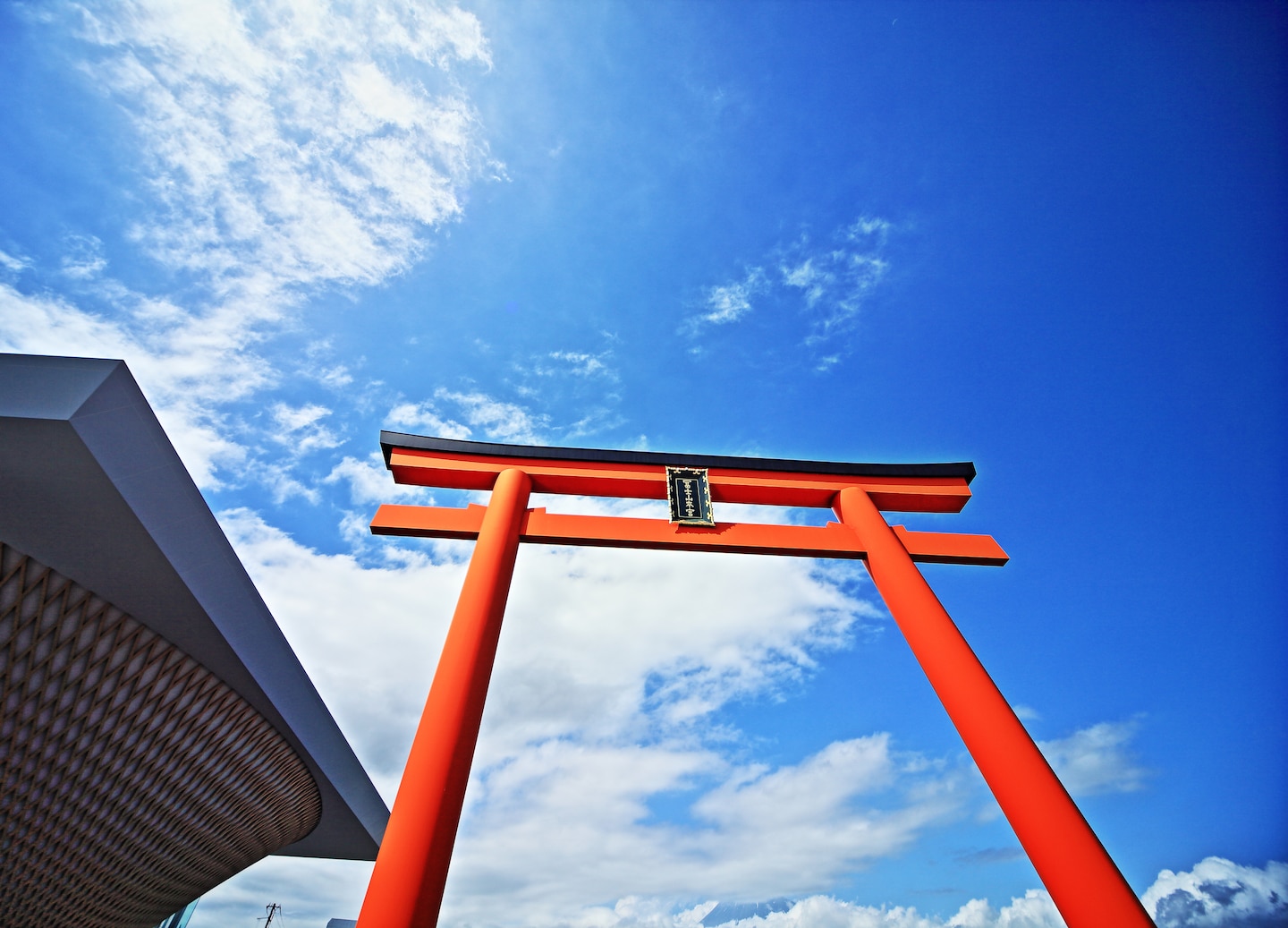
You do not need tickets to see Mount Fuji itself.
Mount Fuji is a natural landmark visible from many public viewpoints, parks and coastal areas. However, some museums, cultural centers and attractions near the mountain may charge admission.
If you plan to climb Mount Fuji during the official climbing season, registration or climbing fees may apply depending on the route.
How Much Does It Cost to Visit Mount Fuji?
Many places to view Mount Fuji are free to visit. However, costs can vary depending on what activities you choose. Museums, cultural sites and guided tours may have admission fees.
Travelers who join Mount Fuji sightseeing tours or day excursions may also pay for transportation, guided services and entry to specific attractions.
Because prices change, it is best to check current details before planning your visit.
Can You Visit Mount Fuji Without a Tour?
Yes, you can visit Mount Fuji independently. Many travelers explore the region on their own by visiting nearby towns such as Fujinomiya or scenic coastal areas where the mountain can be seen clearly.
However, Mount Fuji tours and guided excursions are a popular way to experience the region because they combine transportation, cultural sites and scenic viewpoints in one itinerary.
Guided experiences also provide insight into the history, traditions and spiritual importance of the mountain.
What Are the Rules for Visiting Mount Fuji?
Visitors should respect nature and follow local guidelines when exploring the Mount Fuji region.
Common guidelines include:
- Stay on marked paths and designated viewing areas
- Respect shrine grounds and cultural landmarks
- Follow park and wildlife protection rules
- Check weather conditions before visiting
- Follow safety guidelines if climbing the mountain
Mount Fuji is both a sacred cultural site and part of a national park, so preserving its natural beauty is important.
Is Mount Fuji Wheelchair Accessible?
Many viewing locations around Mount Fuji are accessible for visitors with mobility needs.
Museums, observation points and parks often provide accessible pathways and viewing platforms. However, climbing Mount Fuji involves steep terrain and is not wheelchair accessible.
Visitors can still enjoy spectacular views of the mountain from accessible scenic locations.
What Is the Best Way to Visit Mount Fuji?
One of the best ways to experience Mount Fuji is through guided Mount Fuji tours or sightseeing excursions that combine scenic viewpoints with nearby cultural landmarks.
Because the mountain is surrounded by historic shrines, coastal landscapes and museums, many travelers choose organized Mount Fuji day trips that visit several locations in one journey.
Guided experiences make it easier to explore the region while learning about the history and spiritual significance of Japan’s tallest mountain.
Here are a few memorable Mount Fuji excursions and sightseeing tours available through a cruise that highlight the beauty and culture of the region.
Fujisan Hongu Sengentaisha Shrine & Mt. Fuji World Heritage Center
Visit one of the most famous shrines connected to Mount Fuji at Fujisan Hongu Sengentaisha Shrine. After exploring the sacred grounds, continue to the Mount Fuji World Heritage Center to learn about the mountain’s cultural and spiritual importance. On clear days, visitors may enjoy breathtaking views of Mount Fuji rising above the surrounding landscape.
Mt. Fuji, Tea Tasting and Art Museum
Experience the natural beauty of Miho no Matsubara, a scenic coastline where pine trees line the shores of Suruga Bay with Mount Fuji in the distance. The excursion continues at the Tokaido Hiroshige Museum, which features traditional Japanese woodblock art inspired by landscapes along historic travel routes.
Nihondaira Outlook and Kunozan Toshogu Shrine
Enjoy sweeping views from the Nihondaira Plateau, one of the best observation points for seeing Mount Fuji on clear days. The experience also includes a visit to Kunozan Toshogu Shrine, known for its colorful architecture and historical significance.
Sunpu Castle Park, Views of Mt. Fuji and Shrine
Explore the historic grounds of Sunpu Castle Park and visit the Shizuoka Sengen Shrine, a sacred complex with more than 2,000 years of history. The journey also includes a stop at Miho no Matsubara, where coastal scenery and pine forests create one of the region’s most picturesque views of Mount Fuji.
Tips for Visiting Mount Fuji
A few simple tips can help you enjoy your visit even more.
- Check weather forecasts for clear viewing conditions
- Visit observation points early in the day
- Bring a camera for scenic photos
- Allow time to explore nearby cultural sites
- Dress comfortably for outdoor viewpoints
Many travelers also enjoy visiting lakes and coastal areas near Mount Fuji, which offer some of the best photography opportunities.
Mount Fuji FAQs:
1. How tall is Mount Fuji?
Mount Fuji stands 12,389 feet (3,776 meters) tall, making it the highest mountain in Japan. Its nearly symmetrical cone shape is one of the reasons it is so famous and recognizable around the world.
2. Can you climb Mount Fuji?
Yes, visitors can climb Mount Fuji during the official climbing season, which usually runs from early July through early September. Outside of that season, most travelers choose to admire the mountain from scenic viewpoints or join guided sightseeing tours around the region.
3. Why is Mount Fuji important in Japanese culture?
Mount Fuji has been considered a sacred mountain in Japan for centuries. It plays an important role in Shinto and Buddhist traditions and has inspired countless works of Japanese art, poetry and literature.
4. Where are the best places to see Mount Fuji?
Some of the best views of Mount Fuji can be found at Miho no Matsubara, Nihondaira Plateau and lakes around the Fuji region. Guided Mount Fuji tours often visit these scenic locations because they offer clear panoramic views of the mountain.
5. What is the best way to see Mount Fuji?
One of the easiest ways to experience Mount Fuji is through a guided Mount Fuji tour or sightseeing excursion. These experiences typically visit several scenic viewpoints, historic shrines and cultural landmarks around the mountain in a single day.
6. Can you visit Mount Fuji in one day?
Yes, many travelers visit Mount Fuji on day trips or guided excursions that explore scenic areas surrounding the mountain. These experiences often include viewpoints, shrines and museums that provide beautiful views of Mount Fuji and insight into its cultural significance.
Planning a Visit to Mount Fuji? Explore More Inspiration & Tips:
- What Is Mt. Fuji Known For? — Discover what makes Mount Fuji one of Japan’s most iconic landmarks, from its perfectly shaped volcanic cone to sacred shrines, scenic lakes and centuries of cultural symbolism.
- What to Buy at Mt. Fuji — Find the best souvenirs to bring home from the Mount Fuji region, including Fuji-shaped sweets, artisan glassware, traditional tenugui cloths and locally brewed sake.