Tapas are small portions of Spanish food, often served alongside a drink. They can be hot or cold, simple or elaborate, ranging from olives and sliced cheese to croquettes, fried seafood and small servings of cooked dishes. Several tapas can also come together to make a meal.
Picture a plate of golden potatoes arriving at your table, followed by thinly sliced ham and a wedge of a Spanish omelette. Everyone tries a little, compares favorites and reaches for another bite. That easygoing mix of food and conversation is a big part of the appeal.
For travelers, tapas offer a delicious introduction to Spain. You can sample several dishes in one sitting and discover how local flavors change as you explore different cities. Explore cruises to Spain and the Canary Islands and make a tapas tasting part of your next day ashore.
What Makes a Dish a Tapa?

A tapa is defined more by its small serving size than by a particular recipe. A few olives can be a tapa, but so can a small plate of seafood or a portion of a slow-cooked dish.
That variety makes tapas especially enjoyable when you’re exploring an unfamiliar menu. You can start with something recognizable, then add a dish you haven’t tried before.
Tapas also leave room for each kitchen’s personality. One bar might be known for a traditional favorite, while another puts a creative spin on a familiar ingredient. Going out for tapas can mean visiting several places and trying the specialty at each.
Where Did Tapas Originate?
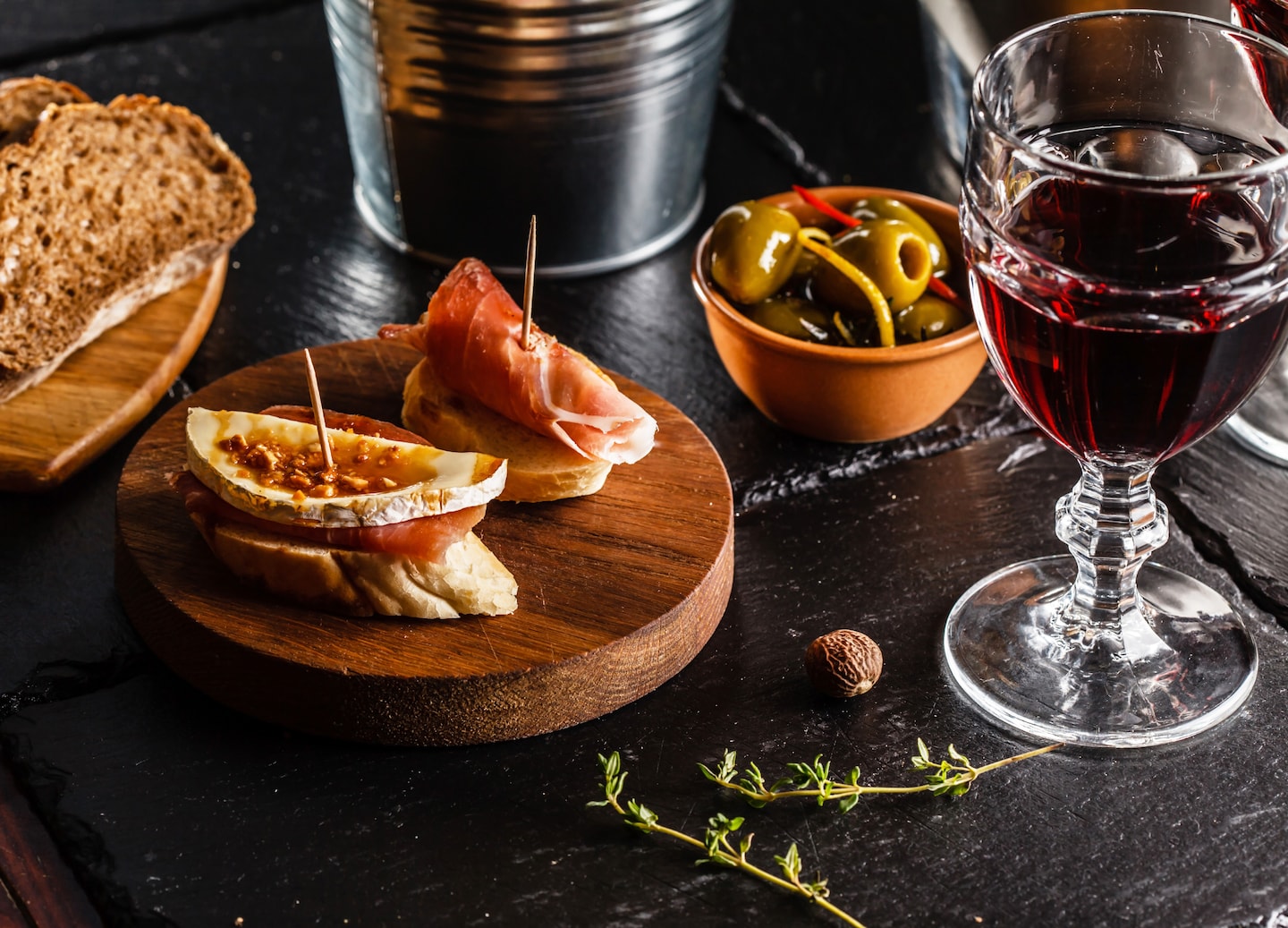
Tapas originated in Spain, although their exact beginnings are debated. Several stories connect the tradition to serving a small amount of food with wine.
One familiar explanation comes from the Spanish word tapa, meaning “lid” or “cover.” According to this story, a slice of bread, ham or cheese covered a glass to keep dust or insects out. The snack eventually became part of the reason to stop for a drink.
It’s a popular origin story rather than a settled historical fact. What’s clear is that tapas developed into an important part of Spanish social life. The tradition even has its own vocabulary: Tapeo refers to going out for tapas.
What Are Some Popular Spanish Tapas?
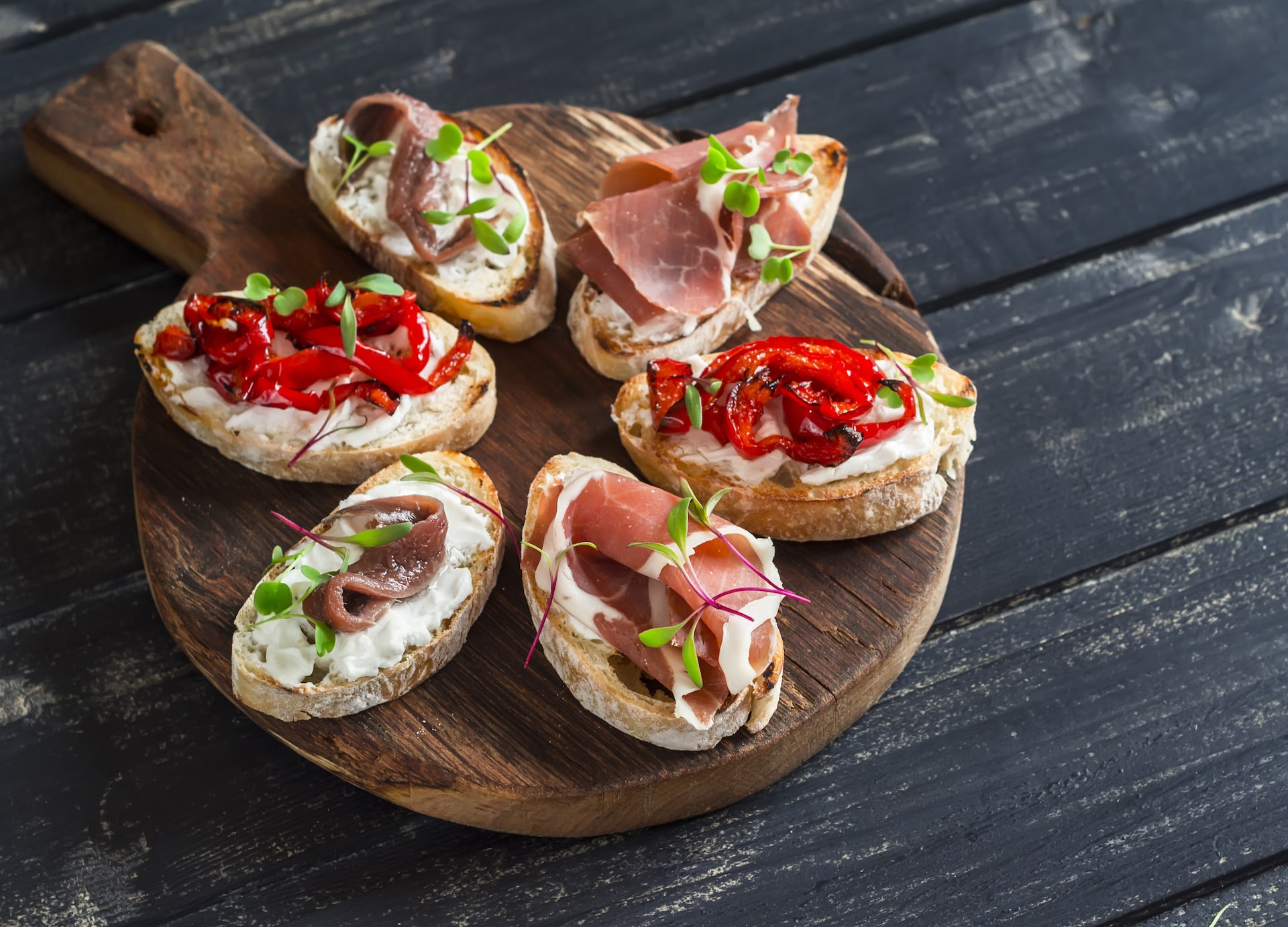
Spanish tapas include vegetables, seafood, cured meats, cheeses and cooked dishes. These familiar favorites are a good introduction:
- Patatas bravas: Fried potatoes served with a spicy sauce. Recipes vary, so the sauce can taste different from one kitchen to the next.
- Tortilla española: A thick Spanish omelette made with potatoes and eggs, often with onion, served in slices or small portions.
- Croquetas: Breaded, fried bites with a creamy filling. Ham is a classic, while mushroom, cheese and seafood versions are also popular.
- Jamón: Thin slices of cured Spanish ham, often accompanied by bread.
- Calamares: Battered, fried squid, commonly served as rings.
- Local cheese: Regional varieties such as Manchego or Mahón offer another way to taste the place you’re visiting.
- Olives: A simple, flavorful addition, sometimes stuffed with anchovies or peppers.
A mix of warm and cold dishes gives you plenty to compare. Crispy potatoes, creamy croquettes and a few salty olives each bring something different to the table.
How Do Tapas Differ Across Spain?
Tapas reflect regional ingredients and cooking traditions. Some dishes appear across the country, while others have a stronger connection to a particular place.
In Andalusia, small portions of fried fish and hearty meat dishes feature in local tapas traditions. Galicia brings Atlantic flavors to the table, with seafood and Padrón peppers among the choices. In Catalonia, pa amb tomàquet — bread with tomato and olive oil — is a familiar favorite.
The Basque Country is especially known for pintxos (and the bars that serve them). Exploring these regional differences gives you a reason to try something new at each stop, even if you’ve already found a favorite.
What Is the Difference Between Tapas & Pintxos?
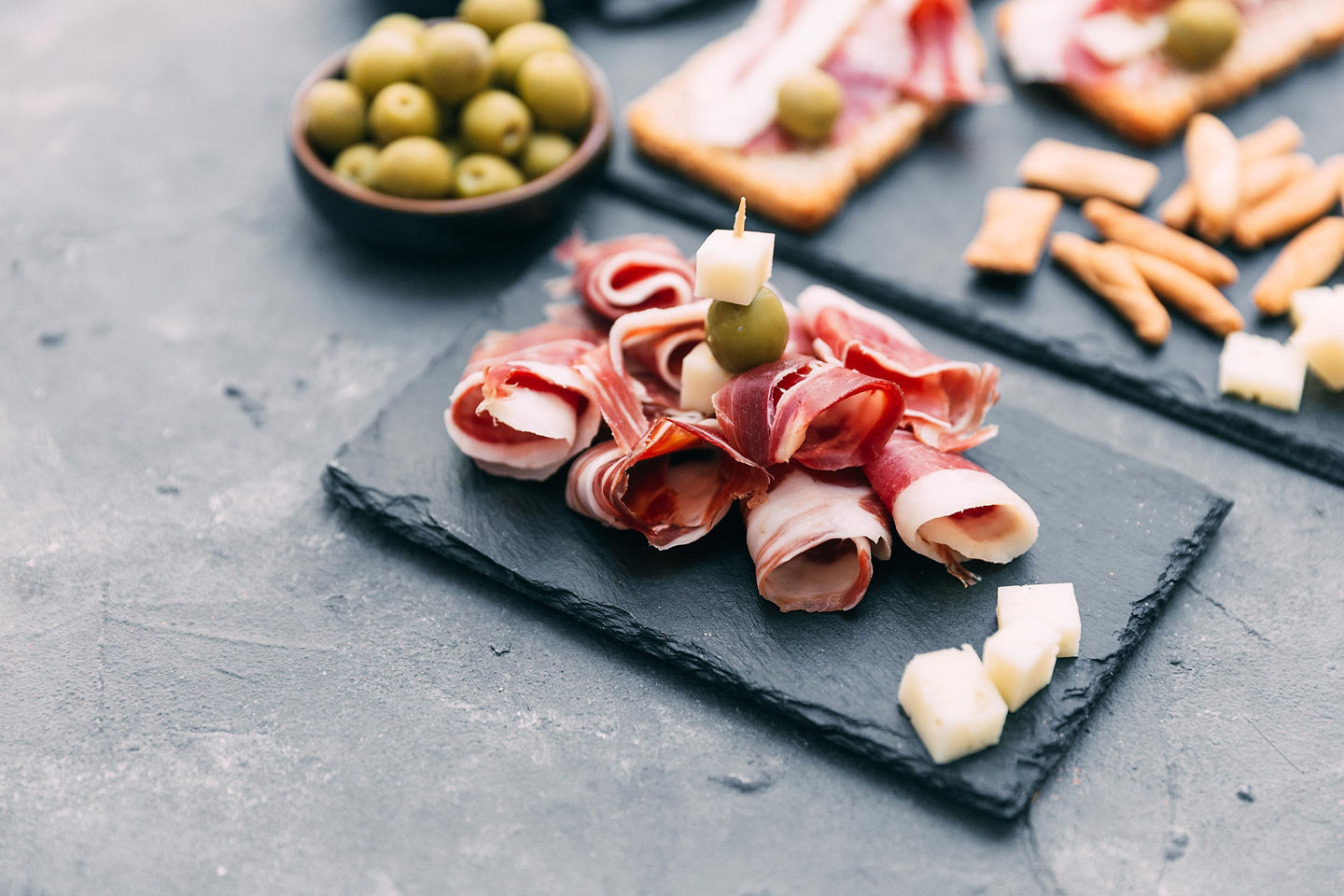
Tapas is the broader Spanish term for small portions of food, while pintxos are closely associated with the Basque Country and its bar culture.
A classic pintxo is the Gilda, a skewer combining an olive, anchovy and pickled pepper. Other pintxos are more elaborate, including warm seafood dishes and carefully arranged small bites. The term covers much more than food served on a toothpick.
In Bilbao and San Sebastián, trying pintxos introduces you to a distinctive regional dining tradition. The fun is choosing from the different combinations, then discovering which flavor surprises you most.
Try Tapas on a Shore Excursion in Spain
There are several excursions offered on a Royal Caribbean cruise to Spain that pair tapas with sightseeing, wine or a cultural performance. Each brings a different setting to the experience.
- Málaga: Tapas Tasting in Malaga. Explore city landmarks before tasting tapas at three restaurants, with wine or beer accompanying the experience.
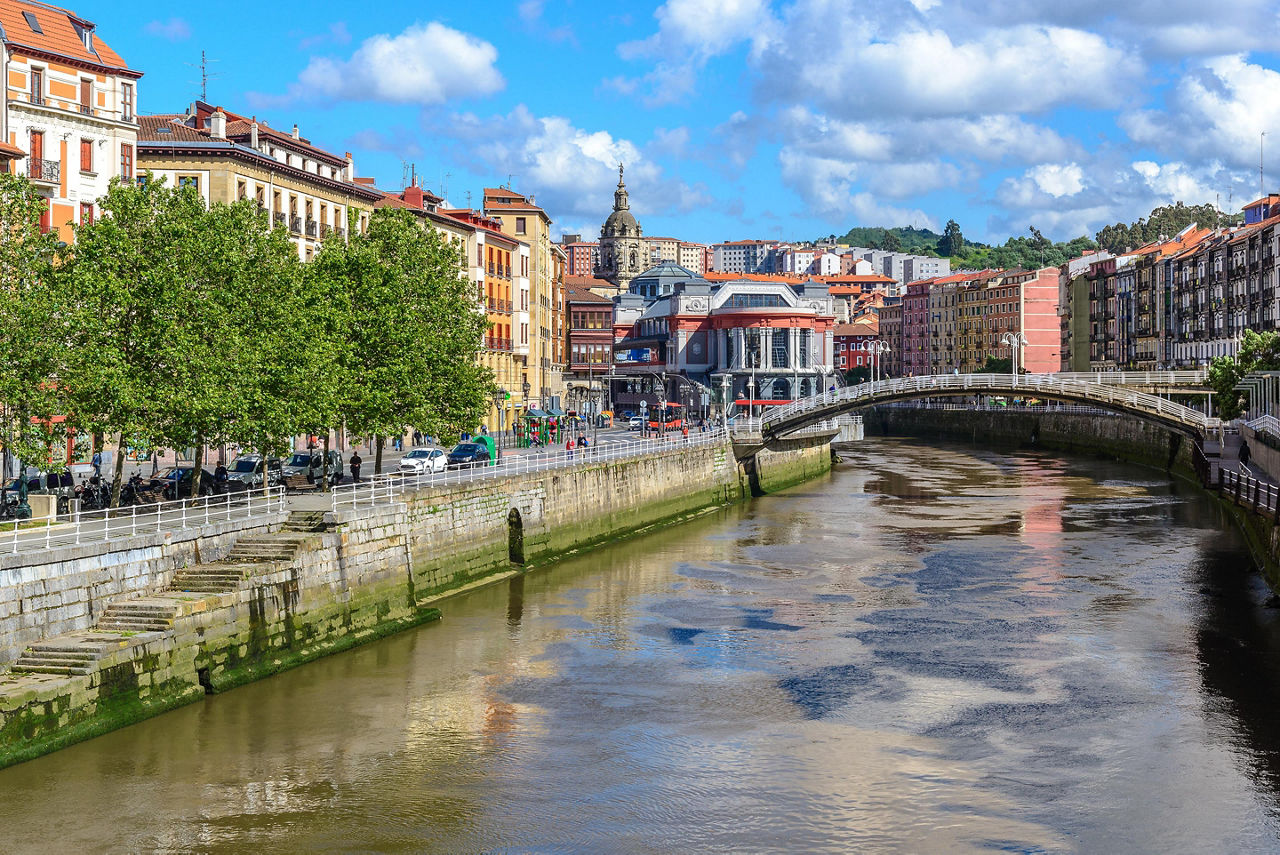
- Bilbao: Bilbao & Tapas. Take in views from Mount Artxanda, explore the Old Town and Seven Streets district and stop for traditional small bites.
- La Coruña: La Coruna Highlights & Galician Wine Tasting. Combine coastal sightseeing with a sommelier-led wine tasting and a small accompaniment of Galician tapas.
- Valencia: Flamenco Rhythm & Tapas. Enjoy a flamenco performance and savory tapas during an outing featuring El Cabañal.
- Valencia: Mediterranean Wine & Olive Oil Tasting. Discover the flavors of Requena through local wines, olive oil and traditional tapas.
- Tenerife: Santa Cruz Walk & Tapas. Explore Santa Cruz’s squares, historic buildings and older streets before finishing with tapas at a local restaurant.
- Gran Canaria: Salinas de Tenefé, Agüimes Village & Tapas. Visit historic salt flats and explore a village before enjoying a tapas lunch.
For a food-focused outing, Málaga’s three-restaurant tasting offers variety. The other experiences weave tapas into a broader day of local discoveries.
Discover Spain One Small Plate at a Time
Tapas make room for curiosity. You can try a local cheese, discover a new seafood dish or compare croquettes while talking over the day’s sightseeing. There’s no need to choose just one flavor for the whole meal.
Explore cruises to Spain and the Canary Islands and add a taste of local dining traditions to your time ashore.
Frequently Asked Questions About Spanish Tapas
-
Are tapas free in Spain?
Some Spanish bars include a small tapa with a drink, while others charge separately for the dishes you order. Complimentary tapas are especially associated with places such as Granada, but the custom varies by city and establishment.
-
What is the difference between a tapa and a ración?
A tapa is a small serving, while a ración is a larger portion, often ordered for sharing. Some menus also offer a media ración, or half portion. The same dish may be available in more than one size.
-
Are tapas spicy?
Tapas are not necessarily spicy. Many familiar options, including a Spanish omelette, cheese and cured ham, have little or no heat. Dishes such as patatas bravas can be spicy, depending on the sauce.
-
Can vegetarians enjoy tapas?
Vegetarian tapas options include a potato omelette, tomato bread, cheese and some vegetable dishes.
Planning a Trip to Spain?
Want to learn more about Spain? Check out these guides to plan your next trip:
- What To Eat in Barcelona - Discover Catalan favorites and dishes to try while exploring the city.
- What To Eat in Bilbao - Get to know Basque cooking through pintxos, seafood and regional specialties.
- What To Eat in Valencia - Explore local flavors, including paella, horchata and traditional dishes.
- What To Eat in Seville - Find Andalusian favorites to enjoy alongside the city’s historic sights.