Amber is fossilized tree resin prized for its warm colors, natural beauty and the ancient plants and insects sometimes preserved inside it. Unlike mineral gemstones, amber began as a sticky substance produced by trees millions of years ago.
In the Dominican Republic, that story comes to life in museum displays and jewelry shops. A golden pendant might catch your eye first, but look closer and you could spot a tiny leaf or insect within it. Some Dominican amber even reveals a blue glow in certain lighting.
Learning a little about amber adds another layer to exploring Puerto Plata. Beyond the beaches and colorful streets, there’s a piece of the island’s ancient natural history waiting to be discovered.
How Is Amber Formed?
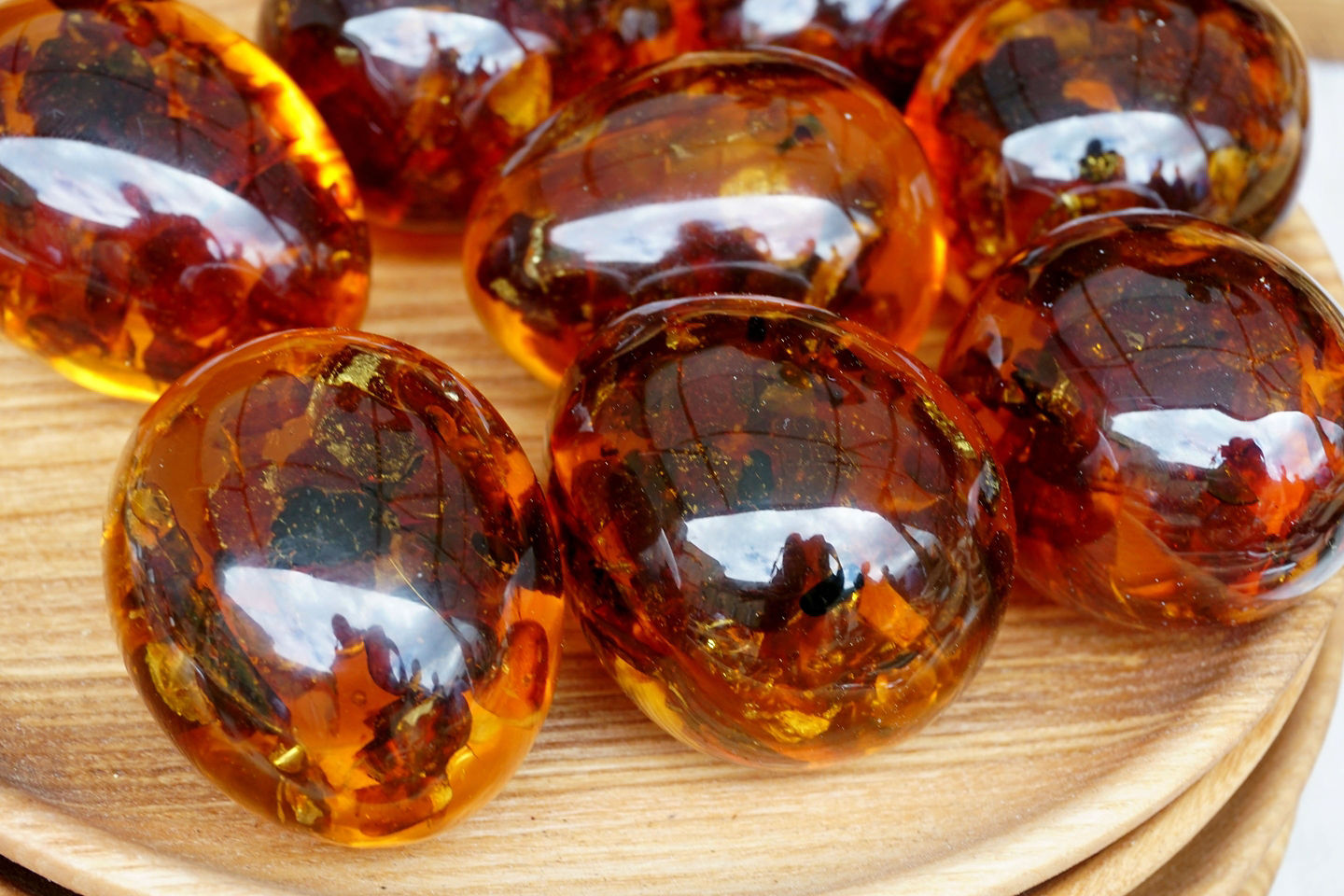
Amber forms when tree resin hardens, becomes buried and undergoes chemical changes over millions of years. Resin that survives this long process becomes the material we recognize as amber.
The transformation begins in a forest. Sticky resin flows along a tree’s bark, sometimes catching small insects or bits of nearby plants. As it hardens and is eventually buried beneath layers of sediment, those tiny details can remain sealed inside.
It’s a remarkable journey for something small enough to wear around your neck. Long before a piece of amber reached a jeweler’s counter, it belonged to a living forest.
What Makes Dominican Amber Special?
Dominican amber is known for its clarity, preserved fossils and rare examples that display blue fluorescence. Much of the country’s well-known amber dates to roughly 15 to 20 million years ago.
Its source was resin produced by an extinct tree called Hymenaea protera. Today, that resin offers clues about the tropical forests that once grew in the region.
Three features make Dominican amber especially interesting to explore:
- Clear interiors: Transparent pieces make it easier to see details within the amber.
- Preserved life: Some specimens contain insects or plant material from ancient forests.
- Unusual color effects: Certain pieces show a blue or greenish-blue glow under suitable light.
You don’t need to know much about gemstones to appreciate these differences. Comparing a clear golden piece with one containing a tiny fossil is a good place to start.
Why Does Amber Contain Insects & Plants?
Amber contains insects and plants because they became caught in sticky resin before it hardened. These preserved materials are called inclusions, and they can reveal details that are rarely visible in other kinds of fossils.
Small insects, fragments of leaves and other forest life could become covered by fresh layers of resin. Over time, the resin preserves their shapes, sometimes with delicate features still recognizable.
For scientists, these specimens help explain what ancient environments were like. For travelers, they make a museum visit feel like a close-up look at a vanished world. A tiny insect can suddenly become the most interesting thing in the room.
What Is Blue Amber?
Blue amber is amber that appears blue or greenish-blue because of fluorescence — a reaction to light. The Dominican Republic is a well-known source, although blue amber also occurs elsewhere.
The effect comes from compounds within the amber that absorb ultraviolet light and release visible light. A piece can look yellowish when light passes through it, yet show a blue glow when viewed under different lighting — especially against a dark background.
That changing appearance is part of its appeal. Rather than looking like a solid blue stone, blue amber offers a color effect that becomes clearer as the lighting and background change.
How Is Amber Used in Jewelry?
Amber is shaped and polished into beads, pendants, earrings and other jewelry. Some pieces have smooth, rounded surfaces, while others follow the natural outline of the original resin.
Its light weight makes it well suited to larger designs. A bold pendant or a string of substantial beads can feel lighter than you might expect.
When comparing pieces, notice:
- Color: Pale yellow, honey gold and deeper orange-brown shades each create a different look.
- Clarity: Some amber is transparent, while other pieces have a cloudy appearance.
- Shape: Rounded beads feel quite different from an irregular pendant.
- Inclusions: Visible plant or insect remains can become the focus of a piece.
There’s plenty to appreciate in amber without a fossil inside it, too. A simple polished piece lets the color take center stage.
Where Can You See Amber in Puerto Plata?
Puerto Plata’s Amber Museum, or Museo del Ámbar, introduces visitors to Dominican amber through specimens containing preserved plants and animals. Located in a historic residence in the city center, it offers a closer look at the material beyond the jewelry counter.
The collection includes amber with insects, flowers and other fossil remains. Seeing these details helps connect the polished gems sold today with the forests where their story began.
If you enjoy natural history, this is a rewarding addition to a day exploring Puerto Plata. Even a small specimen gives you plenty to look at once you know what’s inside.
Discover Dominican Amber on a Puerto Plata Shore Excursion

Royal Caribbean’s Discover Puerto Plata excursion includes the Amber Museum as part of a broader introduction to the city.
The outing also visits the Macorix House of Rum, takes in a panoramic view of San Felipe Fortress and explores colorful Parque Central. That combination brings together natural history, local flavors and some of Puerto Plata’s best-known sights.
It’s a good fit if you’d like to learn about amber while getting to know the city around it.
Explore Puerto Plata’s Amber Heritage
Amber offers a different way to get to know the Dominican Republic. A museum visit reveals the island’s ancient forests, while a browse through local jewelry shops shows how that natural material becomes something you can wear today.
Frequently Asked Questions About Amber
-
Is amber a crystal?
Amber is not a crystal. It is fossilized tree resin classified as an organic gem because it comes from material produced by a living organism. It does not have the crystal structure found in gemstones such as quartz.
-
Is all amber from the Dominican Republic?
Amber comes from several regions, including the Baltic region, Mexico and Myanmar, as well as the Dominican Republic. Its age, original tree source and characteristics vary by deposit.
-
How can you tell if amber is authentic?
An independent gemological laboratory can confirm whether a piece is natural amber and whether an inclusion was added later. When shopping, ask the seller about its origin, treatments and any available documentation — especially for a valuable piece.
-
Is amber expensive?
Amber prices vary widely according to color, clarity, size and inclusions. A small, simple piece can be affordable, while a rare specimen with a well-preserved insect or an unusual color effect can be much more valuable.
Planning a Trip to Puerto Plata?
Want to learn more about Puerto Plata? Check out these guides to plan your next trip:
- Puerto Plata, Dominican Republic Shore Excursions - Explore city sights, countryside experiences and beach outings.
- What Is Puerto Plata Known For? - Discover the landmarks, landscapes and traditions that define the city.
- What To Buy When Shopping in Puerto Plata - Browse ideas for local souvenirs, including amber jewelry and Dominican crafts.