Ensenada is known for La Bufadora, Valle de Guadalupe wine country, Baja-style fish tacos, sportfishing and its scenic Pacific coastline. The Mexican port city is also famous for fresh seafood, whale watching, outdoor adventures and the historic Riviera del Pacífico.
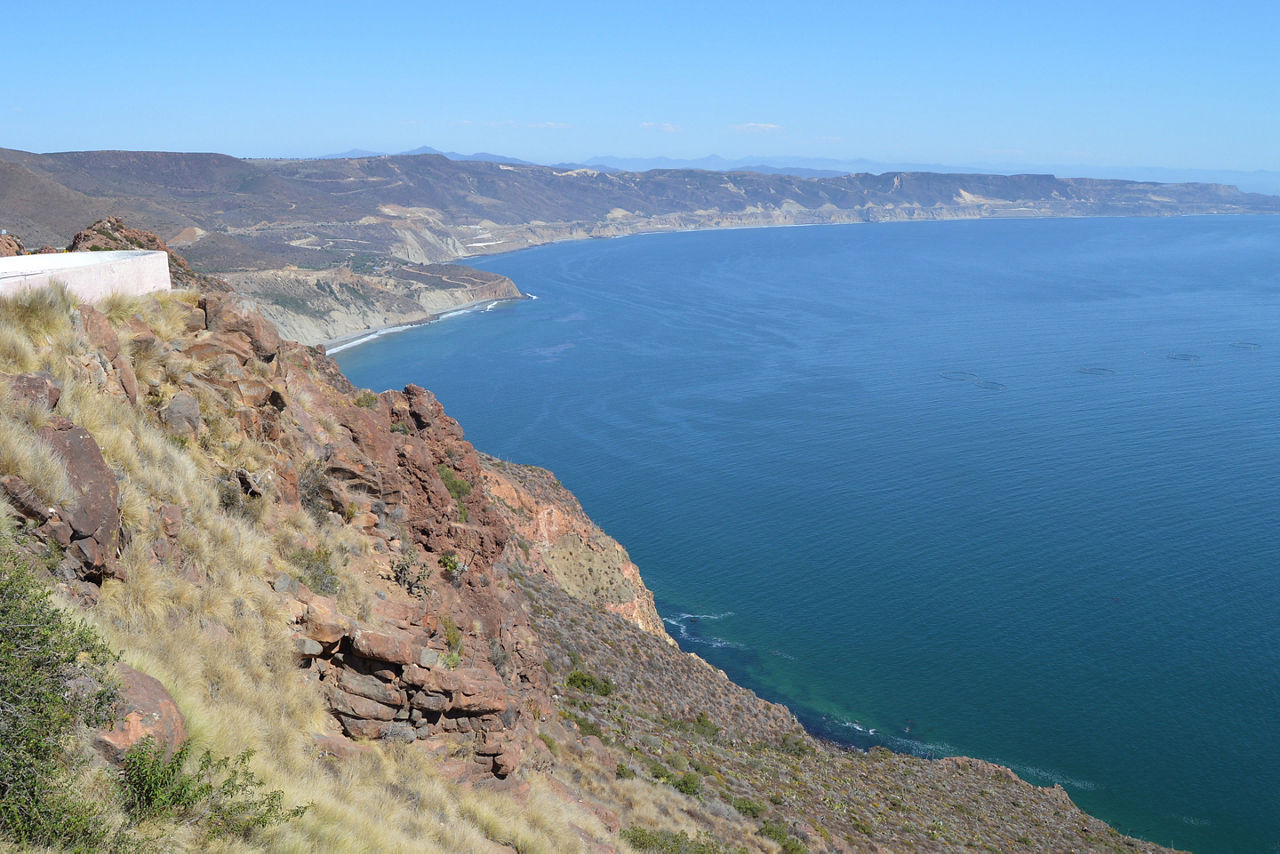
Located on the Baja California Peninsula, Ensenada combines an active waterfront with vineyards, rugged coastal landscapes and a creative food and beverage scene. Here are 10 defining attractions and traditions that have made Ensenada one of Mexico’s best-known Pacific ports.
1. La Bufadora
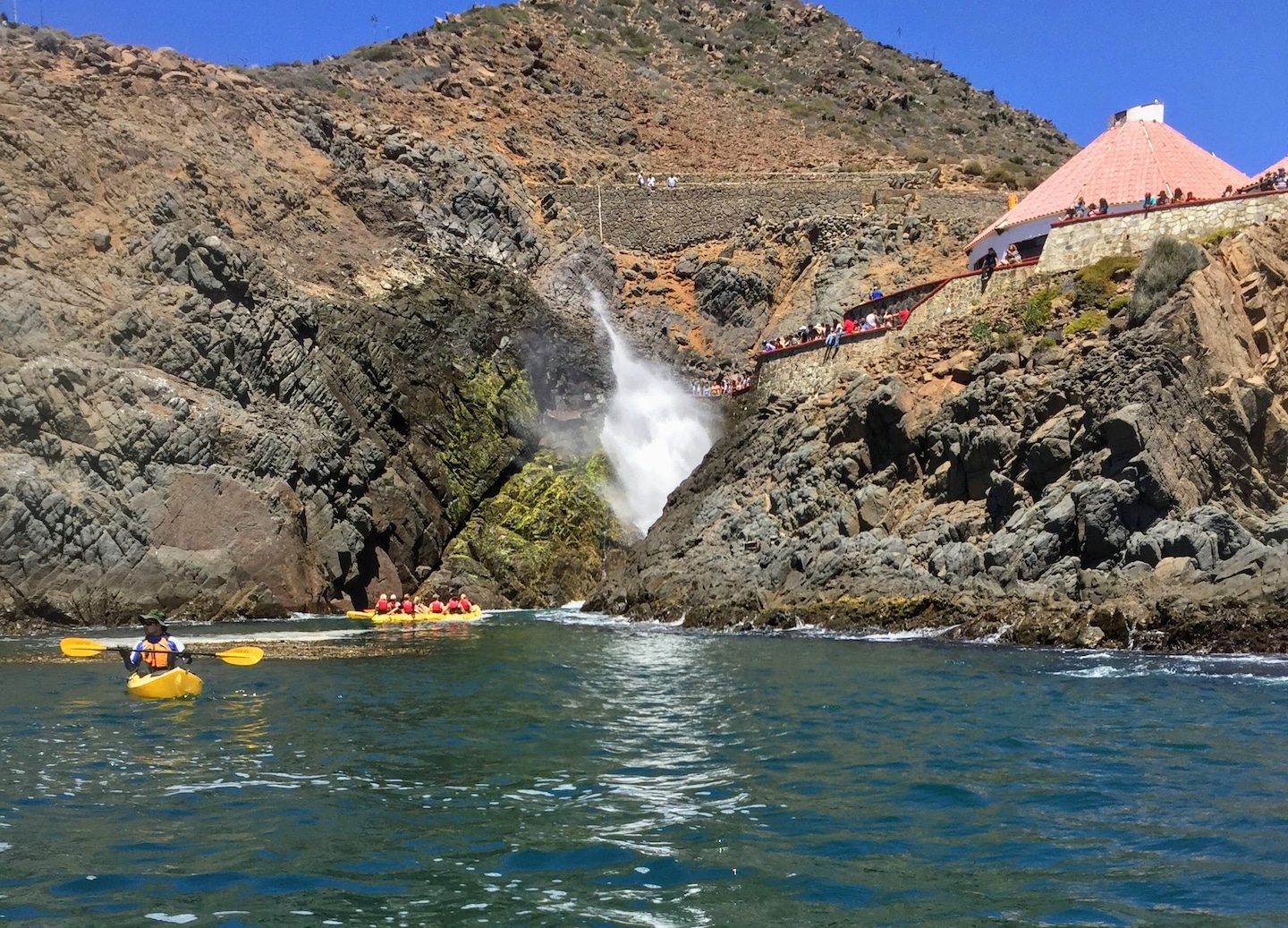
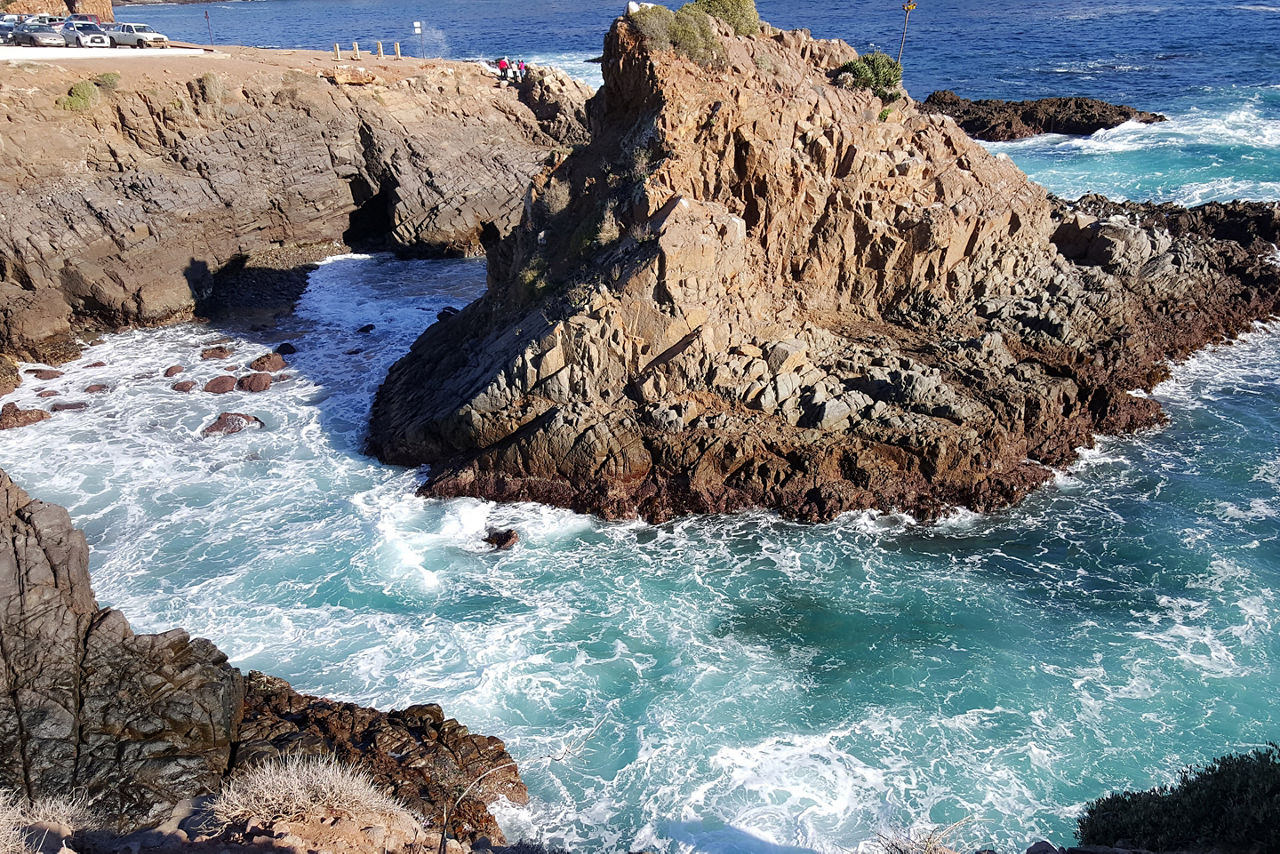
La Bufadora is the natural attraction most closely associated with Ensenada. Located on the Punta Banda Peninsula south of the city, this marine blowhole forces air and seawater through an opening in the coastal rocks.
As waves enter the sea cave below, pressure can send a burst of water and mist into the air. The height and strength of each spray vary with the tide, waves and weather conditions, making every visit slightly different.
A viewing area overlooks the blowhole and surrounding coastline. The walkway leading to it is lined with vendors selling snacks, drinks and souvenirs, allowing visitors to combine the natural landmark with a taste of local market culture.
2. Valle de Guadalupe Wine Country

Ensenada is a gateway to Valle de Guadalupe, Mexico’s most prominent wine-producing region. The valley’s dry climate, sunny days and cooling coastal influences support vineyards growing a wide range of grape varieties.
The region includes established wineries, small family producers and contemporary tasting rooms. Visitors may sample red, white, rosé and sparkling wines while learning how Baja California’s landscape shapes each vintage.
Valle de Guadalupe is also recognized for its architecture, farm-to-table restaurants and views across vineyards and low hills. Its proximity to Ensenada makes wine tasting one of the city’s signature experiences.
3. Baja-Style Fish Tacos

Ensenada is widely associated with the Baja-style fish taco. The classic version features battered and fried fish served in a corn tortilla with shredded cabbage, salsa, lime and a creamy sauce.
Fish tacos reflect Ensenada’s relationship with the Pacific and its tradition of serving fresh seafood in approachable, flavorful ways. Stands and casual restaurants throughout the city offer their own combinations of batter, toppings and sauces.
Ensenada’s broader seafood culture includes ceviche, seafood tostadas, grilled fish, shrimp and shellfish. Together, these dishes have helped establish the city as an important culinary destination in Baja California.
4. The Port and Maritime Culture
Ensenada is one of Mexico’s important Pacific ports and a regular destination for cruise ships. Fishing vessels, cargo ships, sailboats and tour boats all contribute to the activity around Bahía de Todos Santos.
The city’s maritime economy has shaped its neighborhoods, cuisine and identity. Fishing and seafood production remain closely connected to everyday life, while the harbor serves as a starting point for boating, fishing and seasonal wildlife excursions.
Visitors can experience this side of Ensenada along the waterfront and malecón, where public spaces, sculptures and views of the harbor bring the city and sea together.
5. Riviera del Pacífico
The Riviera del Pacífico is one of Ensenada’s most recognizable historic buildings. Opened in 1930 as a hotel and casino, it attracted visitors to Baja California during the Prohibition era in the United States.
The complex is now a cultural and civic center with Spanish Colonial Revival and Moorish-inspired architectural details. Visitors can explore its courtyards, decorative tilework, gardens and former entertainment spaces.
The building is also connected to one of several stories about the origin of the margarita. Although the cocktail’s exact birthplace remains debated, that legend has become part of Ensenada’s cultural lore.
6. Sportfishing
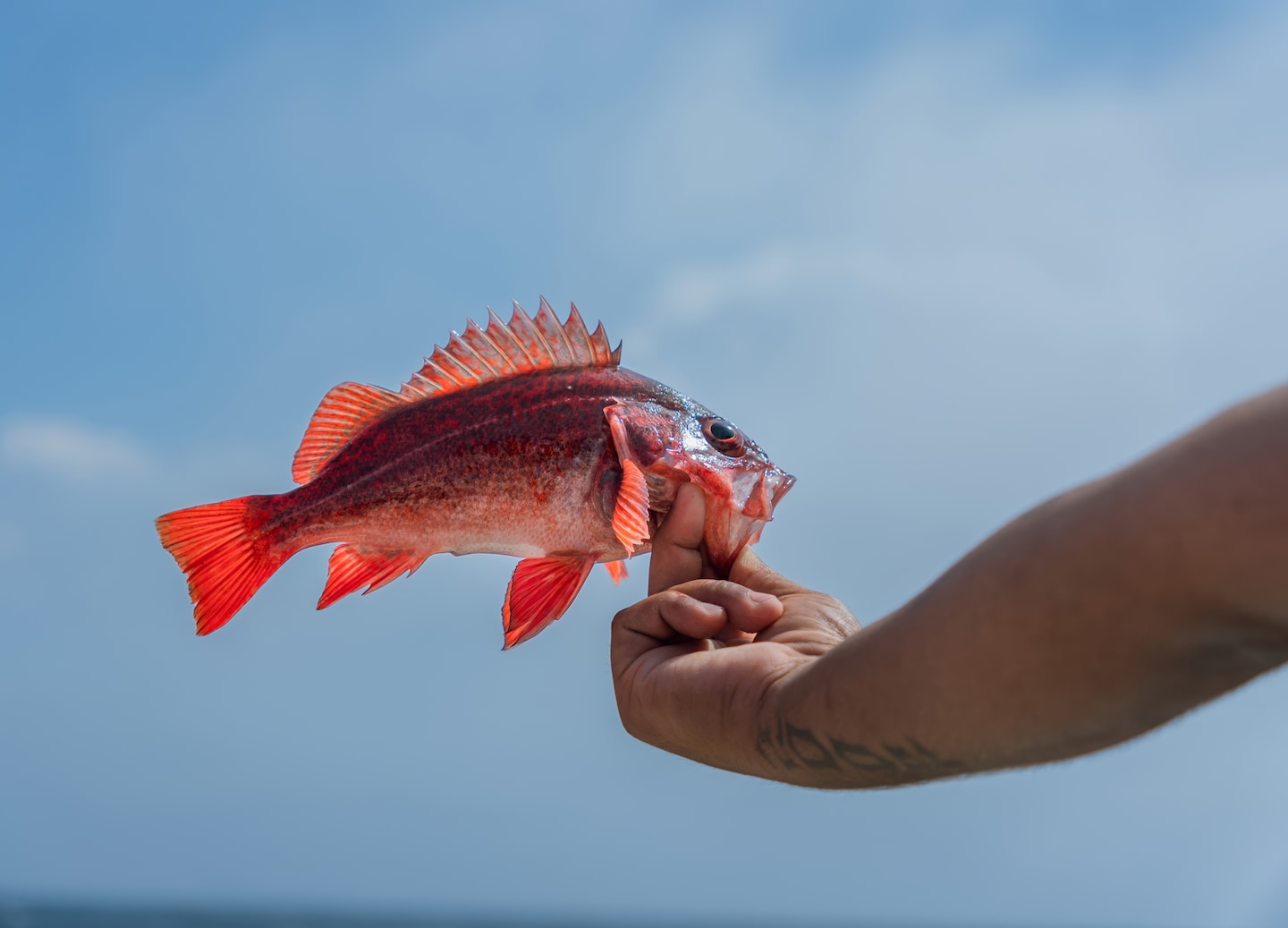
Ensenada has a long history as a sportfishing destination. Anglers venture into the waters around Bahía de Todos Santos and farther offshore in search of species that vary with season and water temperature.
Possible catches include yellowtail, tuna, dorado, rockfish and other Pacific species. Fishing charters range from shorter coastal outings to longer offshore trips for more experienced anglers.
The city’s marinas and working waterfront make fishing an enduring part of Ensenada’s identity, connecting recreation with the region’s maritime traditions.
7. Pacific Beaches and Surfing

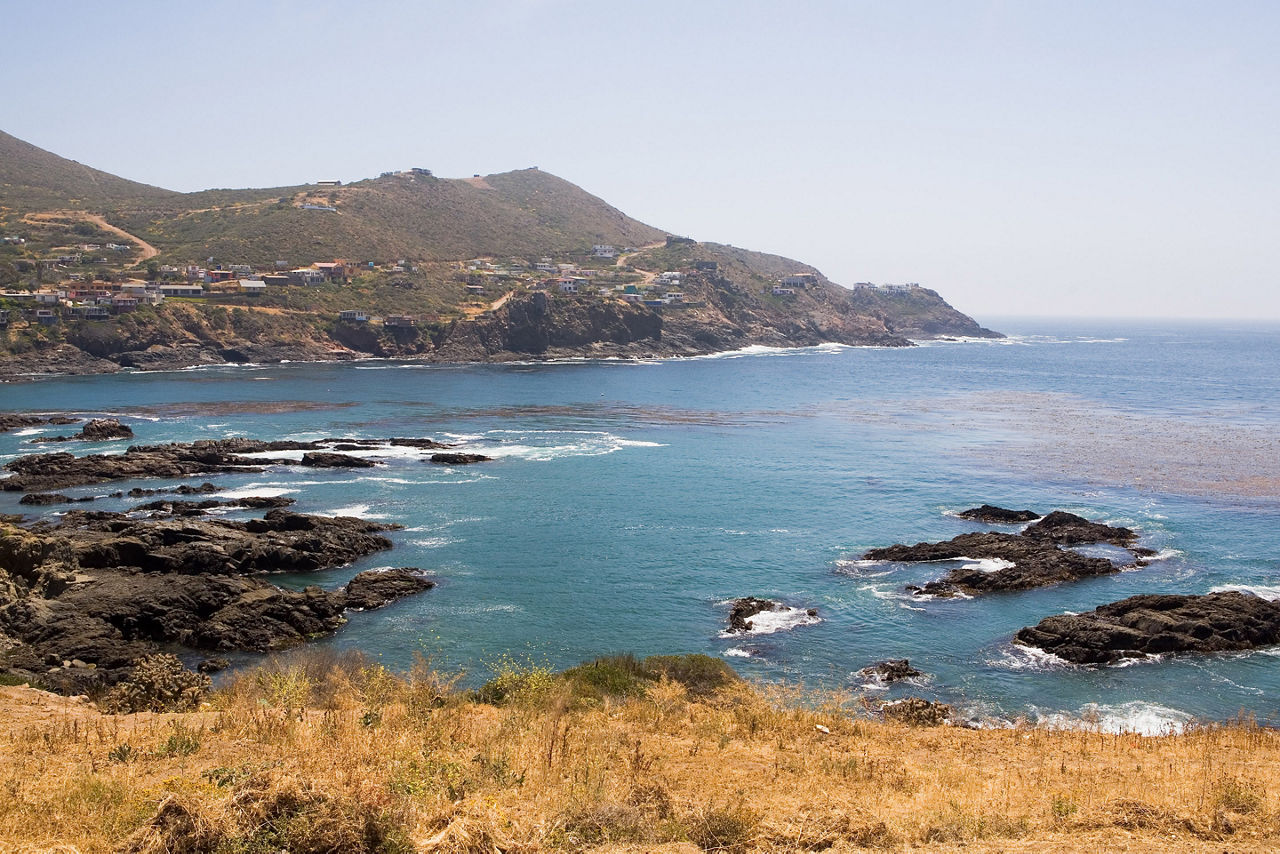
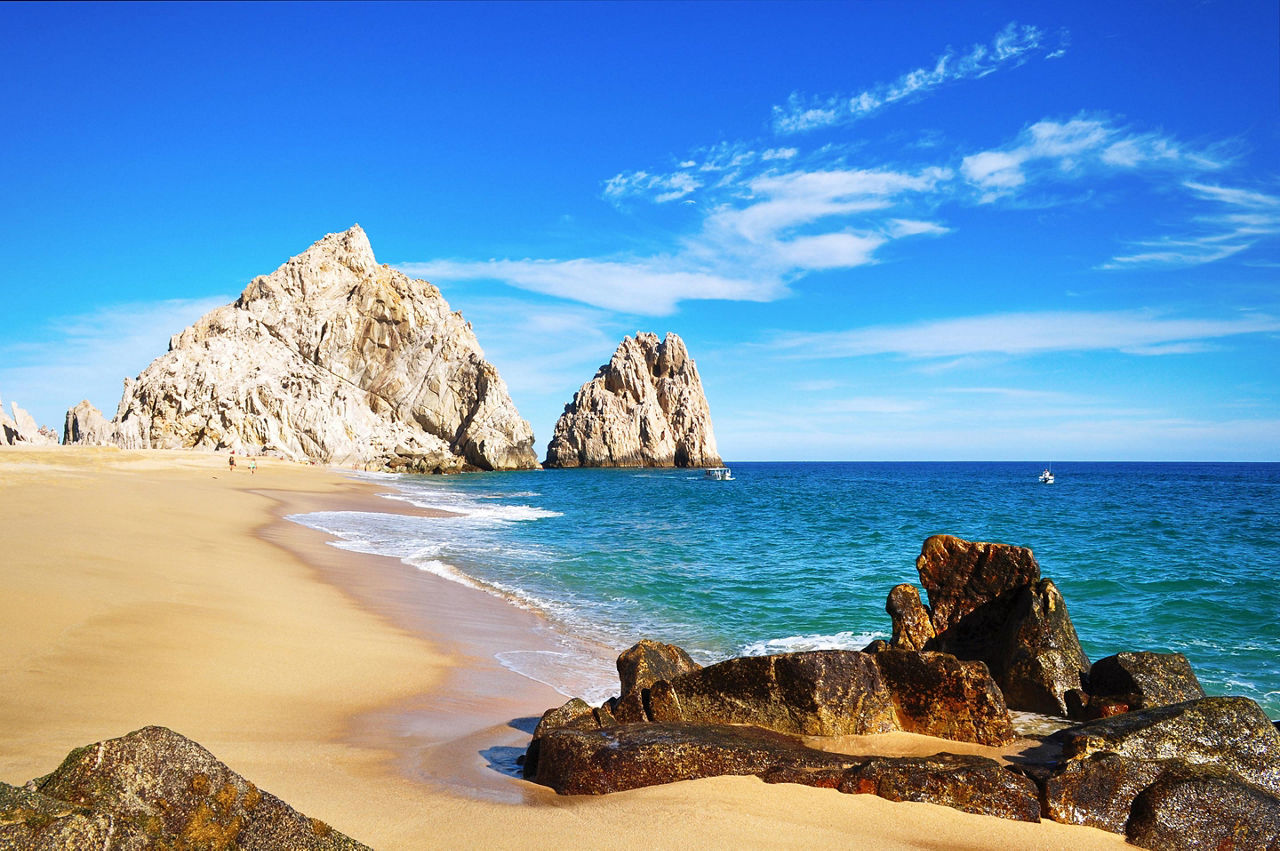
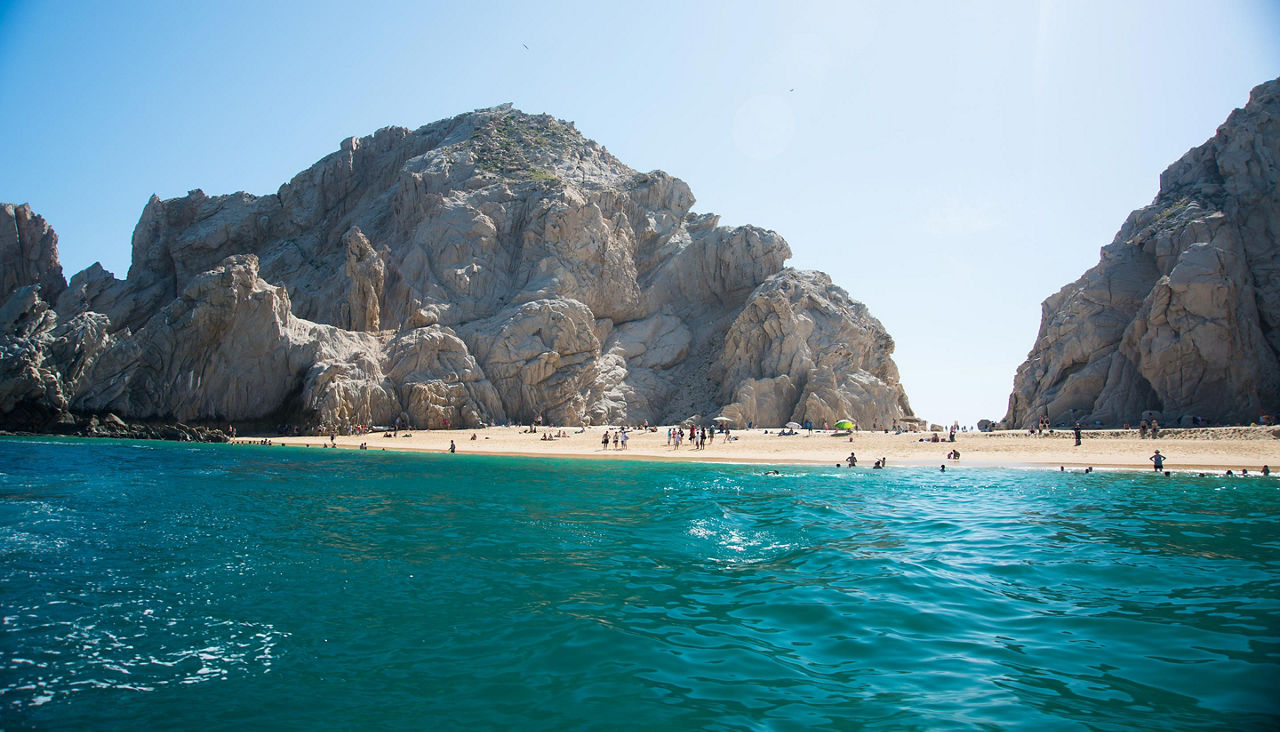
Ensenada’s coastline includes beaches used for swimming, surfing, kayaking, horseback riding and shoreline relaxation. Playa Hermosa is one of the closest developed beaches to the city, while other coastal areas offer different scenery and water conditions.
The Pacific here is cooler and can be rougher than the water found at many Mexican Caribbean destinations. Conditions for swimming and surfing depend on waves, currents and the time of year.
For active travelers, surf lessons and coastal excursions provide ways to experience the ocean with local guidance. Beach conditions and available amenities should be checked before visiting.
8. Todos Santos Islands
The Todos Santos Islands sit offshore in Bahía de Todos Santos and are known for their rugged scenery and surrounding marine environment. The islands should not be confused with the town of Todos Santos in Baja California Sur.
Boat excursions may travel toward the islands for snorkeling, diving, wildlife observation or scenic cruising. The area is also recognized within the surfing community for powerful offshore waves that attract highly experienced big-wave surfers under the right conditions.
Activities around the islands depend heavily on weather and sea conditions. Guided excursions match locations and activities to the day’s conditions and participant experience.
9. Gray Whale Migration
The Pacific waters off Baja California form part of the migration route used by gray whales. During the winter migration season, whale-watching excursions may depart from Ensenada in search of whales traveling along the coast.
Sightings can also include dolphins, sea lions and seabirds, depending on the season and location. Because these are wild animals moving through a large marine environment, encounters and viewing distances vary.
This seasonal migration adds another dimension to Ensenada’s connection with the Pacific and its diverse marine life.
10. Baja California’s Creative Spirit

Ensenada is known for combining traditional Mexican culture with Baja California’s contemporary energy. That mix appears in its wineries, craft breweries, restaurants, galleries, music and public celebrations.
Downtown streets and the waterfront bring together local residents, cruise visitors and travelers exploring the peninsula. Markets and shops offer Mexican crafts alongside products connected to the region’s wine and food culture.
This blend of working-port authenticity, creativity and coastal life gives Ensenada a personality that feels distinct from Mexico’s larger resort destinations.
Frequently Asked Questions About Ensenada
Why is Ensenada famous?
Ensenada is famous for combining one of Baja California’s best-known natural attractions with Mexico’s leading wine region and an influential seafood culture. Its history as a working port and longtime destination for visitors from Southern California has also shaped its reputation.
What makes Ensenada unique?
Ensenada brings together a major port, Pacific coastal scenery and nearby wine country. Visitors can move from the waterfront to vineyards, rugged landscapes and distinctly Baja cultural experiences without traveling to separate resort destinations.
What does Ensenada mean?
“Ensenada” is a Spanish word referring to a bay, inlet or cove. The name reflects the city’s location on Bahía de Todos Santos and its long-standing connection to the sea.
Is Ensenada part of Baja California?
Yes. Ensenada is located in the Mexican state of Baja California on the northwestern part of the Baja California Peninsula. It is south of Tijuana and the United States–Mexico border and should not be confused with destinations in Baja California Sur.
Why is Ensenada called the Cinderella of the Pacific?
Ensenada has traditionally been nicknamed La Cenicienta del Pacífico , or the Cinderella of the Pacific. The name reflects the city’s transformation from a smaller coastal settlement into an important port and cultural destination.
Keep Exploring Ensenada
Want to learn more about this Baja California port? Check out these guides to plan your next trip:
- Ensenada, Mexico Shore Excursions - Explore La Bufadora, wine country, coastal adventures and cultural experiences during your day in Ensenada.
- When Is the Best Time To Visit Ensenada? - Compare seasonal weather, whale watching, wine events and outdoor conditions before planning your visit.
- The Best Foods To Eat in Ensenada - Taste Baja-style fish tacos, ceviche, seafood tostadas and other flavors connected to Ensenada’s coast.
- What To Buy When Shopping in Ensenada - Find locally inspired souvenirs, including Baja California wine, Mexican crafts and handcrafted goods.
- Wine Tasting Tours in Ensenada - Discover wineries, vineyards and tasting experiences in Valle de Guadalupe and the surrounding region.
- The Best Beaches in Ensenada - Compare nearby beaches for coastal scenery, surfing, swimming and relaxation.