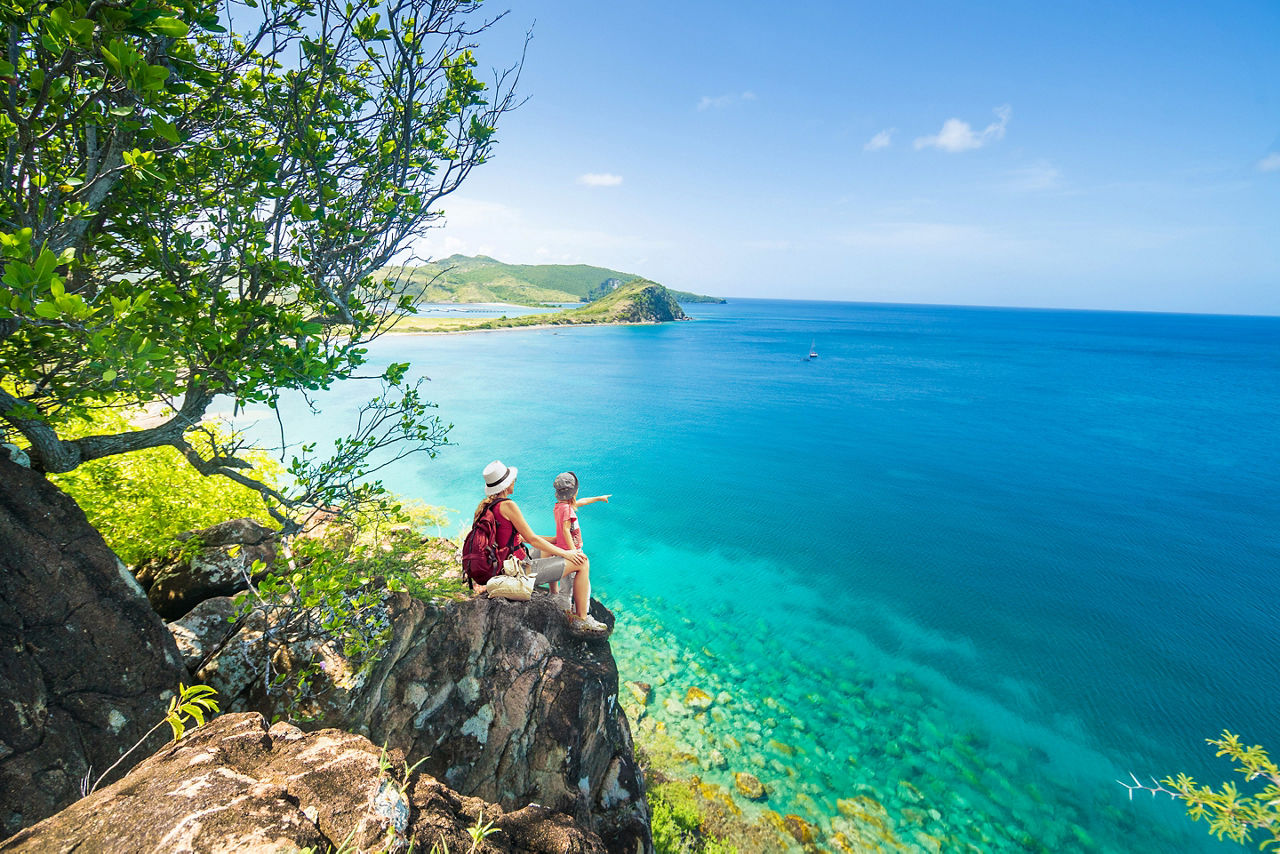
Roatán is known for world-class diving and snorkeling along the Mesoamerican Reef, clear Caribbean water and beautiful beaches such as West Bay. The Honduran island is also recognized for its tropical landscapes, wildlife experiences, Garifuna heritage, colorful coastal communities and adventurous activities ranging from zip lining to mangrove exploration.
The largest of Honduras’ Bay Islands, Roatán stretches along the Caribbean Sea just off the country’s northern coast. Its celebrated reef brings coral formations and marine life close to shore, while the island’s communities, cuisine and forested hills reveal plenty to experience above the water. Here are 10 defining features Roatán is famous for.
1. The Mesoamerican Reef
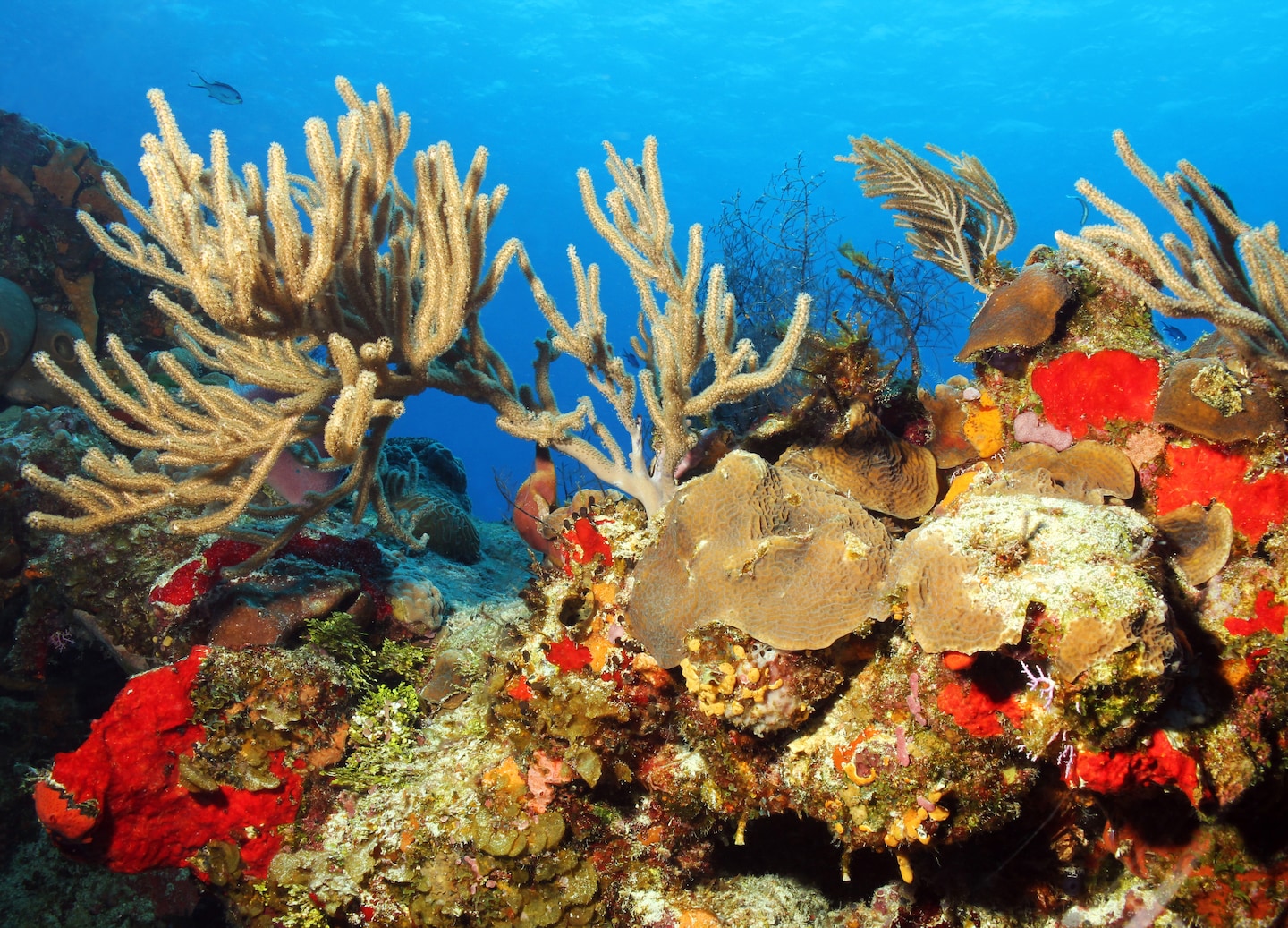
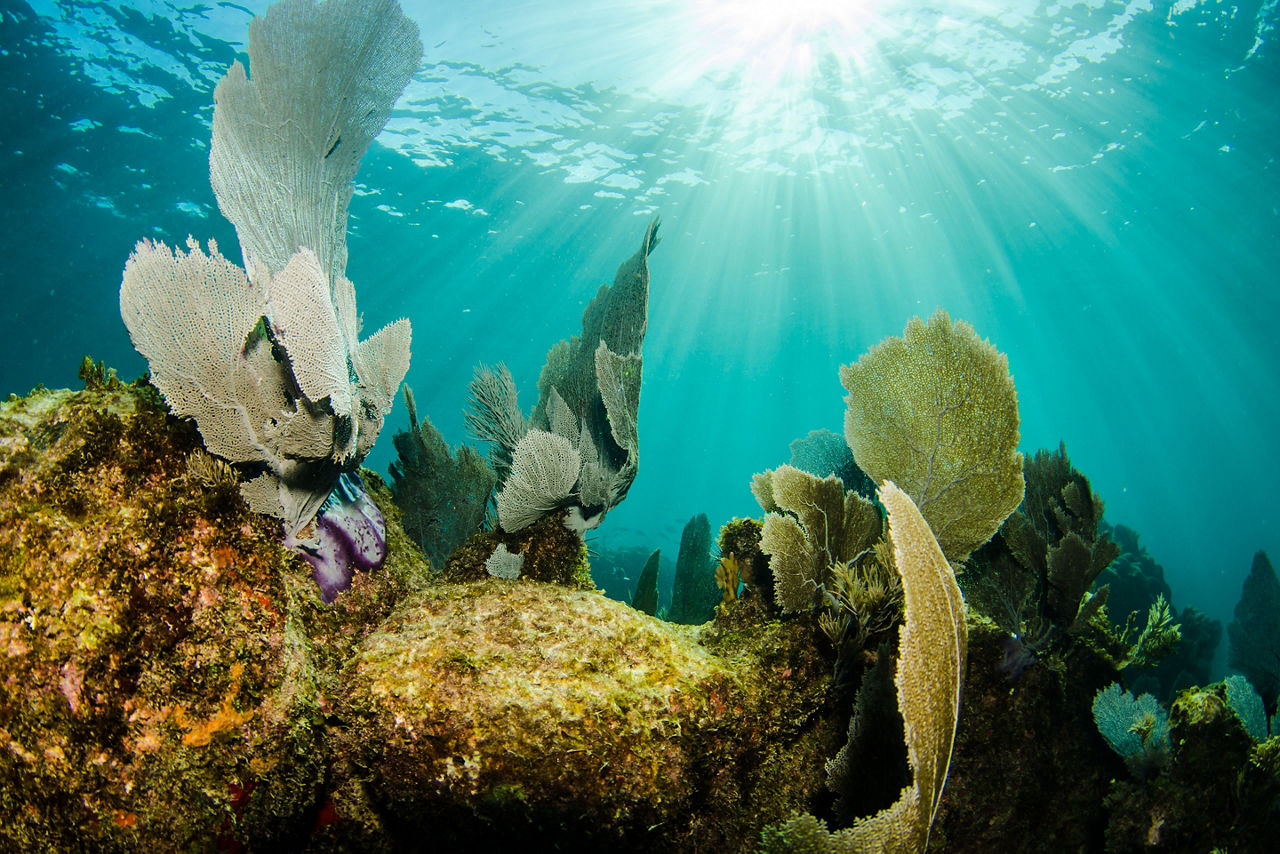
Roatán is best known for its location along the Mesoamerican Reef, the largest barrier reef system in the Western Hemisphere. Stretching through the waters of Mexico, Belize, Guatemala and Honduras, the reef supports a remarkable variety of coral and marine life.
The reef runs close to much of Roatán’s coastline, making underwater scenery accessible from beaches and boat departure points around the island. Its walls, channels, coral gardens and shallow snorkeling areas provide experiences for different comfort and skill levels.
Because visibility and marine-life sightings depend on weather and sea conditions, every trip to the reef feels different. The shared highlight is the opportunity to see the ecosystem that has shaped Roatán’s international reputation.
2. World-Class Diving & Snorkeling

Roatán is famous among divers for its variety of underwater terrain. Reef walls, swim-through formations, coral gardens and wreck sites create opportunities for both newer divers and those with extensive experience.
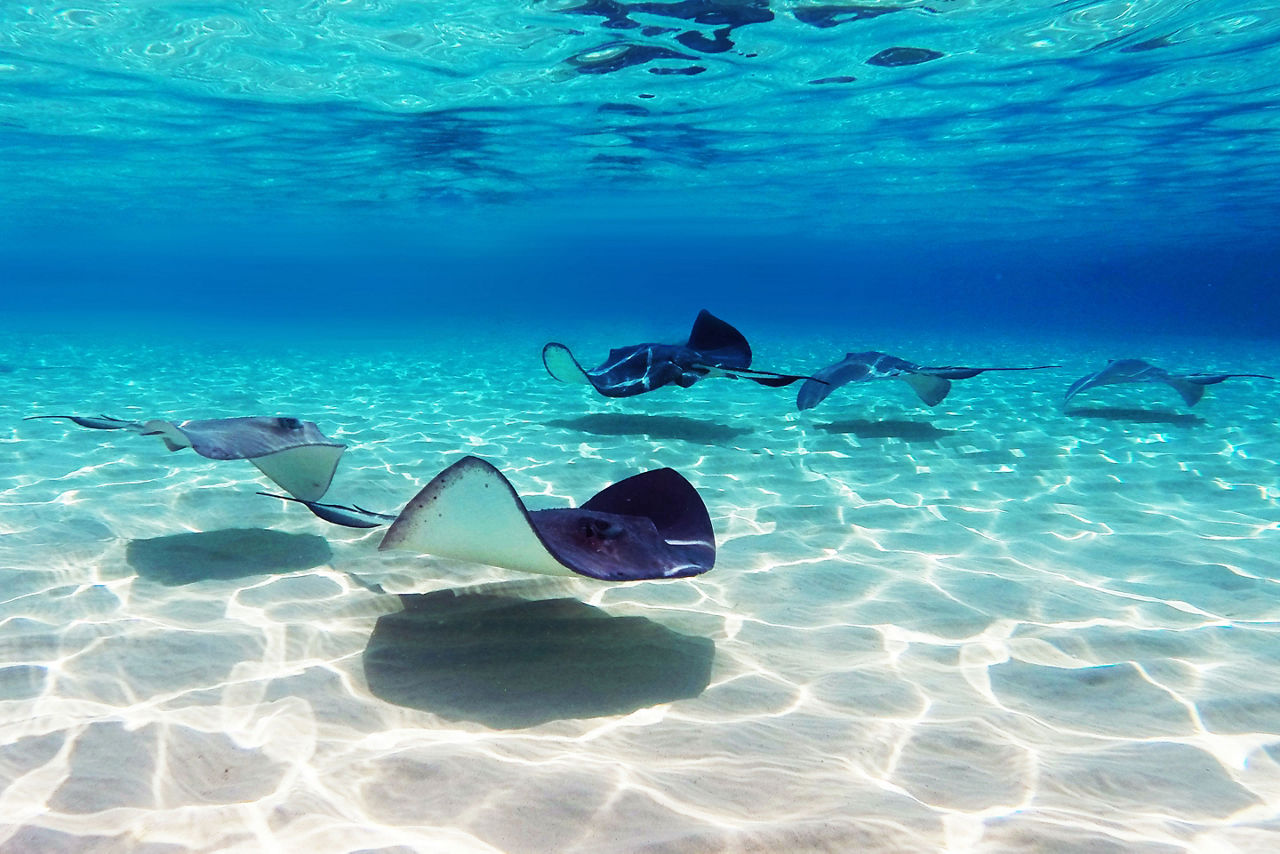
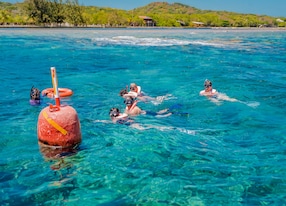
Popular areas include West Bay, West End and sites along the island’s northern and southern coasts. Divers and snorkelers may encounter colorful reef fish, rays, sea turtles and other Caribbean marine life, although sightings naturally vary.
Guided Roatán snorkeling and diving experiences make it possible to explore this environment while learning about reef conditions, local species and responsible ways to enjoy the water.
3. West Bay Beach

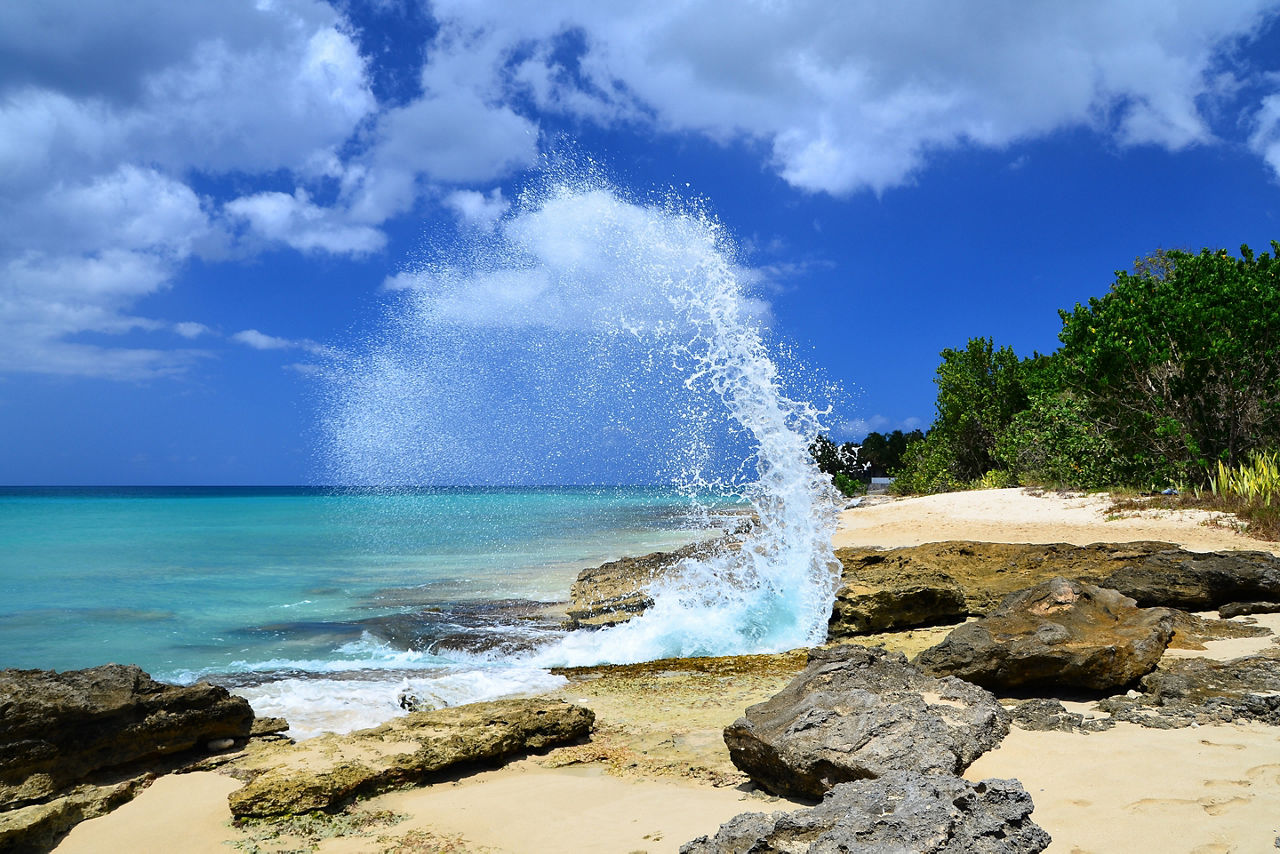
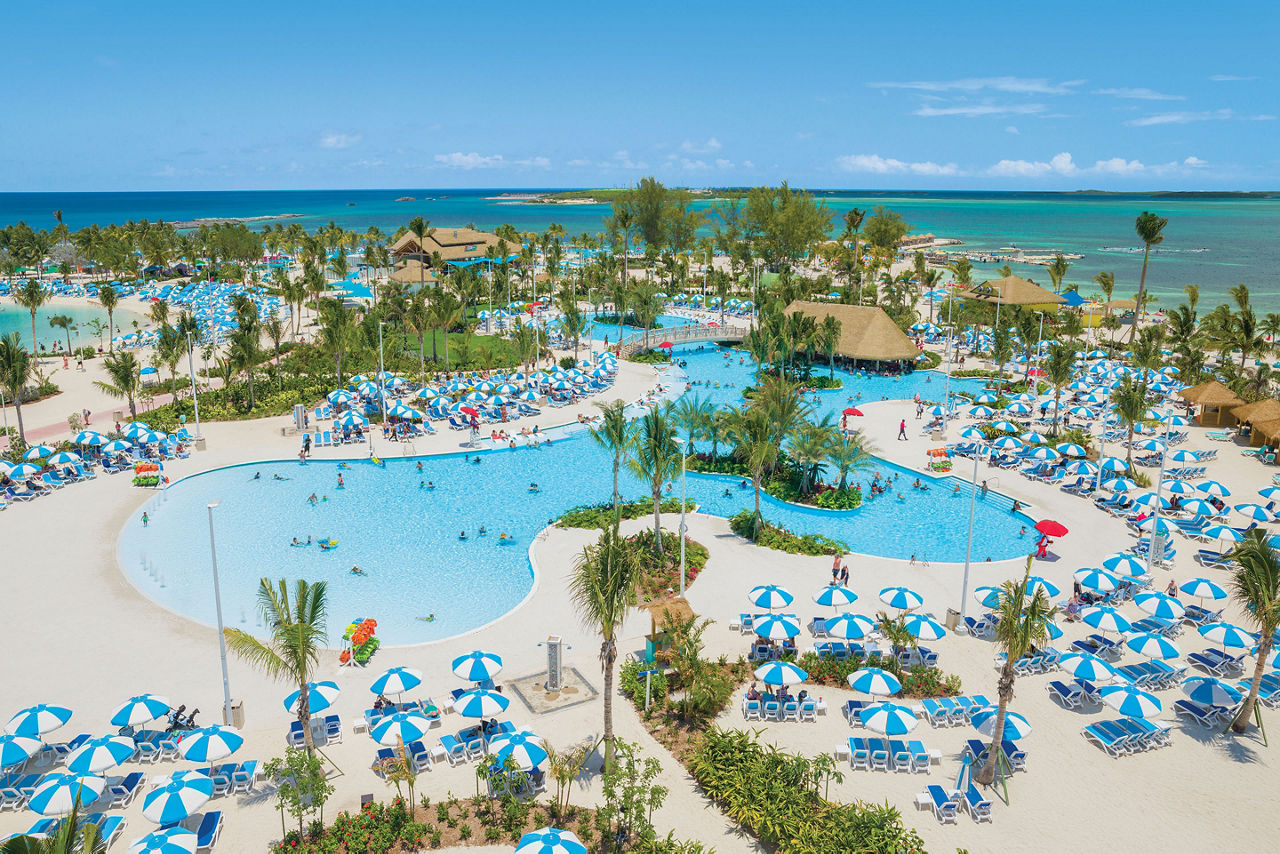
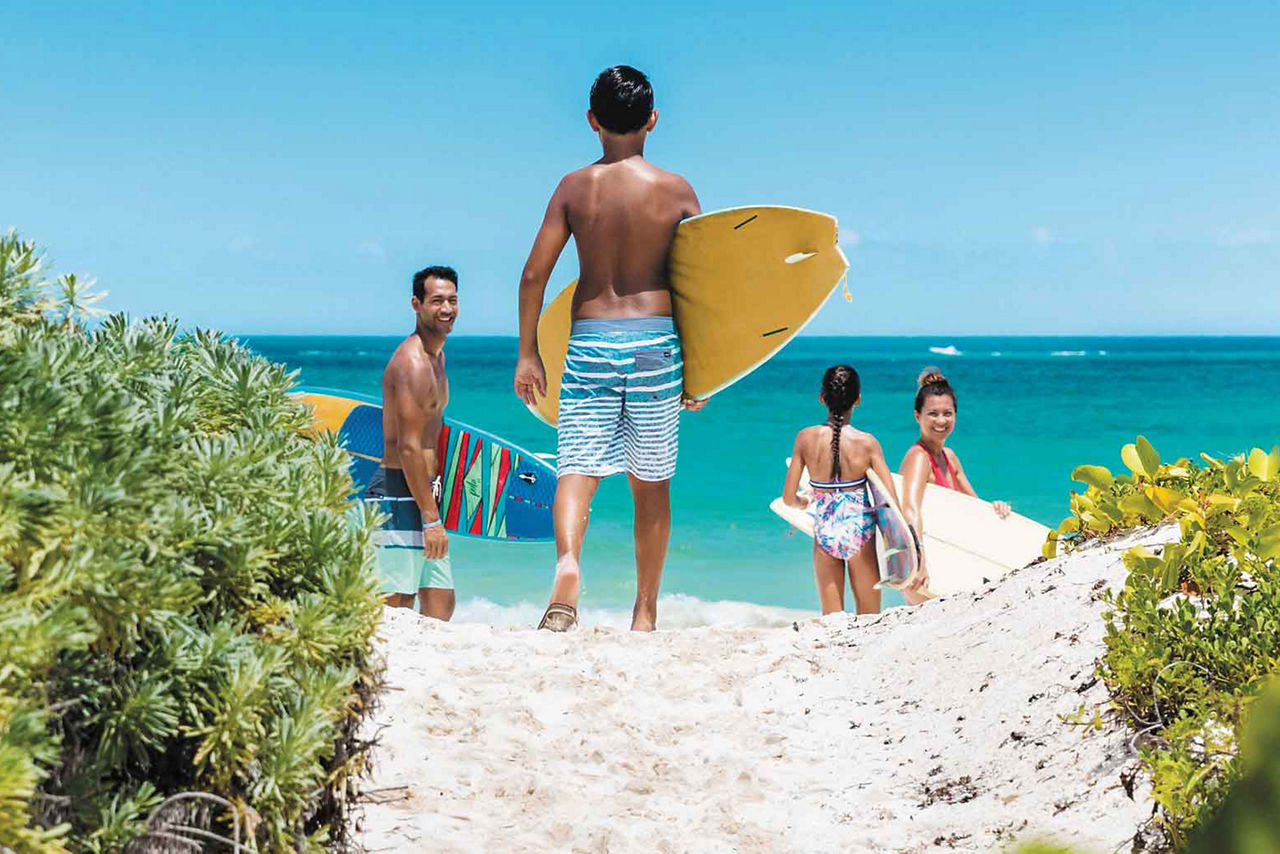
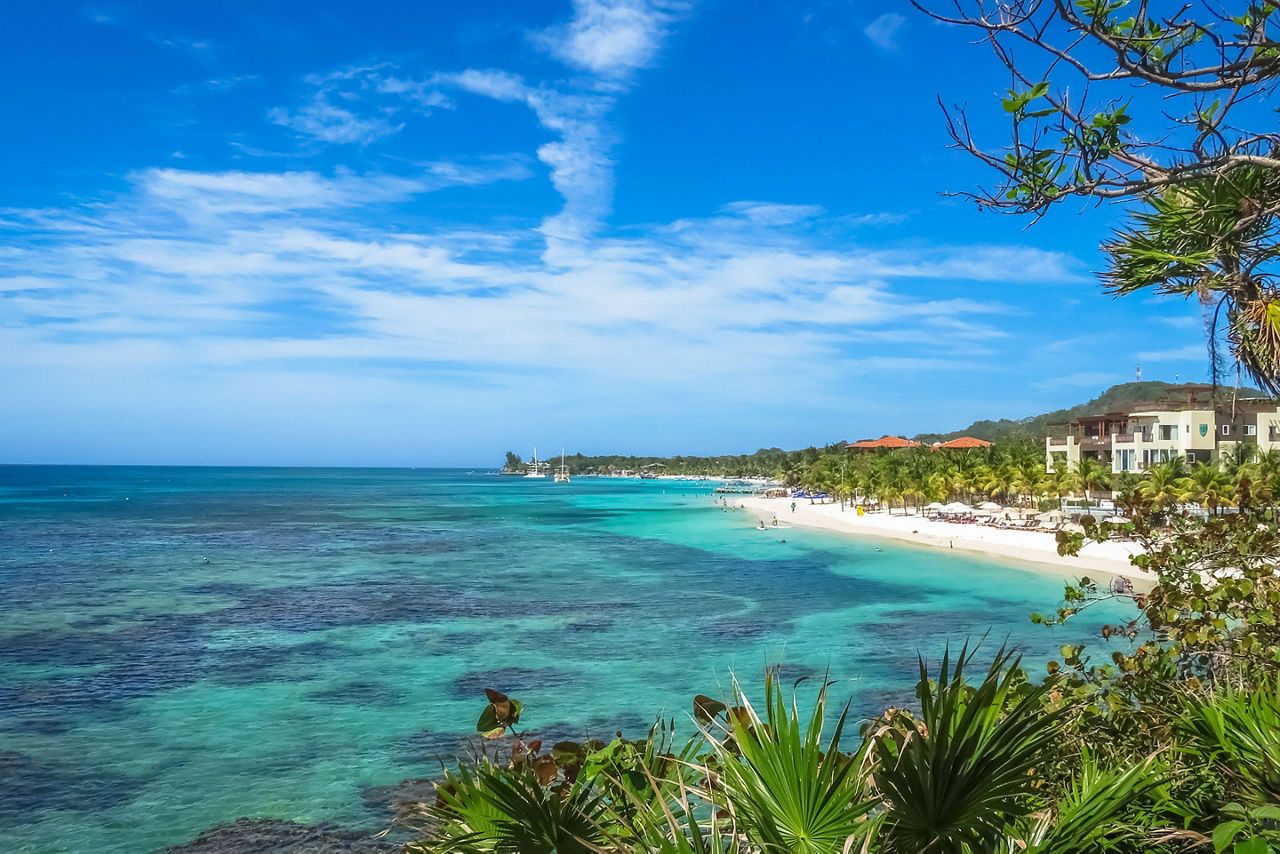
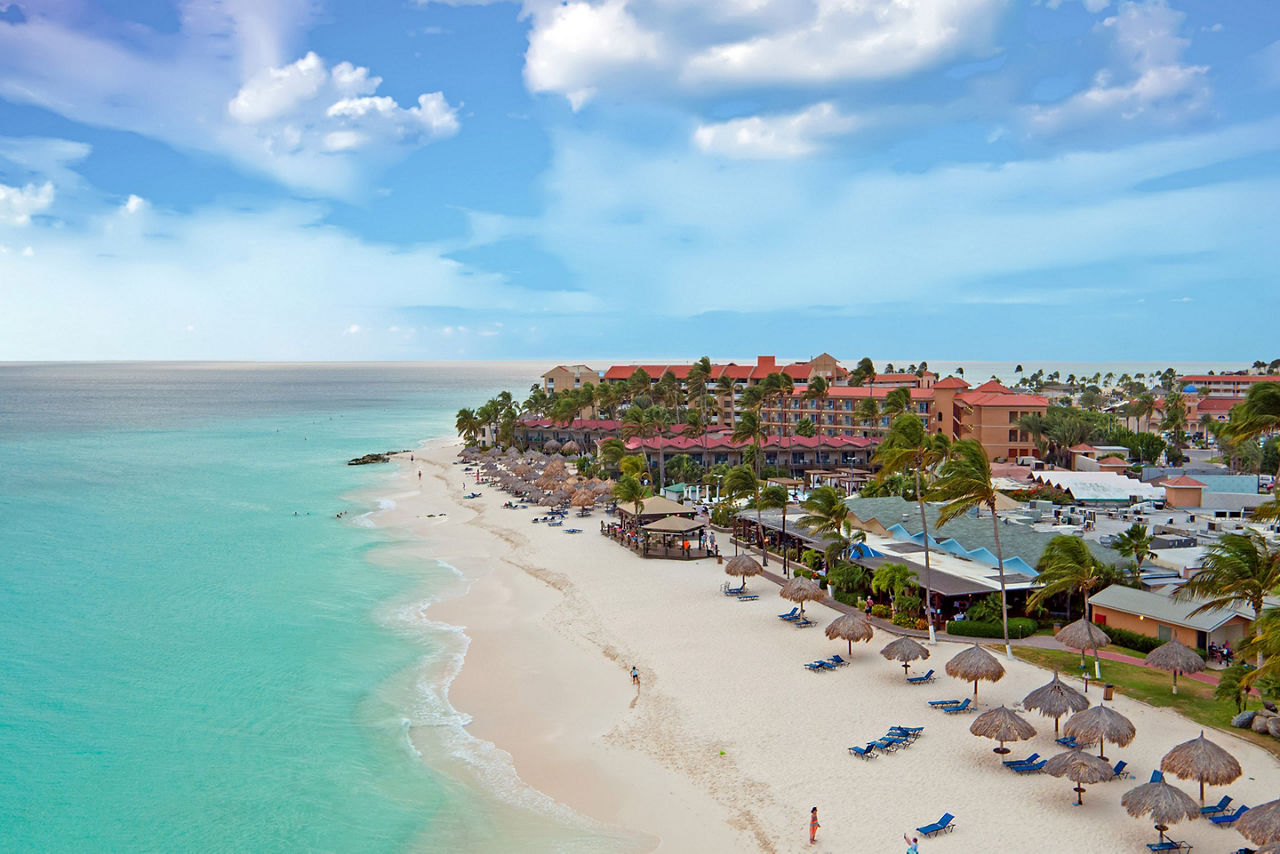
West Bay Beach is one of Roatán’s most celebrated coastal destinations. Its stretch of pale sand and clear water creates an inviting setting for swimming, snorkeling and relaxing beside the Caribbean.
The beach is lined with resorts, restaurants and beach clubs offering different levels of service and amenities. Some areas are livelier, while others provide a quieter place to settle into the sand and enjoy the view.
Reef formations are found offshore from portions of West Bay, making it a popular choice for visitors who want to combine beach time with snorkeling.
4. West End & Roatán’s Coastal Communities
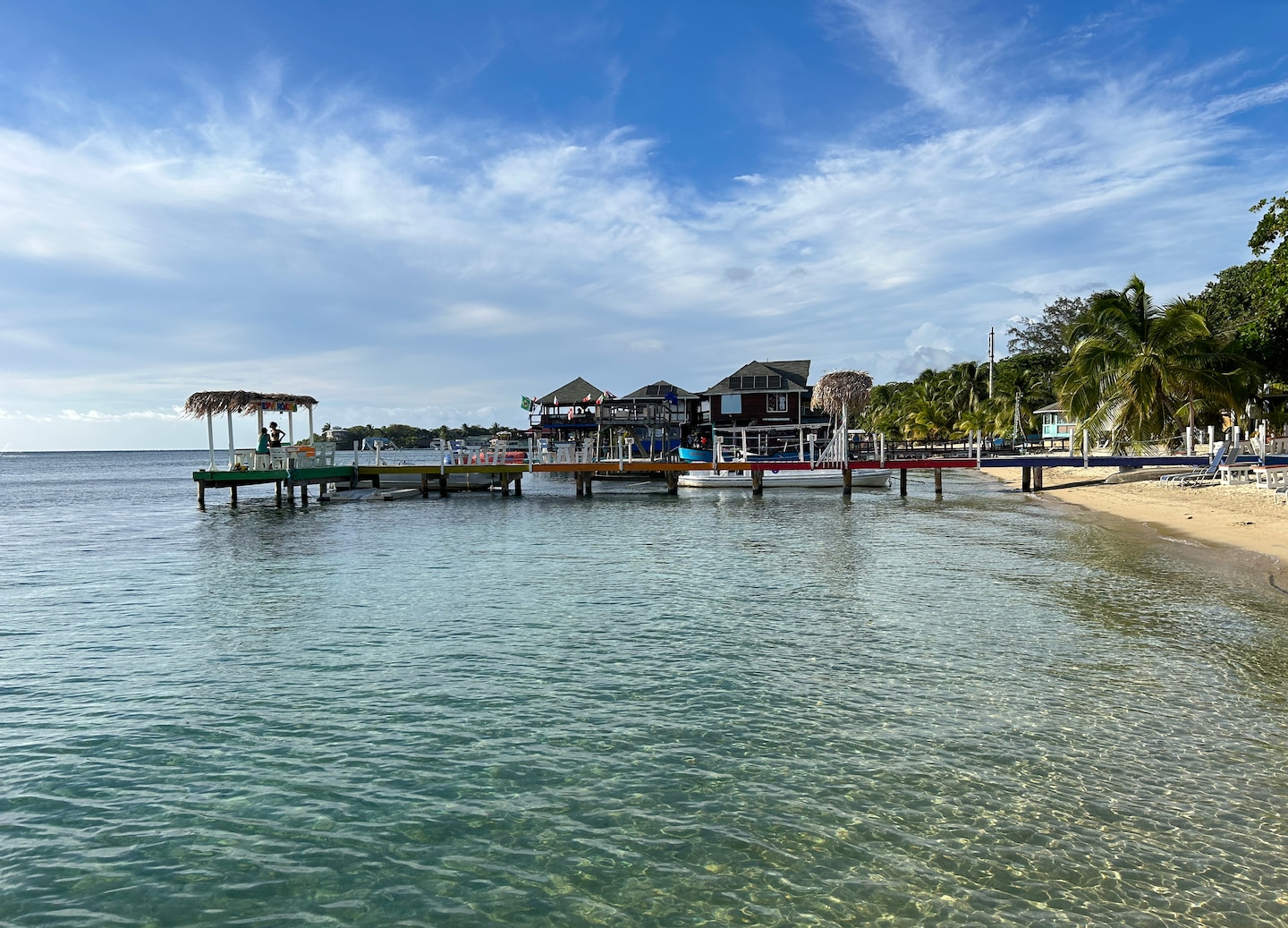
West End offers a different perspective on Roatán’s western shoreline. The waterfront community is known for dive shops, restaurants, small businesses and a relaxed village atmosphere.
Its compact main road follows the coast, creating opportunities to browse local shops, stop for a meal or watch boats move across the bay. Nearby Half Moon Bay adds an inviting crescent of water to the neighborhood’s coastal scenery.
Communities across Roatán have their own character. Coxen Hole serves as the island’s largest town and commercial center, while French Harbour is associated with fishing and maritime activity.
5. Garifuna Heritage in Punta Gorda
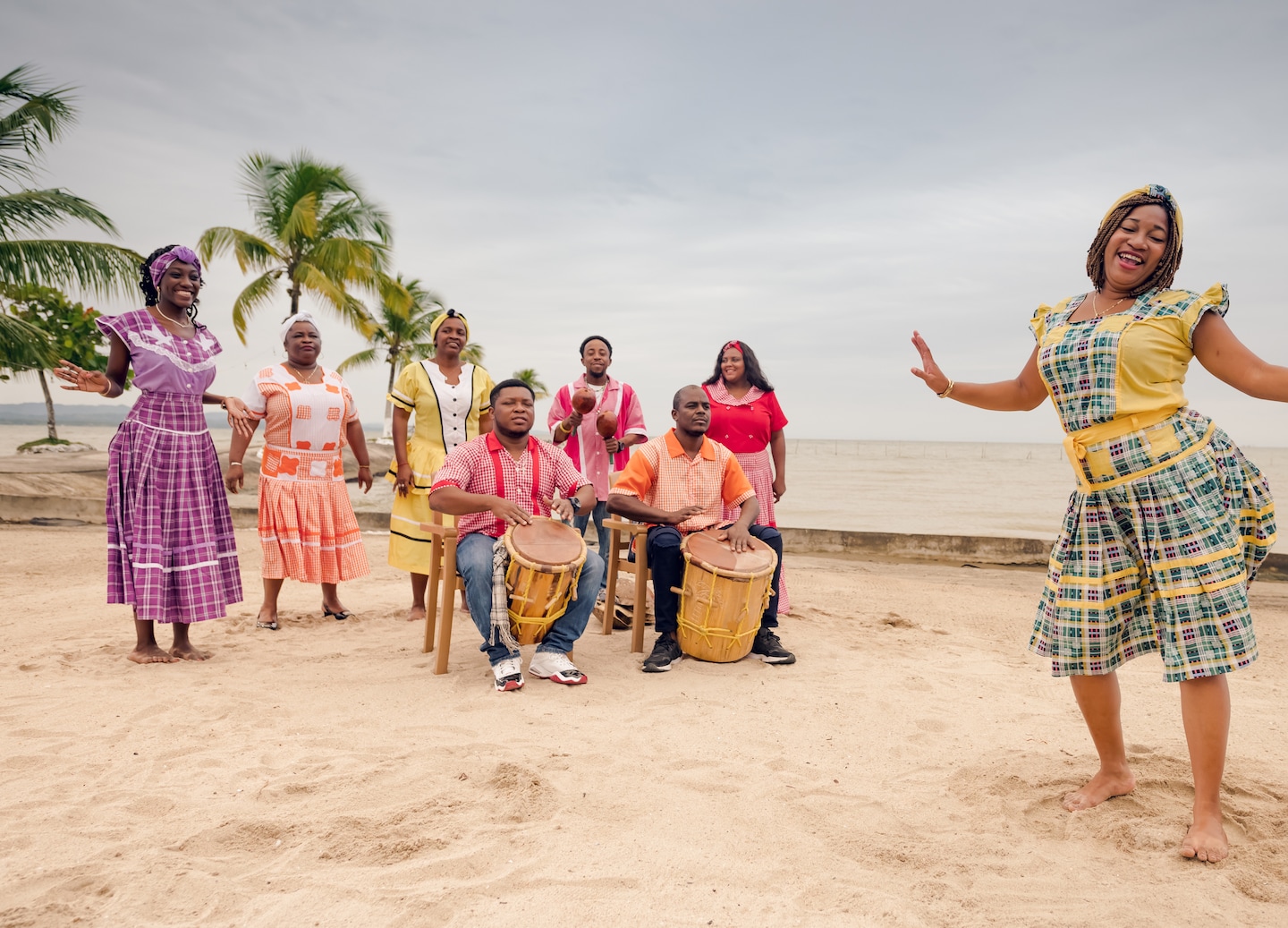
Roatán’s cultural identity is shaped by several communities and historical influences, including Garifuna heritage. Punta Gorda on the island’s northern coast is closely connected to the arrival of the Garifuna people in the Bay Islands during the late 18th century.
Garifuna culture brings together African and Indigenous Caribbean influences expressed through language, music, dance, food and community traditions. Drumming and energetic dance performances provide an introduction to cultural practices that continue across Honduras and other parts of Central America.
Cultural experiences in Punta Gorda can help visitors understand Roatán as more than a beach destination and recognize the people and traditions that have shaped the island.
6. Tropical Wildlife & Nature Parks
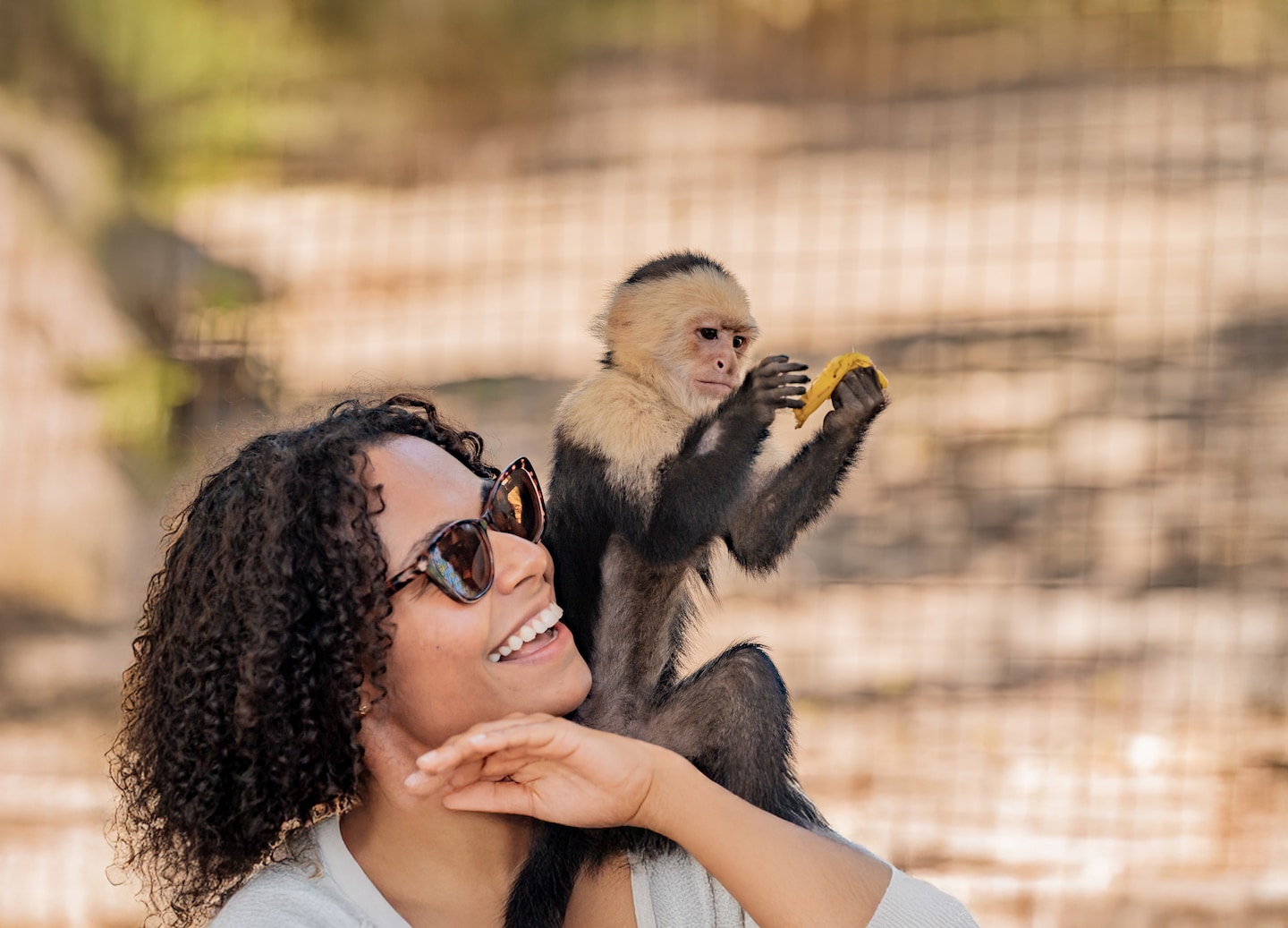
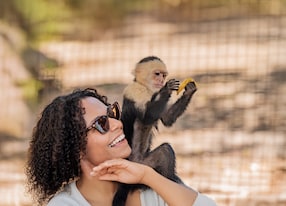
Roatán is known for wildlife and nature experiences that appeal to families and animal lovers. Nature parks and managed sanctuaries may feature sloths, capuchin monkeys, macaws, iguanas and other animals alongside tropical plants and landscaped trails.
Gumbalimba Preservation Park combines botanical surroundings, island history and animal encounters near West Bay. Other wildlife facilities offer guided experiences with different levels of interaction.
Guided visits also provide an opportunity to learn about the animals, their care and the ecosystems found around Roatán.
7. Forest Canopies & Zip-Line Adventures
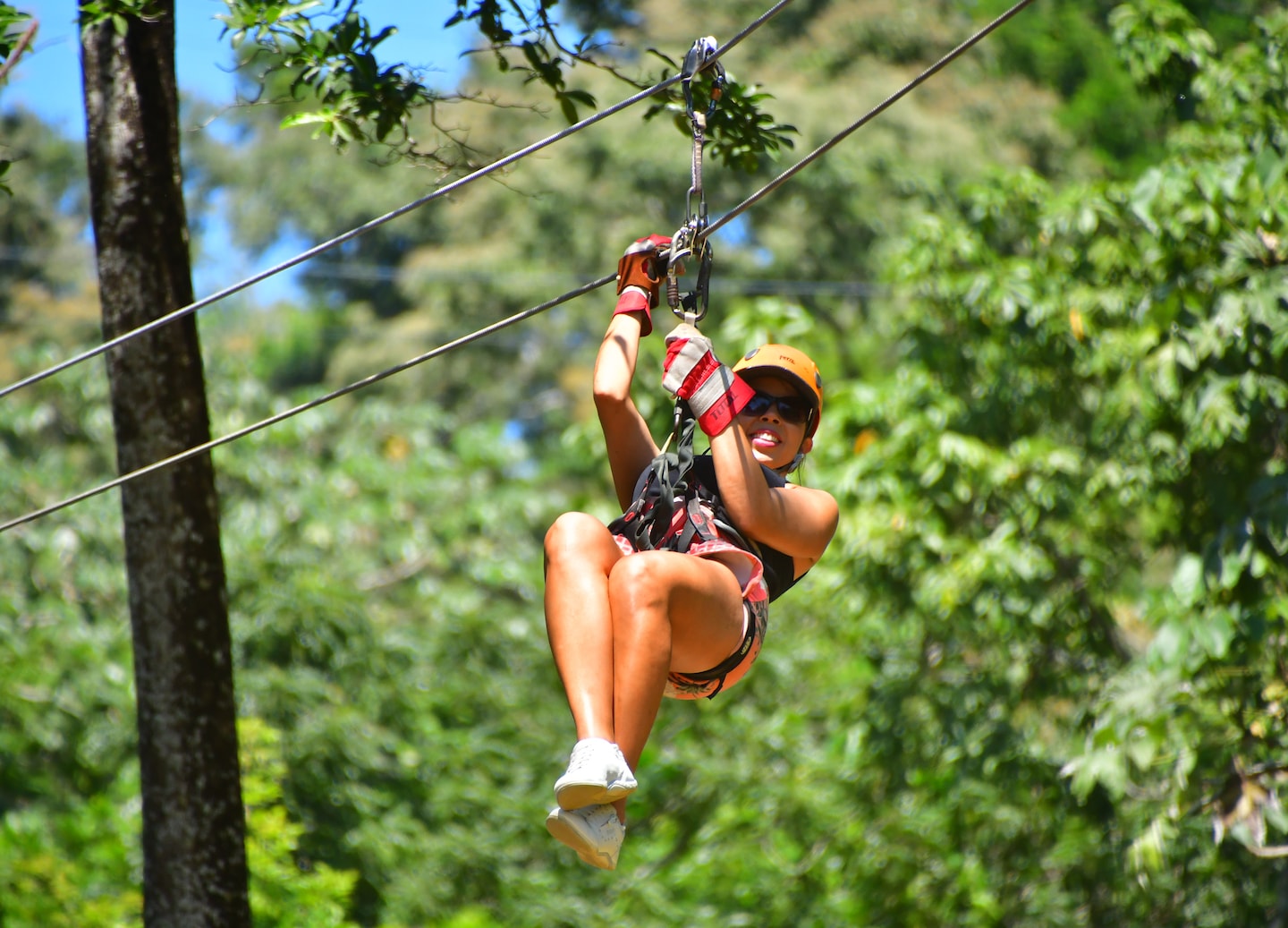
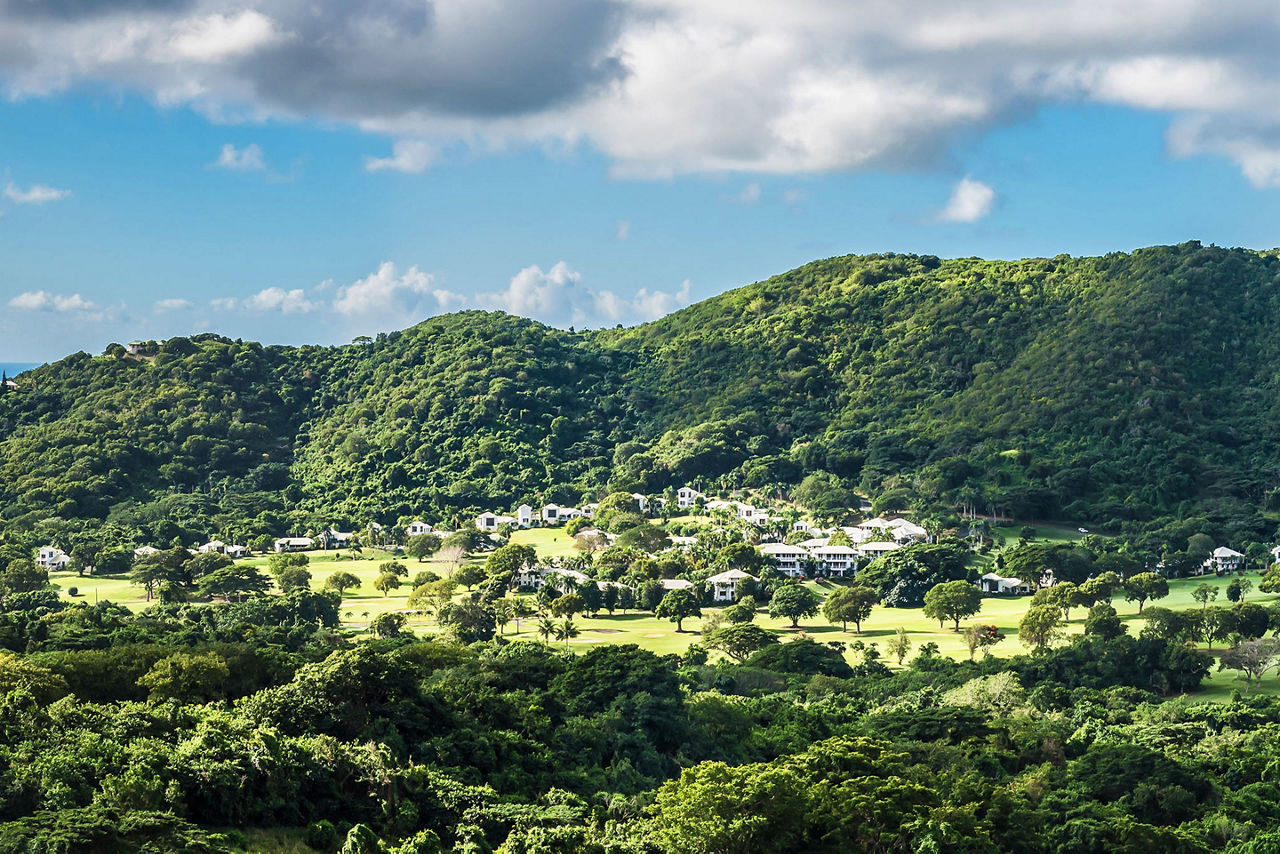
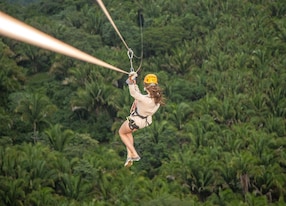
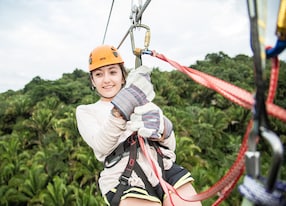
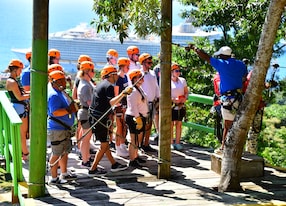
Roatán’s forested hills have made zip lining one of the island’s signature land-based adventures. Courses extend between elevated platforms and offer views across tropical vegetation, hillsides and sections of the coast.
Some zip-line experiences focus entirely on the canopy, while others are combined with a wildlife park, beach break or island tour. These combinations allow travelers to experience several sides of Roatán during one outing.
Soaring over the trees provides an exciting contrast to time spent along the reef.
8. Mangroves & Roatán’s East End
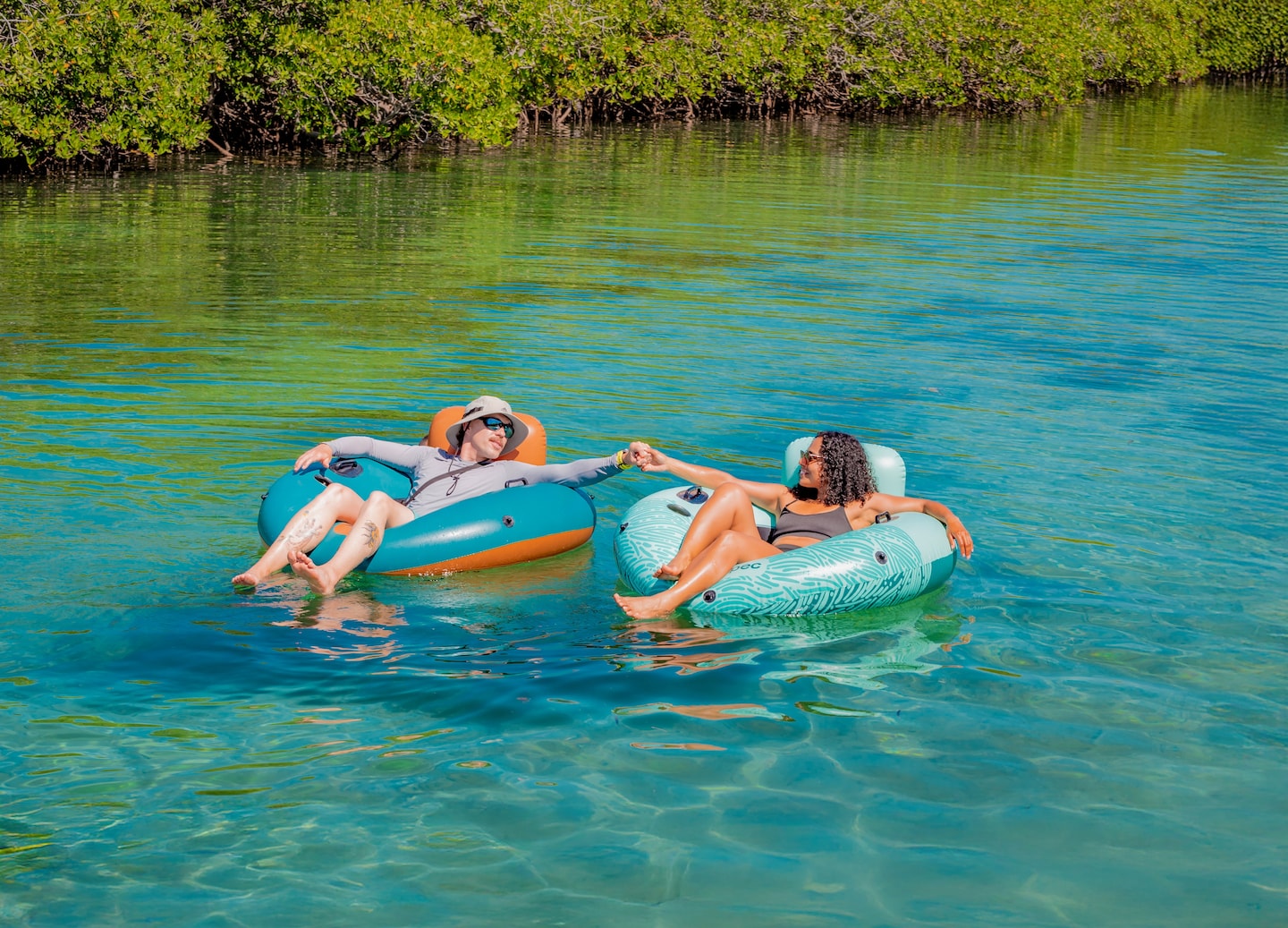
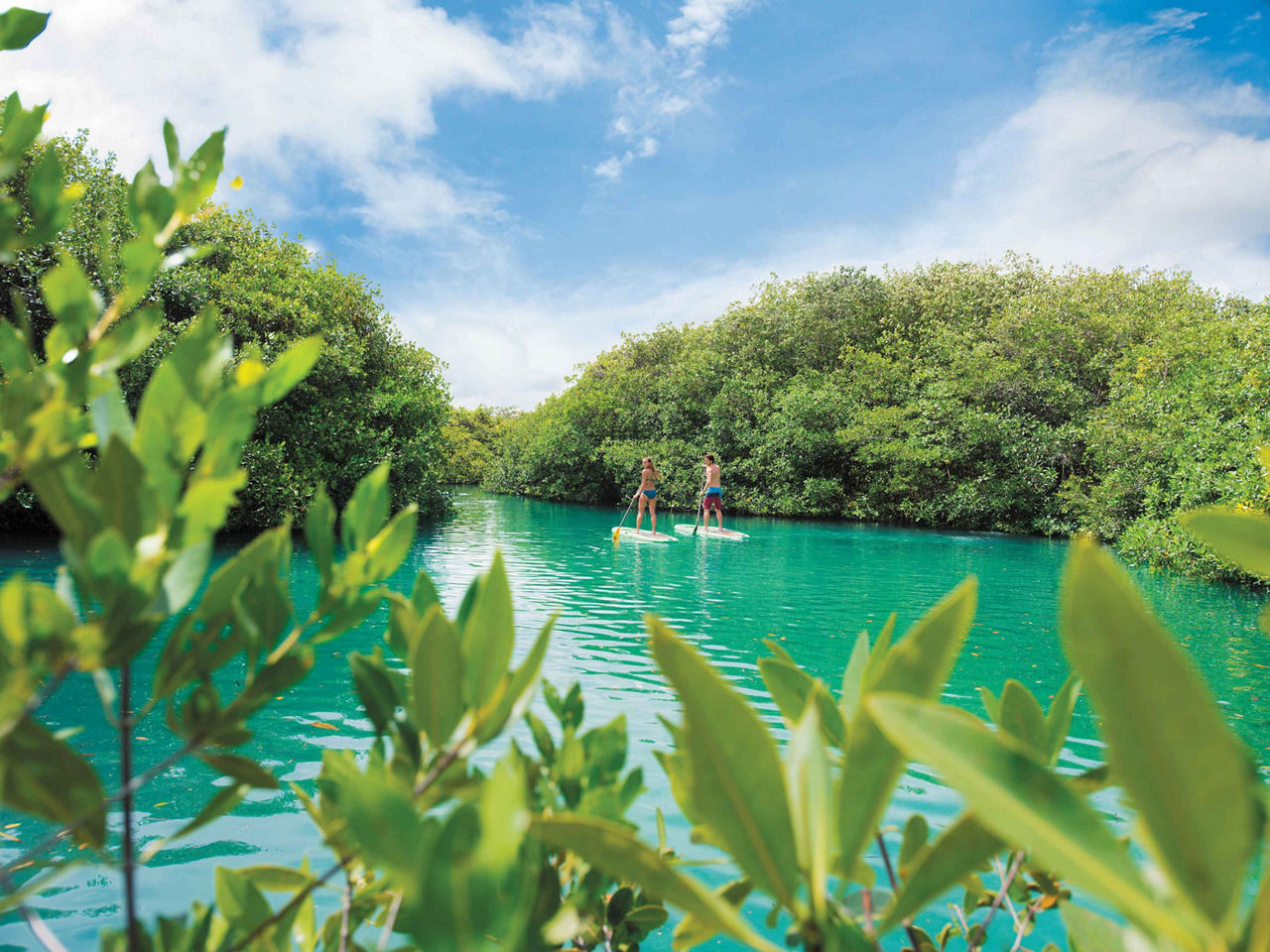
Roatán’s quieter eastern end is known for mangrove channels, smaller communities and landscapes that feel removed from the island’s busier western beaches.
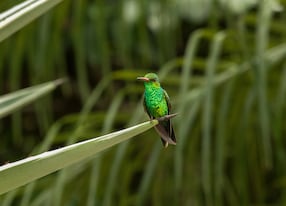
Boat tours may travel through natural mangrove passages where roots create sheltered habitat along the coast. These waterways demonstrate how Roatán’s marine and land environments connect, supporting fish, birds and other wildlife.
East End experiences may also introduce visitors to fishing communities and less-developed stretches of shoreline. This part of the island offers a more peaceful look at Roatán’s natural scenery and cultural character.
9. Honduran & Island Cuisine

Roatán’s food reflects its connection to both mainland Honduras and the Caribbean. Fresh fish, shrimp, conch, coconut, plantains, rice and beans appear throughout the island’s culinary traditions.
Baleadas, made with a flour tortilla traditionally filled with refried beans, cheese and cream, are a popular Honduran favorite. Island dishes may include fried fish, coconut bread and seafood soups flavored with coconut milk, herbs and root vegetables.
Restaurants range from casual local spots to waterfront dining areas overlooking the sea. Coffee and cacao products provide additional tastes of Honduras and are popular items to bring home.
10. A Relaxed Caribbean Island Atmosphere
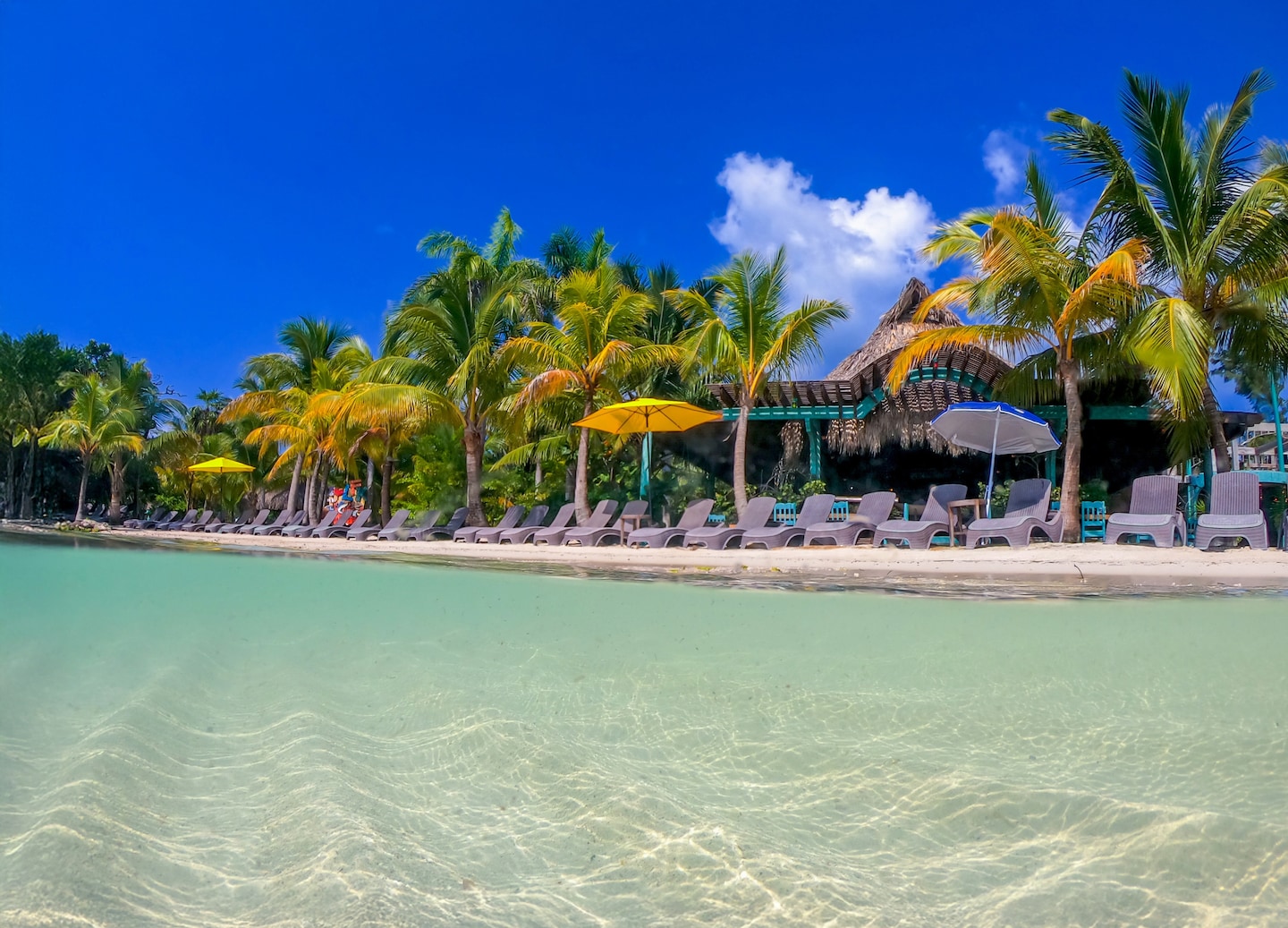
Roatán is known for an easygoing atmosphere shaped by the sea. Dive boats depart from small docks, restaurants open toward the water and hillside roads reveal views of bays, beaches and forested coastline.
The island’s character changes from one area to another. West Bay offers a polished beach experience, West End feels more like a lively waterfront village and the East End introduces quieter scenery and traditional communities.
This variety allows travelers to experience Roatán through reef adventures, cultural discoveries, nature encounters or a relaxing day by the Caribbean.
Why Is Roatán So Famous?
Roatán is famous for its coral reef, diving, snorkeling and Caribbean beaches. Its position along the Mesoamerican Reef places colorful marine life and coral formations close to the island’s shores.
The island is also recognized for West Bay Beach, forest canopy adventures, wildlife parks, mangrove channels and Garifuna cultural traditions in Punta Gorda.
Where Is Roatán Located?
Roatán is located in the Caribbean Sea off the northern coast of Honduras. It's the largest of the Bay Islands, an island group that also includes Utila and Guanaja.
Its location along the Mesoamerican Reef gives Roatán access to some of the Caribbean’s most celebrated diving and snorkeling environments.
Is Roatán Good for Snorkeling?
Yes. Roatán is an excellent snorkeling destination because coral formations and marine life can be found close to several parts of the shoreline. West Bay and guided reef sites reached by boat are among the most popular options.
Water clarity, currents and marine-life sightings vary with daily conditions. Beginners may prefer a guided excursion with instruction and flotation equipment while experienced snorkelers may wish to visit multiple reef locations.
Is Roatán Known for Sloths?
Roatán is known for popular wildlife experiences where guests may see sloths, monkeys, macaws and iguanas in managed parks or sanctuaries.
What Food Is Roatán Known For?
Roatán is known for fresh seafood, fried fish, coconut-based soups, coconut bread and Honduran dishes such as baleadas. Plantains, rice, beans and tropical ingredients also feature prominently.
Garifuna culinary traditions add another dimension to the island’s food culture, particularly through seafood dishes prepared with coconut milk, herbs and root vegetables.
What Languages Are Spoken in Roatán?
Spanish is the official language of Honduras and is spoken throughout Roatán. English is also widely spoken in the Bay Islands, particularly within tourism and in communities with historic ties to the English-speaking Caribbean.
Garifuna is spoken within parts of the island’s Garifuna community. The languages heard across Roatán reflect its diverse Caribbean and Honduran heritage.
Keep Exploring Roatán, Honduras
Want to learn more about this Caribbean gem? Check out these guides to plan your next trip:
- Roatán Shore Excursions - Compare reef adventures, beach escapes, wildlife experiences and cultural tours around the island.
- The Best Beaches in Roatán - Discover West Bay, Half Moon Bay and other inviting places to enjoy Roatán’s Caribbean coastline.
- When Is the Best Time To Visit Roatán? - Compare Roatán’s weather, diving conditions and seasonal experiences throughout the year.
- The Best Foods To Eat in Roatán - Taste baleadas, seafood, coconut bread and other dishes connected to Honduran and island traditions.
- What To Buy When Shopping in Roatán - Find locally inspired souvenirs including Honduran coffee, chocolate, artwork and handcrafted goods.