Seville is known for flamenco, the Royal Alcázar, Seville Cathedral and its Giralda bell tower. The Andalusian capital is also famous for Plaza de España, tapas culture, decorative ceramics and spring celebrations such as Semana Santa and the Feria de Abril.
Located inland along the Guadalquivir River in southern Spain, Seville brings centuries of history into its streets, palaces and neighborhood traditions. You can explore an ornate courtyard, admire colorful tilework or share small plates in a lively local restaurant.
Here are 10 things Seville is famous for.
1. Seville Cathedral & La Giralda
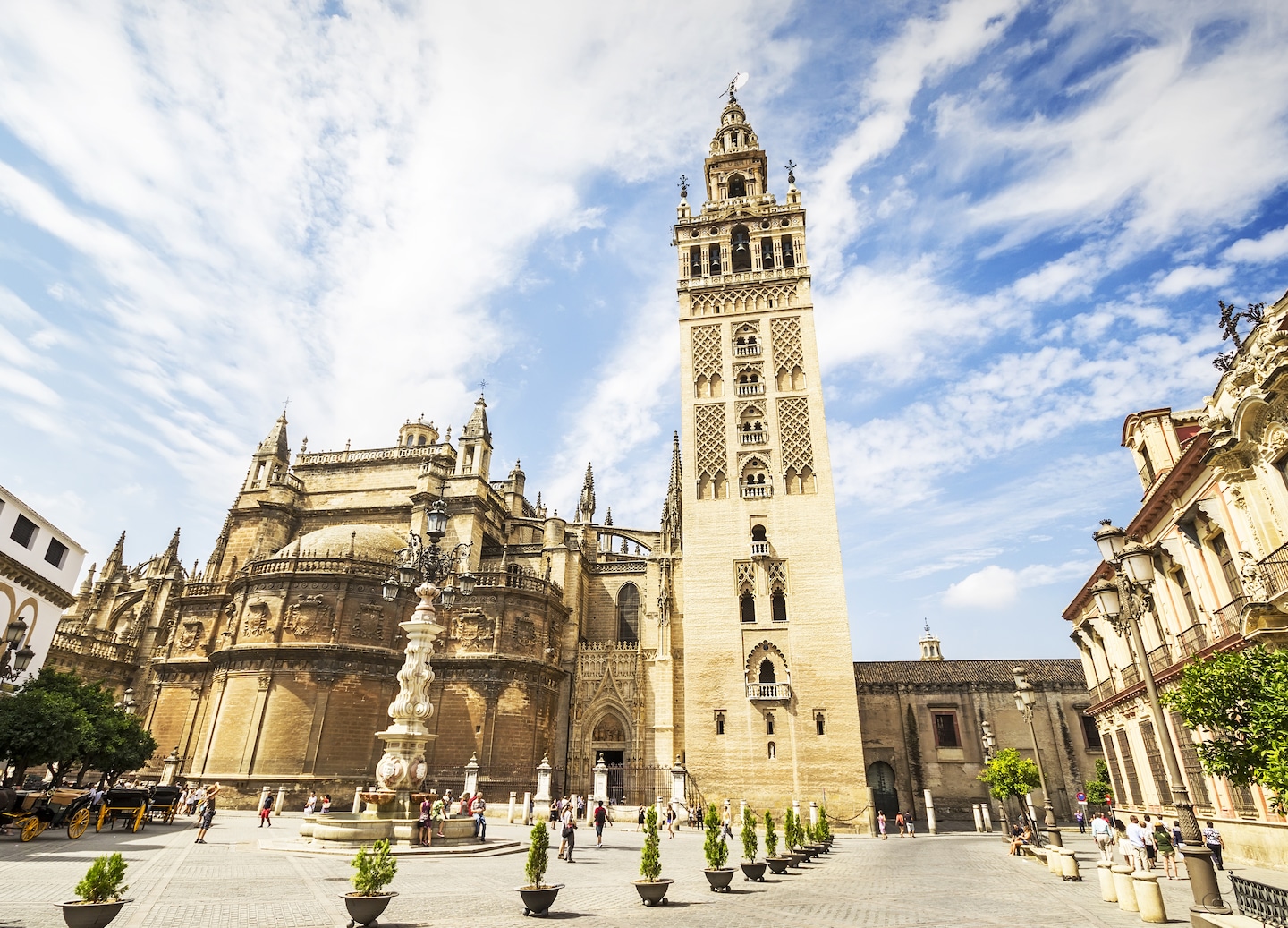
Seville Cathedral is a monumental Gothic church famous for its vast interior, elaborate altarpiece and adjoining Giralda bell tower. Built on the site of an earlier mosque, the cathedral reflects several chapters of the city’s religious and architectural history.
The Giralda began as a minaret before becoming a bell tower, with a Renaissance upper section added later. Together, the tower and cathedral create one of Seville’s most recognizable views.
Inside, the scale encourages you to slow down and look closely at the chapels and decorative details. Outside, the tower gives you a familiar landmark to spot as you explore the surrounding streets.
2. The Royal Alcázar
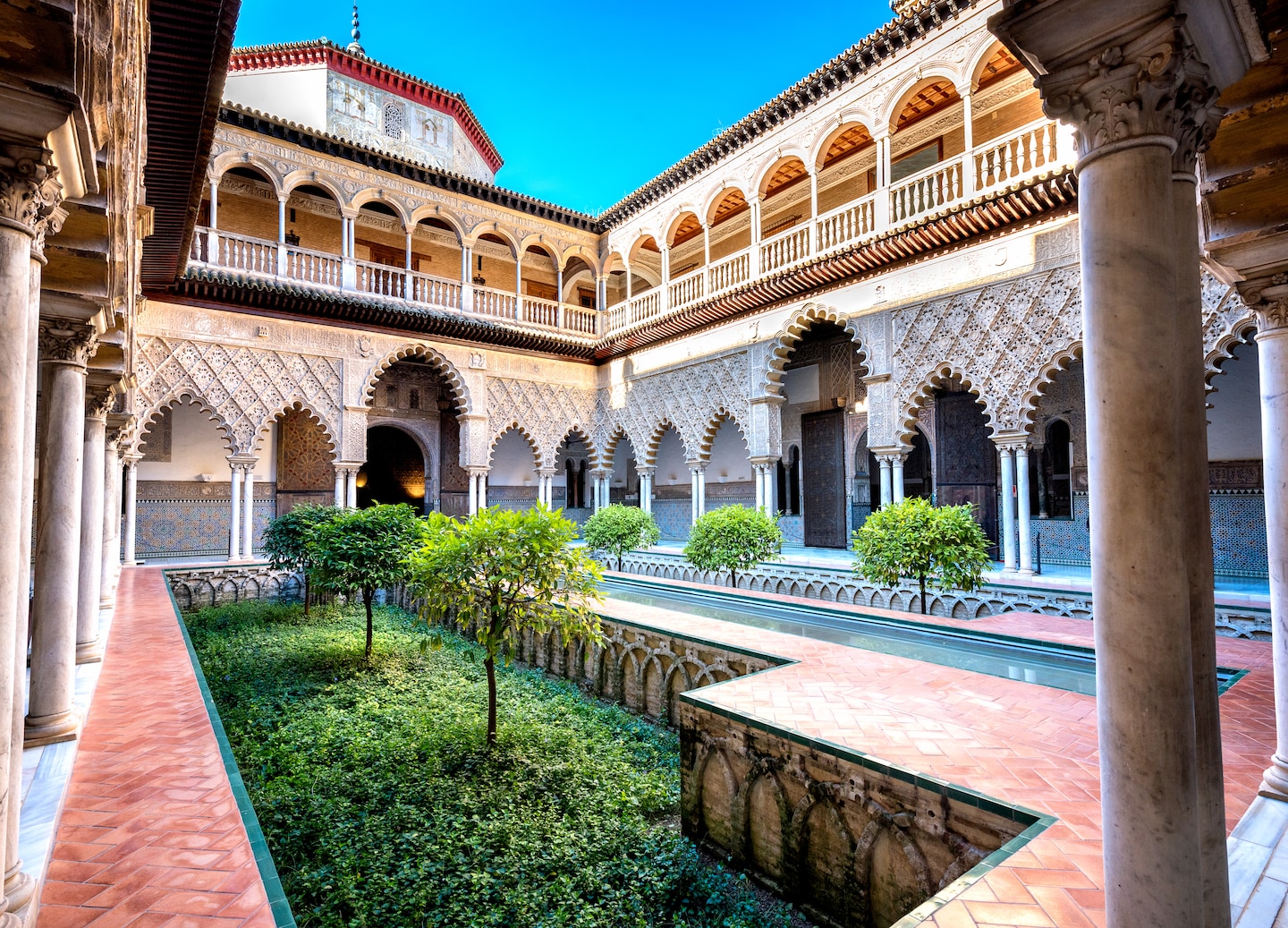
The Royal Alcázar of Seville is a palace complex celebrated for its courtyards, intricate decoration and gardens. Its buildings combine several architectural periods, including some of Spain’s finest examples of Mudéjar design.
Mudéjar architecture draws on Islamic artistic traditions in buildings created under Christian rule. At the Alcázar, patterned tiles, carved plasterwork and richly decorated ceilings make that craftsmanship especially memorable.
3. Flamenco Music & Dance

Seville is one of the major centers of flamenco, an Andalusian art form that brings together singing, guitar, rhythm and dance. Its traditions have been shaped by generations of performers, including Gitano, or Spanish Roma, communities.
A performance can move from a quiet musical exchange to powerful footwork and singing within moments. Watching the artists respond to one another is as compelling as any individual flourish.
A tablao, a venue dedicated to flamenco performances, offers a way to experience the art up close. Seville’s flamenco museums and cultural spaces can also help you learn about the traditions behind the performance.
4. Plaza de España
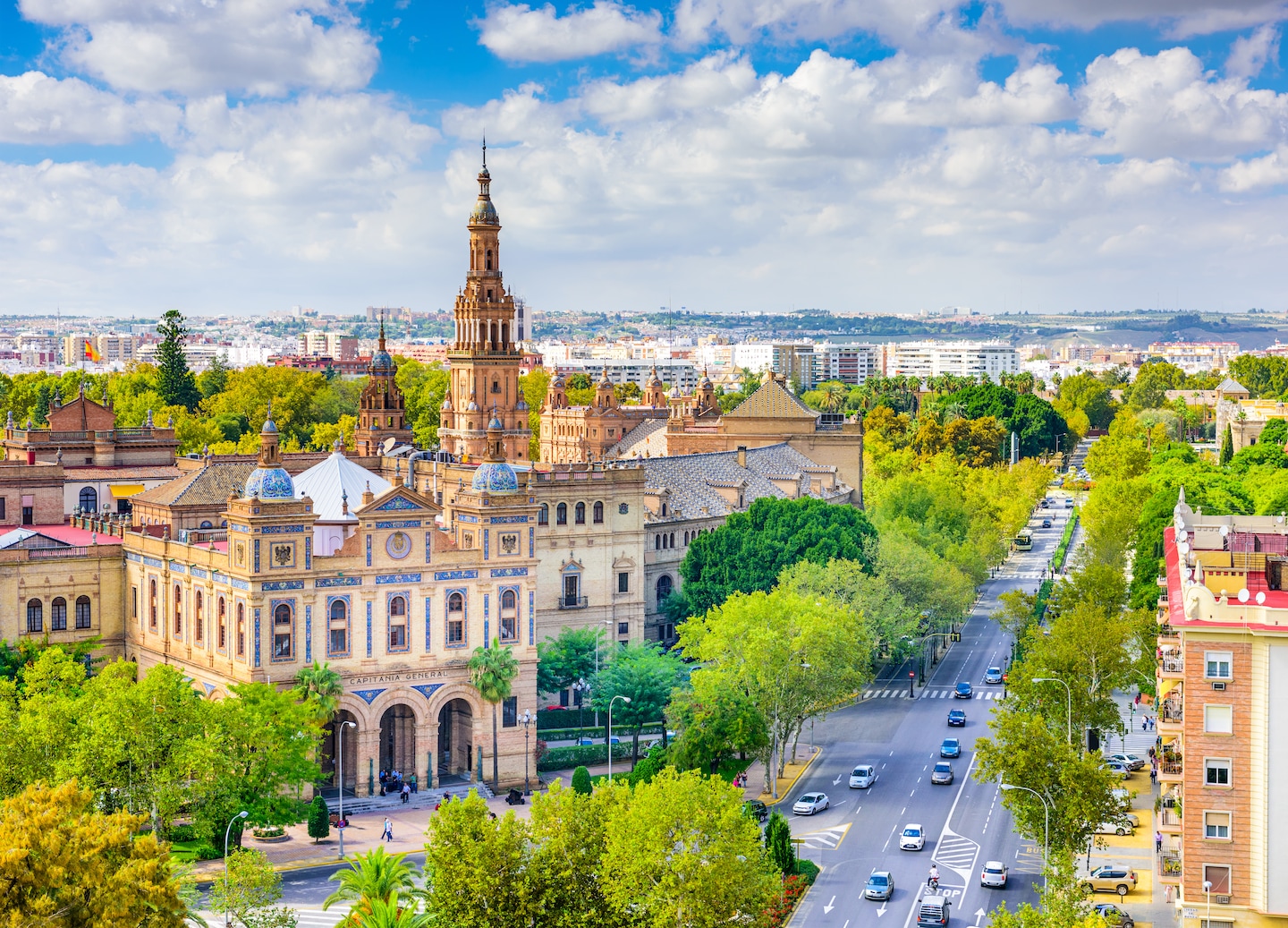
Plaza de España is Seville’s grand semicircular plaza, built for the Ibero-American Exposition of 1929. Its bridges, canal and decorated alcoves make it one of the city’s most photographed settings.
The ceramic panels depict Spanish provinces through maps and historical scenes. Walking beside them gives you a reason to appreciate the plaza at close range before stepping back to take in its broad curve.
Beside the plaza, María Luisa Park offers shaded paths and gardens. Pairing the two makes room for both architectural sightseeing and a gentler stroll among the trees.
5. Tapas & Andalusian Dining
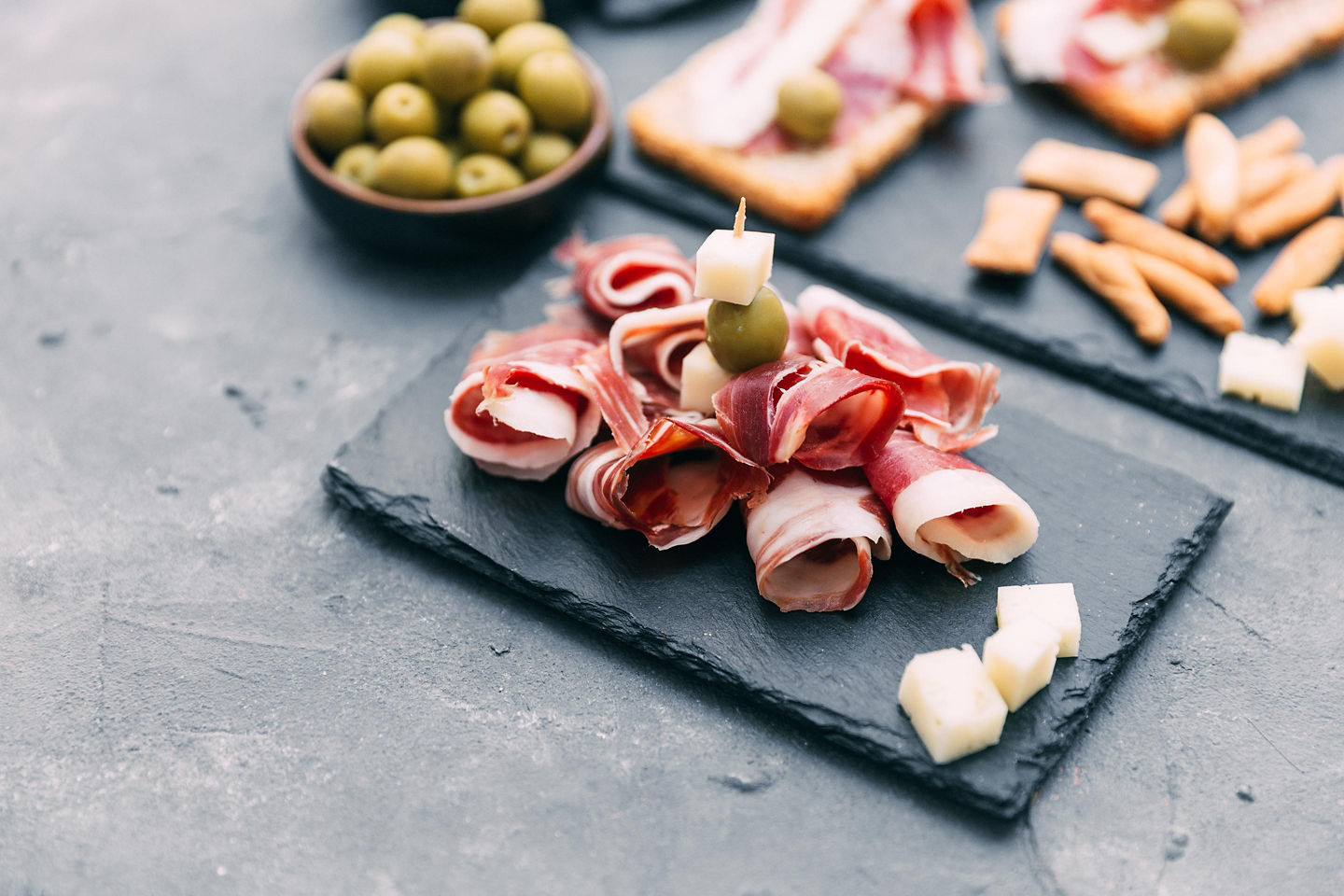
Seville is known for tapas culture, where small portions and conversation turn a meal into a social occasion. Traditional taverns and newer restaurants offer different ways to experience the city’s food.
You might try espinacas con garbanzos, a warming combination of spinach and chickpeas, or order a small sandwich called a montadito. Plates of cured ham and slow-cooked dishes add more choices to the table.
The appeal is being able to sample a few flavors without committing to one large dish. Find somewhere inviting, ask about a house specialty and leave time to enjoy the conversation around you.
6. Semana Santa & the Feria de Abril
Seville is famous for two very different spring traditions: Semana Santa, or Holy Week, and the Feria de Abril, commonly called the April Fair. Both are deeply connected to local community life.
During Semana Santa, religious brotherhoods accompany elaborate floats through the streets in processions marked by devotion and ceremony. At the fair, decorated tents called casetas become gathering places for food, music and sevillanas dancing.
These events shape the atmosphere of the city, but they require planning. Dates vary, and many fair casetas are private, so check the program and public-access options if you hope to join the celebrations.
7. Triana’s Ceramics & Craft Traditions
Triana is a neighborhood across the Guadalquivir River known for its long association with pottery and decorative tiles. Its ceramic heritage helps explain the colorful surfaces you’ll notice throughout Seville.
Painted tiles, glazed vessels and decorative panels show how practical objects can also be works of art. Browsing ceramics gives you a closer look at the patterns, colors and techniques associated with local craftsmanship.
8. Las Setas & Contemporary Architecture
Las Setas de Sevilla, also called Metropol Parasol, is a contemporary structure in Plaza de la Encarnación known for its sweeping, mushroom-like forms. It gives Seville’s skyline a distinctive modern landmark.
From below, the canopy creates a striking pattern of curves and shade. The elevated walkway offers a different perspective, bringing rooftops and historic towers into view.
Las Setas shows how Seville continues to add new ideas to its cityscape. It makes an interesting contrast to a day spent among Gothic stonework and palace courtyards.
9. The Guadalquivir River & Maritime History
The Guadalquivir River is central to Seville’s history, connecting the inland city with Atlantic trade. Seville became an important center for Spain’s colonial commerce with the Americas, a history documented in the Archivo General de Indias.
Along the river, the Torre del Oro remains a familiar landmark from the city’s defensive past. Bridges and waterfront paths now connect places to walk, gather and look back toward the historic center.
A riverside stroll gives you space to appreciate Seville from a little farther away. Watching the buildings appear across the water adds another dimension to the close-up details of its streets.
10. Orange Trees, Patios & Historic Lanes
Seville is known for orange trees, sheltered patios and narrow streets that make its historic neighborhoods especially inviting. In spring, orange blossom adds a seasonal fragrance to parts of the city.
Santa Cruz is a familiar place to experience this atmosphere, with small squares and winding lanes near the cathedral and Alcázar. A courtyard glimpsed through a doorway or a tiled entrance can be just as absorbing as a larger monument.
Why Visit Seville?
Seville is a wonderful choice if you enjoy architecture, music and discovering how local traditions remain part of everyday life. Its palaces and cathedral provide memorable sights, while flamenco, ceramics and tapas give you other ways to connect with the city.
Frequently Asked Questions About Seville
-
What is Seville most famous for?
Seville is most famous for flamenco, the Royal Alcázar, Seville Cathedral and the Giralda tower. The city is also known for Plaza de España, tapas culture, Triana ceramics and its Semana Santa and Feria de Abril celebrations.
-
What makes Seville unique?
Seville combines Islamic architectural heritage, Gothic monuments and Mudéjar craftsmanship with living Andalusian traditions. Flamenco, spring celebrations and neighborhood dining give the city a character that extends beyond its famous buildings.
-
Why is Seville associated with flamenco?
Seville is associated with flamenco because it has long been an important center for performers, venues and the communities that sustain the art. Visitors can experience singing, guitar and dance in tablaos and learn more through the city’s flamenco cultural spaces. Flamenco belongs to a wider Andalusian tradition rather than to Seville alone.
-
What architectural styles is Seville known for?
Seville is especially known for Islamic, Gothic and Mudéjar architecture. The Giralda preserves elements of a former minaret, the cathedral is predominantly Gothic and the Royal Alcázar contains celebrated Mudéjar craftsmanship alongside additions from other periods.
-
What celebrations is Seville known for?
Seville is known for Semana Santa and the Feria de Abril. Semana Santa centers on religious processions during Holy Week, while the fair brings together music, dancing and social gatherings in casetas. They are distinct traditions with different atmospheres and visitor arrangements.
-
Are Seville and Sevilla the same place?
Yes. Seville is the English name for Sevilla, the capital of Andalusia in southern Spain. You’ll commonly see Sevilla on local signs, transport information and Spanish-language websites.
-
Is Seville worth visiting on a cruise?
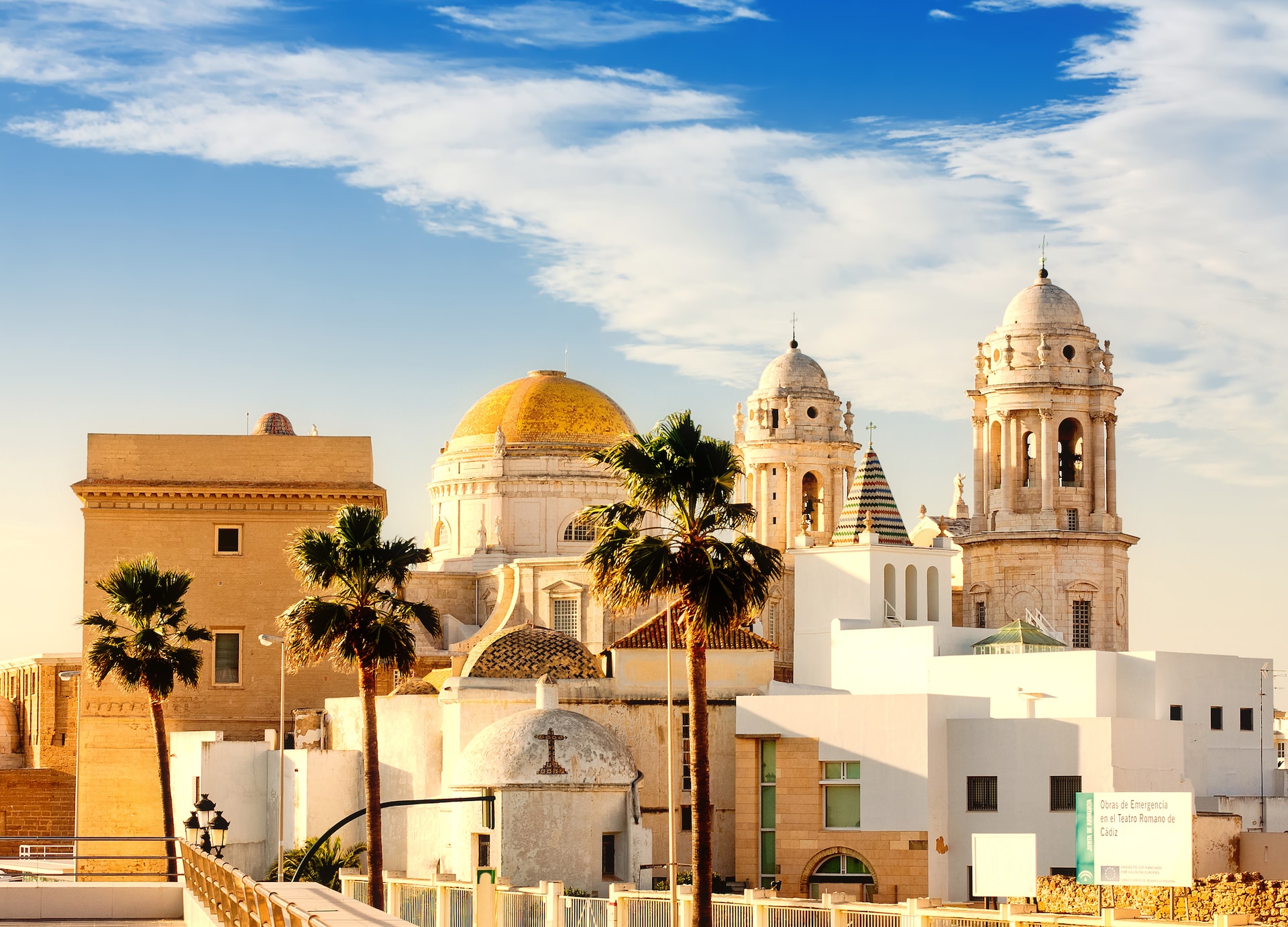
Seville can be a rewarding cruise excursion for travelers interested in palaces, historic architecture and Andalusian culture. Royal Caribbean calls labeled Seville dock in Cádiz, a separate coastal city.
Keep Exploring Seville
Ready to discover more of Seville? These guides can help you plan your visit:
- Seville and Cádiz Shore Excursions - Explore options for historic sightseeing and cultural experiences during your call at Cádiz.
- When Is the Best Time To Visit Seville? - Compare the seasons and find a time that suits your sightseeing and outdoor plans.
- What To Eat in Seville - Discover Andalusian dishes, traditional tapas and local flavors to try.
- What To Buy in Seville - Find inspiration for ceramics, handcrafted accessories and other keepsakes .