The Amalfi Coast is known for its dramatic cliffs, colorful towns such as Positano and Amalfi, terraced lemon groves and sweeping Mediterranean views. This stretch of southern Italy is also famous for Ravello’s gardens, handmade ceramics, coastal cuisine and a maritime history that helped shape its towns.
Located in Campania along the southern side of the Sorrentine Peninsula, the Amalfi Coast brings together waterfront villages and communities high above the sea. You can browse a pottery shop, explore a historic square or watch the shoreline unfold from a boat. Here are 10 things the Amalfi Coast is known for and what makes each one worth discovering.
1. Dramatic Cliffs & Terraced Landscapes
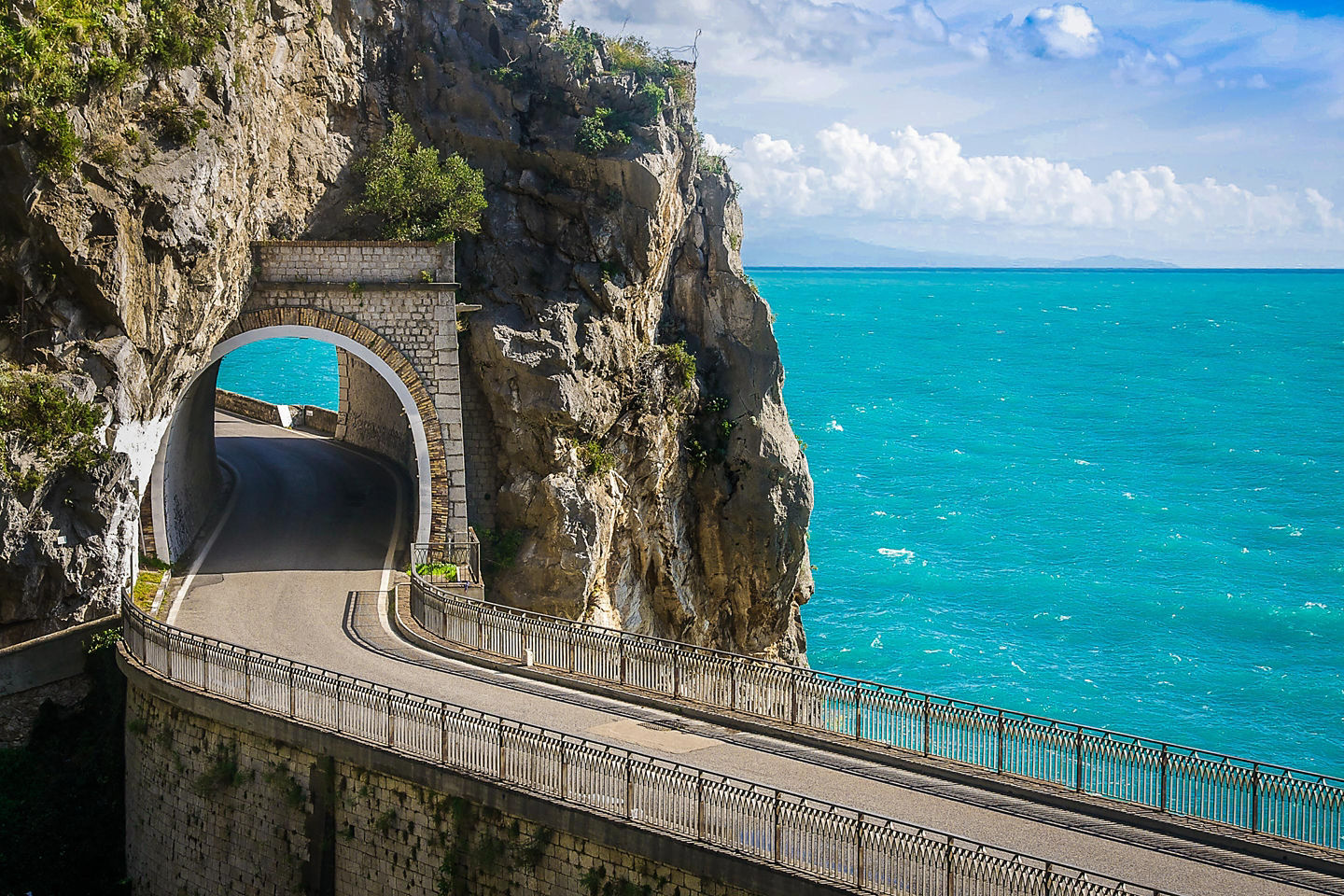
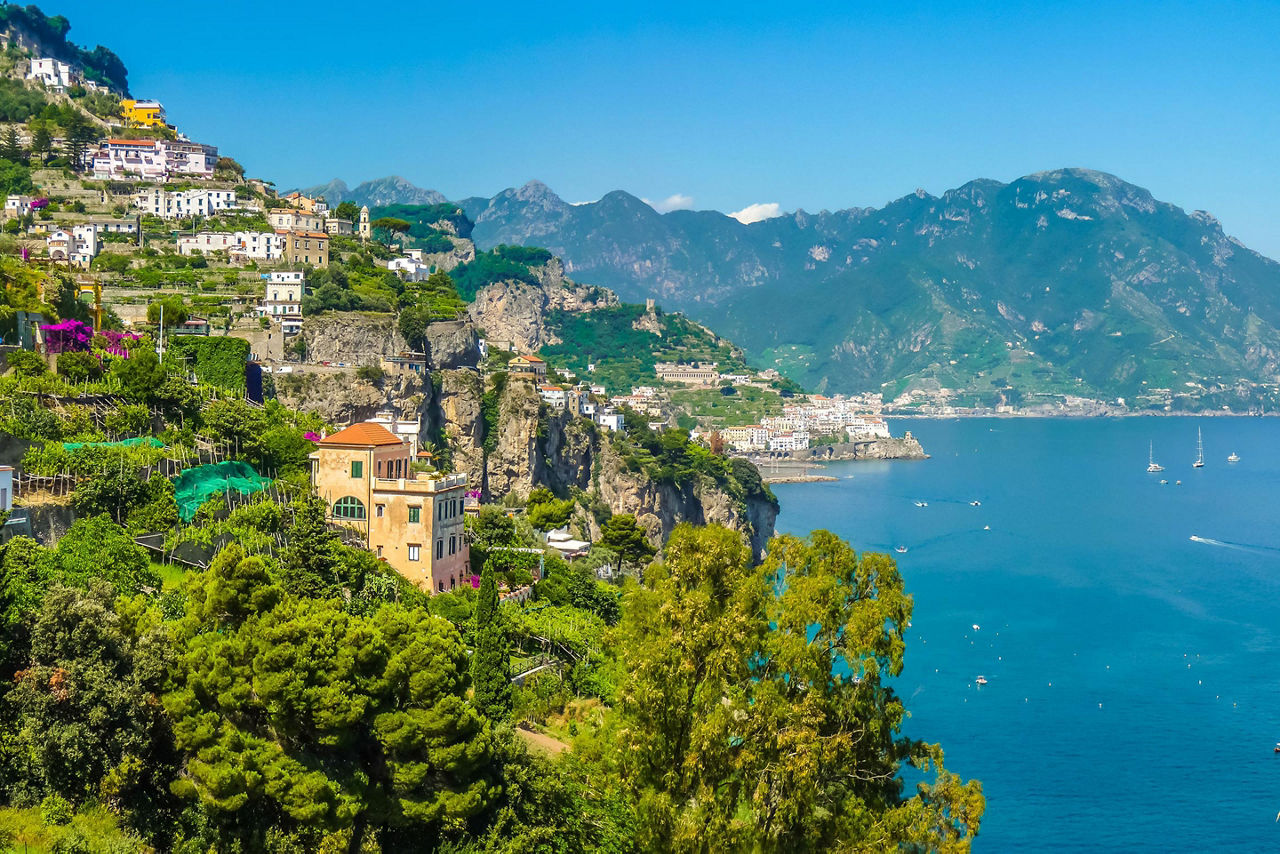
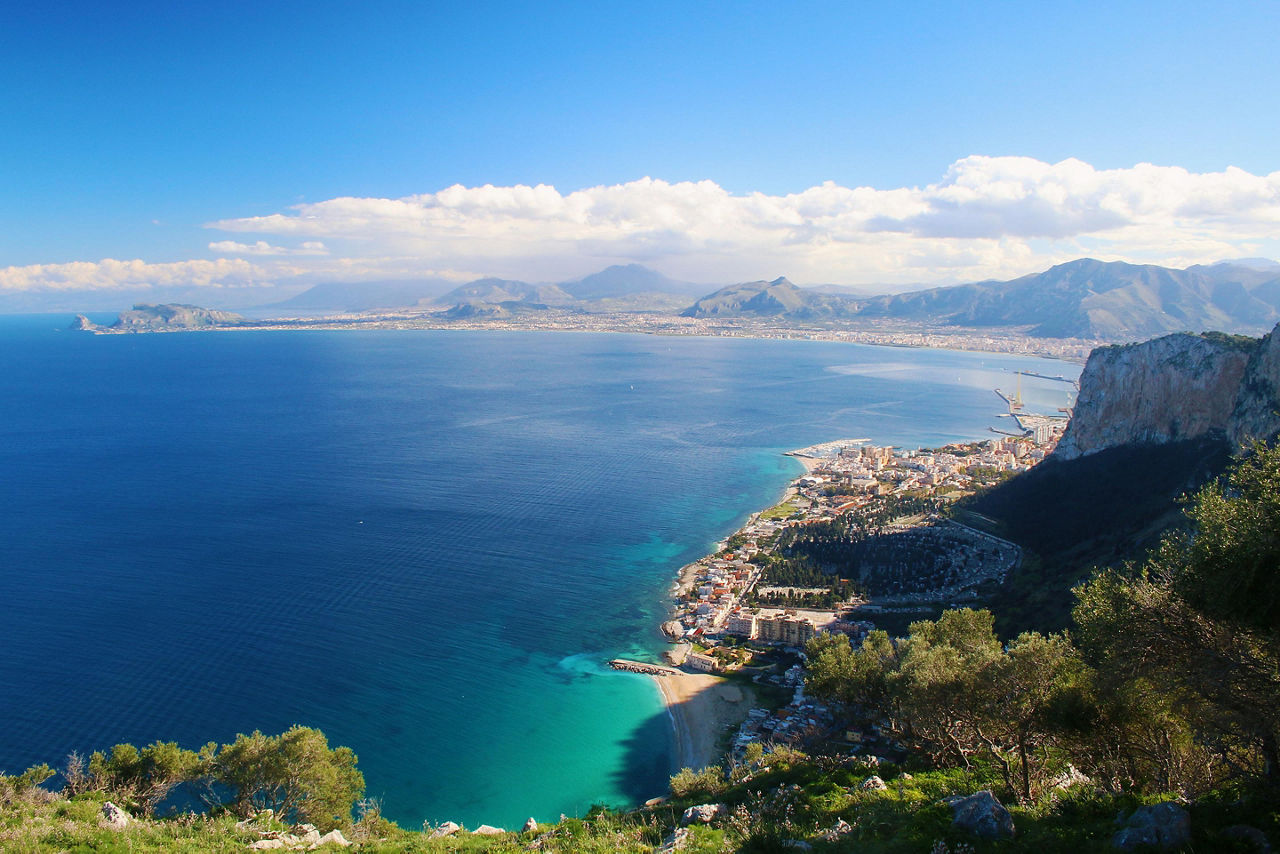
The Amalfi Coast is famous for steep cliffs, hillside towns and cultivated terraces overlooking the sea. Its UNESCO World Heritage designation recognizes a landscape shaped by both nature and generations of people adapting to the terrain. UNESCO’s Amalfi Coast listing highlights this connection between the coast’s scenery and cultural history.
Look across the slopes and you’ll notice how carefully the land is used. Houses, orchards and vineyards occupy different levels, with stairways and paths linking places that seem far apart from below.
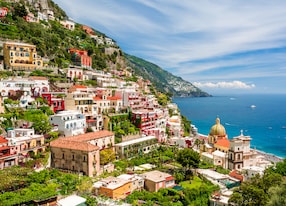
2. Positano’s Colorful Cliffside Setting
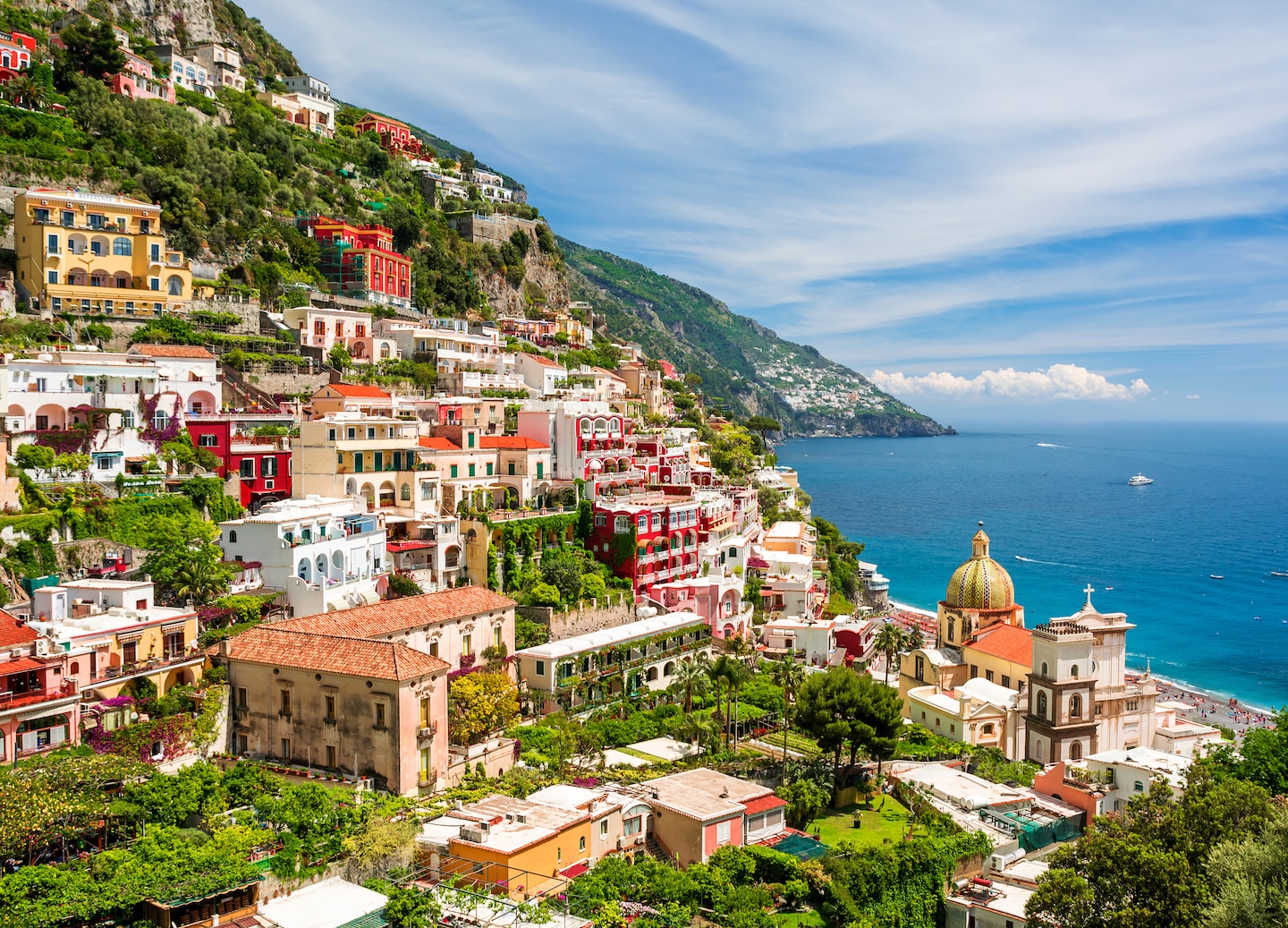
Positano is one of the Amalfi Coast’s most recognizable towns, known for pastel buildings descending toward the beach. Its steep layout, narrow lanes and waterfront scenery create the familiar view seen in photographs of the coast.
Exploring brings that picture to life. Steps lead past boutiques and cafes, with glimpses of the sea appearing between buildings. Down by Spiaggia Grande, you can look back toward the houses climbing the hillside.
Give yourself time for the town’s changes in elevation. A browse through the shops followed by a waterfront pause makes a lovely way to experience both its busy lanes and seaside setting.
3. Amalfi Town & Its Maritime History
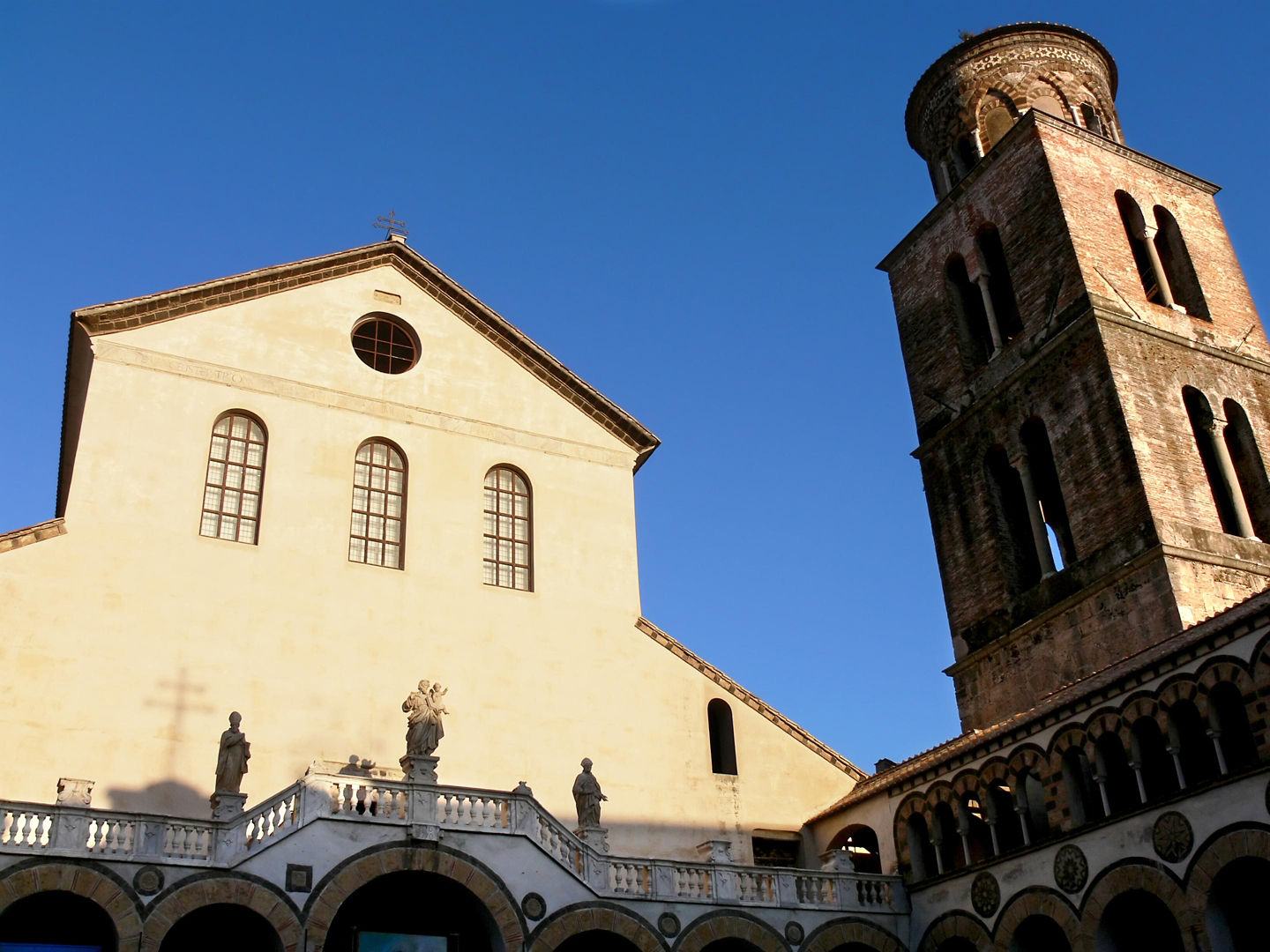
Amalfi is the historic town that gives the coastline its name, known for its cathedral and former importance as a maritime republic. Its trading connections helped bring different artistic and architectural influences to the coast.
The cathedral rises above the main square at the top of a broad staircase. Around it, cafes and shopfronts keep the square lively, while nearby lanes lead farther into town.
A guided walk can help connect the buildings with Amalfi’s seafaring past. Leave time to enjoy the square, too. Sitting with a coffee while people come and go is an inviting way to take in the surroundings.
4. Ravello’s Gardens & Sea Views
Ravello is a hilltop town on the Amalfi Coast known for its villa gardens, panoramic terraces and musical heritage. Villa Rufolo and Villa Cimbrone are especially associated with its views across the coastline.
The gardens offer a different perspective from the waterfront towns. Paths, flowers and architectural details lead your eye toward the sea, with plenty to admire before you reach a famous viewpoint. Villa Rufolo brings together historic buildings, gardens and connections to Ravello’s cultural life.
A visit here can feel pleasantly unhurried, especially when you leave room to enjoy the town’s square afterward.
5. Lemon Groves & Limoncello
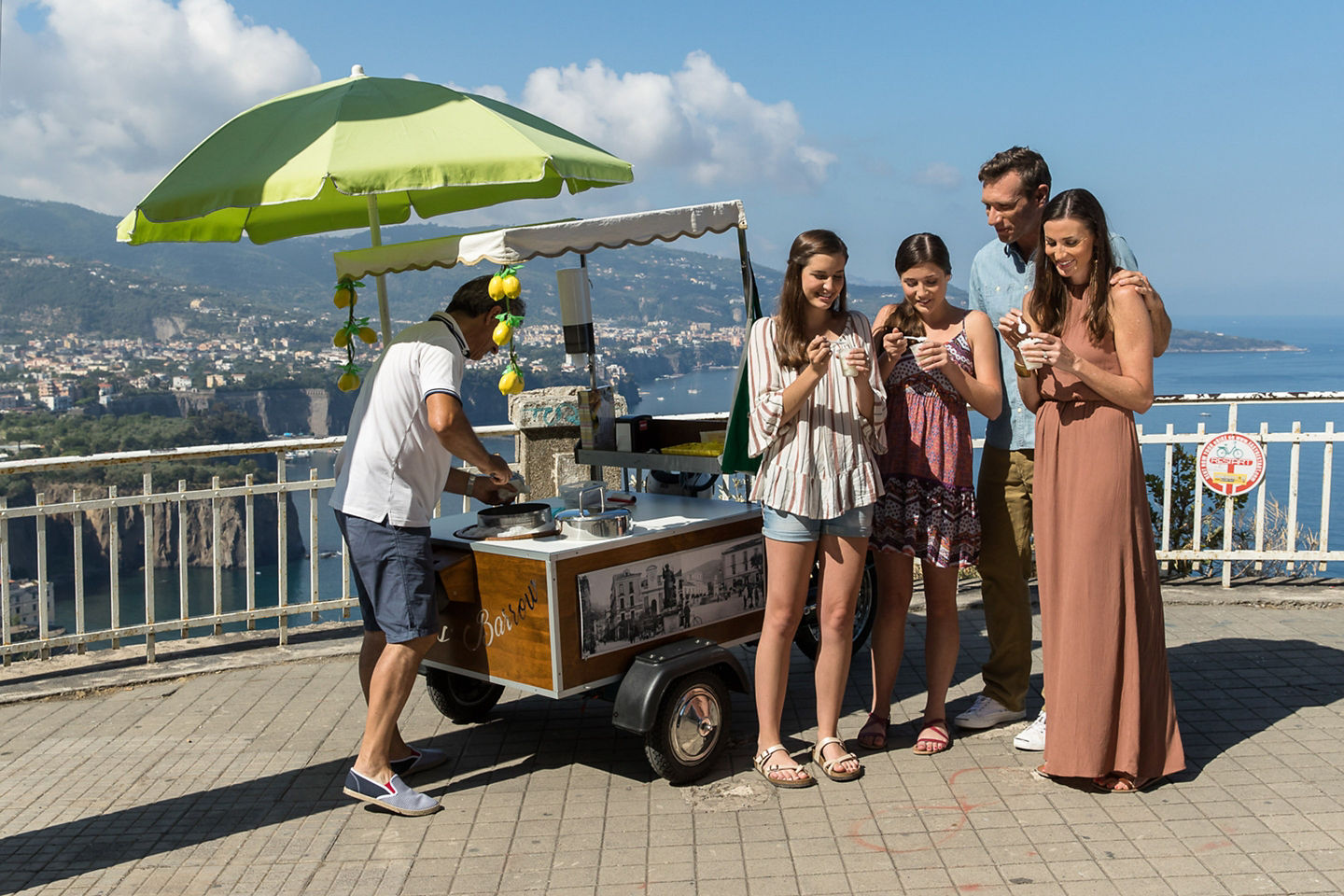
The Amalfi Coast is known for fragrant lemons grown on hillside terraces, including the elongated Sfusato Amalfitano variety. Lemons are part of the area’s agricultural identity, and appear in everything from desserts to limoncello, the lemon liqueur.
The groves help explain the landscape, as well as the flavors. Growing fruit on steep slopes takes careful work, and a visit with a local producer can reveal the traditions behind those neatly arranged terraces.
You can enjoy the citrus connection in several ways. Try a lemon dessert, cool down with a granita or learn how lemon peel gives limoncello its aroma. The coast’s local products and crafts offer plenty of introductions to this regional specialty.
6. Coastal Views From the Water
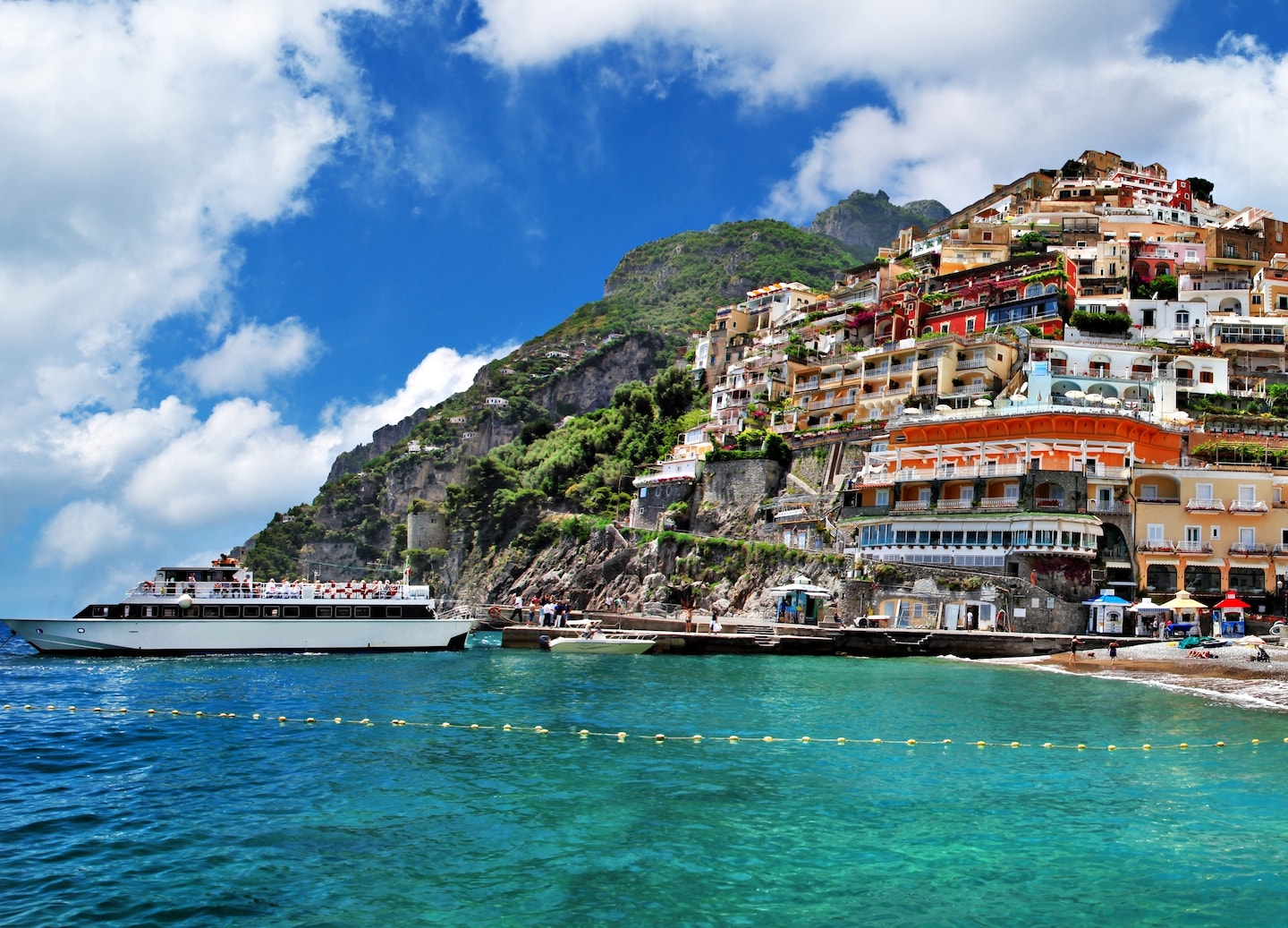
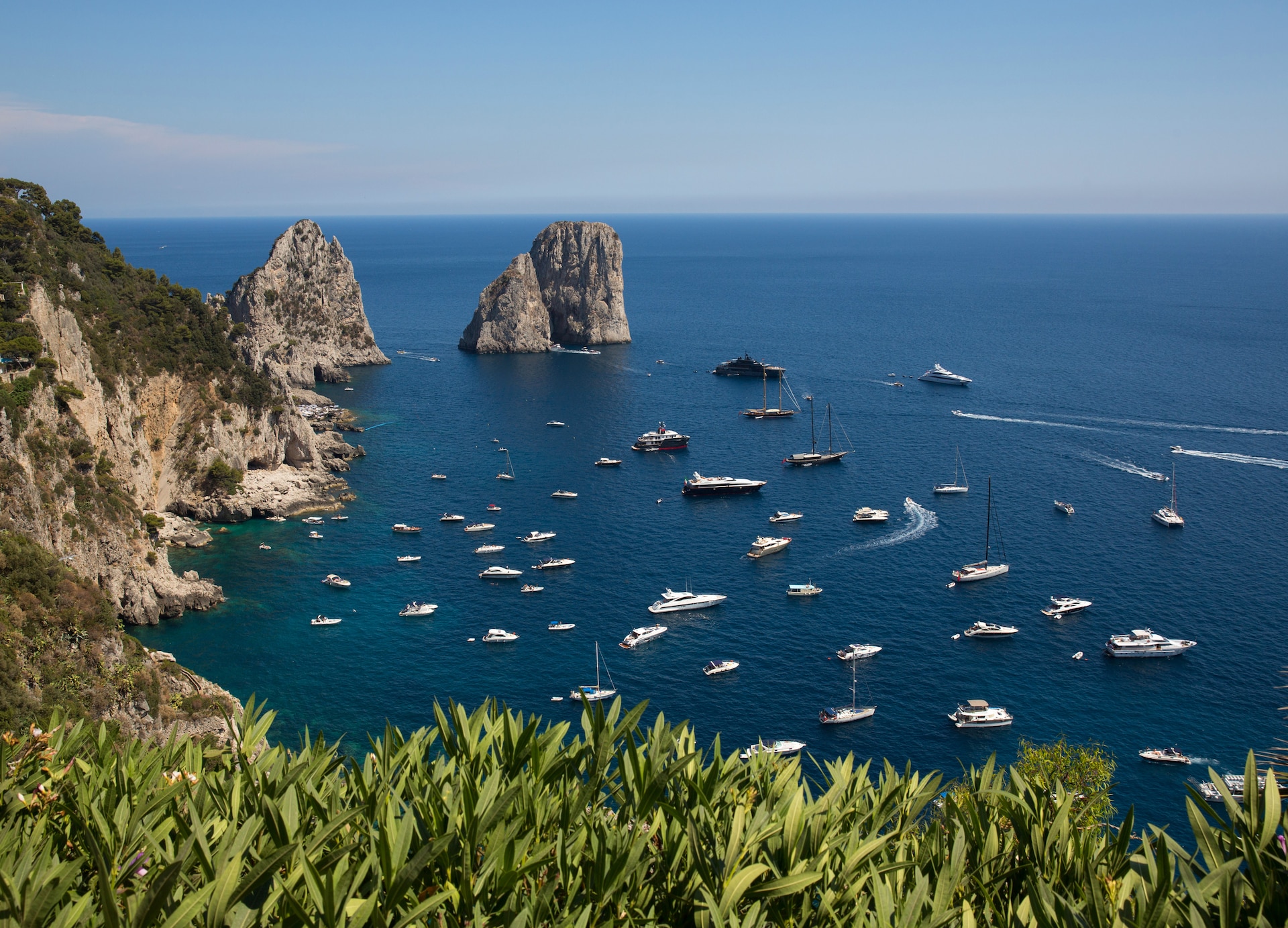
The Amalfi Coast is known for boat journeys that reveal its cliffs, waterfront towns and small bays from the sea. From this angle, the relationship between the villages and the mountains becomes especially clear.
As the shoreline unfolds, you can spot buildings tucked into the slopes and stairways descending toward the water. Towns that feel enclosed when you walk through them suddenly become part of a much larger landscape.
7. Seafood & Coastal Cooking
The Amalfi Coast is known for cooking that combines seafood, pasta, citrus and other ingredients from southern Italy. Scialatielli, a short, thick pasta associated with Amalfi, is often served with seafood, while Cetara is celebrated for its anchovy traditions.
Meals offer another way to understand the coast’s connection to the sea. A plate of pasta, a carefully prepared fish dish or a lemon dessert can introduce you to flavors that appear throughout local menus.
Make room for a relaxed lunch if your plans allow. For ideas on regional specialties, explore what to eat on the Amalfi Coast .
8. Handmade Ceramics in Vietri sul Mare
Vietri sul Mare is known for colorful ceramics, making it an important center of craftsmanship on the Amalfi Coast. Painted plates, bowls and tiles often feature lemons, flowers and Mediterranean patterns.
The appeal is in the small differences. Look closely at a brushstroke, a border or the shades of blue and yellow used across a display. Even familiar motifs take on a different character from one piece to another.
Browsing gives you a chance to appreciate the craft whether you choose a keepsake or simply admire the work. The region’s shopping guide introduces ceramics alongside other local traditions.
9. Beaches & Waterfront Villages
The Amalfi Coast is known for beaches framed by cliffs and villages built close to the water. Some beaches are small and pebbly, with their appeal coming as much from the surroundings as from the shoreline itself.
Places such as Atrani and Minori offer a chance to enjoy village streets alongside a seaside setting. A short walk might take you from a square to the waterfront, where you can watch the activity around the beach.
Sit beside the water, enjoy something cold or take a gentle stroll before continuing your visit.
10. Amalfi’s Papermaking Tradition
Amalfi is known for handmade paper, a craft that adds another chapter to the town’s history. Often called bambagina, Amalfi paper is associated with stationery, invitations and artwork.
The Amalfi Paper Museum offers a closer look at traditional production. Seeing the tools and processes helps explain the skill behind a finished sheet and gives context to the paper sold in local shops.
This is a rewarding detail to discover alongside the coast’s more familiar sights. A simple piece of stationery can carry a connection to the town’s working history, as well as a memory of your visit.
Why Visit the Amalfi Coast?
The Amalfi Coast is an inviting choice if you enjoy coastal scenery, historic towns and local craftsmanship. You can admire houses climbing a hillside, explore a garden above the sea and discover how lemons, ceramics and maritime traditions shape the destination.
A cruise to the Amalfi Coast through Salerno can introduce you to its colorful towns, coastal scenery and regional traditions.
Frequently Asked Questions About the Amalfi Coast
-
What is the Amalfi Coast most famous for?
The Amalfi Coast is most famous for dramatic cliffs, colorful towns such as Positano and Amalfi, lemon groves and Mediterranean views. Ravello’s gardens, Vietri sul Mare’s ceramics and the area’s coastal cooking also contribute to its identity.
-
Is Amalfi the same as the Amalfi Coast?
Amalfi is one town within the Amalfi Coast. The wider coastal area includes places such as Positano, Ravello, Praiano, Minori and Vietri sul Mare. Each has its own setting and character, so a visit to Amalfi town covers just one part of the destination.
-
Why is the Amalfi Coast a UNESCO World Heritage site?
The Amalfi Coast is a UNESCO World Heritage site because of its cultural landscape, where historic settlements and agricultural terraces reflect centuries of adaptation to steep terrain. Its architecture, artistic heritage and natural scenery together give the area its significance.
-
Why is the Amalfi Coast associated with lemons?
The Amalfi Coast is associated with lemons because citrus growing is a longstanding part of its agriculture. Groves occupy hillside terraces, and local lemons are used in desserts, drinks and limoncello. The fruit has also become a familiar decorative motif in regional ceramics.
-
What crafts is the Amalfi Coast known for?
The Amalfi Coast is known for ceramics from Vietri sul Mare, handmade paper from Amalfi and clothing and sandal craftsmanship associated with Positano. These traditions offer a closer look at the skills and businesses behind the coast’s visitor appeal.
-
Is Capri part of the Amalfi Coast?
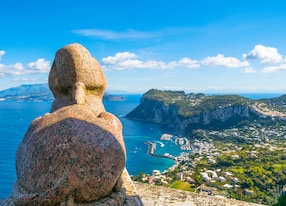
Capri is a separate island off the Sorrentine Peninsula. It's often included in travel plans for the surrounding area, but it is not part of the Amalfi Coast itself. A Capri excursion and an outing along the Amalfi Coast offer different experiences.
-
Is the Amalfi Coast worth visiting on a cruise?
The Amalfi Coast is worth visiting on a cruise if you enjoy sea views, historic towns and regional culture. Excursions from Salerno can introduce you to selected highlights by land or water.
Keep Exploring the Amalfi Coast
Ready to discover more of the Amalfi Coast? These guides can help you plan your visit:
- Amalfi Coast Shore Excursions - Explore guided experiences featuring coastal scenery, historic towns and nearby attractions.
- When Is the Best Time To Visit the Amalfi Coast? - Compare the seasons and find a time that suits your sightseeing and seaside plans.
- What To Eat on the Amalfi Coast - Discover seafood dishes, regional pasta and lemon specialties to try during your visit.
- What To Buy on the Amalfi Coast - Find inspiration for ceramics, handmade paper and other keepsakes to bring home.