Famous Alaska Landmarks To Visit On A Cruise
Alaska’s Most Iconic Sights by Sea
By Lissa Poirot | Published: November 4, 2025 | Updated: June 15, 2026
Alaska is known for its scale and variety — glaciers that reach the sea, mountains higher than any in North America and small towns that still reflect the state’s frontier past. Nicknamed the Last Frontier, Alaska has many state landmarks that are best reached by water, which is why a cruise is one of the easiest and most rewarding ways to experience them. Travelers can visit multiple national parks, glaciers and historic towns in one trip while enjoying the views and wildlife right from the ship.
This guide covers the top destinations to visit and what you need to know before booking your trip.
1. National Parks And Preserves
Cruises through Alaska bring guests close to some of the most remarkable protected areas in the country and one of the biggest highlights is Glacier Bay National Park, a UNESCO World Heritage Site. You may be able to spot enormous tidewater glaciers that calve directly into the ocean — a sight not seen anywhere else in the U.S.
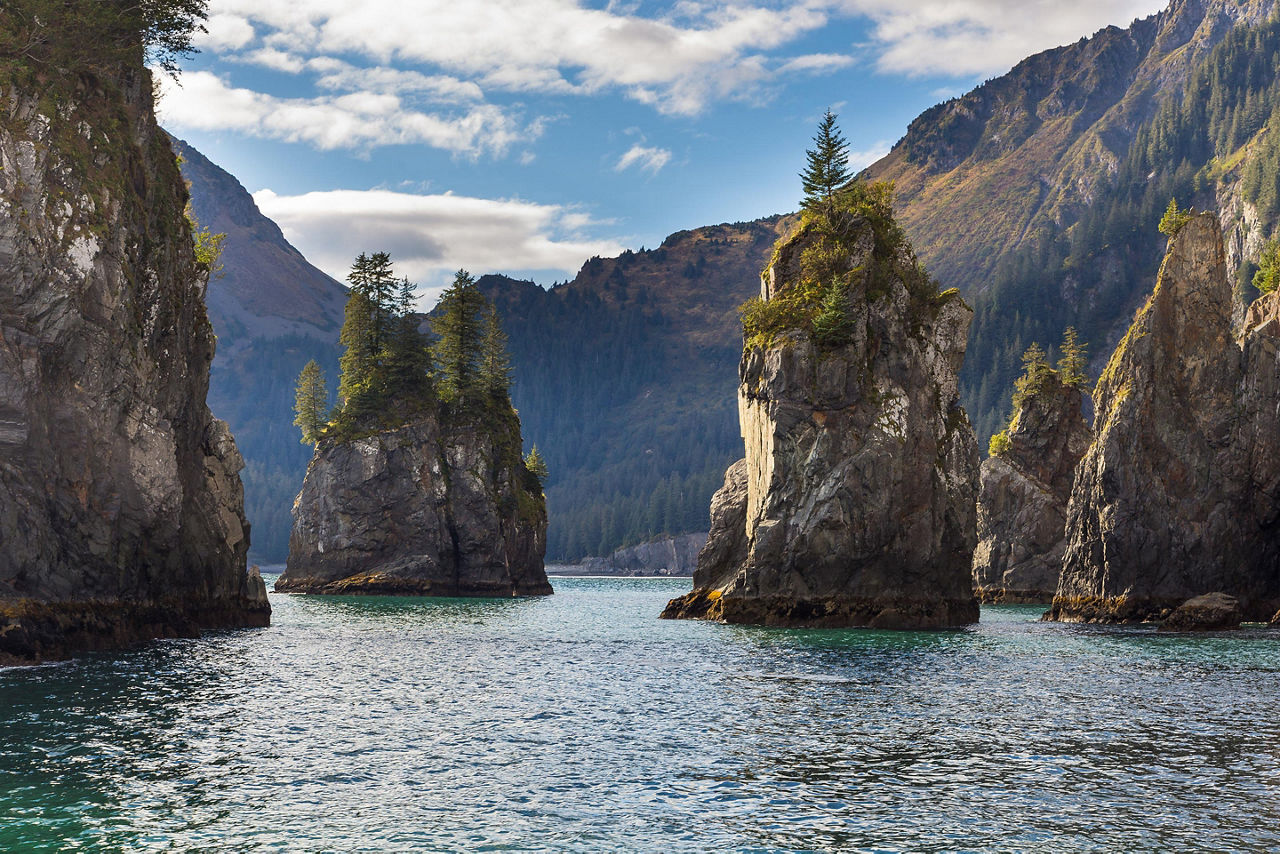
South along the coast, Kenai Fjords National Park showcases rugged cliffs, deep inlets and the Harding Icefield, which feeds dozens of glaciers that reach the water. Passengers can often spot sea otters, puffins and humpback whales from the decks.
Some Royal Caribbean guests combine their cruise with a land tour to Denali National Park, home to North America’s tallest mountain at 20,310 feet. The park’s tundra valleys and river plains make it one of the best areas for viewing bears, moose and caribou.
2. Scenic And Natural Wonders Of Alaska
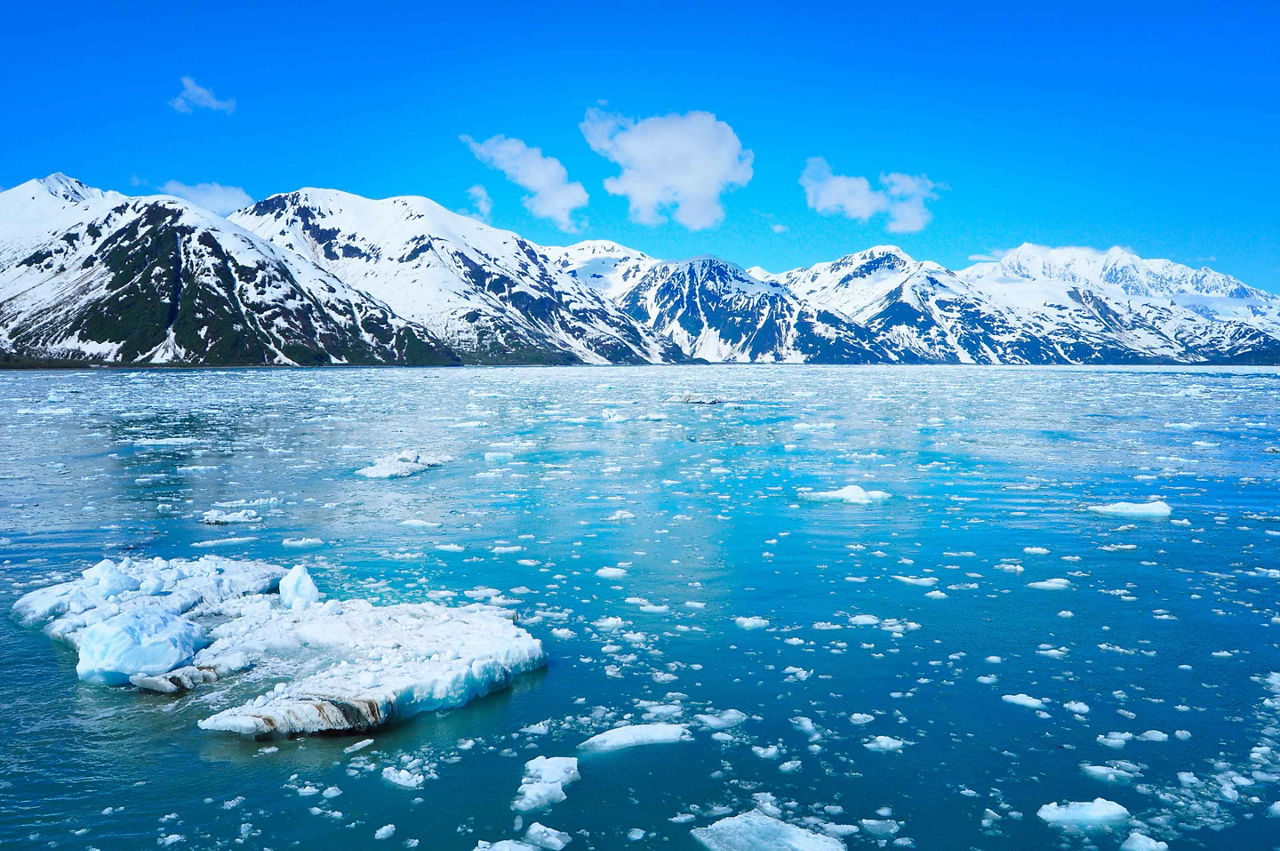
Few destinations rival Alaska’s natural scenery, and several of Alaska’s famous landmarks stand out as must-see highlights. Start with Hubbard Glacier, the state’s largest tidewater glacier, which stretches roughly 70 miles long. Ships spend time here so guests can watch massive pieces of ice breaking away and splashing into the bay.
Another favorite is Tracy Arm Fjord near Juneau, a narrow waterway surrounded by 3,000-foot granite walls and cascading waterfalls. The twin Sawyer Glaciers sit at the end of the fjord and you can often spot wildlife such as seals and bald eagles along the way.
Just outside Juneau, Mendenhall Glacier is one of Alaska’s most accessible natural landmarks. Shore excursions take travelers to the visitor center and nearby trails that lead to the glacier’s viewpoints and Nugget Falls.
3. Historic And Cultural Landmarks
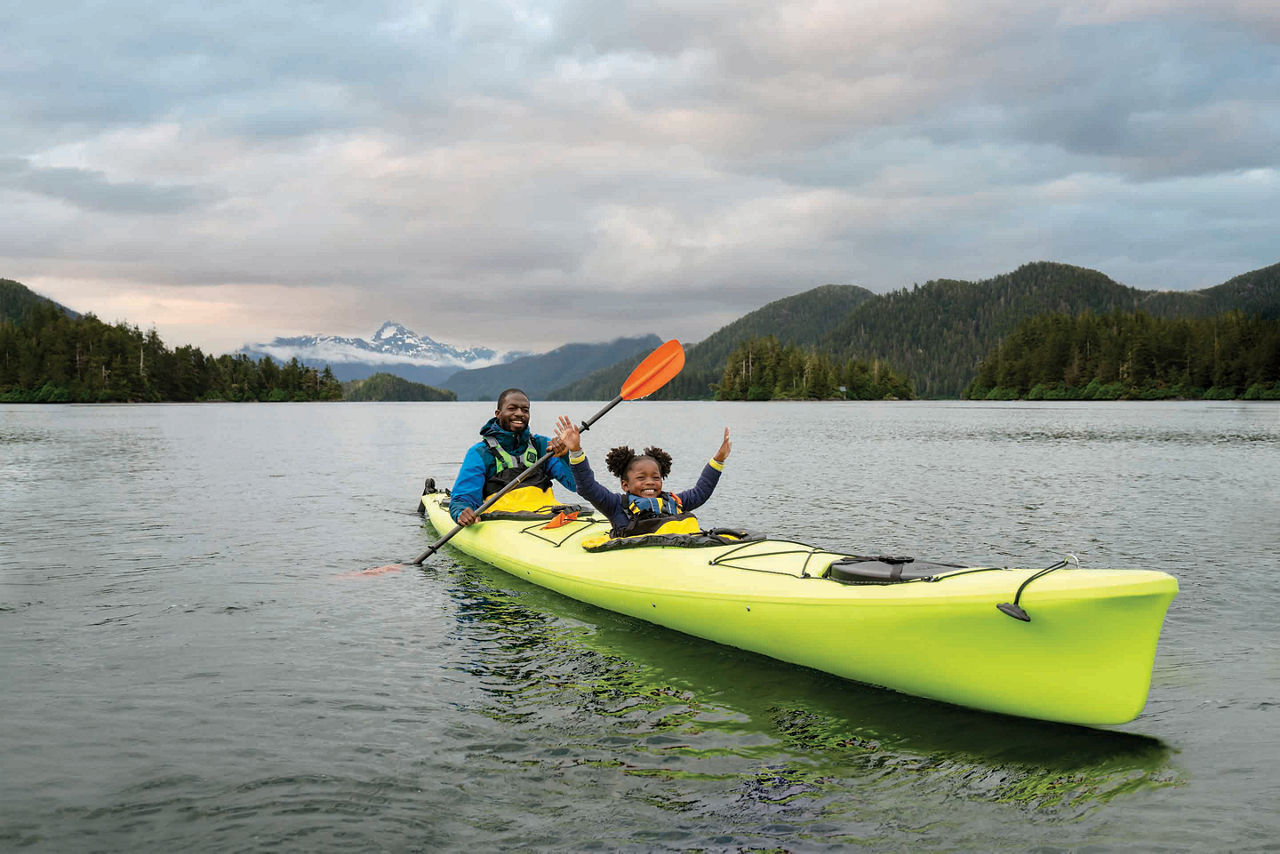
Alaska’s history is closely tied to the Gold Rush and its Indigenous heritage, both visible in ports visited on cruise itineraries. Skagway’s Klondike Gold Rush National Historical Park preserves the town’s 1898 character with wooden buildings, restored saloons and the White Pass & Yukon Route Railway that climbs through the same mountain passes miners once crossed.
In Sitka, Sitka National Historical Park highlights the meeting of Tlingit and Russian cultures. Walking trails lined with totem poles depict stories passed down for generations and ranger talks explain their meanings.
Ketchikan offers one of the largest collections of totem poles in Alaska at Totem Bight State Park. The park also features a replica clan house that illustrates how Native Alaskans lived in the region’s coastal environment. Creek Street, Ketchikan’s colorful boardwalk built on stilts above the water, adds another layer of history as visitors explore its shops and galleries.
4. Coastal Towns And Ports Of Call

Each port has its own distinct landmarks and personality and is home to some of Alaska’s major attractions. Juneau, the state capital, for example, sits between the Gastineau Channel and towering mountains. From the port, guests can take a tramway up Mount Roberts for city and glacier views, join whale-watching tours in Auke Bay or head out to Mendenhall Glacier.
Ketchikan, also known as the “Salmon Capital of the World,” is renowned for its totem poles at Saxman Village, Creek Street’s historic shops and nearby Misty Fjords excursions by floatplane or boat.
Passengers will feel like they’re stepping back in time in Skagway, with its compact downtown of frontier-style buildings. The charming town provides easy access to scenic rail routes and excursions here often combine history and scenery — from visiting the old gold rush trail to taking a ride on the mountain railway.
5. Hidden Gems
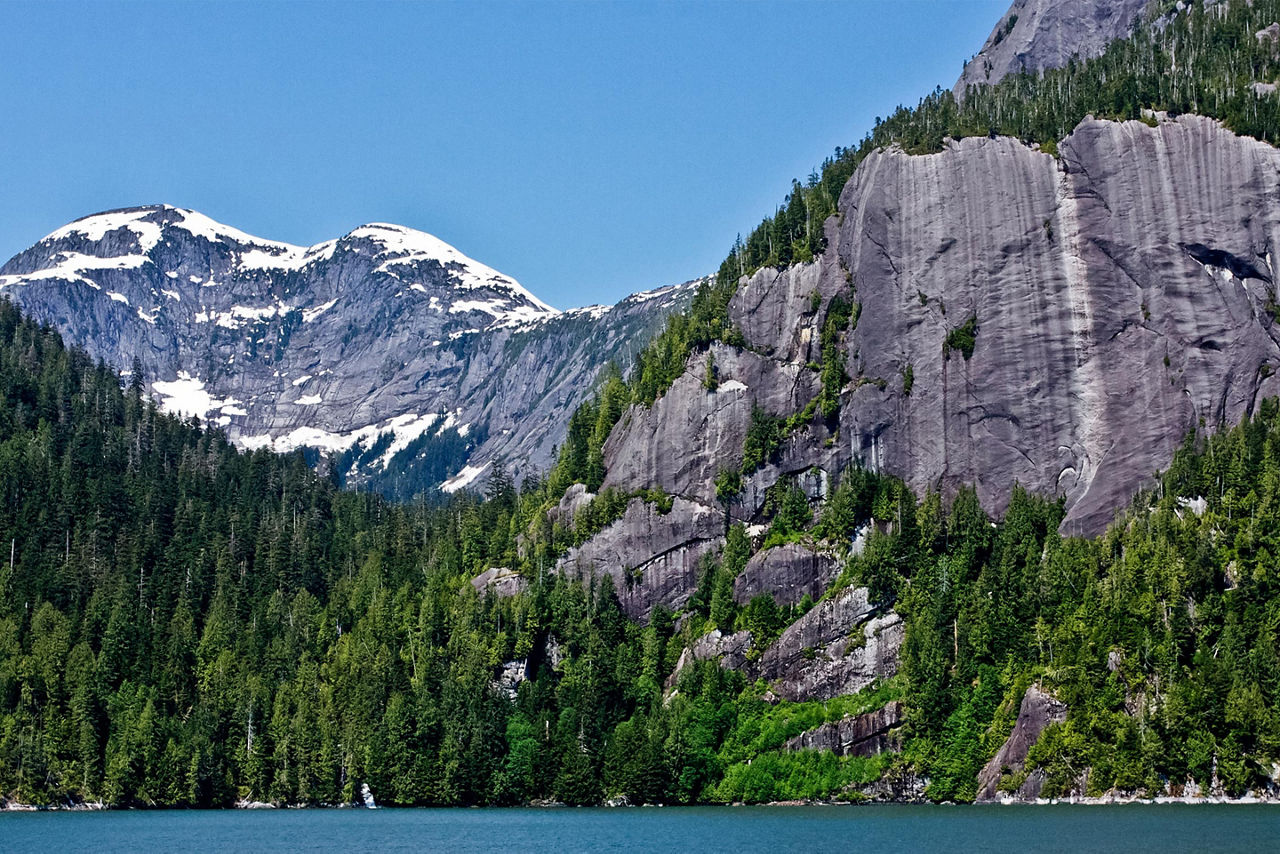
Some Alaska landmarks remain less visited but are equally impressive. Misty Fjords National Monument, for instance, is an Alaskan monument made up of narrow fjords, high cliffs and hundreds of waterfalls. Flightseeing tours give a bird’s-eye view of this vast wilderness and boat trips offer close-up looks at its granite walls.
Farther east, Wrangell–St. Elias National Park is the largest in the U.S., covering more area than nine smaller states combined. It contains massive glaciers, active volcanoes and remnants of copper mining towns. Though most travelers see it by flight or small-group tour from the coast, its scale and isolation make it one of Alaska’s most extraordinary and protected areas.
The Kenai Peninsula also delivers plenty of scenic variety, from the fishing port of Homer to the mountain peaks above Seward. Wildlife sightings are frequent along the coast, and the peninsula’s accessible road network makes it ideal for guests looking to extend their cruise with a land stay.
What Mountains Are In Alaska?
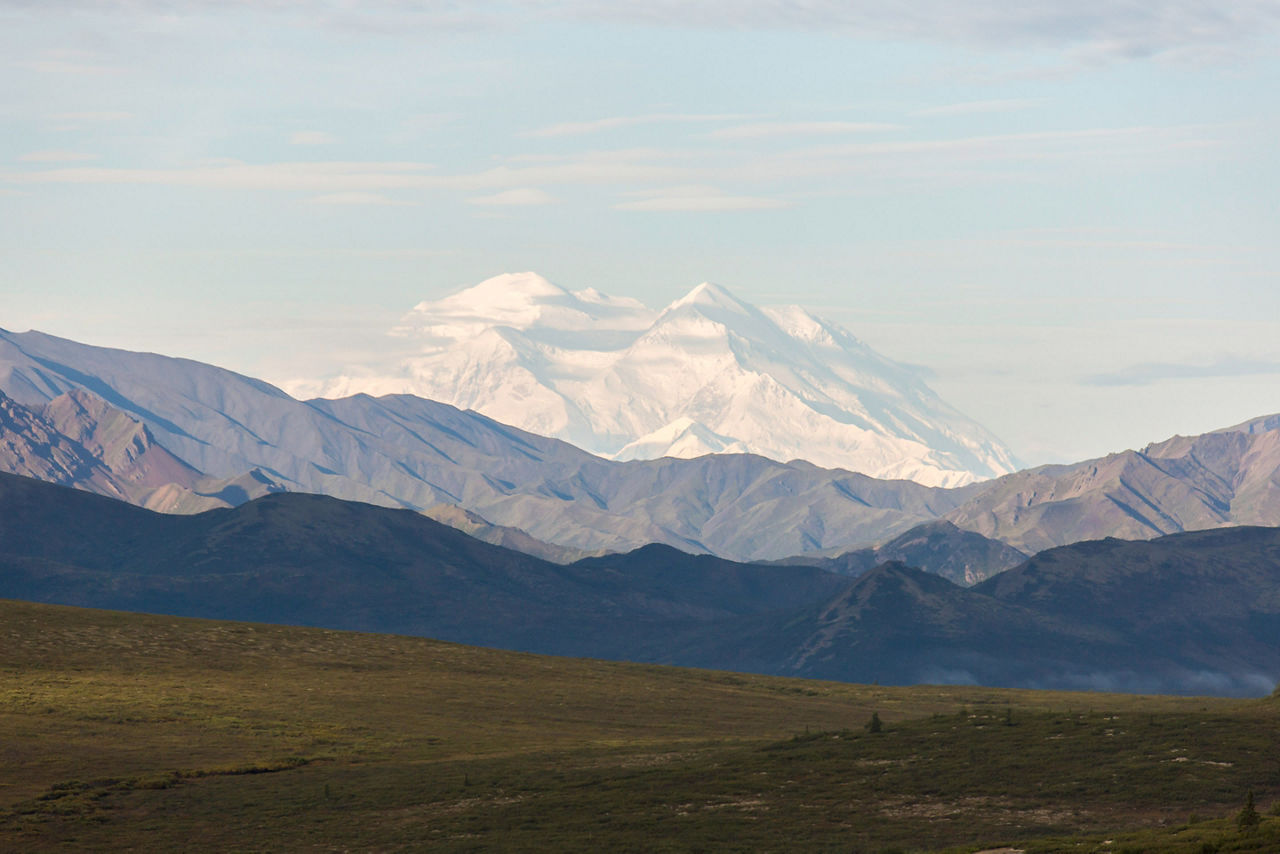
If mountain views are what you’re after, Alaska is sure to deliver. The Last Frontier has 39 named mountain ranges spread across the state, with the Alaska Range, Chugach Mountains and Wrangell and Saint Elias Mountains being the best known.
These peaks give Alaska its stunning, rugged appearance, with some of the tallest and most dramatic highlands in North America. Here are some notable mountains you could see on your cruise:
- ● Denali.
- ● Mount Saint Elias.
- ● Mount Foraker.
- ● Mount Bona.
- ● Mount Blackburn.
What Are The Most Instagram-worthy Places In Alaska?
Fill your feed with incredible pictures by stopping by some of Alaska’s most photogenic locations:
- ● Thompson Pass: Known as the snowiest place in Alaska, this destination is a 2,600-foot-high gap in the Chugach Mountains, offering powdery conditions perfect for winter wonderland photos.
- ● Margerie Glacier: This 21-mile-long tidewater glacier in Glacier Bay National Park towers 250 feet above the water, making it a stunning backdrop for your next Instagram post.
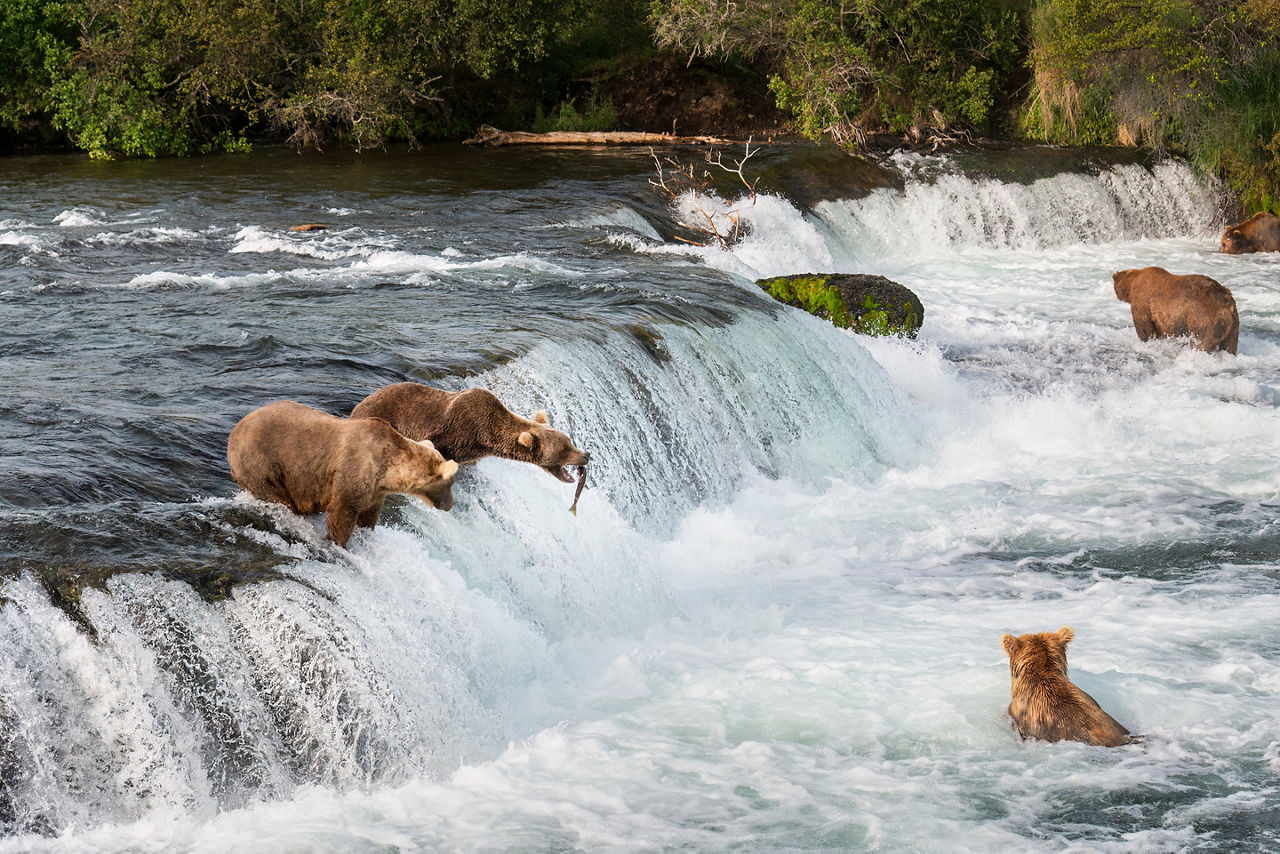
- ● Brooks Falls: On the hunt for bears to feature? This location in Katmai National Park is your best bet for capturing brown bears leaping to catch salmon.
- ● Resurrection Bay: Grab images to help your followers live vicariously through you as you explore this stunning, glacier-filled fjord on Alaska’s Kenai Peninsula.
- ● Wonder Lake: See Denali from a different perspective by getting pictures of its reflection on the shimmering waters in Denali National Park.
No matter what time of year you visit Alaska or what your vacation style is, you’re bound to take home some of the most awe-inspiring photos that are well worth the likes.
Alaska Cruising: What You Need To Know

Why A Cruise Is The Best Way To Experience Alaska’s Landmarks
Many of Alaska’s most famous natural sites are only reachable by ship. Traveling along the water, passengers are privy to views of glaciers, fjords and wildlife up close while also enjoying comfortable accommodations between ports. Many Alaskan itineraries specifically include scenic cruising days, so guests have a chance to sit back and possibly catch glaciers calving into the sea and photograph landscapes they never get from the shore. Meanwhile, shore excursions connect travelers to historic towns and cultural sites, combining Alaska’s natural and human history in one trip.
How To Plan An Alaskan Cruise
Planning an Alaska cruise starts with choosing the right season and knowing what to expect.
When To Cruise To Alaska
The Alaska cruise season runs from May through September, and each month offers its own version of the experience. May marks the start of the season, when snow still caps the mountains and spring wildlife is active, and early sailings often come with lower fares and fewer crowds. It’s also one of the driest months in Southeast Alaska.
June brings longer daylight hours — up to 18 hours in some areas — giving travelers more time for glacier viewing and outdoor excursions. Temperatures rise into the 50s and 60s, ideal for checking out famous sights in Alaska.
July is the warmest and busiest month, when wildflowers bloom, salmon runs begin and whale sightings peak along the Inside Passage. It’s also a prime time for families, as schools are on summer break and cruise schedules are most frequent.
By August, days are slightly shorter, but still mild and the state’s coastal rainforests are at their lushest. Travelers may spot bears feeding on spawning salmon near rivers and streams — a highlight of late-summer cruises.
September signals the season’s close and a return to quieter ports. Prices often drop and early hints of fall color appear in the mountains. Cooler temperatures make for crisp air and clear skies.
What To Expect On An Alaska Cruise
An Alaska itinerary blends scenic cruising days with port visits that showcase the state’s landscapes, wildlife and culture. Ships typically sail through the Inside Passage, a sheltered network of fjords and islands where passengers can watch glaciers, forests and coastal villages glide by from the deck. At ports, a wide range of excursions bring guests even closer to Alaska’s highlights, such as helicopter tours, railway rides and small-group hikes through the surrounding valleys.
Back on board, ships often deliver Alaska’s character through regional dining and enrichment programs. Local seafood and Alaskan craft beers often appear on menus, while lectures, photo workshops and wildlife talks deepen guests’ understanding of the environment they’re sailing through. Evenings might bring live music, theater or time on deck as the late-night sun lingers over snow-covered peaks.
Accessibility Of Alaska’s Landmarks
Because much of Alaska’s coastline is unreachable by road, a cruise remains the simplest and most complete way to experience its landmarks. Travelers who plan an Alaskan cruise unpack once and visit multiple national parks, fjords and towns in one itinerary.
Book Your Alaska Adventure
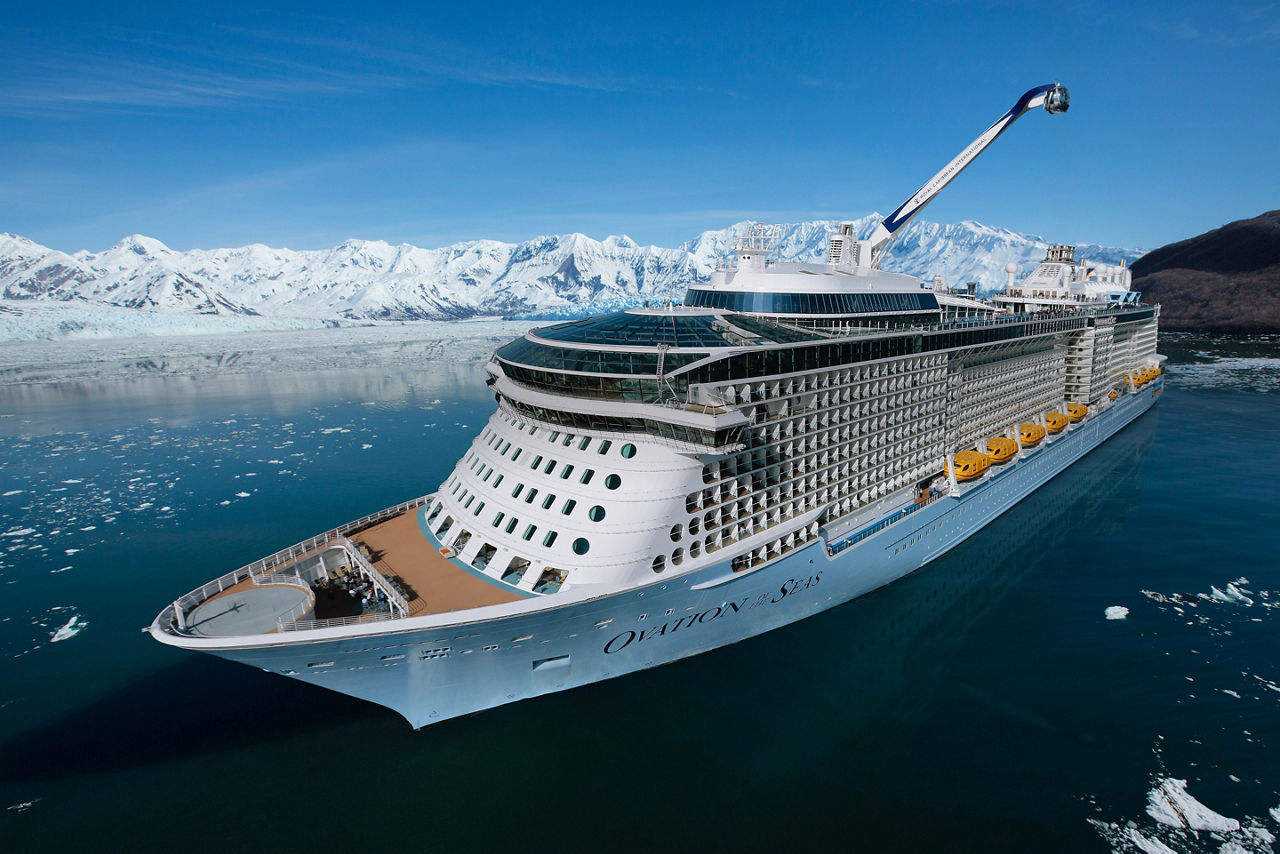
Seeing Alaska by cruise brings the state’s most famous landmarks within easy reach to combine once-in-a-lifetime sights with comfort, convenience and expert-led excursions that help travelers make the most of every moment.
Whether you’re watching ice calve in Glacier Bay, spotting whales from the ship or visiting totem parks and frontier ports, each day offers a new view of the Last Frontier’s natural and cultural treasures.
Related Articles

12 Best Family Vacation Ideas in Seward, Alaska
READ MORE
Why a Luxury Cruise is the Best Way to See Alaska
READ MORE
The Story Behind Alaska’s Most Iconic Towns
READ MORE