Alaska Cruise Weather By Month: What To Expect Before You Sail
The Last Frontier Forecast
By Melanie Hamilton | Published on May 28, 2026
John Muir once mused, “Never go to Alaska as a young man, because you’ll never be satisfied with any other place as long as you live.” And it’s true. With its millions of lakes, some 100,000 glaciers, a coastline longer than the entire continental U.S. and 17 of the 20 highest peaks in the country, Alaska remains as wild and untamed as Muir found it over a century ago. The weather is a faithful companion to such a wilderness, with its misty fjords, icy mountain air, sparkling snowcapped summits (even in summer) and moody skies that bring showers, fiery sunsets and, come September, technicolor auroras.
No matter the weather, each month of Alaska cruise season brings its own promise of adventure. This guide will break down Alaska cruise weather by month, so you can pick the perfect sailing and know what to expect in terms of weather, daylight hours, wildlife and more.
When Is Alaska Cruise Season?
May Weather
May is Alaska’s shoulder season, and it’s cooler, quieter and drier than the months that follow. Temperatures hover around the 40s and 50s, but with nearly 18 hours of daylight, the glowy golden hour lingers well past supper. As the driest month of the Alaska cruise season, May is ideal if you’d rather not pack a whole suitcase of rain gear.
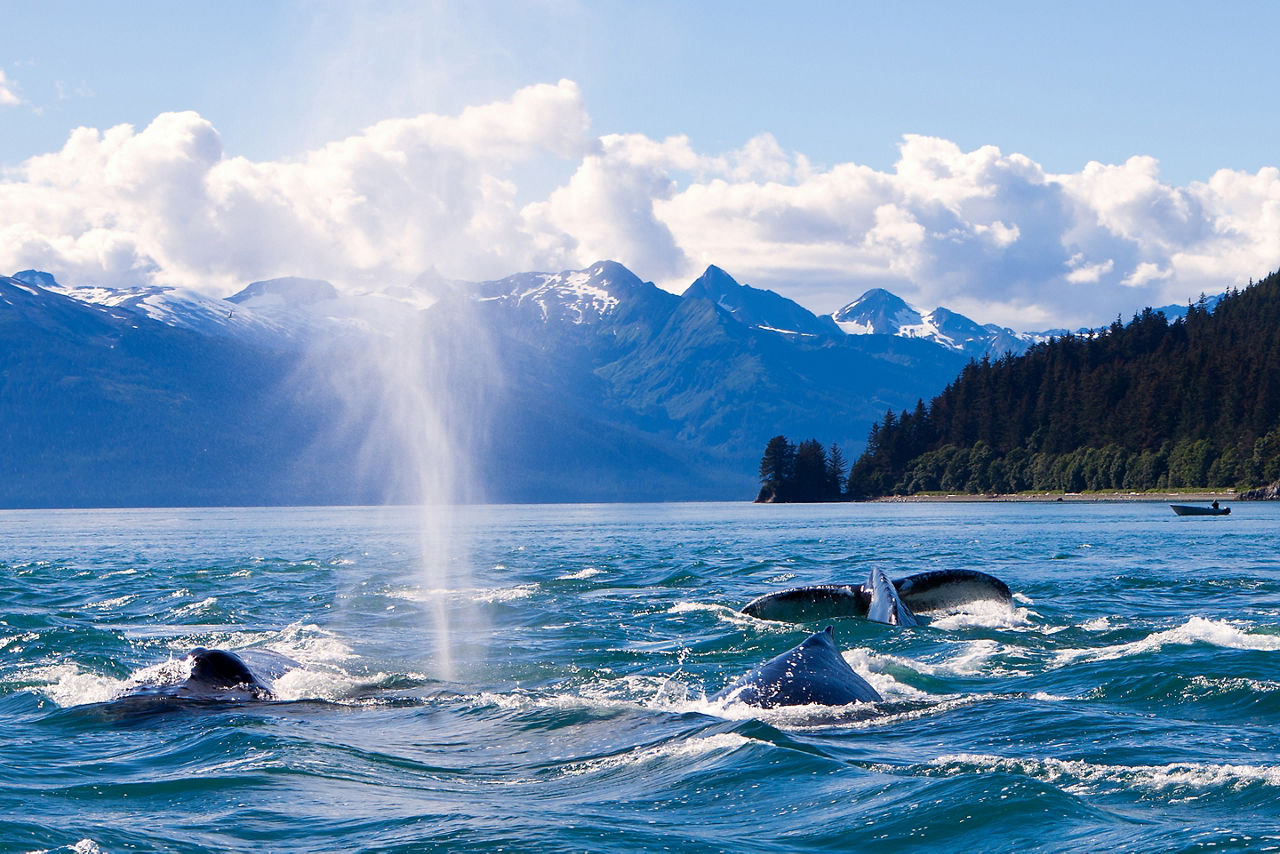
Wildlife-wise, it’s prime for whale migrations as humpbacks return to feast on dense schools of herring and bears emerge from hibernation. Crowds are lighter than during the busy summer season, as are prices and packing — think fleece, windbreaker and a good base layer.
June Weather
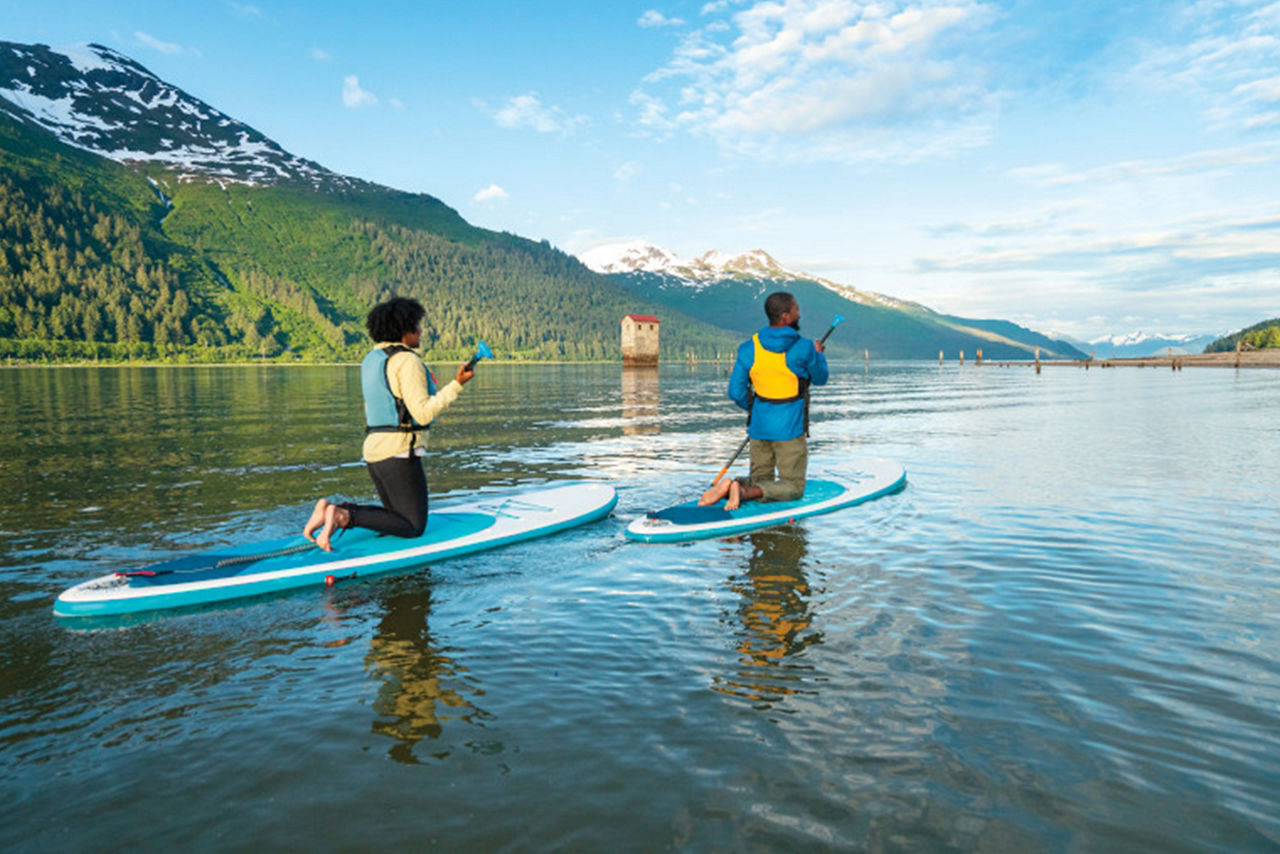
In June, Alaska starts to hit its stride as temperatures warm into the 50s and 60s. Daylight peaks as the solstice approaches with up to 19 hours of sunlight — enough to kayak at 10 p.m. and still enjoy a magical twilight. Rainfall remains relatively low compared to August, great for staying dry while you’re out exploring.
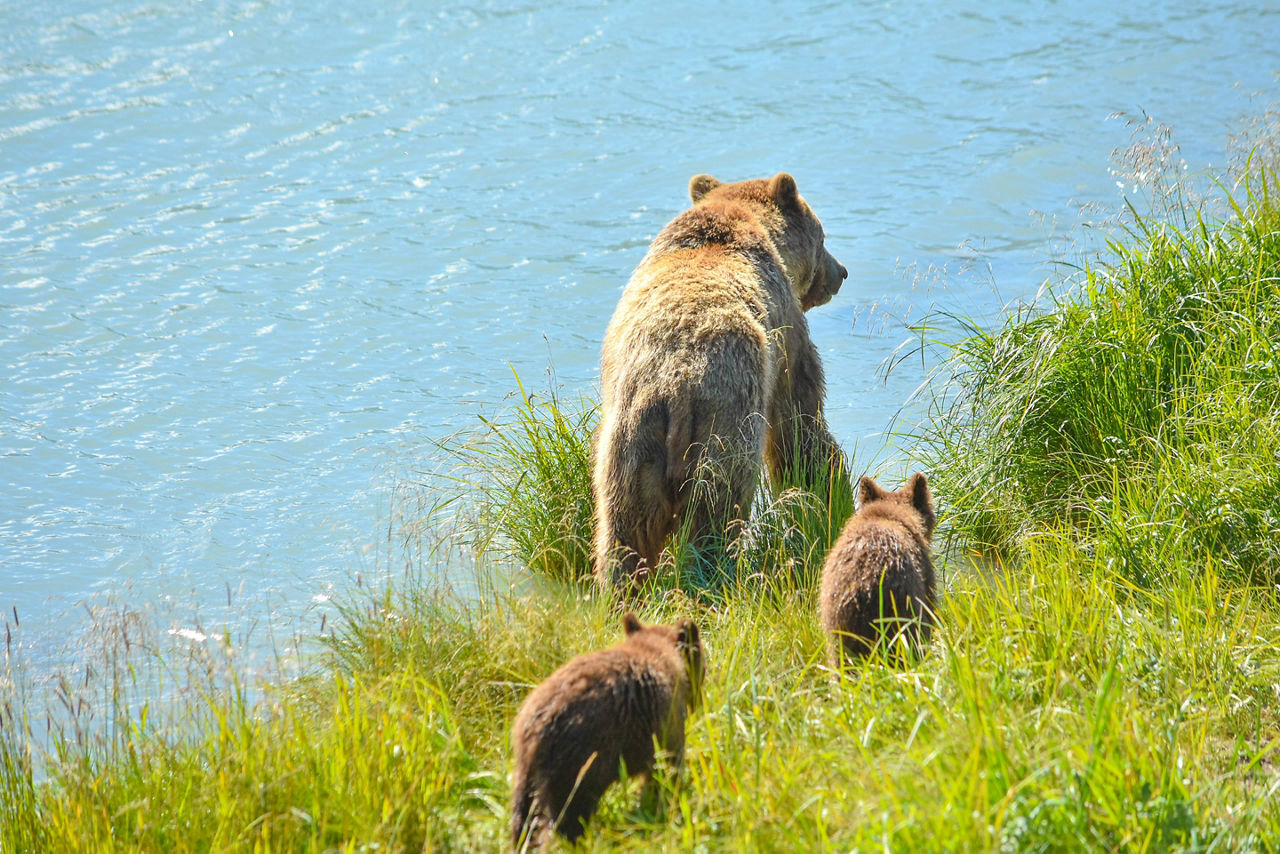
Whale watching continues as humpbacks patrol their waters, salmon runs begin gathering steam as bears grow more active along riverbanks, staking out the best spots to snatch fish. Crowds are building at this point, but lower compared to peak season around the corner, and generally calm skies make glacier viewing and wildlife spotting from your deck a breeze.
July Weather
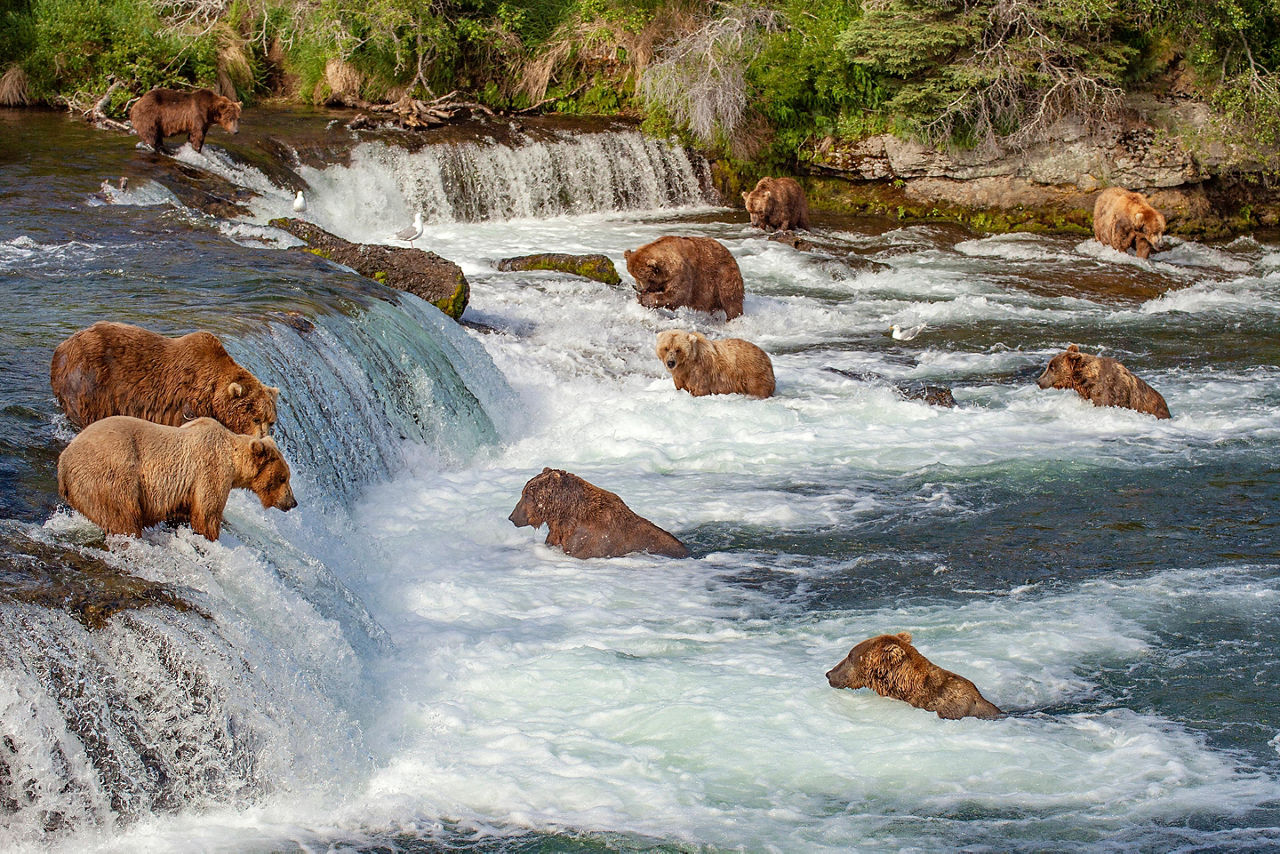
It’s hard to beat Alaska in July. Temperatures settle into a comfy 60-70 degrees with 18+ hours of daylight that make it easy to fill your days (and nights) with adventure.
Salmon runs reach a thundering height, drawing out the bears in full force where they wait along calm riverbanks and roaring waterfalls. Grizzlies seem to find the best spots, snatching salmon mid-leap with enviable patience and precision. Overhead, nesting puffins and kittiwakes begin to congregate, while the long days leave more hours to spot humpbacks, orcas and eagles. You’ll also want to keep an eye out for wandering moose, caribou and even wolves. The sea is also remarkably calm, perfect for spotting lazing seals and sea otters. Because July is so popular, cabins and itineraries book up fast, so you’ll want to reserve early.
August Weather

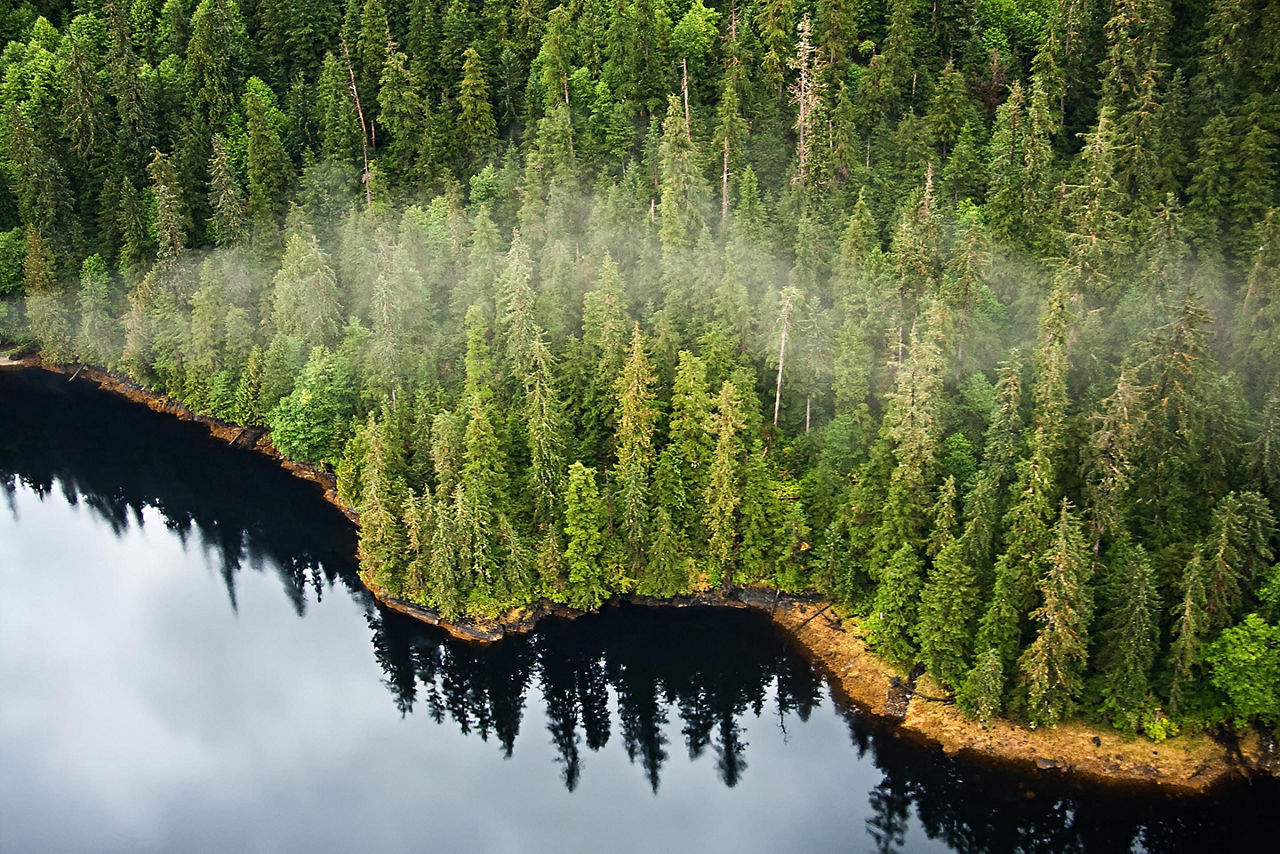
With temperatures hovering around the 50s and 60s as daylight begins its retreat to around 15-16 hours, August carries the last bits of summer in its pockets. While there’s still more than enough light, it’s worth noting that August is the wettest month of Alaska’s cruise season, though it doesn’t so much dampen the experience as deepen it. Picture low mist floating up over crystalline fjords, waterfalls swollen with the summer’s glacial melt, impossibly green forests full of ancient Sitka spruce. It’s all so brooding and ethereal.
Late-season salmon runs still pulse through the rivers and bears amp up their feeding to pack on some more pounds before a long winter sleep in the hills. Crowds also ease up slightly from July’s peak, making August an ideal time for travelers who want the full experience without as much demand. Just don’t forget your rain gear. If you’re weighing your options, explore the best Alaska cruises to find a sailing that fits your pace.
September Weather
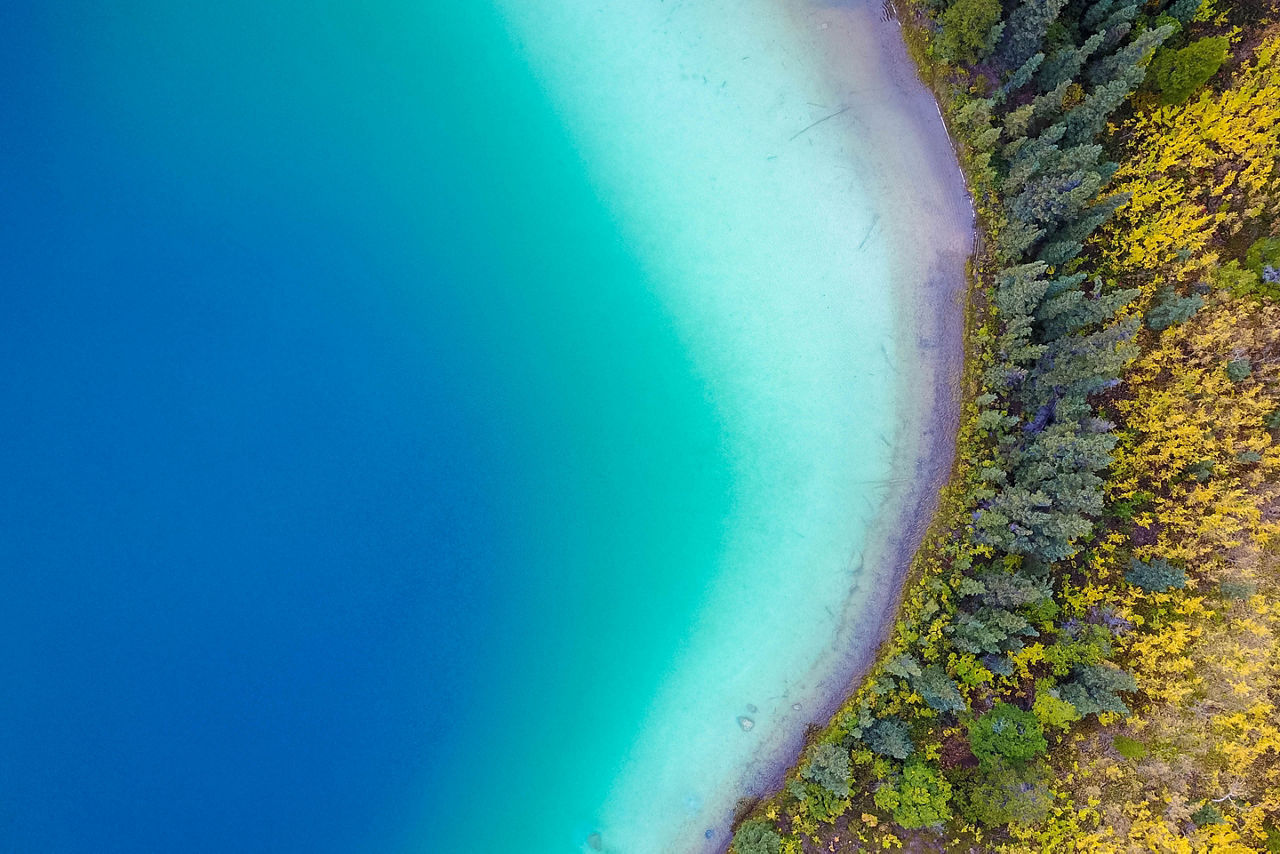
In September, the season starts winding down as the crowds thin and daylight pulls back to 13-15 hours. Temperatures slip down to the 40s and 50s and the rain, having had its August moment, begins to ease. Color, on the other hand ….
With fall creeping down from the peaks, hillsides shift to gold and amber as the Tongass trade their bright summer green for a fiery palette of purple, red, orange and yellow between patches of evergreens. The transformation isn’t just on land, either; as the darkness returns, so do the northern lights in all their green and violet glory, making it a prime time to check off that bucket list item. By September, shoulder pricing has also returned and sailings will be at their least crowded, making it a sweet spot for travelers who want both spectacle and solitude.
Alaska Cruise Weather By Port
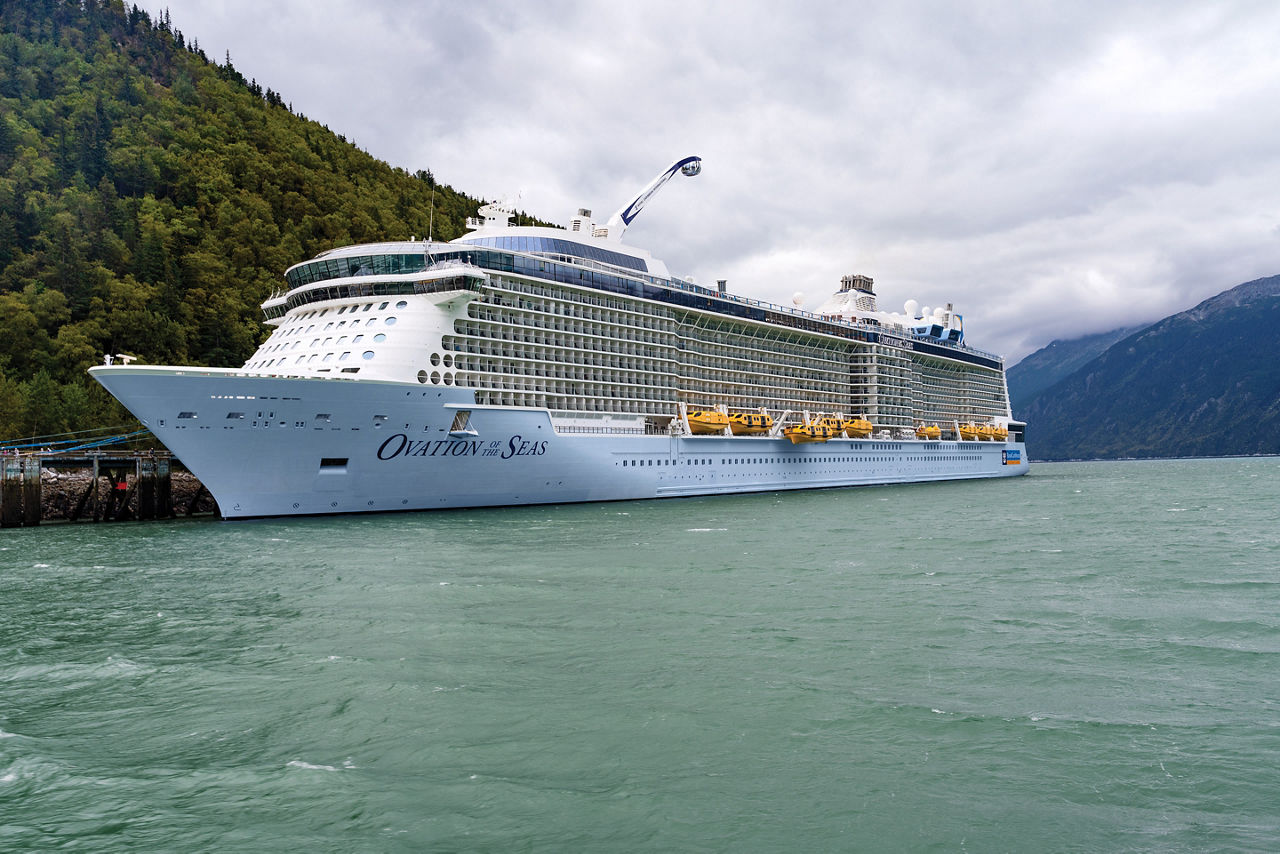
Juneau
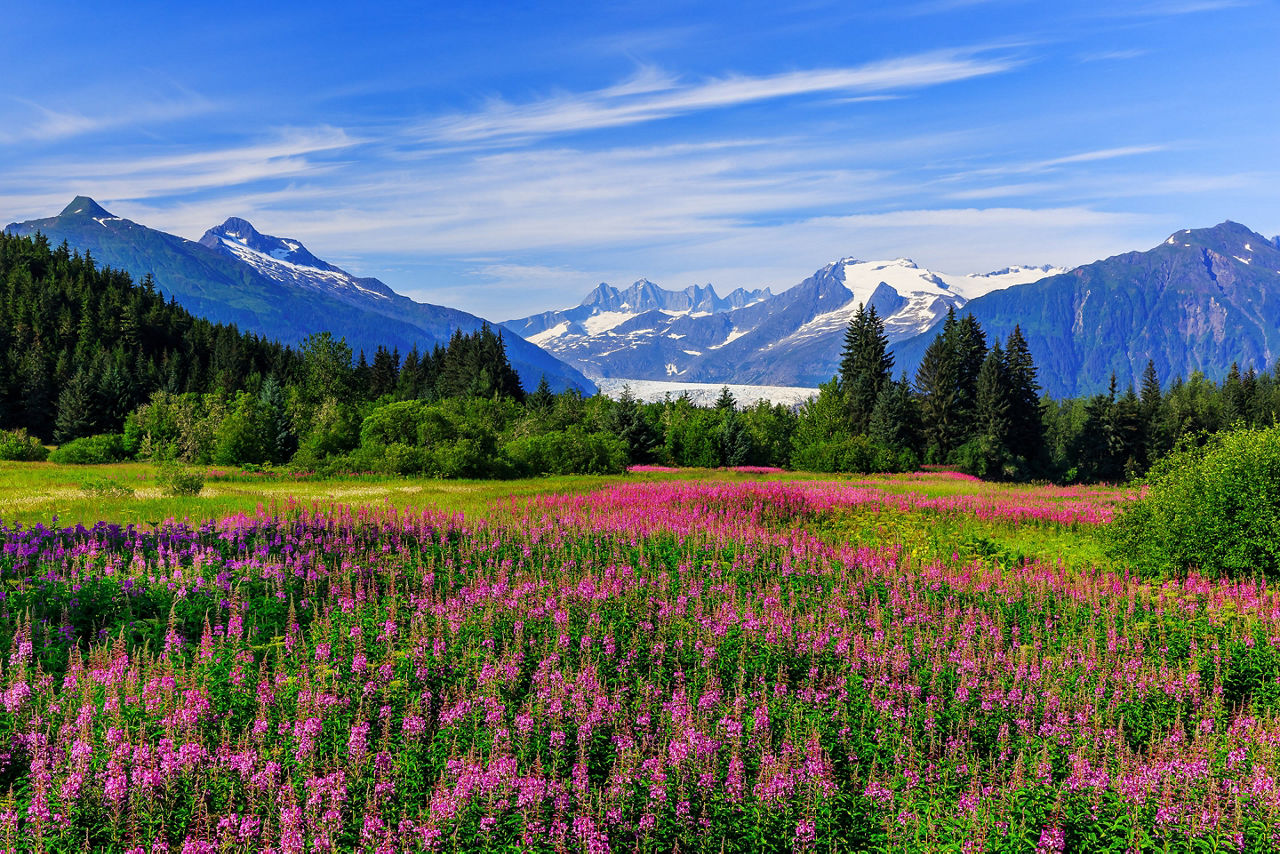
Ketchikan
Skagway

Sitka
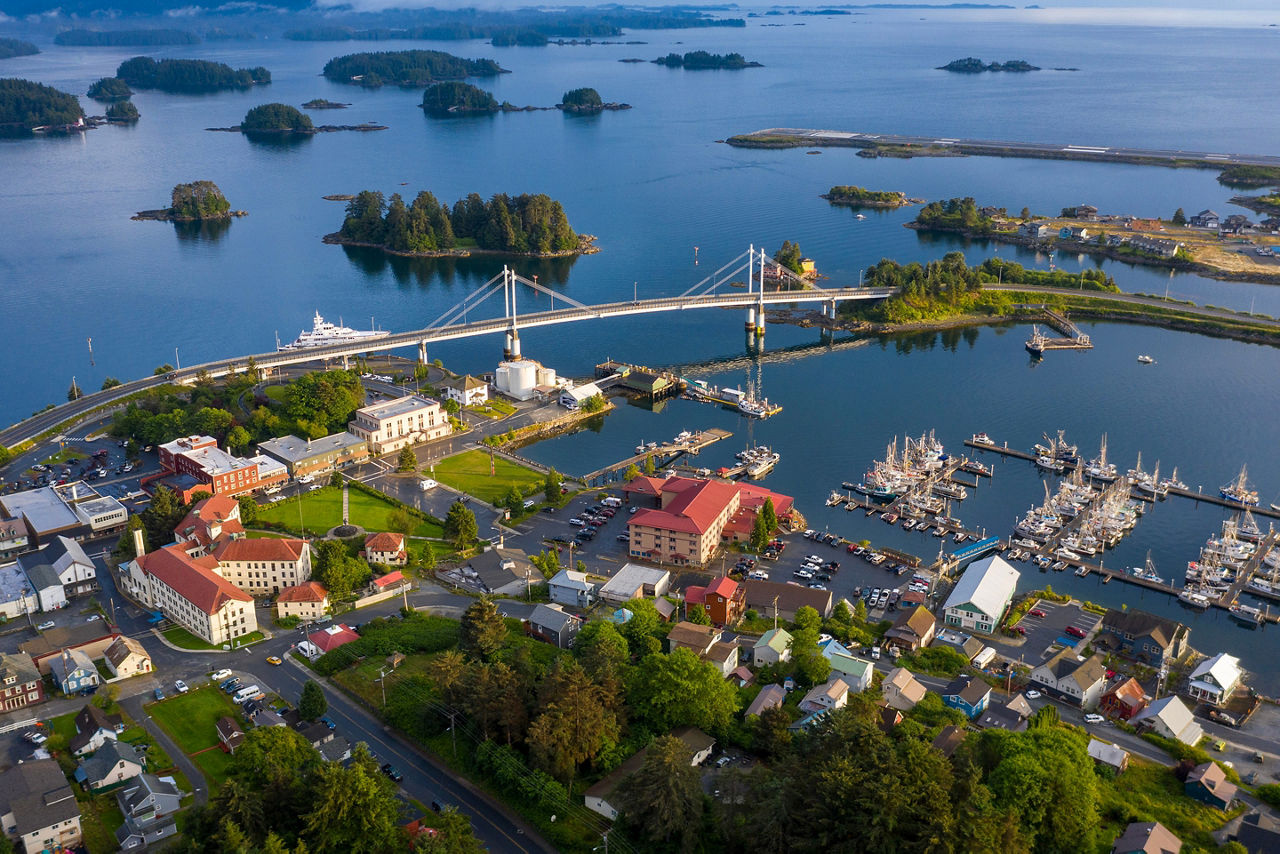
Sitka faces the open Pacific, so expect wind, dramatic skies and fast-changing conditions — the same wild edge that makes its whale watching excursions and coastal walks so memorable.
Explore the best way to see Alaska and the Alaska bucket list to build your ideal itinerary ashore.
Does Weather Matter On An Alaskan Cruise?
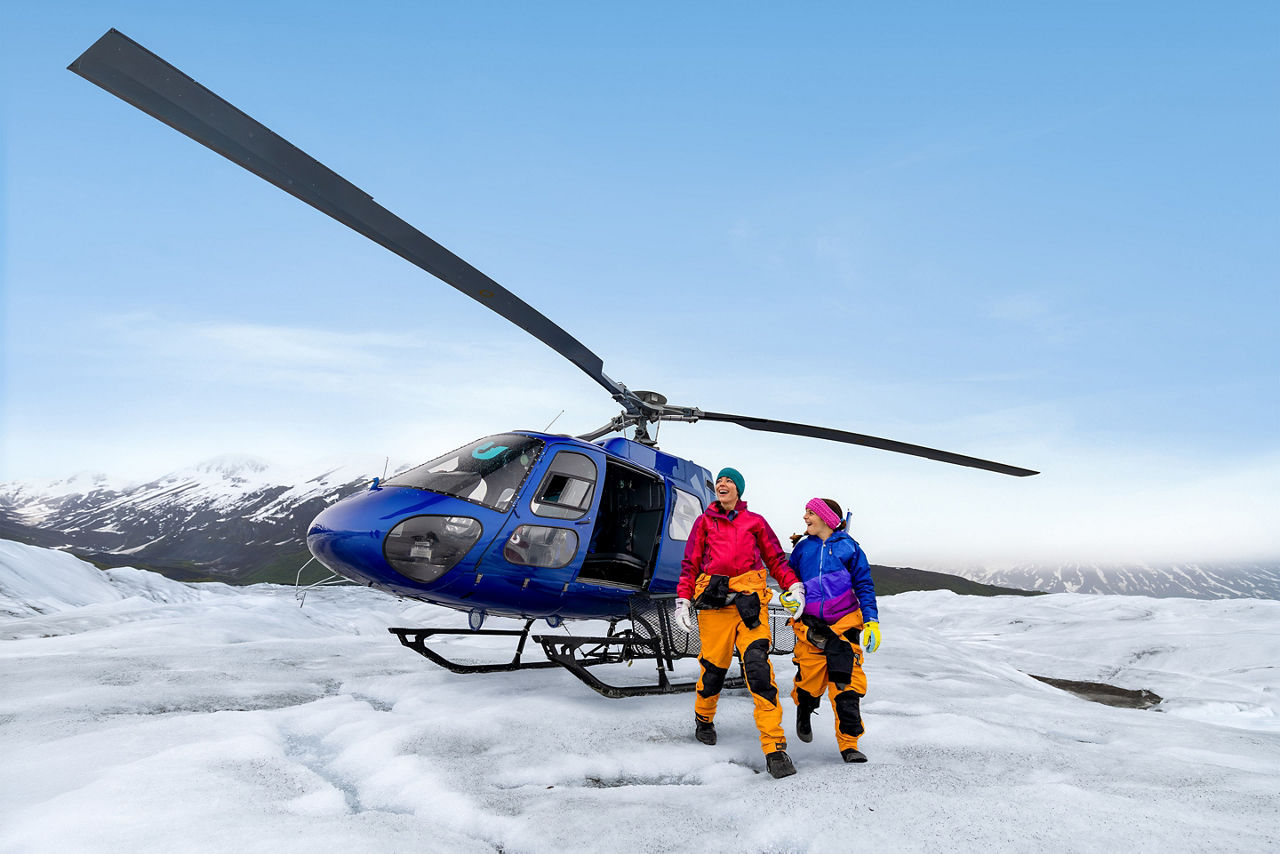
Truth be told, most Alaska excursions — hiking, kayaking, whale watching etc. — operate in all conditions, and weather often enhances rather than limits the experience. Rain stirs bear activity along riverbanks, fog adds drama to glacier approaches, dramatic skies make for better photographs than flat sunshine and so on. Flight-seeing is the one exception, requiring clearer visibility for landing.
The Inside Passage, the primary sailing route for Alaska cruises, keeps seas remarkably calm throughout the season, so rough water is rarely a concern. Whatever the forecast, packing wisely for Alaska is what keeps you outside and enjoying it most.
The Best Time To Cruise Alaska With Royal Caribbean

Every month of Alaska’s cruise season has a fair claim on your calendar; the question is simply what matters most to you.
July delivers the warmest temperatures and most daylight, making it an easy pick for first-time visitors. For wildlife, you’ve got plenty of time with a window that runs May through August: Whales and seabirds dominate May and June, while bears reach peak activity in July and August along with salmon runs. May and September are great for those after a full Alaska experience sans crowds — May for long, bright days full of spring energy, September for fall color and northern lights.
If there’s one month to balance it all, that would be June. Remember though, there’s no bad month to sail Alaska. Each offers something the others can’t. The hardest part is simply choosing.
Related Articles

12 Best Family Vacation Ideas in Seward, Alaska
READ MORE
8 Alaska Family Vacation Ideas
READ MORE
Alaska Cruise Comparison: Which Alaskan Cruise is Right for You?
READ MORE