By Robert Schrader | Published: September 23, 2022 | Updated: February 23, 2026
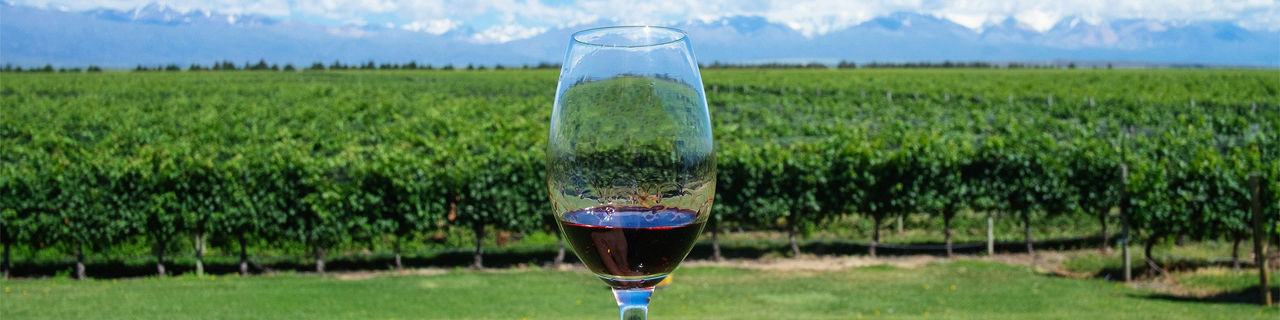
I've only been to a few places as delicious as the Argentina wine country — and I'm not just referring to the deep fruitiness of the rich malbec produced there. The exhilarating bike rides on dirt roads between wineries and farm-to-table restaurants, the panoramic views of snow-capped Andean peaks, and the delectable pairings of wine and local beef make an Argentina wine trip a feast for all the senses.
Whether you're already booked to visit Argentina in the near future or are still dreaming up your visit, here you’ll learn all about Argentina’s famous malbec, the best wine regions to visit and how to start planning your trip.
Key Takeaways: Argentina’s Wine Regions
Argentina is a prominent and internationally recognized wine country. It’s known for its malbec wine, and its most famous wine region is Mendoza, which accounts for 70% of the country’s wine production. Mendoza has three wine-growing areas, including Maipú, Luján de Cuyo and Uco Valley. Other notable Argentinian wine regions include:
- ● Salta: While Salta is also famous for malbec, you can find other wines there, too, such as cabernet sauvignon and merlot.
- ● Catamarca, La Rioja and San Juan: These three wine regions are located between Mendoza and Salta, producing cabernet sauvignon, syrah, torrontés and bondara.
- ● Patagonia: Famous Patagonia wines come from areas like Rio Negro, located in northern Patagonia, and Bariloche, where wines are mostly bold reds, but you’ll also find excellent pinot noir and chardonnay.
- ● Explore our South American cruises to taste your way around Argentina’s wine country.
History of Malbec in Argentina
Where Does Malbec Come From?
Several different varietals of wine grow in Argentina vineyards, with the most common being malbec. Although it's now beloved around the world and synonymous with Argentina, malbec's history is a surprisingly sad one, starting with its name. "Mal bec" is French for "bad beak" or "bad nose," referring to the perception of wine growers in France — where the grape originated — that Malbec smelled and tasted bad.
The History of Malbec Wine in Argentina
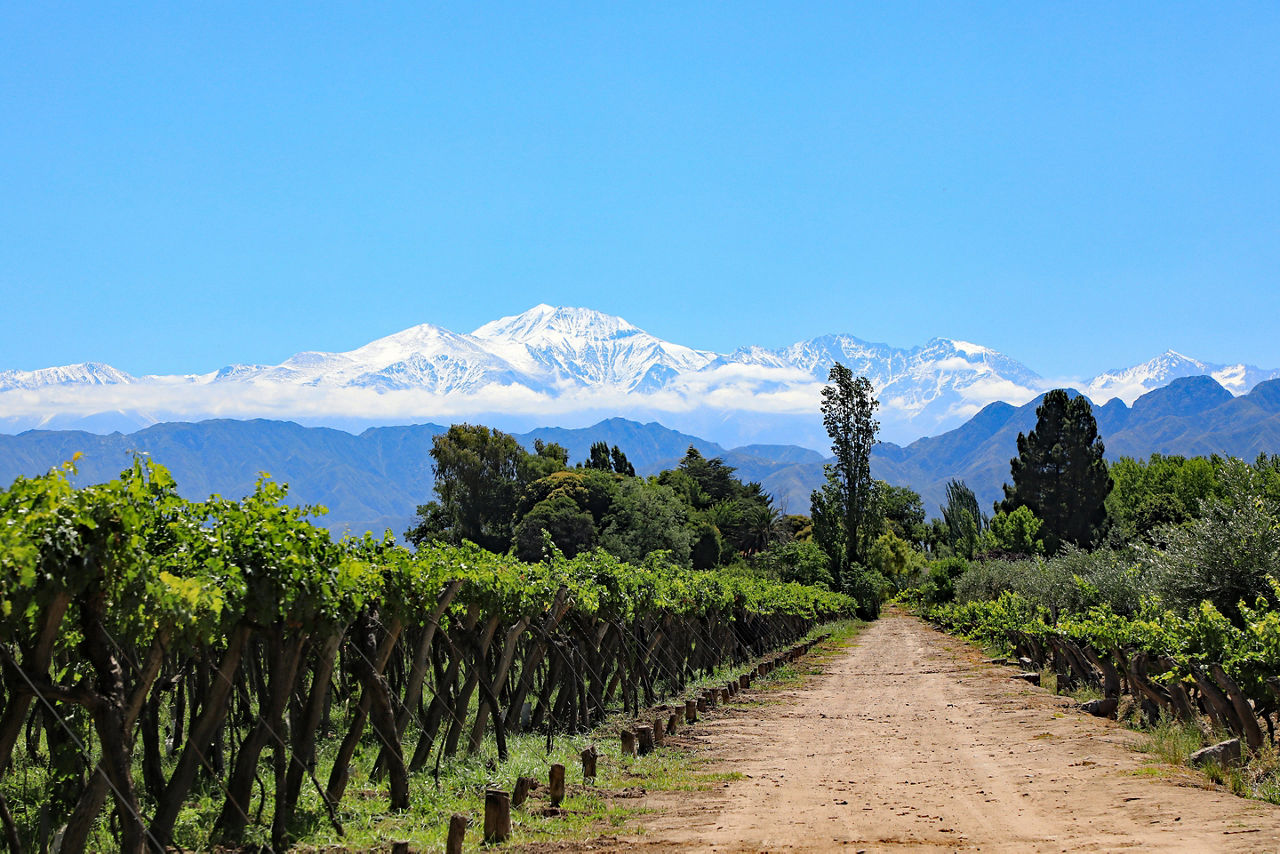
However, as a man named Professor Pouet found when he brought malbec with him on an expedition to South America in the mid-19th century, there was no intrinsic problem with the grapes. Rather, they were incompatible with the French soil and climate. As it turned out, the eastern foothills of the Andes Mountains were significantly better suited to malbec — the grape had simply been misunderstood.
The key reason malbec worked out better in Argentina than in France was irrigation. While much of France's wine country is relatively arid and often cloudy, Argentina's Uco Valley is sunny most of the year, and its proximity to the mountains' melting snowcaps means it's also blessed with a natural and free source of water. As it turns out, these two factors were the perfect key to unlock malbec's long-hidden flavor profile.
What Is Malbec Wine’s Flavor Profile?
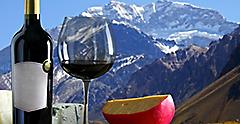
The malbec flavor profile is as rich as the local culture and as intense as the beauty of the landscape, with dominating sour notes like blackberries and plum. Often described as "meaty," it also happens to pair perfectly with the Argentinian beef raised nearby.
Why Mendoza in Argentina Leads the Wine World
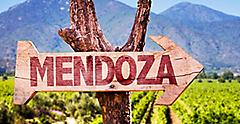
Mendoza is a wine region in Argentina known for its malbec vineyards. It’s not the only wine-producing region in Argentina, but it is the best known and easiest to access if you’re planning your trip around a cruise. Mendoza's relatively large size (around 1.1 million people) and the plentiful buses and flights that connect it to other cities in Argentina and South America are part of what has led to the development of tourist infrastructure, namely the fine hotels in its city center. In earlier decades, Mendoza's road and train connectivity led winemakers to choose it over other cities and towns.
In terms of the art of winemaking itself, the Argentina vineyards in Maipú (the high plateau near Mendoza where most wine is grown) are at the "Goldilocks" altitude to produce the perfect malbec flavor. Specifically, the area sits at about 750 meters or 2,460 feet above sea level. This ensures the plentiful sunshine and constant warmth necessary for Argentina's famous malbec magic — perhaps better than any of the other famous wine regions in the country's Andean area.
While Mendoza produces a lot of the country’s famous malbec, it also produces a range of other grape varieties, including cabernet sauvignon, cabernet franc, syrah, bondara and chardonnay.
The 3 Different Areas of Mendoza
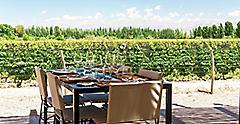
The region known as "Mendoza" is actually three distinct wine-growing areas:
- ● Maipú is the most prolific and most visited. The wine here is known for its red fruit flavors and tobacco and cedar undertones.
- ● Luján de Cuyo is a similar distance from Mendoza, sitting a bit to its southwest, best known for its high-altitude vineyards.
- ● Uco Valley is more than an hour to the south of both, but it makes up for its relative inconvenience with a more plentiful growing area. It’s well-known for its floral-aroma malbecs and exceptional chardonnay.
Exploring The Best Wine Region In Argentina
The Argentinian wine country is most commonly associated with Mendoza. While there are endless reasons that make a visit to Mendoza worthwhile — including convenience and variety of experiences — it's still not the only game in town. Here are a few other areas to check out on your wine escapades:
Salta
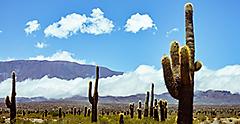
Another great place for wine lovers to visit in Argentina is Salta. While Salta is also famous for malbec, you can drink other wines there, too, such as cabernet sauvignon and merlot. As Argentina's farthest north wine region, Salta's cityscape is more Spanish colonial than Mendoza's European-inflected one, and its surrounding landscape is more arid and cactus-filled.
Catamarca, La Rioja and San Juan
Catamarca sits about as close to the Andes as Mendoza but is farther north, where a combination of warmer weather and drier air leads to juicier grapes that are more productive and, therefore, more profitable. Catamarca mainly produces cabernet sauvignon, syrah and torrontés.
Slightly further south sits La Rioja, named after — but not to be confused with — Spain’s wine-producing region, Rioja. It’s found in the rain shadow of the Andes, meaning water is critical. This has resulted in scattered vineyard distribution. It produces the same grape varieties as Catamarca, with the addition of bondara and malbec.
San Juan is south of La Rioja and borders the north of Mendoza. Its winemakers focus on syrah, cabernet franc and malbec because its high altitude and desert climate lend to significant diurnal shifts. These swings bring out sweetness in the syrah, preserve cabernet franc’s acidity and prevent the grapes from overripening.
Exploring The Best Wine Region In Argentina
Rio Negro
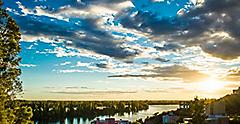
Another spot to visit while on vacation in the Argentina wine country of Argentina is Rio Negro. Located in northern Patagonia, not far from the ski paradise of Bariloche, this province is both cooler and more mountainous than Mendoza or Salta, boasting more dramatic scenery overall. Many wineries there are located on terraced hilltops or alongside rivers, such as the River Carmen. If you've ever been to Portugal's Douro Valley, some of the scenery in Rio Negro (at least the wine-producing parts of it) is not entirely dissimilar.
Just north of Rio Negro, and bordering Mendoza’s southern border is Neuquén. It’s a comparatively new wine region in Argentina, focusing primarily on malbec and pinot noir. Its younger wine culture makes for an interesting comparison between Argentina’s new and historic wine-making traditions.
Bariloche
Bariloche, this province is both cooler and more mountainous than Mendoza or Salta, and it boasts more dramatic scenery on the whole. Many wineries there are located on terraced hilltops or alongside rivers, such as the River Carmen. If you've ever been to Portugal's Douro Valley, some of the scenery in Rio Negro (at least the wine-producing parts of it) is not entirely dissimilar..
These three regions make great stops if you're planning to take a longer road trip through the Argentina vineyards — from Patagonia all the way up to Salta. That said, spending even a single day in any one of Argentina's wine regions gives you a wonderful peek into what makes this corner of the world so special.
How to Plan the Perfect Argentina Wine Country Vacation

When Is the Best Time To Visit Wine Country in Argentina?
The best time to visit Argentina’s wine country is during the fall months, between March and May. The climate is temperate and comfortable, and you’ll see a stunning display of amber and crimson fall foliage. This is also the grape harvest period, so you’ll experience a rich mix of earthy aromas.
Argentine wine country experiences all four seasons. Springtime is also beautiful, as the vineyards are growing and the days are pleasant. Summer can be hot, with lush foliage and temperatures reaching above 70 degrees. Winter is brief and features the snow-capped Andes. Vines are dormant, and snowfall rarely reaches ground north of Patagonia — though temperatures can still plummet to near freezing.
How To Get to Argentina’s Wine Country
If you’re cruising to Argentina, you’ll arrive at Puerto Nuevo in Buenos Aires. It’s not exactly right next door, but you’ve got multiple transport options to get to wine country:
- ● Fly to Mendoza: This is the quickest passage between Buenos Aires and Mendoza, taking just under two hours.
- ● Take a bus: A bus ride will get you to Mendoza — if you’re up for a 12.5-hour ride.
- ● Train and bus combo: There is a train departing from Buenos Aires that will take you to Justo Daract. You can then take a bus for the remaining 350 km to Mendoza.
Integrating Wine Tours With Your Cruise
When cruising to or from Argentina, it’s easy to integrate a tour of the country’s famous wine regions into your itinerary. Plan for an extra few days before or after your sailing to absorb the scenery, taste a glass of malbec and try the local dishes. There are multiple transport options, including buses, trains and planes to get you from the port in Buenos Aires to wine country in Argentina — and if you prefer a more relaxed pace, rent a car and soak up the adventure.
Accommodation and Transport in Argentinian Wine Country
While some travelers prefer to stay at an inn on-site at the winery, others prefer a city hotel in Mendoza with a day trip to the vineyards. To do this, catch one of the frequent buses from Mendoza's city center to Maipú, the largest and most convenient town in the wine country. The journey takes less than an hour and drops you off within walking or biking distance to several wineries.
You'll also need to decide how extensively you want to explore the wine country. Will you primarily dine and drink at the vineyard where you're staying, or will you rent bikes and ride between several of them? Do you have particular vintners in mind, or will you simply see where the (dirt) road takes you? Whatever you choose, the malbec produced near Mendoza is delicious and unique, so there's no such thing as a bad glass.
Another thing to consider on your tour of the Argentina wine country is how many bottles (or cases!) you plan to take home. Think ahead of time about how you'll transport your precious cargo.
Planning Your Itinerary Around the Best Vineyards in Argentina
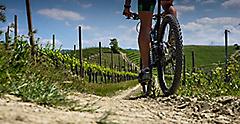
Regardless of which Argentina vineyards you plan to visit, the perfect vineyard day trip starts early, ideally waking up on an estancia (or ranch) right in the middle of the wines, or in the city of Mendoza with a bus ride out to the wine country. Once you can see the plump, juicy grapes on the vine — and the snow on top of the Andes shining above and beyond them — rent a bike for the full rustic experience.
I keep at least one or two particular spots in mind. In Maipú near Mendoza, for example, I like to contrast a more commercial producer like Trapiche with Zuccardi, which is a smaller, family-owned brand. However, I make sure not to pack my schedule too full so I stay open to those spontaneous moments, like passing a vineyard not listed online and deciding to pull over. Likewise, while I'm at a particular winery, I pace myself. The best way to avoid getting burned out is to take small sips spread out throughout the day.
Wine Testing Experiences in Wine Country, Argentina
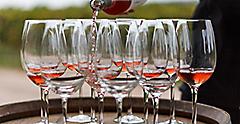
Within each winery, a variety of experiences are possible. Larger Argentina wineries are more likely to offer totally free tastings, although these also tend to be wine-only (no meat or cheese plates, unless purchased à la carte) and relatively small pours. On the other hand, family wineries may charge a fee for tasting, but they also tend to be much more generous in portion.
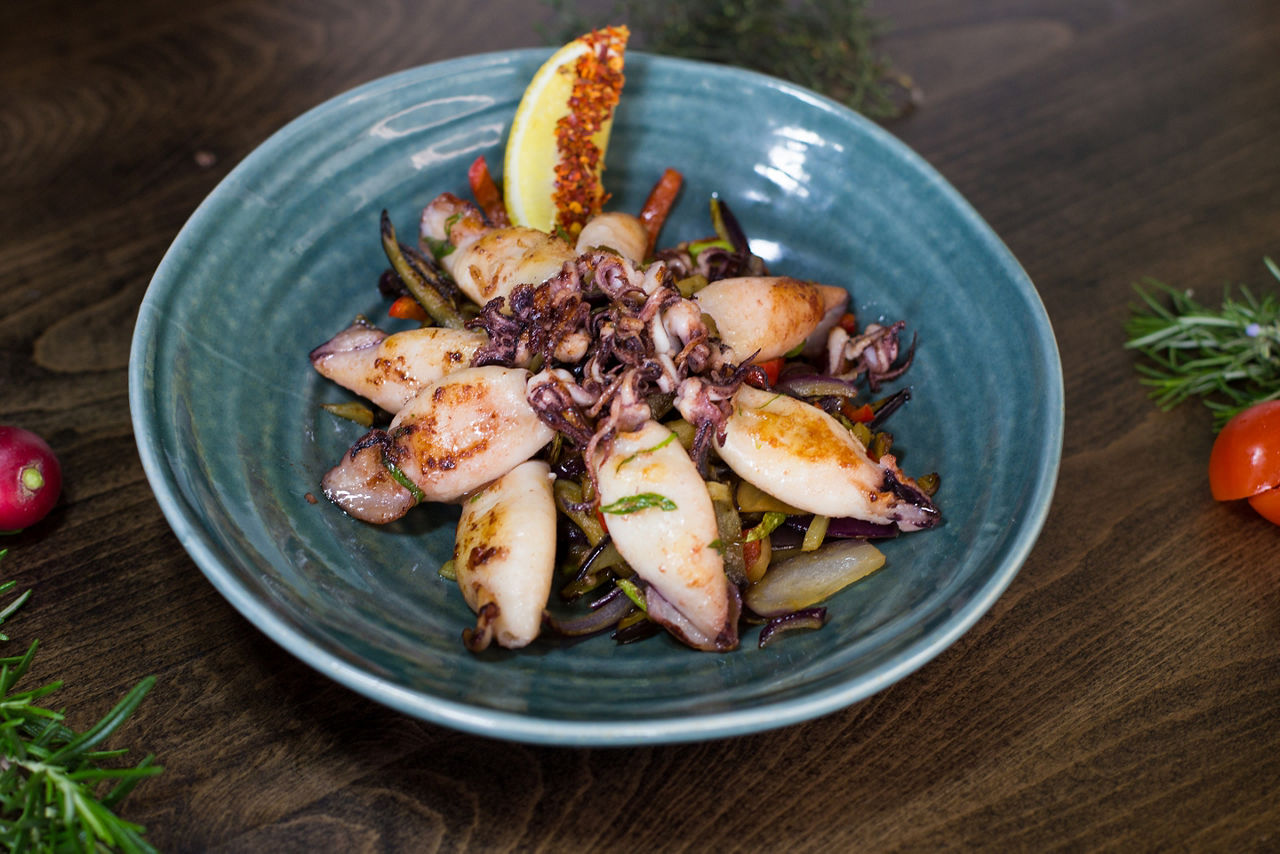
Many more local places also have full farm-to-table restaurants on site. Even the world's best charcuterie board is no match for the culinary synergy your mouth experiences as you tear into a rare asado steak and wash it down with a mouthful of fruity malbec.
The experience at larger or smaller wine producers differs, but each offers something special. Larger wine producers tend to have professional sommeliers on staff who have dedicated their careers to this, while the expertise offered by the guides at more home-grown wineries — like the San Juan winery I spent a day visiting — may be based more on passion and experience. Don't be afraid to chat up the sommelier and ask all the questions you have. Before long, you'll be a pro at identifying a quality wine.
Leave Space for Spontaneity
Having these broader strokes in place will allow you to craft tangible plans and make your trip a reality. That said, I don't necessarily recommend planning out an itinerary in excruciating detail. You'll want to leave room for magic — and time to sleep late, in case you have a few too many glasses of malbec and wake up not feeling your best. Simply book your way to and from Mendoza, work out where you're staying, and set the intention to wine, dine and enjoy yourself.
Taste Your Way Through Wine Country in Argentina
A cruise to or from Argentina allows you to explore not only Mendoza and its treasures, but also other wine-producing destinations, such as Salta, San Juan and Rio Negro. No matter how you make it to Mendoza, or when you end up taking your first sip of malbec, visiting wine country is the perfect way to start or end a relaxing ocean adventure in Argentina.
Explore our South American cruises to start planning your visit to Argentina’s most prized wine terroirs.

Get Royal Deals, Sign Up Today

Getting There
Explore Our Most Affordable Itineraries
Taste the spirit of Argentina on a South America cruise.