13 Caribbean Animals: From Sea Creatures to Rare Island Wildlife
Meet the Caribbean’s Feathery, Leathery, Furry and Scaly Residents
By Aleisha White | Published on May 19, 2026
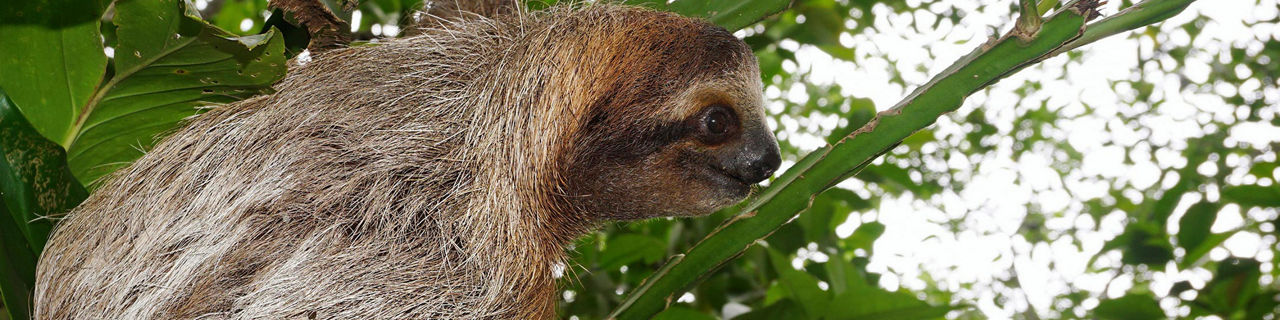
Booking a cruise is often a call to slow down the tempo — a concept the three-toed sloth superintended long ago. While life back home often falls victim to a blur of noises, deadlines and pick-ups, the sloth’s languid movements remind us to lean into the present.
That’s not all the wisdom Caribbean animals have to impart. Beneath Cozumel’s tides, finding a falmbollena nudibranch teaches us that fleeting and rare experiences still exist in the depths. The red-footed tortoise shows us that home is something you carry with you — even while changing coordinates every single day.
This guide explores the weird and wonderful land-based and water-bound Caribbean animals you might encounter on your cruise and the best islands to start scouting.
The Most Exquisite Land Animals in the Caribbean
1. Toucans
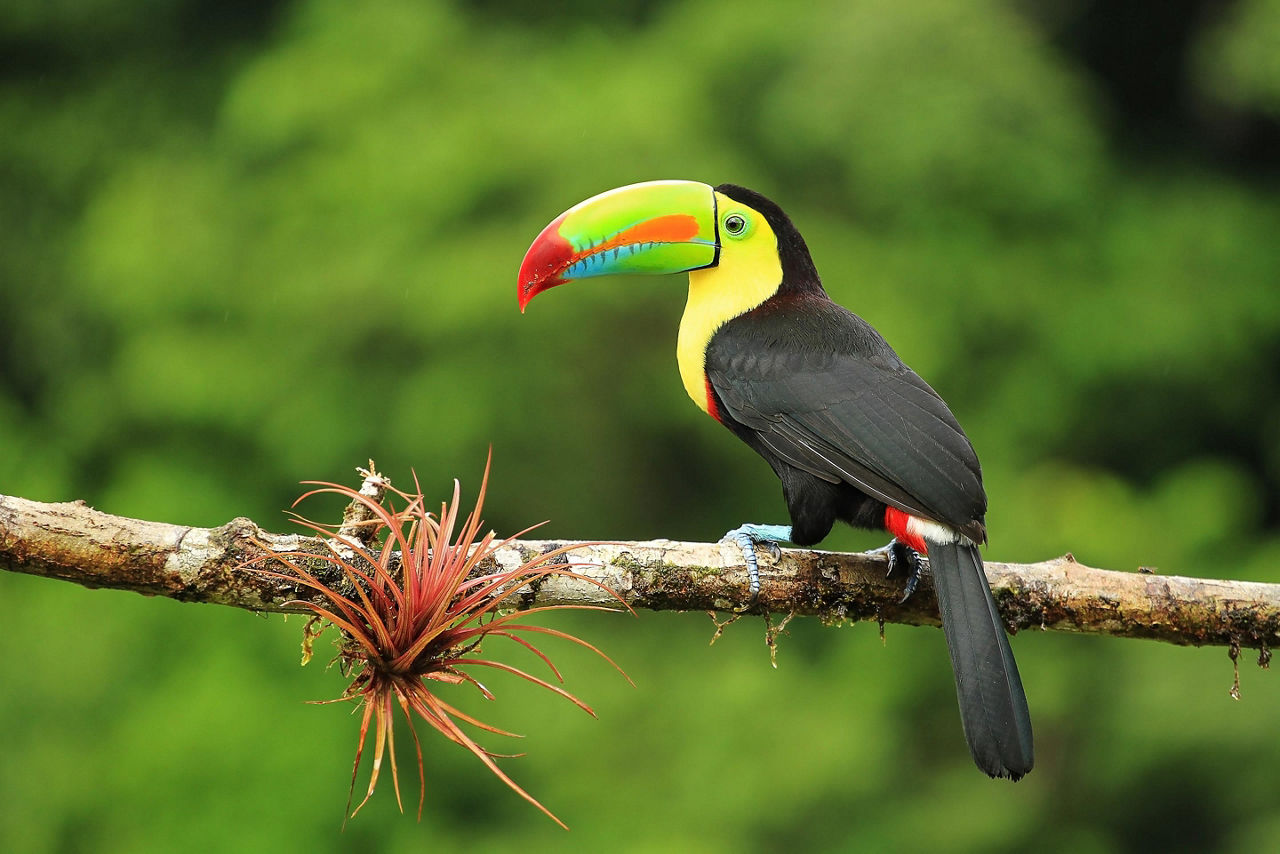
With a beak almost as big as its body, it’s hard to miss the toucans when you’re cruising to the Caribbean mainland. These highly curious and playful birds aren’t afraid of being seen, flitting between the lowland rainforests and slopes of Costa Rica, Panama, Colombia and Belize.
In Costa Rica, look out for the chestnut-mandibled toucan, with a black body, butter-yellow crest and a deep chestnut and yellow beak. You’ll hear them before you see them coming.
2. Agouti
Cousin to the cute-as-can-be capybara, the agouti is best described as an oversized guinea pig with long legs. They’re native to areas like Trinidad and Tobago and St. Lucia, and they play an important gardening role in their forest-floor habitats.
Endearingly, the agouti’s nickname is the “ninja” rodent because of its stealth and acrobatic abilities, capable of outrunning predatory pumas and jaguars. Agoutis like to forage for nuts and seeds, and it’s common for them to forget where they hoard their stock. This allows for seed germination, contributing to new forest growth.
3. Sloth
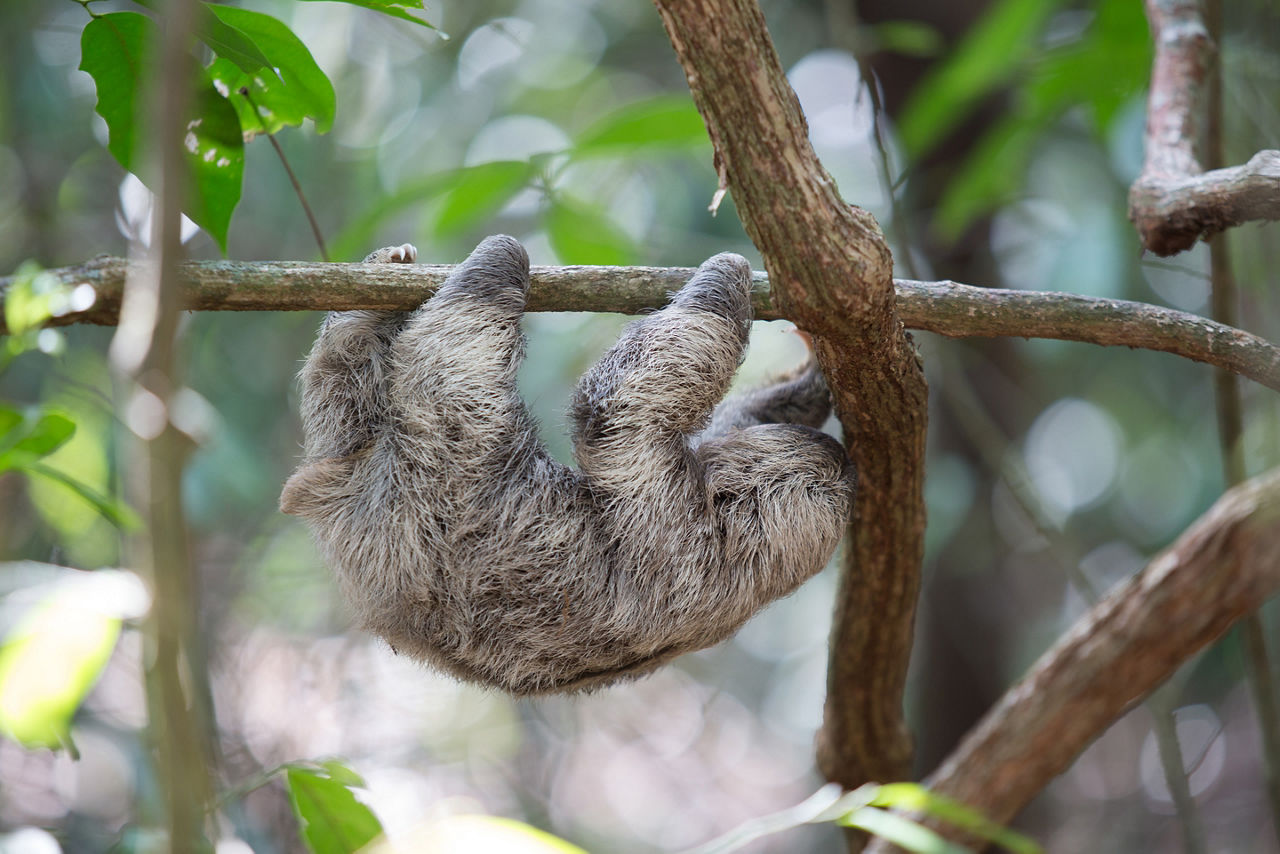
If you want to see a sloth in the Caribbean, you’ll find the three-toed species on islands like Roatan, and mainland destinations like Costa Rica and Panama (often in conjunction with the toucans).
Look up — these creatures spend most of their time in the trees, including for eating, sleeping and mating. Their gray fur, sedated disposition and small bodies (a fully-grown adult sloth weighs eight to 12 pounds) help them blend into the trees from which they dangle.
4. Mona Monkeys
You’ll find these Caribbean monkeys in Grenada, introduced from West Africa in the 18th century. They’re recognizable by their burnt-umber and slate-gray bodies, with fluffy white beards extending down to their bellies.
About a 30-minute drive from the cruise port, hike a trail loop around Grand Etang Lake, which leads you through several tropical forest environments — including the Monas’ habitat.
5. Red-Footed Tortoise
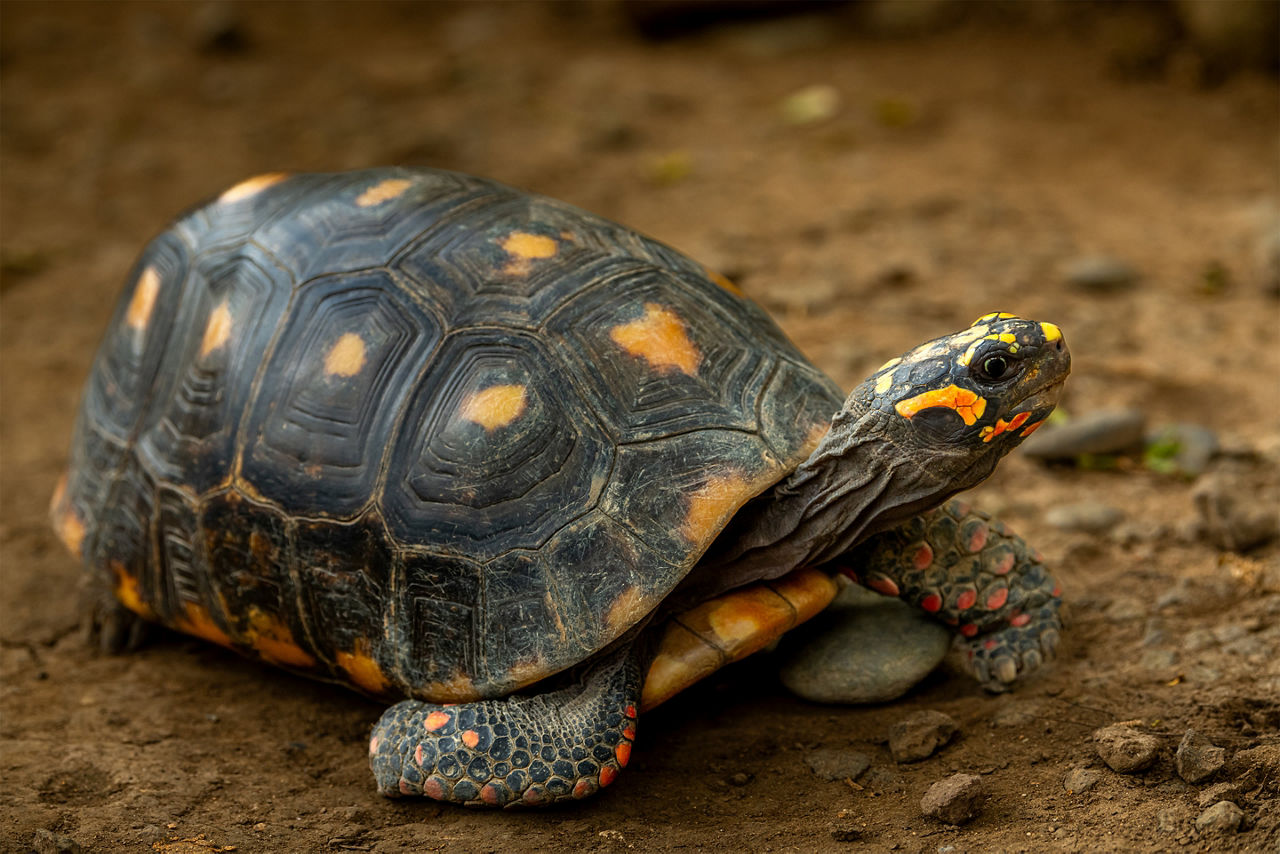
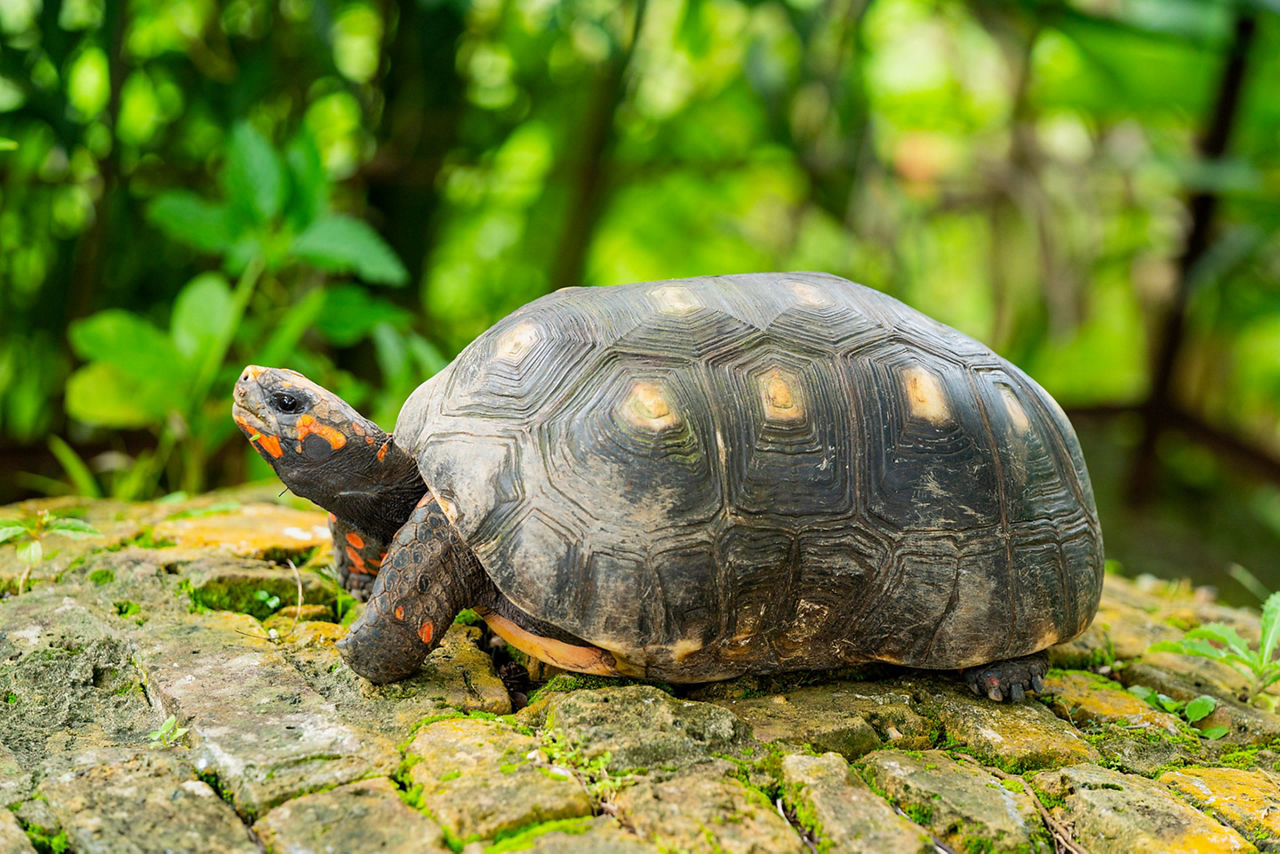
The red-footed tortoise is a medium-sized reptilian resident of Barbados and Trinidad and Tobago, measuring up to a single foot in length over their over 50-plus-year lifespan. With bright red, orange or yellow marks on their legs, head and tail, they’re not hard to identify.
Keep an eye out for these critters on forest floors and grasslands, munching on fungi, flowers and leaves.
6. Jamaican Giant Swallowtail
Those chasing waterfalls or Jamaican coffee tours as they island hop through the Western Caribbean will want to keep a lookout for the giant swallowtail butterfly. With wings spanning six inches, this fluttering creature is the largest butterfly in the Western Hemisphere; however, it may not be as easy to spot as you’d think.
The giant swallowtail is endemic to Jamaica and is critically endangered, with only three populations inhabiting the island in the Blue Mountains, John Crow Mountains and Cockpit Country.
7. Resplendent Quetzal
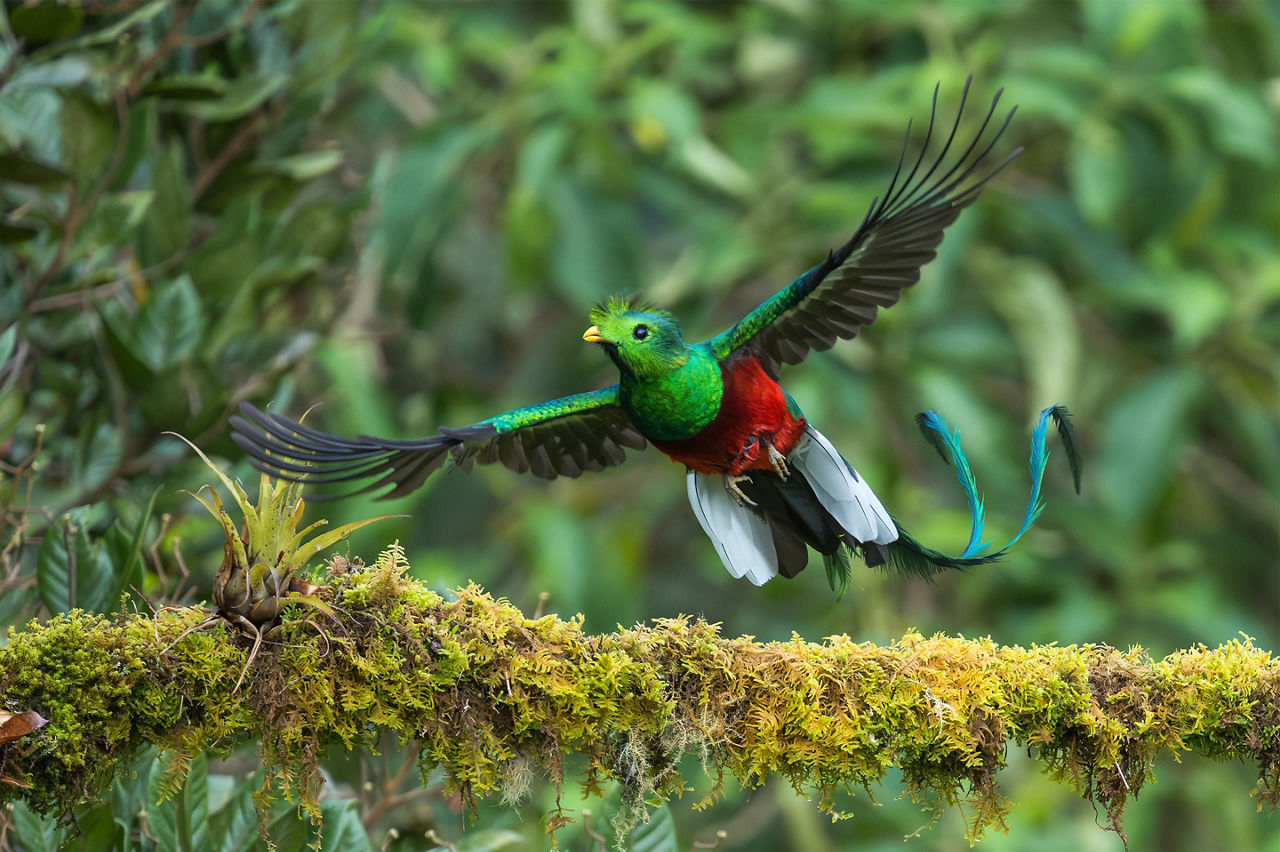
Watch for a splash of turquoise and red in the cloud forests of Costa Rica, and you might be lucky enough to see a resplendent quetzal (not to be confused with the hanging jade vine or Rio Celeste, but they’re all about the same color).
A few years back, hiking through Monteverde, I photographed one because its color made it impossible not to capture. Not long after, I met a group who’d crossed continents just to see a glimpse of its long, filamentous tail. While they’re not as social as the toucans, sighting one will earn you some serious, if accidental, social cred among committed birders.
Diving Deep: The Best Caribbean Animals Under the Sea
8. Nudibranchs
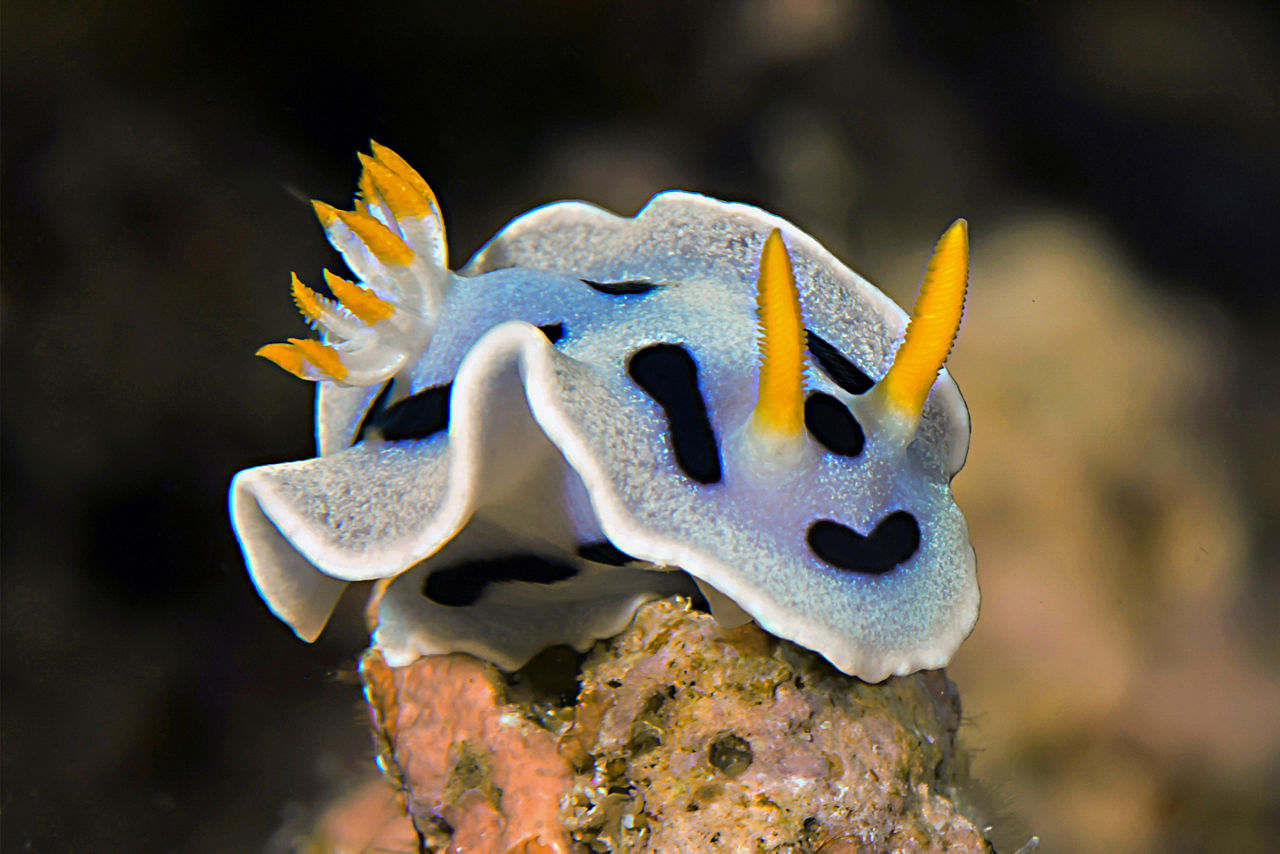
Nudibranchs are the animals I live and dive for. Found throughout the Caribbean (but especially in Cozumel), these flamboyantly decorated sea slugs are tiny and hard to spot because they effortlessly blend in with the textured colors. Once you get a knack for identifying them, you’ll be obsessed.
If the big fish aren’t visiting while you make a splash, look out for flambellinas, sea goddesses and the carnivorous fringe-back nudibranch.
9. Bull Sharks
Speaking of the big fish, you’ll also find bulls in the Caribbean (usually November through March). They sound terrifying — and make for a great adventure dive — but they’re super tranquil and rarely interested in what us humans are up to.
You can get up and close with them near Playa del Carmen if you’re game for a short but wild Caribbean cruise. Or, if you end up near Costa Rica, head over to the Pacific coast and dive with them in the Bat Islands. You might just find yourself a shark tooth on the ocean floor.
10. Spotted Eagle Rays
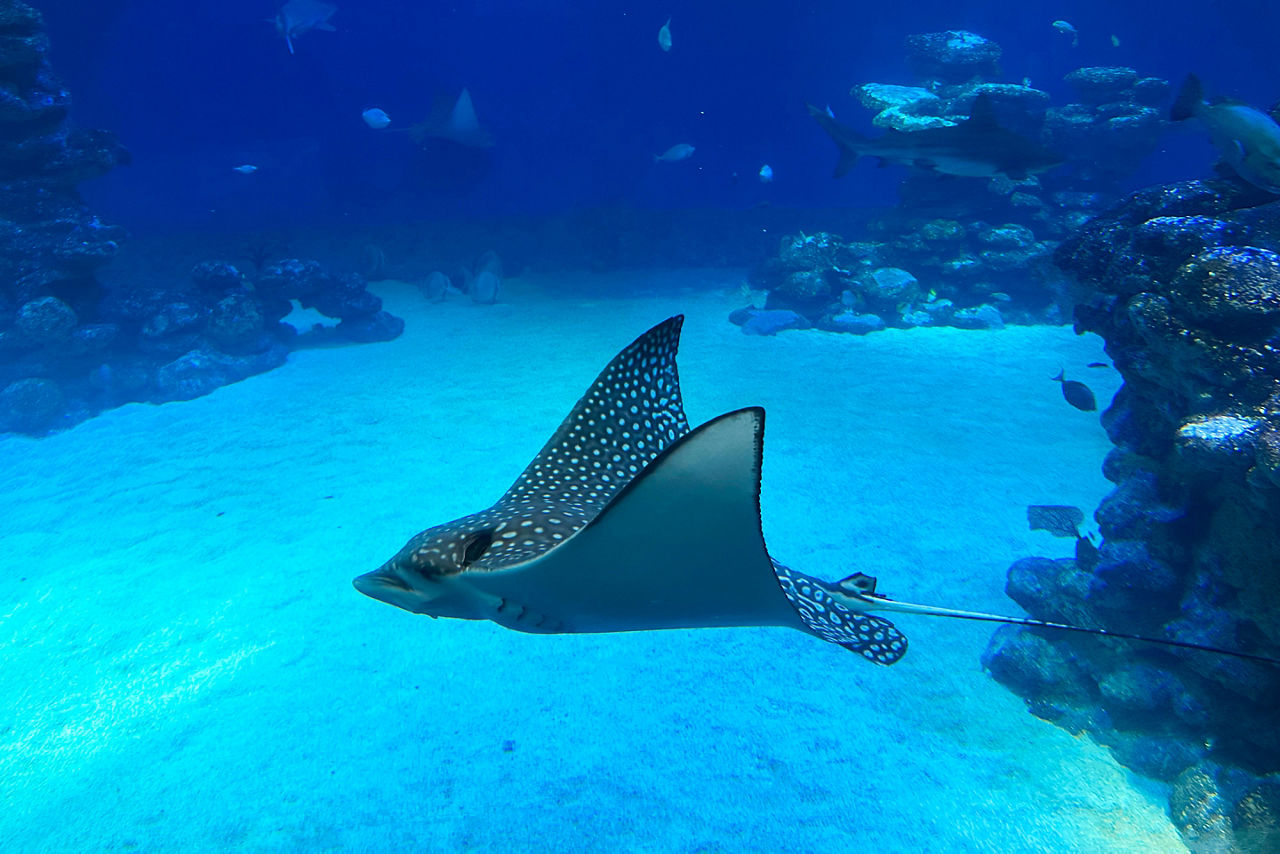
As if diving wasn’t peaceful enough, seeing spotted eagle rays under the water is guaranteed to invite your zen level into the sub-dermals. These polka-dotted, night-sky-blue rays glide mid-water in small groups over coral reefs and sandy-bottom bays. See them in Cozumel, Grand Cayman, Roatan and the U.S. Virgin Islands.
While you’re diving or snorkeling, try to distinguish the males from the females. The males have claspers, which are two small rods found at the base of their tails.
11. Humpback Whales
Between December and April, cruise to the Dominican Republic, Dominica and Puerto Rico to witness the massive, calm humpback whale migration. You may be lucky enough to sight them from the ship, although whale watching excursions offer a closer vantage point during your family cruise around the Caribbean.
Before returning to their northern feeding grounds off the coast of New England and Canada, the whales hang out in the warmer Caribbean waters for mating and calving — so look out for the little ones.
12. Caribbean Sea Turtles
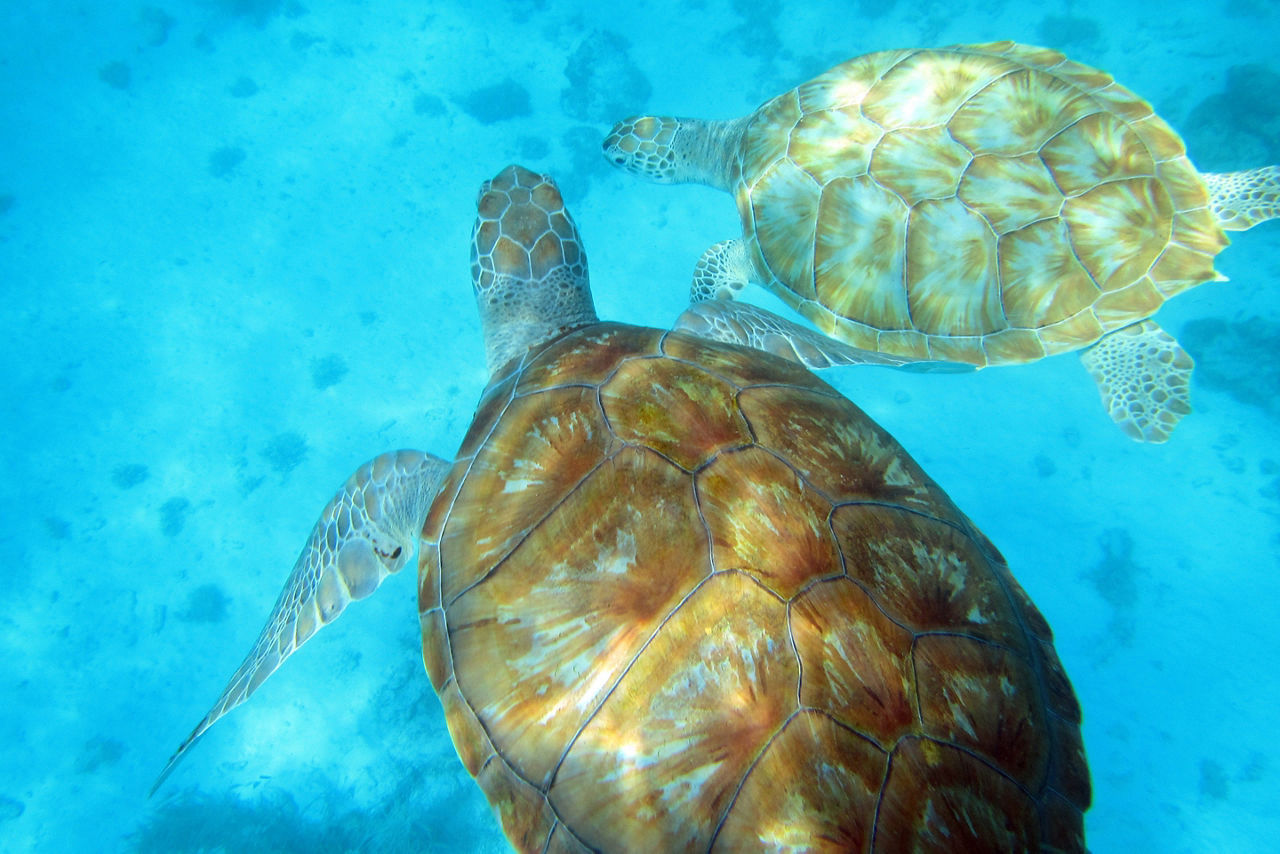
Initially, seeing turtles while snorkeling, diving or kayaking in the Caribbean is incredibly exciting. They’re so plentiful, however, that they soon start to feel like regular oceanic companions. Barbados, Curaçao, St. Thomas, The Bahamas and Turks and Caicos all have year-round sightings of green sea turtles and hawksbills.
The turtles are more likely to hang around when they don’t feel singled out. If one’s swimming nearby, the best way to grab a closer view is to pretend you didn’t see them and “incidentally” (very slowly and naturally) turn your head or body toward almost-but-not-quite their direction.
13. Caribbean Reef Octopus
Known as the most intelligent of all invertebrates, the Caribbean reef octopus possesses iridescent blue-green arms, a mottled red body and immaculate predatory skills. It preys at nighttime (an excellent opportunity for a night dive if you can make it) and hides in coral crevices during the day.
The Best Islands To See Caribbean Animals
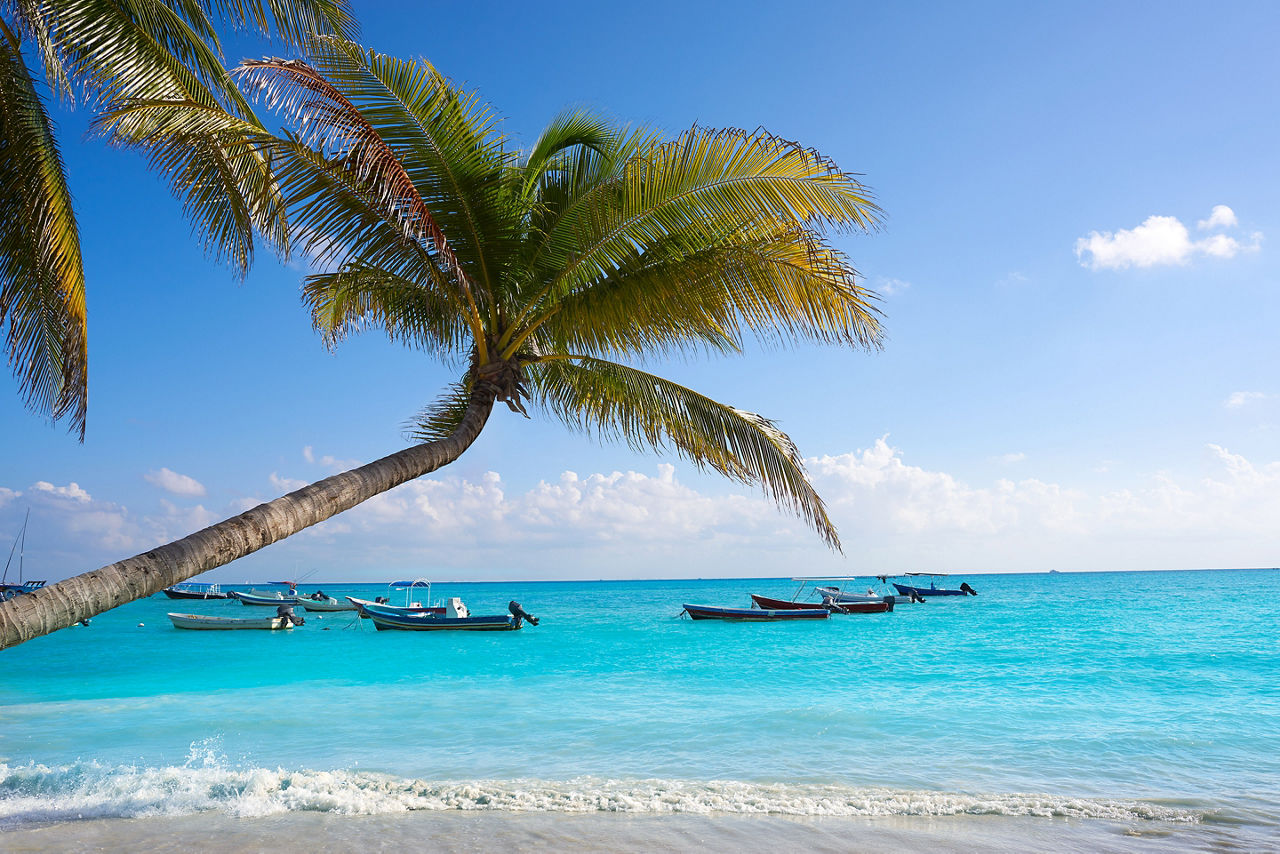
With a non-exhaustive list of epic creatures to look out for on your Caribbean cruise, the next question is: Where’s the best place to go and see them? It really depends on whether you’re a water baby or the mountain-ranger type.
Here are a few of the Caribbean’s most biodiverse havens:
- ● Dominican Republic: Humpback whales aside, on land you’ll see the rhinoceros iguana, the small but venomous solenodon (think tiny elephant crossed with a rodent) and plenty of endemic birdlife.
- ● Mexico’s Riviera Maya: Cozumel sits on the Mesoamerican reef, the second-largest coral reef system in the world. Beyond its epic Caribbean beaches, this region is thriving with diverse marine species.
- ● The Bahamas: When you’re cruising to The Bahamas, you won’t want to miss its underwater worlds. Grab a mask and snorkel while you’re visiting the Royal Beach ClubSM Paradise Island to make friends with the bountiful Caribbean sea animals, tropical fish and soft corals.
- ● Costa Rica: It’s not an island, but it does house the intersection of the Caribbean and Pacific climates, creating a deeply biodiverse environment — on land and across both its coastlines.
Of course, the flora and fauna throughout the region are extremely varied. You’re guaranteed to see exciting and exotic Caribbean wildlife regardless of your cruise destination.
What’s the Best Way To See Wildlife in the Caribbean?

Cruising is the best way to see wildlife in the Caribbean because it gives you an epic mix of land and sea — plus the opportunity to visit multiple islands to see a variety of special animals.
As you’re planning your cruise, make sure to secure any wildlife excursions early, as spaces fill up fast. You can easily find and book them through the Cruise Planner or in the Royal Caribbean App.
Pack according to the animals you want to see: decent hiking shoes and binoculars if you’re heading to the mountains, robust sun protection for whale watching excursions and a waterproof camera if you plan to blow bubbles.
Finally, if you’re bringing your camera, I’d recommend bringing a zoom lens. You won’t always get up close to the animals, especially in the wild. I used a Canon 6D Mark II with a 70-200mm lens, which captured everything from Caribbean birds and big animals to butterflies from afar.
The Caribbean’s Wildlife is Waiting To Meet You
You don’t have to go far to immerse yourself in the extraordinary wilderness of the Caribbean islands. Stepping into new habitats to meet endemic, cheeky, rare and outright majestic locals makes your seaside vacation all the more memorable and meaningful.


Related Articles
Wildlife Tours: Meet the Animals of Your Wildest Dreams
READ MORE
Whale Season in Ensenada: When to Go and What to Expect
READ MORE
Wildlife You'll See on Your Norway Vacation
READ MORE