Best Coral Reefs In The Caribbean For Snorkeling And Diving
Coral Reef Diving and More
By Simone Harvin | Published on September 24, 2025
The appeal of the Caribbean is endless, from rich cultures rooted in community to natural treasures marked by lush lands and azure waters. It’s particularly attractive to watersports enthusiasts seeking sea adventures.
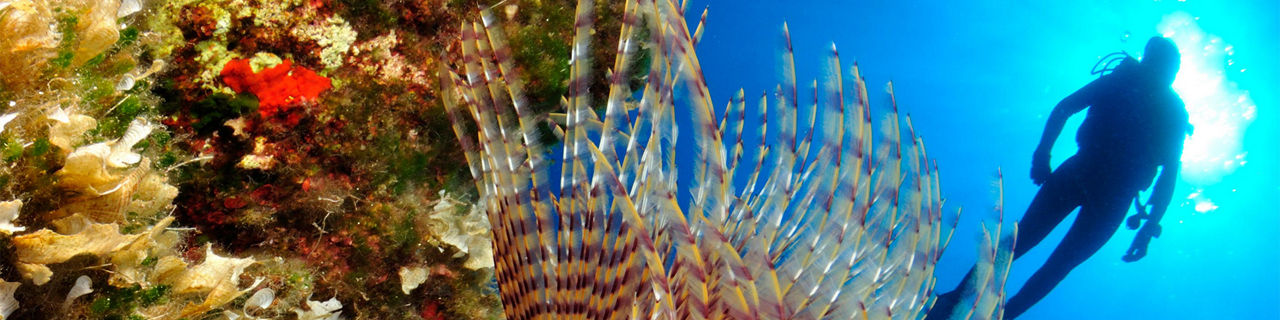
As one of the world’s most alluring destinations for snorkeling, scuba diving and fishing, the Caribbean holds approximately 10% of the world’s coral reefs, despite being home to only 1% of the Earth's marine environment. While the beauty of the region’s islands is evident, what lies beneath the surface is equally captivating.
Exploring the Caribbean by cruise allows passengers to experience several world-famous reef systems in a single trip. Discover these top-rated coral reefs in the Caribbean and the thriving marine life that inhabits these ecosystems.
The 7 Best Coral Reefs In The Caribbean
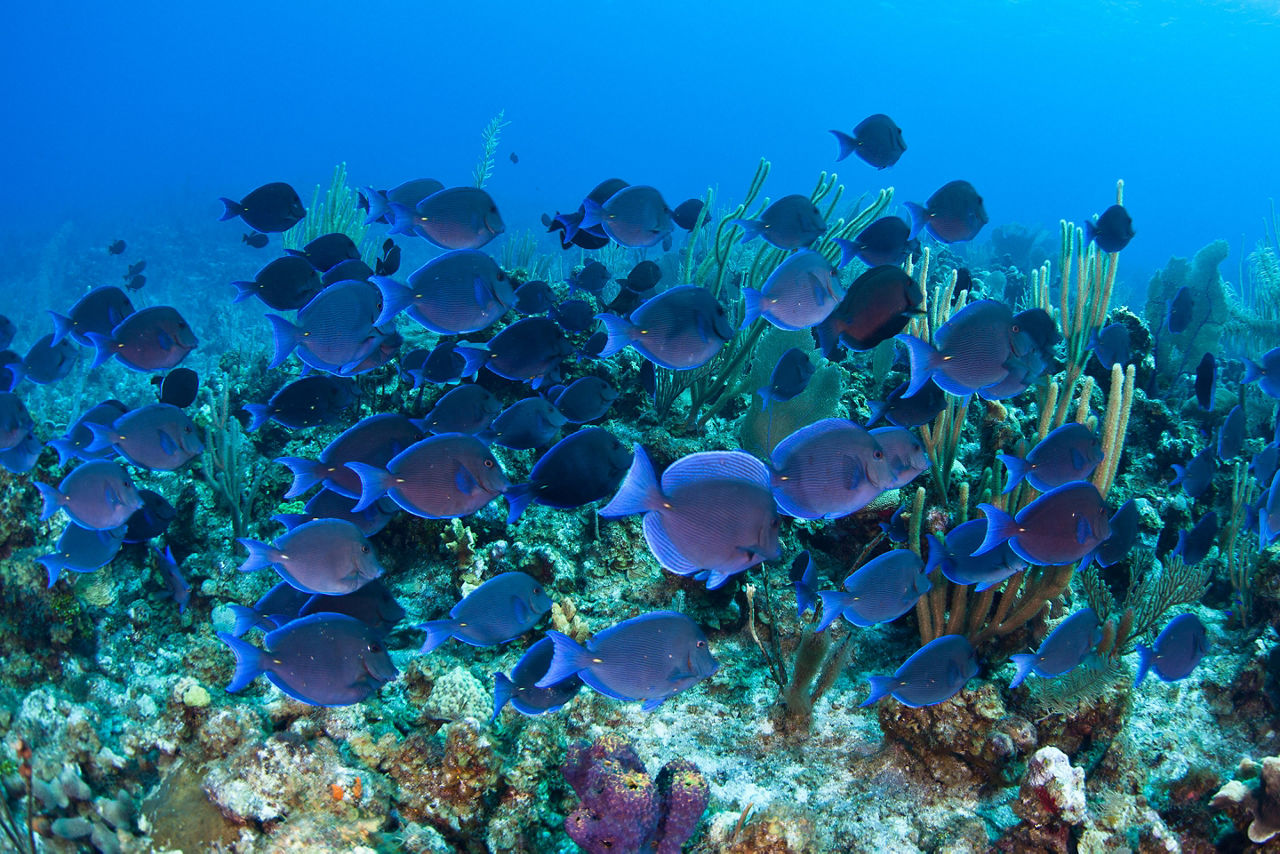
1. Klein Bonaire Reef - Bonaire
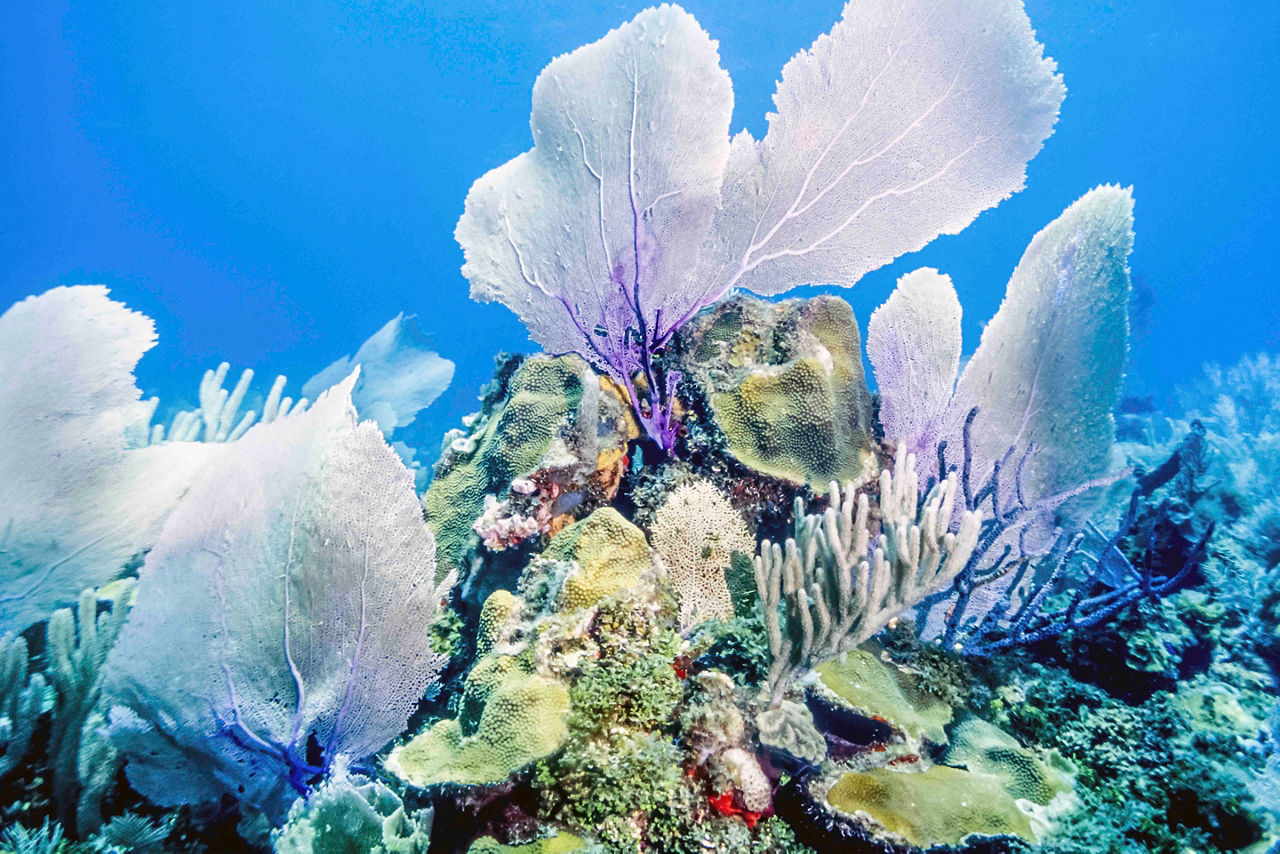
The reefs of Klein Bonaire sit off an uninhabited island near Bonaire, part of the Bonaire National Marine Park. Bonaire attracts snorkeling and diving enthusiasts due to its accessibility and its role as a breeding ground for endangered sea turtles.
Located in the Southern Caribbean, the reefs offer the chance for coral reef diving in calm waters that are home to over 340 fish species and 57 coral species. According to the UNESCO World Heritage Centre, Klein Bonaire’s reefs are the least degraded in the entire Caribbean Sea. With visibility up to 49 feet (15 meters), it’s easy to understand why avid divers flock to the island.
2. Tortugas Reef - Playa Del Carmen, Mexico
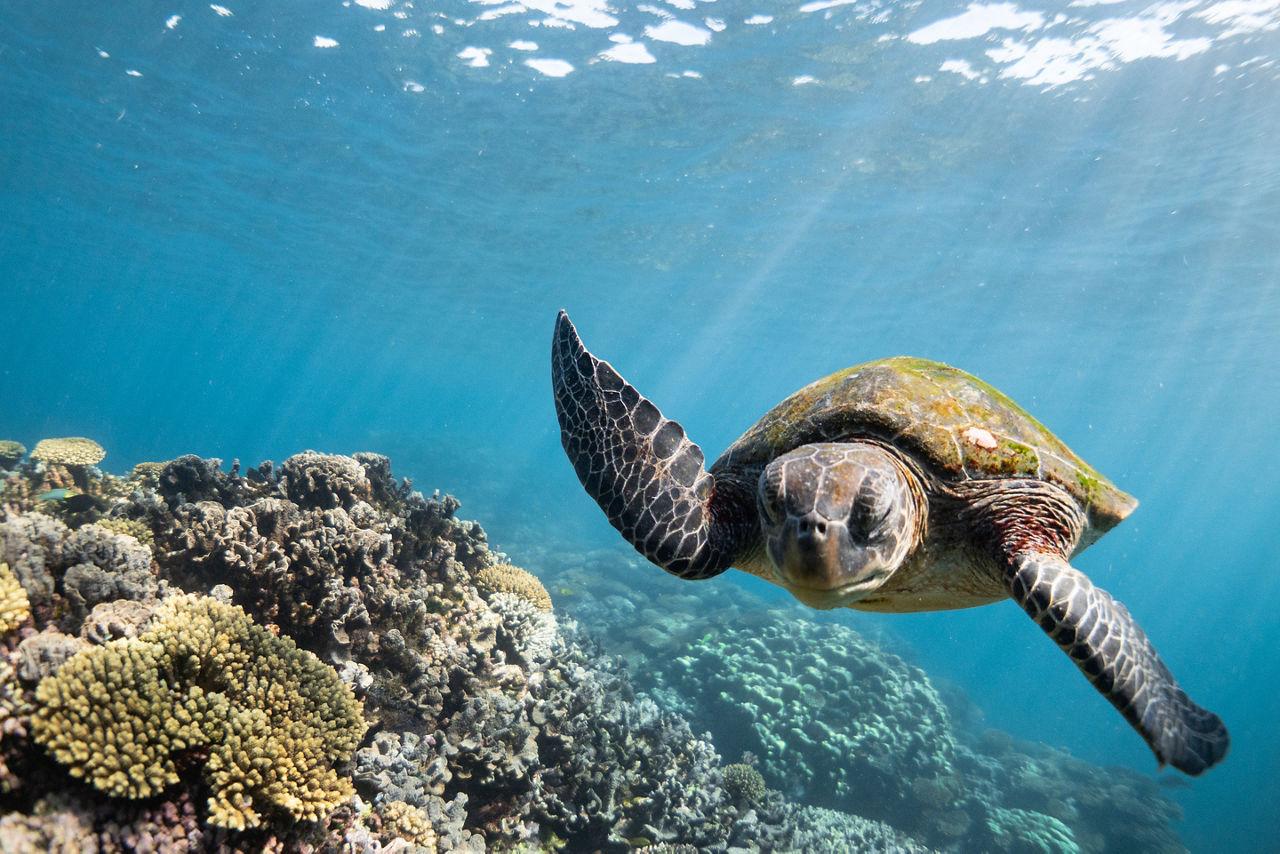
3. Palancar Reef - Cozumel, Mexico
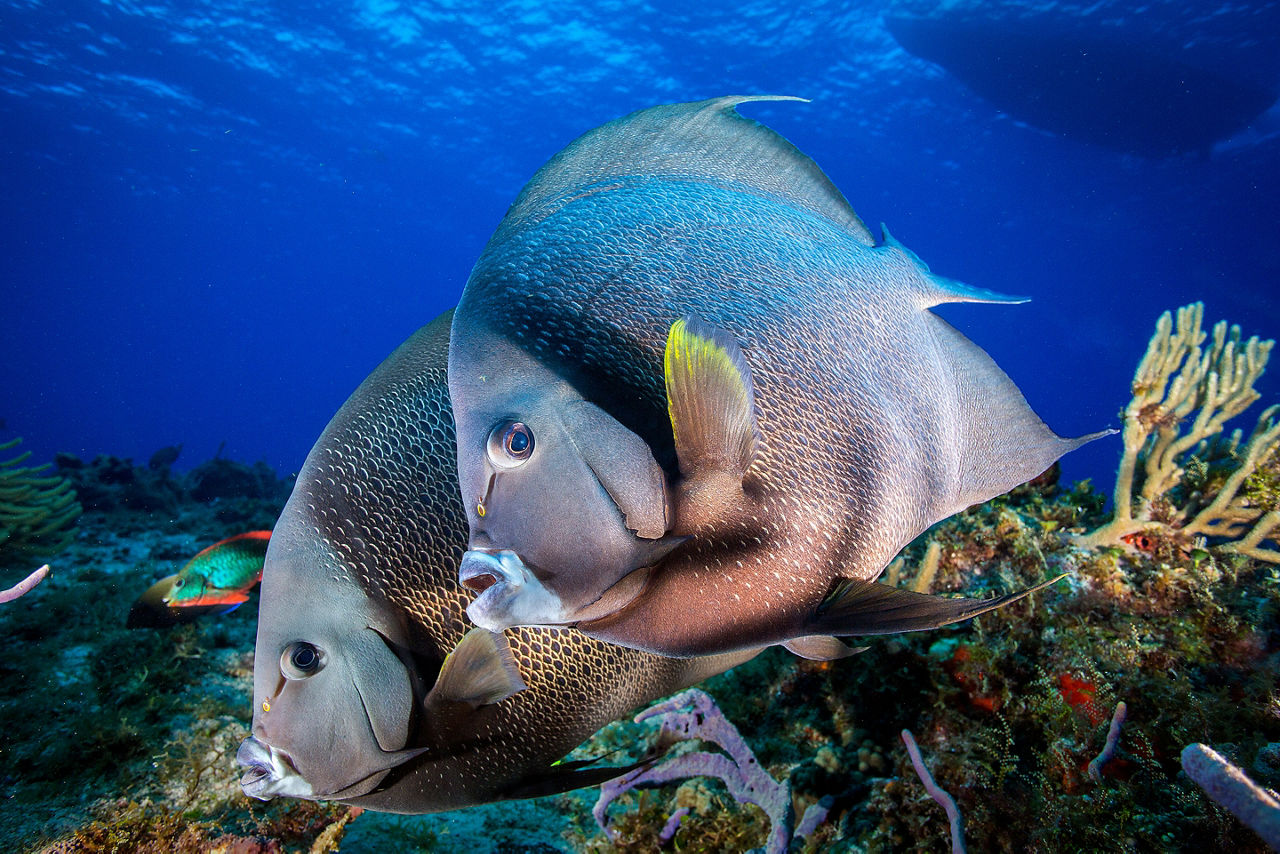
4. Mesoamerican Reef - Belize
5. Buck Island - St Croix, USVI
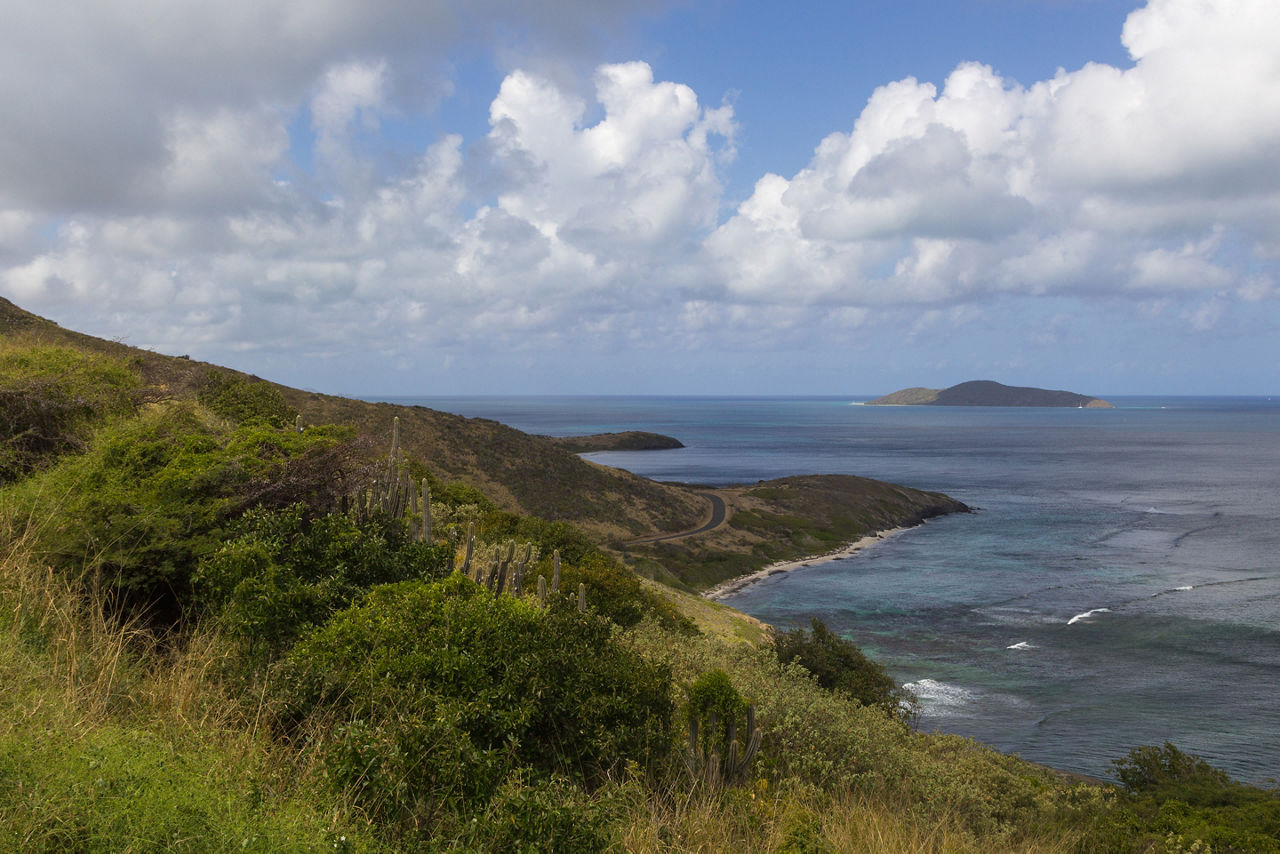
Buck Island is a special treasure in the US Virgin Islands, with two-thirds of the island surrounded by an elkhorn coral barrier reef. While the reef system sits just over a mile beyond St. Croix’s coastline, the site can only be visited through guided tours, as the waters are protected in the Buck Island Reef National Monument.
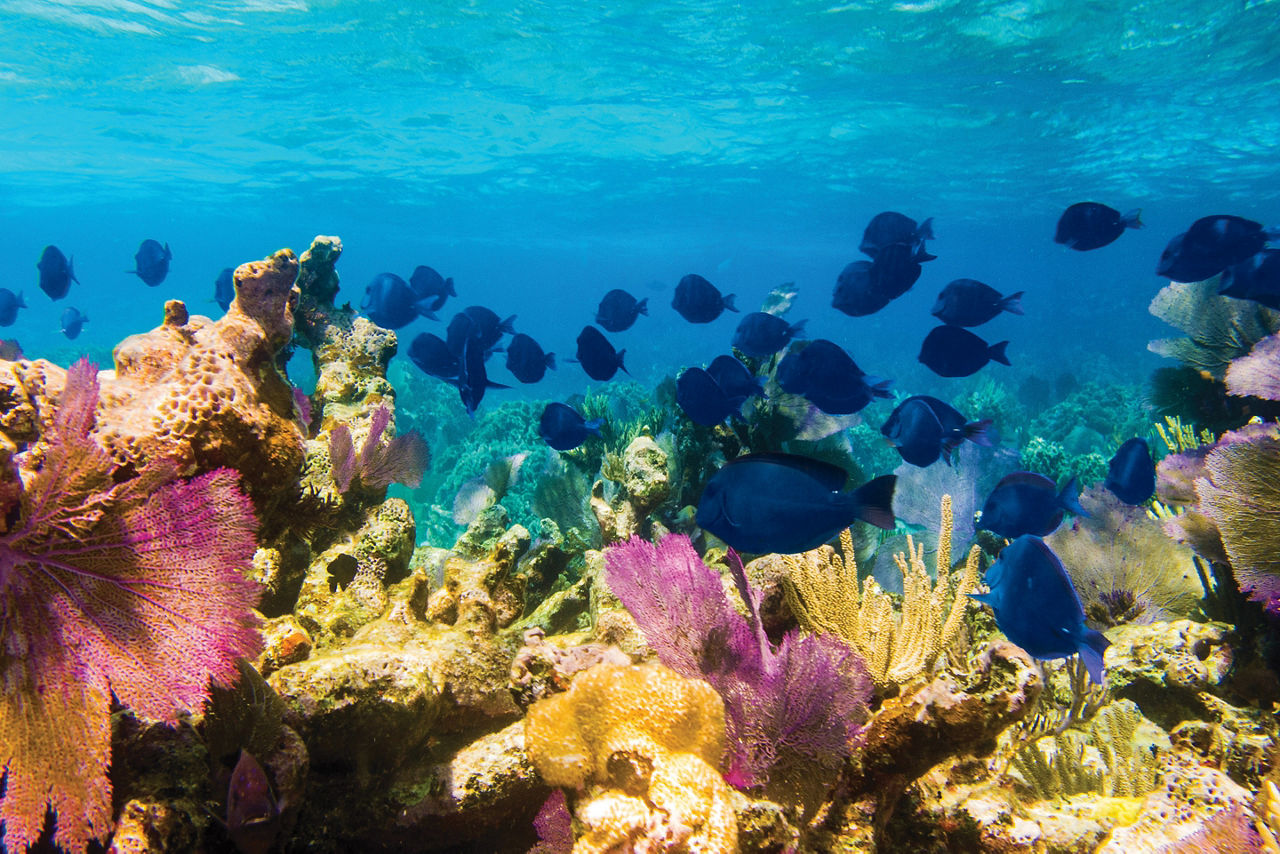
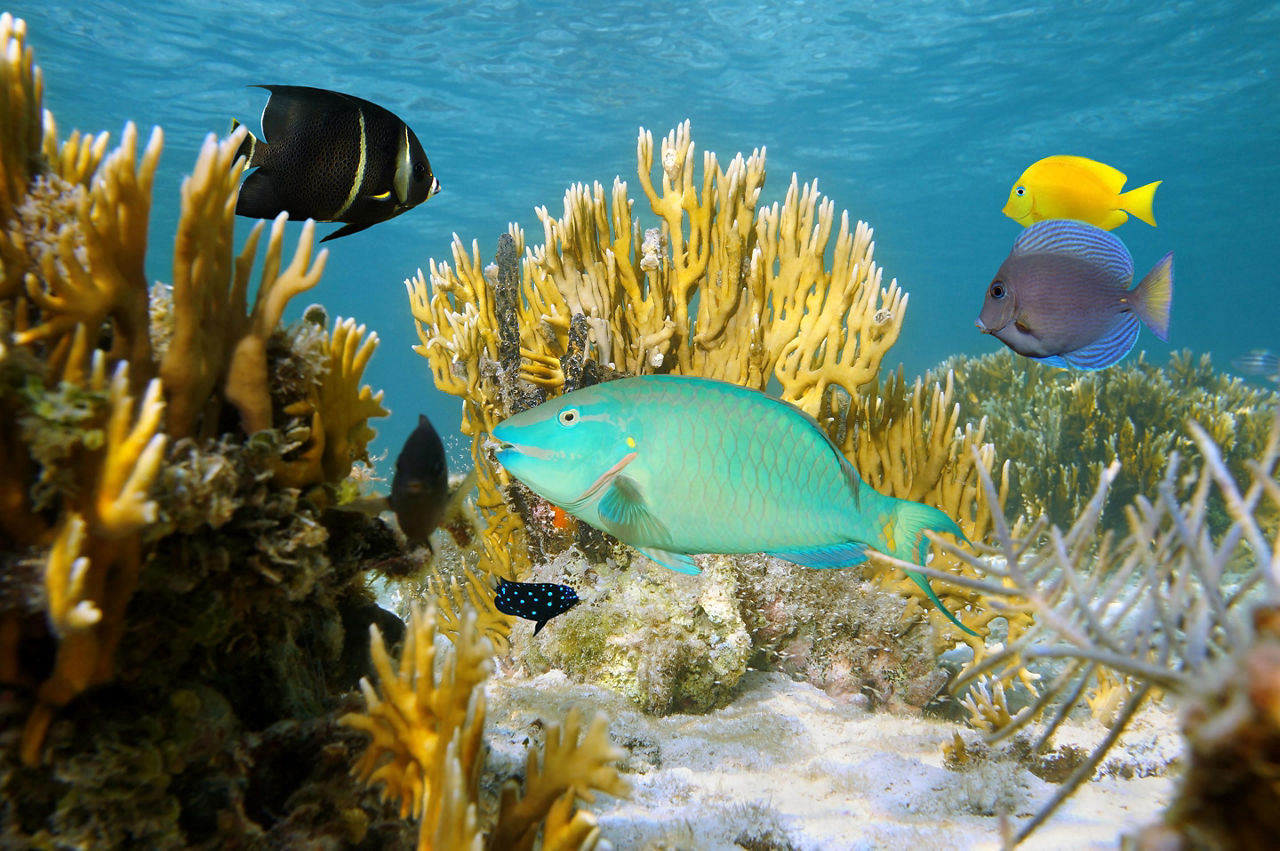
Buck Island’s most unique feature is its underwater snorkeling trail with educational plaques that guide explorers across shallow coral formations through a coral-lined cave to the edge of the barrier reef. Marine life sightings here include over 250 species of fish, such as the parrotfish, angelfish and blue tangs. It also serves as a haven for endangered sea turtles, while the coral reefs themselves are home to spiny lobsters and sea urchins.
6. Devil’s Reef - Ocho Rios, Jamaica

7. Bayahibe - La Romana, Dominican Republic
The Best Way To Visit Coral Reefs In The Caribbean
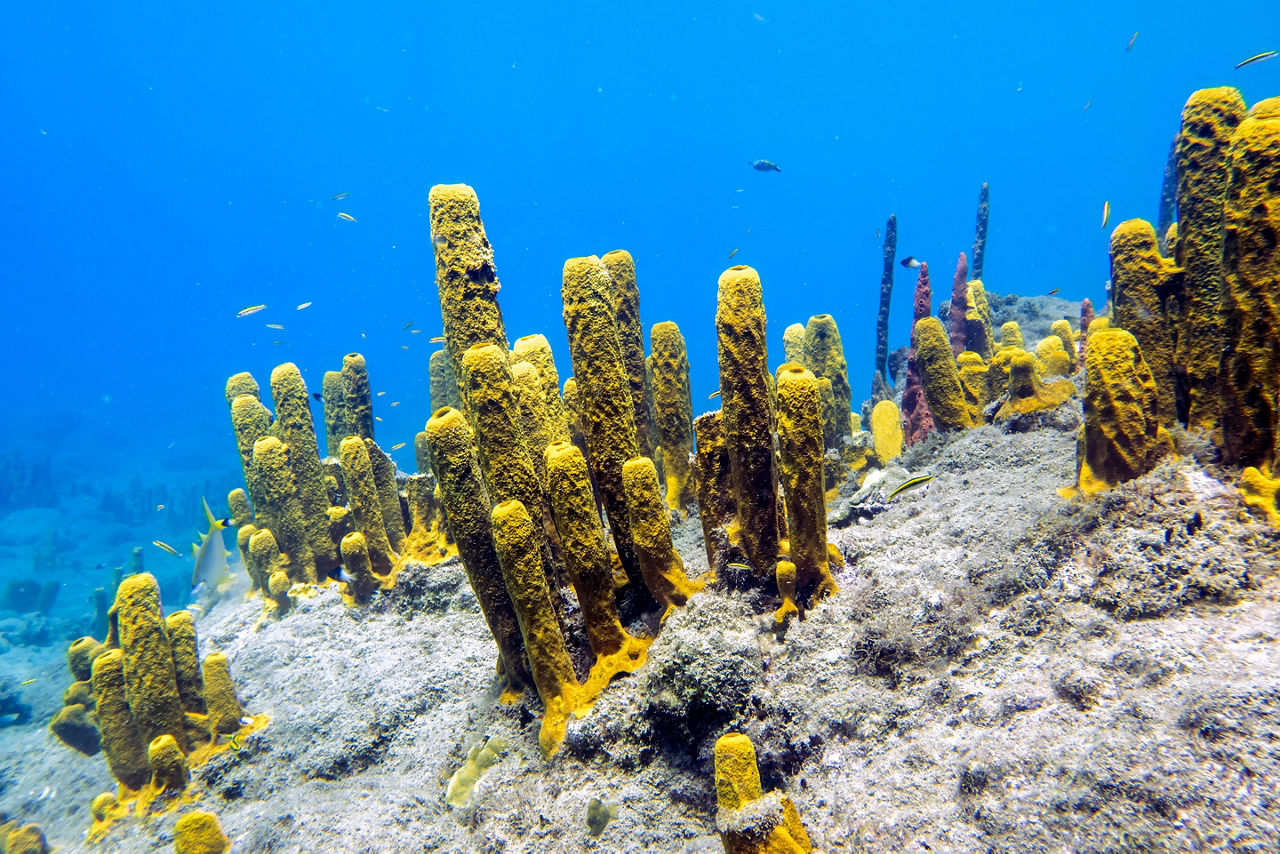
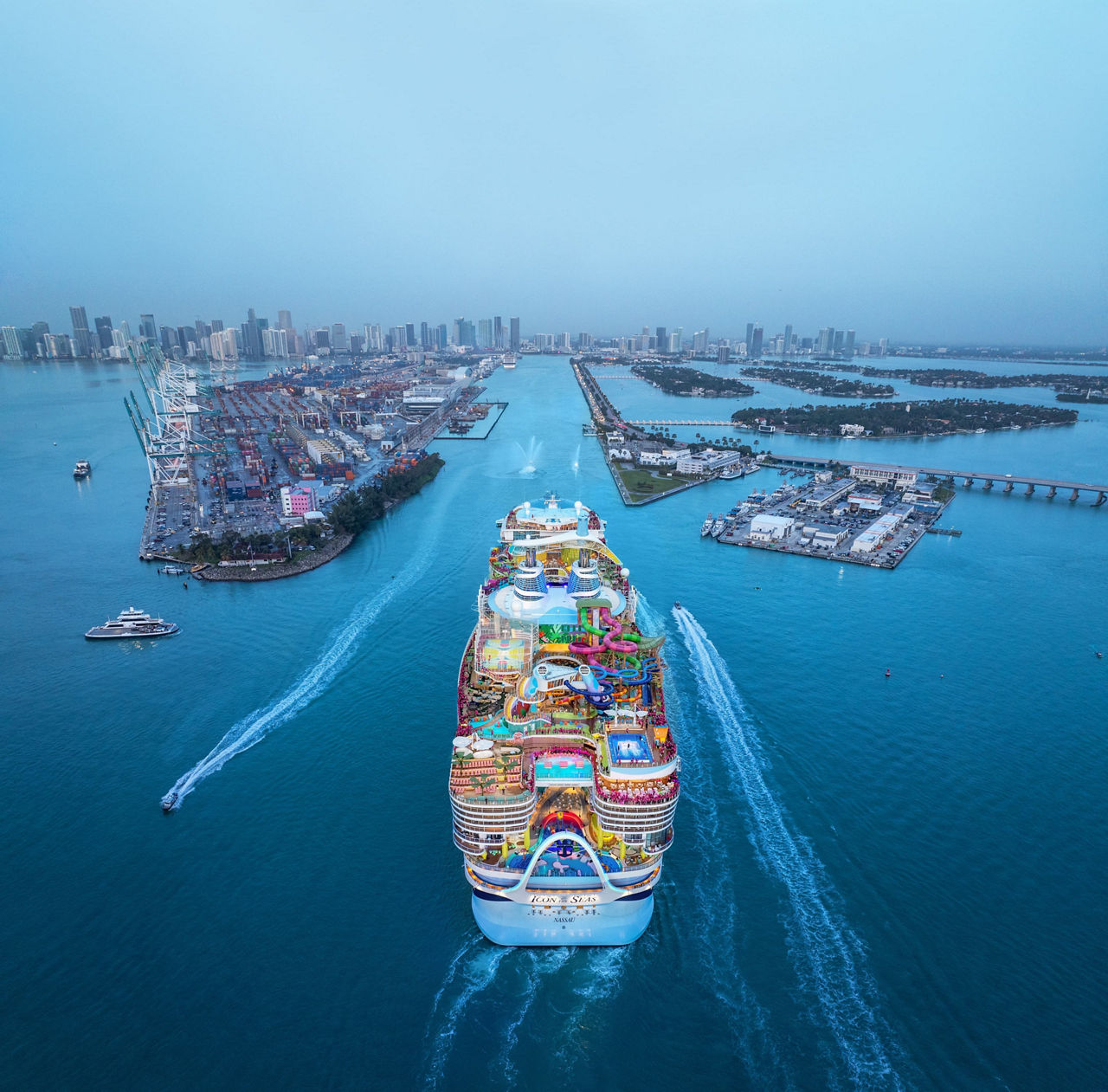
The complexities of accessing coveted coral reef sites in the Caribbean fade away when sailing on a Royal Caribbean cruise. Royal Caribbean offers snorkeling and diving shore excursions at many of the ports of call in the Caribbean, which is good news for intrepid cruisers considering an entire itinerary around the region’s coral reefs.
Shore excursions across Caribbean cruise itineraries feature a variety of opportunities to explore under the sea, and still make it back to the ship before it's time to set sail. Southern Caribbean sailings are the perfect chance at a variety of excursions in The Bahamas, Aruba and Bonaire, from scenic glass boat tours to a challenging snorkel safari. Cruises in the Western Caribbean offer the best opportunity to visit popular coral reef sites in Belize, Cozumel, Mexico, and Ocho Rios, Jamaica. For those eyeing the Eastern Caribbean, St. Croix’s Buck Island Reef National Monument and St. Maarten’s Little Bay are just two of several sites available through Royal Caribbean excursions.
Tips For Exploring Caribbean Coral Reefs The Sustainable Way
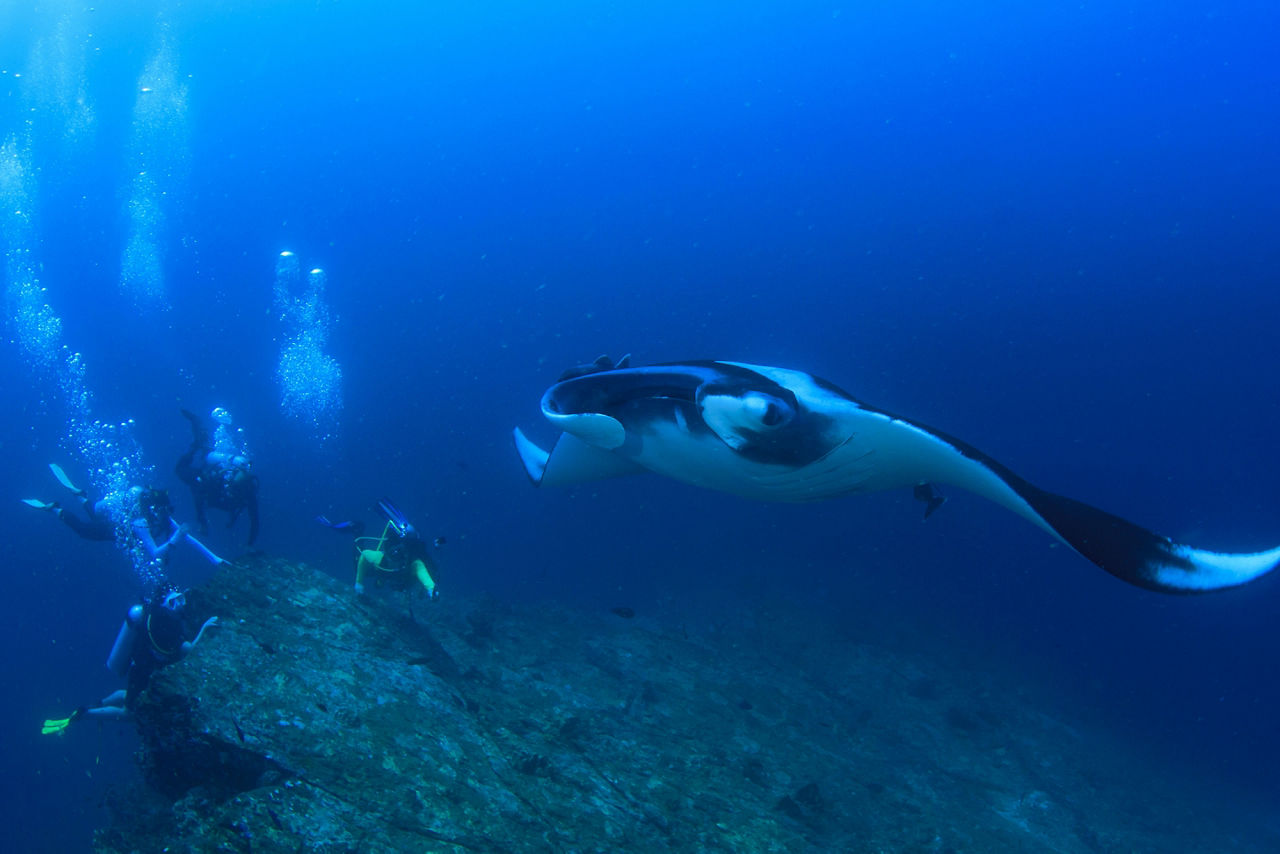
Given the delicate nature of the world’s coral reef systems, navigating underwater adventures responsibly is vital to the preservation and restoration of these habitats for marine life. Coral reefs not only protect the precious shorelines of the region and provide a habitat for fish and other species, but they also drive millions of tourism dollars into the Caribbean. However, advancing climate change, warmer water temperatures, pollution and other factors have caused a great deal of damage to the world’s reef systems, with 30 to 50% already lost, according to NOAA Fisheries. Visiting these sites is possible thanks to ongoing conservation projects throughout the Caribbean by organizations, the most notable of which include CoralCarib, The Nature Conservancy, Hol Chan Cut Marine Reserve (Belize) and the Molinere Underwater Sculpture Park (Grenada).
Thankfully, as visitors, we can also do our part in protecting these precious ecosystems. Explore the wonders of Caribbean coral reefs without causing harm to the environment by:
Avoiding contact with or standing on coral reefs. Human contact with coral reefs can cause significant damage to them, and may also cause infections or rashes for you. Even the slightest contact can weaken these living animals, which threatens the entire ecosystem.
Opting for reef-safe sunscreens. These specially-made sunscreens are formulated without chemicals that cause environmental damage, such as oxybenzone and octinoxate. Regular sunscreens can harm coral reefs and marine life when they wash off in the ocean, leading to bleaching and, ultimately, the coral reefs dying off.
Minimizing sediment disturbance by being mindful of your fins and securing your gear. Sediment significantly impairs the coral reefs' ability to filter feed, while reduced clarity blocks the sunlight necessary for photosynthesis. Exploring coral reefs with care is essential while on any adventure to minimize coral reef damage.
Disposing of waste properly — while visiting the reef, and generally while traveling. This one feels a bit obvious, but marine debris is a major factor that counters ocean conservation efforts. Plastic waste is directly linked to the deterioration of these systems, leading to coral bleaching, disease and death. Be sure to properly dispose of anything you take on your adventures to minimize your impact on the environment.
Supporting local reef conservation efforts. The recommendations above are a great starting point for doing our part, but volunteering and donations also go a long way in continuing the vital work of conservation organizations. More generally, reducing our carbon footprint, spreading awareness and engaging with policymakers can also directly benefit reef conservation efforts.
Discover The Wonders Of Caribbean Coral Reefs On A Royal Caribbean Cruise


Related Articles

10 Caribbean Beach Destination Wedding Ideas
READ MORE
The Best Family Beaches In Florida
READ MORE
The Best Beaches In Australia
READ MORE
Your Guide To The Top 5 St. Lucia Beaches
READ MORE