Cruise Vs. Resort: Which Type Of Vacation Is Right For You?
Why Are More Travelers Choosing Floating Resorts?
By Aleisha White | Published on May 20, 2026
Cruises and resorts have always been synonymous with luxury vacations. You know the drill: high-end accommodations, exclusive experiences, superior services and more comforts than back home. No less, in someplace far more riveting.
However, as the concept of luxury in the travel industry — and the world at large — transitions away from gold-plated everything and toward rarity and untracked time, the smart money is moving to the water. More and more travelers are choosing to cruise.
This guide explores the key differences between a cruise vs. resort to help you decide which is the right vacation for you.
Cruises Vs. Resorts: What’s The Difference?

The most obvious difference between a cruise vs. all-inclusive resort is that one is floating on the sea, whereas the other might be located near the sea. To understand the differences between the two at a deeper level, let’s first cover what they have in common.
If you’re going to either, you’re probably heading away on vacay (or, at worst, an epic work trip). Cruises and resorts provide you with everything you need in one place, including accommodation, dining, entertainment or activities, relaxation and vibes. The basic ingredients for enjoyment are all there.
However, as any connoisseur of both will tell you, they’re just not the same. So, let’s take a look at the offerings:
The Destination

When you sail, you’re going to be on the move. An inherent aspect of cruising is hopping around islands and coastal destinations along the way. You have the opportunity to explore new seaside locations every day and, importantly, you don’t have to work to get there.
Stationing your vacation around a resort, all going well, means you’ll spend your time in just one place. While cruises provide you with the familiarity to return to after your daily explorations, just like a resort, they also let you stretch your wings in new port-side towns day after day.
Either way, you’ll only unpack once.
Atmosphere And Activities
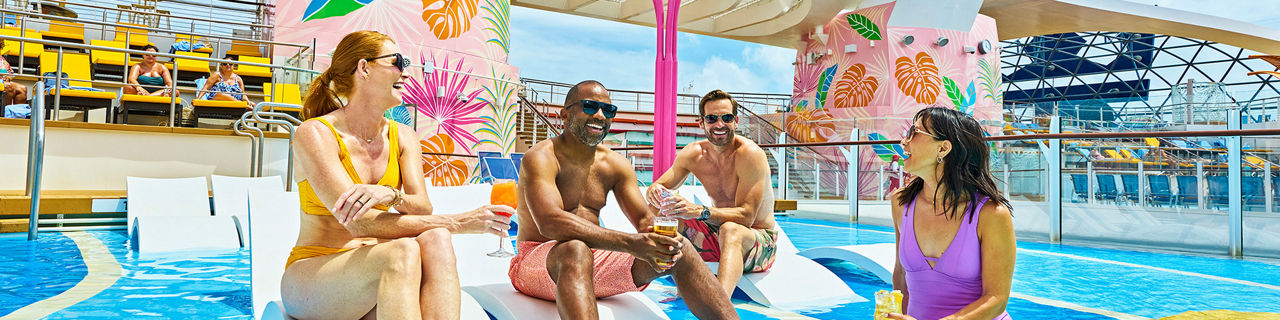
The laid-back pool- or beach-focused vibe tends to be “residential” in resorts. That’s because the pool and the beach are usually the major drawcards there, aside from the amenities. You’ll have your poolside parties, quiet spots on a beach to cozy up with a book and usually water sports. Those are your anchors.
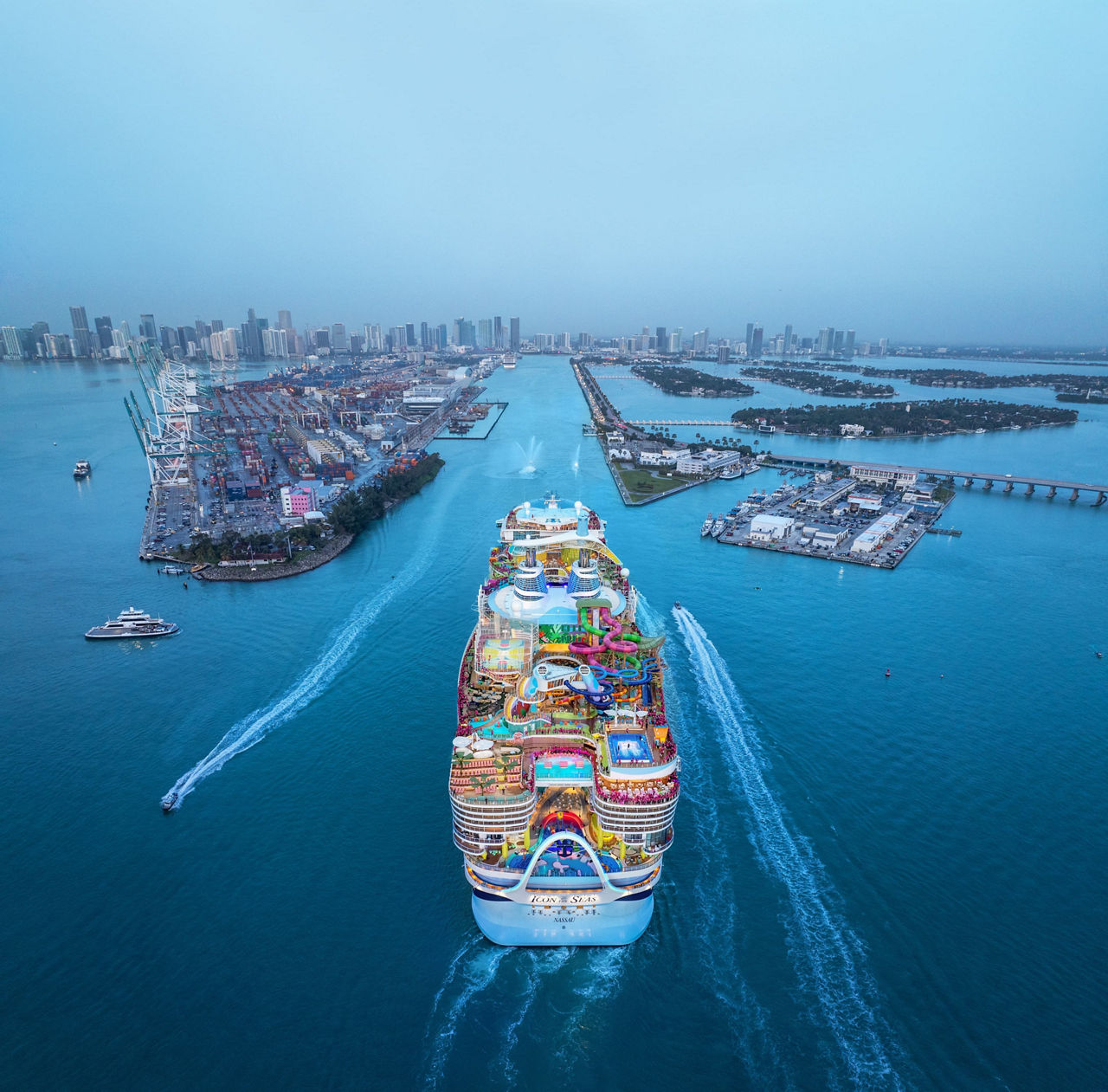
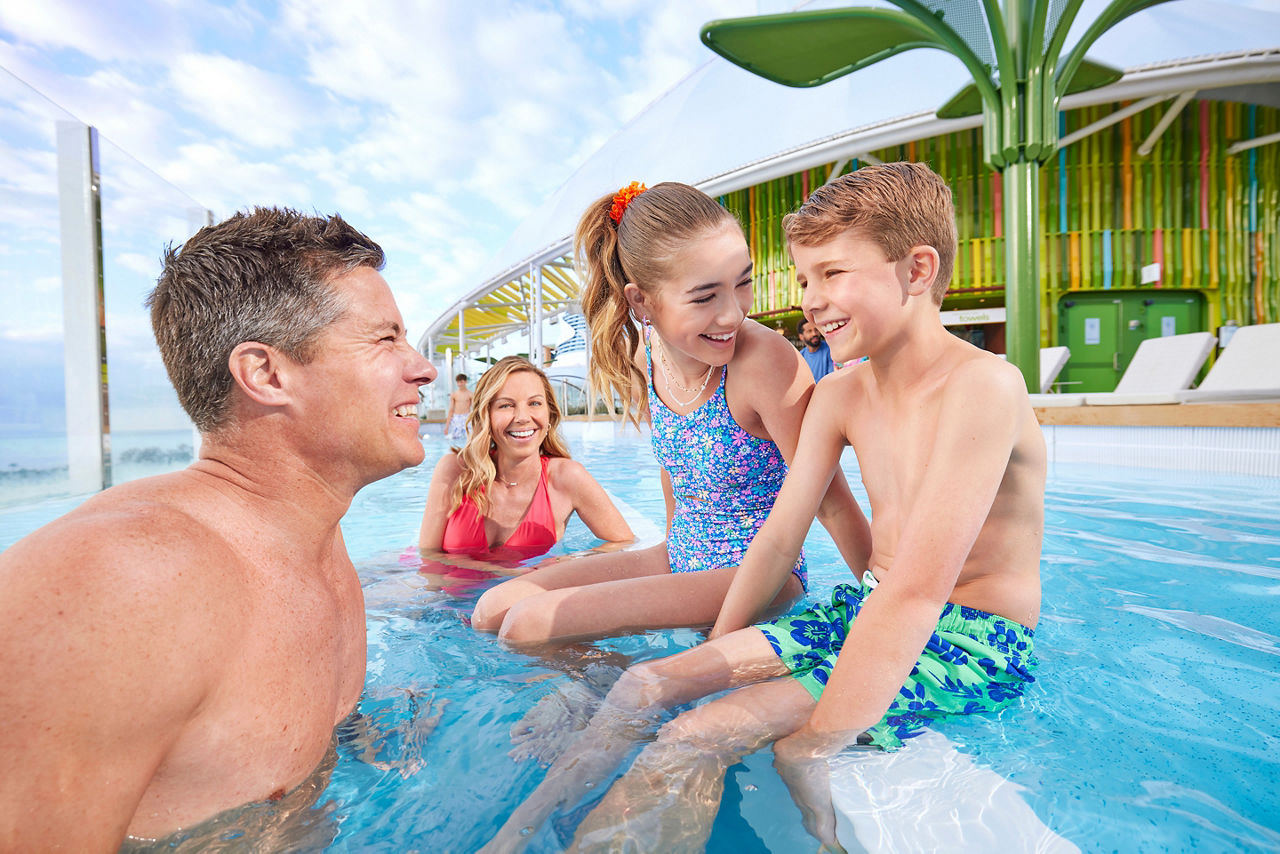
Cruising with Royal Caribbean offers pools on board and beaches at your destination, as well as opportunities to explore new thrills, onboard activities and entertainment. Just in case you feel like giving your sun lounger a day off.
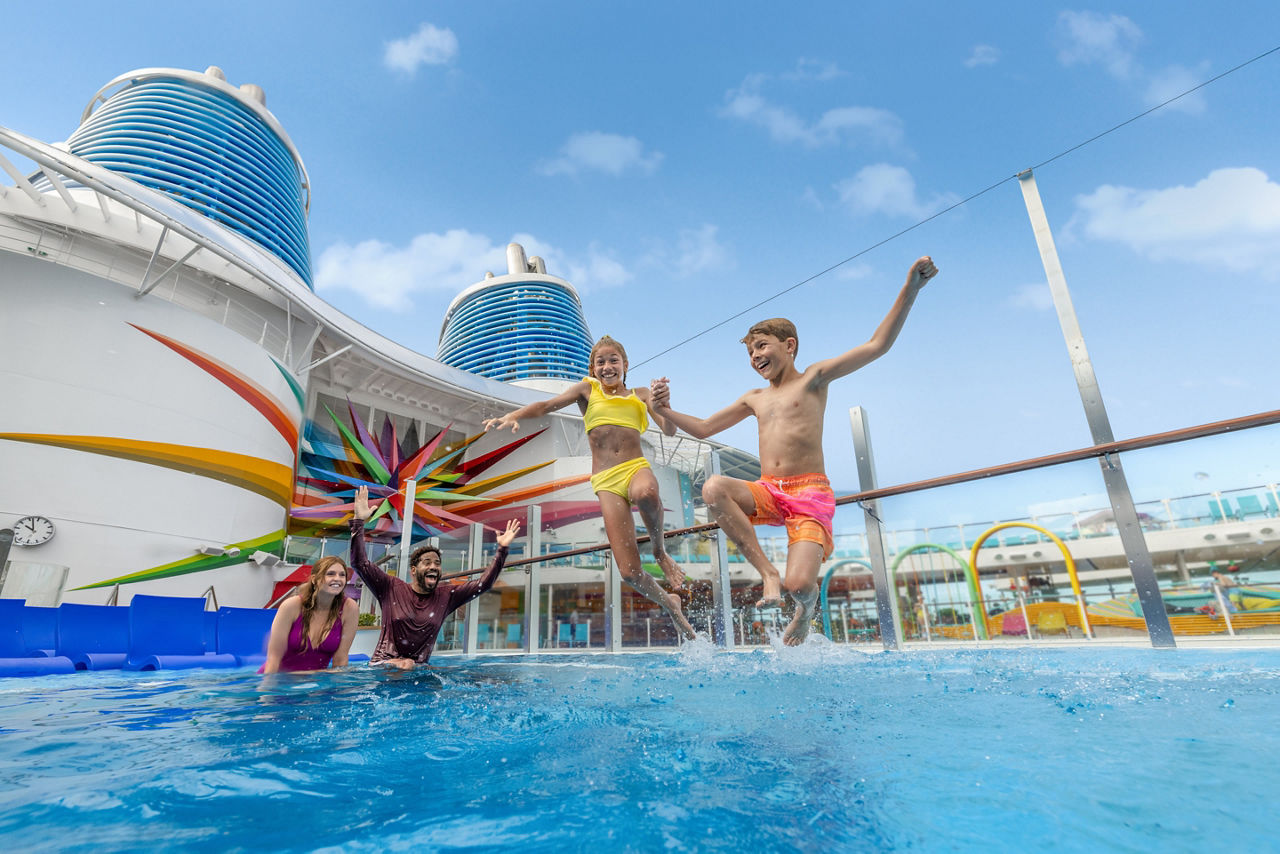
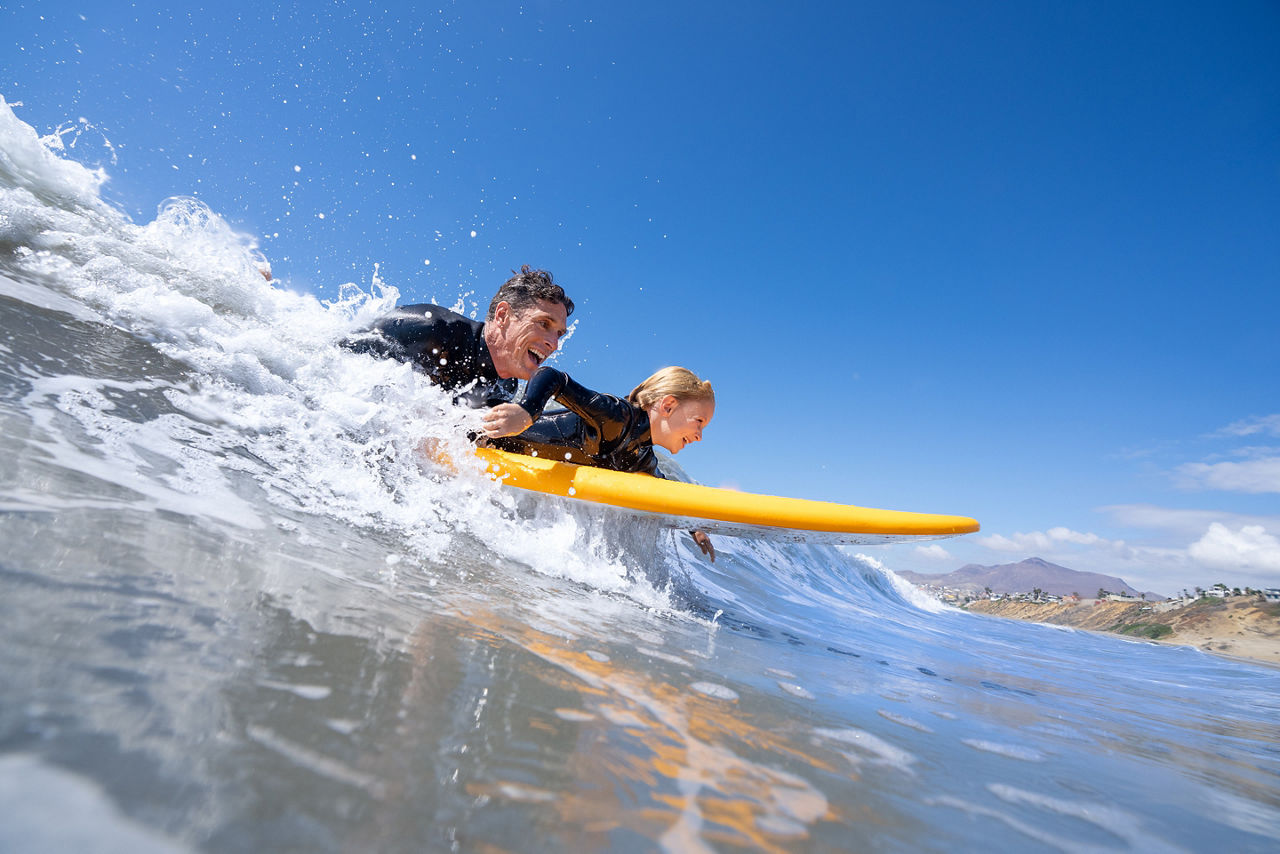
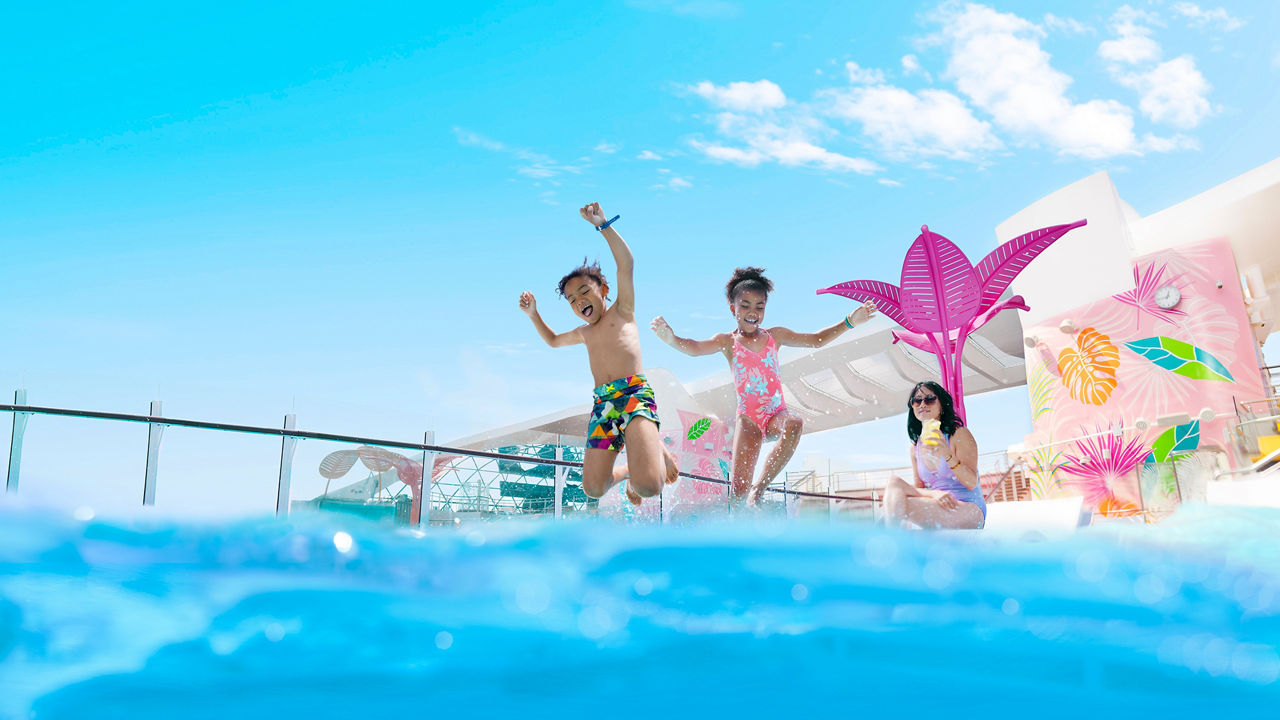
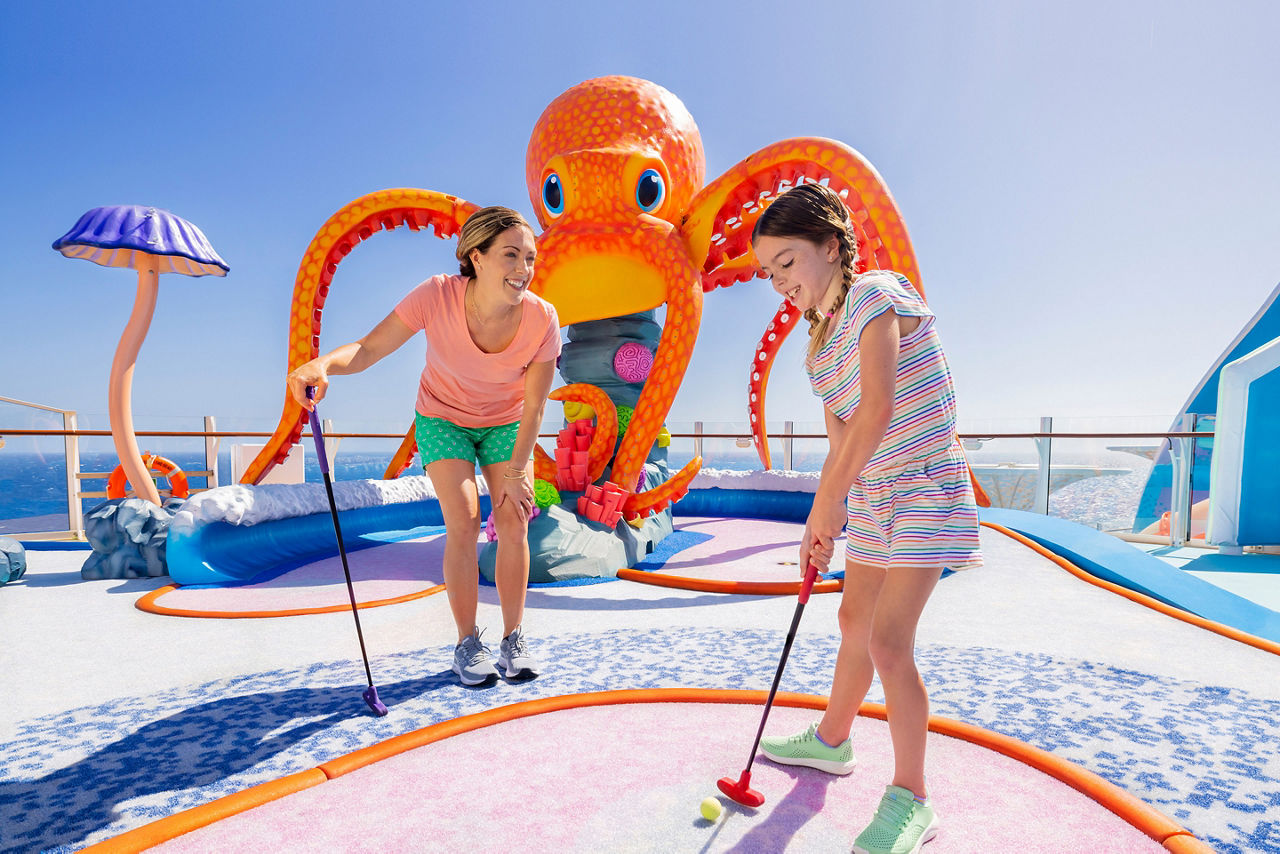
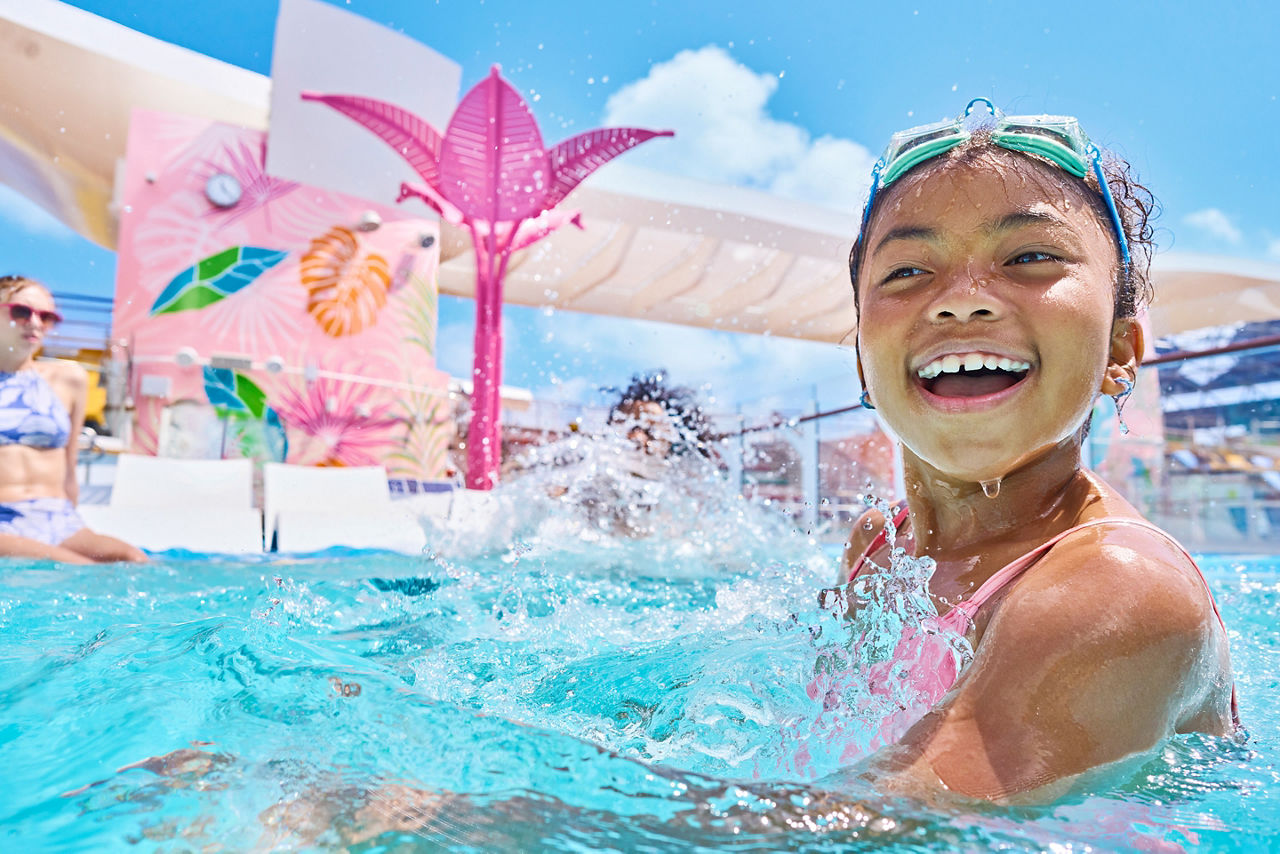
You have no shortage of beach days (like that could exist anyway?), waterslides, surf simulators and plenty of splash opportunities for the kids. There’s also an onboard gym, dance classes, skydive simulators, the VitalitySM Spa, mini golf, Lazer Tag and more. And that’s all before you even arrive at your destination.
Budget
Resorts are often, but not always, all-inclusive. Usually, your fare covers accommodation, meals, drinks and any activities and entertainment offered. When you’re traveling on a budget, a fixed-cost structure makes it easy to know what you’re paying and what you’re getting upfront. Activities like shore excursions and spa treatments are typically at an additional cost.
Cruises aren’t that different in this respect. They cover accommodation, dining, activities and travel to multiple destinations. If you’re traveling on a Royal Caribbean cruise, unlimited beverages and specialty dining are available if you purchase a package when you book. This also provides the benefits of a fixed cost structure. The difference is that immersing yourself in theater shows, nightclubs, riding on bumper cars and, of course, visiting multiple new destinations are also included in your fare.
Accommodations

While resorts tend to have larger standard rooms than what you’d find on a ship, cruises have superior variety, including balcony staterooms and suites that could rival even the best resorts. Both offer a high standard of amenities, including comfortable bedding, intuitive design and clean, fully equipped bathrooms.
Resorts offer a fixed view, whereas suites, balcony and ocean-view staterooms offer fresh vistas every day.
Dining And Nightlife
If you’re a foodie or a party-goer, you’ll want to prick up your ears for this. The best resorts offer a few distinct spots to eat and blow off steam, and dining is usually included. Dining options and nightlife venues do offer guests variety; however, the diversity and caliber rarely add up to what you’ll find on a luxury cruise.
On Royal Caribbean ships, you can find up to 25 different dining venues serving breakfast through dinner and late-night snacks. Most of these spots are included in your fare. If you’re vacationing for a special occasion, there are specialty restaurants, too, offering themed immersive experiences, high-end cuisine with expertly curated wine matches and dishes that’ll take you from Jamaica to Japan.
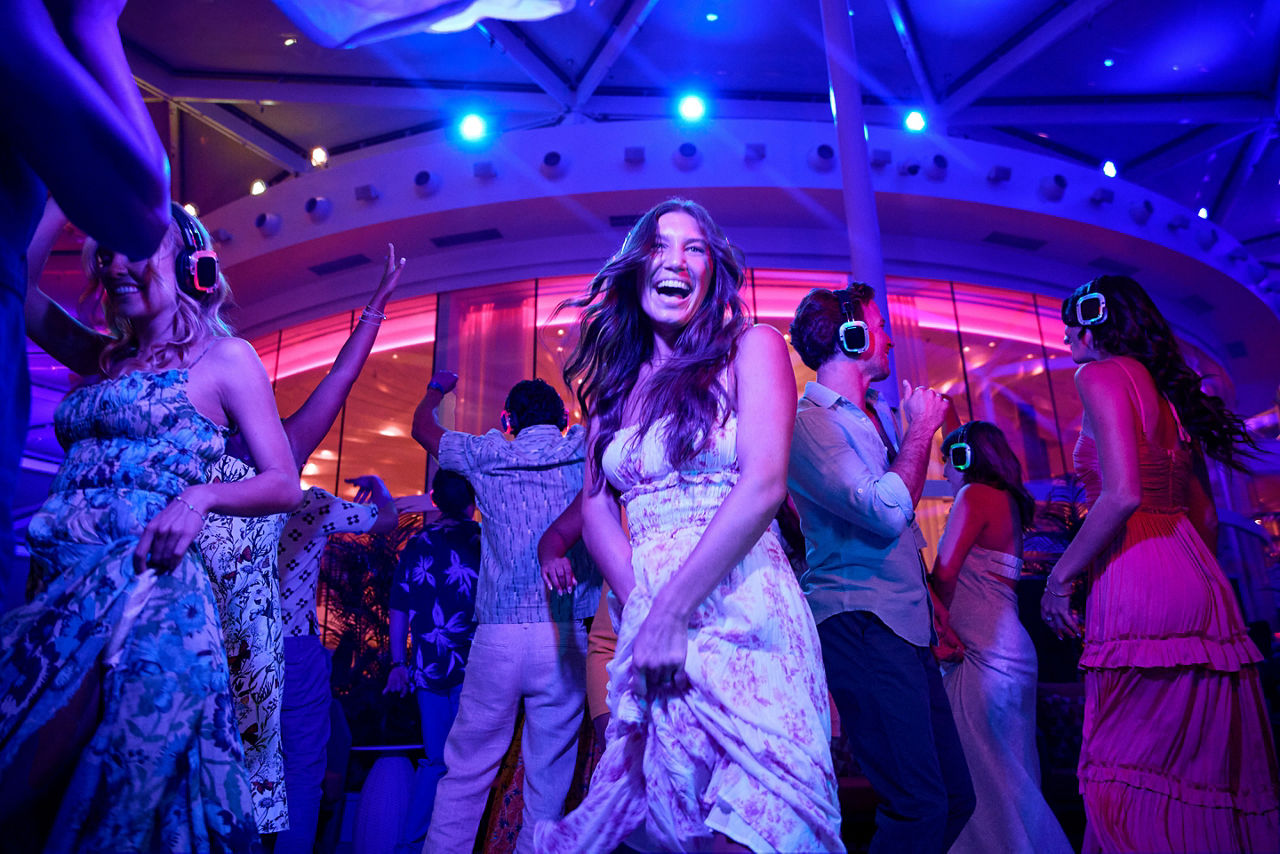
For the pre-load or after-hours, you’ve also got your choice of up to 20 distinct bars, lounges and nightclubs. If you want to watch the game, the sunset, live music or see a bionic robot craft your new favorite cocktail, it’s all possible on a cruise — in the same evening, if you’re up for it.
Traveling With Kids
Many families vacation on cruises and at resorts because they remove logistics from the equation, providing convenience for parents seeking relaxation. All-inclusive resorts usually have childcare facilities; however, it’s a good idea to confirm ages and availability. Certain providers have limited capacity or only accept potty-trained children.
Royal Caribbean provides extra flexibility in this sense. The Adventure Ocean® Youth Program caters to kids ages three to 17, with age-appropriate activities like crafts and science experiments for the little ones and social discos for teens. Toddlers generally must be at least six months old at the time of sailing, and the Royal Babies & TotsSM Nursery provides care for kids ages six months to three years while mom and dad enjoy well-earned downtime.
You’ll also find Kids’ Sail Free promotions advertised, where young sailors ages 12 and under can get a free base cruise fare if they share a room with two paying adults.
Cruise Vs. Resort: Which Should You Pick?
What’s The Vacation Duration?

Do You Like Having Plenty Of Activities To Choose From?
If you do, cruising is the clear winner here. Even if you don’t, you can still jump on a cruise and cozy up in the Solarium all week.
On the other hand, if you prefer a more minimalist approach, a smaller cruise ship or a resort may be a better option.
Do You Want To Visit Multiple New Locations or Just One?
Do You Get Seasick?
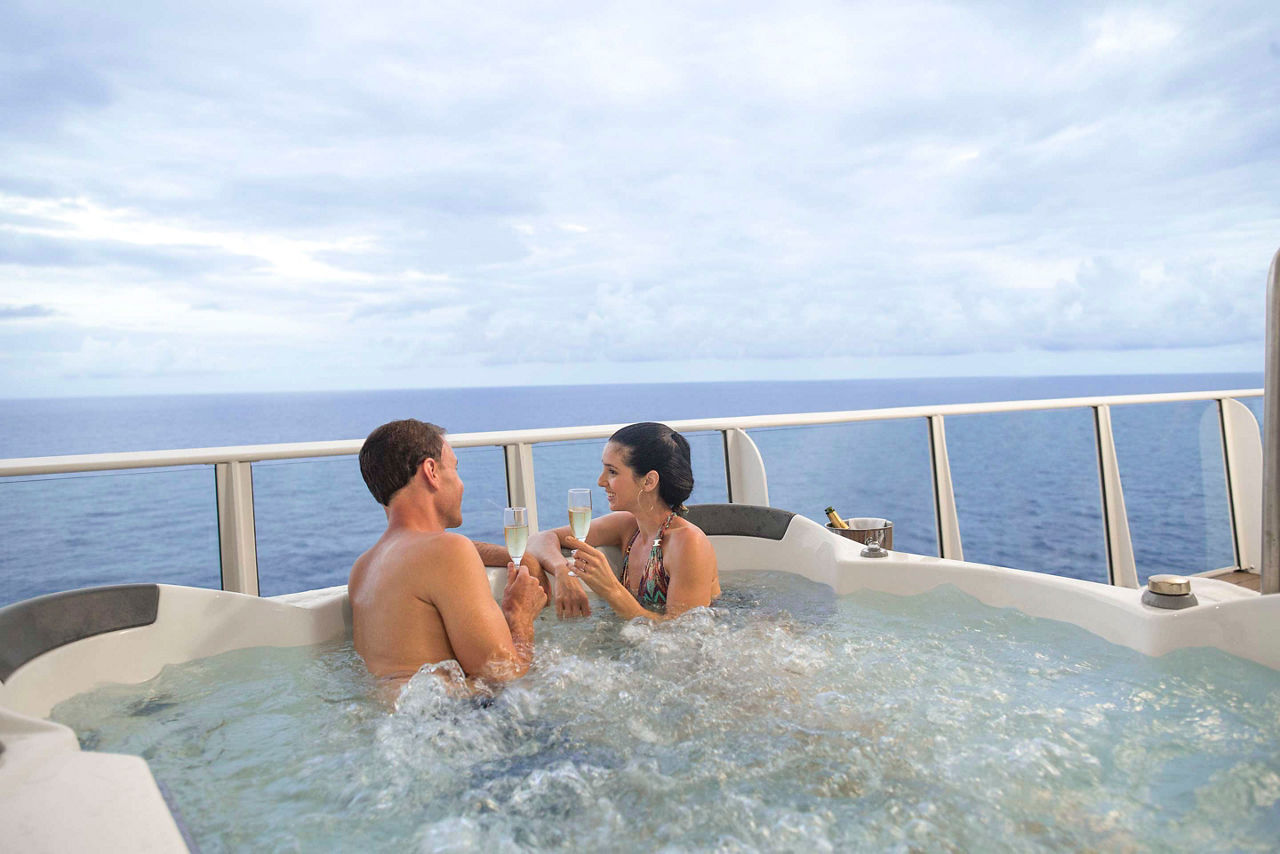
Cruising is on the water, and if you’re worried about losing your sea legs, centrally located staterooms offer less movement, creating a sense of stability. Similarly, balcony staterooms with a view of the horizon can equalize your sense of movement. It’s easy to check the ship’s deck plan and select your room accordingly when you book.
For those who feel extra queasy on the sea, a land-bound vacation may be a fair alternative.
What’s Your Ideal Budget?
Considering the additional destinations, childcare and extensive dining, nightlife, activities and entertainment options, cruises offer better value for money — regardless of whether you’re planning a quick trip or a long one.
How To Prepare For Your Cruise Vacation

If you’re cruising for the first time, it’s good to know a few helpful tips to get the ball rolling. When you book your sailing, remember to secure your spot in any onboard activities you want to participate in. These can fill up fast.
Packing is another important aspect of planning your cruise. Consider your destination and plan your wardrobe around your cruise itinerary — Alaska and Aruba will require completely different get-ups.
On embarkation day, provide plenty of time to arrive at the cruise port (many guests choose to arrive the day before and explore the local area before the sailing). Finally, keep a small day bag with a few essentials while you await your luggage — sunnies, swimsuits and snacks for the kids. That way, you can dive into fun activities the second you set foot on board.