Best Time To Visit the South Pacific by Month
Sultry and Secluded or Balmy and Animated?
7 min read | By Aleisha White | Published: October 30, 2026
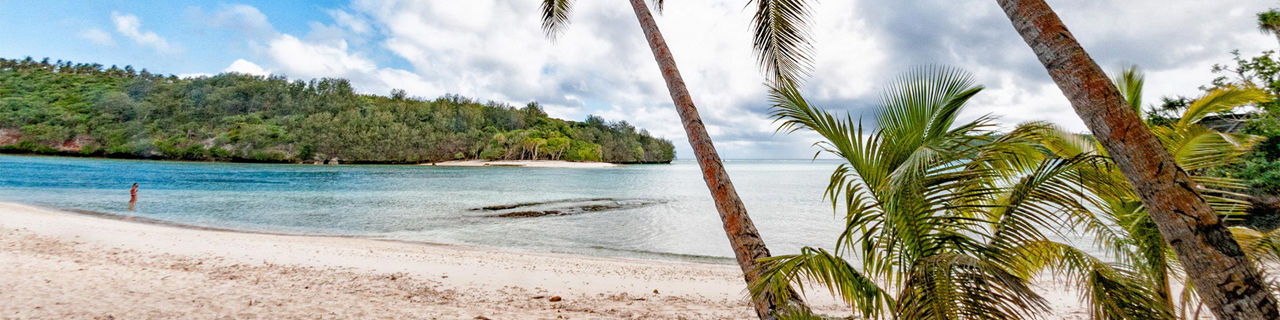
Hearing about the South Pacific conjures images of idyllic tropical islands in all shades of verdant green and azul, humming with the energy of its diverse Oceanic cultures. Traveling between May and October brings this imagery to life, as it’s the dry season when the sun’s shining and humidity is at its lowest.
The wet season brings its own vibe, with a more remote, dramatic feel, whereas the shoulder seasons blend the best of both worlds for those who want a taste of it all. Read on to discover the best time to visit the South Pacific, based on the ideal cruise vacation you’ve been dreaming up.
KEY TAKEAWAYS
The dry season (May-October): The South Pacific’s sunniest, breeziest days; calm, clear water for snorkeling, diving and sailing.
The wet season (November-April): Lush scenery, warm seas and a secluded feel. Every month has its own charming reason to visit.
Shoulder months (April/May and October/November): Mild weather with relaxed ports and a long, flexible window for planning.
All You Need To Know About Visiting the South Pacific

Cruising to the South Pacific islands any time can be an adventure. The period between May and October is the best time to visit; the shoulder months also offer a wonderful balance between weather and crowd levels.
Destinations like Australia and New Zealand carry slightly different weather patterns. If you venture to Australia, you’ll find a tropical climate in the north and a temperate climate in the south, while New Zealand experiences a temperate climate and all four seasons.
Across the rest of the region, here’s what to expect:
- Dry season: The dry season runs May through October, with sunny, balmy days (77°F to 86°F); low humidity; and cool trade winds that pass through. It’s the most popular time to visit, so you’ll notice a more vibrant, bustling ambiance.
- Shoulder seasons: The shoulder seasons are between April and May, or October and November, with consistently temperate weather (77°F to 88°F), short-lived tropical rainfall and warm air as the wet season approaches.
- Wet season: The wet season is between November and April. Temperatures rise slightly to between 79°F and 88°F and humidity also rises, giving a warmer feel. Short bursts of tropical rain showers pass quickly, leaving the islands fresh and green.
I’ve traveled to the South Pacific across December, February and July, and found sunshine each time, with only a passing shower or two. “Wet season” simply means a little extra warmth and humidity in the air.
Cruising To the South Pacific, Month by Month
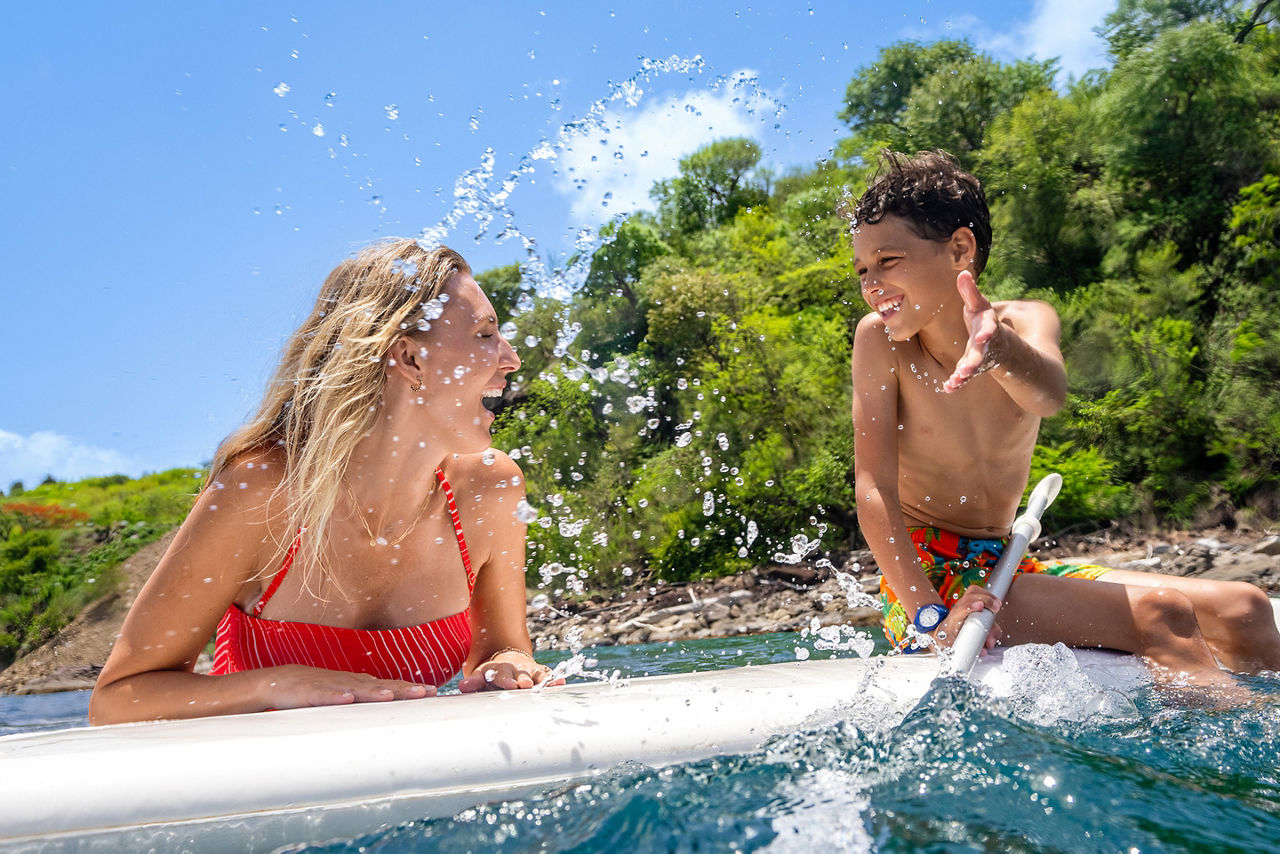
Cruising the South Pacific Ocean is an experience to remember. From the turquoise lagoons of amorous Tahiti to Melanesian culture in Fiji and the incredible nature at Royal Beach Club℠ Lelepa (opening 2027), the Pacific offers a tranquil retreat year-round.
Here’s what you can expect throughout the year:
January Through March
Early January kicks off the festive season in full swing, with more activity as families travel for the regional school holidays. Expect sultry, moderately humid days with the odd spot of rain.
As the school holidays end in February, you’ll notice quieter shores and a deeper sense of rejuvenation. In March, the trade winds start to pick up, bringing a fresh, dry breeze to the area.
April Through June
In April, the islands burst with lush rainforest. April and May are shoulder seasons, offering a cozy balance of mild weather, serene beaches and low foot traffic.
Visitor numbers pick up and remain below peak levels in May and into June, the official start of the dry season. This is an excellent period for hiking ridge walks, scuba diving and snorkeling with calm lagoon and sea conditions.
July Through September
July and August are the heart of the dry season, with sun-drenched skies, low humidity and tranquil water ideal for snorkeling, diving or sailing — especially in Port Vila, Vanuatu. Humpback whales begin passing through the region in July, adding a thrilling highlight for a family cruise vacation.
By September, crowds disperse in many ports while the weather remains calm and settled, making it a lovely shoulder period for relaxed days ashore.
October Through December
October is another shoulder-season crown jewel, with settled weather, quieter ports and the last weeks of whale season. In November, both the days and the sea begin to warm again, and short tropical showers pass quickly, leaving the islands verdant and lush.
In December, the season picks up as families travel for the local school holidays, bringing an animated atmosphere, while warm seas invite long, relaxing swims.
Wet Season vs. Dry Season in the South Pacific

The dry season in the South Pacific feels milder, as the trade winds blow through, keeping humidity low. For this reason, many people choose to travel in the dry season, which brings a lively, social energy to every port.
On the other hand, humidity rises slightly as the trade winds ease during the wet season, making the air feel warmer. If you’re a photographer, the increased cloud formations make this period excellent for photos.
Explore the common differences between the wet and dry season below:
Island Nuances in the South Pacific

The South Pacific Ocean covers two island-group expanses: Polynesia (including islands like Tonga, Tahiti, New Zealand and Samoa) and Melanesia (covering islands such as Vanuatu, New Caledonia and Fiji).
With so much ocean to explore, it’s easy to understand why monthly seasonal conditions may vary slightly across the islands. One example is New Zealand, found slightly outside the subtropics, where the climate is temperate. The best months to visit are during the New Zealand summer, between December and March.
As you draw closer to choosing the perfect South Pacific destination for your cruise, keep slight regional variation in mind.
Considerations for Planning Your Cruise to the South Pacific
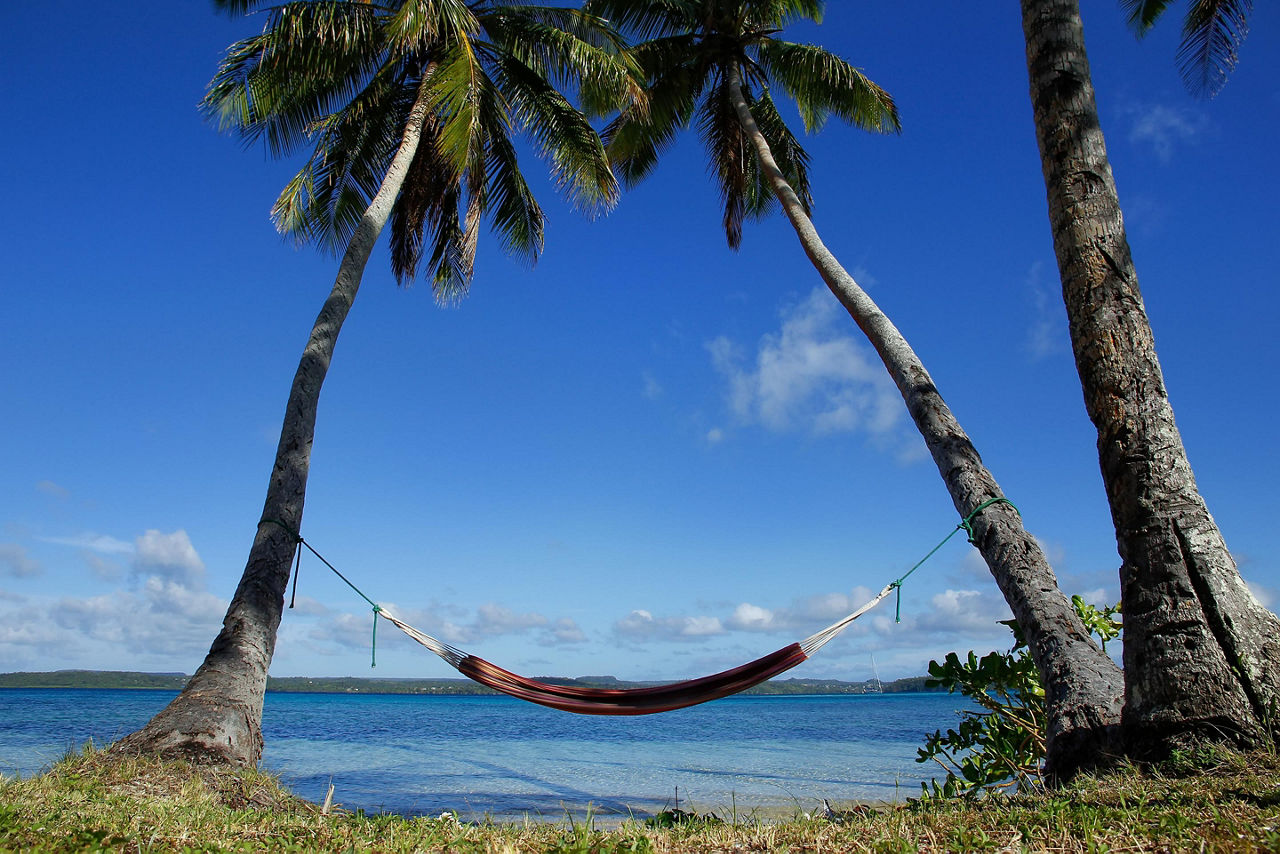
Explore a few tips to help you plan an incredible cruise vacation to striking destinations in the Pacific, depending on the type of trip you want:
- The best weather: The best weather comes between May and October, with the shoulder seasons (April and May, or September and October) adding fewer crowds.
- Peaceful ports: February is among the quietest months in most South Pacific islands, and November through April brings relaxed crowds, with January adding a family-friendly buzz.
- Packing considerations: Since the weather is equatorial year-round, pack light, breathable outfits. Bring a layer for evenings during the dry season, and a lightweight waterproof jacket if you’re traveling through the wet season.
- Cultural considerations: Pacific Island cultures are warm and friendly, and dressing modestly at places like churches is a sign of respect. A knee-length sarong and a top that covers your shoulders are all you need.
- Plan for variety: The Pacific islands epitomize “island time” and deep cultural discoveries, and many itineraries come with a few days at sea. Balance destinations like Lelepa in Vanuatu, where you’ll uncover breathtaking natural environments, with higher-energy days pursuing heart-pumping thrills on board the cruise ship.
Sail Into the Pacific Sunset
Cruising through the South Pacific is undeniably stunning any time of the year — it really comes down to the kind of vibe you’re seeking. The dry season is more animated, with calm seas and sunny skies, whereas the wet season brings warmer temperatures and a secluded feel.
Explore cruises to the South Pacific and get ready for a dreamy island getaway.