
Passport Rules for Cruises: What U.S. Citizens Need
A Guide to Travel Documents for Cruises
6 min read | By Simone Harvin | Published on October 9, 2026
U.S. citizens don’t always need a passport for cruises, but the exceptions are few and the recommendation to carry one is strong. The biggest exception applies specifically to closed-loop cruises — itineraries that start and end at the same U.S. port — not cruises in general.
For one-way sailings, international embarkation and select port cities, passports are required, so the “no passport” answer varies depending on where you go. If you’re a U.S. citizen, here’s everything you need to know about the passport rules for cruising, as other nationalities and itineraries follow different requirements.
KEY TAKEAWAYS
Closed-loop cruises (round trips from the same U.S. port) allow alternative documents like an original birth certificate plus government-issued photo ID, though a passport book is still recommended. Closed-loop destinations include The Bahamas, Bermuda, Mexico, Canada and Alaska, along with select stops throughout the Caribbean.
Passport books are required for one-way and repositioning cruises; sailings with international flights; and stops in Martinique, Panama or Colombia.
Passport cards work for closed-loop sea travel to select destinations but aren’t valid for international flights or itineraries visiting Colombia, Panama or Martinique.
Passports must remain valid for at least six months after the cruise ends, and some itineraries — including Australia and China — require a separate visa or ETA.
Carrying a passport avoids the need to reassess document requirements for each trip and provides the fastest way home in a medical emergency or unplanned itinerary change.
A Practical Guide to Passports and Cruising for U.S. Citizens

Travel document requirements aren’t one-size-fits-all and vary by itinerary type, nationality and destination. Understanding how travel document requirements apply to your specific sailing, or which destinations are better suited if you don’t have a passport, is vital to your cruise planning and can help keep things smooth on boarding day.
What Is a Closed-Loop Cruise?
Closed-loop cruises depart from and return to the same U.S. port. While most closed-loop cruises offer greater flexibility in travel documentation, itinerary-specific exceptions remain, so confirm the requirements for each stop, including obtaining a visa where applicable.
Common Cruise Scenarios and Document Requirements

Document requirements depend more on itinerary type than anything else. Here’s a quick reference:
When You May Not Need a Passport vs. When a Passport Is Required
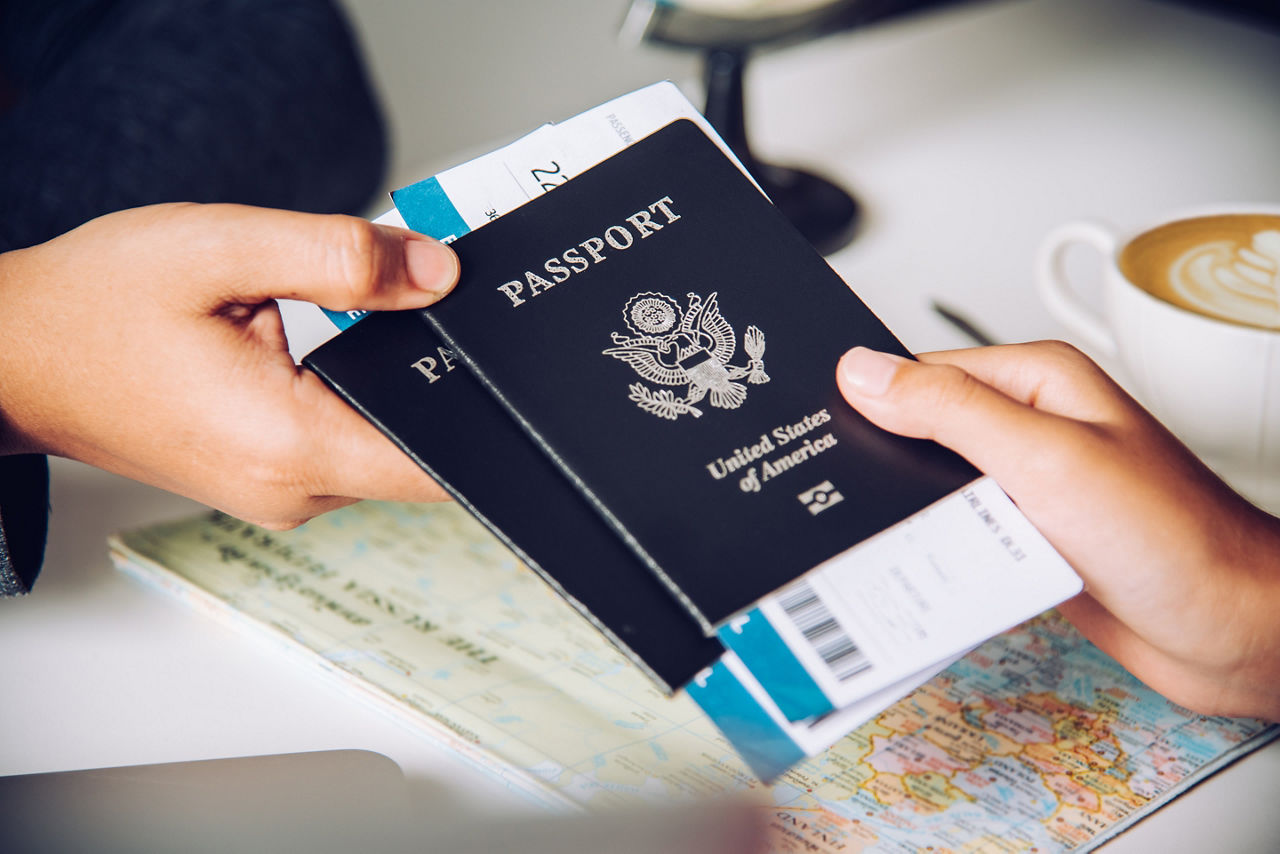
The table above covers the quick answer, but let’s explore the reasoning and exceptions worth knowing before relying on alternative documents.
When You May Not Need a Passport
Without getting too technical, federal rules allow U.S. citizens to cruise with alternative documents when the itinerary is a round-trip sailing that departs from and returns to the same domestic port, also referred to as a closed-loop sailing. For those without a passport, these types of itineraries are a viable vacation option for passport-free travel, particularly when one or more members of your group only have a photo ID and their birth certificate. Even when it isn't required, cruise lines recommend traveling with a passport.
When a Passport Is Required
Passports are non-negotiable on any sailing that involves flying internationally to begin or end the cruise. The rule also applies to one-way and repositioning cruises, regardless of destination. Double-check expiration dates, as passports must be valid at least six months after your cruise ends. While there might be a little flexibility with the expiration window on closed-loop cruises, it’s not always assured, so it’s safest to stick to these guidelines.
Where to Cruise Without a Passport on Royal Caribbean

For U.S. citizens who can't get a passport in time, or who would rather skip the application process, Royal Caribbean sails a range of closed-loop itineraries. These destinations are consistently among the most popular for travelers looking to cruise without a passport.
The Bahamas: A short sail from Florida, The Bahamas is one of the most accessible closed-loop options, with stops in Nassau and Perfect Day CocoCay drawing travelers looking for a quick getaway.
The Caribbean: Home to several popular Royal Caribbean itineraries, the Caribbean offers closed-loop sailings from ports like Miami, Fort Lauderdale and Port Canaveral to destinations including Cozumel, St. Thomas and Perfect Day CocoCay.
Bermuda: Round-trip sailings from East Coast ports such as Cape Liberty and Baltimore are the best way to experience Bermuda's pink-sand beaches with relaxed time at sea.
Mexico: Cozumel and Costa Maya are two of the most popular ports of call on closed-loop Western Caribbean itineraries, making it easy to enjoy beach days and Mayan ruins without a passport.
Canada: Sailings along the Pacific Northwest and New England coastlines often include stops in Vancouver, Victoria and Halifax, making Canada a scenic and easy closed-loop option that doesn’t require a passport.
Alaska: Round-trip sailings from Seattle typically include a stop in Canadian ports like Victoria and Vancouver, which qualifies these Alaska itineraries as closed-loop and passport-free for U.S. citizens.
Even though a passport is not required for these itineraries, Royal Caribbean strongly recommends travelers carry one whenever possible in case of a missed ship, itinerary change or medical emergency requiring an unplanned flight home.
Accepted Document Alternatives and Why a Passport Is Still Best
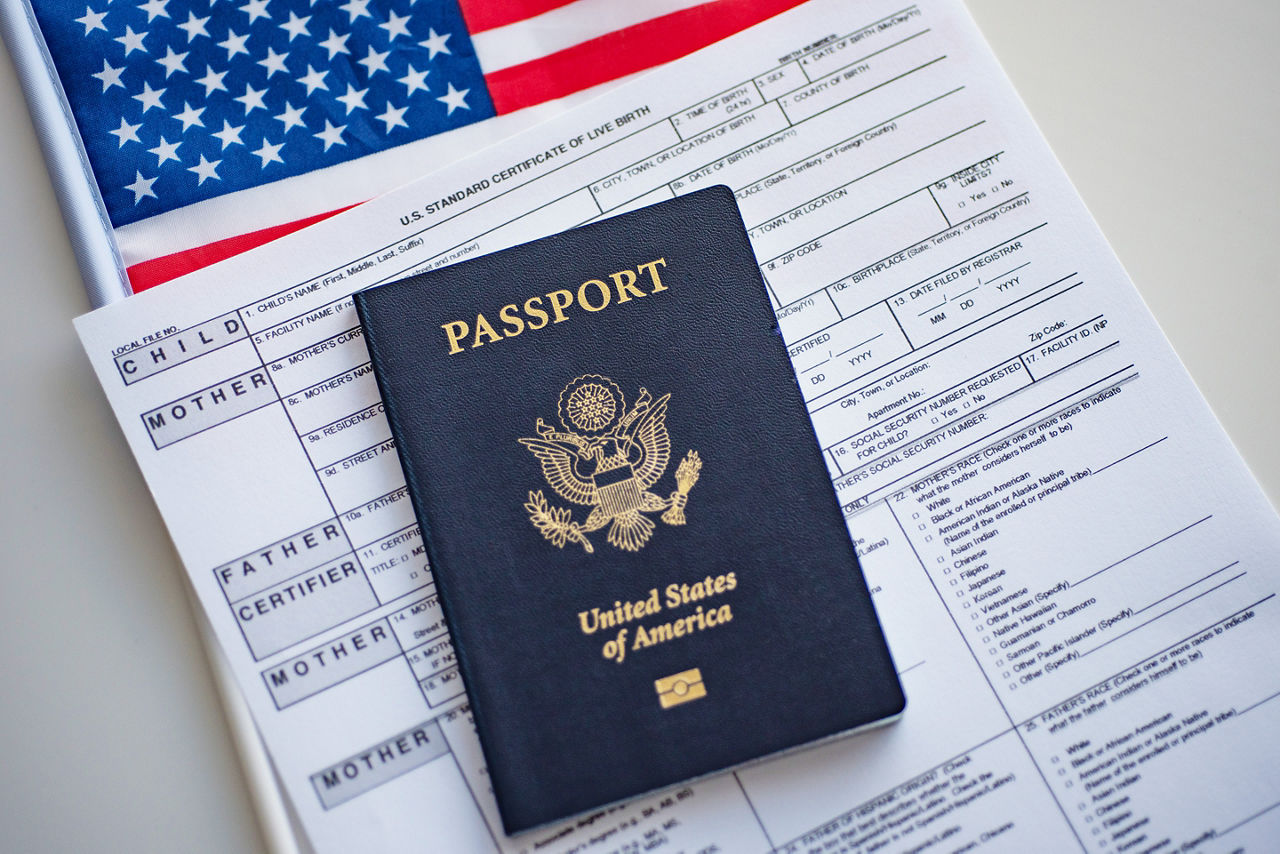
For closed-loop sailings, a few non-passport documents can serve as alternatives. It’s important to understand their limitations before relying on them.
Passport card: Valid for closed-loop sea travel to Mexico, Canada, Bermuda and the Caribbean; not valid for itineraries visiting Colombia, Panama and Martinique.
Birth certificate plus government-issued photo ID: Must be an original, state-certified birth certificate (no photocopies) and a state ID or driver’s license.
Naturalization certificate plus government-issued photo ID: Must present original certificate and an official photo ID; same original-only rule applies.
Enhanced Driver’s License: Issued in select states, and includes built-in proof of citizenship; not the same as the Real ID, which only verifies identity for domestic flights but doesn’t verify citizenship for boarding.
Each alternative works within limits, but a passport ensures you have the one document that covers you in every scenario. It can also make going ashore on port days and the customs and immigration process smoother and, in some cases, faster.
In case of unexpected events that require flying back to the U.S. from a foreign port, the only document that can swiftly help you get home is a passport. Regardless of the circumstance, airlines won’t let you board a commercial international flight with a birth certificate and ID alone.
The best part of traveling with a passport is that it works for any itinerary, avoiding the extra step of reassessing your documents for every new trip.
Visa Requirements and Verifying Before You Sail
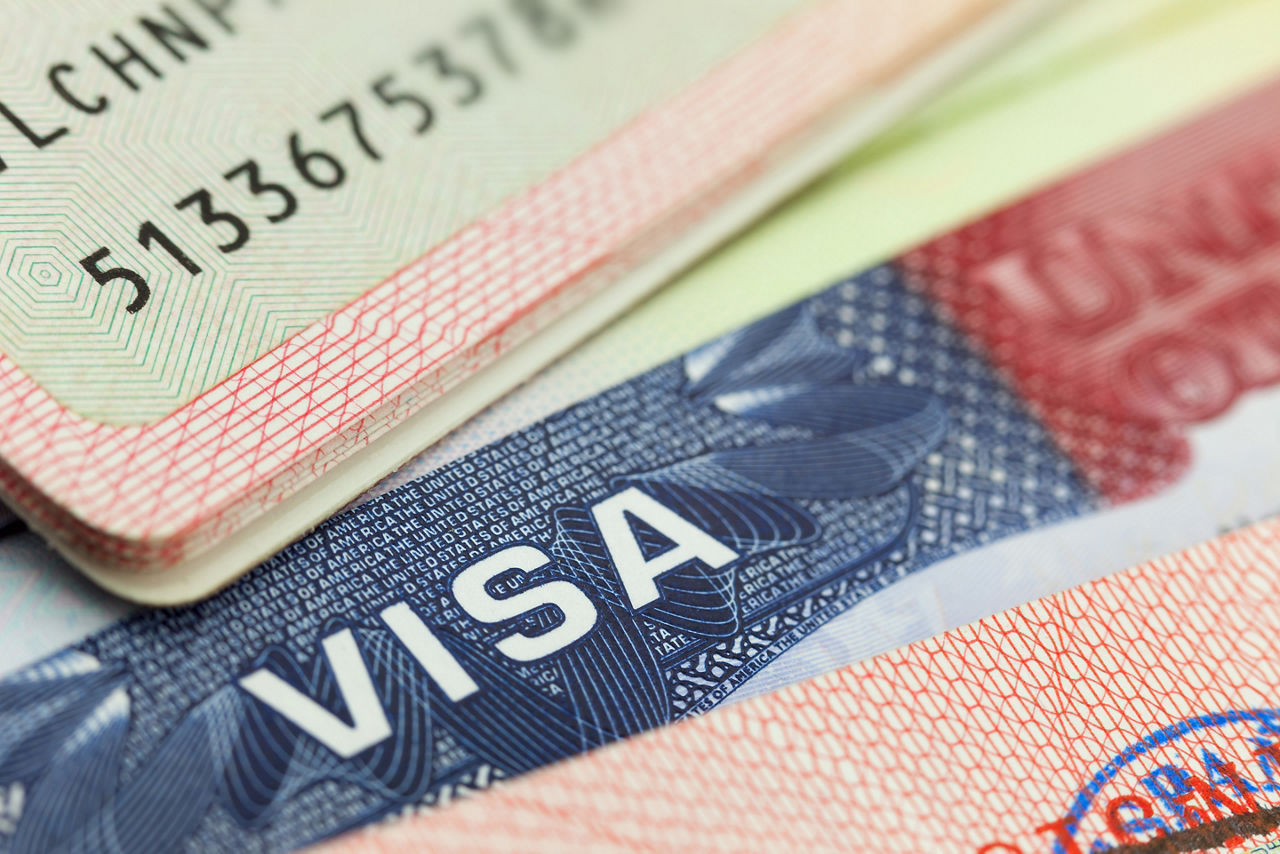
In addition to the travel documents that confirm your identity and citizenship, some Royal Caribbean itineraries may also require a visa or an electronic travel authorization (ETA). Visas are a separate permission to enter a country, and having one set of documents in order doesn’t eliminate the need for the other.
Guests traveling on itineraries in Australia must apply for and be approved for an ETA through the Australian ETA App before traveling. Similar visa requirements apply to itineraries in China, though the process typically takes 2-3 weeks from application preparation to in-person processing.
Confirm the requirements for your specific sailing by visiting the Royal Caribbean Travel Documents hub rather than relying on general guidance, as rules can shift with the season and government policy. Apply as soon as possible to allow time for processing. For guests sailing to countries that extend visa-exempt status to U.S. citizens, take a few minutes to confirm requirements before traveling, since they can change.
After securing your travel documents, the fun part comes: deciding where you’re headed. Whether you’re sailing internationally or keeping it closer to home, you’ll already know what to bring when it’s time to board.
Dive into future Royal Caribbean itineraries to compare the ships, destinations and departure dates that best fit the occasion.