What Is A Luau In Hawaii? History, Food & Sacred Traditions
The Best Way To Experience a Hawaiian Luau
By Melissa Alvarado Sierra | Published: August 16, 2025 | Updated: May 20, 2026
A luau in Hawaii is a vibrant cultural festivity, celebrating significant events with Hawaiian food, dance, music and stories. During my visit to the Hawaiian islands, I knew I couldn’t leave without attending a luau. Everyone I knew recommended making it the top item on my Hawaii vacation bucket list, and for good reason.
These exciting parties are a fun way to get to know Hawaii, though I wanted to know more about luau history before I experienced one for myself. I also discovered that these celebrations, sometimes called aha aina, have evolved into a traditional Hawaiian festivity and continue to thrive in Hawaiian luaus across all the islands, from Oahu to Maui.
So, what is a luau? This guide will show you the ropes and let you know what to expect.
Key Takeaways: What Happens at a Luau
- ● A luau is a traditional Hawaiian feast with food, hula, music and storytelling.
- ● It evolved from sacred gatherings into inclusive cultural celebrations.
- ● Expect an “imu” ceremony, buffet-style dining and live performances.
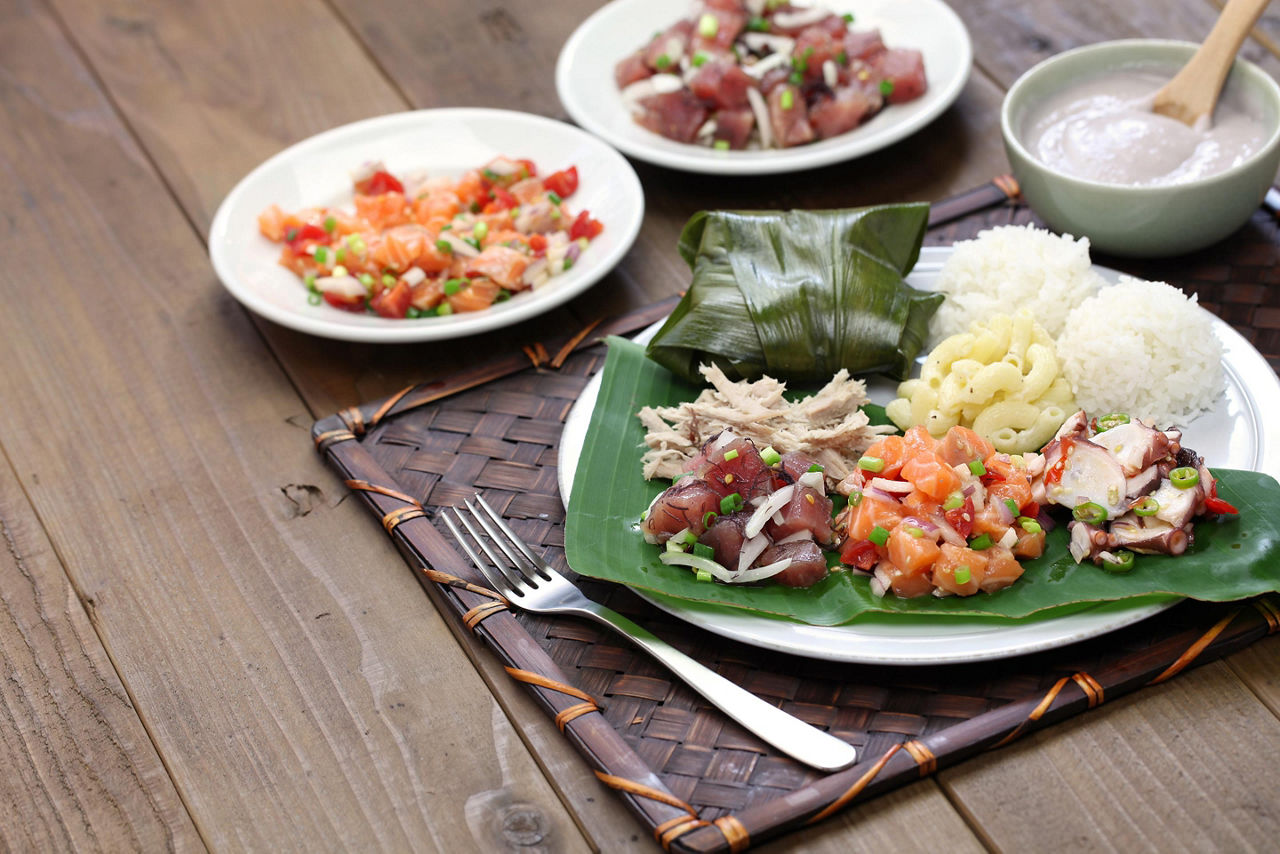
- ● Signature dishes include kalua pork, poi and “haupia” coconut pudding.
- ● Dress is casual and tropical, and the lei greeting protocol is followed to welcome guests.
- ● Today, luaus are a must-do cultural experience for visitors to Hawaii.
- ● Explore Hawaii cruises to take part in this celebration of food and togetherness.
What Is a Hawaiian Luau?
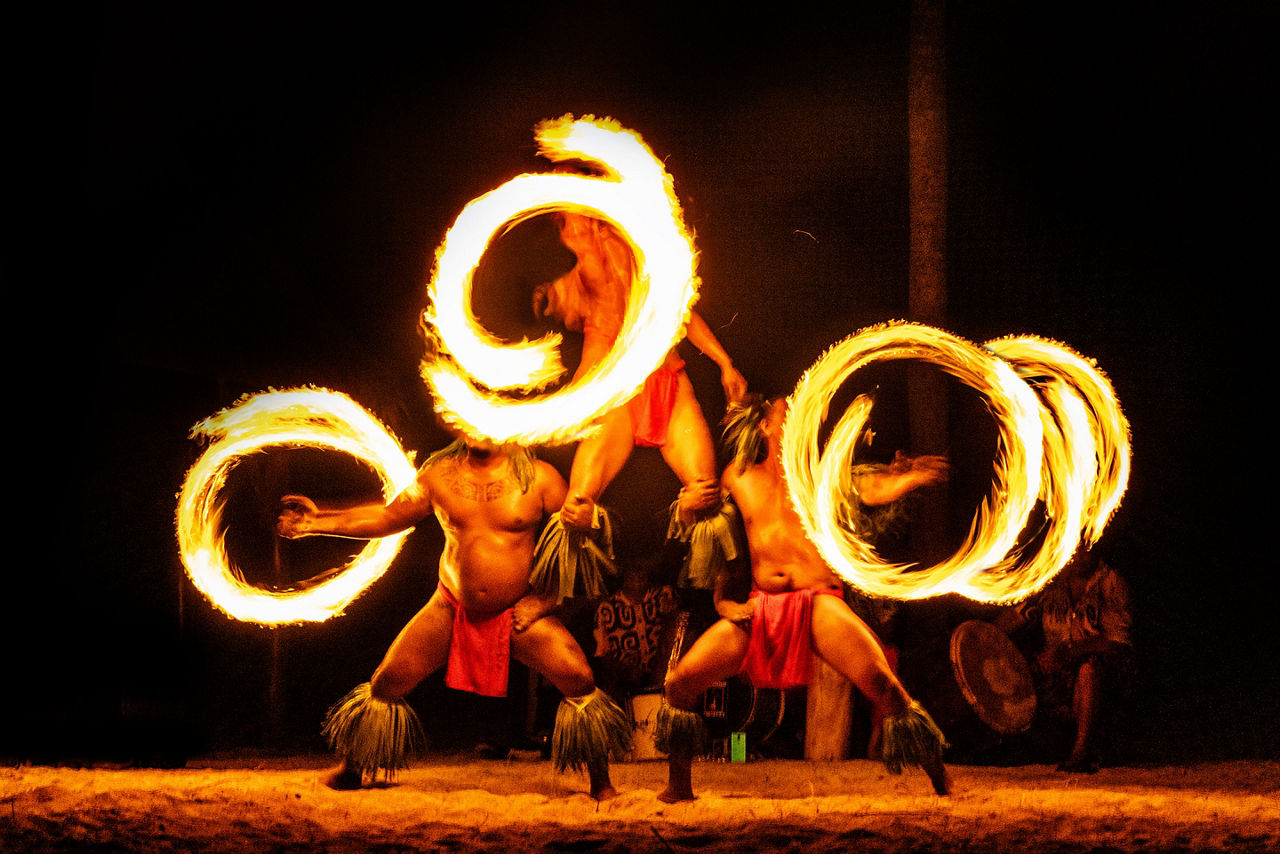
First things first: What is a luau party? Luaus are traditional festivals that feature live “mele” (songs), hula (dance) and “mea‘ai” (food). These cultural performances and dishes are from Hawaii and the greater Polynesian culture. Grand luau events form a significant part of Hawaiian culture and life, a time for locals to celebrate family milestones. Luaus are also held to honor guests and visitors, which is why public luaus take place all across the Hawaiian Islands.
I joined this spectacular attraction and had some of the most delicious Hawaiian cuisine, sipped on local drinks under the stars and watched authentic hula performances that told important stories of these paradisiacal islands.
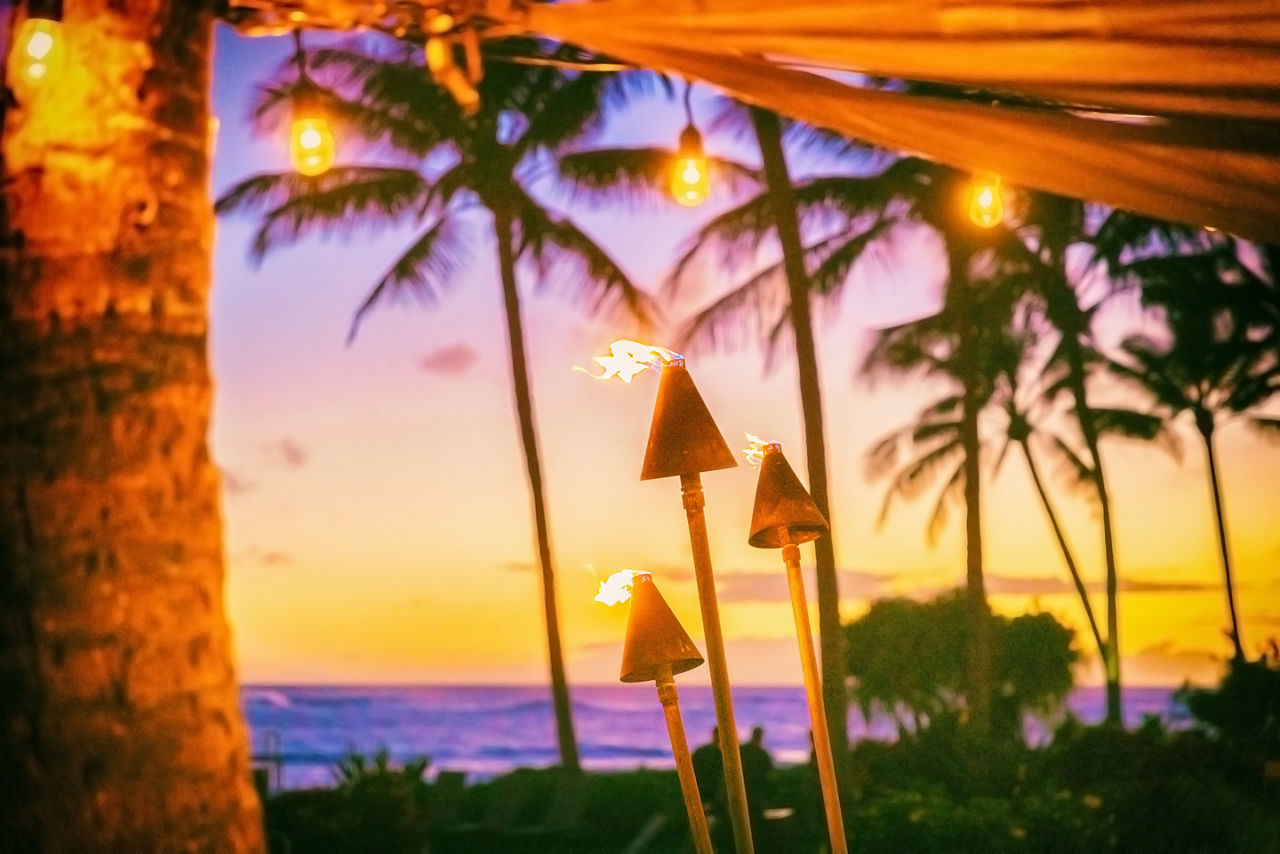
While you can attend a luau during the day, sunsets are usually the best time to visit. Many ceremonies incorporate the setting sun into the performance, and the fires become even more striking as night begins to creep in. Whether you’re looking to experience a luau feast showcasing cooked “imu” (underground oven) delicacies, the luau celebration offers guests a chance to immerse themselves in local culture. If you're cruising to Hawaii with the kids, a luau is a family-friendly event for even tiny travelers.
To learn more about Hawaiian luau history, I visited the Polynesian Cultural Center in Oahu and then the Smith Family Garden Luau in Kauai, though there are popular luaus on each island. Some of the best luaus in Hawaii include:
- ● Germaine's Luau and Chief's Luau in Oahu.
- ● Smith Family Garden Luau and Luau Kalamaku in Kauai.
- ● The Myths of Maui and Old Lahaina Luau in Maui.
- ● Island Breeze Luau and Hawaii Loa on Hawaii Island.
In each of them, you'll see cultural significance, from knife dancing to hula dancing, and learn about popular luau locations, like Paradise Cove Luau, which is known for its breathtaking seaside views.
What Is the Purpose of a Luau?
The purpose of a luau is to bring people together to honor special celebrations like the birth of a child or a successful harvest. Locals and guests alike celebrate with food, dance, music and stories uniting people through Hawaii's rich culture.
The traditions of the luau have changed over time. In the 1850s, the luau slowly evolved from a celebration of food for some to a celebration of food, music and dance for everyone. While the modern version focuses less on tradition and religious ceremonies, and more on celebrating special occasions and having a good time with close people, modern luaus are adaptations that still carry their historic meaning.
Now, they primarily take place within the local Hawaiian communities.
How Did Luaus Become Internationally Popularized?
Luaus became internationally recognized in 1946, when Don Beach, an American adventurer and "founding father" of tiki culture, threw a birthday party at his Encino, California, plantation for model and actress Anita Colby. According to Life magazine, the party's theme was something very close to a luau. Beach had traveled extensively throughout the Polynesian islands and Hawaii and had been fascinated by how people celebrated milestones.
Those attending his party shared that the venue featured banana trees, palms, suckling pig and coconut-stuffed salmon, as well as dancers in sarongs. They all ate on the floor and drank delicious concoctions from hollowed pineapples, instantly falling in love with the island theme.
However, it wasn't until the 1960s, when Hawaiian and surf culture became hugely popular, that the luau gained momentum, both as a tourist attraction and a Hawaiian export.
Today, a luau is an unmissable experience to have when visiting the islands on a Hawaii cruise. You get to try traditional Hawaiian food, admire music and dance, and become part of a treasured local tradition. The modern luau is a celebration of life and a manifestation of the spirit of Aloha in the form of a cultural, spiritual and social event, where you also have the honor of wearing traditional Hawaiian leis. This made for some epic photos I had to share on social media. I noticed that in various parts of Hawaii, you can attend a Paradise Cove luau, a Maui luau, or even explore Maui luaus near Ka'anae Beach, each offering its own unique take on a traditional Hawaiian party.
Luau has transcended the Hawaiian islands, reaching all corners of the globe and spreading goodwill, fun, sharing and that quintessential spirit of Aloha. While these modern luaus may still include some traditional Hawaiian foods, hula dancers, mai tais and Hawaiian leis, I know the most authentic way to experience a luau (and luau history) is on the sacred grounds of Hawaii, where the tradition has profound meaning to the local people.
Why a Luau Is Worth it
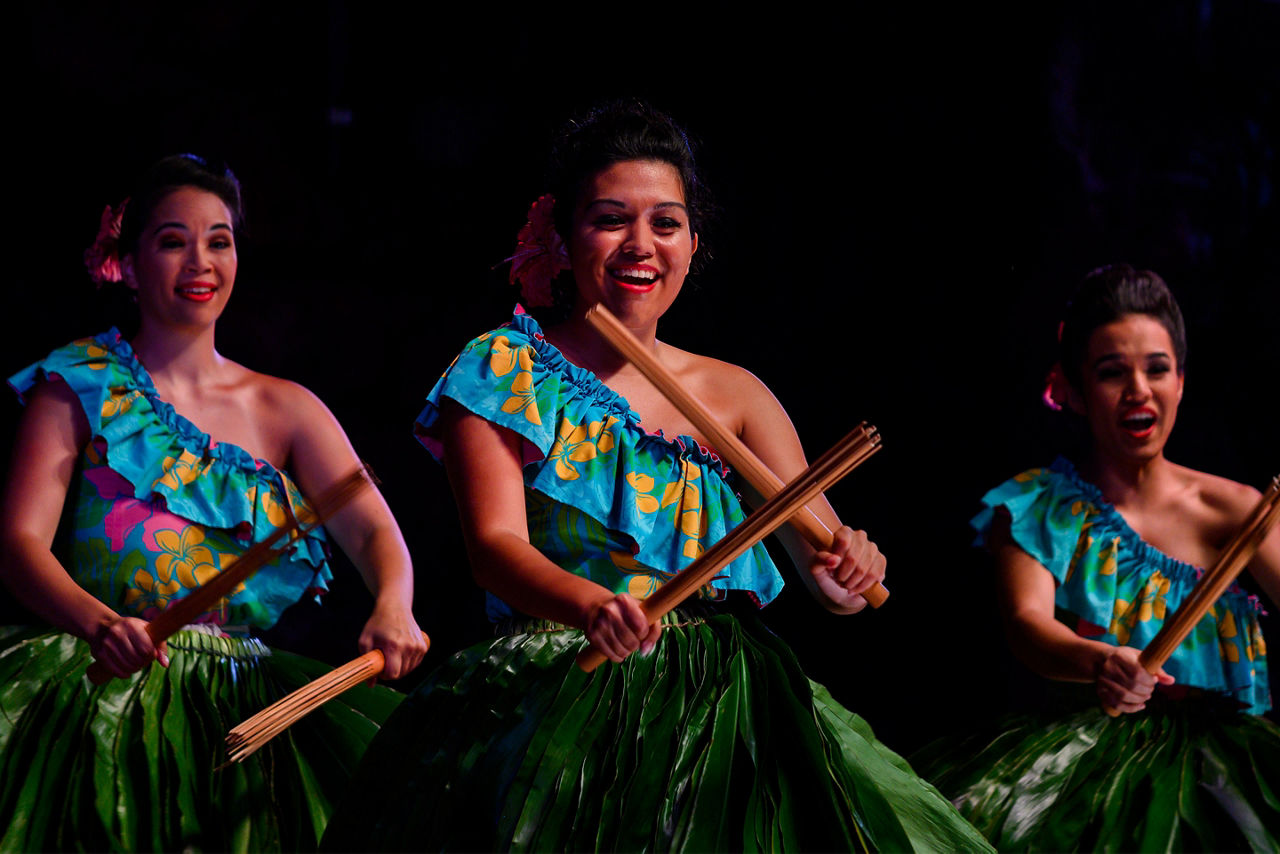
Attending a luau is among the best ways to immerse yourself in Hawaiian culture, history, tradition and, of course, food. It’s one thing to visit a place and learn about important events and occasions; it’s another thing entirely to take part in that celebration directly.
This all-inclusive evening provides authentic entertainment in an unbeatable atmosphere that’s both educational and festive. You’ll experience the luau with all your senses, hearing Hawaiian stories and music, eating delicious foods, watching dancers, feeling the ocean breeze on your skin and smelling the spices of the culinary feast in front of you.
It's an absolute must for your Hawaiian vacation bucket list.
What’s the Significance of Food in a Hawaiian Luau?
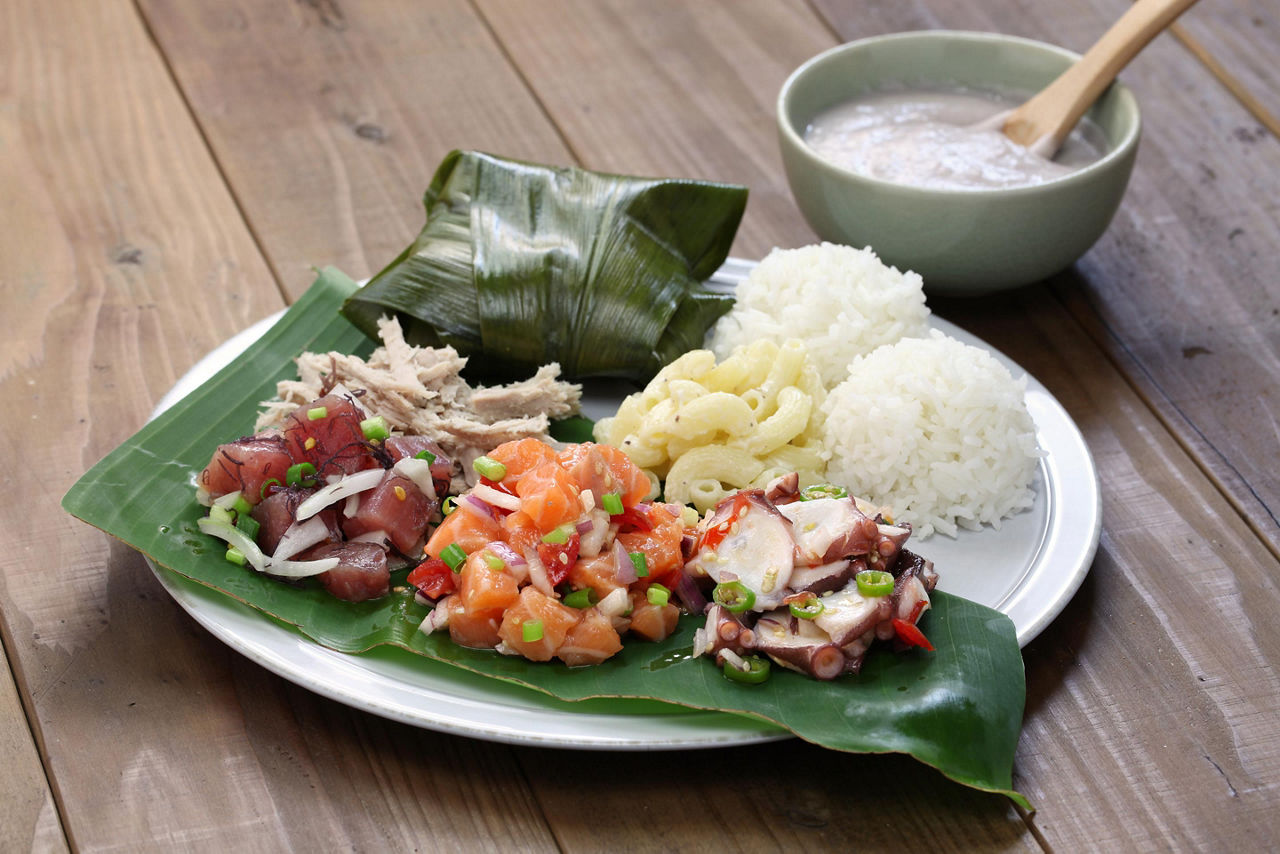
Luaus, new and ancient, focus on one particular aspect: the cherishing of good food. In ancient Hawaii, the luau was called "aha'aina," and it was deeply religious and restrictive, prohibiting men and women from eating together.
Traditional Hawaiian luau foods at the time, like moi, pork and bananas, were only eaten by chiefs and the king of ancient Hawaii, mainly because these foods symbolized virtues the person consuming them hoped to attain. King Kamehameha II abolished the “Kapu” (taboo) system in 1819 and commemorated this trailblazing decision with a feast that included women. With this change, he revolutionized the tradition and ended the religious influence on Hawaiian celebrations. This, in turn, gave way to the modern luau. Understanding this historic background made me appreciate how luaus in Hawaii have become so welcoming and inclusive today.
Using food as an offering is a cornerstone of the luau culture. Originally, the food was served on the floor and people ate it from “lauhalas” (large woven mats) with their hands. Dishes were interestingly called by the number of fingers needed to grab them: "three-finger," "two-finger" or "one-finger poi," for example. In the Hawaiian language, the word luau translates to "taro plant," and its leaves are baked in coconut milk to accompany dishes like squid and chicken, both staples of a Hawaiian luau feast.
Dishes were surrounded by elaborate centerpieces made of eye-catching tropical flowers, fruits, ferns and leaves. These were large and extravagant events, many attended by hundreds, sometimes thousands, of people, depending on the celebration.
One of the largest luaus was held by King Kamehameha III in 1847 when he hosted thousands of guests with a celebration that required close to 300 pigs, 2,200 coconuts, 4,000 taro tops and more than 5,000 fish. This feast showcased how the underground imu oven would often be used to prepare the food in a way that symbolized unity and abundance, a hallmark of any luau feast.
What Is Served at a Luau?
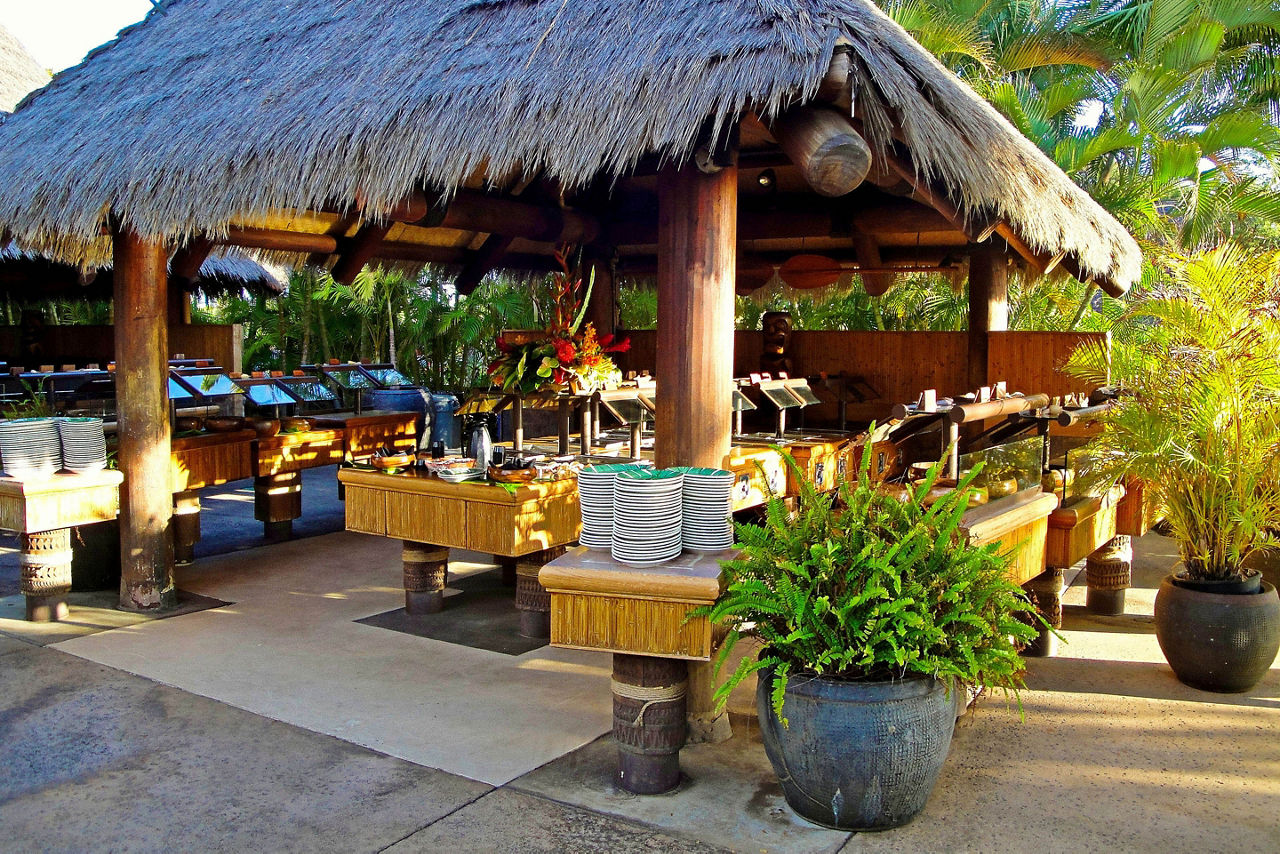
Some luaus today serve plated meals, though most are presented as a buffet or "ohana," which is the family-style sharing of food. The modern Hawaiian luau mirrors the state's multicultural society and, because of this, you can expect the traditional luau foods to vary depending on where you go. This also applies to family luaus — they’re as unique as the families that prepare them. I attended a visitor luau, which served dishes like pork, rice and fresh fruits.
Intrigued by the idea of a Hawaiian luau? Imagine this: heart-pounding Hawaiian chanting, captivating dance routines, and sweet-scented leis. I had arrived at my first luau, and a feast awaited. As soon as I laid eyes on the buffet, I knew this was a festival of food, a celebration of Hawaiian bounty.
This took me back to my visit to the Polynesian Cultural Center, where I learned that ancient luaus consisted of what trans-Pacific Polynesians could carry on their canoes, mainly fish, birds, breadfruit, coconut, seaweed and taro.
Once the Hawaiian archipelago started to receive an influx of foreigners — mostly missionaries and whalers from Japan, Korea, China, Portugal and the Philippines — influences began to take hold. What I was witnessing at the luau's buffet was a product of all those culinary connections. I even saw lomi salmon served alongside staples like cooked “imu” pork, which underscored how diverse and layered this luau feast can be.
The long buffet tables looked like beautiful gardens. They were adorned with palm fronds, taro leaves and flowers. I grabbed a plate and tried “kalua pua’a” (Hawaii’s shredded pork), which is cooked in the imu oven. This was love at first bite for me, one of my top five favorite dishes. Then it was time to try chicken long rice, a savory soup introduced by the Chinese and made with chicken, onions, ginger, garlic and, long rice.
Next was “Huli-Huli” chicken, a classic roadside dish known as "only-in-Hawaii food" by locals. It's barbecued chicken, but don't be fooled, this is not average. Here, the secret is literally in the sauce — a blend of brown sugar, honey, sherry, sesame oil, ginger, garlic, Sriracha, soy sauce and ketchup. I have one word: scrumptious.
Another favorite dish was the “Molokai uala” (sweet potatoes), which was a staple in early Polynesian diets. They are simply made, usually baked or roasted with minimal seasoning. The ones I tried had shaved coconut on top and were delicious. Lastly, I felt lucky to try “haupia” coconut pudding. I still have dreams where I'm running toward a tray of this dessert. It's a heavenly pudding made with sugar, vanilla and coconut milk, then dusted with toasted coconut. Need I say more?
What To Expect When You Attend a Luau in Hawaii
What Is the Dress Code for a Luau?
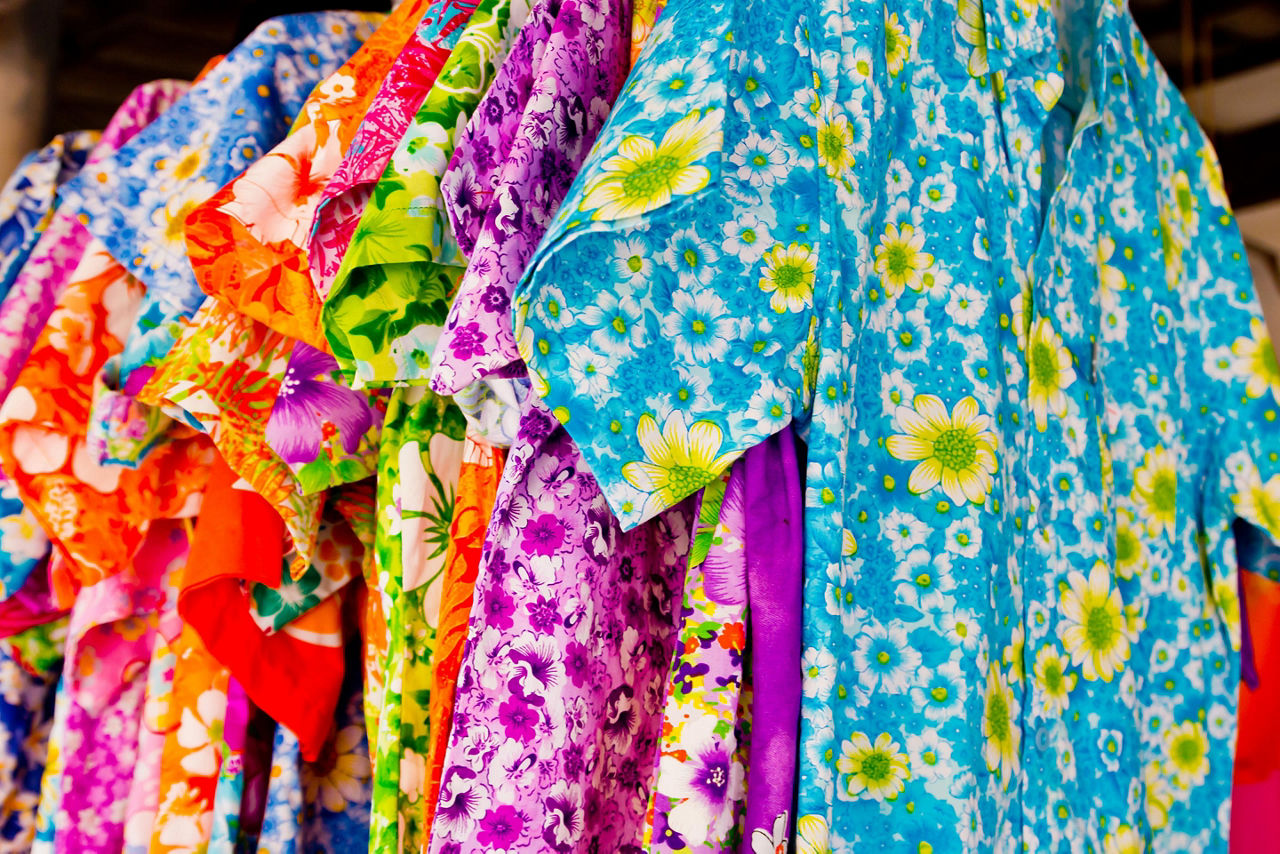
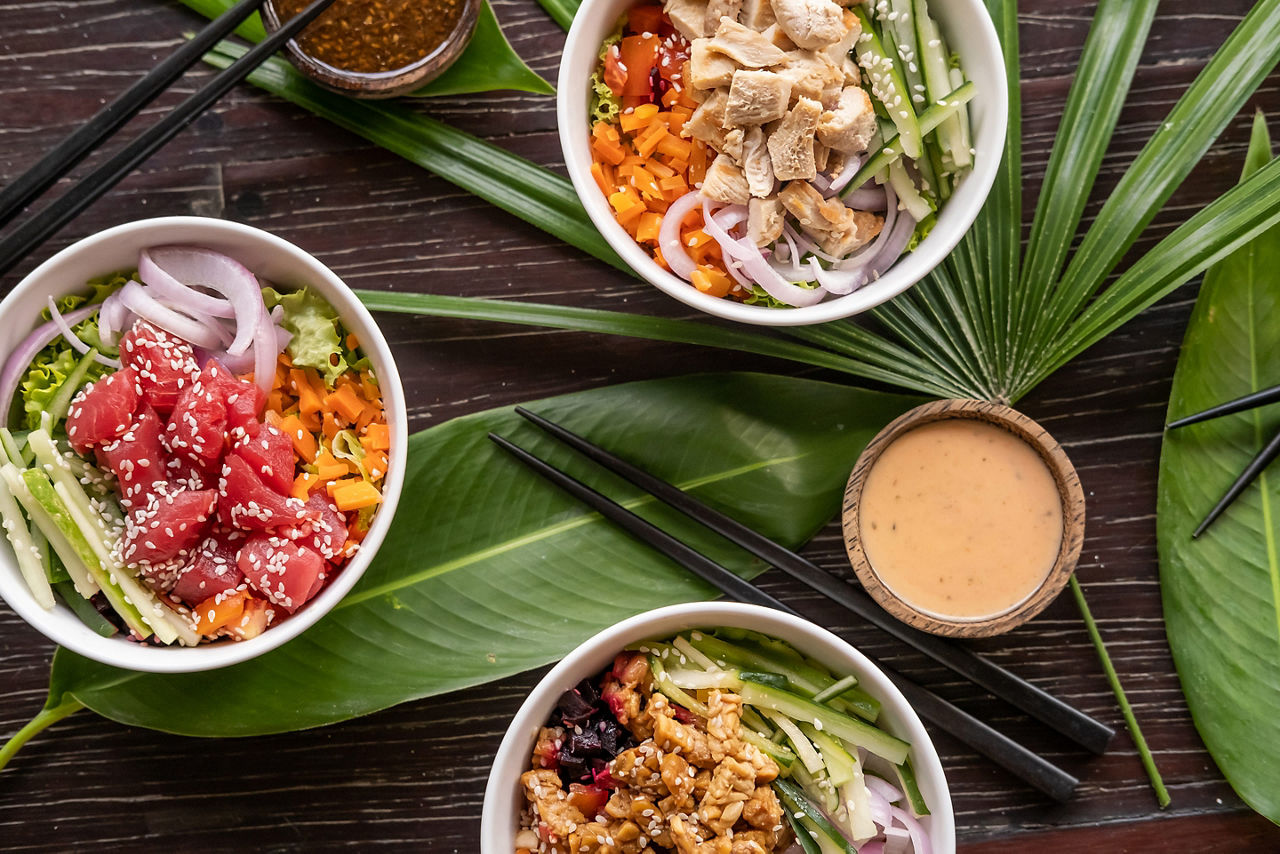
First, make sure to dress casually and comfortably as you dance the night away. Luau is an informal events that take place outdoors. You typically sit and eat on the floor, so stretchy fabrics and breezy layers are recommended.
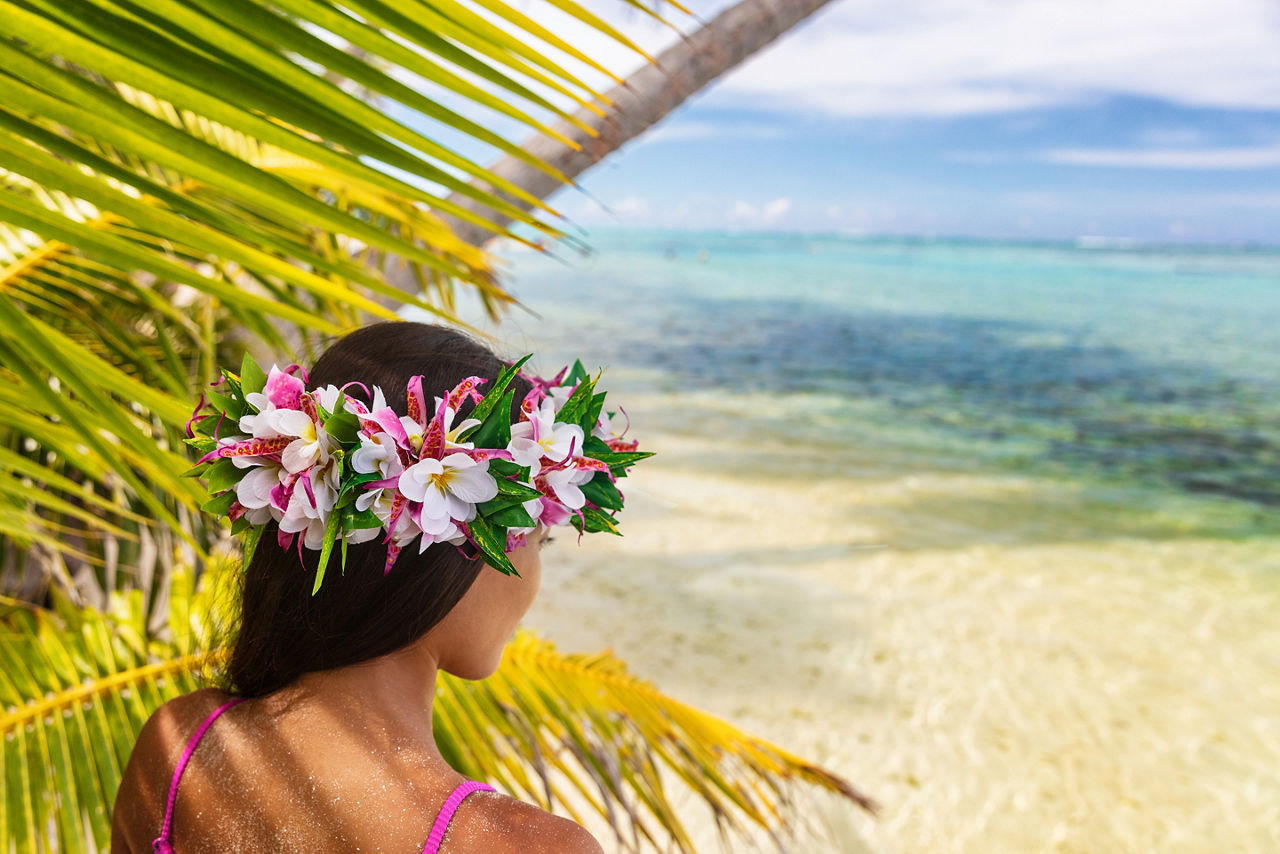
Bright colors and floral prints will definitely help you dress the part! Upon arrival, you will most likely be greeted with a kukui nut or flower lei, these are a sign of affection and being welcomed. You should always accept the lei as a sign of respect.
Say Aloha to This Incredible Experience
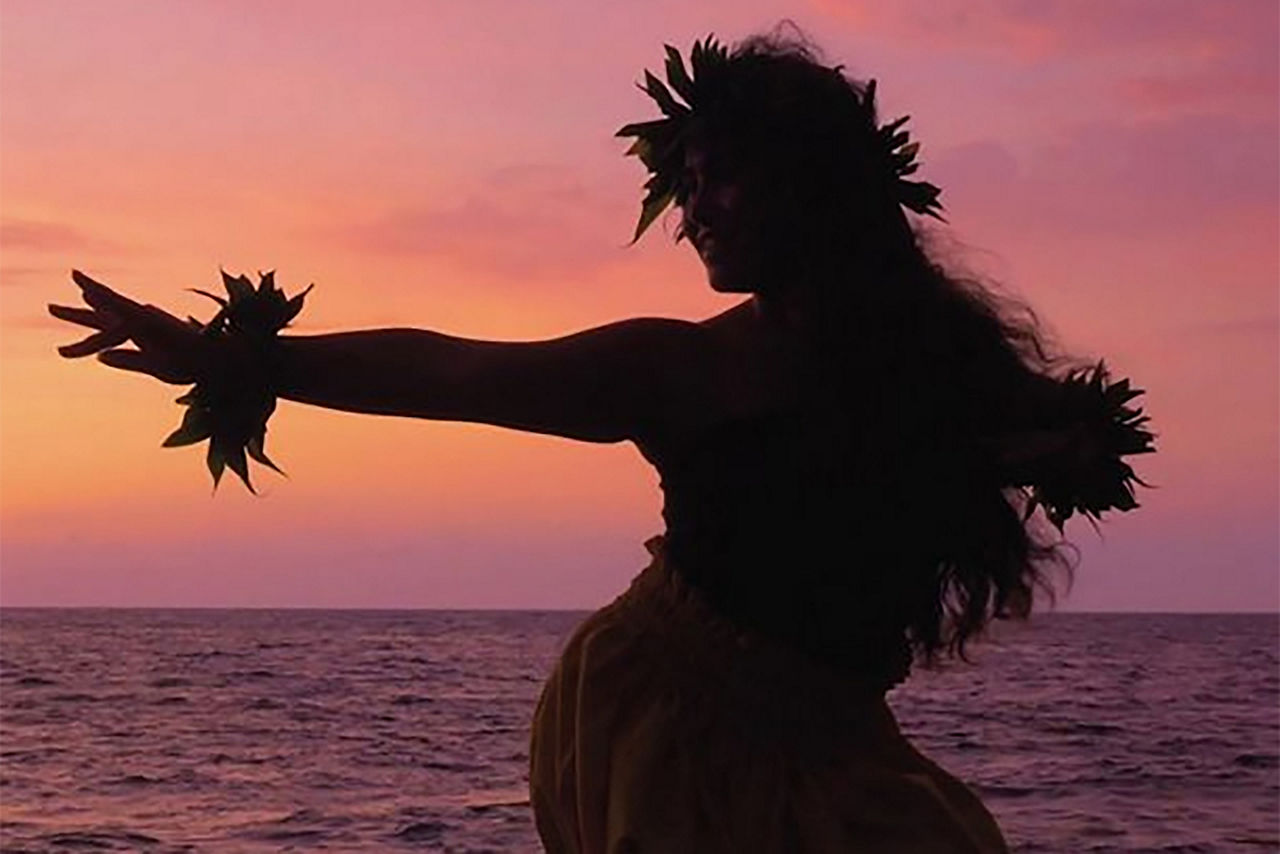
From start to finish, a Hawaiian luau is a performance. Before eating, there will be an imu ceremony. The hosts will remove layers of cloth and leaves from the oven to reveal the food you will be eating later at the buffet.
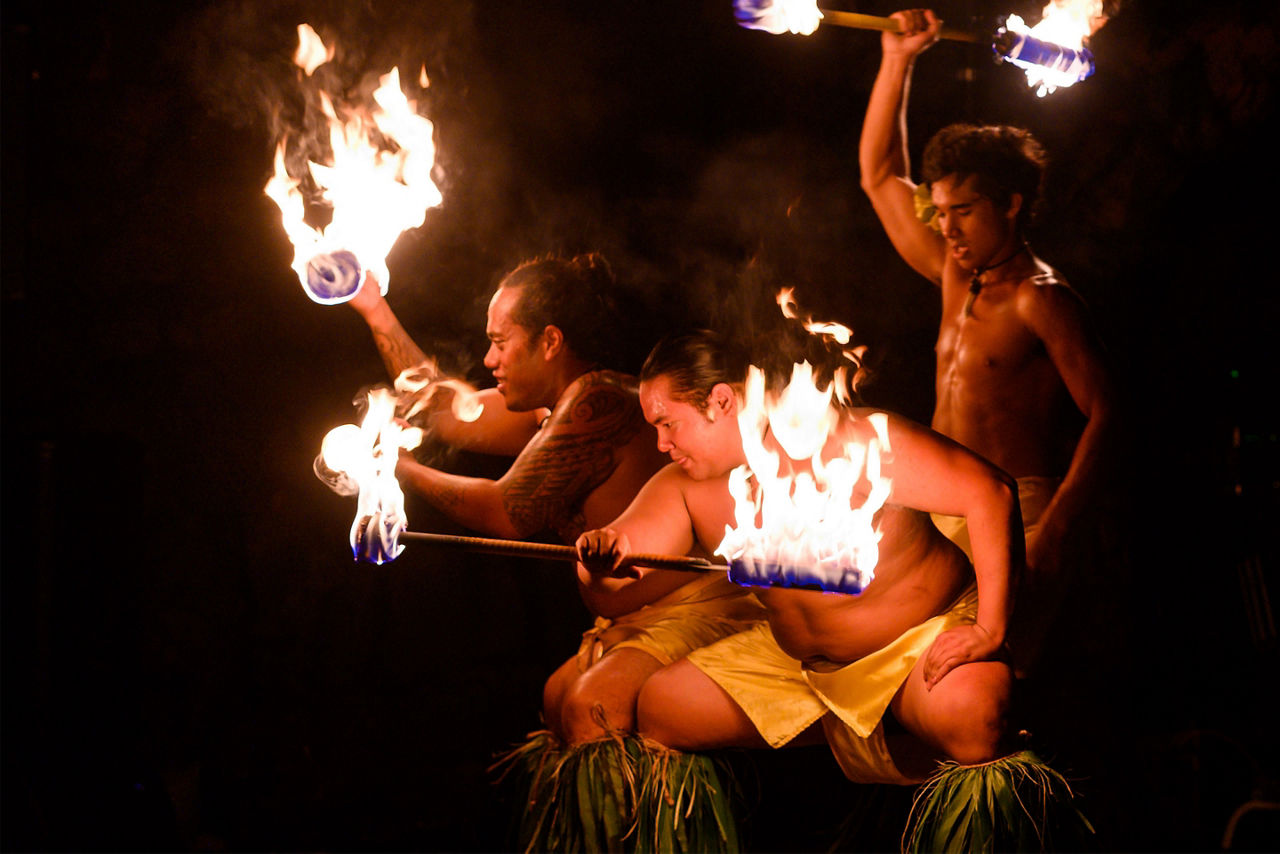
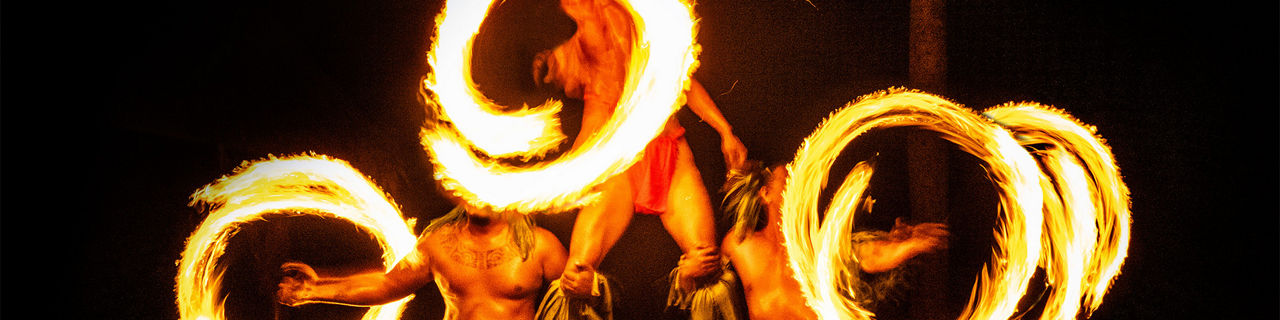
After the feast, the dancing commences! Talented performers will dance in the traditional style, such as the hula dance, to Hawaiian and Polynesian music. Sometimes, luaus even end with a dazzling Samoan fire dance, marking the end of an incredible experience on your Hawaiian vacation.

Related Articles
Hawaii Family Vacations: Can’t-Miss Island Adventures Across Maui, Oahu, Kauai & The Big Island
READ MORE
How to Plan the Best Hawaii Family Vacation
READ MORE
Polynesian Culture in Hawaii: History and Island Traditions
READ MORE