Polynesian Culture in Hawaii: History and Island Traditions
Explore Ancient Polynesia Through Hawaii's Food, Dance and Customs
By Robert Schrader | Published: September 8, 2023 | Updated: 6 March 2026
There's nowhere else in the U.S. like the Aloha State, and Polynesian culture in Hawaii is a key part of what makes it so special. Some of this manifests in an obvious way, from culinary staples like poke (which has become famous all over the world) to hula dances you can see at luaus. Other examples of it are easier to miss if you're not paying attention — some are even woven into the fabric of the way Hawaiian locals interact with one another. It's essential to gain at least a cursory understanding of Polynesian culture before cruising to Hawaii, which is why I'm so glad you're here.
Key Takeaways
- ● Truly understanding the Hawaiian Islands’ culture requires exploring its deep Polynesian roots, which continue to shape island traditions and customs today.
- ● Polynesian heritage influences everything from language to leisure and water sports, particularly surfing.
- ● Hawaiian cuisine blends deep-rooted Polynesian traditions with global influences, offering a flavorful way to explore the islands' rich cultural history.
- ● Traditional Polynesian dances like hula and fire dancing are powerful, authentic expressions of Hawaiian history and culture, offering travelers a meaningful way to connect with the islands' rich ancient heritage.
How Polynesian History Colors Hawaiian Culture
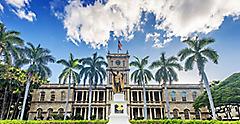
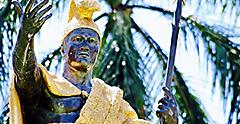
When you cruise to Honolulu, Iolani Palace gives you a glimpse into what Hawaii was like before it became a U.S. state. The last monarchs of the Kamehameha, Hawaii's last dynasty, ruled over the kingdom from this American Florentine-style building. While the placards you find while touring it are interesting and certainly color the history of Hawaii, they only really scratch the surface of the islands' culture.
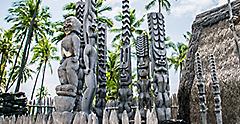
It's important to dive into Hawaii's Polynesian past (and present) to truly appreciate a visit to Hawaii. Looking to learn more interesting facts about Polynesian culture? The Polynesian Cultural Center in Laie City on Oahu Island offers countless exhibits that take you through every moment of Hawaii's long history. The center is replete with examples of traditional Hawaiian architecture, not to mention sculptures and centuries-old Hawaiian seafaring vessels. When you visit, try to catch one of the traditional hula performances they put on. These performances are a way for the Hawaiian people to honor the past while also keeping alive practices that never really faded at all.
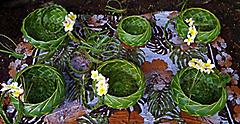
It's not just elaborate performances that connect Hawaii's present to its past — it's even in seemingly minor Hawaiian customs. These include the "honi ihu," an age-old way of greeting that involves people touching their noses together, which is practised the same way it always has been. Other traditions have evolved. For example, did you know that a lei was originally a symbol of rank for native chiefs? It was only occasionally made from flowers (unlike today) and was never something you lowered around someone's head and neck — you'd tie it in place, instead.
The Wide Reach of Polynesian Influences Through the Modern Era
Polynesian culture has touched every aspect of everyday life in Hawaii. Surfing, which is one of the two official sports of the U.S. state of Hawaii, dates back as far as the 12th century. Cave paintings in Polynesia depicted people riding waves. And the phrase "Aloha" — which is more common in Hawaii than the word "Hello" — actually carries within it deep value concepts that have evolved in Hawaiian culture over hundreds of years, including peace, compassion and mercy. When you say this word to someone or someone says it to you, you're honoring Hawaii's rich Polynesian heritage.
Polynesian Traditions You Can Taste
Hawaiian food is having something of a moment on the global stage right now. This is especially true when it comes to poke, aka raw, marinated tuna, usually served atop a rice bowl and mixed with various ingredients. A trip to Hawaii presents an opportunity to dive deeper, particularly into cuisine with Polynesian roots that's less well known. It's an invitation to try as many different types of Polynesian food influences as possible and discover unique and new-to-you flavors.
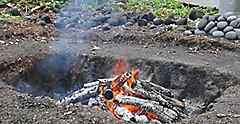
One of my favorite traditional Hawaiian dishes is kalua pork, also known as "Hawaiian roast pig" or even just "Hawaiian pig." The slow-roasting process may seem complex or elaborate, sometimes done over a fire pit or other times roasted underground — either way, it’s surprisingly quotidian. It's a staple at almost every Hawaiian family get-together, as well as at luaus held with both non-Hawaiians and locals in mind. It's an accessible, available way to access a culinary tradition that was uniquely Polynesian in the centuries before Hawaii connected with the rest of the world.
Now, this is not to say that all the foods you encounter during your Hawaii vacation have ancient Polynesian roots or even that they need to. Take, for example, Lomi salmon, whose name references the Hawaiian phrase lomi-lomi (meaning "to massage"). This dish is made by massaging salty brine into raw salmon cubes — a tradition that dates back to the 18th century, when Hawaiians began to adopt foods and cooking methods from Western traders into their own culinary routines.
Still, other foods you enjoy during your Hawaii port call are entirely modern creations. Fish tacos, for example, are indisputably delicious, despite not having definitive or authentic roots in Hawaii. Another interesting food fact about Hawaii? Pineapples are commonly associated with the state; they're actually indigenous to South America. Pineapples only became Hawaiian because of how well-suited to the islands' climate they ended up being and the way the industry exploded once it became commercialized.
Discover the Island Through Hawaiian-Polynesian Dance
The roots of Polynesian dancing arguably date back more than 1,000 years, with the exact date remaining a mystery to this day. What is clear is that sometime around the turn of the last millennium, seafarers and South Pacific islanders reached the previously uninhabited Hawaiian archipelago and implemented their cultural traditions right as they began cultivating food and growing the new population. For example, the early Hawaiian social structure is believed to have been based on influences from Tahiti, from which many early settlers came.
Parts of this structure ended up remaining in place until around the time Hawaii became a state, having become entrenched during the five centuries after settlement when Hawaiian civilization was cut off from the non-Polynesian world. One well-known reference to this system, the phrase "Big Kahuna," has arguably become part of the larger American vernacular. This word is used to describe a class of high priests who were just below the nobility and just above the commoners in the historical Hawaiian social hierarchy.
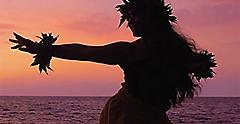
The tradition of hula dancing is certainly entertaining, and as you watch each performance, try to keep in mind the complex roots of the practice. Oftentimes, hula performances will include historical context from a community member, as well as a traditional feast that tells the story of ancient Polynesia. Traditionally, hula has deep mythological and even religious roots. Originally, it rarely took place in public or in front of non-Hawaiians. Carried down through generations, the tradition of hula has more to mastering it than mere physical skill and command of rhythm — it’s also about tapping into the art of storytelling.
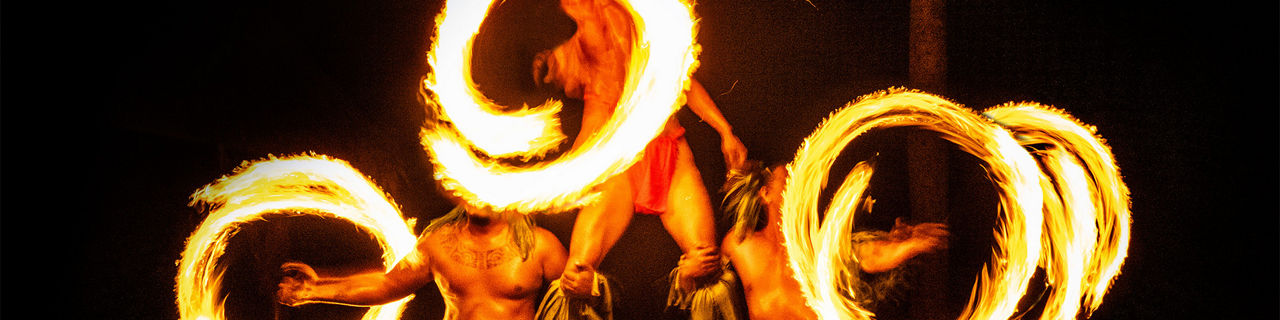
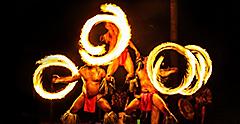
It's a similar story for fire dancing, which is also known by its indigenous name siva afi. Having originated in Samoa centuries before it migrated to Hawaii, the tradition, which even to this day often involves throwing and performing various other acrobatic tricks with knives, originally began as a way for fierce warriors to display their prowess with weapons.
Unlike tiki — which was actually a romanticized American creation only loosely based on Polynesian imagery and heritage — both hula and siva afi are authentic conduits to Hawaii's history, even if both have changed and adapted along with the state's relationship with the rest of America and the world. Both combine during a luau, which has itself changed considerably since the time it entered Hawaiian consciousness in the early 19th century.
The Power and Delight Polynesian Dance in Everyday Hawaiian Life
Today, attending a luau remains one of the best ways to discover Polynesian culture in Hawaii, and these parties are very accessible to travelers. You can taste expertly prepared versions of the foods (typically served buffet style), including kalua pork and lomi salmon. You can also see professional hula and fire dancers at the top of their game. Depending on the scale of the celebration and how much time you have available afterwards, you may be able to speak to performers or organizers and inquire about their own personal or family history with the traditions, or even receive recommendations on places to visit to learn more.
When attending a luau, it's important to be respectful as well as prepared to step out of your comfort zone — whether that means trying an unfamiliar dish or getting up to joyously perform the hula dance yourself.
See Hawaii’s Polynesian Roots for Yourself


Get Royal Deals, Sign Up Today

Getting There
Explore Our Most Affordable Itineraries
Discover the history of Polynesia when you cruise to Hawaii.