How To Pack for a Cruise: Packing Hacks for Rolling, Folding and Wrinkle-Free Results
Cruise Packing Hacks That Actually Work
By Lissa Poirot | Published on July 30, 2026
Packing for a cruise doesn’t have to mean stuffing your suitcase full of “just in case” outfits. After dozens of cruises and visits to more than 55 countries, I’ve learned that the best cruise packing hacks aren’t about bringing more but about packing smarter. Rolling casual clothes, folding structured garments, organizing with packing cubes and choosing versatile outfits can help you maximize luggage space, reduce wrinkles and stay organized from boarding day through your final port.
No matter how many times you’ve traveled, there’s still the temptation to squeeze in one more pair of shoes or another outfit. The irony is that most of us come home wearing the same favorite clothes we reached for all week. Read on for the cruise packing hacks that actually work.
How to Pack for a Cruise

Start Your Packing List With Your Itinerary
One of the easiest ways to overpack is to choose clothes before thinking about your vacation, whether it’s your first cruise or a weekend getaway. Instead, look at your itinerary first. I always begin with pen and paper and write out my daily schedule and what I need to have. Then I start developing my packing list from there. A Caribbean cruise usually means swimsuits, shorts and sandals, while an Alaska sailing calls for lightweight layers and waterproof gear. Building outfits around your plans helps eliminate duplicate clothing and keeps your suitcase focused on what you'll actually wear.
If your cruise has a formal night, a themed event or other noted activities on the schedule, plan those outfits first, then build the rest of your wardrobe around them.
Roll Casual Clothes, Fold Structured Pieces
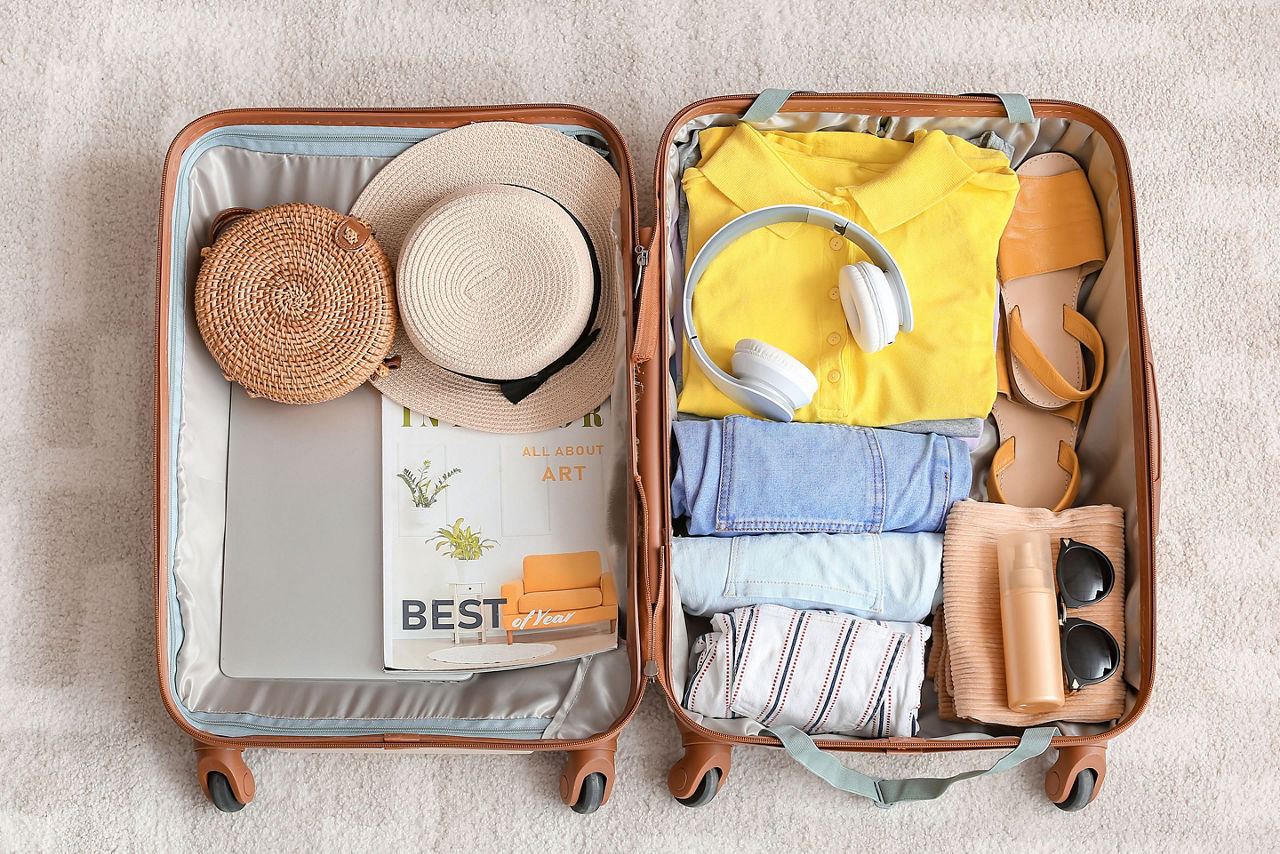
Knowing how to roll and fold clothes for packing without wrinkles has its own hack. The trick is to roll T-shirts, shorts, swimsuits, pajamas and workout clothes to save space and make everything easier to find. Fold dress shirts, blazers, jackets and dresses so they keep their shape during travel.
For wrinkle-prone clothing, place each garment inside a dry cleaner bag before folding it. The plastic helps reduce friction between fabrics, which means fewer wrinkles when you unpack.
Let Packing Cubes Do the Organizing
Packing cubes don't just save space; they save time. Wondering how to use packing cubes for a cruise? Use one cube for casual clothing, another for evening outfits and another for undergarments or swimwear. Keeping similar items together makes unpacking easier. It’s also helpful on family trips, where dividing family belongings between suitcases also helps in case an airline misplaces a bag.
When deciding between packing cubes and vacuum bags, compression packing cubes are generally the better choice. Vacuum bags save space on the way to your destination, but once they're opened, they're difficult to compress again before traveling home.
Pack a Carry-On for Embarkation Day
Nothing says vacation like stepping on board, grabbing lunch and heading straight to the pool. But if your swimsuit is tucked inside your checked suitcase, you'll be waiting for your luggage instead of enjoying your first afternoon at sea.
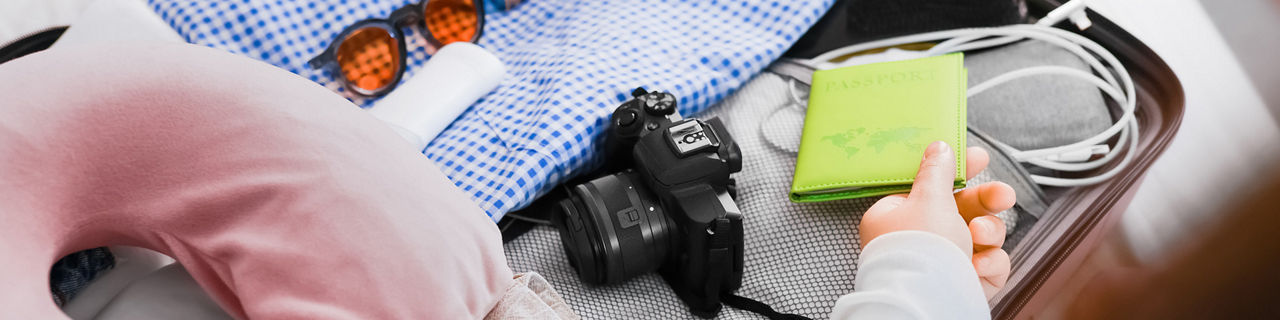
Pack a carry-on with everything you'll want during those first few hours on board. Include:
- ● Passport.
- ● Cruise documents.
- ● Medications.
- ● Valuables.
- ● Swimsuit.
- ● Sunscreen.
- ● Phone charger.
- ● A change of clothes.
Since checked luggage may not arrive outside your stateroom until later in the afternoon, you'll be able to start your vacation the moment you board, not when your suitcase arrives.
Be sure to pack a small amount of cash for tips, taxis and markets when you’re at a port call, but leave most purchases to a credit card.
Turn Your Stateroom Into an Organized Space
Cruise cabins make smart use of every square foot, and I’m always so impressed with all the various places to unpack my items. Still, a few inexpensive accessories can create even more storage.
Most cruise cabin walls are magnetic, so heavy-duty magnetic hooks are one of the best things to bring on a cruise because they instantly create extra storage space. Use them to hang hats, swimsuits, backpacks and lanyards right on the walls. An over-the-door organizer keeps toiletries, chargers, sunglasses and other small essentials organized without taking up valuable drawer space.
After unpacking, slide your empty suitcases under the bed to open floor space and make your cabin feel less cluttered, especially if sharing space on a family cruise.
Choosing the Right Clothes and Keeping Them Ready to Wear

Choose Versatile Clothing You'll Actually Wear
It's tempting to pack a different outfit for every dinner or excursion, but I’ve quickly discovered I end up reaching for the same comfortable favorites throughout the week.
My trick? I choose pieces that work in multiple settings. A lightweight sundress can take you from sightseeing to dinner with a change of shoes. Neutral shorts or pants pair easily with several tops, creating multiple outfits without taking up extra suitcase space.
If your itinerary includes several walking tours, prioritize comfortable daytime clothing over extra evening outfits.
Choose Fabrics That Travel Well
Some fabrics are simply better suited for travel than others. Wrinkle-resistant materials like jersey, knit fabrics and performance blends usually come out of your suitcase ready to wear. They're also lightweight, easy to layer and comfortable for long sightseeing days.
Natural fabrics like linen are ideal for warm-weather cruises because they're breathable, but they wrinkle easily. Fortunately, that's part of their relaxed look. Rather than trying to eliminate every crease, hang linen clothing in the bathroom while you shower. The steam helps release wrinkles without the need for an iron.
Since cruise ships don't provide irons or ironing boards in guest staterooms for safety reasons, this simple trick can save you a trip to the ship's pressing service.
Use a Simple Packing Formula to Avoid Overpacking
If you're never quite sure how much clothing to bring after planning a cruise, a packing formula can help you start with the essentials instead of filling every inch of your suitcase.
The popular 5-4-3-2-1 rule suggests packing:
- ● Five tops.
- ● Four bottoms.
- ● Three pairs of shoes.
- ● Two dresses, jackets or dressier outfits.
- ● One set of accessories.
Another popular approach is the 333-packing method, which starts with three tops, three bottoms and three pairs of shoes you can mix and match throughout your trip. Rather than packing a different look for every day, you create a small, versatile wardrobe.
The most important thing to remember is that it's perfectly normal to repeat outfits. Most travelers notice the destinations, not whether someone wore the same pair of shorts twice.
Packing for Different Climates and Cultures

Layer Instead of Packing Bulky Clothing for Alaska
If you're cruising to Alaska, resist the urge to pack heavy sweaters and bulky coats. Lightweight layers are much more versatile because temperatures can change throughout the day. Start with a moisture-wicking base layer, add a fleece or lightweight insulated jacket and finish with a waterproof outer shell. This system allows you to add or remove layers as conditions change, whether you're watching glaciers from the deck or heading out on a wildlife excursion.
Don't forget the smaller essentials, either. Warm socks, waterproof walking shoes, gloves and a knit hat take up very little room but can make a big difference on cooler days.
Dress for Warm-Weather Cruises Without Overpacking
Caribbean, Mediterranean and tropical itineraries all call for lightweight, breathable clothing, but each has its own packing priorities.
For Caribbean cruises, think swimsuits, cover-ups, shorts and moisture-wicking fabrics that dry quickly after a day at the beach or pool. Bringing two swimsuits means you'll always have a dry one ready to wear.
Mediterranean cruises often involve full days of sightseeing, so comfortable walking shoes are just as important as lightweight clothing. A light sweater or jacket is usually enough for cooler evenings on deck or outdoor dinners.
If your itinerary includes several beach days, pack a lightweight waterproof tote for towels, sunscreen and souvenirs. It takes up very little space in your suitcase but quickly becomes one of the most useful things you bring.
Pack With Local Customs in Mind
Cruising is one of the easiest ways to experience different cultures, but there may be customs and requirements that affect what you’ll wear. For example, many churches, temples and religious sites ask visitors to cover their shoulders or knees before entering. A lightweight scarf or sarong solves the problem without adding bulk to your suitcase. It can also double as a beach cover-up, picnic blanket or light wrap on breezy evenings.
Before your cruise, it's worth checking whether any ports have specific dress expectations or weather conditions that may influence what you pack.
What Not to Pack for a Cruise
Leave Prohibited Items at Home
Every cruise line has its own prohibited items list, so it's always worth reviewing the policies before you travel. In general, anything that poses a fire or safety risk should stay home. Examples include irons and garment steamers, candles and incense, surge-protected power strips and other flammable items.
If you need additional charging ports, pack a cruise-approved USB charging hub or adapter without surge protection instead of a traditional power strip.
Weapons, illegal drugs and other prohibited items should always be left at home.
Skip Full-Size Toiletries
Full-size toiletries add weight, take up valuable luggage space and are often more than you'll use during a week-long cruise.
Instead, transfer shampoo, conditioner and other liquids into reusable travel containers with leak-proof lids. If you're flying, remember the TSA's 3-1-1 rule for carry-on liquids, which limits containers to 3.4 ounces (100 milliliters) or less.
Many cruise ships also provide shampoo, conditioner and soap in your stateroom, so check what's included before packing duplicates.
Pack the Things You Can't Replace
When you're deciding whether something belongs in your suitcase, ask yourself one simple question: Could I easily replace this at my destination? If the answer is yes, you may not need to pack it.
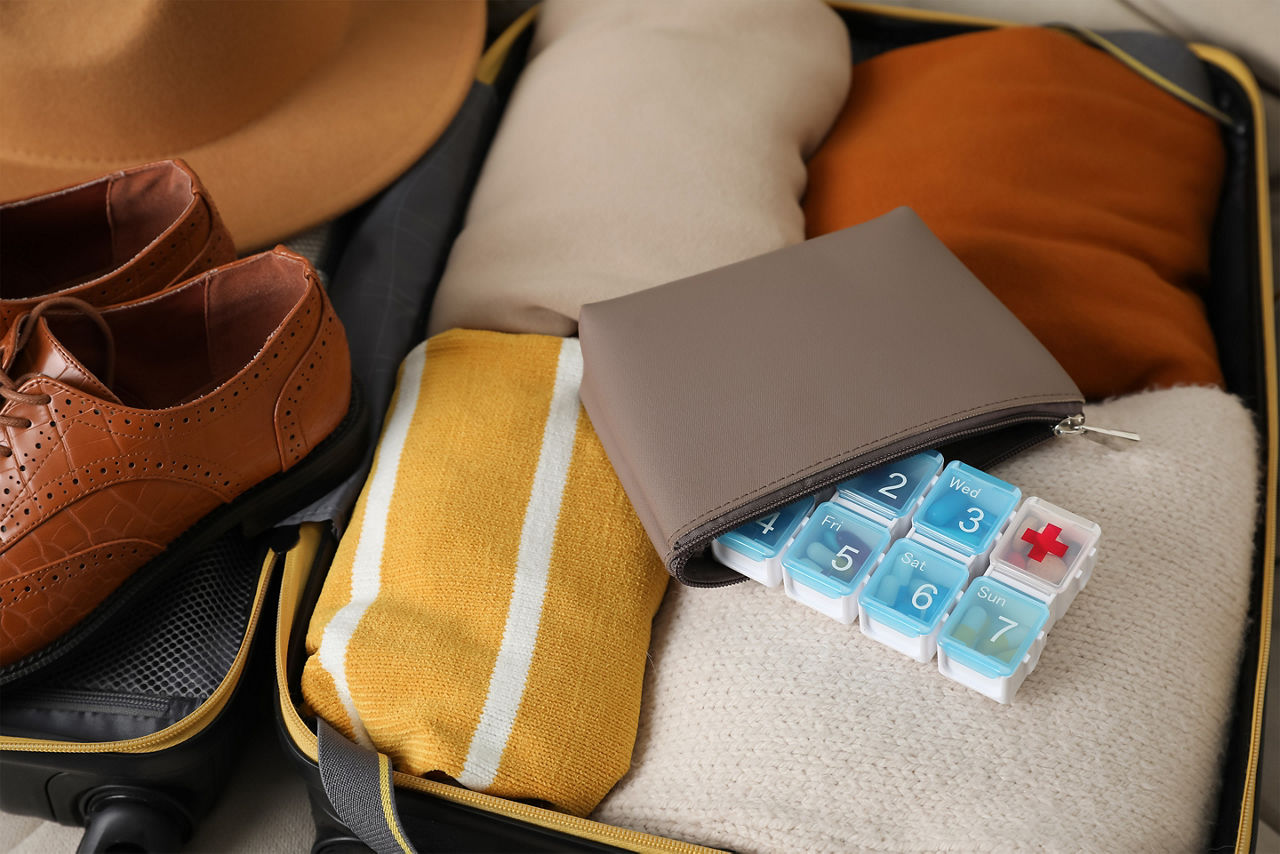
An umbrella, T-shirt or sunscreen can usually be purchased in port. Prescription medications, passports, glasses and important travel documents are much harder to replace and should always travel in your carry-on.
Pack Right and Travel Light
Packing for a cruise doesn't have to mean filling every inch of your suitcase. In fact, the best cruise ship packing hack is often the simplest one: Bring the essentials, choose versatile clothing and leave the "just in case" items at home.
Remember that vacations are about experiences, not outfits. The less time you spend managing your luggage, the more time you'll have to relax by the pool, explore incredible destinations and enjoy everything your cruise has to offer.



Related Articles

How to Plan a Cruise for the First Time
READ MORE
Cruise Essentials: Everything You Need for a Perfect Cruise Getaway
READ MORE

Caribbean Cruise Outfits: 6 Tips for a Stylish Vacation
READ MORE