Dali Museum Spain: Step into Salvador Dalí’s Surreal World
Cultural Traveling: Touring the Salvador Dalí House
By Eben Diskin | Published: April 12, 2022 | Updated: May 26, 2026
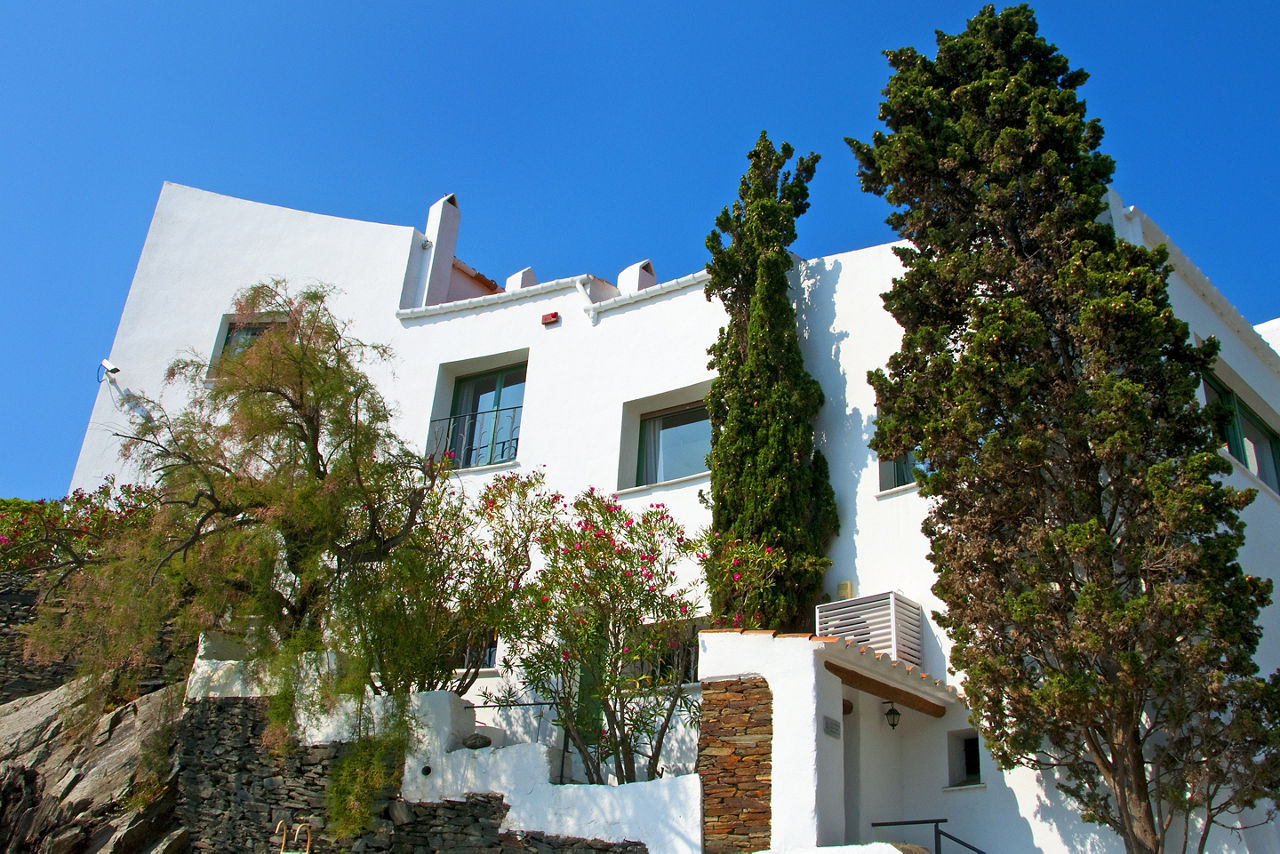
At first glance, Portlligat, Spain might appear to be little more than a small village on the coast of the Mediterranean fit for fishermen. Defined by its seaside views and quaint charm, it sits an hour from the French border and just outside the town of Cadaques, whose population numbers under 3,000. You may think that's Portlligat's whole story, until you see the Dalí Museum — a grand white house that seems to drip down the stone steps like still-wet paint. The eccentric-looking house belonged to Salvador Dalí, one of the world's most famous Surrealist painters, and it now serves as a bewildering museum of his life and art. Spend any time in Portlligat while traveling to Spain and you'll quickly learn that this village is where Dalí first discovered the craft of modern painting and where he called home for much of his life.
Key Takeaways:
- ● Portlligat is a picturesque village made famous as Salvador Dalí’s longtime home and creative haven, now a captivating museum celebrating his life and art.
- ● Dalí's art is whimsical, interconnected, surreal and enchanting, revealing his eccentric genius and deep affection for oddities and tranquil landscapes, among other things.
- ● Whether exploring inside the home or its outside gardens, you’ll experience a memorable, detail-rich glimpse into the artist’s imaginative world.
- ● Visit the Salvador Dali Museum in Spain during your cruise vacation.
Who Was Salvador Dalí?
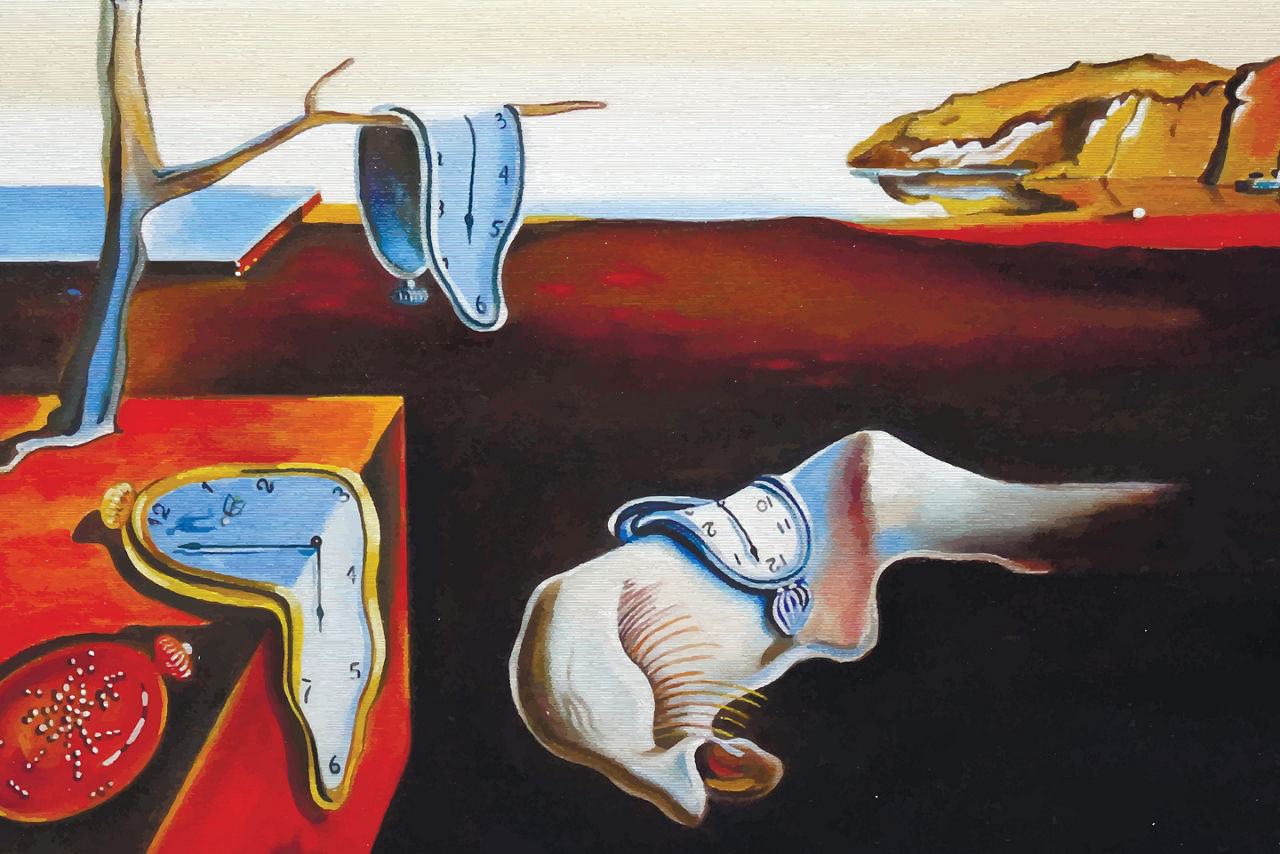
Before he was a world-renowned artist, Salvador Dalí was a peculiar child more interested in art and unusual fashion than his schoolwork. Born in Figueres, Spain, in 1904, Dalí began producing sophisticated drawings at a young age, and his parents even built him an art studio. He grew up making frequent visits to the family's summer home in the village of Cadaques — about an hour south of Figueres — and it was there he discovered modern painting and met Ramon Pichot, a local artist and the influence behind Dalí's iconic style.
Dalí began attending the Academia de San Fernando in Madrid in 1922, where he was known for his offbeat style, with his long hair, sideburns and 19th-century clothes. Ultimately expelled for offending his professors, he was exposed to a range of artistic styles, from metaphysics to cubism and avant-garde movements. His influences included classical painters like Raphael, Velázquez and Bronzino.
In 1929, Dalí purchased a small seaside home in Portlligat, near Cadaques, and began producing oil paintings. This is where he developed his "paranoiac-critical method" — a mental exercise wherein Dalí accessed the subconscious to boost his creativity. The resulting paintings were small collages of images from his dreams and subconscious thoughts.
Interesting Facts About Dalí
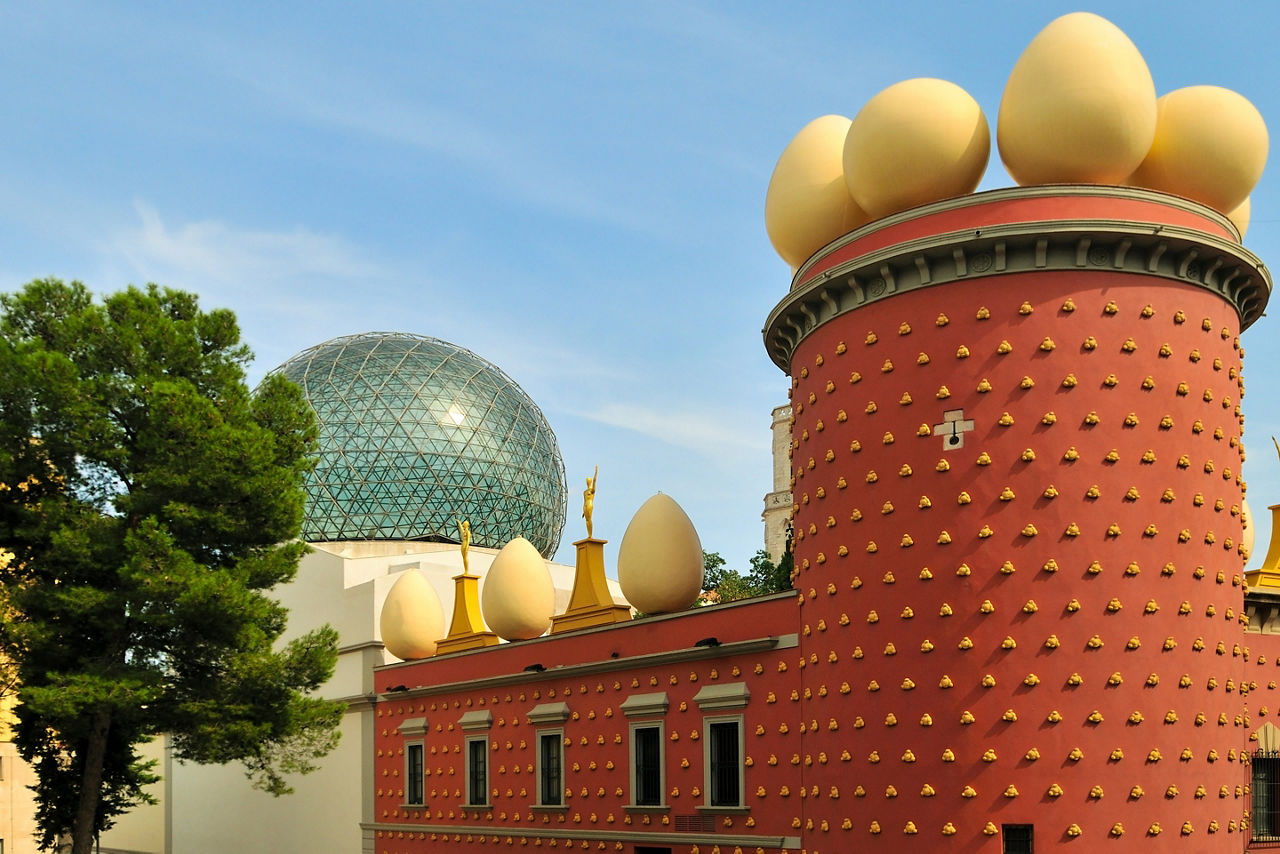
Dalí was actually expelled from the Surrealist movement in 1934 when he refused to speak against Spanish general Francisco Franco. He continued to participate in international Surrealist exhibitions, and he and his wife, Gala, moved to the United States during World War II. They stayed there until 1948, and then returned to their coastal home in Portlligat.
Dalí purchased all of the homes surrounding his to form a grand white compound. He would live there for the next 30 years, primarily producing work with historical, religious or scientific themes. Incorporating optical illusions, holography and geometry, these pieces are part of his "Nuclear Mysticism" period, and they're considered some of his finest works.
In 1989, Dalí died of heart failure. He was buried underneath the Dalí Theatre-Museum he had built in his birthplace of Figueres, just an hour away. With the Dalí Museum in Portlligat and his theatre-museum in Figueres, this coastal stretch of Spain is imbued with the spirit of Dalí that still lives on today.
Inside the Salvador Dalí House
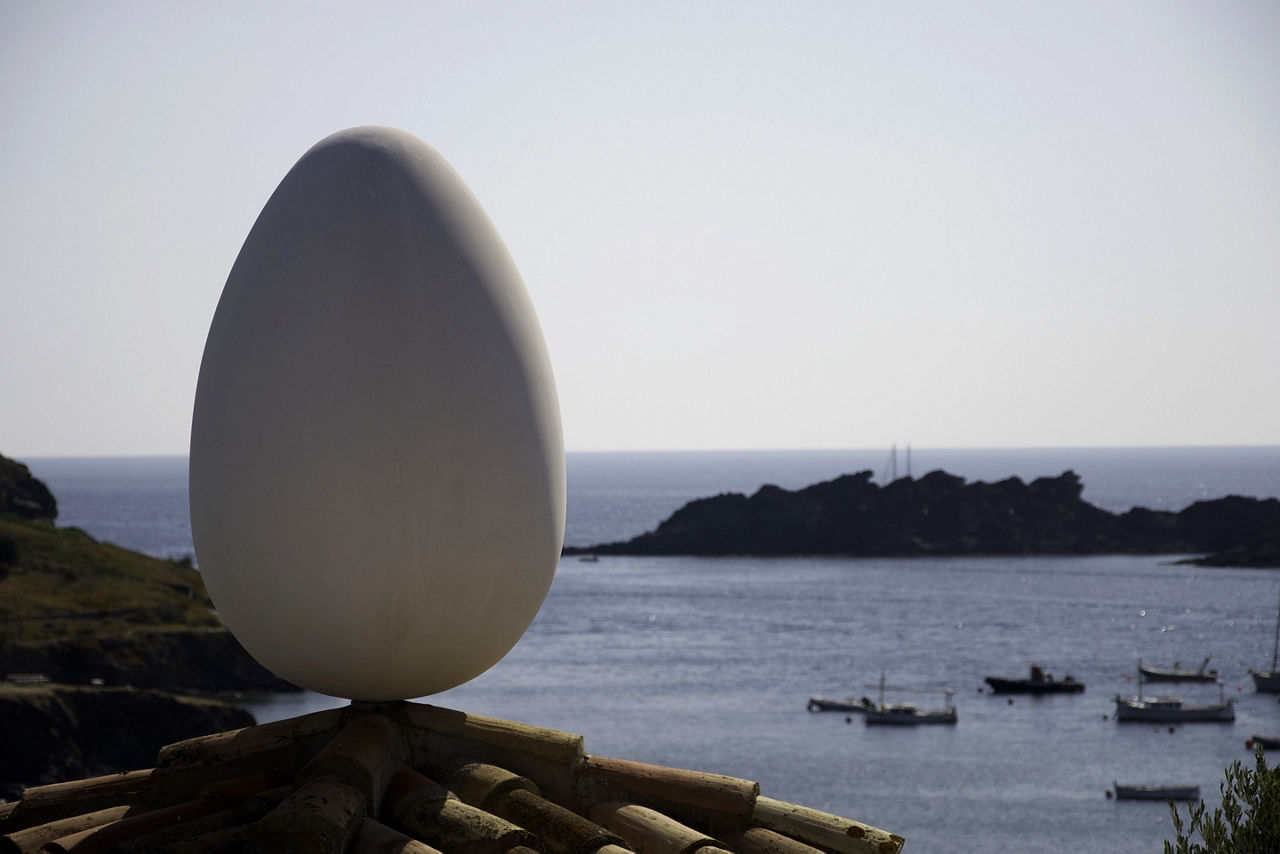
Salvador Dalí moved around for much of his life, and the Portlligat house was the closest thing to a stable residence he ever had, living there intermittently from 1930 to 1982. The peaceful landscape, isolation and brilliant sunlight that flows into the home are what attracted him to the place. When you see it for yourself, you'll immediately be struck by the abundance of these three attributes: beauty, solitude and light. Dalí even went so far as to install an angled mirror in his bedroom, so he could awaken each morning and watch the sunrise from the comfort of his bed.
On your way to the house, you'll be able to spot it from afar due to the massive sculpture of a white egg that sits atop the roof. Eggs are a recurring theme across Dalí's work, and he saw them as a symbol of positivity, love and rebirth.
The house began as a shack with a roof in ill repair, and over the years, Dalí purchased more and more surrounding huts to add to his compound. The result is a whimsical labyrinthine complex with the "Bear Lobby" as the epicenter, where you're greeted by a taxidermy polar bear that towers over you as soon as you walk in. This seems bizarre enough, then you experience the various chambers throughout the home, linked by winding, confusing passageways.
Over the decades, the house slowly evolved to feature a workshop, lobby, dining room, living room, library, gardens, courtyard and other chambers in an arrangement as playful as Dalí himself. A succession of spaces connected by narrow steps and dead ends, the rooms are art pieces in themselves. The house is decorated with dried flowers, velvet upholstery, antique furniture and objects from Dalí's life and has near-ubiquitous views of the glistening Portlligat Bay.
Indeed, a tour of the Dalí Museum isn't like strolling through the orderly halls of The Metropolitan Museum of Art. Instead of carefully curated exhibits and neatly arranged paintings lining the walls, here you'll venture through twists and turns that often lead to dead ends and a diverse collection of Salvador Dalí's artifacts and unfinished art. His obsession with stuffed swans is on full display in the library, for example, while the walls of the Cupboard Room are decorated with original photos and magazine clippings collected by his wife.
What Not To Miss
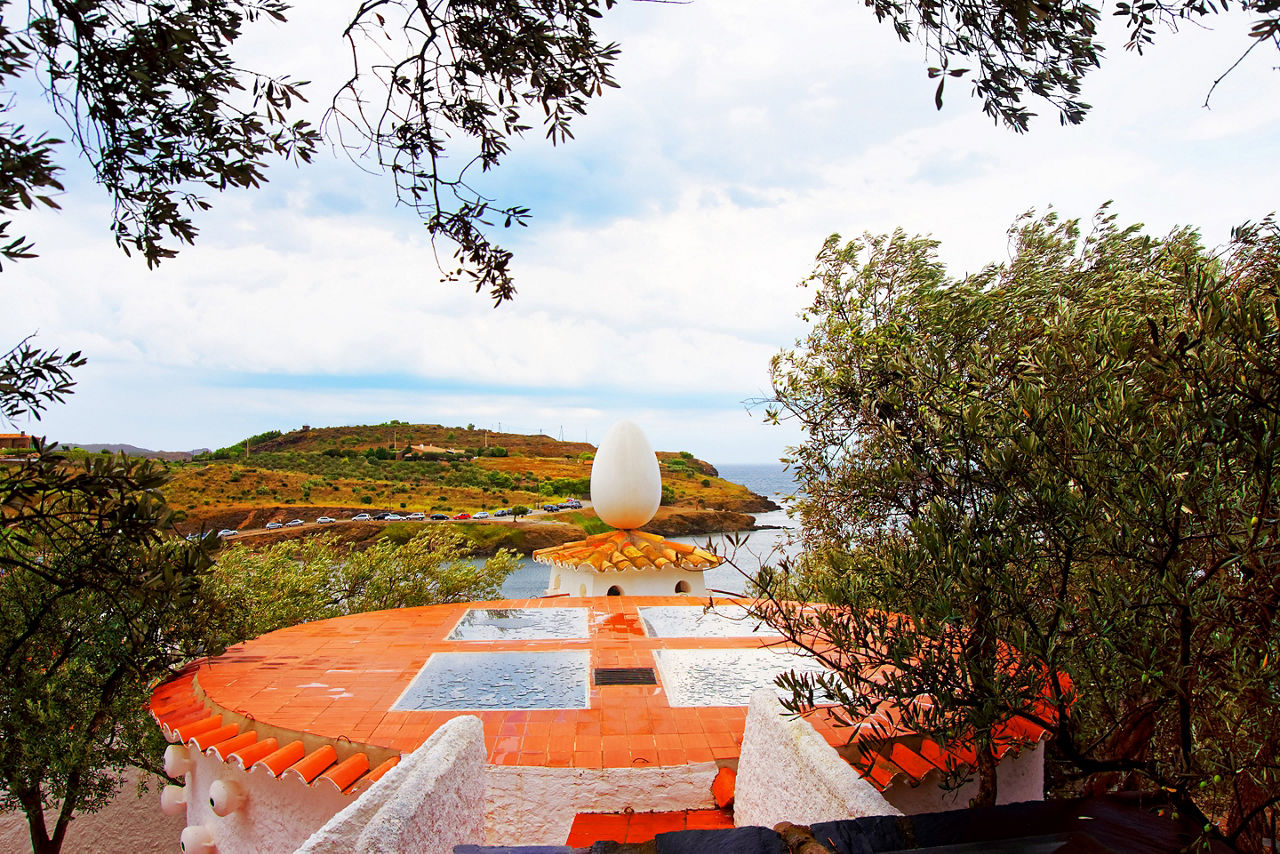
Among the most unique rooms are the Oval Room, an almost hemispherical shape based on a design Dalíi had done for a party hall in Acapulco. It's an eye-catching circular space with glass skylights used by Dalí as a second workshop for sculptures and performances.
Much of his unfinished artwork can be found in the studio — my favorite room in the house. Dalí viewed the studio as a sacred space, and as such, natural light paints the room from the large east window, where you'll also enjoy sweeping views of the harbor. There's something strangely overwhelming about standing in the space where the artist worked and seeing the very instruments he used to create his masterpieces. The studio, more than any other space, makes you feel like Salvador Dalí is still alive and continuing to produce art from his cozy sanctuary in Portlligat.
You’ll also be amazed by the sheer volume of original photographs depicting Dalí and Gala throughout the home. These photographs are an intimate window into the artist's domestic life and tell their own unique story, so make sure to keep an eye out for them during your tour.
Outside the Home: Touring the Salvador Dalí Garden
It's also worth noting that to visit the museum, you'll need to book in advance as it sells out quickly. If you don't snag a ticket to see the interior of the home, there's plenty to see on the grounds of the compound.
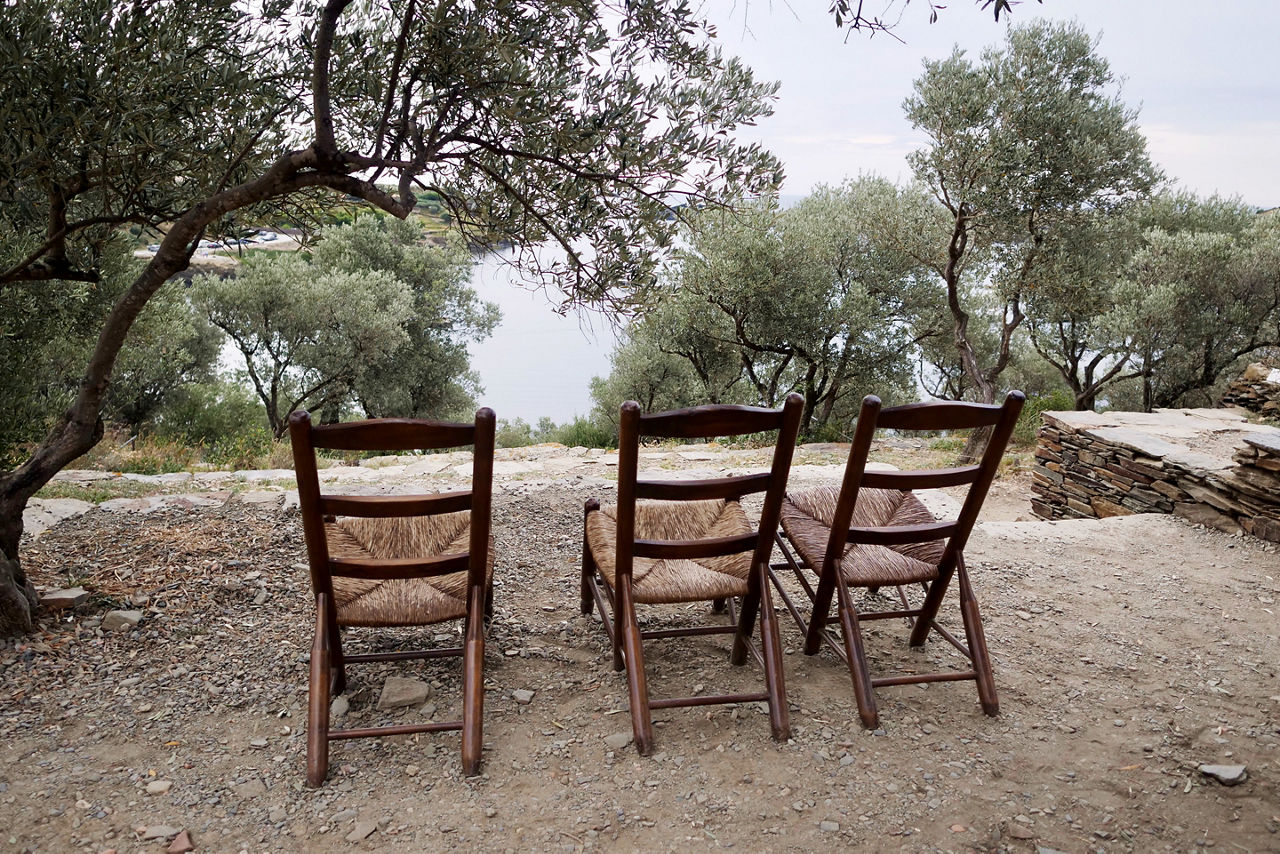
You can wander the gardens at your leisure, observing the odd layout and beauty. It's a trip inside the subconscious mind of Salvador Dalí. Narrow steps lead down to the centerpiece of the yard: an extravagant pool adorned with fountains, a playground, stuffed animals and Dalí's iconic Mae West-inspired lip sofa. The gardens, which are more of an olive tree courtyard, frame the stunning views of Cadaques.
You could spend an entire day at the Salvador Dalí House in Portlligat and still not see everything. With all of the details hidden throughout the home, you’ll want to return to Spain time and time again. This over-the-top display of his art proves that Dalí was a complicated and equally brilliant man, and you're sure to leave the museum inspired.
Ready to Cruise?
You don't have to be a fisherman to appreciate Portlligat, and you don't have to be an art aficionado to enjoy the Dalí Museum. Royal Caribbean offers many fantastic tours to the world’s most astonishing destinations, and it’ll come as no surprise that Spain is a popular choice for many travelers.
If the Dalí Museum in Spain is on your bucket list, perhaps now is the time to finally start planning an art-inspired trip to Portlligat. Discover our cruises and let us help you tick this dream holiday item off your travel vision board.



Related Articles

10 Barcelona Vacation Ideas
READ MORE

About the Pulpí Geode: The World’s Largest Geode
READ MORE
What is Included on a Cruise?
READ MORE