About the Pulpí Geode: The World’s Largest Geode
See This Majestic Geode on a Spain Caving Vacation Adventure
By Eben Diskin | Published: April 18, 2022 | Updated: February 24, 2026
When you think of Spain, your mind is probably flooded with beaches, Moorish architecture and flamenco dancers. Or maybe you're imagining Pamplona's famous "Running of the Bulls" or delectable tapas with a side of sangria. The magical crystal caves in Spain might not immediately come to mind — but the Pulpí Geode is one of the most surreal, beautiful crystal caves in the entire world.
The caves are remarkable for both their size and the perfection of the crystals found inside, many of which are the size of a grown man. The tale of the Pulpí Geode isn't one of a typical, age-old tourist attraction. It's pure adventure — and it should be a focal point of your next Spain travel experience.
Key Takeaways: The Pulpí Geode and Crystal Caves
- ● Located off a disused mine in Pulpí, Spain, the Pulpí Geode is a distinctive crystal cave, large enough for visitors to stand inside and admire the crystal formations.
- ● The crystals have a distinctive look due to their gypsum content, and their exact age is hard to tell due to their lack of radioactive materials.
- ● The town of Pulpí is also worth visiting for attractions like the nearby beaches, fortresses and olive oil production center.
- ● You can discover this fascinating side of Spain when you take a cruise vacation to Europe.
What Is the Pulpí Geode?
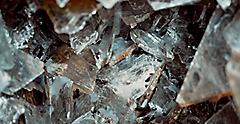
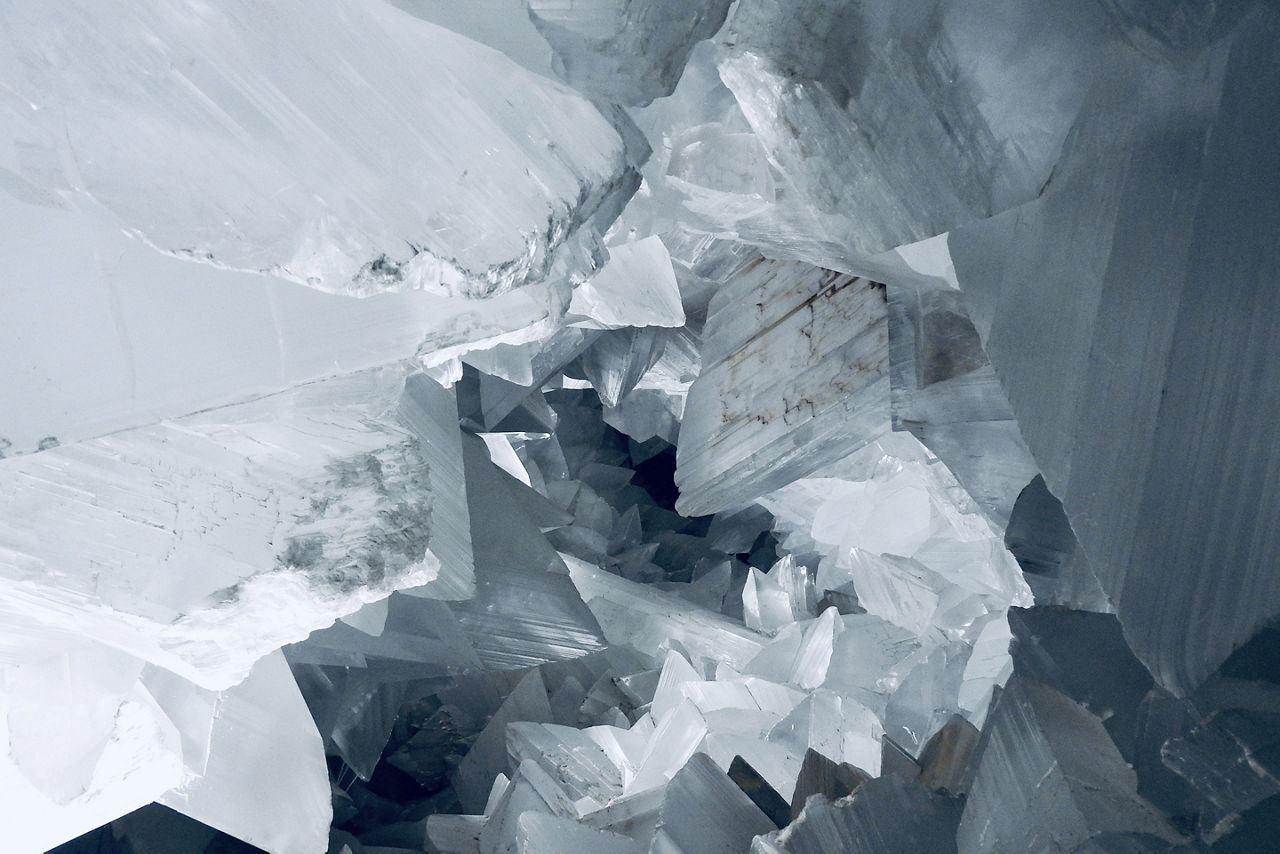
Deep in a caven attached to the disused Mina Rica mine in the Spanish town of Pulpí, there is a crystal-lined cavern, also known as a geode. The crystals in this particular geode are composed of a mineral called gypsum, rendering them so transparent they look like giant icicles, some of which are more than six feet tall. At this scale, it has a claim to be the largest geode in the world.
Due to its size and its crystals' distinctive composition, the Pulpí Geode has become a major focal point for the community and region around it. It stands out even amid the other crystal caves in Spain. Looking around on every side and seeing gleaming crystal facets is a surreal experience that can enchant travelers who have come to Spain as part of a European cruise vacation.
The more you learn about the geode, the more you'll want to see it in person. A unique natural formation like this is worth experiencing up close. The following are some of the most important facts about the Pulpí Geode to know before you go.
How Big Is the Pulpí Geode?
While it's not uncommon for small crystal caves or chambers to develop underground, the Pulpí Geode is massive, measuring 25 feet long, seven feet wide and five feet tall, which means it could be the largest geode ever found. That might not sound huge, but it's actually large enough to comfortably fit several adults — which, for a crystal-filled chamber, is pretty big. In this egg-shaped cavity, the geode is defined by its dazzling crystal slabs that cover the rock.
Book Now

When Was the Pulpí Geode Discovered?
Like all the world's most curious and unique natural wonders, the crystal caves in Spain didn't come to light until someone stumbled upon them. In this case, it was a research team conducting a geology and geochemistry study inside an abandoned mine in 1999.
The Mina Rica mine in southeast Spain had been one of the largest stores of mineral wealth in the country from 1840 until the Spanish Civil War, and the study involved creating a detailed map of the underground mining facility. During their exploration of the caves, researchers came upon a stunning sight — a geode (simply meaning a hollow cavity or chamber) lined with crystals, which came to be known as the Pulpí Geode.
Can You Visit Pulpí Geode?
Though once off-limits to visitors, the Pulpí Geode is now open to tourists traveling to Spain for vacation thanks to the mapping efforts of the research team that first found it. Since gypsum is incredibly fragile, the crystal cave is now protected and preserved with a glass shield.
Guided tours of the geode are available, though finding tours in English may be challenging. If you don't speak Spanish, you can ask for an English tablet, which you can use to listen to educational modules about the history of the mine and its minerals as you walk through.
Once you're in the mine, you'll have to walk 196 feet to reach the geode. That might not sound very far, but the journey actually requires you to descend into the tunnels, climb a set of stairs into a hole in the rocks and squeeze through a corridor of jagged crystals to access the geode. It might be a little uncomfortable, but it's worth it. Your efforts will be rewarded once you make your way into the geode and you find yourself in another world surrounded by dazzling crystals.
Be aware that it's necessary to climb a metal spiral staircase of approximately 170 steps to reach the geode, so those with mobility issues, claustrophobia or heart and lung problems are advised to think twice before making the journey.
What Is The Best Time To Visit the Pulpí Geode?
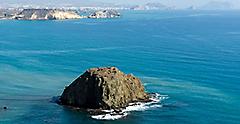
There is really no bad season to visit Pulpí and see the geode. The cave and other nearby attractions are open year-round, and the town is always ready to accommodate visitors. Due to the dry but warm climate, Pulpí rarely gets snow or frost, even in winter. With that said, summer is very warm, and may prove busy due to people going to the beaches in the area. Your main choice is between avoiding these crowds or joining them by the seashore.
How Was the Pulpí Geode Formed?
When you see the mysterious crystal cave, you'll naturally ask: How are geodes formed? Crystals typically form when liquids cool and harden. In Pulpí, the crystals are believed to have formed at 68 degrees Fahrenheit just below the surface, which caused the gypsum minerals there to dissolve and eventually recrystallize over thousands of years. Due to the purity of the crystals, the research team has been unable to accurately determine their date of origin, though they estimate their age to be between 60,000 and two million years old.
Despite the ongoing mystery, scientists believe the crystals formed through a process called Ostwald ripening, where large crystals are created from the dissolution of smaller ones. However old it might be, the Pulpí Geode is one of the most magical geological features in all of Spain.
How Does the Pulpí Geode Compare to Other Geodes?
As you spelunk through the Spanish cave, you'll notice the crystals' stunning aesthetic. This is largely thanks to the gypsum that they're made from. Gypsum is composed of water and calcium sulfate, which gives the crystals their sparkling, transparent look. However, compared with other geodes, Pulpí still remains somewhat of a mystery.
A similar geode was discovered 1,000 feet beneath the town of Naica in the Mexican state of Chihuahua. The Naica geode also houses a cavern of gypsum crystals, but those crystals were still in the process of growing when it was discovered, so researchers had an easier time dating them and learning about their history. The Pulpí Geode, by contrast, is completely dry, meaning its crystals haven't grown in tens of thousands of years. Since the crystals don't contain enough uranium isotopes, scientists aren't able to accurately perform radiometric dating.
Things To Do in Pulpí, Spain: Traveling Beyond the Cave
Apart from the geode itself, there's plenty to do in the town of Pulpí. That's right — it's not just about spelunking. Once you've had a thoroughly rugged underground experience exploring one of the most breathtaking crystal caves in Spain, head high above ground to the Castle of San Juan de los Terreros, just a short drive south. This defensive fortification was built in the 18th century atop a towering hill, and its walls are impressively well-preserved.
The Castle of Lorca is yet another fortification that's worth a visit. Located in the nearby town of Lorca, the castle dates back to the 13th century and served as an important defensive fortress during the Middle Ages. Clocking in at 2,100 feet long and nearly 400 feet wide, it's one of the largest castles in Spain.
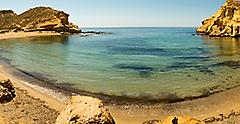
For a slightly more relaxing way to unwind after squeezing through the crystal caves, just drive 15 minutes to one of the area's many beaches. The beaches of La Entrevista, Los Nardos, San Juan de los Terreros, Mar Serena, Mar Rabiosa and Los Cocedores are all within driving distance. If you still haven't had your fill of caves and spelunking, Los Cocedores beach — on the border between Murcia and Almeria — actually has a variety of sea caves you can visit. And don't worry, you won't even have to crawl underground to see them. The caves lend the area such a unique aesthetic that the beach has even served as a filming location for several movies.
Pulpí itself is home to a golf course, open year-round to take advantage of the warm and forgiving weather, as well as geological exhibits that can act as an added attraction once you've seen the geode. The town is also the headquarters of an internationally celebrated olive oil manufacturing company. Walking among the olives or taking a tour of the production facility, you can get in touch with that beloved Spanish export.
Planning Your Caving Vacation in Spain
You could plan an entire travel vacation around caving in Spain. It's a thrilling adventure to another world, where you can learn about what was here before us and, perhaps, discover something new for yourself. If you have more time, Spain can just be one stop as you sail around the Mediterranean in comfort.

Get Royal Deals, Sign Up Today
Related Articles
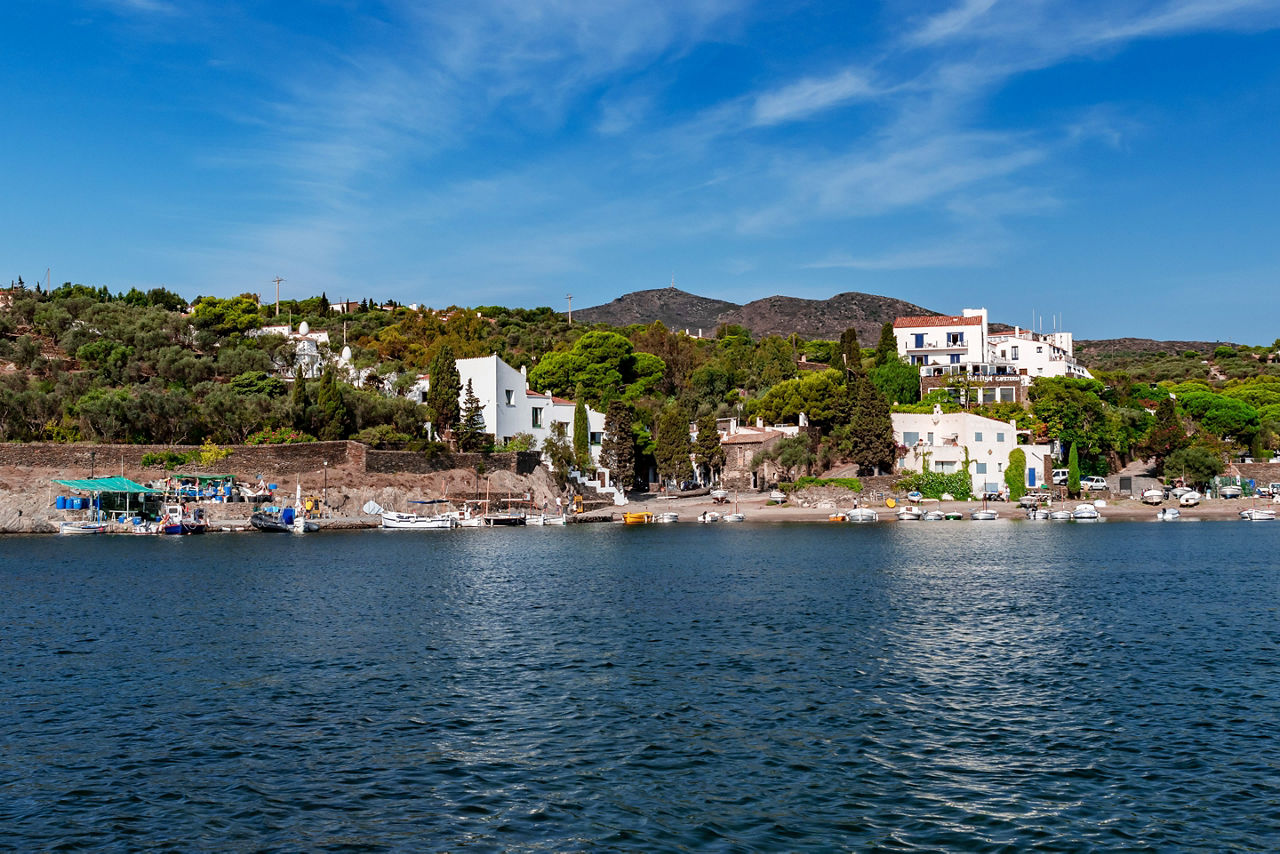
Explore as You Visit the Salvador Dali Museum and Garden in Spain
READ MORE
Traveling to the Crystal Caves in Spain: Spelunking for Geodes
READ MORE
The Most Popular Foods to Try When Visiting Spain
READ MORE
8 Hours in Barcelona, Spain
READ MORE